Vegetarian recipes featuring hemp deserve a central place in modern meal planning because hemp is one of the few plant foods that adds meaningful protein, healthy fats, and minerals without demanding complicated preparation. In this guide, I treat hemp for vegans and vegetarians as more than a niche ingredient trend. It is a practical foundation for breakfasts, lunches, dinners, snacks, and desserts that need to be satisfying as well as nutrient-dense. When I build vegetarian menus for busy households, hemp repeatedly solves the same problem: how to make plant-forward meals feel complete, balanced, and genuinely enjoyable rather than thin or overly reliant on dairy, soy, or processed meat substitutes.
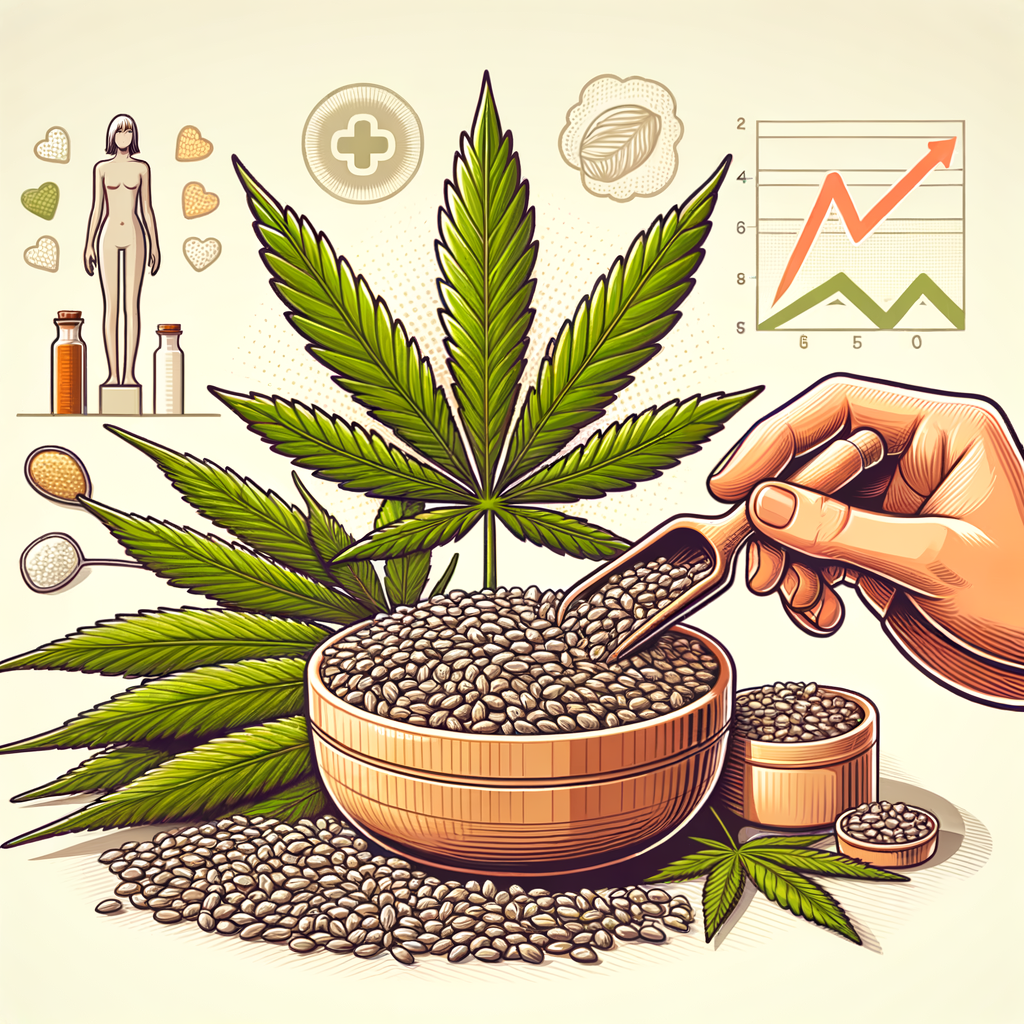
Hemp in food usually refers to hemp seeds, often sold as hulled hemp hearts, along with hemp protein powder, hemp milk, and hemp oil. These ingredients come from varieties of Cannabis sativa bred for food and fiber, not intoxicating use. Hemp hearts are especially useful in vegetarian cooking because they are soft, mildly nutty, and ready to eat from the package. Nutritionally, they are notable for containing all nine essential amino acids, plus unsaturated fats including omega-3 and omega-6 fatty acids. They also contribute magnesium, iron, zinc, and fiber, though whole seeds provide more fiber than hulled hearts. For vegetarians who want variety beyond beans, lentils, eggs, yogurt, and tofu, hemp broadens the protein toolkit in a very usable way.
This matters because vegetarian and vegan diets are often judged on protein quality, satiety, and micronutrient coverage. In practice, most well-planned plant-based diets can meet these needs, but recipe design matters. A salad with lettuce and vinaigrette is vegetarian, yet it is not enough for an active adult. A bowl built with grains, legumes, vegetables, and hemp seeds can be. Hemp improves texture, raises protein, and adds a richness that helps meals feel substantial. It also works across dietary patterns. Lacto-ovo vegetarians can pair hemp with eggs and dairy, while vegans can use it alongside legumes, whole grains, nuts, seeds, and fortified foods. That flexibility is why this article serves as a hub for hemp for vegans and vegetarians: it explains where hemp fits, how to cook with it, and which recipes offer the best everyday value.
Another reason hemp is worth understanding is culinary efficiency. Unlike dried beans, it needs no soaking. Unlike tofu, it does not require pressing. Unlike some protein powders, it does not force a chalky flavor into recipes when used thoughtfully. I have used hemp hearts in pesto, overnight oats, grain bowls, veggie burgers, and dairy-free sauces with reliable results. The ingredient is forgiving, which makes it ideal for cooks who want more nutrition without learning an entirely new cuisine. Used well, hemp can help vegetarians and vegans create meals that are balanced, convenient, and repeatable enough for real life.
Why Hemp Works So Well in Vegetarian and Vegan Meals
Hemp works in vegetarian recipes because it solves several cooking and nutrition challenges at once. First, it contributes protein in a form that is easy to scatter, blend, or stir into finished dishes. Three tablespoons of hemp hearts typically provide around 10 grams of protein, depending on brand. That makes a visible difference in meals that otherwise fall short, such as oatmeal, soups, or roasted vegetable plates. Second, hemp adds fat, especially polyunsaturated fat, which improves flavor and satiety. Many vegetarian meals become more satisfying when they include a source of fat that is integrated into the dish rather than added as an afterthought.
There is also a texture advantage. Hemp hearts are tender, not hard like some seeds, so they disappear smoothly into sauces and dressings while still offering pleasant body when sprinkled on top. Hemp protein powder has a different role. It is earthier and more fibrous, making it better for smoothies, pancakes, energy bites, or baking where a denser texture is acceptable. Hemp oil is best used unheated or lightly heated because its delicate fatty acids are better preserved in dressings, dips, and finishing applications. When cooks understand these distinctions, hemp stops being a single ingredient and becomes a small family of tools.
For vegans and vegetarians, variety matters because relying too heavily on one protein source can create menu fatigue. Soy is useful, but not everyone wants tofu every day. Beans are nutritious, but some people digest them better in moderate portions. Eggs and dairy work for many vegetarians, but not for vegans. Hemp fills those gaps. It pairs naturally with chickpeas, black beans, lentils, oats, quinoa, brown rice, buckwheat, and vegetables, and it strengthens dishes without making them feel repetitive. That is why many strong plant-based recipes use hemp not as the sole protein source, but as the ingredient that ties a nutritionally solid meal together.
Best Hemp Ingredients to Keep in a Vegetarian Pantry
If you are building a vegetarian hemp pantry, start with hulled hemp hearts. They are the most versatile form and can be used in sweet or savory dishes. Stir them into hot cereal, blend them into creamy soups, fold them into veggie burger mixtures, or use them in seed-based Parmesan alternatives with nutritional yeast and garlic powder. Store them in the refrigerator after opening to protect freshness. Whole hemp seeds are less common for direct use because the outer shell is firmer, though they can still work in homemade granola or baking.
Next, consider hemp protein powder. In my testing, it performs best when it complements other ingredients rather than dominates them. A smoothie with banana, berries, soy milk, and a spoonful of hemp protein usually tastes balanced; a smoothie overloaded with hemp powder can taste grassy and thick. The same principle applies in baking. Replacing a small portion of flour with hemp protein can raise protein content in muffins or pancakes, but replacing too much hurts structure. Most recipes tolerate partial substitution better than total substitution.
Hemp milk and hemp oil are also useful, though more specialized. Unsweetened hemp milk can be a good option for cereals, porridges, and smoothies, especially for people avoiding soy or nuts. It is usually lower in protein than soy milk unless fortified or specifically formulated, so read labels carefully. Hemp oil brings a pleasant nutty note to vinaigrettes, green sauces, and grain bowl drizzles. Because oxidation affects flavor, buy modest bottle sizes and store them away from heat and light.
| Hemp ingredient | Best uses | What to watch for |
|---|---|---|
| Hemp hearts | Oats, salads, pesto, bowls, burgers, yogurt, sauces | Refrigerate after opening for best flavor |
| Hemp protein powder | Smoothies, pancakes, muffins, energy bites | Use moderately to avoid dense texture |
| Hemp milk | Cereal, porridge, smoothies, creamy soups | Protein content varies widely by brand |
| Hemp oil | Dressings, dips, finishing drizzle | Best not used for high-heat cooking |
Breakfast Recipes Featuring Hemp
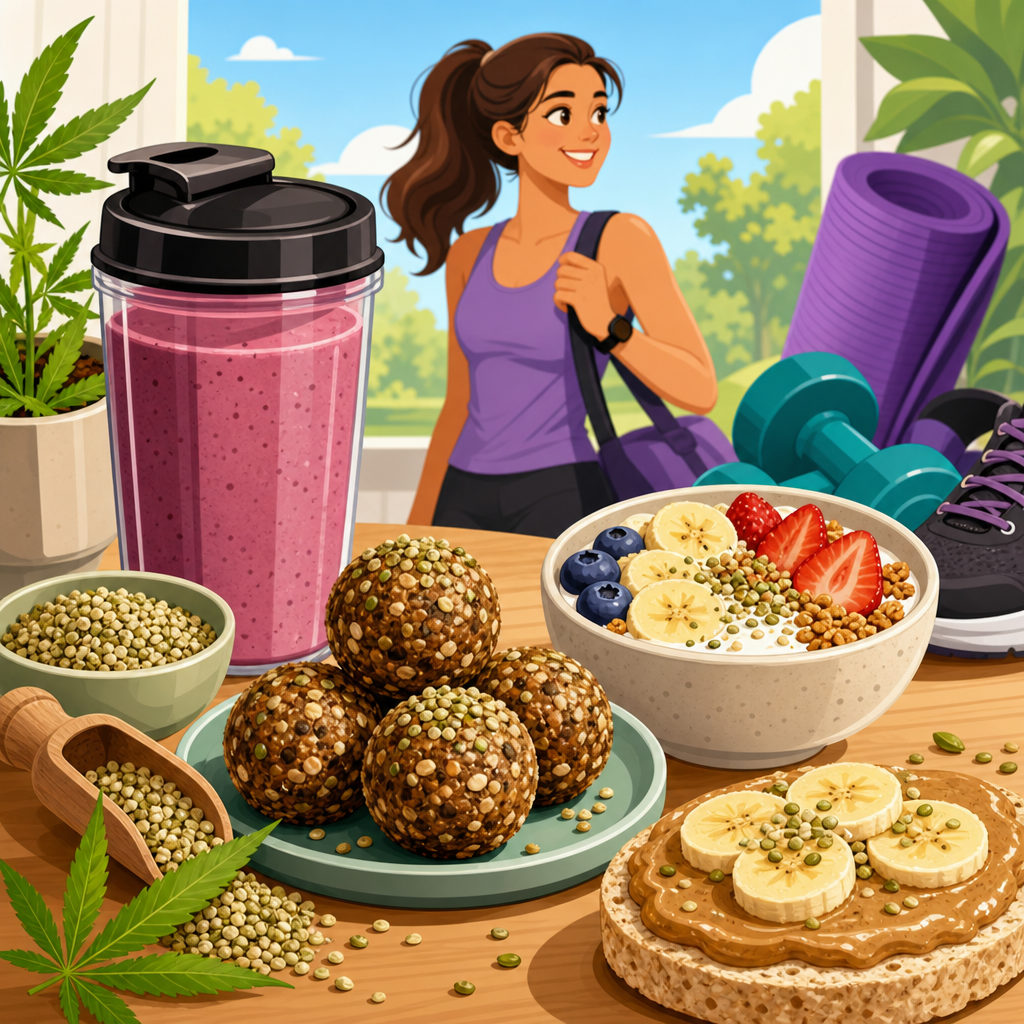
The easiest entry point for vegetarian recipes featuring hemp is breakfast. Hemp hearts disappear naturally into foods people already eat in the morning. Overnight oats are a prime example. Combine rolled oats, unsweetened plant milk or dairy milk, chia seeds, cinnamon, berries, and two to three tablespoons of hemp hearts. By morning, the oats are creamier, the protein is higher, and the meal keeps you full longer than plain oats alone. For vegans, adding soy yogurt or a scoop of hemp protein creates an even stronger breakfast without much extra work.
Smoothie bowls are another strong use case. Blend frozen banana, spinach, berries, fortified soy milk, and a tablespoon of hemp hearts, then top with granola, sliced fruit, and another spoonful of hemp. This layering matters. Blended hemp adds body, while whole hemp hearts on top provide texture. If you want a hot breakfast, stir hemp hearts into steel-cut oats with chopped apple, walnuts, and cinnamon, or fold them into savory oatmeal with sautéed mushrooms, scallions, and a soft-cooked egg for vegetarians who eat eggs.
Hemp also works well in pancakes and waffles. A practical formula is to replace a small portion of flour with hemp protein powder and finish the batter with hemp hearts. The result is more robust and nutty, especially when paired with mashed banana or pumpkin puree. For a quick breakfast on busy weekdays, homemade energy bites made with oats, dates, peanut butter, cocoa, and hemp hearts are reliable because they require no baking and travel well. Among vegetarian hemp recipes, breakfast is where consistency matters most, and hemp is one of the few ingredients that raises nutrition without slowing anyone down.
Lunch and Dinner Ideas That Make Hemp a Core Ingredient
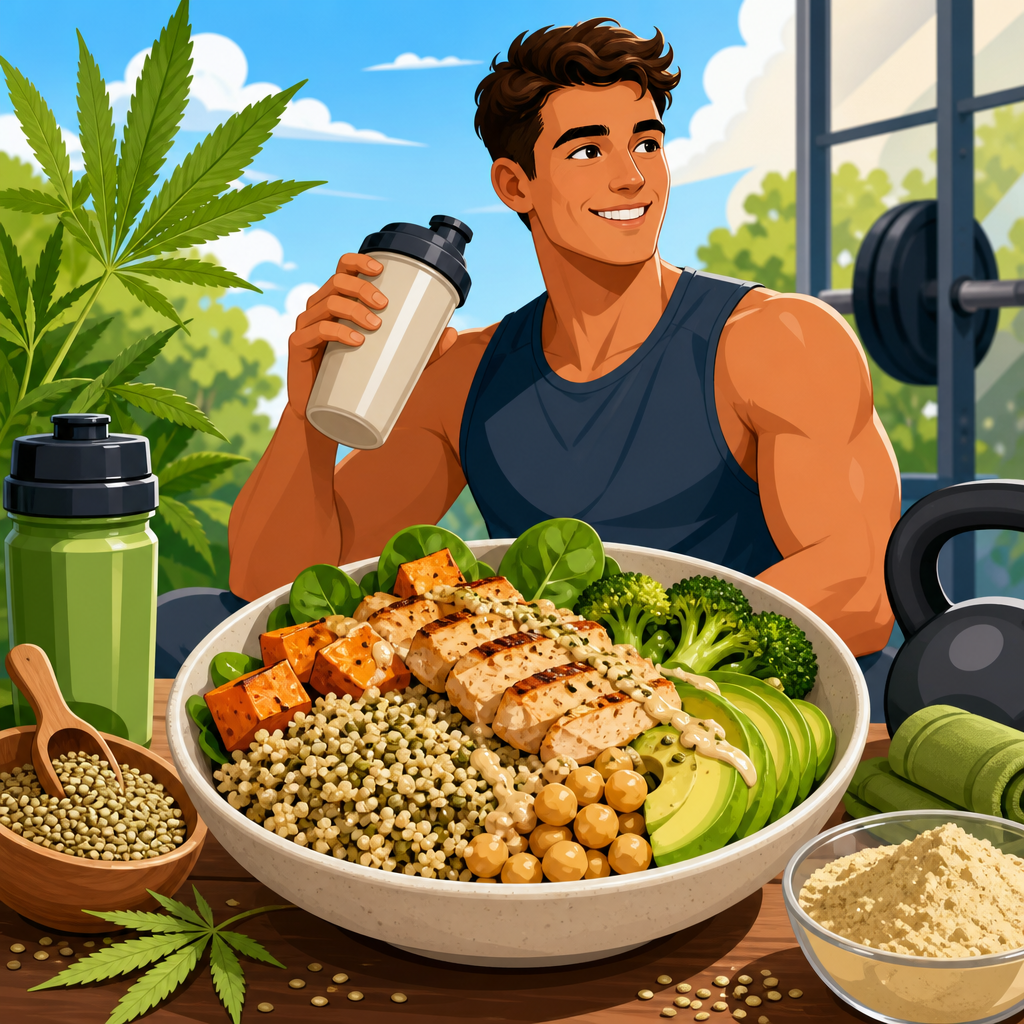
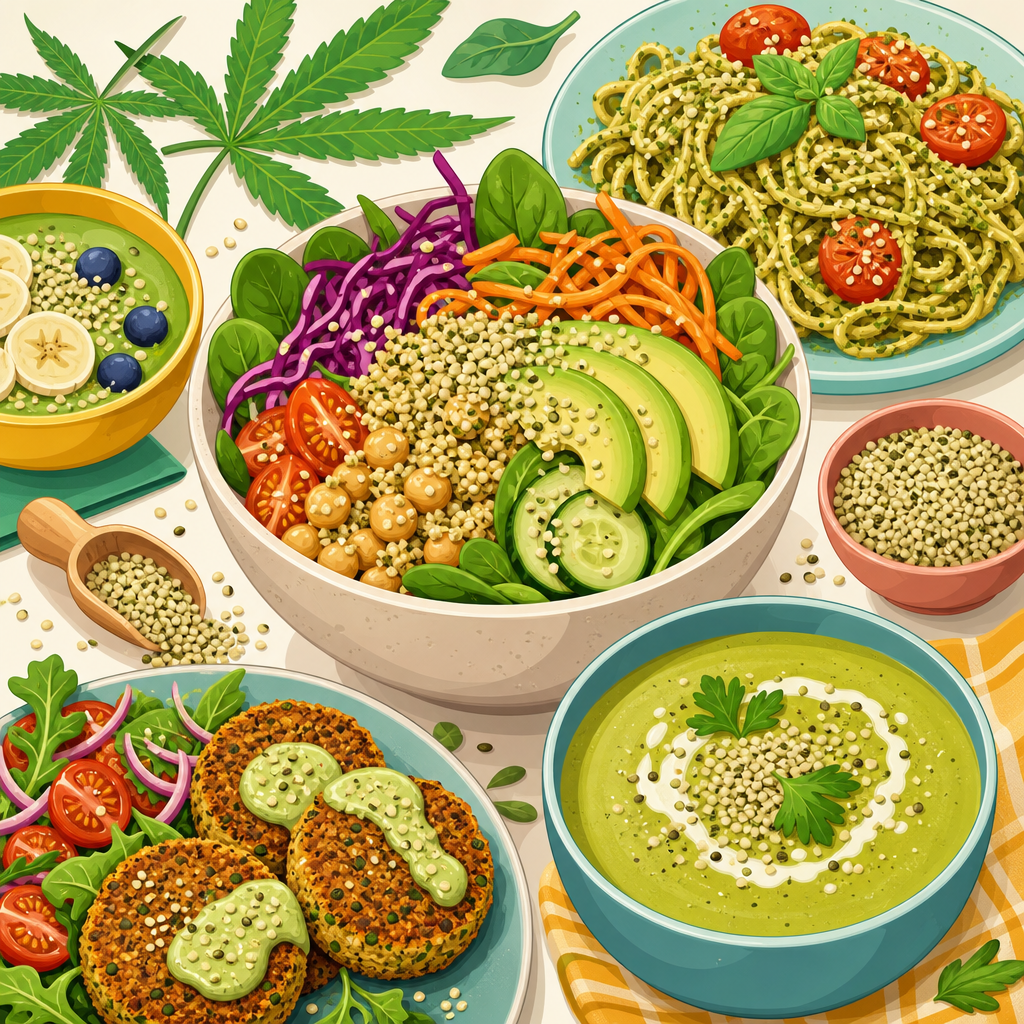
At lunch and dinner, hemp performs best when it strengthens structure and richness. Grain bowls are the clearest example. Start with quinoa, farro, or brown rice; add roasted vegetables and a legume such as chickpeas or lentils; then finish with a hemp-based sauce. A simple dressing of lemon juice, tahini, hemp hearts, garlic, and water blended until smooth creates a creamy topping with more protein than a standard vinaigrette. This kind of bowl works for both vegans and vegetarians because the core formula is flexible. Add feta or a boiled egg if desired, or keep it fully plant-based.
Veggie burgers benefit from hemp because seeds help bind moisture while improving nutrient density. Black bean burgers often become mushy when they contain too many wet ingredients. Adding rolled oats and hemp hearts gives the mixture more structure. I have had the best results by pairing black beans with grated onion, smoked paprika, ground flax, and hemp hearts, then chilling the patties before cooking. The burgers hold together better and taste more complete than versions built from beans alone.
Pasta is another overlooked place for hemp. Instead of relying entirely on cheese or cream, blend hemp hearts with basil, parsley, garlic, olive oil, lemon, and nutritional yeast for a vegan pesto. The sauce coats noodles beautifully and also works on roasted vegetables or sandwiches. For a comforting dinner, hemp can enrich tomato-lentil soup, creamy cauliflower soup, or butternut squash soup without using heavy cream. Blend a portion directly into the soup near the end of cooking. The result is smooth, balanced, and especially useful for vegans seeking richness from whole-food ingredients.
Snacks, Baking, and Simple Staples for Everyday Use
Not every hemp recipe needs to be a full meal. Some of the most practical vegetarian uses are simple staples that make other meals better. Hemp seed Parmesan is one of the fastest. Pulse hemp hearts with nutritional yeast, garlic powder, and salt, then sprinkle the mixture over pasta, roasted broccoli, popcorn, or grain bowls. It adds savory depth without dairy, though vegetarians who eat cheese can still use it as a lighter complement to Parmesan rather than a replacement.
Dips are another dependable category. White bean and hemp dip, spinach-hemp pesto dip, and carrot-hemp spread all work because hemp blends into a creamy texture. Spread them on toast, use them in wraps, or serve them with cucumbers and crackers. For packed lunches, a wrap with hummus, shredded vegetables, avocado, and hemp hearts is more filling than the same wrap without seeds. These are small additions, but over a week they materially improve the quality of a vegetarian diet.
In baking, hemp hearts add tenderness to muffins, banana bread, and seeded crackers. Hemp protein powder is more assertive, so reserve it for recipes designed to handle denser ingredients, such as breakfast cookies or snack bars. When teaching home cooks to use hemp, I suggest starting with recipes where success is almost guaranteed: oats, smoothies, pesto, salads, and dips. Once those become routine, move into burgers, soups, and baking. That progression lowers waste and builds confidence, which matters more than chasing novelty ingredients that end up forgotten at the back of the pantry.
How to Balance Nutrition, Flavor, and Cost
Hemp is useful, but it is not a magic ingredient, and good vegetarian cooking still depends on balance. Protein should come from a range of foods, including legumes, soy foods, dairy or eggs for those who use them, whole grains, nuts, and seeds. Hemp supports that pattern by adding complementary nutrition and improving meal satisfaction. For vegans especially, hemp helps, but it does not replace the need to plan for vitamin B12, iodine, calcium, vitamin D, and often omega-3 strategy from foods or supplements. A strong vegan diet is deliberate, not accidental.
Flavor balance matters too. Hemp hearts are mild enough for daily use, but hemp protein powder can dominate if used carelessly. Taste as you go, and pair hemp with ingredients that suit its nutty character: lemon, herbs, cocoa, banana, berries, garlic, roasted vegetables, sesame, and miso. Cost is the other consideration. Hemp products are usually more expensive than oats or beans, so use them where they deliver clear value. A tablespoon scattered randomly may not matter much, while a few tablespoons in breakfast oats, a blended sauce, or a burger mixture can transform a dish.
For anyone building a practical library of vegetarian recipes featuring hemp, the smartest approach is to treat this ingredient as a versatile enhancer and occasional centerpiece. Keep hemp hearts on hand, use hemp protein selectively, and rely on proven recipe formats that fit your household. Start with one breakfast, one lunch bowl, one sauce, and one snack you genuinely enjoy. Then repeat them until hemp becomes part of your normal cooking rhythm. That is how hemp for vegans and vegetarians delivers its real benefit: not as a trend, but as a dependable way to make plant-based meals more nourishing, more satisfying, and easier to sustain. Try one hemp recipe this week, refine it to your taste, and build from there.
Frequently Asked Questions
1. Why is hemp such a useful ingredient in vegetarian recipes?
Hemp is especially valuable in vegetarian cooking because it helps solve several common meal-planning challenges at once. It contributes plant-based protein, beneficial fats, fiber in some forms, and important minerals like magnesium, iron, and zinc, all while fitting easily into everyday dishes. For vegetarians who want meals that are both satisfying and nutrient-dense, hemp offers a practical way to increase overall nutritional quality without relying on complicated prep methods or heavily processed ingredients. That matters in real kitchens, where convenience often determines whether a healthy habit actually lasts.
Another reason hemp works so well is its versatility. Hemp seeds can be sprinkled over oatmeal, yogurt, smoothie bowls, salads, soups, grain bowls, and roasted vegetables. Hemp hearts blend smoothly into sauces, dressings, dips, and creamy soups, adding richness without overpowering other flavors. Hemp protein powder can be used in smoothies, energy bites, pancakes, muffins, and homemade snack bars. Hemp milk can stand in for dairy or other plant milks in cereals, baking, sauces, and drinks. Because the flavor is generally mild and slightly nutty, hemp can be used across breakfast, lunch, dinner, snacks, and even desserts.
From a meal-satisfaction standpoint, hemp is also useful because it supports balance. Meals built around refined carbohydrates alone can leave people hungry soon after eating, but adding hemp can increase protein and healthy fat content in a simple, natural way. That combination can help vegetarian meals feel more substantial and complete. In short, hemp is not just a trendy add-in. It is a genuinely functional ingredient that helps vegetarians create meals that are easier to enjoy, easier to repeat, and more likely to support long-term nutrition goals.
2. What types of hemp products work best in vegetarian cooking?
The best hemp product depends on the kind of recipe you are making, because different forms of hemp behave differently in the kitchen. Hemp hearts, also called shelled hemp seeds, are the most flexible option for most vegetarian cooks. They are soft, pleasant to eat as-is, and easy to add to both sweet and savory dishes. If you want one hemp ingredient to keep on hand for everyday use, hemp hearts are usually the best choice. They work well in overnight oats, pesto, grain bowls, salads, vegetable soups, pasta toppings, and homemade sauces.
Hemp protein powder is more specialized. It is useful when your goal is boosting protein in smoothies, baked goods, pancakes, waffles, or snack bars. It tends to have a more earthy flavor and a denser texture than hemp hearts, so it is usually best combined with other ingredients rather than eaten on its own. In baking, it can replace part of the flour, though using too much may make recipes heavy or dry. In smoothies, it pairs particularly well with banana, cocoa, berries, peanut butter, cinnamon, and dates, which help round out the flavor.
Hemp milk is another helpful option, particularly for people looking for a dairy-free base in drinks and recipes. It can be used in coffee, tea, porridge, chia pudding, soups, mashed vegetables, and some sauces. Unsweetened versions are usually the most versatile for cooking. Whole hemp seeds, with the shell intact, are less common in everyday vegetarian recipes because they are firmer and not as easy to blend into soft textures. Hemp oil can be excellent in dressings and finishing applications, but it is generally not the best choice for high-heat cooking. For most home cooks, the most useful starting trio is hemp hearts, unsweetened hemp milk, and hemp protein powder, since those three forms cover the widest range of recipe needs.
3. How can I add hemp to vegetarian meals without changing the flavor too much?
One of hemp’s biggest advantages is that it is relatively easy to incorporate without dramatically altering the character of a dish. Hemp hearts have a mild, subtly nutty flavor, so they can often be added in small to moderate amounts without standing out. The easiest approach is to use hemp as a supporting ingredient rather than the dominant one. For example, stir a few spoonfuls into oatmeal, blend them into a smoothie, sprinkle them over avocado toast, mix them into cooked quinoa or brown rice, or fold them into yogurt with fruit and cinnamon. These are low-effort changes that improve nutritional value while preserving the original taste profile of the meal.
In savory recipes, hemp works especially well when paired with ingredients that already have warmth, richness, or herbal notes. It blends naturally into basil pesto, lemon-tahini dressing, roasted red pepper sauce, creamy vegetable soups, hummus-style dips, and stuffed vegetable fillings. In these cases, the hemp contributes body and nutrition more than a strong flavor. If you are making burgers, meatless balls, or patties from beans and grains, a small amount of hemp can add texture and substance without making the recipe seem unfamiliar. The same principle applies to baked goods: when hemp protein or hemp hearts are used alongside banana, cocoa, vanilla, maple syrup, or nut butter, they tend to integrate very smoothly.
If you are new to hemp, start small and build gradually. Add one to two tablespoons of hemp hearts to familiar dishes first, then increase the amount once you know what level you enjoy. For hemp protein powder, begin with modest amounts in smoothies or baking recipes, because its flavor is stronger and more earthy. Choosing complementary ingredients is the key. Fruit, spices, nuts, seeds, herbs, citrus, garlic, cocoa, and roasted vegetables all help hemp fit naturally into a recipe. When used thoughtfully, hemp enhances vegetarian meals much more often than it competes with them.
4. Can hemp help make vegetarian meals more filling and balanced?
Yes, hemp can play a major role in making vegetarian meals feel more complete, especially for people who often find themselves hungry soon after eating. Many vegetarian meals are naturally rich in carbohydrates from grains, bread, pasta, fruit, and starchy vegetables. Those foods can absolutely be part of a healthy pattern, but meals become more satisfying when they also include enough protein and fat. Hemp helps create that balance in a very convenient way. By adding hemp hearts, hemp protein, or hemp-based ingredients to a meal, you can improve texture, boost protein, and increase the presence of healthy fats without having to redesign the entire recipe.
For example, a plain bowl of oatmeal may taste good, but oatmeal topped with hemp hearts, nut butter, berries, and cinnamon is likely to keep you full longer. A simple salad becomes much more substantial with chickpeas, roasted vegetables, whole grains, and a hemp-based dressing. A blended vegetable soup can shift from light to satisfying when hemp hearts are mixed in for creaminess and extra nutrition. Even snacks can become more effective when hemp is included, such as apple slices with hemp seed dip, yogurt with hemp and fruit, or homemade energy bites made with oats and hemp hearts.
Balance also matters from a broader nutritional perspective. Vegetarian eaters often benefit from ingredients that bring multiple nutrients at once, and hemp does exactly that. Rather than treating it as a magic food, it is more helpful to view hemp as a practical building block that supports stronger meal composition. When combined with legumes, whole grains, vegetables, dairy or plant alternatives, nuts, seeds, and fruit, hemp can help turn ordinary vegetarian dishes into meals that are more sustaining, better rounded, and easier to rely on throughout a busy week.
5. What are some easy vegetarian recipe ideas featuring hemp for busy weeknights?
Busy weeknight meals benefit from ingredients that require little or no extra preparation, and hemp fits that need extremely well. One of the simplest options is a grain bowl built from cooked quinoa, brown rice, or farro, topped with roasted vegetables, beans or lentils, greens, and a quick dressing made by blending hemp hearts with lemon juice, garlic, olive oil, and water. This creates a dinner that is fast, balanced, and easy to customize. Another excellent option is hemp pesto pasta. Blend hemp hearts with basil, garlic, lemon, olive oil, and parmesan or a vegetarian alternative, then toss with whole-grain pasta, peas, spinach, or roasted broccoli for a meal that feels fresh but still comforting.
Soups and skillet meals are also ideal. Hemp hearts can be blended into tomato soup, carrot soup, butternut squash soup, or broccoli soup to create creaminess without relying entirely on dairy. In a skillet dinner, try sautéed vegetables with tofu or white beans served over grains, then finish the dish with hemp seeds and fresh herbs. Vegetarian tacos can be upgraded with a hemp-lime slaw, black beans, avocado, and a creamy hemp sauce. Stuffed sweet potatoes are another practical choice: fill baked sweet potatoes with lentils, sautéed greens, salsa, and a sprinkle of hemp hearts for a fast dinner that feels substantial.
If you want meals that do double duty, hemp also works well in prep-ahead staples. Mix hemp hearts into overnight oats for the next morning, blend a hemp smoothie pack for breakfast, or make a batch of hemp energy bites for snacks. You can stir hemp into pancake batter, muffin batter, homemade veggie burgers, or grain-based casseroles to increase nutrient density without adding much effort. The real strength of hemp in vegetarian cooking is not just that it is healthy, but that it adapts to the rhythms