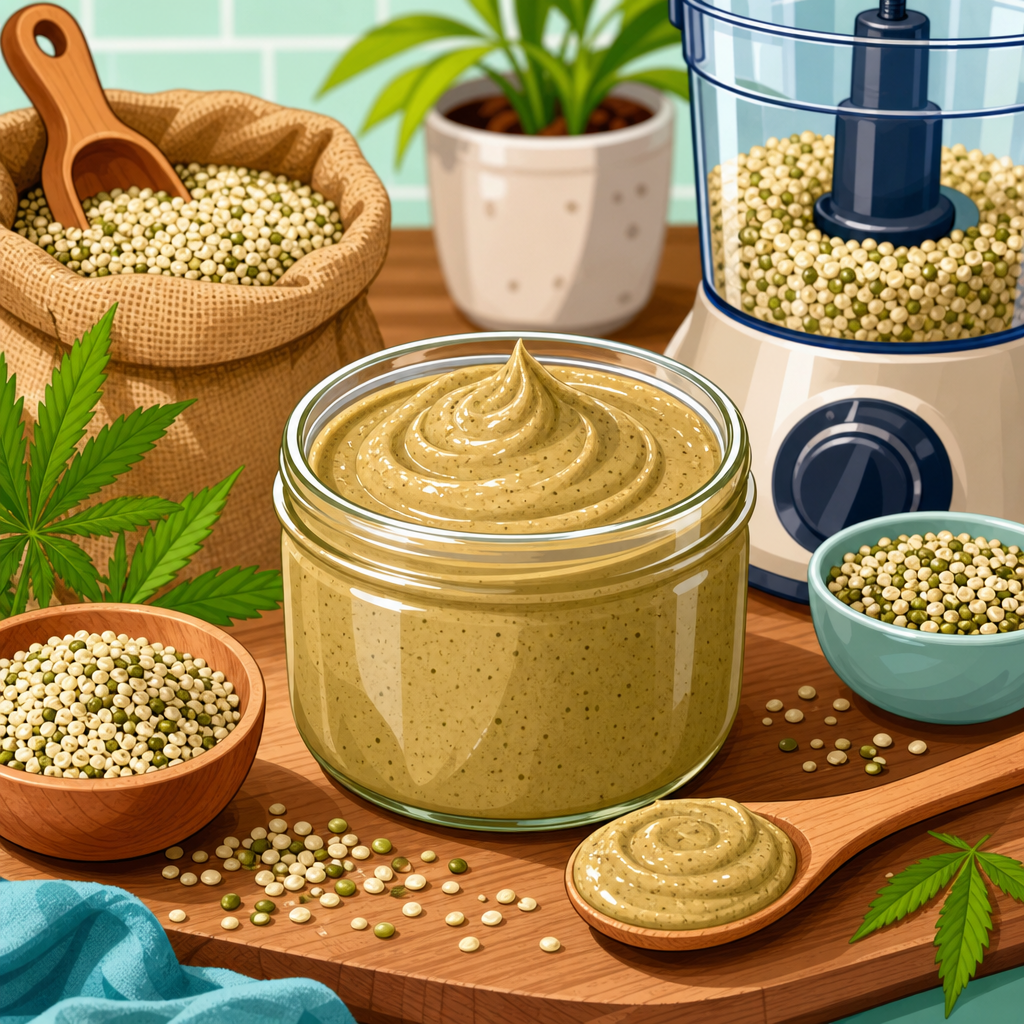
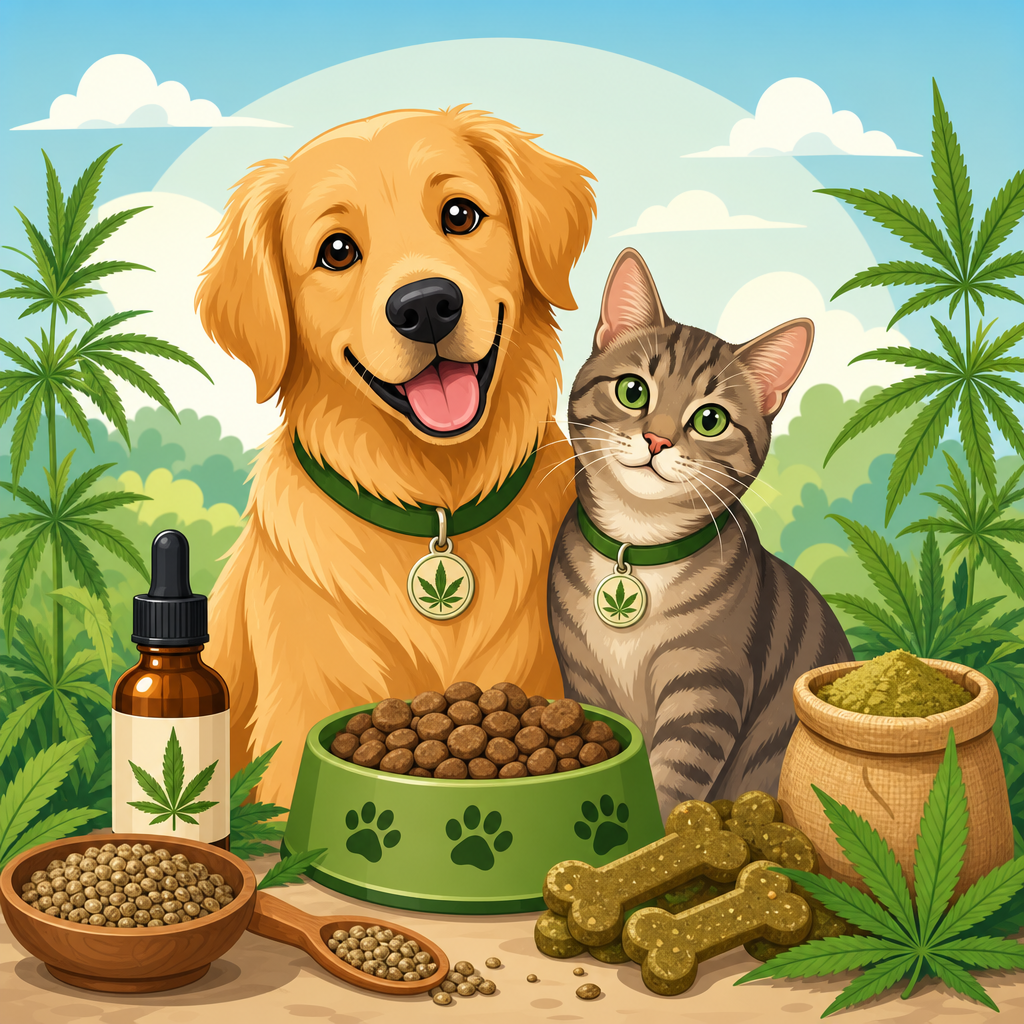
How hemp can benefit your pet’s diet starts with understanding what hemp is, what it is not, and why so many pet owners now ask veterinarians and nutrition professionals about it. Hemp is a variety of Cannabis sativa bred to contain only trace amounts of THC, the intoxicating compound associated with marijuana. In pet nutrition, hemp usually appears as hemp seed, hemp seed oil, hemp meal, or carefully formulated hemp-derived supplements. These ingredients are valued for their fatty acid profile, digestibility, plant protein content, and, in some products, naturally occurring cannabinoids that interact with the body’s endocannabinoid system. For dogs and cats especially, the interest is practical: owners want support for skin, coat quality, mobility, appetite, stress response, and healthy aging without radically changing the rest of the diet.
In practice, hemp products for pets are not all the same, and that distinction matters. I have reviewed formulations that were nutritionally useful because they supplied linoleic acid, alpha-linolenic acid, and gamma-linolenic acid from hemp seed oil, while others were marketed around calming or joint support through broad-spectrum hemp extracts. A pet owner looking at a bag of treats, a bottle of oil, and a scoopable supplement may assume they deliver the same benefit, but they do not. Hemp seeds contribute nutrition; hemp extracts are used more for functional support; hemp meal can add fiber and protein; and quality standards vary widely between brands. A useful hub article has to sort those differences clearly, because the right choice depends on the species, the health goal, the dose form, and the product’s manufacturing transparency.
This matters because the pet supplement market is crowded, labeling can be inconsistent, and animals are less forgiving than humans when products are poorly formulated. Dogs metabolize many compounds differently than people do, and cats bring an extra level of complexity because they are obligate carnivores with unique liver metabolism and more selective eating habits. If hemp is going to benefit your pet’s diet, it has to be chosen for a specific nutritional purpose, introduced carefully, and evaluated like any other ingredient: by composition, safety, palatability, and response over time. When used appropriately, hemp can be a valuable addition to a complete feeding plan rather than a trendy extra.
What Hemp Products for Pets Actually Include
The phrase hemp products for pets covers several distinct categories. Hemp seed is the most straightforward. It contains protein, fiber, and beneficial fats, but negligible cannabinoids because those compounds are concentrated in the flowers and leaves, not the cleaned seeds. Hemp seed oil is pressed from the seeds and is used mainly for its lipid profile. Hemp meal is the protein- and fiber-rich material left after oil extraction and can appear in treats, toppers, and some limited-ingredient formulas. Then there are hemp-derived extracts, often labeled broad-spectrum, full-spectrum, or isolate-based, designed to provide cannabinoids such as CBD without meaningful THC exposure. These products are usually sold as oils, chews, capsules, or soft gels.
That distinction answers one of the most common questions directly: can hemp be part of a pet’s diet even if an owner does not want cannabinoid supplements? Yes. Hemp hearts, hemp seed oil, and hemp meal can be included purely as nutritional ingredients. They are closer to flaxseed or fish oil in the way they function in the diet, though each has a different fatty acid balance and digestive impact. By contrast, cannabinoid-containing hemp supplements are used for targeted support and should be treated more like adjunct wellness products than basic food staples. This separation helps owners avoid overpromising and helps them read labels with the right expectations.
Manufacturing quality is the next dividing line. Reliable brands disclose whether the hemp was grown under regulated agricultural programs, whether the extract was made with CO2 or another solvent system, and whether each lot is tested by an independent laboratory. A certificate of analysis should confirm cannabinoid content, show non-detectable or compliant THC levels, and screen for pesticides, heavy metals, residual solvents, and microbial contamination. In my experience, the strongest pet brands also formulate around carrier oils that dogs can tolerate well, such as MCT oil or hemp seed oil, and they keep flavor systems simple to reduce digestive upset.
Nutritional Benefits of Hemp Seed and Hemp Seed Oil
If the goal is diet improvement, hemp seed ingredients deserve the most attention. Hemp seed oil is rich in polyunsaturated fats, especially omega-6 linoleic acid and omega-3 alpha-linolenic acid, in a ratio often described as favorable for general nutrition. It also contains gamma-linolenic acid, a less common omega-6 fatty acid that is frequently discussed in skin and coat support. In dogs with dry skin, dull coats, or seasonal itching, I have seen the biggest dietary value from consistent fat quality rather than from novelty ingredients. Hemp seed oil can help supply that quality, especially when the base diet is lower in fresh fats or relies heavily on processed fillers.
Hemp seed also contributes plant protein, minerals, and fiber. The protein is not a replacement for animal protein in cats or most dogs, but it can complement a formula by adding amino acids and texture. The fiber portion may support stool quality in some pets, particularly when introduced slowly in treats or toppers. For senior dogs on calorie-controlled feeding plans, hemp meal can be useful because it adds satiety and structure without simply increasing starch. That said, hemp is not a complete solution by itself. Pets still need balanced diets that meet AAFCO nutrient profiles or equivalent veterinary nutrition standards, and hemp should be part of that larger nutritional picture.
Pet owners often compare hemp seed oil with fish oil. Fish oil remains the stronger choice when the main goal is direct EPA and DHA intake for inflammation, cognition, or cardiac support, because hemp seed oil does not naturally provide those marine omega-3s in significant amounts. However, hemp seed oil has its own place. It is plant-based, generally palatable, and useful for pets that do not tolerate fish flavors well. For some dogs, a veterinarian may even recommend using both in carefully measured amounts, balancing skin support from a broader fat profile with targeted omega-3 supplementation from fish oil.
| Hemp Product Type | Main Nutritional Role | Best Use Case | Key Limitation |
|---|---|---|---|
| Hemp seed | Protein, fiber, healthy fats | Treats, toppers, whole-food inclusion | Not a complete protein source for pets |
| Hemp seed oil | Linoleic acid, alpha-linolenic acid, GLA | Skin and coat support | Does not supply meaningful EPA or DHA |
| Hemp meal | Fiber and residual protein | Satiety, stool quality, baked treats | Can cause digestive upset if added too fast |
| Hemp extract | Functional cannabinoid support | Calming, mobility, wellness routines | Quality and dosing vary widely by brand |
How Hemp-Derived Supplements May Support Stress, Mobility, and Aging
Beyond basic nutrition, hemp-derived supplements are used because cannabinoids interact with the endocannabinoid system, a signaling network involved in balance, mood, pain perception, appetite, and immune function. The interest in pets centers mainly on CBD-rich formulations. While research is still developing, early veterinary studies and extensive owner experience suggest potential value for situational stress, discomfort related to normal aging, and support for overall quality of life in some dogs. That does not make hemp extract a cure, and it should never replace appropriate diagnosis, but it helps explain why these products have become a serious category rather than a passing fad.
Stress support is one of the clearest real-world applications. Dogs with noise sensitivity, travel anxiety, separation-related behaviors, or difficulty settling at night may respond to a thoughtfully dosed hemp supplement as part of a larger behavior plan. I have seen better outcomes when owners combine it with routine, enrichment, crate training, white noise, and, when needed, guidance from a veterinarian or behaviorist. For example, a dog that trembles during thunderstorms may benefit from a hemp chew given before the event, but success improves dramatically when the dog also has a safe room, practiced relaxation cues, and no exposure to chaotic environmental triggers.
Mobility support is another major use case. Older dogs with stiffness after exercise or hesitation on stairs are often started on joint supplements containing glucosamine, chondroitin, MSM, green-lipped mussel, or omega-3s. Some newer formulas add hemp extract to that mix. The goal is not to rebuild joints directly through hemp alone, but to support comfort and make the pet more willing to move, which then helps maintain muscle and function. For senior pets, that can be meaningful. A dog that rises more easily, walks a little longer, and rests more comfortably may maintain independence longer, even if the underlying arthritis still requires a veterinary care plan.
Choosing Safe, Effective Hemp Products for Dogs and Cats
Safety starts with species-appropriate formulation. Dogs and cats should never be given random human hemp gummies, tinctures, or flavored products from a convenience shelf. Human items may contain xylitol, chocolate, excessive essential oils, artificial sweeteners, high THC levels, or unsuitable serving sizes. A pet-specific product should list active ingredients clearly, use a simple carrier, and provide dosing guidance based on weight. For cats, I prefer especially clean ingredient panels because they are more sensitive to taste and more likely to reject strong oils or added botanicals. Cats also have fewer condition-specific data available, so caution matters more.
Third-party testing is nonnegotiable. The best brands publish a current certificate of analysis for each batch, ideally accessible by QR code or lot number. That report should match the bottle strength, verify cannabinoid content, and confirm that THC is below legal and practical safety thresholds. It should also screen for lead, arsenic, cadmium, mercury, pesticide residues, microbial contamination, and residual solvents if extraction was used. The National Animal Supplement Council quality seal can be a helpful indicator of manufacturing commitment, though it is not a substitute for lab data. In formulation reviews, missing lab documentation is usually the fastest reason to reject a product.
Owners should also watch for exaggerated claims. A trustworthy company will say its hemp oil may support calm behavior, mobility, or general wellness. It should not claim to cure cancer, eliminate seizures without veterinary oversight, or replace prescription therapy. Reliable pet supplement labels stay within legal structure-function language, and reputable companies encourage consultation with a veterinarian, especially for pets on NSAIDs, anticonvulsants, sedatives, or liver-metabolized medications. If a brand leans on miracle language instead of composition, dose, and testing details, that is a warning sign rather than a selling point.
How to Add Hemp to Your Pet’s Diet the Right Way
Introduce hemp gradually and define the goal before the first dose. If you are using hemp seed oil for coat support, measure it as a calorie-containing fat and adjust the rest of the ration if needed. If you are using a hemp extract for calming, choose a time-limited trial, keep a simple log, and note changes in pacing, whining, sleep, appetite, stool quality, and activity. This is the same method I use when reviewing any supplement category because vague impressions lead to poor decisions. A written baseline is often the difference between identifying a modest benefit and chasing a placebo effect.
Start low, increase slowly, and give each adjustment enough time. For nutritional hemp ingredients in food, that may mean introducing a small amount over several days to avoid loose stool. For hemp extracts, many owners begin at the low end of the manufacturer’s weight-based guidance and assess response before increasing. Timing matters too. A calming chew may work best thirty to ninety minutes before a stressor, while a daily mobility formula may need two to four weeks of steady use before the pattern becomes clear. Consistency is more informative than frequent product switching.
Monitor for side effects and practical issues. The most common concerns are soft stool, sedation, reduced appetite, or product refusal due to taste. Less commonly, pets may seem temporarily lethargic or show gastrointestinal upset from rich carrier oils. Any pet with liver disease, pancreatitis history, pregnancy, or multiple medications deserves veterinary input before starting hemp supplements. The same is true for very young animals. Hemp can be helpful, but the smartest approach is disciplined and individualized. Used this way, it fits naturally into a broader wellness plan that may also include high-quality food, exercise, weight control, dental care, and regular screening exams.
Hemp products for pets can absolutely earn a place in a thoughtful feeding and supplement routine, but the benefit depends on matching the product to the purpose. Hemp seed, hemp seed oil, and hemp meal contribute real nutritional value through healthy fats, fiber, and complementary protein. Hemp-derived extracts may support calm behavior, mobility, and quality of life when they are well made, properly dosed, and used with realistic expectations. The strongest results come from treating hemp as one tool in a complete care strategy, not as a shortcut or universal fix.
For pet owners trying to decide where to start, the clearest path is simple. First, identify the need: skin and coat, digestive support, stress response, aging comfort, or general wellness. Second, choose a pet-specific product with transparent sourcing, third-party testing, and straightforward ingredients. Third, introduce it gradually and track the response objectively. That process reduces risk, saves money, and makes it much easier to tell whether the product is truly helping your dog or cat.
As the hub for hemp products for pets, this topic leads naturally into deeper questions about hemp oil reviews, CBD chews for dogs, dosage guidance, safety standards, and species-specific recommendations for cats versus dogs. If you are building a smarter supplement plan, keep exploring those related areas and involve your veterinarian when health conditions are in play. Hemp works best when it is selected carefully, used consistently, and judged by measurable results.
Frequently Asked Questions
1. What is hemp, and how is it different from marijuana when used in pet nutrition?
Hemp is a variety of Cannabis sativa that is specifically bred to contain only trace amounts of THC, the compound responsible for the intoxicating effects associated with marijuana. That distinction matters because when people hear the word “cannabis,” they often assume all forms have the same effects, which is not the case. In pet nutrition, hemp ingredients are typically derived from the seeds or from carefully processed, hemp-derived extracts used in supplements. Common forms include hemp seed, hemp seed oil, and hemp meal. These ingredients are valued for their nutritional profile rather than for any intoxicating effect.
For pets, hemp is most often discussed as a functional ingredient that may support overall wellness, especially because it naturally contains beneficial fatty acids and other nutrients. Hemp seed itself does not contain meaningful amounts of THC, and reputable pet products are formulated with safety, testing, and labeling standards in mind. Still, pet owners should never assume that all cannabis-related products are interchangeable. Marijuana products, human edibles, and unverified oils are not appropriate for animals. If you are considering hemp for your pet, the safest approach is to choose a product made specifically for pets and review it with your veterinarian.
2. What nutritional benefits can hemp offer in a pet’s diet?
One of the main reasons hemp has gained attention in pet nutrition is its fatty acid profile. Hemp seed and hemp seed oil contain essential fatty acids, including omega-3 and omega-6 fats, which play an important role in maintaining skin health, coat quality, and normal inflammatory function. These fats are considered “essential” because the body cannot produce them in sufficient amounts on its own, so they must come from the diet. For pets with dry skin, dull coats, or seasonal skin challenges, a balanced source of dietary fats may be especially appealing as part of a broader nutrition plan.
Beyond fats, hemp ingredients can also contribute plant-based protein, fiber, and naturally occurring compounds that support overall nutritional balance. Hemp meal, for example, may be used in some pet foods as a source of protein and fiber after the oil has been removed from the seed. Depending on the product, hemp may help support normal digestion, healthy skin and coat condition, and general vitality. That said, hemp is not a cure-all and should not be viewed as a replacement for a complete and balanced diet. Its greatest value is often as a complementary ingredient that works alongside quality nutrition, proper veterinary care, and lifestyle factors such as exercise and weight management.
3. Is hemp safe for dogs and cats?
Hemp can be safe for dogs and cats when it is used appropriately, sourced from reputable manufacturers, and selected with veterinary guidance. Safety depends on several factors, including the type of hemp ingredient, the quality of the manufacturing process, the serving amount, and your pet’s age, size, health status, and medications. Products intended for pets should clearly list their ingredients, provide dosing guidance, and ideally include third-party testing to verify potency and confirm the absence of harmful contaminants such as pesticides, solvents, heavy metals, or excessive THC.
It is also important to understand that not every pet will respond the same way to a new dietary ingredient. Some animals may tolerate hemp well, while others may experience mild digestive upset if a product is introduced too quickly or given in excessive amounts. Pet owners should start slowly, monitor for changes in appetite, stool quality, energy level, and comfort, and report any concerns to their veterinarian. Extra caution is warranted for pets who are pregnant, elderly, medically fragile, or taking prescription medications. While hemp can be a useful addition for some pets, the best practice is to treat it like any other nutritional change: choose quality, introduce gradually, and involve a veterinary professional in the decision.
4. Which types of hemp products are commonly used for pets, and how do they differ?
The most common hemp ingredients found in pet nutrition are hemp seed, hemp seed oil, hemp meal, and hemp-derived supplements. Hemp seed is the whole seed and may be included in some foods or treats for its nutrient content. Hemp seed oil is extracted from the seeds and is especially prized for its concentration of essential fatty acids. Hemp meal is the protein- and fiber-rich material that remains after oil extraction, and it may be incorporated into pet food formulas for added nutritional value. Hemp-derived supplements are more specialized products and can vary significantly depending on formulation, intended use, and active compounds.
These differences matter because each form offers a different nutritional emphasis. If a pet owner is primarily interested in coat and skin support, hemp seed oil may be the most relevant option. If the goal is to add protein and fiber within a complete diet, hemp meal may be more appropriate. Supplements require even more careful evaluation, since product quality and labeling accuracy can vary widely. It is always wise to look for pet-specific formulations with transparent ingredient lists, feeding instructions, and quality testing. Choosing the right type depends on your pet’s needs, the rest of the diet, and whether the product is being used for general nutritional support or as part of a veterinarian-directed wellness plan.
5. How should pet owners introduce hemp into their pet’s diet?
The best way to introduce hemp is gradually and intentionally. Start with a product designed specifically for pets, and follow the manufacturer’s suggested serving guidelines unless your veterinarian recommends otherwise. Introduce only one new hemp product at a time so you can clearly observe how your pet responds. A slow introduction allows the digestive system to adjust and helps you identify whether the ingredient is a good fit. Over the first several days, monitor practical signs such as stool consistency, appetite, skin condition, coat appearance, and overall behavior.
It is also helpful to think of hemp as one part of a larger nutrition strategy rather than a quick fix. Pets benefit most when supplements or functional ingredients are added to a diet that is already complete, balanced, and appropriate for their life stage and health needs. If your pet has allergies, chronic digestive issues, skin conditions, or is taking medications, speak with your veterinarian before making changes. They can help determine whether hemp makes sense, which form may be most useful, and how to use it safely alongside other parts of your pet’s care plan. A thoughtful, veterinary-informed approach gives you the best chance of seeing benefits while minimizing unnecessary risks.