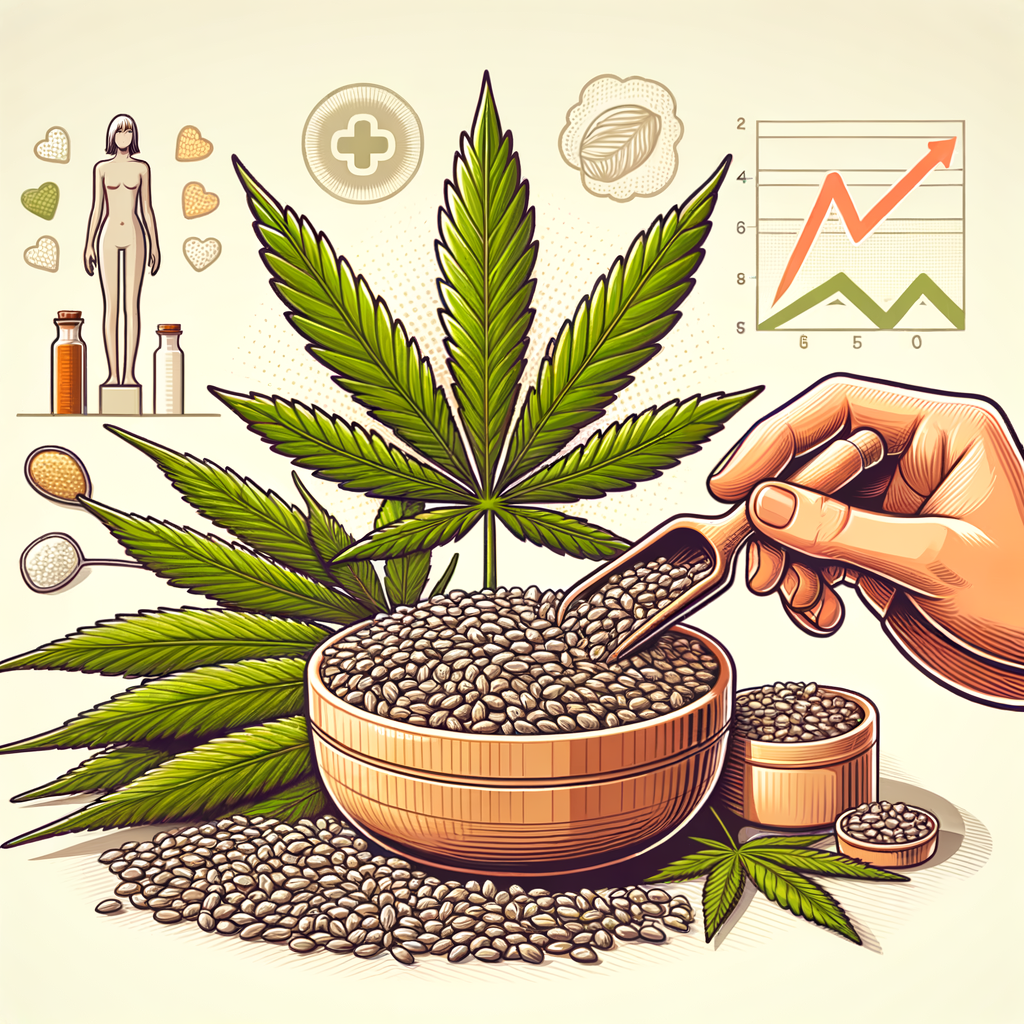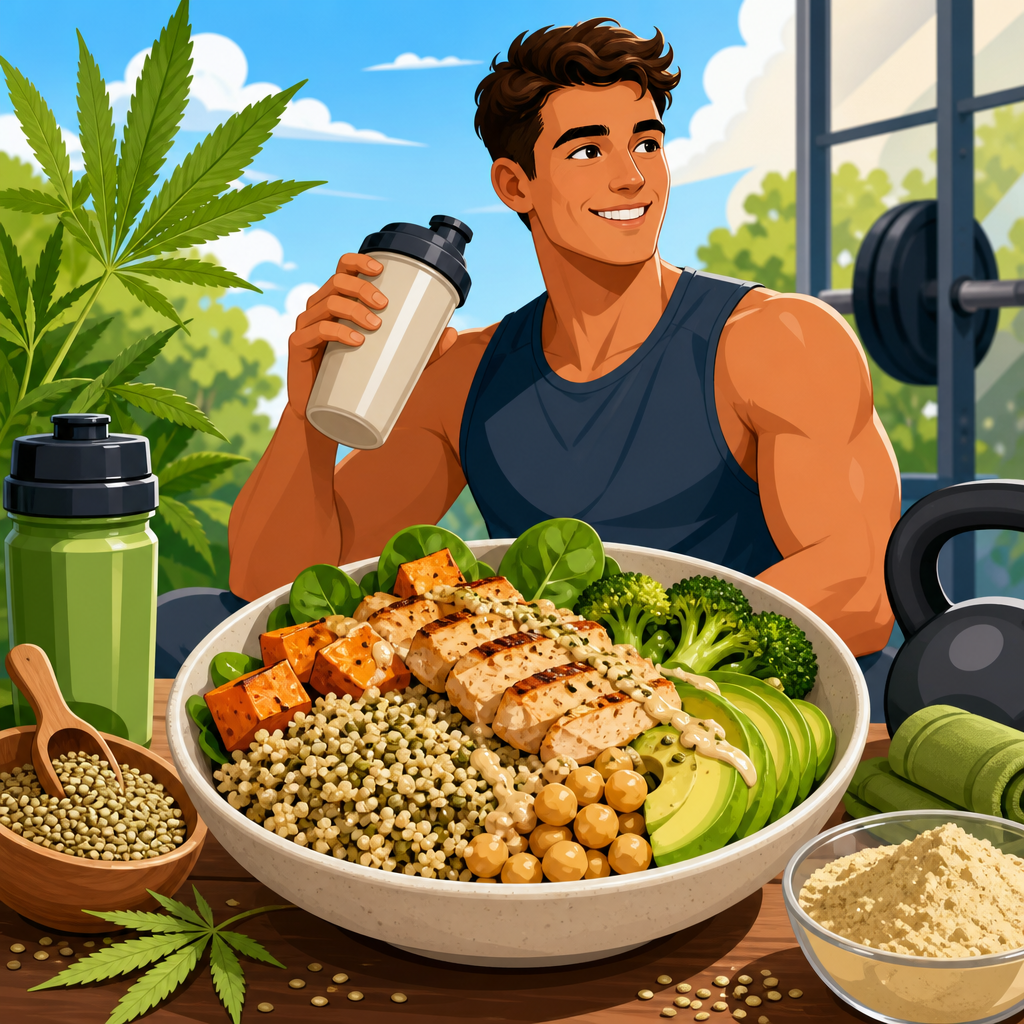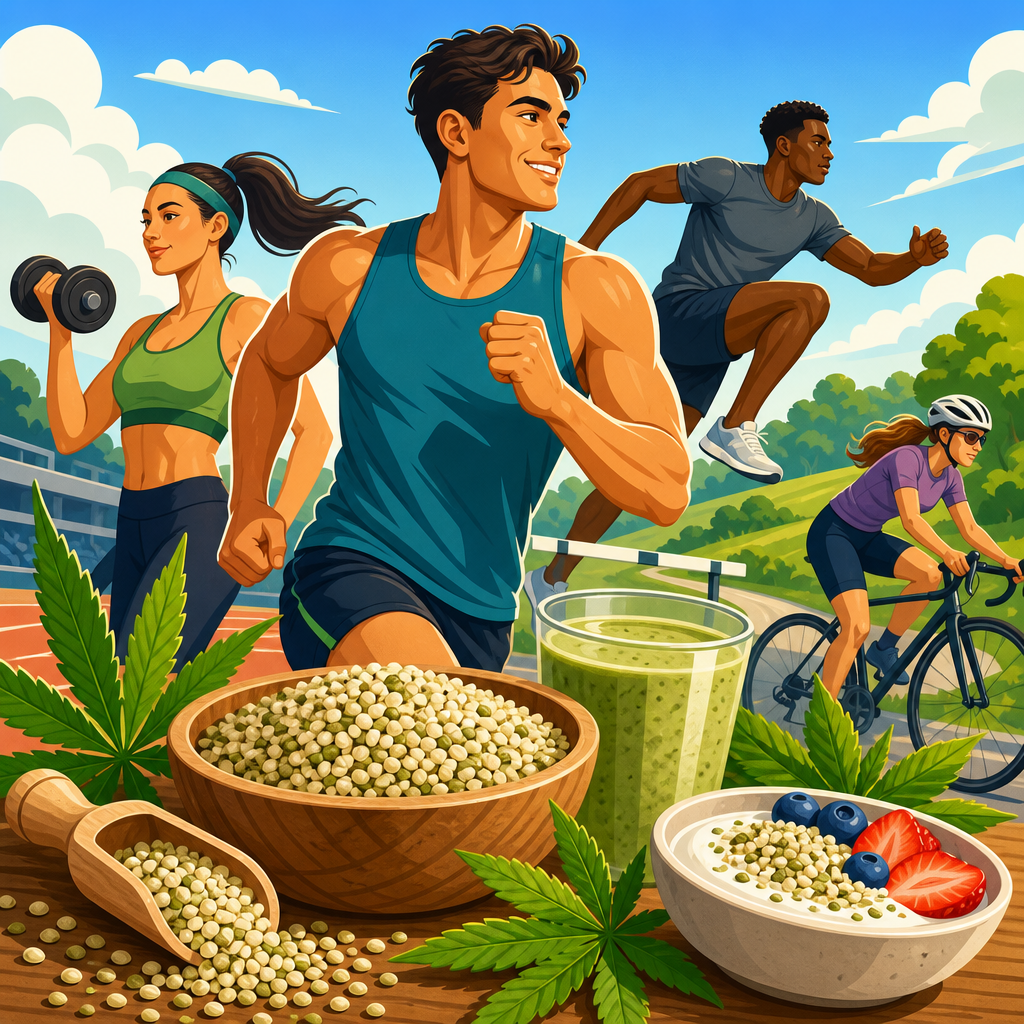

Hemp has become a serious nutrition staple for athletes and fitness enthusiasts because it delivers complete plant protein, beneficial fats, minerals, and practical versatility in one food. In this article, hemp refers to nutrient-dense hemp seeds, hemp hearts, hemp protein powder, and foods made from them, not psychoactive cannabis products. That distinction matters. Industrial hemp foods contain only trace amounts of tetrahydrocannabinol and are used for nutrition, not intoxication. For active people trying to improve training quality, recovery, body composition, and everyday energy, hemp stands out as a compact, easy-to-use option that fits many eating styles.
I have worked with endurance athletes, recreational lifters, and busy clients who need foods that solve real problems: protein they will actually eat, fats that support overall health, and ingredients that work in shakes, oats, meals, and snacks. Hemp repeatedly earns a place in that rotation because it is simple. Three tablespoons of hemp hearts typically provide about 10 grams of protein, around 15 grams of fat largely from unsaturated sources, and useful amounts of magnesium, iron, zinc, and manganese. Hemp protein powders vary by brand, but many deliver 15 to 20 grams of protein per serving with fiber included. For athletes who want nutrient density without excessive processing, that profile is compelling.
Why does hemp matter in sports nutrition? Training creates repeated demands on muscle tissue, energy systems, hydration habits, and overall recovery capacity. Performance is not built on protein alone. Athletes also need enough calories, essential fatty acids, minerals involved in oxygen transport and muscle contraction, and foods they can digest consistently. Hemp contributes across those areas. It offers edestin and albumin proteins, both highly digestible storage proteins, and a fatty acid profile that includes omega-6 linoleic acid and omega-3 alpha-linolenic acid. It also supplies magnesium, a mineral tied to muscle and nerve function, and iron, which is especially important for endurance athletes and menstruating athletes.
This hub article explains how hemp supports athletic performance, where it fits in pre-workout and post-workout eating, how it compares with other protein sources, and what practical limitations to keep in mind. It is designed as the central resource for hemp for athletes and fitness enthusiasts, so it covers the big picture clearly and directly. If you are asking whether hemp helps build muscle, whether it is good for runners, whether hemp protein is complete, or how to use hemp in a high-performance diet, you will find specific answers here.
Why Hemp Works in a Performance Diet
Hemp works well in a performance diet because it combines several useful attributes in a single ingredient: complete protein, unsaturated fats, micronutrients, and convenience. A complete protein contains all nine essential amino acids. Hemp qualifies, although its leucine content is lower than whey or soy per serving, which matters when maximizing muscle protein synthesis. In practice, that means hemp can absolutely support muscle maintenance and growth, but athletes often need a larger serving or a mixed meal to reach the leucine threshold associated with post-exercise recovery. That is not a flaw; it is simply the correct way to use it.
For many active people, consistency beats perfection. Hemp hearts can be added to smoothies, yogurt, oatmeal, grain bowls, or salads in seconds. Hemp protein powder can be blended with fruit, oats, and soy milk for a more substantial recovery shake. Because hemp foods are naturally rich in fats and fiber compared with purified isolates, they can be more satisfying than leaner protein options. That satiety helps athletes who want steadier energy and appetite control, but it can also make hemp less ideal immediately before high-intensity training if someone has a sensitive stomach. Timing matters as much as food choice.
The micronutrient contribution is another reason hemp deserves attention. Magnesium supports hundreds of enzymatic reactions, including those involved in energy metabolism and muscle contraction. Iron helps carry oxygen through hemoglobin and myoglobin. Zinc contributes to immune function and tissue repair. Manganese plays a role in metabolism and antioxidant defenses. Athletes do not need a miracle food; they need foods that quietly cover nutritional bases day after day. Hemp does that well, especially in diets where variety is limited by schedule, appetite, or food preferences.
Protein Quality, Muscle Building, and Recovery
A common question is straightforward: can hemp build muscle? Yes, if total daily protein and training stimulus are adequate. Resistance training creates the signal for growth, and protein provides the raw materials for repair and adaptation. Most evidence-based sports nutrition guidelines place daily protein for active adults around 1.2 to 2.0 grams per kilogram of body weight, with higher ranges often used during calorie deficits, heavy training blocks, or physique-focused phases. Hemp can contribute meaningfully to that target, especially when used more than once across the day.
The important nuance is amino acid distribution. Leucine is the amino acid most associated with triggering muscle protein synthesis, and hemp is not the richest source compared with whey. That means a 20-gram serving of hemp protein may be less anabolic than a 20-gram serving of whey in isolation. However, athletes do not eat in a laboratory. In real meal planning, hemp works effectively when paired with other protein-containing foods such as soy milk, Greek-style yogurt alternatives, tofu, eggs, or even higher-protein grains. I often recommend treating hemp as part of a protein system rather than expecting it to do everything alone.
Recovery is broader than muscle gain. After demanding sessions, athletes benefit from protein for tissue repair, carbohydrate for glycogen replenishment, fluids, and adequate total energy. Hemp fits the recovery picture best when blended into a balanced meal or shake. A practical example is a post-run smoothie with hemp protein, banana, frozen berries, oats, and calcium-fortified soy milk. That combination supplies protein, carbohydrate, antioxidants, and fluid in a format many athletes tolerate well. For team sport athletes with two-a-day sessions, adding a faster carbohydrate source alongside hemp may improve readiness for the next session.
Healthy Fats, Inflammation, and Endurance Support
Hemp is not only about protein. Its fat profile is one of its most valuable features for athletes, especially those following plant-forward diets. Hemp seeds provide polyunsaturated fats, including linoleic acid and alpha-linolenic acid, in a ratio often considered favorable for general health. They also contain gamma-linolenic acid in small amounts, a less common fatty acid that has been studied for roles in inflammatory processes. It would be inaccurate to call hemp an anti-inflammatory cure, but it is fair to say that its fats support a diet pattern associated with cardiovascular and metabolic health.
For endurance athletes, healthy fats matter because they help maintain overall energy intake and support long-term training capacity. Runners, cyclists, and triathletes often struggle to eat enough when training volume climbs. Hemp hearts are calorie-dense without requiring much preparation, making them useful in oats, smoothies, rice bowls, and homemade bars. During heavy mileage blocks, I have seen athletes improve dietary adherence simply by adding hemp to meals they already enjoy. That matters more than chasing exotic supplements with weak evidence.
There is also a practical digestive angle. Compared with some whole nuts and legumes, hemp hearts are often easy to incorporate in moderate amounts. They offer texture and richness without much chewing burden, which helps after hard sessions when appetite is low. Still, because fat slows gastric emptying, large hemp-heavy meals are usually better suited to general meals than the hour immediately before intense intervals or races. Athletes perform best when they match food composition to training demands, not when they force one food into every window.
Best Ways to Use Hemp Before and After Workouts
Pre-workout nutrition should support energy, hydration, and gastrointestinal comfort. Hemp can be part of that plan, but the form and portion size matter. Before a low- to moderate-intensity session, a smoothie with fruit, a small amount of hemp hearts, and a liquid base may work well. Before a high-intensity gym session, track workout, or competition, many athletes do better with lower-fat, lower-fiber foods such as toast, bananas, rice cakes, or sports drink, then use hemp later in the day. The right pre-workout meal is the one you can digest predictably.
Post-workout, hemp is often easier to use because immediate digestive speed is usually less critical unless another session follows soon. A hemp protein shake can be effective after lifting, yoga, circuit training, or endurance work, especially when it includes carbohydrate. Hemp hearts also work well in a recovery bowl with quinoa, fruit, and dairy or a fortified plant yogurt. If your goal is hypertrophy, aim for enough total protein in the meal, not just a token sprinkle. If your goal is endurance recovery, prioritize carbohydrate alongside protein.
| Use Case | Best Hemp Form | Why It Works | Example |
|---|---|---|---|
| Breakfast before easy training | Hemp hearts | Adds protein and fats without complex prep | Oatmeal with berries and 2 tablespoons hemp hearts |
| Post-strength workout | Hemp protein powder | Convenient way to raise total protein intake | Smoothie with hemp protein, banana, oats, and soy milk |
| High-calorie endurance fueling | Hemp hearts | Boosts calories and micronutrients in small volume | Rice bowl with salmon or tofu, avocado, and hemp hearts |
| Portable snack | Mixed hemp ingredients | Supports satiety and steady energy between sessions | Homemade energy bites with dates, oats, and hemp seeds |
Hemp Compared With Whey, Soy, and Pea Protein
Hemp is often compared with whey, soy, and pea protein, and each has strengths. Whey remains the benchmark for rapid digestion and high leucine content, which is why it is common in muscle-building research. Soy is the most complete plant-based competitor and performs well for athletes who avoid dairy. Pea protein has strong practical value, especially in blends, because it is widely available and often higher in protein per scoop than hemp. Hemp’s edge is nutrient density, whole-food character, and the combination of protein with beneficial fats, minerals, and fiber.
That combination makes hemp especially appealing for athletes who want less processed options or who find highly refined powders less satisfying. It also fits naturally into vegan, vegetarian, Mediterranean-style, and dairy-free eating patterns. The tradeoff is that hemp protein powder is often grittier and lower in protein concentration than isolates. Some brands also vary in taste and texture. My advice is simple: choose based on the job. If you need maximum protein with minimal volume after lifting, whey or soy may be more efficient. If you want a broader nutritional package in everyday meals, hemp is excellent.
Quality control matters regardless of the protein source. Athletes subject to drug testing should look for third-party certification from programs such as NSF Certified for Sport or Informed Sport when available. Hemp foods sold by reputable companies are generally safe, but supplement contamination is a real issue across the industry. Food-first products like plain hemp hearts usually involve less risk than complex performance blends. Reading labels, checking serving sizes, and buying from established brands are basic steps that protect both health and eligibility.
Who Benefits Most and What to Watch Out For
Hemp is particularly useful for endurance athletes, plant-based eaters, recreational lifters, and active people who need easy calorie support. It is also valuable for athletes who struggle with mineral intake, especially magnesium and iron, though it should not replace medical treatment for deficiency. In practice, hemp helps people who want to improve the quality of their routine diet rather than rely on stimulants or highly marketed recovery products. It is food, and that is its advantage.
There are, however, limitations. Hemp alone is not enough to optimize every sports nutrition goal. Athletes seeking maximal muscle gain must still manage total protein, meal distribution, progressive overload, sleep, and energy intake. Those with gastrointestinal sensitivity should test portions before key sessions. People with seed allergies need appropriate caution, and anyone with diagnosed iron deficiency, Relative Energy Deficiency in Sport, or significant fatigue should work with a qualified sports dietitian or physician rather than self-treat with hemp foods. Good nutrition supports performance, but it does not override poor recovery habits or underfueling.
As the hub page for hemp for athletes and fitness enthusiasts, this article establishes the main point clearly: hemp is a practical superfood when used intelligently. It supplies complete protein, unsaturated fats, fiber, and valuable minerals in forms that fit real training schedules. It can support muscle repair, help athletes meet calorie and nutrient needs, and improve the quality of daily meals without requiring major dietary change. Its strengths are especially clear in plant-forward diets and endurance contexts, but it has value for almost any active person.
The key is application. Use hemp hearts to enrich breakfast, snacks, and recovery meals. Use hemp protein powder when convenience matters and total protein needs are higher. Pair hemp with carbohydrate after hard sessions, and avoid oversized fatty portions right before intense exercise if digestion is a concern. Compare it honestly with whey, soy, and pea based on your goals, budget, and tolerance. That balanced approach is what delivers results.
If you want a reliable nutrition upgrade that supports training without complication, start with one daily hemp habit this week: add hemp hearts to breakfast, build a better recovery smoothie, or swap in a quality hemp protein for one snack. Small changes done consistently are what improve performance over time.
Frequently Asked Questions
Is hemp really a good food for fitness enthusiasts and athletes?
Yes. Hemp is widely valued in sports nutrition because it combines several performance-supporting nutrients in one practical food. Hemp seeds, hemp hearts, and hemp protein powder provide plant-based protein that helps support muscle repair and recovery after training. They also supply beneficial fats, including omega-3 and omega-6 fatty acids, which are important for overall health, inflammation balance, and cell function. In addition, hemp contains key minerals such as magnesium, iron, zinc, and phosphorus, all of which play roles in energy metabolism, oxygen transport, immune function, and muscle performance.
What makes hemp especially appealing for active people is that it is easy to add to a daily routine. Hemp hearts can be sprinkled onto oatmeal, yogurt, smoothie bowls, salads, or rice dishes. Hemp protein powder can be blended into shakes or used in homemade energy bites and pancakes. Because it is nutrient-dense and versatile, hemp can help athletes increase protein and healthy fat intake without relying entirely on animal products or heavily processed supplements. It is not a magic food, but as part of a balanced diet, it can be a very smart addition for people focused on strength, recovery, endurance, and general fitness.
Does hemp contain enough protein to support muscle recovery and strength goals?
Hemp can absolutely contribute to protein intake for muscle recovery and strength development. One of the main reasons fitness enthusiasts use hemp foods is that hemp provides complete protein, meaning it contains all nine essential amino acids the body must obtain from food. That matters because amino acids are the building blocks used to repair muscle tissue after exercise and support adaptation from resistance training and intense physical activity.
Hemp protein powder is especially useful for people who want a more concentrated protein source, while hemp hearts offer protein along with healthy fats and minerals. Although hemp protein may not always be as protein-dense per serving as some whey isolates or soy isolates, it still serves as an effective option within a well-planned diet. For many people, the advantage is that hemp delivers more than just protein. It also brings fiber in some forms, plus micronutrients that support overall wellness and training capacity. If someone has higher protein goals, hemp can be combined with other protein-rich foods such as legumes, tofu, dairy, eggs, fish, or lean meats depending on dietary preference. In other words, hemp is strong on its own and even more useful when it is part of a broader protein strategy.
What is the difference between hemp foods and marijuana, and will hemp foods make you feel high?
Hemp foods and marijuana come from related varieties of the cannabis plant, but they are not used in the same way and should not be confused nutritionally or functionally. In the context of fitness and nutrition, hemp refers to foods such as hemp seeds, shelled hemp hearts, hemp protein powder, hemp milk, and snacks made from these ingredients. These products are derived from industrial hemp and are intended for nutritional value, not intoxication.
Industrial hemp foods contain only trace amounts of tetrahydrocannabinol, commonly known as THC, the psychoactive compound associated with a high. Because the amount is extremely low, properly manufactured hemp foods do not produce intoxicating effects. That distinction is important for athletes, everyday gym-goers, and health-conscious consumers who want the nutrient benefits of hemp without any psychoactive experience. When you buy reputable hemp food products from established brands, you are purchasing a nutrition ingredient rich in protein, fats, and minerals, not a substance meant to alter mood or perception.
How can you use hemp in a fitness-focused diet?
Hemp is one of the easiest superfoods to work into a fitness-focused meal plan because it fits naturally into breakfast, snacks, post-workout meals, and even dinner. Hemp hearts have a mild, nutty flavor and soft texture, which makes them easy to sprinkle onto oatmeal, overnight oats, Greek yogurt, cottage cheese, salads, roasted vegetables, grain bowls, and soups. They can also be blended into smoothies for added protein and healthy fats without creating a gritty texture.
Hemp protein powder is another convenient option, especially for people who want a quick recovery shake after training. It can be mixed with fruit, milk or plant milk, nut butter, and even cocoa or cinnamon for a balanced smoothie. Some people also use it in homemade protein bars, muffins, pancakes, or energy bites. The best way to use hemp depends on your goals. If you want more whole-food nutrition and texture, hemp hearts are excellent. If you want a more concentrated protein boost, hemp protein powder may be the better choice. Either way, hemp works best when it complements an overall diet built around sufficient calories, hydration, quality carbohydrates, varied protein sources, and recovery-supportive meals.
Are there specific benefits of hemp for endurance, energy, and overall athletic performance?
Hemp may support athletic performance indirectly by helping meet core nutritional needs that influence endurance, recovery, and consistency in training. For example, the protein in hemp helps with muscle maintenance and recovery between sessions, while the healthy fats contribute to overall dietary quality and support normal physiological function. Hemp also provides minerals that are particularly relevant for active individuals. Magnesium is involved in muscle contraction, nerve function, and energy production. Iron helps transport oxygen through the blood, which is crucial for stamina and endurance. Zinc supports immune health and recovery, and phosphorus plays a role in bone health and cellular energy processes.
It is important to be realistic: hemp alone will not suddenly improve race times, increase lifting numbers, or replace the fundamentals of sports nutrition. Performance still depends on training quality, sleep, total calorie intake, carbohydrate availability, hydration, and overall nutrient balance. However, hemp can be a valuable tool because it makes it easier to regularly consume important nutrients in a convenient format. For athletes and fitness enthusiasts who want nutrient-dense, plant-forward foods that fit into real life, hemp offers a practical way to support long-term performance, recovery, and health without overcomplicating the diet.