Delicious vegan meals with hemp seeds make plant-based eating more satisfying because they solve two common problems at once: adding complete protein and improving texture without relying on heavily processed ingredients. In my own recipe testing, hemp seeds have consistently been one of the easiest foods to work into breakfasts, lunches, dinners, and snacks because they are mild, versatile, and nutritionally dense. For anyone exploring hemp for vegans and vegetarians, this ingredient deserves a central place in the kitchen rather than a spot as an occasional topping.
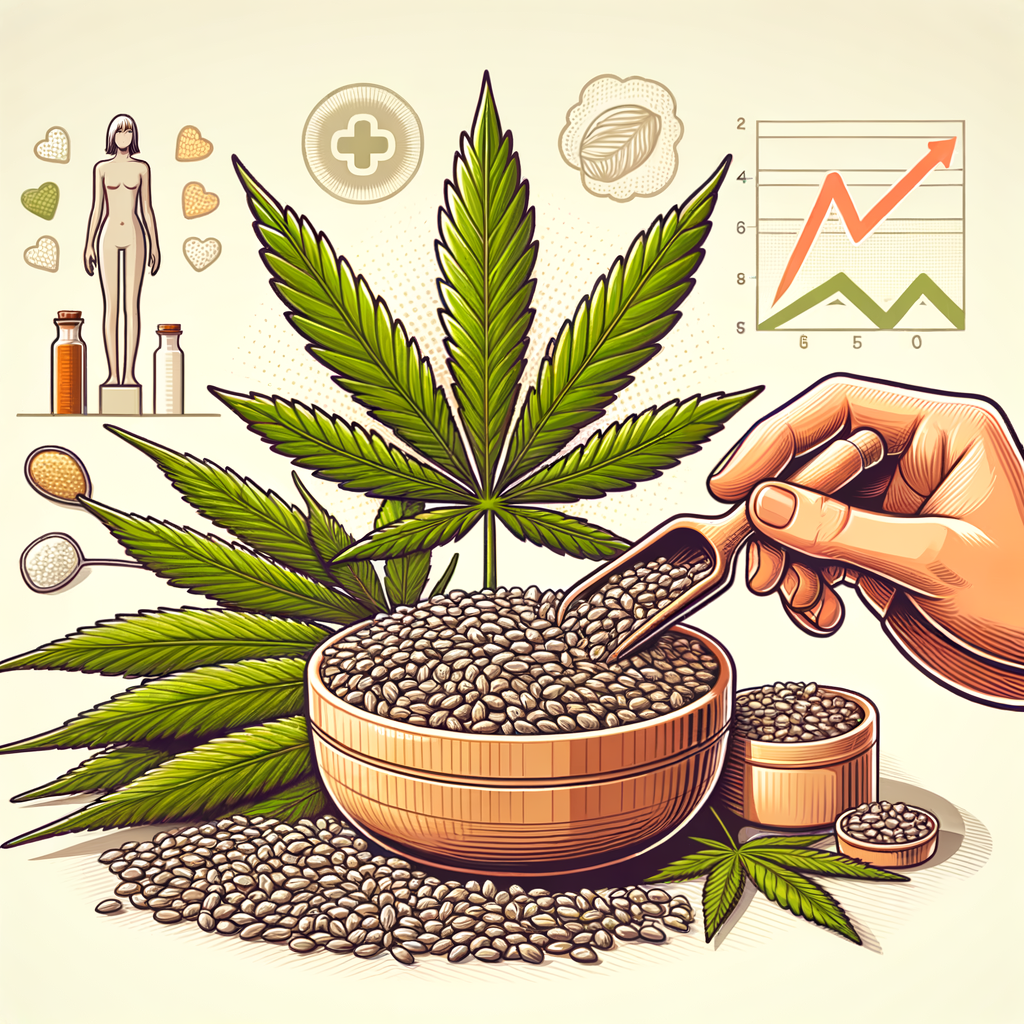
Hemp seeds, sometimes sold as hemp hearts when the outer shell is removed, come from the Cannabis sativa plant but contain only trace amounts of tetrahydrocannabinol, the psychoactive compound associated with marijuana. They are legally sold as food in many markets and are valued for their balance of protein, fat, fiber, minerals, and culinary flexibility. A three tablespoon serving typically provides around 10 grams of protein, plus essential fatty acids including omega-3 alpha-linolenic acid and omega-6 linoleic acid. Unlike many single-source plant proteins, hemp seeds contain all nine essential amino acids, which is why they are often described as a complete protein.
This matters for vegan and vegetarian diets because protein quality, iron, zinc, vitamin B12 planning, calcium intake, and healthy fat balance all require intention. People often understand the basics of plant-based eating but still struggle with practical questions: How do you make meals filling? Which ingredients improve protein intake naturally? What can replace cheese, cream, or eggs without making recipes complicated? Hemp seeds help answer those questions. They blend into sauces, thicken dressings, enrich soups, add body to veggie burgers, and provide a subtle nutty flavor that works in both savory and sweet dishes. As a hub for hemp for vegans and vegetarians, this guide explains nutrition, cooking methods, meal ideas, and smart ways to build balanced plant-based meals around hemp seeds.
Why hemp seeds are ideal for vegan and vegetarian diets
Hemp seeds are ideal for vegan and vegetarian diets because they deliver concentrated nutrition in a form that requires almost no preparation. In practice, this matters more than many nutrition charts suggest. Dried beans are valuable, but they need soaking or long cooking unless canned. Tofu is useful, but some people dislike the texture. Protein powders can help, yet many eaters want whole-food options. Hemp hearts are ready to use straight from the package, which lowers friction and makes nutritious choices more likely to happen consistently.
Protein is the first major advantage. While most plant eaters can meet protein needs through a varied diet, a reliable ingredient that increases protein without dominating a meal is helpful. Hemp seeds can be stirred into oatmeal, sprinkled on grain bowls, blended into smoothies, and pulsed into pesto. For vegetarians who still eat dairy and eggs, hemp adds variety and improves nutrient density. For vegans, it becomes especially useful in meals that need an easy protein lift but not another block of tofu or another serving of legumes.
Healthy fats are the second advantage. Hemp seeds contain polyunsaturated fats and are particularly known for their omega-6 to omega-3 ratio, often cited at roughly 3:1, a proportion many nutrition professionals consider favorable. They also contribute gamma-linolenic acid, a lesser-discussed fatty acid found in hemp. Fat is not just about energy. In a vegan meal, it improves satiety, flavor release, and absorption of fat-soluble nutrients. A bowl of roasted vegetables and quinoa is better with hemp seed dressing than without it because the meal becomes more satisfying and nutritionally complete.
Minerals are another reason hemp matters. Depending on the product and serving size, hemp seeds can contribute magnesium, phosphorus, manganese, iron, and zinc. These are nutrients plant-based eaters should monitor thoughtfully. Iron from plants is non-heme iron, which is less readily absorbed than heme iron from animal foods, but pairing iron-rich foods with vitamin C helps. A lentil and spinach salad with lemon dressing and hemp seeds is a practical example of how meal construction improves the usefulness of the nutrients on the plate.
How hemp seeds fit into balanced plant-based nutrition
Hemp seeds support plant-based nutrition best when they are treated as one component of a complete meal rather than a miracle food. They do not replace the need for legumes, whole grains, vegetables, fruit, fortified foods, and, for vegans, a dependable vitamin B12 source. They also do not provide the calcium density of fortified soy milk or the iodine planning that can come from iodized salt and sea vegetable use. What they do offer is a strategic combination of protein, fat, and micronutrients that strengthens many common vegan and vegetarian meals.
When I build meal plans, I use a simple pattern: a protein base, a fiber-rich carbohydrate, vegetables, a source of healthy fat, and a flavor component that makes the meal craveable. Hemp seeds can play two roles at once by covering part of the protein requirement and the fat requirement. For example, a chickpea pasta bowl with roasted broccoli and tomato sauce becomes more balanced when finished with hemp seed “parmesan,” made by pulsing hemp hearts with nutritional yeast, garlic powder, and salt. The result tastes richer, adds protein, and supports adherence because it feels like real comfort food.
For vegetarian eaters, hemp seeds are also useful when reducing dairy without removing it entirely. A common transition pattern is to use yogurt or cheese less often while increasing plant proteins and seeds. Hemp seeds blend into creamy salad dressings or pasta sauces that can replace some cream-based recipes without sacrificing mouthfeel. For vegans, they pair especially well with soy foods because soy contributes high-quality protein and calcium when fortified, while hemp contributes fats and texture. Together they make meals more complete and more satisfying.
| Meal type | How to use hemp seeds | Nutrition benefit | Simple example |
|---|---|---|---|
| Breakfast | Blend into smoothies or stir into oats | Protein, healthy fats, magnesium | Berry smoothie with soy milk, banana, spinach, and hemp hearts |
| Lunch | Use in dressings or as a topping | Satiety, texture, mineral boost | Kale salad with quinoa, roasted chickpeas, citrus, and hemp seeds |
| Dinner | Blend into sauces or burgers | Creaminess without dairy, extra protein | Hemp Alfredo over whole wheat pasta with mushrooms and peas |
| Snack | Mix into energy bites or yogurt alternatives | Steady energy, healthy fat | Date-cacao bites with oats, hemp seeds, and almond butter |
Delicious vegan meals with hemp seeds for breakfast, lunch, and dinner
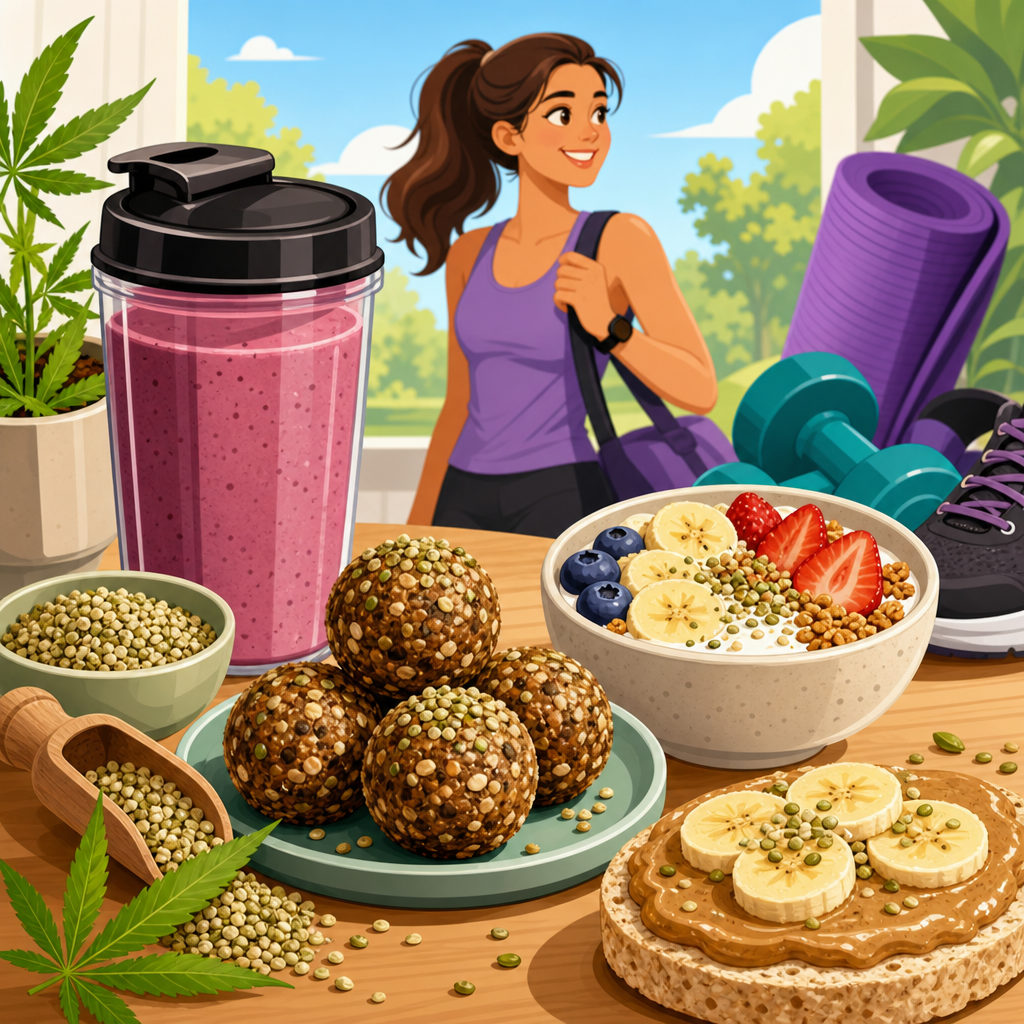
The easiest way to use hemp seeds daily is to attach them to meals you already make. Breakfast is usually the fastest win. Stir three tablespoons into overnight oats with chia seeds, cinnamon, soy milk, and berries. The oats provide soluble fiber, the soy milk adds more protein, and the hemp seeds create a richer texture than oats alone. Another reliable option is a green smoothie with frozen mango, banana, spinach, fortified soy milk, and hemp hearts. Unlike some seeds, hemp blends smoothly without becoming gelatinous, so the drink stays creamy and light.
For savory breakfasts, hemp seeds work in tofu scrambles and breakfast bowls. I often finish a scramble of tofu, spinach, mushrooms, and tomatoes with hemp seed sprinkle plus nutritional yeast. That combination creates a slightly cheesy flavor and adds body without processed vegan cheese. If you prefer toast, try mashed avocado mixed with lemon juice, chili flakes, and hemp seeds on whole grain bread. It is simple, but the seeds make the meal more substantial and help it carry you to lunch.
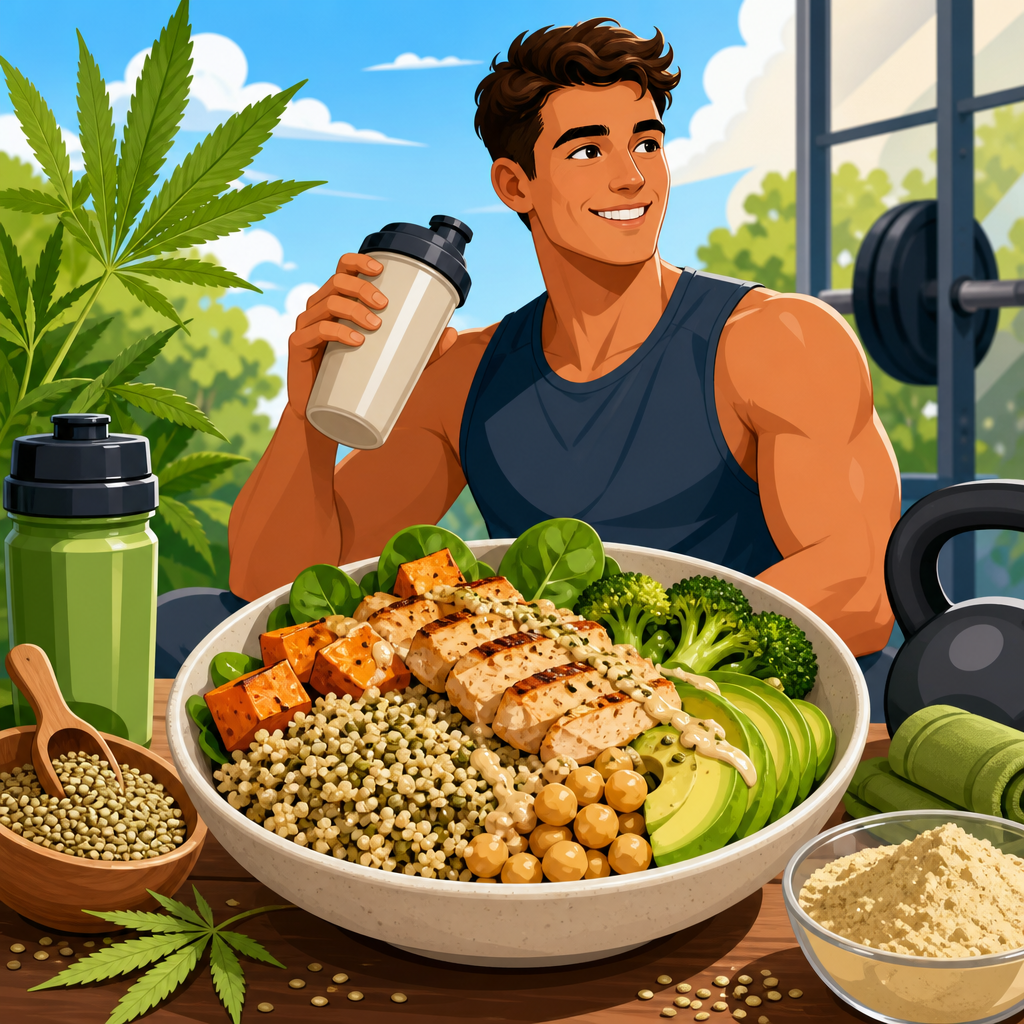
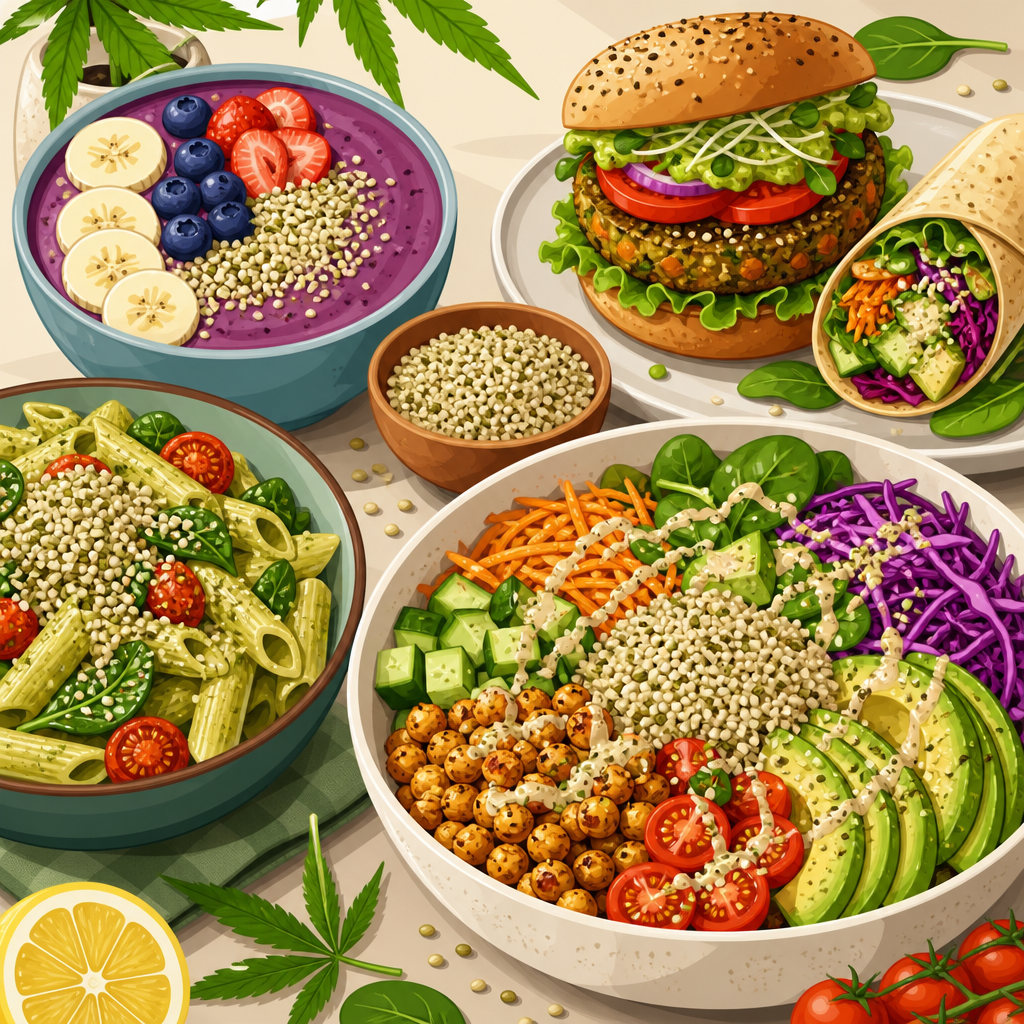
Lunch is where hemp becomes especially practical for vegans and vegetarians who rely on bowls and salads. A grain bowl of brown rice, edamame, shredded carrots, cucumber, red cabbage, and baked tofu becomes far more memorable with a hemp-ginger dressing made from hemp hearts, rice vinegar, fresh ginger, tamari, lime juice, and water. Because the seeds emulsify when blended, the dressing coats vegetables well and tastes creamy without oil-heavy formulas. Another lunch staple is hemp pesto pasta salad. Blend basil, hemp hearts, garlic, lemon, olive oil, and nutritional yeast, then toss with whole wheat pasta, cherry tomatoes, arugula, and white beans.
Dinner options are broader than many people expect. Hemp seeds make excellent cream sauces for pasta, casseroles, and vegetable bakes. A simple hemp cream can be made by blending hemp hearts with water, garlic, lemon juice, salt, and black pepper. Add sautéed onions and mushrooms, and you have a sauce for lentil meatballs or baked cauliflower. They also strengthen veggie burgers. Black bean burgers sometimes fall apart or taste dry, but adding hemp seeds improves binding and moisture while increasing protein. In soups, they can be blended directly into tomato soup, carrot soup, or broccoli soup for a velvety finish that avoids coconut milk when you do not want sweetness.
Best cooking methods, flavor pairings, and common mistakes
Hemp seeds are easy to use, but a few techniques make them significantly better. First, choose the right form. Hulled hemp hearts are best for most recipes because they are tender and blend well. Whole hemp seeds with shells are less common in everyday cooking and are noticeably harder. Store hemp products in a cool, dark place, and refrigerate after opening if the package recommends it. Because the fats are unsaturated, freshness matters. Rancid seeds taste bitter and undermine recipes that should be mild and creamy.
Second, understand flavor pairings. Hemp seeds are subtle, slightly nutty, and less assertive than flax or sesame. They work well with lemon, garlic, basil, parsley, dill, ginger, cocoa, vanilla, cinnamon, and berries. In savory dishes, nutritional yeast is one of the best partners because it amplifies umami and creates a cheese-like profile for sauces and toppings. In sweet dishes, dates and banana soften the earthy note and make hemp disappear into the background. That is why hemp-based smoothies and energy bites are so accessible even for people who say they do not like seeds.
Third, avoid common mistakes. The biggest one is using hemp seeds as a garnish only. A teaspoon on a salad does little nutritionally and barely affects satisfaction. Use meaningful portions, often two to three tablespoons, especially when hemp is part of the meal’s protein strategy. Another mistake is assuming hemp alone makes a meal balanced. A hemp smoothie made with juice and fruit can still be low in total protein and fiber if there is no soy milk, tofu, or oats. Finally, do not overheat delicate hemp oil for high-heat frying. Hemp hearts are fine in cooked dishes, but hemp seed oil is better used in dressings, dips, or drizzled over finished food.
How this hub supports a hemp-focused vegan and vegetarian kitchen
As a hub page for hemp for vegans and vegetarians, this topic extends beyond individual recipes. The real goal is creating a repeatable cooking system. Keep hemp hearts near other daily-use ingredients such as oats, nutritional yeast, tahini, lentils, canned beans, and whole grains. Then build a short list of staple preparations: hemp parmesan, hemp pesto, hemp cream sauce, hemp smoothie base, and hemp energy bites. Once those are familiar, you can vary vegetables, herbs, grains, and legumes without relearning techniques every week.
This approach is especially effective for busy households and new plant-based eaters. Instead of searching for entirely new recipes every day, you rely on adaptable formulas. A creamy sauce can go over pasta one night, baked potatoes the next, and steamed greens the day after. A hemp dressing can turn raw vegetables and leftover grains into lunch in ten minutes. Over time, that consistency improves diet quality more than occasional ambitious cooking sessions.
Delicious vegan meals with hemp seeds are not a trend meal solution; they are a practical foundation for better plant-based eating. Hemp seeds make meals creamier, more filling, and more nutritionally robust with very little effort. They support protein intake, contribute valuable fats and minerals, and help vegans and vegetarians build meals that feel generous rather than restrictive. Start by adding hemp hearts to one breakfast, one lunch dressing, and one dinner sauce this week, then expand from there. Small, repeatable changes are how a healthy hemp-centered kitchen actually takes shape.
Frequently Asked Questions
Why are hemp seeds so useful in vegan meals?
Hemp seeds are especially valuable in vegan cooking because they add meaningful nutrition and better texture without making a recipe complicated. One of the biggest reasons people use hemp seeds is that they provide complete protein, which means they contain all nine essential amino acids. That matters in plant-based eating because many whole-food protein sources are lower in one or more amino acids, so having an ingredient that naturally helps round things out is incredibly practical. Beyond protein, hemp seeds also contain healthy fats, including omega-3 and omega-6 fatty acids, along with minerals such as magnesium, iron, and zinc.
From a cooking perspective, hemp seeds are one of the easiest ingredients to work with because their flavor is mild, slightly nutty, and not overpowering. They blend into smoothies, oatmeal, sauces, soups, grain bowls, veggie burgers, pesto, and baked goods without making the dish taste “hempy” or unusual. They also improve mouthfeel, which is a major advantage in vegan meals. A sprinkle of hemp seeds can make a salad feel more substantial, while blended hemp hearts can create creamy dressings and sauces without needing dairy, cashews, or heavily processed alternatives. For anyone trying to make plant-based meals more satisfying, hemp seeds are one of the most convenient ingredients to keep on hand.
How can I add hemp seeds to breakfast, lunch, and dinner without changing my recipes too much?
One of the best things about hemp seeds is how easy they are to incorporate into everyday meals with almost no extra effort. At breakfast, you can stir them into oatmeal, overnight oats, chia pudding, or yogurt alternatives for more protein and a softer, richer texture. They also work well blended into smoothies, especially if you want a creamier result without banana or nut butter. For toast, hemp seeds can be sprinkled over avocado, nut butter, or fruit toppings to add a light crunch and extra nutrition.
At lunch, hemp seeds are excellent in salads, grain bowls, wraps, soups, and homemade dressings. You can toss a few spoonfuls into a quinoa bowl, mix them into chickpea salad, or use them in a lemon-tahini or herb dressing for added body. They are also useful in plant-based meal prep because they do not require soaking or cooking before use. At dinner, hemp seeds can be folded into pasta sauces, blended into creamy soups, mixed into veggie burger mixtures, or used as a finishing garnish on roasted vegetables, stir-fries, and baked potatoes. If you want a simple starting point, think of hemp seeds as a finishing ingredient like parmesan, chopped nuts, or sesame seeds. That mindset makes it much easier to use them consistently across multiple meals.
Do hemp seeds really help make vegan meals more filling?
Yes, they absolutely can. Hemp seeds help make vegan meals more filling because they contribute a combination of protein, healthy fats, and a more satisfying texture. Many plant-based meals are rich in fiber and carbohydrates, which is excellent, but sometimes they can still feel incomplete if they lack enough protein or fat. That is where hemp seeds become especially helpful. Adding them to meals can improve satiety, meaning you are more likely to feel comfortably full for longer instead of getting hungry again soon after eating.
The texture benefit is just as important as the nutritional side. Vegan meals sometimes miss the richness or body that people associate with satisfying food, especially when recipes are very low in fat or rely heavily on vegetables alone. Hemp seeds help solve that problem naturally. They add softness, subtle creaminess, and a gentle nuttiness that makes dishes feel more rounded. In practical terms, this means a smoothie can feel more substantial, a salad can seem less sparse, and a bowl of roasted vegetables or grains can have more depth. If someone is transitioning into plant-based eating and worries that meals will not feel hearty enough, hemp seeds are one of the easiest whole-food ingredients to use for better balance and satisfaction.
What are the best vegan recipes and meal ideas that use hemp seeds?
Hemp seeds fit into a wide range of vegan recipes, from quick snacks to full meals. For breakfast, they are excellent in smoothie bowls, baked oats, pancakes, waffles, granola, and energy bites. They can also be blended with oats, dates, cocoa, and nut butter to create no-bake snacks that are protein-rich and easy to prepare ahead. For lunch, some of the best uses include kale salads with lemon dressing, quinoa and roasted vegetable bowls, lentil soup, avocado wraps, and dairy-free slaws. Hemp seeds also work beautifully in homemade dressings and sauces because they can create creaminess without needing a lot of oil or processed ingredients.
For dinner, hemp seeds shine in savory applications. They can be blended into hemp pesto with basil, garlic, lemon, and olive oil; stirred into tomato sauce for extra richness; used in vegan “parmesan” with nutritional yeast and salt; or mixed into burgers made from beans, lentils, or vegetables. They are also excellent in stuffed sweet potatoes, grain pilafs, casseroles, and creamy soups. Even simple meals benefit from them. A bowl of rice, black beans, sautéed greens, and roasted squash becomes more complete with a spoonful of hemp seeds on top. That versatility is one reason hemp seeds stand out so much in vegan cooking: they can elevate both simple everyday meals and more developed recipes without adding much work.
Are hemp seeds a good choice for vegans and vegetarians looking for minimally processed nutrition?
Hemp seeds are an excellent option for vegans and vegetarians who want nutrient-dense food without depending too heavily on processed products. In many plant-based diets, it is easy to fall into a pattern of using packaged meat substitutes or protein powders for convenience. While those products can absolutely have a place, hemp seeds offer a much more straightforward whole-food solution. Shelled hemp seeds, often called hemp hearts, are minimally processed in the sense that the outer shell has been removed, but the food itself remains close to its natural state and retains its valuable protein, fats, and minerals.
This makes hemp seeds particularly appealing for people who want simple ingredient lists and flexible uses. They can support protein intake in a way that feels natural and easy rather than engineered. They are also a smart choice for people who do not want to soak, boil, or extensively prepare ingredients before using them. A spoonful can go directly into a meal and immediately improve its nutritional profile. For vegans and vegetarians trying to build meals around recognizable, wholesome staples, hemp seeds are one of the most practical ingredients available. They help bridge the gap between nutrition and convenience, which is exactly what many people need to make plant-based eating more sustainable in everyday life.