Hemp for pets has moved from a niche wellness trend to a mainstream category, and pet owners need clear guidance before buying oils, chews, treats, or topicals. In this context, hemp for pets usually refers to products made from industrial hemp, a variety of Cannabis sativa grown to contain very low levels of THC, the compound associated with intoxication. Most pet formulas focus on hemp seed oil, hemp extract, or cannabidiol derived from hemp, though labels are not always precise. That lack of precision is exactly why this topic matters. I have reviewed pet hemp products, compared certificates of analysis, and spoken with veterinarians and formulators, and the biggest problem is not demand. It is confusion. Owners want help with stress, mobility, skin health, and daily wellness, yet they often cannot tell whether one bottle contains nutritional hemp seed oil, another contains cannabinoids, and a third contains little of either. A good hub page should answer the basic questions, define the product types, explain how quality is evaluated, and set realistic expectations. That is the goal here. If you are exploring hemp products for pets, this guide will help you understand what they are, how they are used, how to read labels, what safety questions to ask, and how to choose products that fit your dog or cat without relying on marketing claims alone.
What Hemp Products for Pets Actually Include
Hemp products for pets fall into several distinct categories, and understanding the differences is the foundation of smart buying. Hemp seed oil is a nutritional oil pressed from hemp seeds. It contains essential fatty acids, including omega-6 linoleic acid and omega-3 alpha-linolenic acid, and it is commonly used to support skin and coat health. Hemp seed oil does not naturally contain meaningful amounts of cannabinoids. By contrast, hemp extract is derived from the aerial parts of the plant and may contain cannabinoids such as CBD, plus terpenes and flavonoids depending on how it is processed. Some labels say broad-spectrum, meaning the extract is intended to contain multiple hemp compounds with non-detectable THC. Others say isolate, which usually means purified CBD with other plant compounds removed. Full-spectrum products may contain trace THC within legal limits for hemp, but that can still raise practical concerns for pets, especially small animals or households wanting a zero-THC formula.
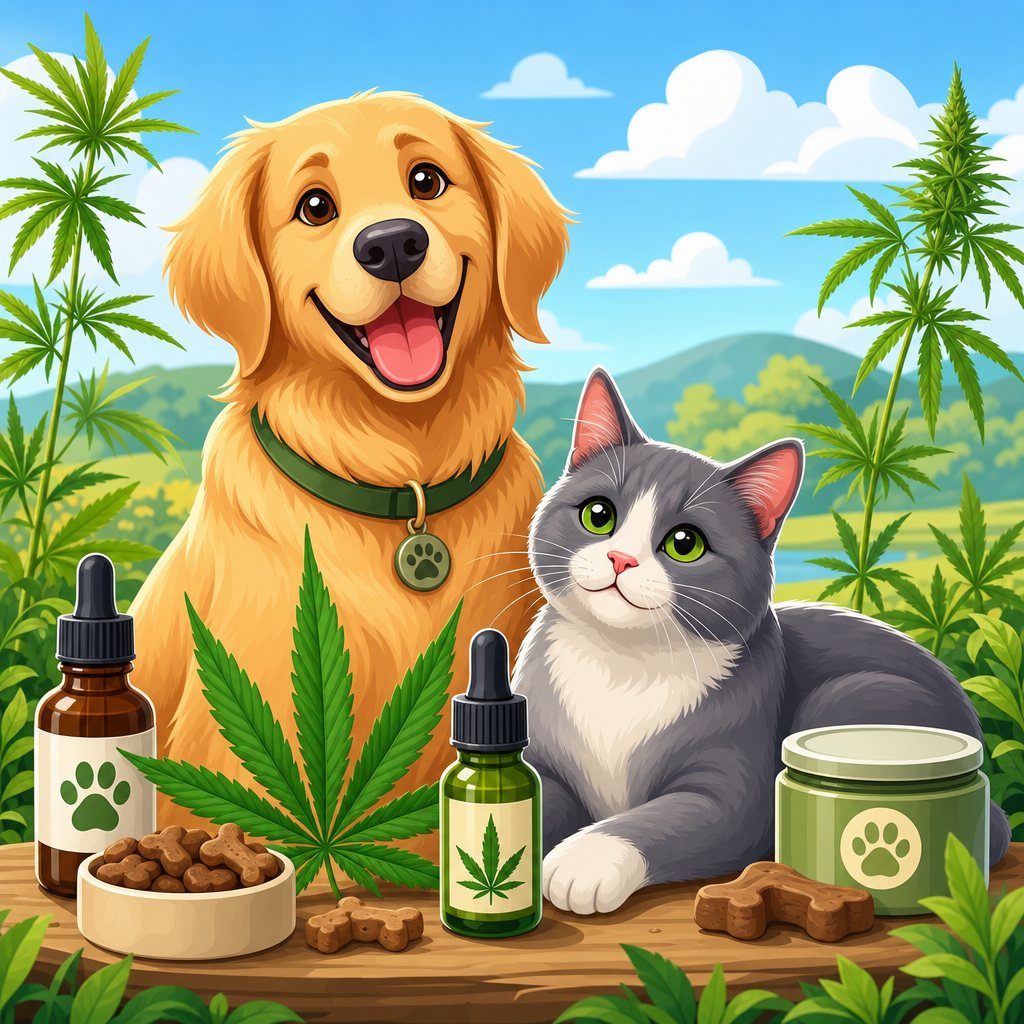
Product formats also differ. Oils and tinctures allow flexible serving sizes and are usually the easiest format for gradual adjustment. Soft chews and treats are convenient, especially for dogs, but they can vary more in consistency and often include flavoring agents, binders, and sweeteners. Capsules offer precise labeling but are less practical for many cats. Topicals such as balms, sprays, and shampoos are marketed for paws, dry skin, and localized irritation, although licking behavior can affect how much remains on the skin. In practice, I have found that owners often assume every hemp product works the same way. It does not. A hemp seed oil supplement for coat support and a cannabinoid-rich calming chew serve very different purposes, and the label should make that difference obvious.
Why Pet Owners Use Hemp Products
Most pet owners look at hemp products for four reasons: stress support, joint and mobility support, skin and coat care, and general wellness routines. Stress support is the most common entry point. Dogs with noise sensitivity, separation-related behaviors, car travel anxiety, or grooming stress are frequent candidates for calming products. Cats are more difficult because they can be selective about taste, but owners still explore hemp oils for veterinary visits, travel, and household changes. Joint support is another major category, particularly for senior dogs. In these cases, hemp products are often used alongside established ingredients such as glucosamine, chondroitin, green-lipped mussel, or omega-3 fish oil rather than as standalone solutions.
Skin and coat support usually leans more heavily on hemp seed oil than cannabinoid extracts. The fatty acid profile of hemp seed oil makes it a logical addition for pets with dry skin or dull coats, although it should be viewed as one part of a broader nutrition strategy. General wellness claims are the broadest and the least useful, because they can mean almost anything. When a label promises balance, vitality, or daily harmony without explaining active ingredients or intended use, I treat that as weak product communication. Better brands describe the purpose in plain language, identify the type of hemp used, state the amount of active ingredients per serving, and explain how the formula fits into a realistic care plan. Hemp can be helpful, but it is not a cure-all, and it should never replace veterinary evaluation when a pet has pain, seizures, persistent itching, sudden behavior change, or gastrointestinal symptoms.
How to Read Labels and Evaluate Quality
The best hemp products for pets make verification easy. Start with the supplement facts panel or equivalent label area. You should be able to see whether the formula contains hemp seed oil, hemp extract, CBD, or a blend. The amount should be stated clearly in milligrams per bottle and, ideally, per serving. Vague labels that say “hemp oil” without identifying whether the oil comes from seeds or extract are a red flag because the phrase is often used loosely in marketing. Ingredient transparency matters just as much. For chews, look for the full inactive ingredient list, including carrier oils, natural flavors, preservatives, and sweeteners. Xylitol must never be present in dog products, and formulas designed for humans should not be assumed safe for pets.
Third-party testing is essential. Reputable brands provide a certificate of analysis from an independent laboratory showing cannabinoid potency and screening results for contaminants such as pesticides, heavy metals, residual solvents, and microbial impurities. If a company says testing is available but makes it hard to find, that is not good enough. The report should match the product batch or lot number. Extraction method also matters. Carbon dioxide extraction is widely respected because it can produce a clean extract without solvent residue when done correctly, though ethanol extraction can also be sound if purification and testing are robust. Manufacturing standards count too. Products made in facilities following current good manufacturing practices inspire more confidence than products with no manufacturing disclosures at all.
| Checkpoint | What to Look For | Why It Matters |
|---|---|---|
| Hemp type | Hemp seed oil, broad-spectrum extract, isolate, or full-spectrum clearly stated | Determines whether the product is nutritional, cannabinoid-based, or both |
| Potency | Milligrams per bottle and per serving | Allows accurate comparison and serving control |
| Certificate of analysis | Batch-specific third-party lab report | Confirms potency and screens for contaminants |
| THC status | Non-detectable or trace amount disclosed | Important for safety, sensitivity, and owner preference |
| Ingredients | Complete list of active and inactive ingredients | Helps avoid allergens, sweeteners, and unnecessary fillers |
| Manufacturing | cGMP, NASC quality seal, or equivalent quality controls | Signals stronger process discipline and oversight |
Safety, Dosing, and Veterinary Guidance
The first safety rule is simple: use pet-specific hemp products and involve your veterinarian, especially if your animal has chronic disease or takes prescription medications. Dogs and cats metabolize compounds differently from humans, and flavor systems used in human gummies, tinctures, and capsules may be unsuitable or dangerous for pets. THC exposure is a particular concern. Even small amounts can cause lethargy, incoordination, urinary dribbling, agitation, or marked sedation in dogs. That is one reason many owners prefer broad-spectrum or isolate products marketed specifically for pets with non-detectable THC confirmed by lab testing.
Dosing is not one-size-fits-all. Body weight matters, but so do age, liver function, concurrent medications, product format, and the intended goal. In real-world use, the safest pattern is to start low, monitor closely, and adjust gradually only if needed. Keep a simple log of the product used, milligrams given, timing, and observed effect. That record is invaluable when you are trying to decide whether a product is helping or whether a sedative effect is too strong. Drug interactions are possible because cannabinoids may influence enzymes involved in metabolism, including cytochrome P450 pathways. That does not mean hemp is inherently unsafe, but it does mean veterinary input matters for pets taking anticonvulsants, NSAIDs, cardiac drugs, or behavioral medications. If a pet shows vomiting, profound sedation, stumbling, agitation, or any concerning neurologic signs, stop the product and contact a veterinarian promptly. Responsible use begins with caution, not guesswork.
Choosing the Right Product for Dogs and Cats
Dogs and cats are often grouped together in marketing, but product selection should be species-aware. Dogs generally accept chews and flavored oils more readily, which makes compliance easier. For dogs with mobility concerns, an oil or chew that combines hemp extract with glucosamine, MSM, turmeric, or omega-3s may fit a broader support plan, though each added ingredient should have a clear purpose. For situational stress, fast, simple formulas are usually better than overloaded blends. Cats are more challenging. Many dislike strong flavors, and oils with fish or chicken flavoring can either help or completely backfire depending on the individual animal. Cat products need smaller, more precise serving sizes and minimal excipients. In my experience, the best cat formulas are simple, lightly flavored, and packaged with a measured dropper.
Life stage also matters. Senior pets may need formulas designed around mobility, appetite routine, and ease of administration. Young animals may not need daily cannabinoid products at all unless there is a specific veterinary-supported reason. Multi-pet households should avoid assuming one product suits everyone. A large-breed dog chew can be wildly inappropriate for a small dog or cat. Product storage matters as well. Oils should be protected from heat and light to preserve quality, while soft chews should be sealed tightly to maintain consistency. Choosing the right hemp product is less about finding the strongest option and more about matching format, potency, ingredient profile, and intended outcome to the individual pet. The best choice is usually the product that is transparent, easy to administer, and simple to monitor over time.
Common Mistakes and How to Avoid Them
The most common mistake is buying based on front-label language alone. Words like calming, advanced, premium, and veterinarian formulated sound reassuring, but they are not quality standards. Turn the package over. If the active ingredient is unclear, the milligram amount is missing, or the company does not provide a batch-specific lab report, move on. Another frequent mistake is confusing hemp seed oil with CBD-rich hemp extract. Hemp seed oil can be a useful nutritional ingredient, but it should not be purchased with expectations tied to cannabinoids unless the label explicitly states cannabinoid content.
Owners also go wrong by changing too many variables at once. If you start a new hemp chew at the same time you switch food, add a joint supplement, and begin a new training plan, you will not know what caused improvement or side effects. Introduce one product at a time and give it enough monitoring time to assess response. A final mistake is expecting hemp to solve issues that require diagnosis. Limping, sudden aggression, repetitive scratching, and house-soiling can signal pain or illness. Hemp may be part of supportive care, but it is not a substitute for clinical workup. Used thoughtfully, it can be a practical tool. Used casually, it can delay appropriate treatment.
Hemp for pets is worth considering when you understand exactly what you are buying and why you are using it. The category includes nutritional hemp seed oils, cannabinoid-rich extracts, convenient chews, and targeted topicals, but those products are not interchangeable. Clear labels, verified lab testing, pet-safe ingredients, and realistic claims separate dependable formulas from weak ones. For most owners, the right approach is straightforward: identify the goal, choose a species-appropriate format, confirm potency and THC status, and start with conservative use under veterinary guidance when needed. That process protects your pet and makes it much easier to judge whether a product is actually helping.
As a hub for hemp products for pets, this page should anchor your research before you dive into specific reviews, comparisons, and use-case guides. Whether you are evaluating calming chews for travel, hemp oil for skin support, or daily supplements for an older dog, the same standards apply: transparency, safety, and fit for the individual animal. Hemp products can earn a place in a pet care routine, but only when they are selected with care and monitored with the same seriousness you would give any supplement. Use this guide as your starting point, then compare products with a sharper eye and ask better questions before you buy.
Frequently Asked Questions
What does “hemp for pets” actually mean?
“Hemp for pets” is a broad label that can describe several different ingredients, which is why reading the product label carefully matters. In most cases, it refers to pet products made from industrial hemp, a variety of Cannabis sativa bred to contain very low levels of THC, the compound associated with intoxication. Depending on the formula, that product may contain hemp seed oil, hemp extract, or cannabidiol (CBD) derived from hemp. These are not interchangeable terms, and they can have very different uses.
Hemp seed oil is pressed from the seeds of the hemp plant and generally does not contain meaningful amounts of cannabinoids like CBD. It is often used for its fatty acid profile, including omega-3 and omega-6 fats, and may support skin and coat health as part of a balanced diet. Hemp extract, on the other hand, is made from the aerial parts of the plant and may contain cannabinoids, terpenes, and other plant compounds depending on how it is processed. CBD is one specific cannabinoid that is commonly highlighted in pet oils, chews, and treats.
The confusion comes from the fact that many brands use the word “hemp” as shorthand without clearly explaining which ingredient is inside. A product labeled simply as “hemp oil” may be hemp seed oil, CBD oil, or a blend, and the intended effect will differ. For pet owners, the key takeaway is simple: do not assume all hemp products do the same thing. Check the ingredient panel, the cannabinoid content, the amount per serving, and whether the brand provides third-party lab testing to confirm what is actually in the product.
Is hemp safe for dogs and cats?
Hemp products can be appropriate for some pets, but safety depends on the exact ingredient, the product quality, the dose, and the individual animal. Hemp seed oil is generally treated differently from hemp-derived cannabinoid products because it is primarily a nutritional oil rather than a cannabinoid-based supplement. Hemp extracts and CBD products require more caution, especially in small pets, seniors, animals with medical conditions, or pets taking prescription medications.
One of the most important safety points is that pets should never be given products containing significant amounts of THC. Dogs and cats are more sensitive than humans to THC, and exposure can lead to serious adverse effects. That is why reputable pet products are typically marketed as derived from industrial hemp and formulated to contain only trace amounts of THC, if any. Even then, the label alone is not enough. Independent laboratory testing is one of the best ways to verify that a product contains the advertised cannabinoid levels and is free from contaminants such as pesticides, residual solvents, mold, or heavy metals.
Even with a quality product, mild side effects may still occur. Depending on the formula and the pet, owners may notice drowsiness, digestive upset, changes in appetite, or loose stool. Because metabolism varies, it is usually best to start with a low amount and monitor closely. It is also wise to speak with a veterinarian before introducing any hemp-derived supplement, particularly if your pet is pregnant, elderly, has liver issues, has a seizure disorder, or is taking other medications. Hemp is not automatically unsafe, but it should be used thoughtfully rather than casually.
How do I choose the right hemp product for my pet?
Start by matching the product type to your goal. If you are mainly looking for nutritional support for skin and coat, a plain hemp seed oil may be the most relevant option. If you are considering a product for broader wellness support and the label mentions cannabinoids, then you are likely looking at a hemp extract or CBD formula. Oils offer flexible serving sizes and can be useful for careful dose adjustments, while chews and treats may be more convenient for daily use. Topicals can be useful for localized application, but they should still be chosen carefully and used according to the product instructions.
Once you know the format you want, review the label closely. Look for a clearly stated amount of active ingredient per serving, not just vague language like “infused with hemp.” If the product contains CBD, the amount should be listed in milligrams. If it contains hemp seed oil, that should also be named accurately on the ingredient panel. Avoid products that rely on buzzwords but do not explain what is inside. A trustworthy brand should also provide a certificate of analysis from an independent lab showing cannabinoid content and screening for contaminants.
It also helps to evaluate the formula as a whole. Some products include added ingredients such as chamomile, melatonin, turmeric, or flavorings. These may or may not be suitable for your pet, depending on age, sensitivities, and health status. Choose a product made specifically for pets rather than adapting a human product, since pet formulas are more likely to avoid problem ingredients and provide pet-appropriate serving guidance. In short, the best hemp product is not the one with the most marketing claims; it is the one with clear labeling, tested quality, sensible formulation, and a purpose that matches your pet’s needs.
How much hemp or CBD should I give my pet?
There is no one-size-fits-all serving amount because the right amount can vary based on your pet’s size, species, age, metabolism, health status, and the type of hemp ingredient being used. That is one reason product quality and label clarity are so important. If a product does not tell you exactly how much hemp extract or CBD is in each drop, chew, or treat, it is difficult to use it responsibly. Always begin with the manufacturer’s pet-specific directions, but treat them as a starting point rather than a guarantee that the same amount will suit every animal.
For cannabinoid-containing products, many pet owners and veterinarians take a “start low and go slow” approach. That means beginning with the lowest practical amount, observing your pet for several days, and adjusting only if needed. Watch for both desired effects and unwanted reactions such as excessive sedation, wobbliness, vomiting, or diarrhea. Small dogs and cats may be especially sensitive, and concentrated oils can make measuring difficult if you are not paying close attention. Using a calibrated dropper or pre-measured pet product can help reduce mistakes.
It is also important not to stack multiple hemp products without realizing it. For example, a pet might receive a chew in the morning and an oil in the evening, and the total daily intake may become higher than intended. If your pet takes other supplements or medications, discuss the full routine with a veterinarian so potential interactions can be considered. When in doubt, prioritize consistency, careful observation, and professional guidance over guesswork. A measured, cautious approach is far safer than assuming that more is better.
What should pet owners watch out for before buying hemp treats, oils, or topicals?
The biggest red flag is vague or misleading labeling. Because the word “hemp” is often used loosely, some products create the impression that they contain CBD or hemp extract when they actually contain only hemp seed oil. That does not make them bad products, but it does mean the expected use may be different from what the buyer assumes. Look for labels that identify the exact hemp ingredient, list the amount per serving, and explain whether cannabinoids are present. If a brand is unclear about basics, that is a reason to be cautious.
Another major issue is quality control. Pet owners should look for third-party lab reports that confirm potency and screen for contaminants. Hemp is a plant-based ingredient, and how it is grown and processed matters. Without testing, there is no easy way to confirm whether the product contains the advertised amount of CBD, whether THC is truly within acceptable limits, or whether the formula is free from potentially harmful residues. A reputable company should make this information accessible and current, not difficult to find.
Finally, watch for unrealistic claims. Hemp products are often marketed in ways that sound too good to be true, especially when brands imply they can diagnose, cure, or replace veterinary care. No supplement should be treated as a substitute for proper medical evaluation. Also review the inactive ingredients for sweeteners, essential oils, preservatives, or flavorings that may not be ideal for pets. The safest buying strategy is to choose pet-specific products from transparent brands, verify the testing, understand exactly which hemp ingredient you are purchasing, and involve your veterinarian if your pet has any health concerns or is on medication.