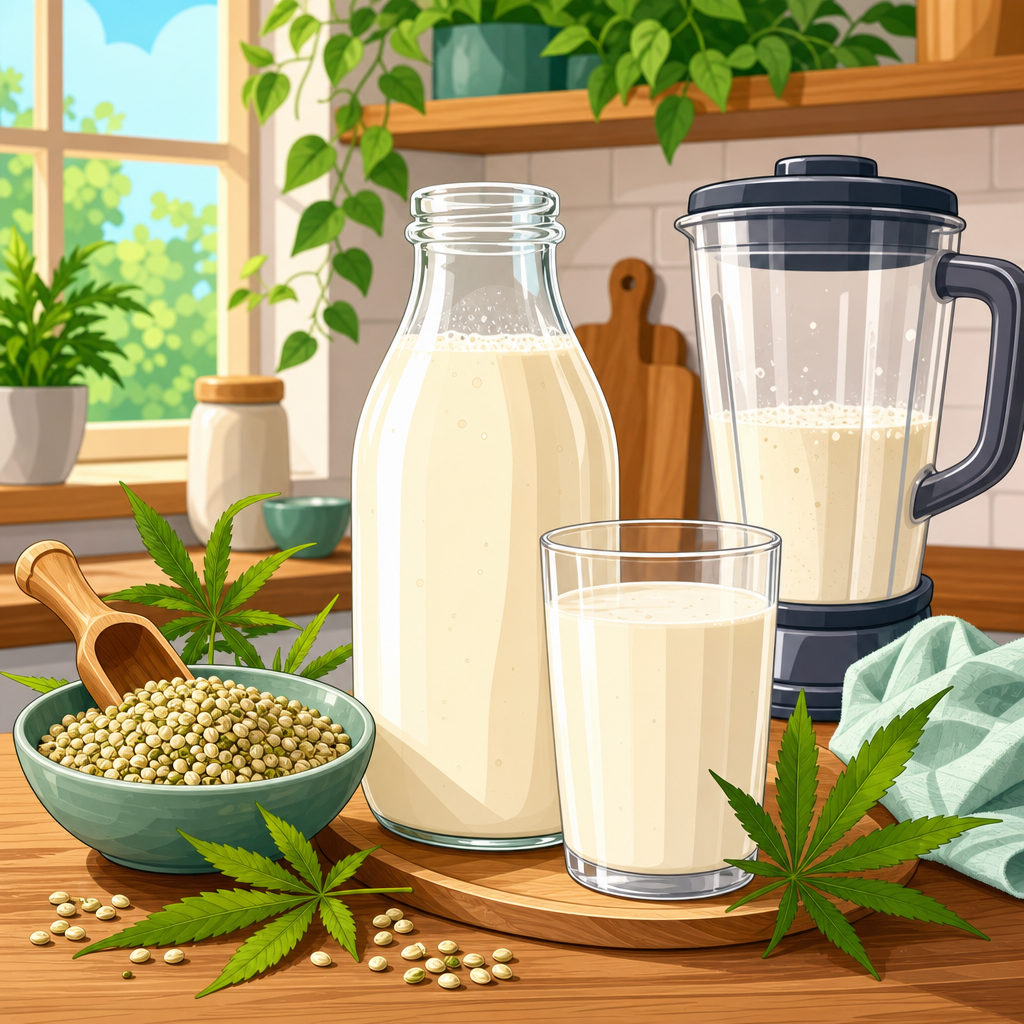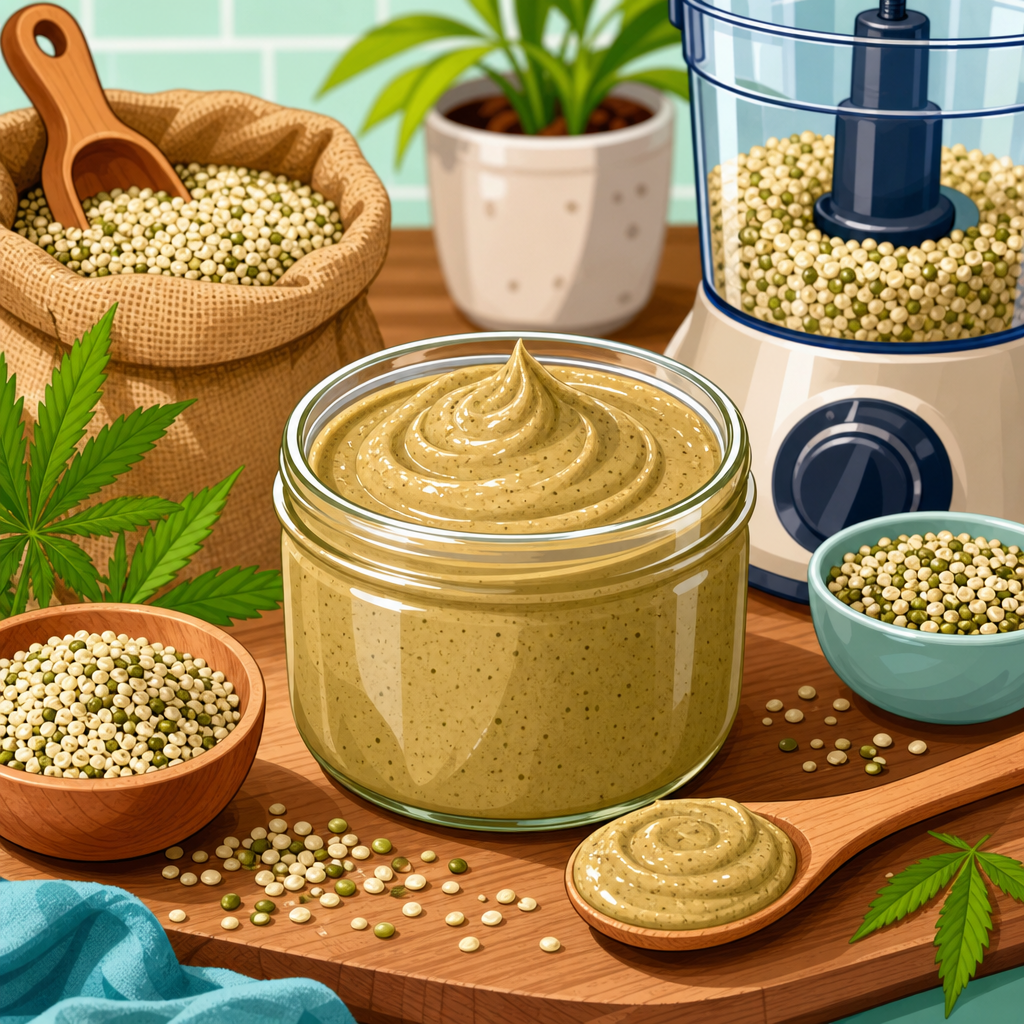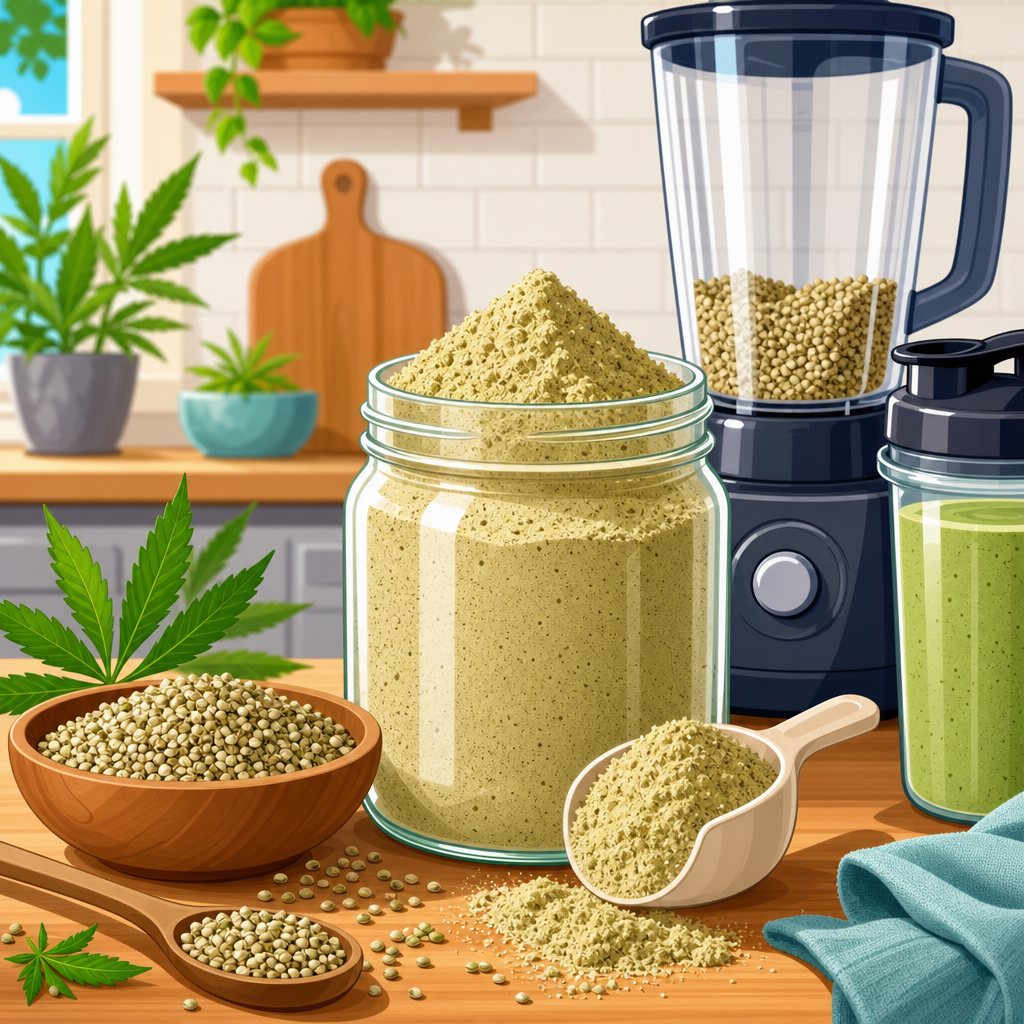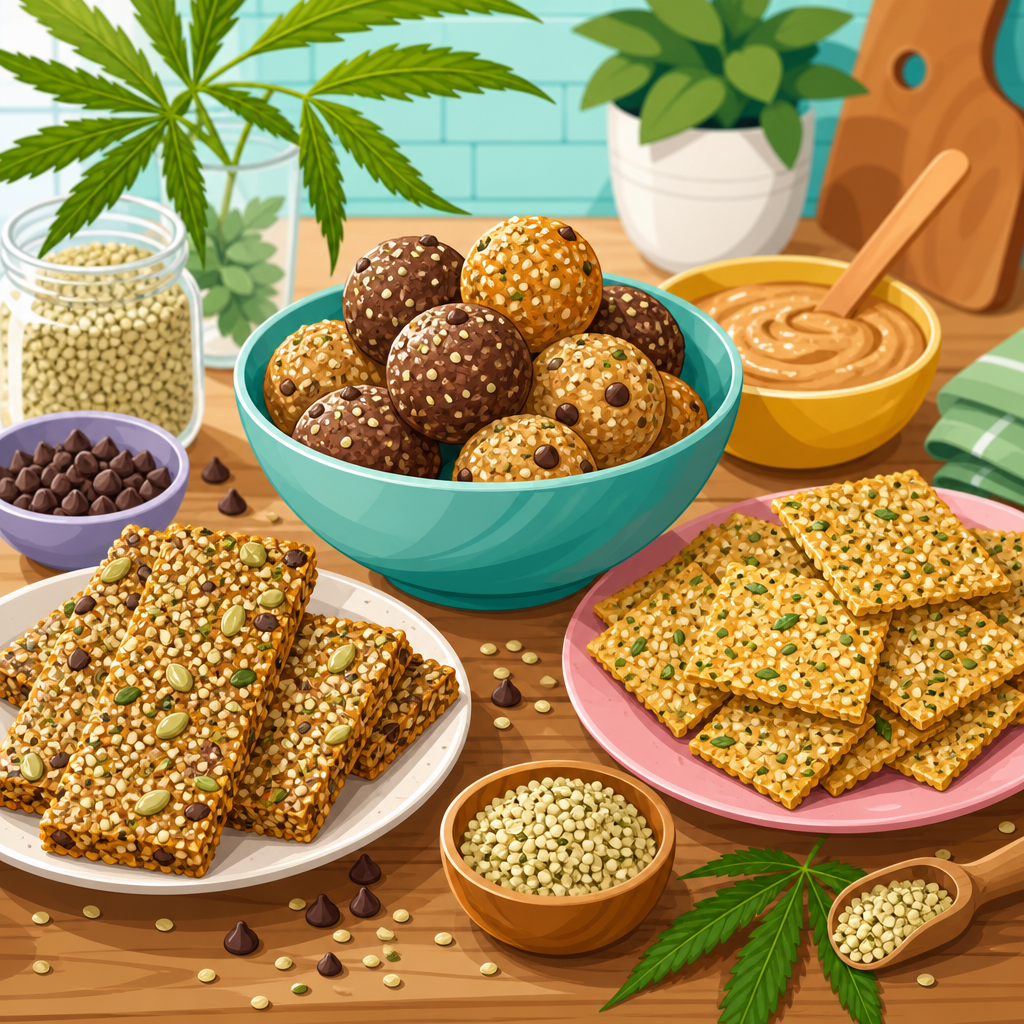
Hemp superfoods have moved from niche health stores into mainstream kitchens because they deliver dense nutrition, practical versatility, and a strong sustainability story in one category. In nutrition terms, “hemp superfoods” usually refers to minimally processed foods made from industrial hemp seed, including hemp hearts, hemp protein powder, hemp seed oil, and whole hemp seeds. These products come from Cannabis sativa varieties bred for food and fiber, not from intoxicating high-THC cannabis, so they do not produce a psychoactive effect. That distinction matters because many shoppers still confuse hemp foods with marijuana, and that confusion keeps people from considering one of the most useful plant-based pantry staples available.
I have worked with hemp foods in product reviews, label comparisons, and recipe testing, and the same strengths appear again and again: balanced macronutrients, valuable fatty acids, easy digestibility, and broad culinary use. Hemp hearts can be stirred into oatmeal, blended into smoothies, or used as a salad topper. Hemp protein can support athletes, busy professionals, and older adults trying to raise protein intake without relying entirely on dairy or soy. Hemp seed oil adds a nutty finish to vegetables, grain bowls, and dips. For consumers building a nutrient-dense diet, hemp superfoods solve a real problem: they make it easier to eat better without adding complicated preparation steps.
The rise of hemp foods also reflects a larger shift in how people evaluate what they buy. Shoppers are no longer looking only at calories or a “high protein” claim. They want to know where a product comes from, how it was processed, whether it fits vegan or allergen-conscious eating patterns, and whether it offers meaningful nutritional value per serving. Hemp stands out because it performs well across all of those questions. Its seeds contain protein, dietary fiber, minerals, and polyunsaturated fats, especially omega-6 linoleic acid and omega-3 alpha-linolenic acid. Unlike many trendy foods, hemp is not nutritionally impressive because of one isolated compound; it is useful because the whole food matrix is strong.
This hub article explains the benefits of hemp superfoods in practical terms. It covers the main product types, nutritional advantages, how hemp compares with other seeds and plant proteins, who may benefit most, how to choose quality products, and where the limitations are. If you are researching hemp hearts for breakfast, hemp protein for training recovery, or hemp oil for everyday cooking, this guide gives you the foundation needed to evaluate the category with confidence.
What Makes Hemp Superfoods Nutritionally Valuable
The core benefit of hemp superfoods is nutrient density. Hemp hearts, the shelled inner seed, provide a concentrated mix of protein and fats with relatively low carbohydrate content. A typical three-tablespoon serving delivers around 10 grams of protein, along with substantial unsaturated fat. The protein in hemp contains all nine essential amino acids, which is why it is commonly described as a complete protein. In real dietary practice, that means hemp can contribute meaningfully to daily protein quality, especially in plant-forward diets where amino acid balance matters. It is not the most protein-dense source on the market, but its blend of protein, fat, and minerals gives it unusual utility.
Fatty acid composition is another major reason nutrition professionals pay attention to hemp foods. Hemp seeds naturally provide linoleic acid and alpha-linolenic acid, the essential fatty acids the body cannot make on its own. They also contain gamma-linolenic acid in smaller amounts, a compound often discussed in relation to inflammatory balance and skin health. While no single food “fixes” inflammation, diets that include whole-food unsaturated fats instead of excessive refined fats are generally associated with better long-term cardiometabolic outcomes. Hemp fits that pattern well, particularly when used to replace less nutritious toppings or processed snack ingredients.
Micronutrients strengthen the case. Hemp seeds contain magnesium, phosphorus, manganese, iron, and zinc, all of which support basic physiological functions from energy metabolism to oxygen transport and immune activity. Magnesium is particularly relevant because many adults fail to meet recommended intake levels, and hemp hearts are an easy way to close that gap. In my own product assessments, the strongest hemp foods are not marketed as miracle cures; they are simply reliable nutrient contributors that integrate into meals people already eat.
Main Types of Hemp Superfoods and How They Are Used
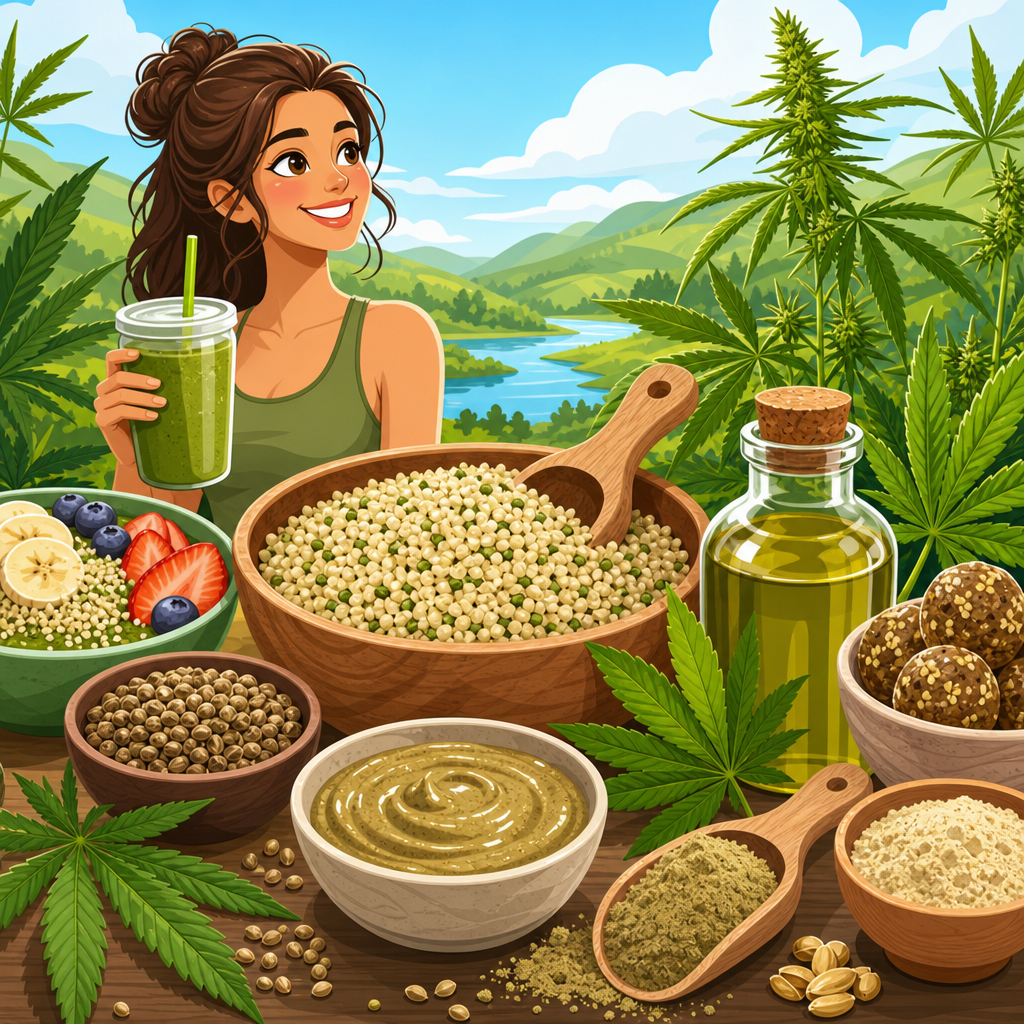
Not all hemp superfoods serve the same purpose, so understanding the main forms helps buyers match a product to a need. Hemp hearts are the most versatile. Because the shell has been removed, they are soft, mildly nutty, and ready to eat straight from the package. They work in yogurt, oatmeal, pesto, grain bowls, and homemade energy bites. For people who want a simple upgrade to everyday meals, hemp hearts are usually the best entry point because they require no special preparation and have broad appeal.
Whole hemp seeds keep the outer hull intact, which adds texture and fiber but makes them less tender. They are useful in baking, granola, or recipes where crunch is welcome. Hemp protein powder is typically produced after oil is pressed from the seed cake, then the remaining material is milled into powder. The result is a plant protein ingredient that usually contains more fiber than many pea or rice protein isolates, although texture can be earthier and less smooth. Hemp seed oil, meanwhile, is valued for flavor and fatty acid content rather than protein. It is best used cold or at low heat, such as in dressings, sauces, or finishing applications, because high heat can degrade delicate polyunsaturated fats.
| Product | Main Strength | Best Uses | Watch For |
|---|---|---|---|
| Hemp hearts | Balanced protein and healthy fats | Oatmeal, smoothies, salads, yogurt | Rancidity if stored poorly |
| Whole hemp seeds | More texture and fiber | Baking, granola, seed mixes | Tougher mouthfeel |
| Hemp protein powder | Plant protein with fiber and minerals | Shakes, pancakes, recovery meals | Grainier texture than isolates |
| Hemp seed oil | Essential fatty acids and flavor | Dressings, dips, finishing oil | Not ideal for high-heat cooking |
As a sub-pillar within Hemp Products and Reviews, this category also links naturally to more specialized topics such as hemp protein reviews, hemp seed oil comparisons, and guides to cooking with hemp hearts. A strong hub page should help readers understand the landscape first, then move them toward the exact product format that matches their goals.
Health Benefits of Hemp Superfoods in Everyday Diets
The most credible health benefits of hemp superfoods come from regular dietary use, not dramatic short-term claims. First, hemp can help increase protein intake in a convenient way. Many people, especially those eating less meat, underestimate how often low-protein breakfasts and snacks leave them under-fueled. Adding hemp hearts to cereal or a smoothie can improve satiety and make meals more nutritionally complete. For active adults, that often translates into more stable energy and better hunger control through the day.
Second, hemp supports heart-conscious eating patterns. The unsaturated fats in hemp seeds are a better nutritional choice than many processed snack fats, and replacing less healthy ingredients with nuts and seeds is a well-established strategy in balanced diet planning. Hemp is not a medication and should not be framed as one, but as part of a dietary pattern centered on whole foods, legumes, vegetables, fruits, and quality fats, it aligns well with mainstream nutrition guidance.
Third, hemp can help with digestive balance depending on the product chosen. Whole seeds and hemp protein powder often provide more fiber than shelled hearts, which may benefit people looking to improve fullness or support digestive regularity. At the same time, hemp hearts are easier for some people to tolerate because the fibrous shell has been removed. That flexibility matters. In practice, the best hemp product is often the one a person will use consistently and comfortably.
There is also a lifestyle benefit that should not be overlooked: convenience. Healthy eating fails when foods are technically nutritious but difficult to use. Hemp succeeds because it can be sprinkled, blended, whisked, or spooned with almost no effort. That practicality is one reason it keeps earning repeat purchases from health-focused households.
How Hemp Compares With Chia, Flax, and Other Plant Proteins
Hemp is often compared with chia, flax, pumpkin seeds, pea protein, and soy, and each option has strengths. Chia and flax are especially valued for fiber and omega-3 content, but they behave differently in recipes and can create a gel-like texture some people dislike. Hemp hearts are softer, less absorbent, and easier to eat by the spoonful. Pumpkin seeds provide robust minerals and crunch, but hemp generally offers a more balanced protein-to-fat ratio for topping and blending applications.
Against protein powders, hemp occupies a middle ground. Pea protein isolate can provide more protein per scoop and a more neutral taste, making it attractive for muscle-focused supplementation. Soy protein remains one of the strongest plant proteins for amino acid quality and research depth. Hemp protein, however, brings more than protein alone. It typically includes fiber, residual healthy fats, and minerals in a less refined form. That whole-food character appeals to consumers who prioritize ingredient simplicity over maximum grams per serving.
The tradeoff is clear: if your only goal is the highest protein number at the lowest calorie cost, hemp protein may not be the winner. If your goal is a broader nutritional profile with decent protein and less processing, it is a compelling choice. That is why hemp superfoods fit especially well in a food-first nutrition strategy rather than a purely supplement-driven approach.
Who Benefits Most From Hemp Superfoods
Several groups are especially likely to benefit from adding hemp foods to their routine. Vegans and vegetarians often use hemp to diversify protein sources and add minerals that can require attention in plant-based diets. Athletes and active adults use hemp protein and hemp hearts to support recovery meals, especially when they want to avoid dairy-heavy shakes. Busy families benefit because hemp is fast, mild in flavor, and adaptable across breakfasts, lunches, and snacks.
Older adults are another important group. Appetite often declines with age, while protein and micronutrient needs remain significant. A few spoonfuls of hemp hearts added to oatmeal, soup, or yogurt can raise nutrient density without making portions larger. People following lower-carbohydrate eating patterns also often appreciate hemp because it provides protein and fat with modest carbohydrate levels.
That said, hemp is not ideal for every situation. People with seed allergies should approach any new seed product carefully and consult a clinician if needed. Those taking medication or managing a medical condition should remember that hemp foods are part of a diet, not a substitute for professional advice or treatment.
How to Choose Quality Hemp Superfoods
Quality varies more than many first-time buyers expect. Start with the ingredient list. The best hemp hearts should contain one ingredient: shelled hemp seed. Protein powders may include flavoring or sweeteners, but simpler formulas are easier to evaluate. Check whether the brand specifies cold pressing for oil, organic certification if that matters to you, and transparent sourcing. Reputable companies usually explain where the hemp was grown and how it was processed.
Packaging matters because hemp fats are sensitive to oxidation. Opaque, sealed packaging is preferable, and hemp oil should be sold in dark bottles. Once opened, many hemp products benefit from refrigeration, especially oil and larger bags of hemp hearts. Fresh hemp should smell mild and nutty; a paint-like, bitter, or sharply stale odor suggests rancidity. In product reviews, storage quality is one of the biggest differentiators between brands with similar nutrition panels.
Texture and taste also deserve attention. Some hemp protein powders are pleasantly earthy, while others are excessively gritty. Reading reviews can help, but looking at grind style, fiber content, and whether the product is an isolate or a more whole-seed powder offers better clues. The right choice depends on intended use. A grainier powder may work well in pancakes or muffins even if it is not ideal in a plain shaker bottle.
Why Hemp Superfoods Belong in a Modern Pantry
Hemp superfoods deserve their growing reputation because they combine practical nutrition with everyday usability. They offer complete protein, beneficial fats, useful minerals, and flexible formats that fit real meals rather than aspirational eating plans. Hemp hearts are the easiest starting point, hemp protein helps build balanced snacks and recovery foods, and hemp seed oil adds flavor plus essential fatty acids when used correctly. Compared with many trend-driven products, hemp stands out for being genuinely useful across multiple dietary patterns.
The biggest benefit of hemp superfoods is not that they promise something extreme. It is that they make healthy eating simpler, more consistent, and more nutrient-dense with very little effort. That is what lasting food habits require. If you are building a smarter pantry under the broader Hemp Products and Reviews category, start with one hemp staple, use it daily for a week, and evaluate how well it fits your routine. From there, it becomes much easier to choose the right hemp foods for your goals.
Frequently Asked Questions
What are hemp superfoods, and how are they different from marijuana or CBD products?
Hemp superfoods are nutrient-dense foods made from the seeds of industrial hemp, a variety of Cannabis sativa cultivated for food, fiber, and other non-intoxicating uses. In everyday nutrition, the term usually includes hemp hearts, whole hemp seeds, hemp protein powder, and hemp seed oil. These foods are valued because they offer a practical mix of plant-based protein, beneficial fats, fiber in some forms, and important minerals, all in minimally processed formats that fit easily into regular meals.
They are very different from marijuana products and also distinct from most CBD products. Industrial hemp grown for food contains only trace amounts of THC, the psychoactive compound associated with intoxication, so hemp superfoods do not produce a “high.” Hemp seed foods are also generally not the same as CBD oils or extracts, which are typically made from other parts of the plant such as flowers, leaves, or stalk extracts depending on the product. Hemp superfoods come primarily from the seed and are used as foods first and foremost. That distinction matters because consumers often want the nutritional benefits of hemp without confusion about psychoactive effects, legal concerns, or supplement-style formulations.
What nutritional benefits do hemp superfoods offer?
One of the biggest reasons hemp superfoods have become so popular is that they pack several nutritional advantages into a single category. Hemp hearts and whole hemp seeds provide plant-based protein along with healthy fats, especially polyunsaturated fats that include omega-3 and omega-6 fatty acids. Many people appreciate hemp because this combination supports balanced eating without requiring highly processed ingredients. Hemp protein powder builds on that appeal by offering a concentrated source of protein that can be added to smoothies, oatmeal, baked goods, or recovery snacks.
Beyond protein and fats, hemp foods can contribute important micronutrients such as magnesium, iron, zinc, and phosphorus, depending on the product and serving size. Whole hemp seeds may also provide more fiber than hulled hemp hearts, making them useful for people looking to support digestive health. Hemp seed oil, while not a significant protein source, is prized for its fatty acid profile and is often used as a finishing oil in dressings, dips, or cold applications. Overall, hemp superfoods are attractive because they deliver broad nutritional value in forms that work for vegetarians, vegans, active individuals, and anyone trying to make everyday meals more nutrient-rich.
How can you use hemp superfoods in everyday meals?
Hemp superfoods are especially appealing because they are easy to use without dramatically changing the way you cook. Hemp hearts have a mild, slightly nutty flavor and a soft texture, which makes them one of the most versatile options. You can sprinkle them over yogurt, oatmeal, salads, grain bowls, soups, or avocado toast. They also blend well into smoothies and can be stirred into pancake batter, overnight oats, or homemade energy bites. Whole hemp seeds can be added to breads, granola, crackers, or cereals when you want a bit more texture and fiber.
Hemp protein powder is useful for increasing protein intake in a simple, food-based way. Many people blend it into shakes after workouts, but it also works in muffins, protein balls, porridges, and even some savory recipes. Hemp seed oil is best used unheated or with minimal heat to preserve its delicate fats, so it is ideal in salad dressings, sauces, pestos, and drizzles over roasted vegetables or cooked grains. Because these products are flexible rather than trendy one-use items, they fit naturally into mainstream kitchens. That practicality is a major part of their benefit: you do not have to overhaul your diet to take advantage of them.
Are hemp superfoods sustainable compared with other health foods?
Hemp has earned a strong sustainability reputation, and that is one reason it stands out in the crowded superfood market. Industrial hemp is generally known as a resilient crop that can grow relatively quickly and be used efficiently across multiple industries, from food and fiber to personal care and textiles. This broad utility helps reduce waste because more parts of the plant can serve useful purposes. For consumers, that creates an appealing connection between personal nutrition and more resource-conscious agriculture.
That said, sustainability is always best understood with some nuance. Environmental impact can vary based on farming practices, transportation, processing methods, and packaging. A minimally processed hemp food sourced from responsible agriculture may offer a stronger sustainability profile than more heavily processed alternatives, but no food category is automatically perfect in every context. Still, compared with many niche “superfoods” that require long-distance shipping or intensive refinement, hemp superfoods often appeal to shoppers who want a more grounded, practical option. Their sustainability story is not just marketing language; it is tied to the crop’s versatility, efficiency, and compatibility with modern interest in plant-forward food systems.
Who should consider adding hemp superfoods to their diet, and are there any things to keep in mind?
Hemp superfoods can be a smart addition for a wide range of people. They are especially popular with vegetarians and vegans looking for convenient plant-based protein, busy families who want easy nutrient boosters, and active individuals interested in simple recovery foods. People trying to diversify their fat sources may also appreciate hemp seed oil and hemp hearts, while those seeking minimally processed pantry staples often like hemp because it feels closer to “real food” than many specialty powders or fortified products. Even people who are simply trying to eat more nutrient-dense meals can benefit from adding hemp seeds to breakfasts, snacks, and lunches.
As with any food, a few practical considerations matter. Portion sizes still count, especially because seeds and oils are calorie-dense even when they are highly nutritious. People with specific medical conditions, digestive sensitivities, or dietary restrictions should check labels and, if needed, speak with a healthcare professional. It is also worth paying attention to product type: hemp hearts, whole seeds, protein powder, and oil all offer different benefits, so the best choice depends on your goals. If you want more protein, hemp protein powder may be most useful; if you want a topping for everyday meals, hemp hearts are often the easiest place to start. For most people, hemp superfoods are not a miracle ingredient, but they are a credible, versatile, and genuinely beneficial addition to a balanced diet.