Hemp protein is one of the most practical plant-based staples for building a balanced vegan diet because it delivers substantial protein, fiber, minerals, and healthy fats in a form that works in everyday meals. In nutrition practice, I have found that many vegans understand the importance of protein but still struggle with consistency, especially at breakfast, after training, or during busy workweeks. Hemp protein helps solve that problem because it is easy to add to smoothies, oats, baked goods, savory meals, and snacks without relying on highly processed meat substitutes. For anyone exploring hemp for vegans and vegetarians, this ingredient deserves close attention.
Hemp protein usually refers to powder made from hemp seeds after part of the oil has been removed. Whole hemp hearts are the soft inner seed, while hemp protein powder is more concentrated in protein and fiber. Both come from Cannabis sativa varieties bred to contain only trace amounts of tetrahydrocannabinol, the psychoactive compound associated with marijuana. In food use, hemp is a nutrition ingredient, not an intoxicating product. That distinction matters because many consumers still confuse hemp foods with cannabis products, even though hemp seeds, hemp hearts, and hemp protein are established grocery items regulated for food safety.
Why does hemp protein matter in vegan diets? Protein quality, amino acid variety, micronutrient density, and meal convenience are recurring challenges in plant-based eating. Legumes, soy foods, whole grains, nuts, and seeds all contribute, but not every vegan wants to center every meal around beans or soy. Hemp protein adds another reliable option. It contains all nine essential amino acids, with especially useful amounts of arginine and sulfur-containing amino acids compared with some other plant proteins. It is not automatically superior to every alternative, but it is versatile, digestible for many people, and nutritionally dense enough to support a wide range of vegan eating patterns.
The broader value of hemp for vegans and vegetarians goes beyond protein grams. Hemp foods can support satiety, improve meal texture, increase mineral intake, and make homemade plant-based meals easier to assemble. A breakfast smoothie with fruit, soy milk, oats, and hemp protein can deliver meaningful protein in minutes. A bowl built with quinoa, roasted vegetables, lentils, tahini, and hemp hearts can supply fiber, iron, magnesium, and unsaturated fats in one meal. When I help people audit their diets, hemp often fills the gap between theoretical nutrition targets and realistic eating habits, which is exactly why this hub topic matters.
What Hemp Protein Provides in a Vegan Diet
Hemp protein powder is valued first for its macronutrient profile. A typical serving of 30 grams provides roughly 12 to 20 grams of protein, depending on the brand and processing method. Less refined powders tend to contain more fiber and slightly less protein percentage, while more refined versions push protein higher but may lose some of the whole-food character many buyers want. Alongside protein, hemp powder often contains iron, magnesium, zinc, potassium, and residual omega-3 and omega-6 fats. That combination makes it more than a simple protein isolate.
Protein in hemp is primarily made up of edestin and albumin, storage proteins that are generally well tolerated. Hemp is often discussed as a complete protein because it contains all essential amino acids. That said, complete does not mean identical to animal protein or soy isolate in amino acid distribution. Lysine is relatively lower, so the best practical strategy is to use hemp within a varied vegan diet that also includes legumes, soy foods, grains, and vegetables. In real meal planning, this is not a weakness. Vegans rarely eat single ingredients in isolation, and amino acid complementarity happens naturally across the day.
Fiber is another major advantage. Many hemp protein powders contain several grams per serving, which can help fullness and digestive regularity. This is especially useful for vegans who want protein powders that do more than simply raise protein totals. A smoothie based on hemp protein can be more satisfying than one built with a very refined isolate because the fiber slows digestion and improves texture. The tradeoff is that hemp protein is earthier and thicker than pea or soy isolate. Some people love that whole-food feel; others need recipes that balance it with fruit, cocoa, cinnamon, or nut butter.
Minerals are where hemp quietly stands out. Magnesium supports muscle and nerve function, iron contributes to oxygen transport, zinc supports immune function, and phosphorus is important for bones and energy metabolism. None of these nutrients should be outsourced to one powder alone, but hemp can meaningfully contribute to daily intake, especially in diets light on nuts, seeds, and legumes. For vegetarians who eat dairy and eggs, hemp still adds value because it boosts fiber and mineral density in ways many animal foods do not.
Hemp Protein vs. Other Plant Proteins
Vegans often ask whether hemp protein is better than pea, soy, rice, or pumpkin seed protein. The most accurate answer is that each has strengths. Soy protein usually scores highest for protein quality and leucine content, making it particularly strong for muscle protein synthesis. Pea protein is widely available, neutral enough for many recipes, and commonly used in sports nutrition products. Rice protein can be useful for allergies but is often lower in lysine. Hemp protein stands out for its whole-food profile, fiber content, mineral contribution, and culinary flexibility in less processed recipes.
In sports nutrition, leucine matters because it helps trigger muscle protein synthesis. Hemp protein contains leucine, but usually less per gram than soy or many blended athletic formulas. For active vegans, that does not mean hemp is ineffective. It means serving size and meal context matter. Pairing hemp protein with soy milk, tofu, or legumes can strengthen the amino acid profile of a meal. A post-workout shake made with hemp protein, fortified soy milk, banana, and oats can be more effective than hemp mixed with water alone because the total protein and energy intake are higher.
Digestibility and preference also influence the best choice. Some people tolerate soy poorly or simply want rotation among protein sources. Others dislike the chalky texture of pea protein or want a less processed option. Hemp protein serves that audience well. I often recommend it to people who value ingredient simplicity and prefer products with minimal additives, artificial sweeteners, or gums. It works especially well in home cooking where its nutty flavor is an advantage rather than something to hide.
| Protein Source | Main Strength | Main Limitation | Best Use |
|---|---|---|---|
| Hemp protein | Fiber, minerals, whole-food profile | Lower protein density and lysine than some options | Smoothies, oats, baking, homemade snacks |
| Soy protein | High protein quality, strong leucine content | Not suitable for soy allergy; some avoid soy by preference | Sports nutrition, shakes, high-protein meals |
| Pea protein | Good protein density, neutral flavor | Can be chalky; usually lower in methionine | Shakes, pancakes, protein blends |
| Rice protein | Allergy-friendly option | Lower lysine; often better in blends | Mixed powders, specialty diets |
How to Use Hemp Protein in Everyday Vegan Meals
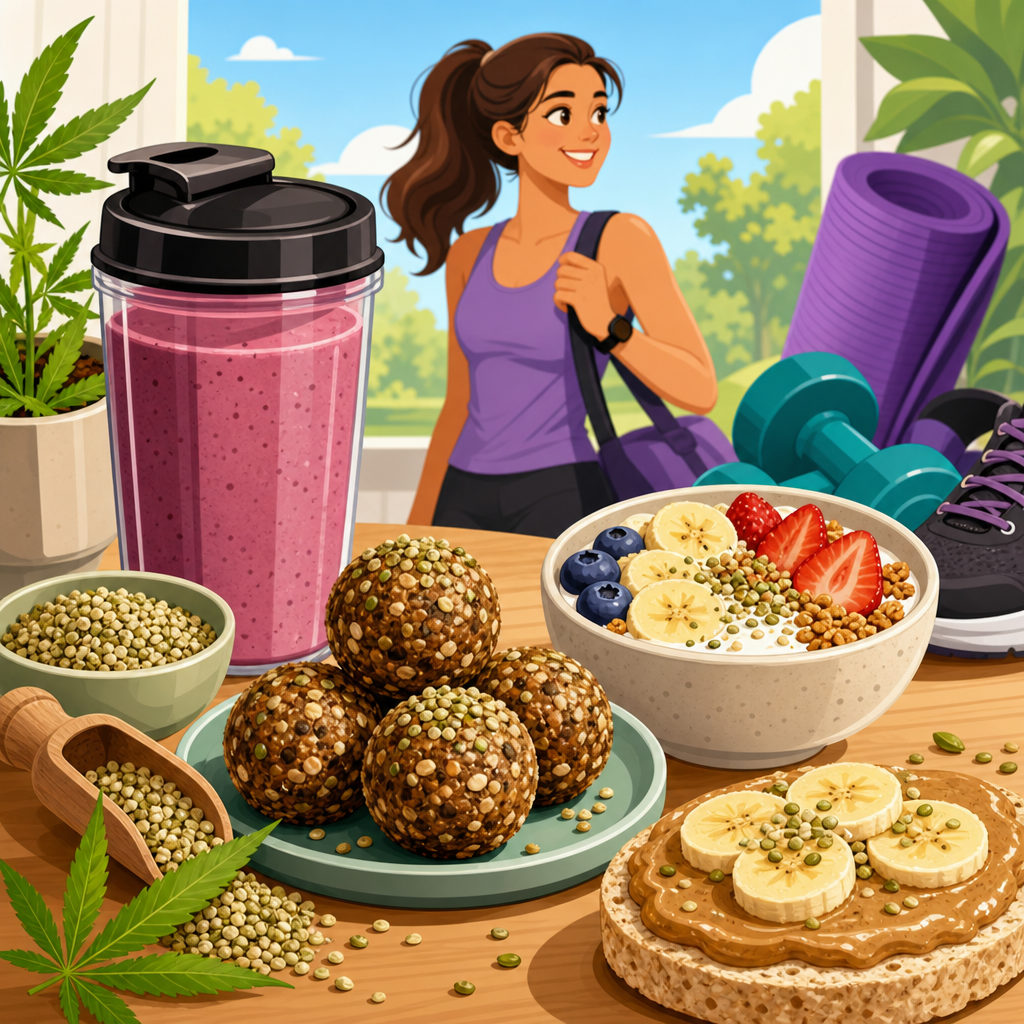
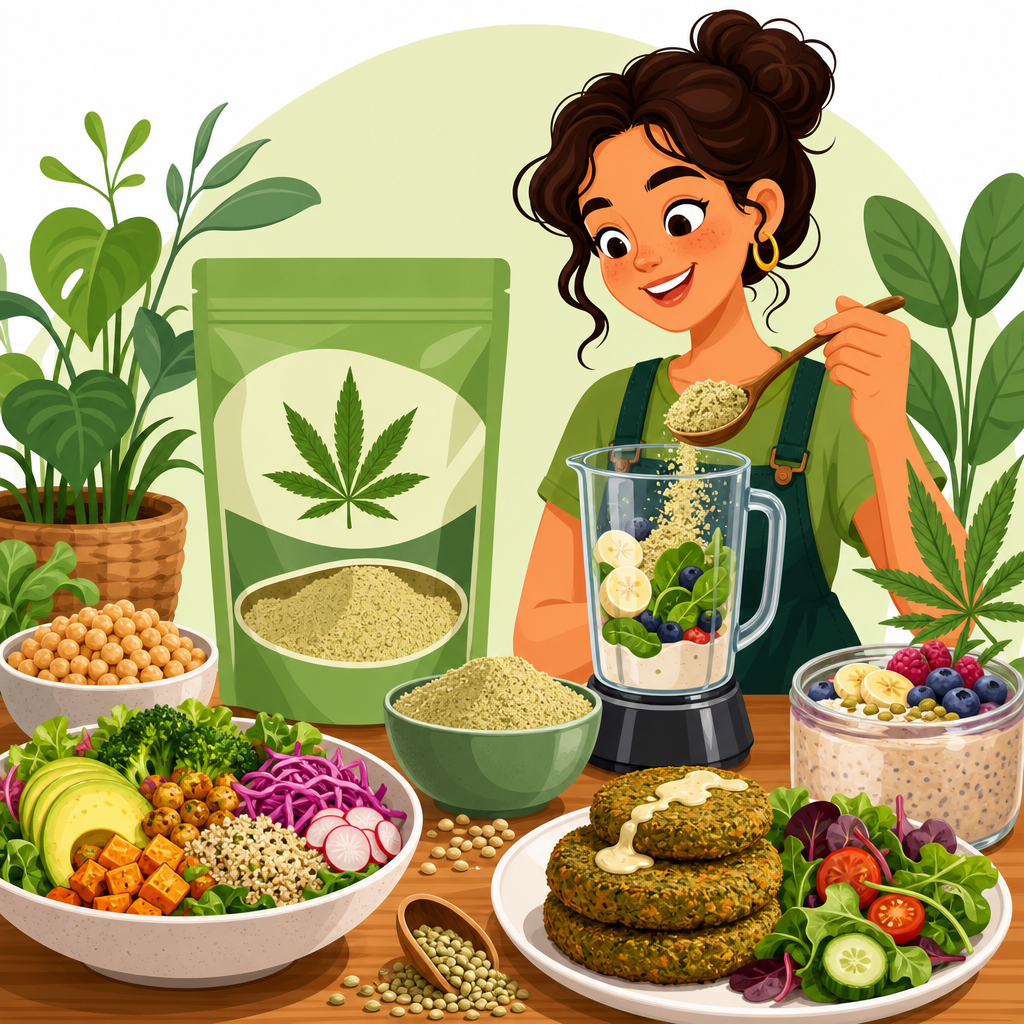
The simplest way to use hemp protein in vegan diets is to build it into foods you already eat. Smoothies are the obvious starting point. Blend hemp protein with fortified soy milk, berries, banana, spinach, and ground flax for a breakfast that covers protein, calcium, omega-3 fats, and fiber. For a more substantial version, add rolled oats or cooked white beans. The flavor of hemp protein pairs particularly well with cocoa, cinnamon, dates, peanut butter, and coffee, which is why mocha and chocolate blends are often the easiest for beginners.
Oatmeal is another dependable application. Stir hemp protein into cooked oats after heating to preserve texture, then add hemp hearts, walnuts, fruit, and a calcium-fortified plant milk. This creates a breakfast with slower digestion than plain toast or cereal and can help vegans who feel hungry again an hour after eating. Overnight oats also work well because the powder hydrates gradually. In my experience, using half a scoop first prevents the mixture from becoming too dense, especially with chia seeds already in the jar.
Baking is where hemp protein becomes especially useful for people who dislike shakes. You can mix it into muffins, pancakes, waffles, energy bites, or homemade protein bars. Because hemp powder absorbs moisture and adds heft, recipes usually need a little extra liquid or mashed banana. Replacing all the flour rarely works well, but swapping in a modest portion can improve protein and fiber without ruining structure. A practical rule is to substitute about one quarter of the flour with hemp protein in quick breads or pancakes, then test texture and adjust.
Savory meals are often overlooked. Hemp protein can be blended into creamy soups, stirred into bean patties, mixed into veggie burger bases, or added to homemade sauces. Hemp hearts are even more versatile in savory dishes because they blend into dressings, pesto, and dairy-free cream sauces with a mild nuttiness. For this hub on hemp for vegans and vegetarians, that distinction matters: hemp protein powder is useful for concentrated nutrition, while hemp hearts are often better for culinary range. Many successful plant-based kitchens keep both on hand and use them differently.
Meal Planning for Vegans and Vegetarians Using Hemp
Using hemp effectively means thinking in patterns, not isolated servings. A balanced vegan day might include oats with hemp protein at breakfast, a lentil grain bowl topped with hemp hearts at lunch, fruit and yogurt with a spoonful of hemp seeds as a snack, and tofu stir-fry at dinner. In that pattern, hemp does not carry the entire protein burden. It reinforces a broader structure built on legumes, soy foods, whole grains, vegetables, fruit, nuts, and seeds. That is the healthiest way to use hemp in vegan diets: as a strategic contributor, not a miracle ingredient.
For vegetarian diets, hemp can play a slightly different role. Since dairy and eggs may already provide concentrated protein, hemp often helps raise fiber and unsaturated fats while adding variety. A vegetarian breakfast with Greek-style plant yogurt or dairy yogurt, berries, and hemp hearts is more nutrient-dense than one based on granola alone. Egg-based meals can also benefit from hemp seeds in pesto, grain salads, or roasted vegetable bowls. The point is not to replace every existing protein source, but to broaden nutrient coverage and reduce reliance on any single food category.
There are also population-specific uses. Older adults following plant-based diets may benefit from adding hemp protein to increase meal protein without huge food volume. Students and professionals who skip meals can use it to make portable breakfasts or snacks. Athletes can combine hemp with higher-leucine foods such as soy milk or tofu. People with nut allergies may appreciate hemp as a seed-based option, although cross-contamination checks remain important. Across these scenarios, the practical question is always the same: how can hemp make the diet easier to sustain while keeping nutrition targets realistic?
When shopping, read labels carefully. Some hemp protein products are unsweetened and minimally processed; others include flavors, sweeteners, thickeners, digestive enzymes, or greens blends. None of those additions are automatically bad, but they change how the product behaves in recipes and how transparent the ingredient list is. I generally favor plain hemp protein for cooking because it offers more control. Store hemp products in a cool, dry place, and use opened packages within the manufacturer’s recommended timeframe to protect flavor and the quality of unsaturated fats.
Common Questions, Limitations, and Best Practices
One frequent question is whether hemp protein alone is enough for vegans. The honest answer is no single food is enough, and that is normal. Hemp is best used within a varied eating pattern. Another common question is whether hemp can build muscle. Yes, if total daily protein, training stimulus, recovery, and energy intake are appropriate. It is not the most leucine-rich plant protein, so athletes may need larger servings or complementary proteins. That is a planning detail, not a deal-breaker.
People also ask about digestibility. Many tolerate hemp well, especially compared with some sweetened or highly processed powders, but the fiber content can cause bloating if intake increases too quickly. Start with a small serving and increase gradually while drinking enough water. Taste is another legitimate limitation. Hemp protein has an earthy, sometimes grassy flavor. Choosing recipes with banana, cocoa, berries, spices, or savory ingredients usually solves this. Texture can be gritty depending on the grind, so blending thoroughly matters.
Finally, remember that nutrition quality comes from the whole diet. Fortified foods remain important for nutrients such as vitamin B12, vitamin D in some cases, calcium, and iodine, and iron intake should be monitored thoughtfully in plant-based diets. Hemp contributes meaningfully, but it does not replace planning. Used well, however, it can make plant-based eating easier, more satisfying, and more nutritionally robust. If you are building a stronger vegan or vegetarian routine, start with one simple step this week: add hemp protein or hemp hearts to a meal you already enjoy, then expand from there with intention.
Frequently Asked Questions
1. What are the best ways to use hemp protein in a vegan diet every day?
Hemp protein is one of the easiest plant-based ingredients to work into a daily vegan routine because it fits naturally into meals and snacks without requiring complicated preparation. For most people, the simplest place to start is breakfast. You can blend hemp protein into smoothies with fruit, plant milk, nut butter, oats, or chia seeds for a balanced meal that provides protein, fiber, and longer-lasting energy. It also mixes well into overnight oats, warm oatmeal, and yogurt-style plant-based bowls. If mornings are rushed, this can be one of the most practical ways to improve protein consistency without adding much effort.
Beyond breakfast, hemp protein can also be used in baking and meal prep. It works well in muffins, pancakes, waffles, homemade energy bites, and protein bars. Many people also stir it into soups, stews, or creamy sauces for an extra nutrient boost, although it is usually best added toward the end of cooking to preserve texture and flavor. During busy workweeks, keeping hemp protein available in a pantry or shaker bottle makes it easier to build quick meals after workouts or between meetings. In practice, the most effective approach is not to rely on hemp protein as your only protein source, but to use it regularly alongside beans, lentils, tofu, tempeh, edamame, seitan, nuts, and seeds so your overall vegan diet stays varied, satisfying, and nutritionally balanced.
2. Is hemp protein a complete protein, and does it provide enough protein for vegans?
Hemp protein is often considered a high-quality plant protein because it contains all nine essential amino acids, which makes it especially useful in vegan eating patterns. That said, it is important to understand what this means in practical terms. While hemp protein does contain all essential amino acids, some amino acids may be present in lower amounts compared with soy or certain blended plant proteins. This does not make hemp protein ineffective. It simply means it works best as part of a mixed vegan diet rather than as the sole protein source for the entire day.
For most healthy adults, getting enough protein on a vegan diet is very achievable when meals are built intentionally. Hemp protein can make that process easier because it offers a convenient way to raise the protein content of meals that are otherwise low in protein, such as fruit smoothies or plain oatmeal. It is especially helpful for people who struggle to eat enough protein at breakfast, after exercise, or during hectic days when cooking is limited. To ensure overall adequacy, pair hemp protein with other plant foods throughout the day, including legumes, soy foods, whole grains, nuts, and seeds. When viewed as one reliable tool within a broader eating pattern, hemp protein can absolutely support vegan protein goals in a realistic and sustainable way.
3. How much hemp protein should you use in smoothies, oats, or meals?
The right amount of hemp protein depends on your total protein needs, your activity level, and the rest of the meal. For many people, starting with one serving, often around 2 to 4 tablespoons or the amount listed on the product label, is a practical baseline. In a smoothie, this amount can add meaningful protein and fiber without overwhelming the flavor. In oats or overnight oats, a moderate serving usually works well when combined with soy milk, chia seeds, pumpkin seeds, or nut butter. This creates a more complete and filling breakfast that supports energy and appetite control through the morning.
If you are using hemp protein after training or to support higher daily protein goals, you may choose a larger serving or combine it with other protein-rich foods in the same meal. The key is to think about hemp protein in context rather than in isolation. A smoothie made with hemp protein, fortified soy milk, oats, and peanut butter will provide much more staying power than hemp protein mixed with water alone. It is also wise to increase intake gradually if you are not used to high-fiber foods, since hemp protein can be quite fiber-rich and may cause digestive discomfort if added too aggressively all at once. Reading the label, adjusting the serving based on your needs, and evaluating how full and energized you feel afterward is usually the best strategy.
4. What are the nutritional benefits of hemp protein for vegans?
Hemp protein offers several nutritional advantages that make it useful in a vegan diet beyond just its protein content. One of its biggest strengths is that it typically provides a combination of protein, fiber, minerals, and healthy fats in a single ingredient. This is important because many vegan eaters are not simply looking for isolated protein; they also need meals that are satisfying, supportive of digestion, and built from nutrient-dense foods. The fiber in hemp protein can help with fullness and regularity, while the fat content may contribute to better meal satisfaction and a steadier energy curve compared with lower-fat protein powders.
Hemp protein also contains minerals such as iron, magnesium, zinc, and phosphorus, all of which are relevant in plant-based nutrition. Magnesium is especially valuable for muscle function and energy metabolism, while iron and zinc are nutrients many vegans pay closer attention to when planning meals. In addition, hemp protein tends to be less processed than some highly refined protein isolates, which appeals to people who prefer more whole-food-oriented options. It is not a magic food, and it does not replace the need for a well-planned diet, but it can be a very practical nutrient booster in meals that would otherwise be too low in protein or too light to keep you full. Used consistently, it can support both convenience and overall diet quality.
5. Does hemp protein taste good, and how can you improve the texture in recipes?
Hemp protein has a more earthy, nutty flavor than many sweeter or more neutral plant protein powders, so taste and texture expectations matter. Some people enjoy that natural seed-like flavor right away, especially in recipes with cocoa, banana, cinnamon, berries, peanut butter, or coffee. Others find it a little stronger at first, particularly if they are used to highly flavored commercial protein powders. The easiest solution is to use hemp protein in recipes where its flavor blends naturally rather than stands alone. Smoothies, chocolate oats, banana muffins, spiced pancakes, and energy balls are usually better starting points than plain shakes made only with water.
Texture can also vary depending on the brand, since hemp protein is often a bit grittier than isolated protein powders. To improve texture, blend it thoroughly with creamy ingredients such as frozen banana, oats, soy yogurt, avocado, or nut butter. In oatmeal, whisking it in with extra liquid helps prevent clumping. In baking, combining hemp protein with flour rather than substituting too much of the flour at once usually gives better results. If you are new to it, start with a smaller amount and build up as you learn which combinations you like. In real-world meal planning, consistency matters more than perfection, so the best hemp protein recipe is the one you will genuinely make and enjoy on a regular basis.