
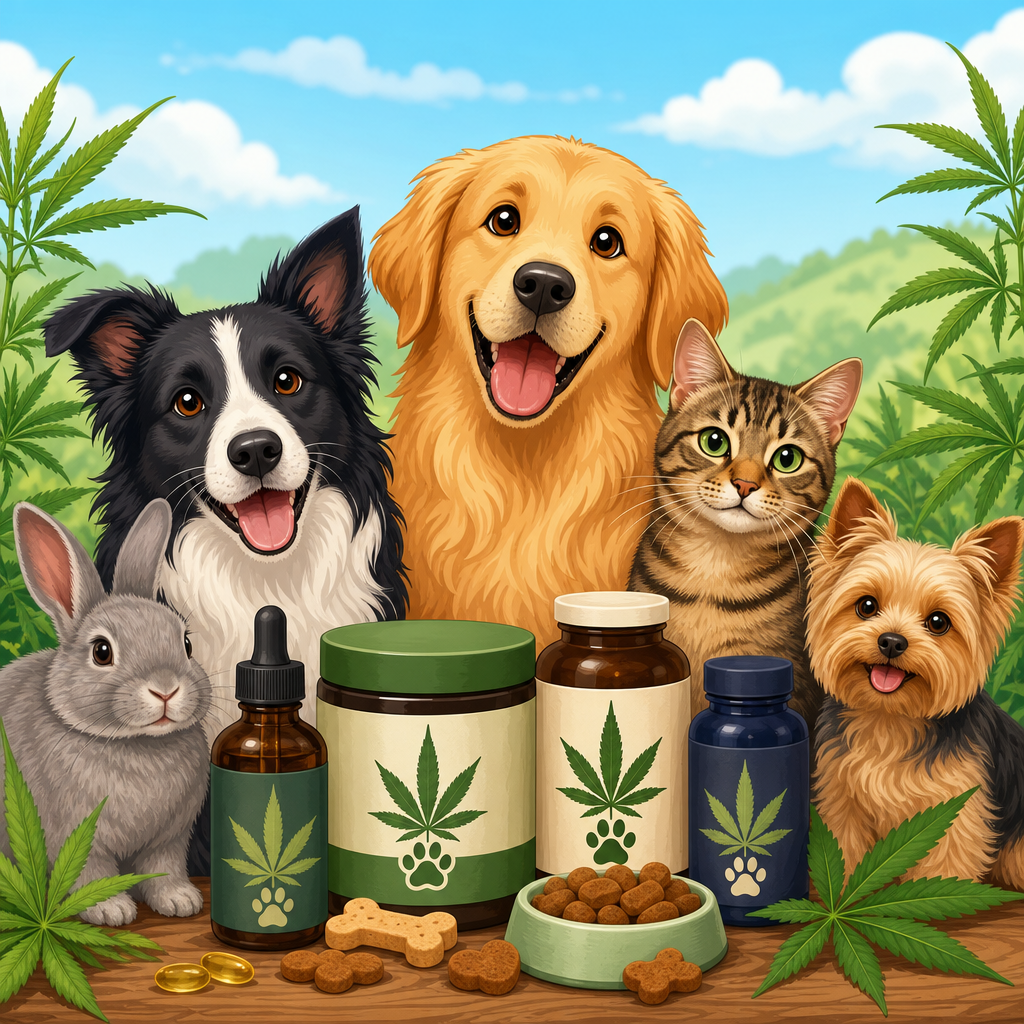
Hemp pet supplements have moved from niche wellness products to mainstream options for owners who want practical support for stress, mobility, skin health, and overall balance in dogs and cats. In this guide to the top brands for hemp pet supplements, I am focusing on what actually matters when you compare products: hemp source, third-party testing, cannabinoid profile, supporting ingredients, dosing clarity, species-specific formulas, and the company’s record for consistency. Hemp pet supplements usually refer to oils, chews, soft gels, and topical products made from industrial hemp and formulated for animals. Most contain cannabinoids such as cannabidiol, often called CBD, plus terpenes, carrier oils, and other functional ingredients. They matter because pet owners need options that are easier to evaluate than marketing claims, especially when the market mixes high-quality veterinary-conscious brands with low-transparency products that should be avoided.
After reviewing supplement labels and testing protocols across this category for years, I have found that the best hemp products for pets are not always the loudest brands. The strongest companies make species-appropriate formulas, publish certificates of analysis, use clean extraction methods such as CO2 extraction, and explain how much active hemp extract a pet receives per serving. They also avoid vague language like “proprietary blend” when dosing precision is essential. As a hub article under hemp products and reviews, this page gives you a complete framework for understanding hemp products for pets, highlights leading brands worth considering, and helps you decide which type of supplement fits your animal’s needs. If you are asking which hemp pet supplement brands are best, what ingredients to look for, whether oils or chews work better, or how to compare quality, the answers start with transparent formulation and responsible manufacturing.
What Makes a Hemp Pet Supplement Brand Worth Trusting
The first filter is manufacturing discipline. A credible hemp pet supplement brand states where its hemp is grown, how it is extracted, and how every batch is tested. In practice, I look for United States-grown hemp, supercritical CO2 extraction, batch-specific certificates of analysis from independent laboratories, and clearly listed cannabinoid content per milliliter or chew. Those standards reduce the risk of contamination from pesticides, heavy metals, residual solvents, or microbial growth. They also make dosing more reliable. Without them, a product may still look polished online while telling you almost nothing useful.
The second filter is formulation logic. Good brands formulate for pets rather than repackaging human CBD oil with a paw print on the label. Dogs and cats have different flavor preferences, body sizes, and sensitivities. A dog chew for joint support may combine hemp extract with glucosamine, MSM, chondroitin, or turmeric. A calming formula may pair hemp with L-theanine, chamomile, melatonin, or passionflower. A skin and coat product may use fish oil or MCT oil as the carrier. Cats usually need simpler flavor systems and more careful concentration because tiny dosing errors matter more. Companies that understand these details tend to produce better outcomes and fewer owner complaints.
The third filter is transparency around legal and safety limits. Reputable hemp pet brands keep tetrahydrocannabinol content at federally compliant trace levels and say so plainly. They also avoid making disease-treatment claims, because supplements are not approved to diagnose, cure, or prevent disease. That restraint is a positive sign. The companies most worth your money explain intended use, expected onset time, possible side effects such as drowsiness or digestive upset, and situations where a veterinarian should be involved, especially if a pet takes seizure medication, NSAIDs, steroids, or other long-term drugs metabolized through the liver.
The Top Brands for Hemp Pet Supplements
Several brands consistently stand out because they combine quality control, smart formulations, and better-than-average consumer education. Charlotte’s Web remains one of the most recognized names, and its pet line benefits from the company’s long-standing hemp cultivation and extract experience. The formulas are straightforward, the branding is clear, and the company has built trust by emphasizing traceability and broad-spectrum options. Honest Paws is another strong contender, especially for owners who want condition-specific products such as calming, mobility, and wellness oils. The brand does a good job matching concentration to pet size, which solves one of the most common user errors: overdosing small animals with products intended for larger dogs.
CBDfx has earned attention for broad-spectrum pet formulas and accessible pricing relative to potency. The company typically provides solid lab access and uses recognizable supporting ingredients. Medterra is also notable because it leans into THC-free approaches, which appeals to owners who want additional reassurance on that point. Holistapet has built a large following around easy-to-use chews for stress, mobility, and digestive support, while Pet Releaf remains one of the more established pet-focused names and has done more than many competitors to present itself as a wellness brand built specifically for animals rather than humans. In premium circles, ElleVet often comes up because of its veterinary emphasis and research-backed positioning. Although usually more expensive, it has gained respect among owners who prioritize clinical credibility.
| Brand | Best Known For | Typical Product Strength | Best Fit |
|---|---|---|---|
| Charlotte’s Web | Brand trust and hemp sourcing | Moderate potency oils and chews | Owners seeking a proven mainstream option |
| Honest Paws | Condition-specific formulas | Size-based oils and bites | Multi-dog households needing simpler dosing |
| CBDfx | Value and broad-spectrum products | Competitive potency per dollar | Budget-conscious buyers who still want testing |
| Medterra | THC-free positioning | Moderate strength tinctures and chews | Owners prioritizing extra caution |
| Holistapet | Palatable soft chews | Daily wellness and calming blends | Pets that refuse oils |
| Pet Releaf | Pet-specific identity and variety | Edibles, oils, and topical options | Owners exploring multiple delivery formats |
| ElleVet | Veterinary-oriented premium formulas | Clinically positioned chews and oils | Owners willing to pay more for research focus |
No single brand is best for every pet. A senior Labrador with arthritis may do best on a higher-potency oil with a mobility-focused formula, while a nervous rescue terrier may respond better to lower-potency calming chews used situationally. I have also seen picky cats reject fish-flavored oils that worked perfectly for dogs. That is why brand comparison should always include delivery format, concentration, and ingredient tolerability, not just reputation. A great company can still have one product that does not suit your animal.
Choosing the Right Type of Hemp Product for Pets
Hemp products for pets usually come in four forms: oils, chews, capsules, and topicals. Oils are the most flexible because they allow accurate dose adjustments by drop or milliliter. For small dogs and cats, that flexibility is a major advantage. When an owner tells me they want precise control during a slow introduction, I usually point them toward a measured tincture. Chews are easier for daily compliance and often include added functional ingredients, but they lock you into fixed serving sizes. Capsules work well for larger dogs that already take pills, though they are less popular in the pet hemp category. Topicals have niche value for localized skin issues or paw irritation but are not a substitute for systemic support.
Broad-spectrum, full-spectrum, and isolate formulas also matter. Full-spectrum hemp extracts contain multiple cannabinoids and terpenes, with trace compliant THC. Broad-spectrum products aim to preserve several hemp compounds while removing detectable THC. Isolate products focus on purified CBD alone. In real-world use, many owners prefer broad-spectrum because it balances compound diversity with caution around THC exposure. Full-spectrum products can still be excellent if the company tests rigorously and doses appropriately. Isolates are sometimes useful for highly sensitive pets or owners who want the simplest possible profile, but they may offer a narrower effect than broader extracts depending on the formulation.
Flavor and carrier oils deserve more attention than they usually get. Salmon oil can improve acceptance in dogs but may upset some stomachs. MCT oil is common because it blends well and stays stable, yet some pets experience loose stools if started too aggressively. Olive oil is less common but workable. If your pet has pancreatitis history, food allergies, or a highly sensitive digestive tract, the carrier oil may matter as much as the hemp extract itself. The right product is not simply the strongest one. It is the formula your pet can tolerate consistently at an effective dose.
How to Read Labels, Lab Reports, and Dosing Instructions
The most useful label details are simple: total hemp extract in the package, milligrams per serving, ingredient list, lot number, expiration date, and intended species or size range. If a bottle says 600 milligrams, that number alone is not enough. You need to know whether it contains 30 milliliters, making the concentration 20 milligrams per milliliter, or a different volume entirely. I regularly see owners assume two oils with the same total milligrams are interchangeable when one is far more concentrated. That mistake leads to inconsistent results and unnecessary concern about effectiveness.
Certificates of analysis should confirm cannabinoid potency and screen for contaminants. The ideal report is batch specific, recent, and issued by an independent lab. It should list CBD content close to what the label claims and show pass results for heavy metals, pesticides, residual solvents, and microbial contamination. If a company posts only a generic lab result from years ago, that is not enough. Reliable brands usually link reports directly from the product page or package QR code. If you have to dig through customer service to get proof, transparency is already weaker than it should be.
Dosing instructions should begin low and increase gradually based on body weight, response, and purpose. There is no universally perfect dose because metabolism, age, condition severity, and formula type all affect response. For example, situational stress from fireworks may call for timing a chew in advance, while daily mobility support often depends on steady use over time. Clear brands explain this. They also tell you when to stop and consult a veterinarian, particularly if a pet becomes excessively sedated, develops gastrointestinal signs, or has underlying liver disease. Sensible dosing guidance is one of the best signs that a company is thinking beyond sales copy.
Common Use Cases, Limits, and Veterinary Considerations
Pet owners most often buy hemp supplements for anxiety, joint stiffness, age-related discomfort, travel stress, and skin support. Those use cases are reasonable, but expectations should stay realistic. Hemp supplements may support calm behavior during thunderstorms, improve ease of movement in some older dogs, or help maintain everyday wellness, yet they are not replacements for diagnosing pain, lameness, seizures, endocrine disease, or allergic dermatitis. I have seen owners delay needed veterinary care because a supplement briefly seemed to help. A limping dog still needs an exam. A cat hiding and refusing food needs immediate medical attention, not another dropper of oil.
Veterinary input matters most for pets on other medications, seniors with complex disease, and animals with seizure histories. Cannabinoids can affect drug metabolism, especially where hepatic enzyme pathways are involved. That does not mean hemp is unsafe; it means context matters. The best hemp pet supplement brands acknowledge these limits and encourage coordination with a veterinarian. That is one reason premium, research-oriented brands often command higher prices: they invest more in formulation discipline, testing, and educational support. If you are building a complete resource center around hemp products for pets, your next step should be comparing individual product reviews, matching formulas to your pet’s specific goal, and choosing a brand that proves its quality before your pet takes the first dose.
The top brands for hemp pet supplements separate themselves through tested ingredients, clear dosing, pet-specific formulation, and honest communication about what these products can and cannot do. For most owners, the best choice is not the most expensive bottle or the trendiest chew. It is the product with transparent lab results, a practical strength for your pet’s size, a delivery format your animal will actually take, and a brand record that shows consistency over time. Start with oils if you need flexible dosing, choose chews if daily compliance is the priority, and involve your veterinarian when your pet has medical conditions or takes prescription drugs.
As the hub for hemp products for pets, this article gives you the framework needed to evaluate every review and comparison that follows. Use it to narrow the field to reputable brands such as Charlotte’s Web, Honest Paws, CBDfx, Medterra, Holistapet, Pet Releaf, and ElleVet, then compare formulas based on your pet’s age, size, temperament, and wellness goals. Better buying decisions come from better standards, not louder marketing. Review the labels, read the lab reports, and choose a hemp pet supplement brand that earns trust with evidence. Then move on to the product-specific guides in this topic cluster and find the formula that fits your pet best.
Frequently Asked Questions
What should I look for when comparing the top brands for hemp pet supplements?
Start with the basics that directly affect quality, safety, and consistency. A strong brand should clearly explain where its hemp is grown, how it is extracted, and what type of cannabinoid profile it uses, whether that is broad-spectrum hemp extract, full-spectrum hemp extract, or an isolate-based formula. The best companies are transparent about these details because they know informed pet owners want more than marketing language. Hemp source matters because cultivation standards, soil quality, and farming practices can influence the purity of the final product.
Third-party testing is another major checkpoint. Reputable brands provide recent certificates of analysis from independent labs that confirm cannabinoid content and screen for contaminants such as pesticides, heavy metals, residual solvents, and microbial impurities. If a company makes it difficult to find these reports, that is usually a sign to look elsewhere. You also want to examine the supporting ingredients. Many high-quality hemp pet supplements combine hemp extract with ingredients like chamomile, L-theanine, glucosamine, MSM, omega fatty acids, or skin-supporting nutrients, depending on the intended use.
Dosing clarity is equally important. The best brands make it easy to understand how much hemp extract is in each chew, dropper, capsule, or serving, and they offer guidance based on pet size or weight. Species-specific formulas are a plus, since dogs and cats can have different preferences, sensitivities, and nutritional needs. Finally, consider the company’s overall track record. Brands that consistently maintain product quality, update their testing, and avoid exaggerated health claims tend to be more trustworthy over time.
Why is third-party lab testing so important for hemp pet supplements?
Third-party lab testing is one of the clearest ways to separate dependable hemp pet supplement brands from less reliable ones. Hemp is a plant-based ingredient, and as with any plant-derived product, quality can vary depending on farming, handling, extraction, and manufacturing practices. Independent lab testing helps confirm that what is printed on the label actually matches what is inside the bottle, bag, or jar. That matters because pet owners need confidence in both potency and purity before adding any supplement to a dog or cat’s routine.
A trustworthy certificate of analysis should show the cannabinoid content so you can verify the amount of hemp-derived compounds per serving. It should also include contaminant screening, especially for pesticides, heavy metals, residual solvents, and microbial contaminants. These checks are important because pets are often smaller and can be more sensitive than humans to low-quality ingredients or poor manufacturing controls. If a product claims to support calm behavior, mobility, or skin health, but the cannabinoid content is inconsistent from batch to batch, the product may not deliver predictable results.
Good brands make lab reports easy to access through their website, product packaging, QR codes, or customer support. They also test regularly rather than relying on outdated reports. In practical terms, third-party testing is not just a bonus feature. It is a core sign of quality assurance, transparency, and accountability, which are all essential when evaluating the top brands for hemp pet supplements.
Are there differences between hemp pet supplements for dogs and cats?
Yes, and the best brands recognize those differences instead of using a one-size-fits-all approach. Dogs and cats can vary significantly in taste preferences, metabolism, size range, and tolerance for certain textures or ingredients. For example, a dog may do well with soft chews, biscuits, or flavored oils, while a cat may be much more selective and may prefer a tincture that can be added to food in very small amounts. Brands that create species-specific formulas usually make administration easier, which can make a real difference in long-term use.
Ingredient selection also matters. Some supporting ingredients commonly used in dog supplements, especially flavored additives or functional blends, may not be ideal for cats. Companies with well-designed cat formulas usually keep recipes simpler, use cat-friendly flavoring, and provide more careful serving guidance for lower body weights. For dogs, formulas may be more targeted toward active lifestyle support, senior mobility, situational stress, or skin and coat maintenance. In both cases, the goal should be a formula that matches the animal’s needs rather than simply repackaging the same product with a different label.
When comparing brands, pay attention to whether they clearly identify the intended species, explain how the product should be used, and provide straightforward dosing instructions. The most reliable companies account for practical differences between dogs and cats and build their products around those needs. That level of detail usually reflects a stronger overall commitment to pet-specific quality.
How do supporting ingredients affect the quality of a hemp pet supplement?
Supporting ingredients can significantly shape how useful a hemp pet supplement is for a particular goal. Hemp extract is often the headline ingredient, but the rest of the formula can tell you a lot about whether a brand has thoughtfully developed the product. For calming support, for example, some brands pair hemp with ingredients like chamomile, valerian root, or L-theanine. For mobility, you may see glucosamine, chondroitin, MSM, turmeric, or boswellia. For skin and coat support, omega fatty acids, biotin, or other nourishing ingredients may be included.
The key is whether these additions make sense, are clearly disclosed, and are included in a formula designed for pets. A quality brand does not overload a product with trendy extras just to make the label look impressive. Instead, it uses supporting ingredients with a clear purpose and explains how they fit into the formula. You also want to watch for unnecessary fillers, artificial additives, or vague proprietary blends that hide how much of each ingredient is actually present. Transparency is important because it allows pet owners to compare formulas more accurately and avoid products that sound better than they really are.
Well-chosen supporting ingredients can improve convenience by creating a more complete supplement for a specific wellness need. However, more ingredients are not automatically better. The strongest products usually balance simplicity, function, and palatability. When evaluating top brands for hemp pet supplements, it is smart to look beyond the hemp content alone and assess whether the entire ingredient list supports the product’s intended purpose in a safe, practical, and pet-friendly way.
How can I tell if a hemp pet supplement brand is truly reliable over time?
Reliability shows up in consistency, transparency, and the way a company communicates with pet owners. A truly dependable brand does more than launch attractive packaging and broad wellness claims. It maintains consistent manufacturing standards, provides clear serving information, updates third-party lab reports regularly, and gives customers enough detail to make informed choices. Brands with a solid long-term reputation usually have a recognizable pattern of quality control rather than a single impressive product page.
Look at how specific the company is about its hemp source, extraction method, cannabinoid content, and intended use. Check whether it offers batch-level testing and whether those results are easy to verify. Review the ingredient list for clarity and logic, especially if the product targets stress support, mobility, skin health, or everyday balance. Reliable brands also tend to offer multiple formats or strengths so pet owners can choose a product that matches the size and preferences of their dog or cat.
Customer experience is another clue. Companies that provide responsive support, realistic product guidance, and detailed FAQs are often more trustworthy than brands that rely on vague promises. It also helps to pay attention to whether the company stays within responsible language and avoids overstating what a supplement can do. In a growing market like hemp pet supplements, the best brands stand out by being consistently transparent, careful with formulation, and focused on practical pet wellness rather than hype.