
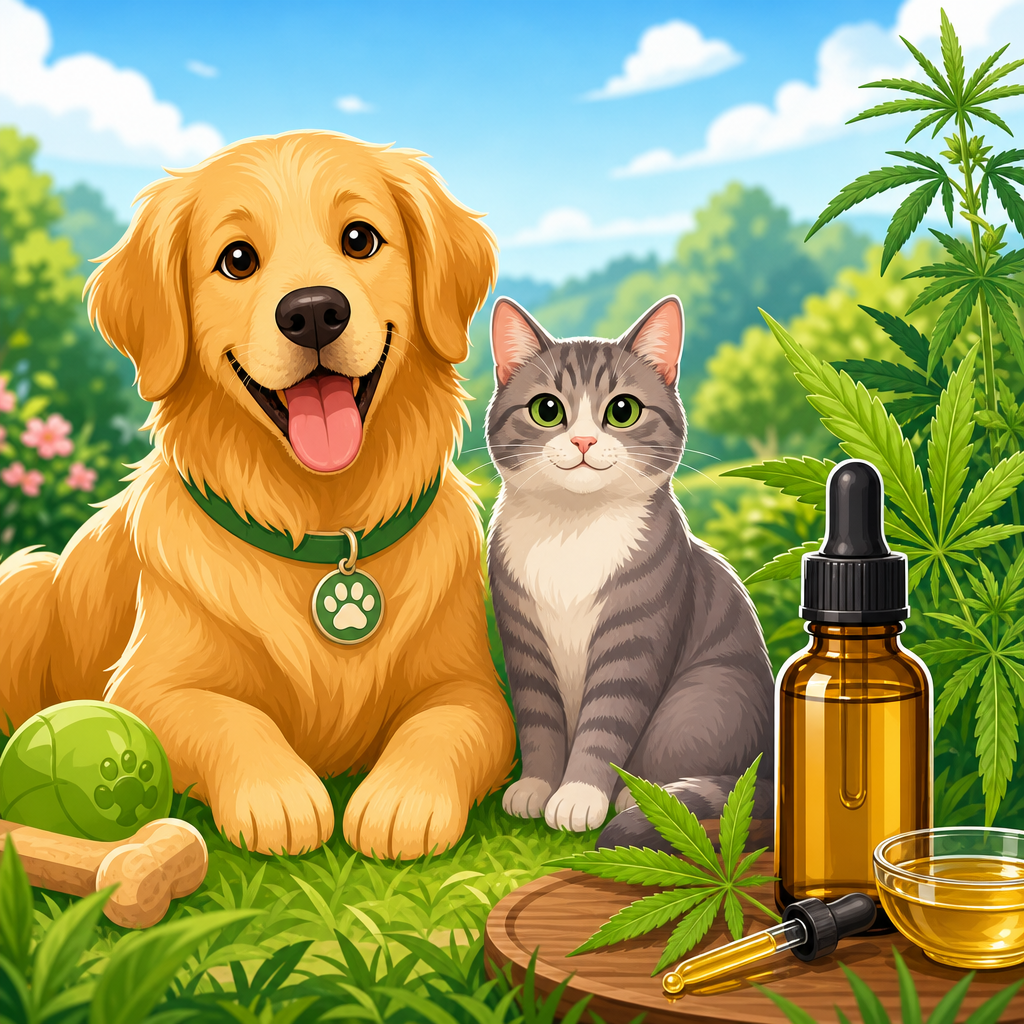
Using hemp oil to improve pet health starts with understanding what hemp oil is, what it is not, and where it can genuinely support dogs and cats. In practice, pet owners usually mean a hemp extract made from Cannabis sativa that contains cannabinoids, terpenes, and carrier oil, although some products are simply hemp seed oil with no meaningful cannabinoid content. That distinction matters because hemp seed oil is mainly a nutritional fat source, while full-spectrum, broad-spectrum, and isolate formulas are marketed for very different wellness goals. I have reviewed pet hemp products across tinctures, chews, capsules, and topicals, and the biggest problem is not lack of options. It is confusing labeling, uneven quality control, and unrealistic expectations. A good pet hemp oil can be useful when it is selected carefully, dosed conservatively, and integrated into an overall care plan that may also include diet, exercise, behavior work, and veterinary supervision.
For pet owners, the core question is simple: can hemp oil help with anxiety, joint stiffness, mobility, skin comfort, sleep, and general quality of life without creating unnecessary risk? The short answer is that it may help some pets, especially dogs, but results depend on formulation, dose, body weight, health status, and product quality. Evidence is stronger for symptom management than for cure claims. That is why this hub article on hemp products for pets covers the entire category, from ingredients and extraction to dosing, safety, buying criteria, and product formats. If you want one page that explains how pet hemp oil works, how to compare hemp chews with tinctures, and when to involve your veterinarian, this is the foundation. From here, more specific reviews and care guides can branch into senior dogs, anxious rescues, itchy skin, and breed-specific mobility needs.
What Hemp Oil Does for Pets and How It Works
Hemp oil for pets is usually discussed in relation to the endocannabinoid system, a signaling network involved in mood, stress response, pain perception, immune activity, appetite, and sleep. Mammals have cannabinoid receptors throughout the body, especially CB1 and CB2, and plant-derived cannabinoids may influence this system indirectly or directly depending on the compound. In plain terms, the reason dog owners try hemp oil is that it may help the body maintain balance during stress, inflammation, or age-related discomfort. The most common target uses are separation anxiety, noise sensitivity, travel stress, osteoarthritis support, recovery after exertion, and occasional digestive upset linked to stress.
It is important to separate promise from proof. Research in companion animals is still developing, but several veterinary studies and clinical observations have supported cautious use, especially for dogs with osteoarthritis and situational anxiety. Cornell University’s veterinary research on cannabinoids for canine osteoarthritis is frequently cited because it found improvements in comfort and activity in some dogs given a hemp-derived extract. Owners often report that their pets settle more easily, pace less, and rise from lying down with less stiffness. Those reports are useful, but they are not a substitute for diagnosis. Limping, restlessness, appetite loss, or skin chewing can signal pain, endocrine disease, allergies, neurologic issues, or gastrointestinal disease, all of which need proper evaluation.
When I assess a pet hemp product, I look first at whether the claimed benefit matches the product type. A fast-acting tincture may be more useful for thunderstorms or fireworks because owners can adjust doses in small increments and time administration 30 to 90 minutes before the event. A chew may suit daily mobility support because compliance is easier. A topical balm may help localized paw or skin dryness, but it will not replace systemic support for generalized joint pain. This is where many pet owners waste money: they buy a format that does not fit the problem they are trying to solve.
Types of Hemp Products for Pets
The pet hemp market includes oils, soft chews, hard treats, capsules, powders, topicals, and infused supplements that combine hemp extract with ingredients like glucosamine, chondroitin, MSM, turmeric, L-theanine, chamomile, melatonin, omega-3 fatty acids, or probiotics. Each format has strengths and tradeoffs. Tinctures offer the most dosing precision because you can measure by the milligram and scale to body weight. Chews are convenient and often more palatable, but they may contain lower cannabinoid concentrations and more inactive ingredients. Capsules avoid taste issues and provide consistent dosing, though they are harder to adjust for very small pets. Topicals are niche products best reserved for skin barrier support and localized soothing.
The other major distinction is extract type. Full-spectrum hemp extract contains multiple cannabinoids and terpenes, including trace amounts of THC within legal hemp limits. Broad-spectrum extract removes or sharply reduces THC while retaining several other hemp compounds. Isolate products contain one cannabinoid, usually cannabidiol. In pet products, many owners prefer broad-spectrum because they want some plant complexity without THC exposure. That preference is understandable, especially for cats and small dogs, which can be more sensitive to formulation errors. However, full-spectrum products from reputable brands can also be used appropriately when batch testing confirms extremely low THC and a veterinarian agrees the product is suitable.
| Product type | Best use | Main advantage | Main limitation |
|---|---|---|---|
| Tincture | Adjustable daily dosing, situational stress | Precise milligram control | Taste and dropper accuracy matter |
| Chew or treat | Daily mobility or calming routines | Easy compliance | Less flexible dosing |
| Capsule | Consistent scheduled use | Premeasured potency | Harder for small pets |
| Topical | Paws, dry skin, localized areas | Targeted application | Limited systemic effect |
Hub coverage of hemp products for pets should also include adjacent categories because buyers often compare them in the same shopping session. Fish oil and hemp seed oil are both used for coat support, but fish oil contributes EPA and DHA, while hemp seed oil provides linoleic acid and alpha-linolenic acid without cannabinoids. Calming chews with hemp compete with products built around L-tryptophan or alpha-casozepine. Joint formulas with hemp are commonly stacked against green-lipped mussel, collagen, and glucosamine products. Understanding those overlaps helps pet owners avoid duplicate supplementation and choose the product that best fits the symptom pattern.
How to Choose a Safe, Effective Hemp Oil
If you want to improve pet health with hemp oil, the best buying rule is simple: never purchase a product that does not provide a recent third-party certificate of analysis for the exact batch. That lab report should confirm cannabinoid potency, show that THC is at or below the claimed level, and screen for contaminants such as pesticides, residual solvents, heavy metals, and microbial growth. Reputable brands make these reports easy to access by QR code or batch lookup. If finding the lab report feels difficult, move on. In my experience, brands that hide testing usually have a reason.
Next, read the ingredient panel with the same care you would use for a prescription label. Pet-safe carrier oils commonly include MCT oil, hemp seed oil, olive oil, or salmon oil. Flavorings should be species appropriate. Xylitol is unacceptable in any dog product. Essential oils require caution because some are irritating or unsafe for pets, especially cats, which have unique metabolic sensitivities. Clear labels should state total milligrams per bottle, milligrams per milliliter, serving size, and directions by weight. Terms like maximum strength are meaningless without actual potency data. A 30 milliliter bottle containing 150 milligrams total hemp extract is far weaker than one containing 900 milligrams, even if both use bold marketing language.
Extraction method also matters. Carbon dioxide extraction is widely preferred because it produces clean extracts without the solvent concerns associated with poorly controlled hydrocarbon processing. Good manufacturers standardize cannabinoid content so that one bottle matches the next. Better ones also publish sourcing information, such as whether the hemp was grown under state or federal compliance programs and whether it was processed in facilities following current good manufacturing practices. These details may sound technical, but they directly affect consistency, which is essential when you are monitoring a pet’s response over time.
Dosing Hemp Oil for Dogs and Cats
Dosing is where responsible use begins. There is no universal dose that works for every pet because body weight, metabolism, symptom severity, and product concentration vary widely. The practical approach is to start low, hold the dose for several days, observe carefully, and increase only if needed. Many veterinarians and experienced reviewers use a low starting range based on milligrams per kilogram of body weight, then titrate upward in small steps. The goal is the lowest effective dose, not the highest tolerated dose. With dogs, owners often notice useful effects before they reach the upper end of label suggestions. With cats, going slower is even more important because they can reject flavors and may respond unpredictably to additives.
For example, a 25 pound dog using a 600 milligram, 30 milliliter tincture receives 20 milligrams per milliliter. If the starting dose is 2 milligrams, that equals 0.1 milliliter, not a full dropper. This is why concentration literacy matters. I routinely see owners accidentally overdosing simply because they assume one dropper equals one serving for every pet. It does not. Small breeds, seniors, and pets taking other sedating medications should be monitored especially closely. Keep a log that records time given, amount, behavior changes, appetite, stool quality, sleep, and any side effects. Patterns become much clearer after a week of notes than after one impressionistic evening.
Timing can improve results. For situational anxiety, give hemp oil before the trigger rather than after full panic begins. For chronic joint support, divide the daily amount into morning and evening doses to maintain steadier coverage. Administering tincture directly into the mouth may act faster than mixing it into a full meal, but many pets accept it better with a small treat. Compliance matters more than perfection. If your cat fights every dose, a flavored chew or capsule hidden in food may produce better real-world outcomes than an ideal tincture regimen that never actually happens.
Benefits, Side Effects, and Veterinary Considerations
The benefits pet owners seek from hemp oil are usually modest but meaningful. A dog with age-related stiffness may climb stairs more comfortably. A rescue dog with mild separation anxiety may settle faster and bark less. A cat with environmental stress may hide less and resume normal grooming. These are quality-of-life improvements, not miracle cures, and framing them realistically leads to better decisions. Hemp oil should be viewed as one tool in supportive care, not a replacement for anti-inflammatory treatment, structured behavior modification, allergy management, or diagnostic workups when symptoms are persistent or severe.
Side effects are usually dose related and often manageable, but they deserve respect. The most common issues are sedation, lethargy, soft stool, drooling, vomiting, and temporary appetite changes. At higher doses, some pets can appear wobbly or unusually subdued. Because cannabinoids may affect liver enzyme activity, pets taking anticonvulsants, NSAIDs, steroids, trazodone, gabapentin, or other chronic medications should use hemp oil only with veterinary guidance. The American Veterinary Medical Association and state veterinary boards continue to navigate legal and professional rules around cannabis counseling, so discussions may vary by location, but a good veterinarian can still help assess risk, interactions, and whether symptoms point to something more serious.
There are also clear no-shortcut situations. Seizures, collapse, severe pain, breathing changes, urinary blockage, unexplained weight loss, and sudden aggression need prompt veterinary attention, not supplement experimentation. Pregnant or breeding animals should avoid hemp products unless specifically cleared by a veterinarian. Households must also prevent accidental ingestion of human cannabis products, especially edibles containing THC, chocolate, raisins, or sweeteners toxic to dogs. In emergency practice, THC intoxication remains far more common and far more dangerous than problems caused by properly formulated pet hemp oil.
Building a Smart Hemp Routine for Long-Term Pet Health
The best long-term results come from using hemp oil within a broader pet wellness plan. For mobility, combine it with weight management, controlled exercise, traction support on slippery floors, and joint supplements where appropriate. For anxiety, pair it with predictable routines, environmental management, enrichment, and desensitization training. For skin comfort, evaluate diet, parasite control, grooming habits, and allergen exposure instead of assuming every itch is a hemp issue. When owners treat hemp oil as part of a system, they are more likely to notice whether it is genuinely helping and less likely to depend on it for problems it cannot solve.
As the hub for hemp products for pets, this topic also benefits from regular product review standards. Compare brands by tested potency, ingredient simplicity, species-specific formulation, cost per milligram, and labeling transparency. Favor companies that use veterinary advisors, publish batch results, and provide dosing guidance by weight. Be skeptical of cure-all claims, vague testimonials, or products marketed identically for humans, dogs, and cats without species adjustments. Hemp oil can improve pet health when quality is high, expectations are grounded, and use is monitored with the same seriousness you would give any wellness intervention. Start with a tested product, involve your veterinarian when needed, and build from careful observation rather than hype.
Frequently Asked Questions
What is the difference between hemp oil, hemp seed oil, and CBD oil for pets?
The biggest source of confusion for pet owners is that these terms are often used interchangeably, even though they can describe very different products. Hemp seed oil is pressed from the seeds of the hemp plant and is primarily a nutritional oil. It contains beneficial fatty acids such as omega-3 and omega-6, which may support skin, coat, and general wellness, but it does not usually contain meaningful amounts of cannabinoids like CBD. In contrast, many pet products marketed as hemp oil are actually hemp extracts made from the flowers, leaves, and aerial parts of Cannabis sativa. These extracts may contain cannabinoids, terpenes, and other plant compounds, depending on how they are processed.
CBD oil for pets generally refers to a hemp extract that contains cannabidiol as a primary active ingredient, usually blended with a carrier oil such as MCT oil, hemp seed oil, or another pet-safe oil. You may also see terms like full-spectrum, broad-spectrum, and isolate. Full-spectrum products contain CBD along with other cannabinoids and terpenes, often in trace legal amounts of THC. Broad-spectrum products contain multiple hemp compounds but are typically processed to remove THC. CBD isolate contains purified CBD only, without the broader range of hemp compounds. For pet owners, the label matters because a bottle called “hemp oil” could be a simple seed oil supplement or a cannabinoid-rich extract with very different effects, uses, and dosing considerations.
How can hemp oil potentially support a dog or cat’s health?
When people talk about using hemp oil to improve pet health, they are usually referring to cannabinoid-containing hemp extracts rather than plain hemp seed oil. These products are commonly used to support calm behavior during stress, help maintain comfort in aging pets, encourage normal mobility, and promote overall balance in daily wellness routines. Some owners also use hemp extracts to support appetite, restfulness, and situational stress management, such as during travel, grooming, thunderstorms, or changes in the household. Hemp seed oil, on the other hand, is more often used for its nutritional profile and may help support healthy skin and a shiny coat because of its fatty acid content.
That said, it is important to keep expectations realistic. Hemp oil is not a cure-all, and results can vary significantly based on the pet’s size, age, metabolism, underlying health status, and the type and quality of product used. Dogs and cats may respond differently, and cats can be especially sensitive to flavorings, textures, and certain additives. Hemp oil should be viewed as a supportive wellness tool rather than a replacement for veterinary diagnosis or treatment. If a pet has chronic discomfort, seizures, severe anxiety, appetite loss, skin disease, or any unexplained symptoms, a veterinarian should always be involved to rule out more serious causes and help determine whether hemp supplementation is appropriate.
What should I look for when choosing a safe, high-quality hemp oil for pets?
Quality matters enormously because pet hemp products vary widely in strength, purity, and labeling accuracy. Start by checking whether the product is clearly formulated for pets and whether it identifies the amount of CBD or hemp extract per bottle and per serving. A trustworthy product should also specify whether it is full-spectrum, broad-spectrum, or isolate. Beyond that, one of the most important signs of quality is a current third-party certificate of analysis, often called a COA. This lab report should confirm cannabinoid content and ideally show screening for contaminants such as pesticides, heavy metals, residual solvents, and microbial impurities.
You should also review the ingredient list carefully. Pet products should use simple, pet-safe ingredients and avoid unnecessary sweeteners, artificial additives, or potentially irritating flavorings. Make sure the product is free from xylitol, which is toxic to dogs, and be cautious with essential oils or strong botanical additives that may not be appropriate for cats. It is also wise to verify that the THC content is within legal hemp limits and disclosed transparently, because pets can be far more sensitive to THC than humans. Reputable brands tend to provide clear dosing guidance, sourcing information, manufacturing details, and customer support. If a label is vague, overpromises dramatic medical results, or does not provide lab testing, that is a sign to keep looking.
How do I give hemp oil to my pet, and how much should I use?
The best approach is to start low and increase gradually only if needed and only with veterinary guidance, especially if your pet has medical conditions or takes other medications. Most pet hemp oils are given by mouth, either directly into the mouth, onto a small amount of food, or into a treat if the product is designed for that purpose. Direct oral dosing may allow more consistent intake, but many owners find that mixing the oil with food is easier, particularly for cats or picky dogs. Shake the bottle if the label instructs you to, use the measured dropper carefully, and stay consistent with timing so you can better observe the pet’s response.
Dosing depends on the concentration of the product, not just the size of the bottle. A small bottle can be very potent, while a larger bottle may contain less CBD per drop. That is why owners should focus on milligrams per serving rather than simply counting drops unless the manufacturer provides exact per-drop guidance. It is helpful to keep a simple log of the dose, time given, and any changes in behavior, comfort, sleep, appetite, or stool quality. This makes it easier to identify the lowest effective amount and to share useful information with your veterinarian. Never assume that a human CBD product is suitable for pets, and do not improvise doses without checking the product strength and ingredients first.
Are there side effects or risks of using hemp oil for dogs and cats?
Yes, even high-quality hemp oil can cause side effects, and pets should be monitored closely when starting any new supplement. Some of the more commonly reported effects include drowsiness, temporary digestive upset, loose stool, reduced appetite, or changes in energy level. In some cases, the issue is not the hemp extract itself but the carrier oil, flavoring, or dose being too high. Cats in particular may object to taste or smell, which can affect acceptance. If a pet seems unusually lethargic, unsteady, disoriented, or distressed, the product should be stopped and a veterinarian contacted promptly.
There are also important safety considerations around drug interactions and product selection. Hemp-derived cannabinoids may affect how the body processes certain medications, so pets taking anti-seizure drugs, pain medications, sedatives, or other long-term prescriptions should only use hemp products under veterinary supervision. Extra caution is also warranted in very young, elderly, pregnant, or medically fragile animals. Most importantly, pet owners should understand that hemp is not the same as marijuana exposure. Products with too much THC can be dangerous for pets, which is why buying tested, hemp-derived products from reputable companies is essential. Used thoughtfully and with professional input, hemp oil may be a helpful addition to a broader pet wellness plan, but safety should always come first.