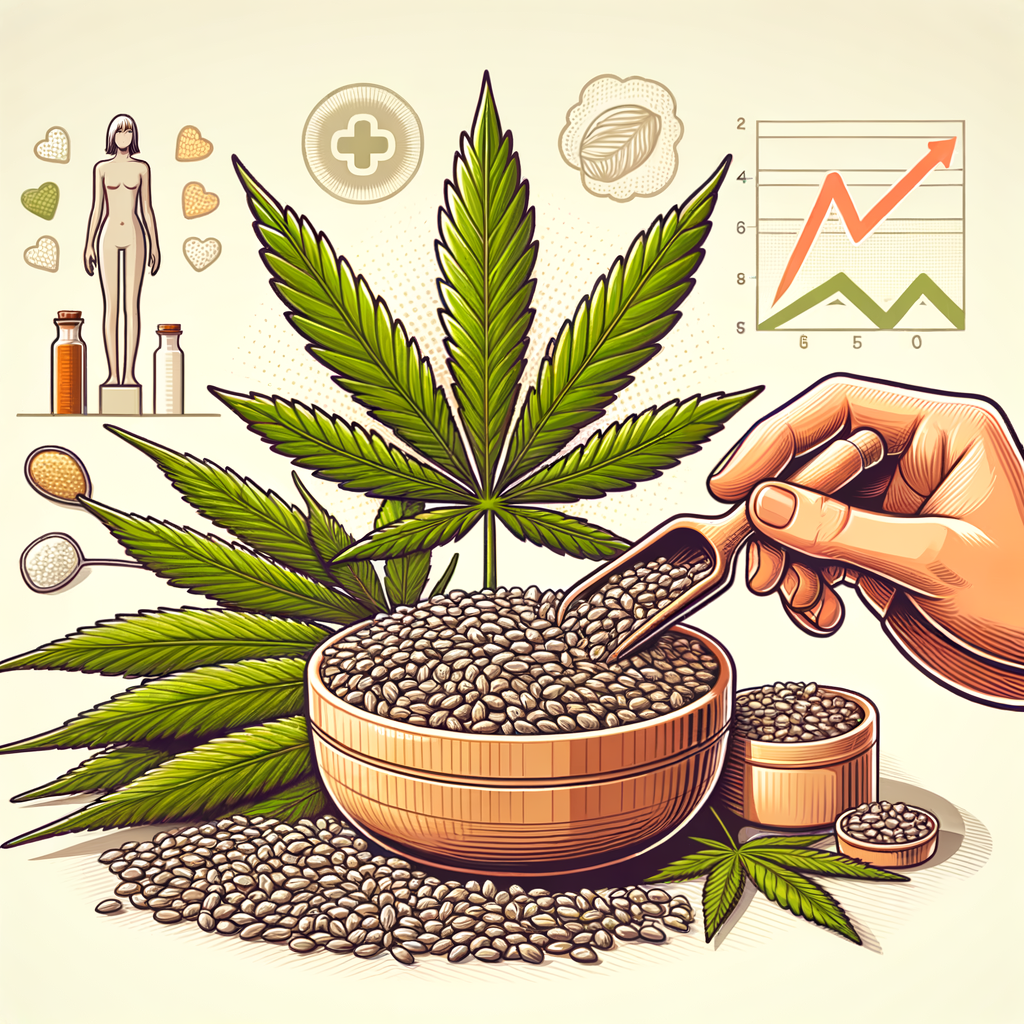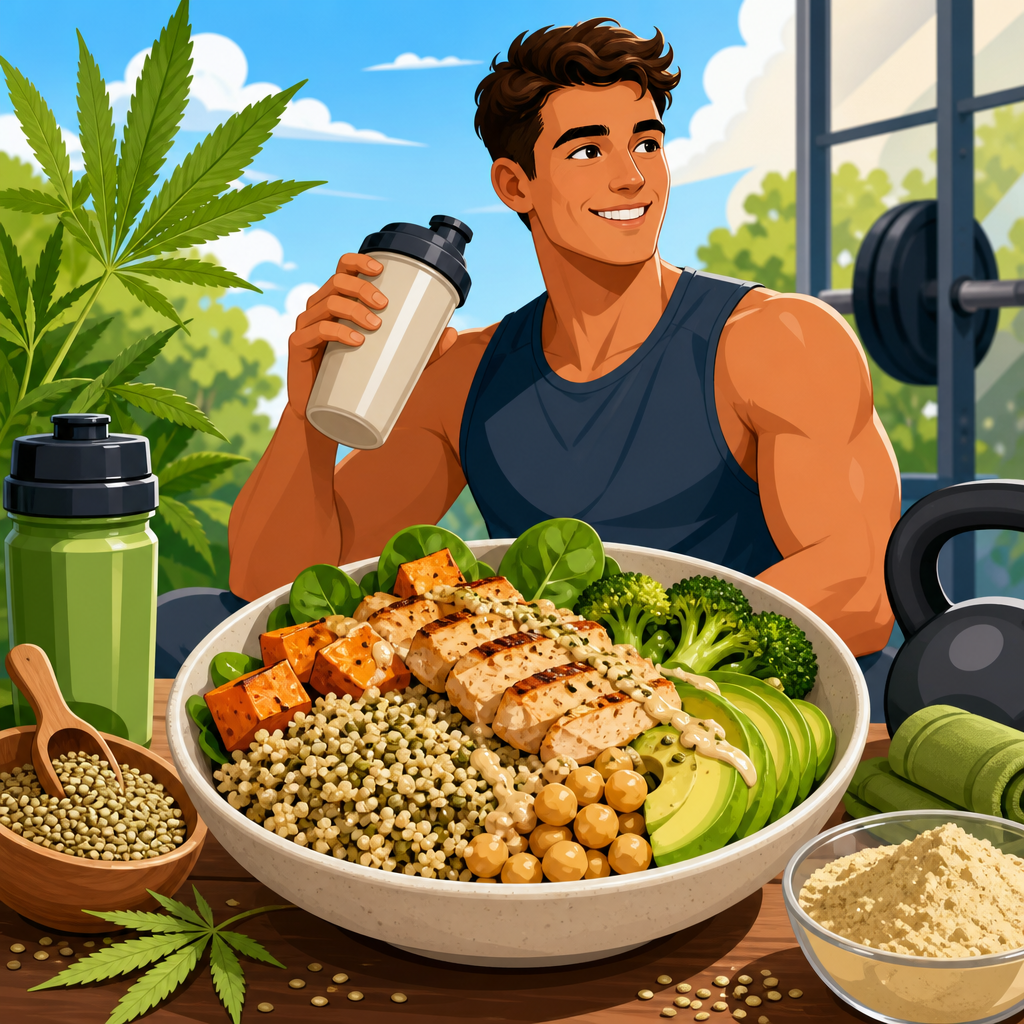

Hemp seeds have become a practical performance food for athletes who want better recovery, steady energy, and more nutrient density without relying on heavily processed products. In sports nutrition, “hemp seeds” usually refers to hulled hemp hearts, whole hemp seeds, hemp protein powder, and hemp seed oil, all derived from non-intoxicating varieties of Cannabis sativa and containing only trace amounts of THC. I have worked with endurance athletes, lifters, and active adults who needed foods that fit real training schedules, and hemp consistently earns a place because it combines complete protein, unsaturated fats, minerals, and easy kitchen use in one ingredient. For athletes and fitness enthusiasts, that matters because performance is never just about calories. It depends on muscle protein synthesis, glycogen replenishment, hydration status, inflammation management, micronutrient adequacy, digestive tolerance, and daily consistency. Hemp fits this bigger picture well. Three tablespoons of hemp hearts provide roughly 10 grams of protein, around 15 grams of fat dominated by polyunsaturated fats, and useful amounts of magnesium, iron, zinc, and manganese. Those details make hemp relevant for runners, cyclists, team-sport athletes, strength trainees, and recreational exercisers alike.
This guide is the hub for hemp for athletes and fitness enthusiasts, so it covers the full landscape: what hemp seeds offer, how they support training, where they fit before and after workouts, how to use hemp protein, and what limitations to keep in mind. It also helps readers navigate the practical questions searchers usually ask: Are hemp seeds good for muscle gain? Can athletes use hemp seeds for recovery? Is hemp protein as effective as whey? Are hemp hearts helpful on vegan, gluten-free, or high-protein diets? The short answer is yes, hemp can be highly useful, but its best role depends on the athlete’s total diet and training demands.
Why Hemp Seeds Matter in Sports Nutrition
Hemp seeds matter because they solve several common athlete nutrition problems at once. Many active people struggle to eat enough protein at breakfast, enough magnesium through the day, and enough nutrient-dense fats without falling back on ultra-processed convenience foods. Hemp hearts address all three. They blend easily into oats, yogurt, smoothies, grain bowls, or recovery snacks, and they do not require cooking. That convenience is not a minor point. In practice, adherence drives results. The best sports nutrition plan is the one an athlete can actually repeat during travel, work stress, and heavy training blocks.
From a nutrient perspective, hemp offers a complete protein source, meaning it contains all nine essential amino acids. The leucine content is lower than whey, so hemp is not a perfect one-to-one replacement when the sole goal is maximizing muscle protein synthesis from a single serving. Still, across a full day of eating, hemp contributes meaningfully to total protein intake, especially when paired with other protein foods such as soy, dairy, eggs, legumes, fish, or lean meat. The fat profile is also important. Hemp seeds provide omega-6 linoleic acid and omega-3 alpha-linolenic acid, often in a ratio that is considered favorable within a balanced diet. They also contain gamma-linolenic acid, a less common fatty acid that has been studied for inflammation-related effects.
For athletes, minerals are where hemp often stands out. Magnesium supports muscle contraction, nerve signaling, and energy metabolism. Iron is essential for oxygen transport and is especially relevant for female athletes, endurance athletes, and plant-based eaters. Zinc supports immune function and tissue repair. Manganese plays a role in metabolism and antioxidant defense. No single food eliminates deficiency risk, but hemp helps close gaps that can quietly limit training quality and recovery capacity.
Protein Quality, Muscle Repair, and Performance Support
Athletes often ask whether hemp seeds build muscle. The accurate answer is that they support muscle gain and repair as part of a high-quality overall diet, but they are not the strongest standalone anabolic protein compared with whey isolate. Hemp protein contains edestin and albumin, two digestible storage proteins, and it contributes all essential amino acids. For muscle repair, the key factor is total daily protein intake distributed across meals, generally in the range supported by sports nutrition research for active people, often around 1.4 to 2.2 grams per kilogram of body weight depending on training type, energy balance, and goals. Hemp helps athletes reach that target.
In real meal planning, hemp hearts work best as a protein booster rather than the only protein source at a meal. Adding three to six tablespoons to oatmeal, Greek yogurt, cottage cheese, overnight oats, or a smoothie can raise protein intake quickly while also adding calories that are useful during hard training phases. Hemp protein powder can be more concentrated, though texture and flavor vary by brand because fiber content and processing methods differ. Some products are gritty and earthy, while others are milder and mix better with banana, cocoa, or cinnamon.
Strength athletes can use hemp strategically by pairing it with higher-leucine foods. For example, a post-workout smoothie with soy milk, hemp protein, berries, and oats is stronger for recovery than hemp protein mixed with water alone. Omnivorous athletes might use hemp hearts on eggs and toast at breakfast, then rely on poultry, dairy, or fish later in the day to round out amino acid intake. Vegan athletes often combine hemp with soy foods, lentils, pea protein, or quinoa. This mixed approach is practical and evidence-based. Performance nutrition is cumulative, and hemp contributes real value when used in that wider system.
Recovery, Inflammation, and Daily Training Load
Recovery is where hemp seeds often shine most clearly. Athletes do not recover from workouts only through protein. They recover through total energy intake, sleep, hydration, micronutrients, and a diet rich in unsaturated fats and antioxidant-containing whole foods. Hemp supports this environment. Its calorie density can be beneficial for athletes with high training loads who struggle to eat enough. Its magnesium content supports muscle function and may help reduce the diet-related shortfalls I often see in runners and hybrid athletes who undereat during busy weeks.
Hemp’s fat profile also makes it useful in recovery-oriented meals. Unsaturated fats support overall cardiovascular health and diet quality, and the presence of alpha-linolenic acid adds omega-3 value, even though conversion to EPA and DHA is limited in the human body. That limitation matters. Athletes should not assume hemp replaces fatty fish or algae-based omega-3 supplements when those are needed for direct EPA and DHA intake. Still, hemp can improve the fat quality of the diet substantially compared with snacks built around refined oils and low-nutrient fillers.
Hard training can suppress appetite in some athletes, especially after long endurance sessions. Hemp is useful here because it adds energy and nutrients without large food volume. A recovery bowl with rice, salmon, roasted vegetables, and hemp hearts gives a better mix of carbohydrate, protein, and minerals than plain rice and vegetables. A vegan version with tofu, edamame, sweet potato, and hemp hearts can be equally effective. These are the kinds of meals that help athletes train well again the next day, which is the real standard for recovery nutrition.
Best Ways to Use Hemp Before, During, and After Workouts
Timing matters, but context matters more. Before exercise, hemp seeds are most useful when included in a familiar meal eaten far enough in advance to digest comfortably. Because hemp contains fat and fiber, it is usually better one to three hours before training rather than immediately before a hard interval session or race. A pre-workout breakfast of oats, fruit, honey, and a spoonful of hemp hearts works well for many athletes. Right before high-intensity training, lower-fiber carbohydrates are usually the smarter choice.
During exercise, hemp seeds are rarely the main tool. Most athletes doing sessions longer than sixty to ninety minutes need quickly available carbohydrates, fluids, and electrolytes, not seeds. This is an important distinction because “healthy” does not always mean “best during performance.” Gels, sports drink, chews, bananas, or low-fiber bars are usually superior during long sessions. Hemp belongs more in the meals surrounding training than in the middle of it.
After exercise, hemp becomes more useful again. Post-workout nutrition should prioritize carbohydrate replenishment and sufficient protein, especially after glycogen-depleting or muscle-damaging sessions. Hemp hearts can top a recovery meal, and hemp protein can be blended into a shake, but athletes should ensure the total protein dose is adequate. For many, that means combining hemp with soy milk, dairy milk, yogurt, or another protein source to reach a more effective recovery target.
| Training window | Best hemp use | Why it works | Example |
|---|---|---|---|
| 1–3 hours pre-workout | Small to moderate serving of hemp hearts in a mixed meal | Adds protein, minerals, and sustained energy | Oatmeal with berries, hemp hearts, and yogurt |
| During long exercise | Usually not ideal as a primary fuel | Fat and fiber digest too slowly for rapid energy needs | Use sports drink and carbs instead |
| 0–2 hours post-workout | Hemp hearts or hemp protein paired with carbs | Supports repair and replenishment | Smoothie with soy milk, banana, oats, and hemp protein |
| Evening recovery meal | Use as a topping or ingredient in whole-food meals | Improves nutrient density and total energy intake | Quinoa bowl with tofu, vegetables, and hemp hearts |
Hemp for Endurance Athletes, Strength Athletes, and Active Lifestyles
Different athletes benefit from hemp in different ways. Endurance athletes often need high carbohydrate intake, but they also need enough protein and minerals to support recovery, red blood cell production, and immune function. Hemp helps fill those gaps in breakfasts, snacks, and recovery meals. I often see distance runners underconsume total energy and dietary fat while overemphasizing “clean eating.” Hemp is a simple fix because it increases calories and nutrient density without requiring major meal prep.
Strength athletes and body composition-focused lifters can use hemp to support protein targets and improve meal quality. It fits especially well in cutting phases when athletes want nutrient-dense foods that keep meals satisfying, though portion control matters because seeds are calorie-dense. For muscle gain phases, hemp can help boost calories in shakes, homemade bars, and grain bowls. It is not magic for hypertrophy, but it is a useful ingredient that supports consistency.
Team-sport athletes, CrossFit participants, and recreational exercisers often have the most chaotic schedules. For them, the benefit of hemp is flexibility. It works in locker-friendly foods like overnight oats, post-training smoothies, yogurt cups, and portable energy bites. It also suits athletes following plant-based, dairy-free, or gluten-free eating patterns. As part of the broader hemp in different diets conversation, this matters because athletes rarely eat in a vacuum. Their performance nutrition has to fit their ethical choices, allergies, digestive tolerances, and family routines.
How to Choose Hemp Products and Avoid Common Mistakes
Not all hemp products serve the same purpose. Hemp hearts are the most versatile whole-food option. They offer a balanced mix of protein, fats, and minerals with a soft texture that works in both sweet and savory meals. Whole hemp seeds contain the shell, which adds fiber but can be less pleasant texturally. Hemp protein powders are more concentrated in protein but often higher in fiber and lower in fat than hemp hearts because oil has been partially removed. Hemp seed oil provides fats but almost no protein, so it should not be treated as a recovery protein source.
Quality matters. Choose products from reputable brands that test for contaminants and clearly label serving size, protein content, and storage instructions. Because hemp seeds contain unsaturated fats, freshness is important. Rancid seeds taste bitter and lose quality. Store them in a cool, dark place, and refrigerate after opening when the package recommends it.
The most common mistake is expecting hemp to do everything alone. Athletes still need adequate carbohydrates for performance, sufficient protein from the total diet, hydration, sodium replacement when appropriate, and event-specific fueling plans. Another mistake is using too much fiber too close to training, especially with hemp protein powders, which can cause gastrointestinal discomfort in sensitive athletes. Start with small servings, test products in training rather than competition week, and build around the demands of the sport.
Who Benefits Most and What Are the Limitations?
Hemp seeds are especially valuable for plant-based athletes, athletes with dairy intolerance, busy professionals who train before or after work, and anyone trying to improve overall diet quality with minimal effort. They also help athletes who need more magnesium, iron, zinc, and calorie density from whole foods. For youth athletes, hemp can be a useful topping or ingredient when families want simple nutrition upgrades, though parents should still prioritize a broad diet and age-appropriate portions.
There are limitations. Hemp is not a direct substitute for every sports supplement. It does not replace fast carbohydrates during competition. It is not as leucine-rich as whey. It does not provide meaningful EPA or DHA. Some athletes with very high calorie needs may still require more concentrated post-workout options or convenience products during travel. Cost can also be a factor, depending on region and brand.
The key takeaway is straightforward: using hemp seeds to boost athletic performance works best when hemp is treated as a smart foundational food, not a miracle ingredient. Add it to meals that already support your training, use it consistently, and match the form of hemp to the job. Hemp hearts for everyday meals, hemp protein for convenient intake, and hemp oil for cold applications each have a place. If you want to improve recovery, raise nutrient density, and make your athlete diet easier to sustain, start by adding hemp to one daily meal this week and build from there.
Frequently Asked Questions
How can hemp seeds support athletic performance and recovery?
Hemp seeds can support athletic performance by helping athletes cover several nutrition priorities at once: protein intake, healthy fat intake, micronutrient density, and overall meal quality. Hulled hemp hearts provide a combination of plant protein and unsaturated fats, including omega-3 and omega-6 fatty acids, which can fit well into a performance-focused diet. For athletes, that matters because better daily nutrition often translates into steadier energy, more consistent recovery, and easier meal planning. Instead of relying only on processed bars or shakes, hemp seeds offer a practical whole-food option that can be added to oatmeal, smoothies, yogurt, grain bowls, or post-workout meals.
From a recovery standpoint, hemp foods can be useful because they make it easier to meet overall calorie and protein needs, which is one of the most important factors in repairing training-related muscle damage. Hemp protein powder can be especially helpful for athletes who want a plant-based option after lifting sessions, hard conditioning work, or long endurance training. Hemp hearts also contribute minerals such as magnesium, iron, and zinc, nutrients that play roles in energy production, oxygen transport, immune function, and muscle function. No single food will dramatically transform performance on its own, but hemp seeds can be a strong supporting player in a well-structured sports nutrition plan.
Are hemp seeds a good source of protein for athletes?
Yes, hemp seeds can be a useful protein source for athletes, especially when they are part of a broader diet that includes other high-quality protein foods. Hemp hearts contain a moderate amount of protein per serving, while hemp protein powder offers a more concentrated protein option that may fit better when an athlete has higher daily targets. The protein in hemp is generally well tolerated and convenient for people who prefer plant-based eating patterns or want to rotate away from dairy-based powders. That makes it appealing for endurance athletes, lifters, and active adults who need practical ways to spread protein intake across the day.
That said, it helps to be realistic. Hemp protein is beneficial, but it is not always as protein-dense or as leucine-rich per serving as whey or some soy products, which means athletes focused on maximizing muscle protein synthesis may need to use a slightly larger portion or combine hemp with other protein sources. In practical terms, hemp works best when athletes think in terms of total daily protein intake, strategic meal composition, and consistency. Adding hemp hearts to breakfast, using hemp protein in a smoothie after training, or pairing hemp foods with soy, legumes, eggs, dairy, fish, or lean meats can improve the overall amino acid profile of meals and make recovery nutrition more complete.
What is the best way to use hemp seeds before or after a workout?
The best use depends on timing and the form of hemp you choose. Before a workout, hemp hearts can work well in a balanced meal eaten one to three hours ahead of training, especially when paired with carbohydrates such as fruit, oats, toast, or rice. This combination can help support steady energy while also improving the nutrient density of the meal. Because hemp seeds contain fat and fiber, they are usually better in moderate portions before exercise rather than in very large amounts right before intense training, speed work, or competition. Athletes with sensitive stomachs should test tolerance during normal training days instead of trying something new before an important event.
After a workout, hemp protein powder is often the most practical option because it allows athletes to get protein in quickly and conveniently. A simple recovery smoothie with hemp protein, fruit, milk or a fortified plant milk, and a carbohydrate source such as oats or a banana can support muscle repair and glycogen replenishment. Hemp hearts can also be added to post-workout meals like yogurt bowls, eggs and toast, rice bowls, or salads. For most athletes, the key is not that hemp has a unique recovery magic, but that it makes it easier to consistently eat enough protein, calories, and micronutrients after training. That consistency is what drives better adaptation over time.
Do hemp seeds provide benefits beyond protein for endurance athletes and lifters?
Absolutely. One of the biggest reasons hemp seeds are valuable in sports nutrition is that they offer more than just protein. They also provide calorie density, healthy fats, and important minerals that support training demands. Endurance athletes often struggle to meet energy needs, especially during heavy training blocks, and hemp hearts are an easy way to increase calories without relying entirely on ultra-processed foods. Lifters and strength athletes can also benefit from that calorie support when trying to recover well, maintain training quality, or gain lean mass. The fat content can help make meals more satisfying, which is useful for athletes who need balanced, sustainable eating habits rather than rigid or restrictive approaches.
Hemp seeds also contribute magnesium, which is involved in muscle contraction, nerve signaling, and energy metabolism, and iron, which is especially relevant for endurance athletes and menstruating athletes who need to pay attention to oxygen-carrying capacity and fatigue risk. Zinc supports immune health and tissue repair, both important during hard training phases. Hemp seed oil, while not a protein source, can still be useful as part of an athlete’s overall dietary fat intake, particularly in dressings or cold dishes. The broader benefit is that hemp foods help athletes build meals that are more nutritionally complete, which supports long-term performance, recovery, and resilience.
Are hemp seeds safe for athletes, and will they cause a positive drug test?
Hemp seeds and hemp-derived food products are generally considered safe for athletes when they come from reputable manufacturers and are used as foods rather than as poorly regulated supplements. In sports nutrition, common options include hulled hemp hearts, whole hemp seeds, hemp protein powder, and hemp seed oil, all derived from non-intoxicating varieties of Cannabis sativa. These foods contain only trace amounts of THC, and properly processed hemp foods are not intended to produce intoxicating effects. For most athletes, especially those using standard grocery-grade products from established brands, hemp seeds can be a reasonable addition to a performance diet.
However, competitive athletes should still be cautious. Drug-testing policies can vary by organization, and contamination risk is always a concern in any supplement category. If an athlete is subject to anti-doping rules, it is smart to choose products from trusted companies with strong quality-control practices and, when possible, third-party testing. Whole-food hemp products such as plain hemp hearts are often a lower-risk choice than specialty extracts or novelty formulations. The safest approach is to stay with straightforward food products, review ingredient labels carefully, and check sport-specific rules if there is any uncertainty. In normal dietary use, hemp seeds are widely used by active adults and athletes without issue, but informed product selection is still the best practice.