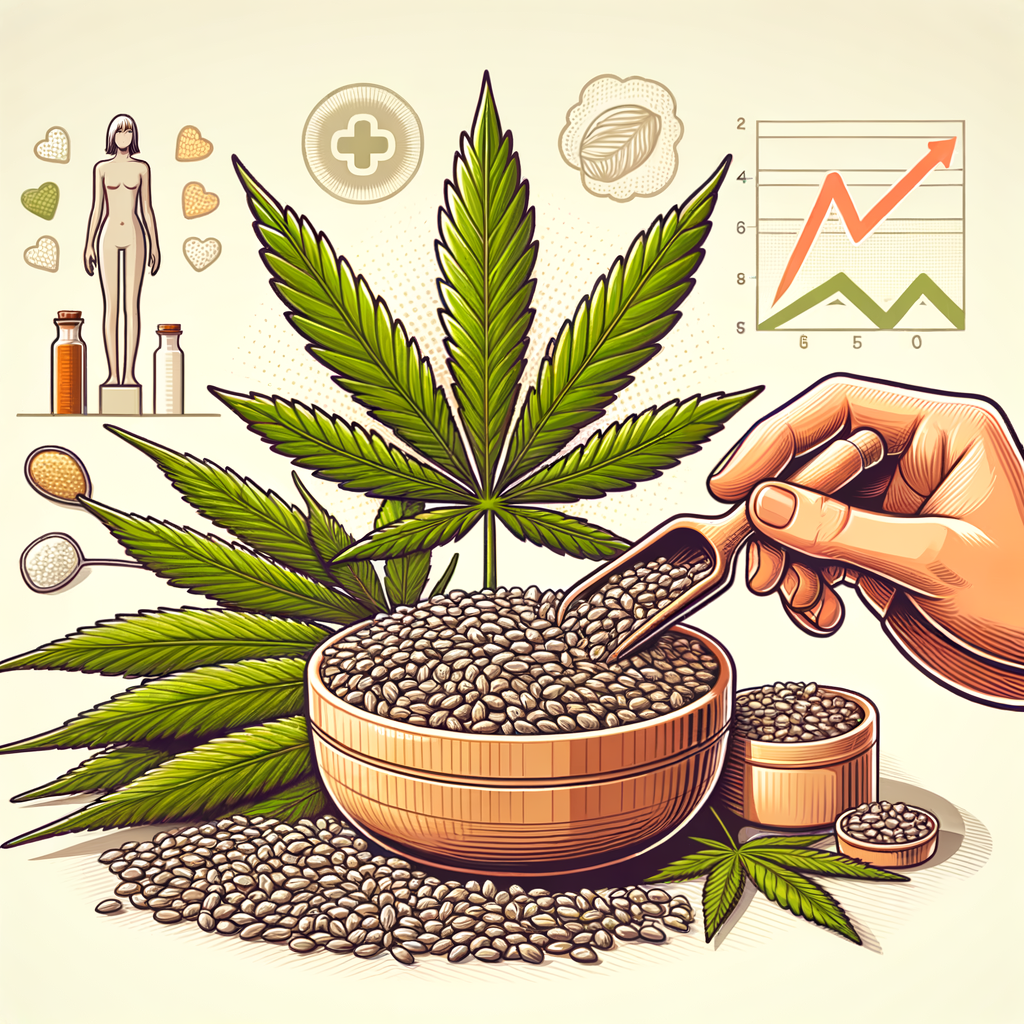
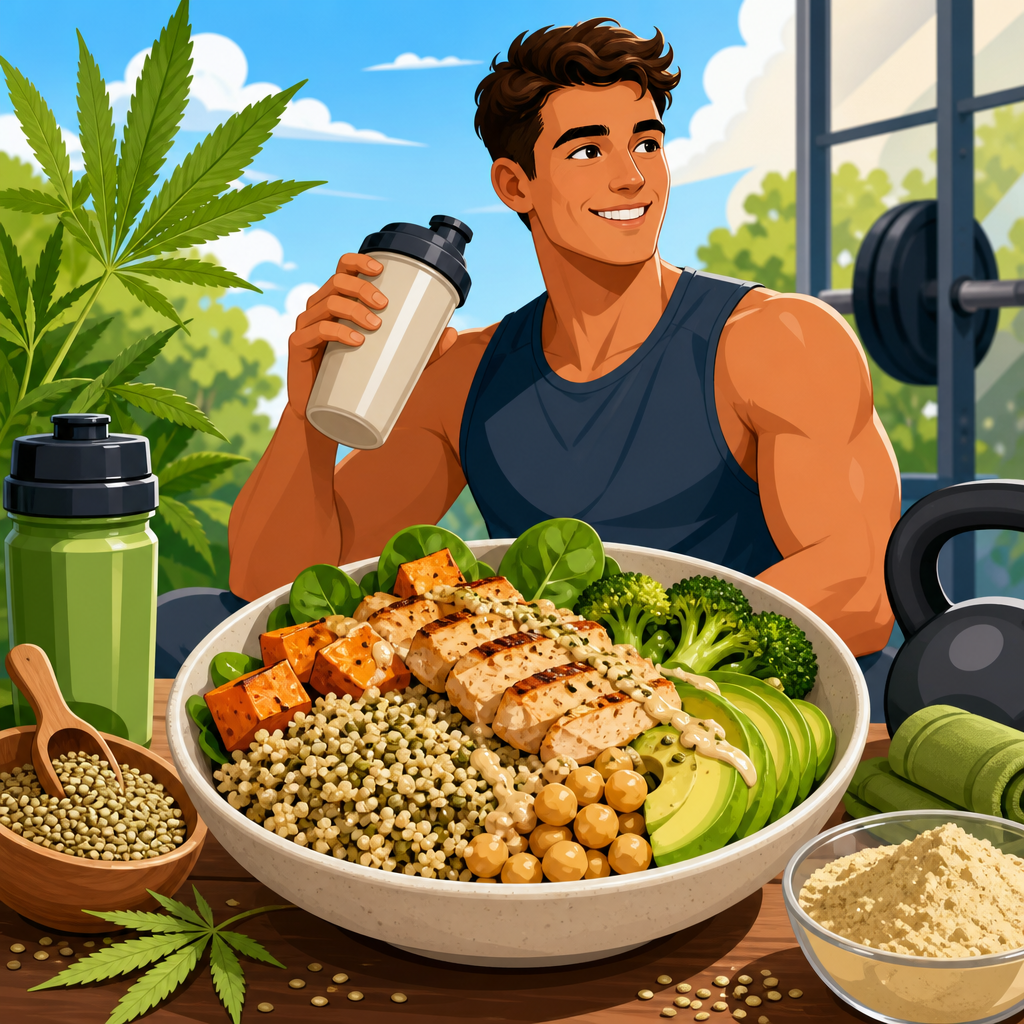
High-protein hemp meals for athletes deserve more attention because they solve a practical problem I see repeatedly in performance nutrition: athletes want more protein, better recovery, steadier energy, and simpler meal planning without relying on the same chicken, whey, and egg routine every day. In this context, hemp usually refers to hemp hearts, hemp protein powder, hemp seeds, and foods made from the plant’s non-intoxicating nutritional parts. For athletes and fitness enthusiasts, the appeal is straightforward. Hemp provides protein, fiber, magnesium, iron, zinc, and beneficial fats, especially omega-3 and omega-6 fatty acids, in a form that fits plant-forward, dairy-free, and mixed diets. It matters because sports nutrition is no longer only about hitting a protein number. Quality, digestibility, micronutrient density, and sustainability all influence how well an eating pattern works over months of training. I have worked with active people who improved consistency simply by building hemp into breakfasts, recovery shakes, and meal-prep bowls they could actually maintain.
Hemp is not a magic food, and it is not a complete replacement for every other athletic protein source. The value of high-protein hemp meals for athletes is that they expand your toolkit. Hemp hearts contain moderate protein with a soft texture and mild nutty taste, while hemp protein powder is more concentrated and works well in smoothies, oats, pancakes, and baked recovery snacks. Because hemp also contributes healthy fats and minerals, it can support the broader nutritional demands of training, including muscle repair, glycogen restoration, bone health, oxygen transport, and nervous system function. This hub article explains how to use hemp strategically for muscle gain, endurance, recovery, body composition, and convenient daily eating. It also clarifies where hemp fits compared with whey, soy, pea, eggs, and lean meats, so you can make decisions based on goals rather than trends. If you want hemp for athletes and fitness enthusiasts explained clearly, this is the foundation page.
What makes hemp useful in sports nutrition
High-protein hemp meals for athletes work best when you understand what hemp does well. Hemp seeds and hemp protein deliver protein, but they also bring nutrients athletes commonly underrate. Magnesium supports muscle contraction and energy production. Iron helps carry oxygen in the blood, which matters especially for endurance athletes and menstruating athletes. Zinc contributes to immune function and tissue repair. The fat profile is another advantage. Hemp contains polyunsaturated fats, including alpha-linolenic acid and linoleic acid, which can help round out overall dietary fat quality. In real meal planning, that means hemp is not just a scoop of isolated nutrition. It is a food that adds substance, calories, and useful micronutrients in one step.
Protein quality matters, so a balanced view is important. Hemp protein contains all nine essential amino acids, but it is generally lower in leucine than whey, and leucine is a key trigger for muscle protein synthesis. That does not make hemp ineffective. It means athletes often need a larger serving or a blended meal to reach the same anabolic threshold they might hit with less whey. I usually solve this by pairing hemp protein with soy milk, Greek-style plant yogurt, tofu, edamame, or another complete protein source. For omnivores, hemp also works well alongside eggs, fish, or poultry. The practical lesson is simple: hemp is highly useful, but the best high-protein hemp meals for athletes are built intentionally, not randomly.
Best hemp foods for athletes and how to use them
The most useful hemp foods for athletes and fitness enthusiasts are hemp hearts, hemp protein powder, and hemp-fortified snack foods with transparent ingredient labels. Hemp hearts are shelled seeds. They blend smoothly into yogurt bowls, overnight oats, grain bowls, and homemade energy bites. Three tablespoons typically provide around 10 grams of protein plus fat that increases satiety. Hemp protein powder is made from the seed cake left after oil extraction, so it is higher in protein and fiber, with a more earthy taste and thicker texture than whey. Depending on the brand, a serving often supplies 15 to 25 grams of protein. I find it works best when paired with banana, cocoa, cinnamon, berries, or dates to soften the flavor.
Athletes should be selective with packaged hemp bars, cereals, and granolas. Some are genuinely useful. Others are mostly sugar with a sprinkle of hemp added for marketing. Read labels for protein per serving, added sugar, sodium, and total calories. If a bar gives 6 grams of protein and 18 grams of added sugar, it is not really a performance protein food. If it gives 15 to 20 grams of protein, moderate sugar, and ingredients you would keep in your own kitchen, it can be a strong travel option. For most people, the highest-value strategy is to keep hemp hearts for meals and hemp protein powder for targeted protein boosts.
| Hemp food | Typical protein use | Best timing | Practical example |
|---|---|---|---|
| Hemp hearts | Moderate protein plus healthy fats | Breakfast, snacks, meal topping | Sprinkle on oats with berries and soy yogurt |
| Hemp protein powder | Higher protein, higher fiber | Post-workout or meal replacement | Blend with banana, soy milk, oats, and peanut butter |
| Hemp snack bar | Portable supplemental protein | Before travel, after training, between meals | Choose one with 15 grams or more of protein |
How athletes can build high-protein hemp meals
A high-protein hemp meal for athletes should do more than include hemp. It should meet a training need. For muscle gain, the target is usually a meal with substantial protein, enough carbohydrate to support training volume, and total calories that move the athlete toward a surplus. For fat loss, the goal shifts to satiety, protein retention, and controlled calories. For endurance, digestible carbohydrate becomes central. A dependable formula is protein plus carbohydrate plus color plus fluid. Hemp contributes to the protein and healthy fat portions, but the full meal still needs starches, fruit, vegetables, and hydration.
Breakfast is one of the easiest places to start. A hemp performance bowl can include rolled oats, soy milk, hemp hearts, chia, berries, cinnamon, and a side of tofu scramble or high-protein yogurt. That gives a blend of slow carbohydrates, protein, and micronutrients. For lunch, I often recommend a grain bowl with quinoa or brown rice, roasted sweet potato, edamame, greens, hemp hearts, and tahini-lemon dressing. For dinner, hemp can be stirred into turkey meatballs, lentil pasta sauce, or a baked veggie-protein casserole to increase protein density without changing the meal format too much. When athletes fail with nutrition, it is often because meals are too complicated. Hemp succeeds when it fits meals people already enjoy.
Pre-workout and post-workout hemp meal strategies
Pre-workout meals should be easy to digest and centered on carbohydrates, with enough protein to support muscle maintenance but not so much fiber or fat that the stomach feels heavy. Hemp can fit before training, but portion size matters. A large hemp-heavy smoothie right before a run can be too fibrous for some people. A better approach is timing. Two to three hours before training, a meal such as oatmeal with banana, maple syrup, soy milk, and a moderate amount of hemp hearts can work well. Closer to the session, many athletes do better with simpler foods such as toast, fruit, or a low-fiber bar.
After training, high-protein hemp meals for athletes are especially useful because recovery meals need both protein and carbohydrates. One practical recovery shake I use often includes hemp protein powder, soy milk, frozen berries, banana, oats, and cocoa. That mix supports protein intake, replenishes glycogen, and is convenient when appetite is low. For a solid meal, a post-workout burrito bowl with rice, black beans, grilled chicken or tofu, salsa, avocado, and hemp hearts covers the same bases. The key is speed and adequacy. Recovery nutrition is less about finding the perfect superfood and more about getting enough protein, carbohydrate, and fluids in the hours after the session. Hemp helps when it makes that easier.
Hemp for muscle gain, endurance, and body composition
Athletes often ask whether hemp is better for bulking, endurance, or cutting. The honest answer is that hemp can support all three, depending on the meal structure around it. For muscle gain, hemp works best in calorie-dense meals and shakes because hemp hearts add both protein and energy. Add them to smoothies with oats, milk, nut butter, and fruit, and you have a compact high-calorie option that is easier to consume than another large plate of food. For endurance athletes, hemp’s minerals and fats add depth to meals, but carbohydrate still does the heavy lifting for performance. Hemp should support the plan, not displace the carbs needed for long training sessions.
For body recomposition or fat loss phases, hemp can be valuable because it improves fullness. A salad topped with hemp hearts, grilled tofu, chickpeas, and roasted vegetables is far more satisfying than a low-fat salad with little protein. The caution is calorie density. Hemp hearts are nutritious, but the fats mean portions add up quickly. That is good in growth phases and something to monitor in deficit phases. In practice, I have found that athletes do best when they treat hemp as a purposeful ingredient rather than a free extra. Measure it, count it, and use it where it delivers real benefit.
How hemp compares with whey, pea, soy, and animal proteins
Whey remains the benchmark for fast-digesting sports protein because it is rich in leucine and strongly supported by resistance-training research. Soy is the most comparable plant option in amino acid quality and performs very well in a well-designed diet. Pea protein is also useful and often blends well with rice protein to improve amino acid balance. Hemp is slightly different. It usually offers more fiber and micronutrients than many isolates, but often less protein per scoop and a less favorable leucine concentration for maximizing muscle protein synthesis from a single serving. That is the tradeoff.
Still, comparison should be practical, not ideological. If whey upsets your stomach, hemp may be a better real-world choice even if its amino acid profile is less concentrated. If you want a less processed option than a highly refined isolate, hemp may align better with your preferences. If you care about adding magnesium, iron, and healthy fats while increasing protein, hemp has a genuine edge. The best protein is the one you digest well, can afford, enjoy consistently, and can fit into meals that meet your total daily needs. For many athletes, that means using more than one source. Hemp does not need to be the only protein in the diet to be highly effective.
Common mistakes athletes make with hemp foods
The first mistake is assuming any hemp product is automatically high in protein. Hemp oil, for example, contains fat but essentially no protein. Hemp hearts contain useful protein, but not as much as a concentrated powder. The second mistake is ignoring total meal composition. A smoothie with one tablespoon of hemp and almond milk is not a high-protein recovery meal. It may only provide a few grams of protein. The third mistake is overestimating how much hemp alone can do for muscle gain. If the athlete is under-eating calories, sleeping poorly, and not progressively overloading in training, adding hemp will not fix the larger problem.
Another mistake is forgetting individual tolerance. Some athletes handle high-fiber hemp powder beautifully; others need smaller servings, especially around training. Test products on regular training days, not right before a race or major event. Also watch for label quality. Reputable brands provide third-party testing, clear serving sizes, and simple ingredient lists. Since this page serves as a hub for hemp for athletes and fitness enthusiasts, it is worth exploring related topics in more detail, including hemp protein for muscle recovery, hemp snacks for runners, dairy-free post-workout shakes, and meal prep ideas for plant-forward training diets. Those supporting articles help turn general guidance into a repeatable weekly system.
High-protein hemp meals for athletes are most effective when they are used with purpose. Hemp can help increase protein intake, diversify meal planning, improve micronutrient intake, and support recovery in a way that fits many modern eating patterns. It is especially valuable for athletes who want plant-forward options, need dairy alternatives, or simply want more variety without sacrificing performance. The strongest case for hemp is not that it beats every other protein source. It is that it contributes meaningful protein, beneficial fats, and key minerals in meals people can sustain through hard training blocks, busy workweeks, and travel.
The main takeaway is to match the hemp form to the job. Use hemp hearts to enrich bowls, oats, salads, and snacks. Use hemp protein powder to build higher-protein smoothies, pancakes, and recovery meals. Pair hemp with complementary proteins and adequate carbohydrates so the full meal supports your sport, whether that means lifting, team training, long runs, or body recomposition. Keep portions intentional, read labels carefully, and test meals in training before relying on them in competition. If you are building a smarter nutrition plan under the broader hemp in different diets topic, start by adding one high-protein hemp meal to your routine this week and refine from there.
Frequently Asked Questions
1. What makes high-protein hemp meals a smart option for athletes?
High-protein hemp meals give athletes a practical way to increase protein intake while also improving overall meal quality. Hemp foods such as hemp hearts, hemp protein powder, and hulled hemp seeds provide plant-based protein along with fiber, healthy fats, magnesium, iron, zinc, and other micronutrients that support training demands. That combination matters because athletes do not just need protein in isolation; they need meals that help with muscle repair, energy balance, satiety, and recovery. Hemp can contribute to all of those goals in one ingredient.
Another major advantage is variety. Many athletes fall into repetitive eating patterns built around chicken, eggs, whey shakes, and Greek yogurt. Those foods can work, but over time people often want more flexibility, especially if they are managing food sensitivities, reducing dairy, eating more plants, or simply getting bored. Hemp meals make it easier to rotate protein sources without sacrificing performance nutrition principles. For example, a smoothie with hemp protein, oats, berries, and nut butter can support recovery after training, while a grain bowl topped with hemp hearts can add protein and calories in a convenient way.
Hemp also fits well into real-world meal planning. It is easy to store, easy to add to meals, and does not require extensive prep. Athletes with busy schedules often need foods that can be used quickly before training, after workouts, or between classes, practices, and work shifts. Hemp hearts can be sprinkled on oatmeal, yogurt alternatives, salads, or rice bowls. Hemp protein powder can be blended into shakes, pancakes, muffins, overnight oats, or energy bites. That ease of use is one reason hemp deserves more attention in sports nutrition conversations.
2. Can hemp protein support muscle recovery and performance the same way other protein sources do?
Yes, hemp protein can absolutely support muscle recovery and performance, especially when it is used as part of a well-planned diet that meets total daily protein needs. The most important factor for athletes is usually overall protein intake across the day, followed by consistent meal timing and adequate calorie intake. Hemp protein contributes meaningfully to that target and can be especially useful in mixed meals and snacks built around whole-food carbohydrate and healthy fat sources.
Like other plant proteins, hemp is best understood in context. It contains essential amino acids, but compared with some animal-based proteins, it may be lower in certain amino acids, particularly leucine, which plays a major role in stimulating muscle protein synthesis. That does not make hemp ineffective. It simply means athletes may benefit from using an adequate serving size and pairing hemp with other protein-rich foods throughout the day. For example, a post-workout meal that includes hemp protein blended with soy milk, oats, and fruit can be a stronger recovery option than hemp alone. The same goes for meals that combine hemp with legumes, quinoa, tofu, or other complementary proteins.
For many athletes, the real value of hemp is consistency and digestibility. If a protein source is convenient and sits well, people are more likely to use it regularly. Consistent, adequate intake is what drives recovery over time. Hemp can be especially helpful for athletes who want a dairy-free alternative, prefer minimally processed foods, or need an easy add-in that boosts both protein and nutrient density. It may not have to replace every other protein source, but it can be a very effective part of a high-performance eating pattern.
3. What are the best high-protein hemp meals for before and after workouts?
The best high-protein hemp meals depend on timing, workout intensity, and the athlete’s digestion. Before a workout, the goal is usually to provide enough carbohydrate for training energy plus some protein without creating stomach discomfort. Good pre-workout hemp meals include oatmeal with hemp hearts and banana, a smoothie with hemp protein, berries, and oats, or toast with nut butter and a sprinkle of hemp seeds. These meals are simple, easy to digest for many people, and useful for steady energy. The closer the meal is to training, the lower the fiber and fat generally should be, so athletes may need to adjust portion size and ingredients based on tolerance.
After a workout, the priority shifts to recovery. A solid post-workout hemp meal should include protein to support muscle repair, carbohydrates to replenish glycogen, and fluids to rehydrate. A hemp protein smoothie with fruit, milk or fortified plant milk, and oats is one of the easiest options. Other strong choices include a rice bowl with edamame, roasted vegetables, and hemp hearts, a quinoa and black bean bowl topped with hemp seeds, or overnight oats made with hemp protein powder and berries. These meals work well because they combine recovery nutrition with practical meal prep.
For athletes with high calorie demands, hemp is especially useful because it can increase both protein and energy intake without requiring a large volume of food. Adding hemp hearts to a smoothie bowl, pasta dish, soup, or grain-based meal can make recovery meals more substantial. For athletes in heavy training blocks, that kind of easy calorie support is often underrated. The key is to think beyond supplements and use hemp as a flexible ingredient in complete meals that match training demands.
4. Is hemp a complete protein, and do athletes need to combine it with other proteins?
Hemp is often described as a complete protein because it contains all nine essential amino acids, which is a valuable trait in a plant-based food. However, in sports nutrition, the more useful question is not just whether a protein is technically complete, but whether it delivers enough high-quality protein in a practical serving to support muscle repair and adaptation. Hemp does provide essential amino acids, but its amino acid profile and leucine content are not always as concentrated as proteins like whey, dairy, eggs, or soy isolate. That means athletes can still benefit from hemp, but they may need to be more intentional about quantity and meal composition.
In practice, combining hemp with other protein sources is a smart strategy, not a sign that hemp is inadequate. Most athletes already eat mixed meals, and mixed meals naturally improve protein quality and amino acid coverage. Pairing hemp with foods such as soy milk, tofu, lentils, beans, quinoa, chia, or even other animal proteins can help create a more robust protein intake across the day. This matters less in one single meal than it does over the course of the full day, where total protein intake, distribution, and variety all contribute to results.
So, athletes do not need to worry about “perfect” protein combining at every bite, but they should think in terms of balanced eating patterns. If hemp is one of several protein sources used across breakfast, lunch, dinner, and snacks, it can absolutely fit into an effective muscle-building or recovery-focused diet. It is best seen as a versatile protein contributor with added nutritional benefits, rather than as the only protein an athlete should rely on.
5. How can athletes add hemp to their meal plan without making food prep complicated?
The easiest way to use hemp consistently is to treat it as an upgrade ingredient rather than building every meal from scratch around it. Hemp hearts can be added to foods athletes already eat: oatmeal, yogurt bowls, smoothie bowls, salads, rice bowls, pasta dishes, soups, roasted vegetables, avocado toast, and homemade energy bites. Hemp protein powder can go into smoothies, overnight oats, pancake batter, protein muffins, or recovery shakes. This approach keeps meal planning simple and realistic, which is essential for athletes who already juggle training, work, school, and recovery.
A helpful strategy is to assign hemp to specific meal moments. For example, add hemp hearts to breakfast, use hemp protein in a post-workout shake, and include hemp seeds in one prepared lunch or snack each day. That system makes it easy to boost daily protein intake without overthinking it. Batch prep can also help. Athletes can make a tray of baked oats with hemp protein, portion out smoothie packs with fruit and seeds, or prep quinoa bowls that are finished with hemp hearts right before eating. Small habits like these are often more sustainable than complicated recipe plans.
It is also important to match hemp use to the athlete’s goals. Someone trying to gain muscle may use larger servings in calorie-dense meals and shakes. Someone focused on endurance may use hemp in balanced meals that support sustained energy and recovery. Someone trying to simplify food choices may use hemp as a reliable backup protein on busy days. The best meal plan is one that an athlete can repeat consistently, and hemp works well because it is flexible, nutrient-dense, and easy to integrate into both quick snacks and full meals.