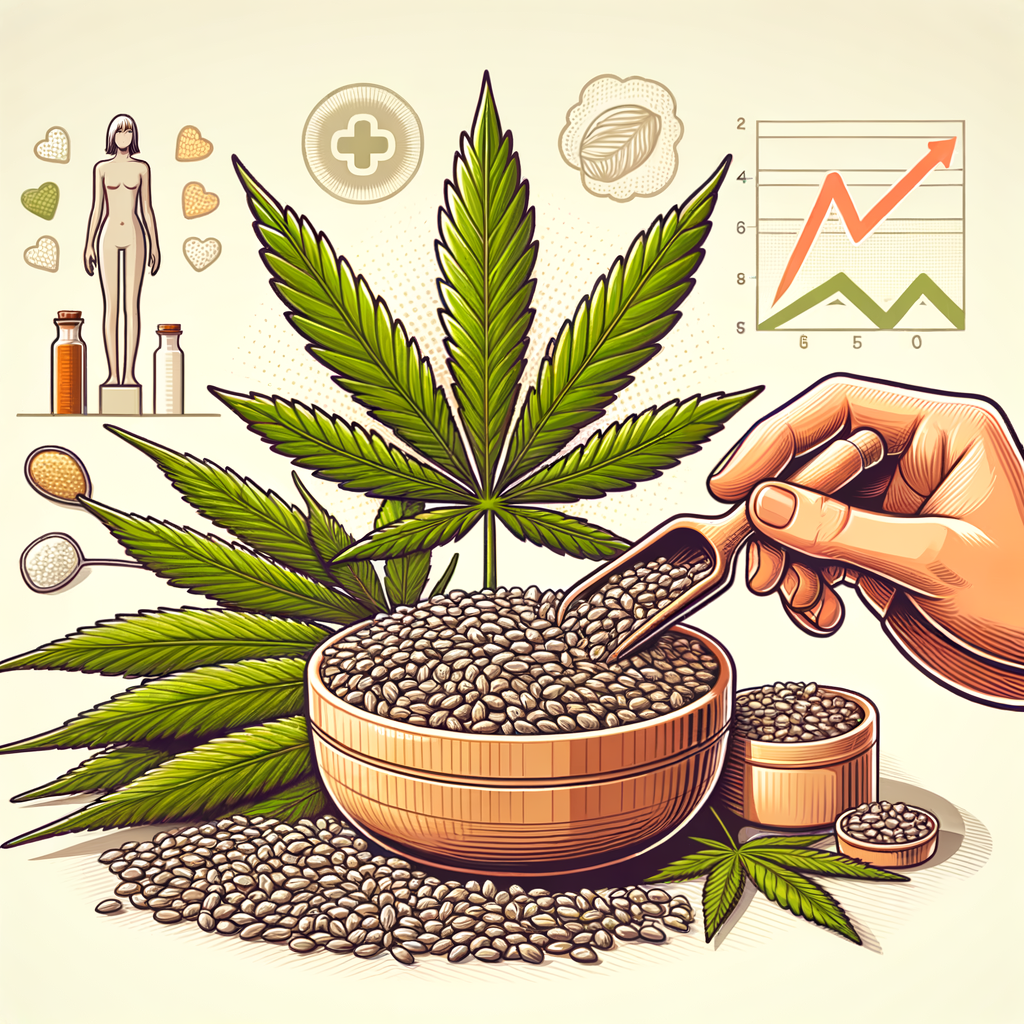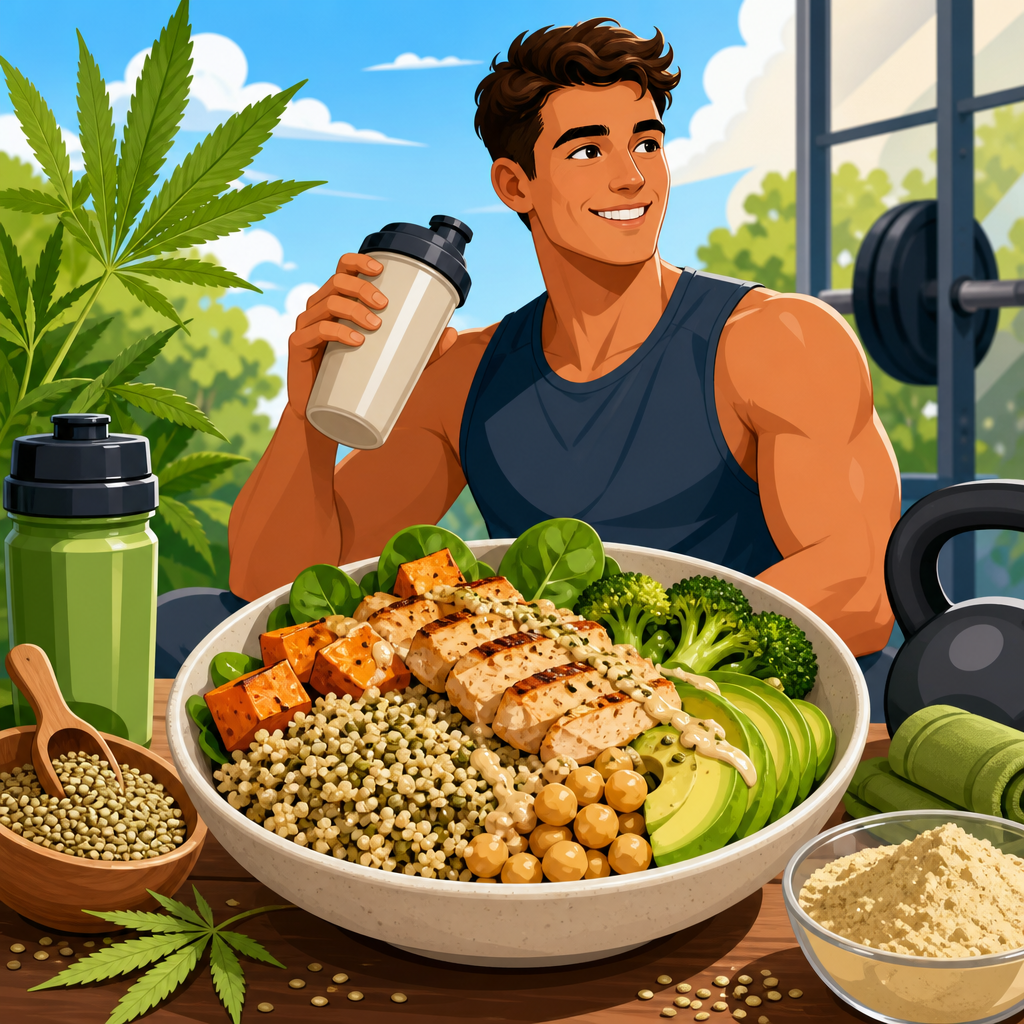

Pre-workout snacks with hemp give athletes and fitness enthusiasts a practical way to fuel training with complete plant protein, beneficial fats, fiber, and minerals in one versatile ingredient. In this context, hemp usually means hulled hemp hearts, hemp protein powder, or foods made from hemp seeds rather than psychoactive cannabis products. That distinction matters because sports nutrition is about performance, digestion, recovery, and consistency, not intoxication. I have worked with active people who wanted a cleaner pre-training routine, and hemp repeatedly proved useful because it fits smoothies, oats, toast, yogurt alternatives, and portable snack bites without demanding a complicated meal plan. For anyone building a better approach to hemp for athletes and fitness enthusiasts, the pre-workout window is one of the smartest places to start.
A pre-workout snack is a small meal eaten before exercise to top up energy, support muscle function, and reduce the chance of training on an empty tank. The best option depends on workout length, intensity, and timing. A runner heading out in thirty minutes needs something light and easy to digest. A lifter training in ninety minutes can handle a more balanced snack with carbohydrates, protein, and a little fat. Hemp earns attention here because it contributes protein and micronutrients such as magnesium, iron, zinc, and manganese while pairing well with common carbohydrate sources like fruit, oats, bread, or dates. It can help create snacks that feel substantial without becoming overly heavy.
This matters because poor pre-workout fueling often shows up as fatigue, inconsistent pacing, irritability, and weak training quality. Sports nutrition research consistently supports carbohydrate availability for performance, especially during moderate to high intensity exercise, while protein intake across the day supports muscle repair and adaptation. Hemp is not a magic pre-workout ingredient, and it does not replace total daily nutrition. What it can do is make better snack construction easier. Used correctly, hemp can help bridge the gap between convenience and nutrient density, which is exactly what many busy athletes need. As a hub topic within hemp in different diets, this article explains how hemp works before exercise, who benefits most, how to build effective snacks, and which formats fit different training demands.
Why Hemp Works in Pre-Workout Nutrition
Hemp works best in pre-workout nutrition when it complements carbohydrates instead of replacing them. Hulled hemp hearts provide a mix of protein and unsaturated fats, including omega-6 linoleic acid and omega-3 alpha-linolenic acid. Hemp protein powder offers a more protein-focused option with some fiber, depending on how it is processed. For athletes, the practical value lies in combining these qualities with digestible carbs. A banana blended with hemp hearts, for example, gives quick energy from carbohydrate and a more sustained feel from fat and protein. Oats mixed with hemp protein can support a longer gym session because they digest more steadily than sugary snacks alone.
From experience, hemp is especially useful for people who dislike very sweet sports snacks or who want a dairy-free option. It has a mild nutty flavor and blends into many foods without the chalkiness some plant proteins have. It is also naturally free from soy and can fit vegetarian, vegan, Mediterranean-style, and flexitarian eating patterns. For endurance athletes, this flexibility matters because repeatable habits beat perfect plans. If a cyclist can reliably eat overnight oats with berries and hemp before early rides, that routine is more valuable than an idealized strategy that never gets followed.
There are limits. Hemp is not the highest-protein seed gram for gram when compared with isolated powders, and the fat content in hemp hearts can be too rich immediately before hard intervals for people with sensitive stomachs. That is why portion size and timing matter. In practice, hemp is most effective as part of a balanced snack, adjusted to the athlete’s tolerance and schedule.
Key Nutrients Athletes Get from Hemp
For athletes and fitness enthusiasts, hemp contributes several nutrients worth noting. Protein is the headline benefit. Hemp seeds contain all nine essential amino acids, making them a complete protein source, although leucine content is lower than in whey. That means hemp can support total protein intake, but athletes focused on maximizing muscle protein synthesis may still want to pair it with other protein-rich foods across the day. Magnesium is another major advantage because it supports muscle contraction, nerve signaling, and energy metabolism. Iron matters for oxygen transport, especially for endurance athletes and menstruating athletes, while zinc supports immune function and recovery.
Fiber can be helpful or problematic depending on timing. In snacks eaten sixty to one hundred twenty minutes before training, moderate fiber may improve satiety and steady digestion. In snacks eaten fifteen to thirty minutes before high intensity sessions, too much fiber may cause bloating or discomfort. Hemp hearts are usually easier pre-workout than higher-fiber hemp protein powders for that reason. Fat works similarly. A little can improve satiety for long sessions, but too much slows gastric emptying. The practical takeaway is simple: the closer the workout, the smaller and lower-fat the hemp portion should be.
Quality also matters. Choose fresh hemp products from reputable brands with clear storage guidance. Because hemp seeds contain unsaturated fats, they can become rancid if stored poorly. Keep opened packages sealed and refrigerated when recommended. Good sports nutrition starts with food quality, not just macros.
How to Build the Right Hemp Pre-Workout Snack
The easiest way to build a hemp pre-workout snack is to start with workout timing, then add the right balance of carbohydrate, protein, and fat. If you are eating two to three hours before exercise, aim for a more complete snack or light meal. If you are eating thirty to sixty minutes before, go smaller and simpler. The core question is not “Is hemp healthy?” but “What form and amount of hemp makes sense right now?” That is the mindset athletes should use.
A practical formula I use is straightforward: base the snack on carbohydrates, add a moderate amount of hemp for protein and nutrients, and keep total fat and fiber matched to exercise intensity. Before strength training, a snack like toast with banana and a sprinkle of hemp hearts works well. Before a long hike or steady cycling session, oatmeal with berries and hemp seeds gives longer-lasting fuel. Before a hard sprint workout, a smoothie with fruit and a small amount of hemp is usually easier than a dense bar.
| Training situation | When to eat | Best hemp format | Example snack |
|---|---|---|---|
| Heavy strength session | 60 to 90 minutes before | Hemp hearts | Toast with almond butter, banana, and 1 to 2 tablespoons hemp hearts |
| Easy run or brisk walk | 30 to 60 minutes before | Small amount of hemp hearts | Half banana with a few spoonfuls of applesauce and 1 tablespoon hemp hearts |
| Long endurance workout | 90 to 120 minutes before | Hemp hearts or hemp protein | Oats with berries, maple syrup, and 2 tablespoons hemp hearts |
| Early morning gym session | 20 to 45 minutes before | Hemp protein in smoothie | Smoothie with banana, oats, water, and 1 tablespoon hemp protein |
These examples work because they respect digestion. Carbohydrates remain the main fuel source, while hemp adds staying power and nutritional value. If a snack leaves you sluggish, reduce the portion, lower the fat, or allow more time before training. The right pre-workout snack feels settled, not heavy.
Best Pre-Workout Snack Ideas with Hemp
The best pre-workout snack ideas with hemp are simple enough to repeat several times per week. One reliable option is a banana-hemp smoothie made with banana, oats, water or milk alternative, cinnamon, and a tablespoon of hemp hearts or hemp protein. This suits early sessions because it is fast to digest and easy to drink when appetite is low. Another strong option is overnight oats with hemp, berries, and a drizzle of honey. That combination works well one to two hours before endurance training because it balances slower and faster carbohydrates.
For strength athletes, toast is underrated. Whole grain or sourdough toast topped with mashed banana, a thin layer of nut butter, and hemp hearts offers texture, convenience, and adequate fuel. Rice cakes with jam and a light sprinkle of hemp hearts are better for people who need a lower-fiber option before intense intervals. Yogurt alternatives mixed with fruit and hemp can also work, though athletes should watch portion size because too much fat or fiber right before training can backfire.
Portable snacks are useful for commuting athletes and team-sport players. Homemade energy bites using dates, oats, cocoa, and hemp seeds can fit training days, but they are best eaten at least forty-five to sixty minutes before exercise. I generally recommend testing homemade bars on lighter days first. Even nutritious ingredients can feel too dense under game-speed conditions. The best snack is the one you can digest consistently.
Matching Hemp Snacks to Different Sports and Goals
Different sports require different pre-workout fueling strategies, so hemp for athletes and fitness enthusiasts should never be treated as one-size-fits-all. Endurance athletes usually benefit from a stronger emphasis on carbohydrates because glycogen demand is high. In that case, hemp should play a supporting role. A distance runner may do better with oats, fruit, and a modest amount of hemp than with a seed-heavy snack. Strength and hypertrophy-focused trainees can often tolerate a slightly more balanced snack with more protein, especially if training starts sixty to ninety minutes after eating.
Team-sport athletes need flexibility because practices may mix jogging, sprinting, and skill work. For them, hemp smoothies, fruit toast, or simple grain bowls can be adjusted depending on session length. Recreational exercisers often have the least time and the most inconsistent schedules, which makes convenience crucial. A resealable bag of hemp hearts can instantly improve a plain snack like applesauce and toast or cereal and fruit.
Goals matter too. Athletes in a muscle-gain phase may use larger pre-workout snacks and include more total calories. Those aiming for fat loss still need enough fuel to train well, so shrinking the snack too aggressively is a mistake I see often. Performance drives adaptation. If hemp helps make a moderate, satisfying snack that prevents overeating later and supports better workouts, it has done its job.
Common Mistakes, Safety, and Smart Buying Tips
The most common mistake with pre-workout snacks with hemp is assuming more is better. Large servings of hemp hearts can push fat intake high enough to slow digestion, which is the opposite of what most athletes want before hard training. Another mistake is using hemp alone without a meaningful carbohydrate source. Seeds are nutritious, but they do not replace the performance role of carbs. A third issue is trying a new hemp snack right before competition. Race day is not the time for experimentation.
Safety and product choice deserve attention. Athletes subject to drug testing should buy foods from reputable manufacturers and verify that the product is made from hemp seed ingredients intended for food use. Hemp seed foods generally differ from cannabinoid products, but label scrutiny still matters. Check ingredient lists, serving sizes, and storage instructions. Unsweetened products give more control over sugar intake, while flavored blends may be convenient if they fit your overall plan.
As this hub expands, it is useful to explore related topics such as hemp protein versus hemp hearts, hemp smoothies for athletes, post-workout meals with hemp, and hemp in vegan sports nutrition. Together, those subjects create a complete framework. Start with one snack, test timing and portion size during normal training, and keep what performs well. That is how durable sports nutrition habits are built.
Pre-workout snacks with hemp are most effective when they are built around the demands of the session, not around trends. The core principle is clear: use carbohydrates as the foundation, then add an appropriate amount of hemp to contribute protein, minerals, and staying power. For many athletes, that means a banana smoothie with a little hemp before an early workout, oats with hemp before a longer endurance session, or toast with fruit and hemp before strength training. These combinations work because they respect digestion, timing, and actual exercise needs rather than chasing novelty.
The biggest advantage of hemp is versatility. Hemp hearts, hemp protein powder, and hemp-based foods fit into multiple dietary patterns and make it easier to build plant-forward snacks that still support performance. They are especially helpful for people who want dairy-free, soy-free, or minimally processed options. At the same time, hemp is not a shortcut. Athletes still need enough total calories, adequate carbohydrates, consistent protein intake across the day, hydration, and individualized testing. Smart use beats heavy use every time.
If you want better training energy and a more practical nutrition routine, start simple. Pick one pre-workout snack with hemp, use it for a week of similar sessions, and judge it by how you feel and perform. That small experiment can become the foundation for a stronger approach to hemp for athletes and fitness enthusiasts across your entire diet.
Frequently Asked Questions
What makes hemp a good ingredient for pre-workout snacks?
Hemp is a strong fit for pre-workout snacks because it delivers several useful nutrients in one convenient ingredient. Hulled hemp hearts and hemp protein powder provide plant-based protein that supports muscle maintenance and helps athletes feel satisfied without the heaviness that can come from some larger meals. Hemp also contains beneficial fats, including omega-3 and omega-6 fatty acids, along with minerals such as magnesium, iron, and zinc, which are all relevant to active people. Depending on the form you choose, hemp can also contribute fiber, which may support steady energy and overall diet quality.
What makes hemp especially practical before training is its versatility. It can be blended into smoothies, stirred into oatmeal, mixed into yogurt alternatives, added to energy bites, or used in homemade bars. That means you can tailor your snack to your workout and digestion needs. For example, if you need something light and quick before cardio, a smoothie with fruit and a small amount of hemp protein may work well. If you have more time before a strength session, hemp hearts paired with oats, banana, or toast can provide a more substantial fuel source.
It is also important to clarify that in sports nutrition, hemp refers to foods such as hemp hearts, hemp seed products, and hemp protein powder, not psychoactive cannabis products. Pre-workout nutrition is about fueling performance, supporting recovery, and keeping digestion predictable. Hemp foods can help with that by offering a nutrient-dense, easy-to-use ingredient that fits many eating styles, including vegetarian, vegan, and dairy-free approaches.
Will hemp in a pre-workout snack make you feel high or affect athletic performance in a negative way?
No. Hemp foods used in pre-workout snacks, such as hemp hearts and hemp protein powder, are not intended to produce intoxicating effects. These products are made from hemp seeds or processed seed ingredients and are used for their nutritional value, not for any psychoactive experience. That distinction is essential for athletes and fitness enthusiasts who are focused on training quality, concentration, and recovery.
From a practical perspective, the goal of a pre-workout snack is to provide usable energy and to avoid ingredients that interfere with comfort, coordination, or consistency. Hemp foods fit this purpose because they are chosen for macronutrients and micronutrients, including protein, fats, and minerals. They can be part of a well-planned snack that supports exercise readiness rather than distracting from it. For most people, the bigger issue is not whether hemp will impair performance, but whether the overall snack is matched to the timing and intensity of the workout.
That said, athletes should always buy hemp products from reputable brands with clear labeling and quality standards. If someone competes under strict sport governing body rules, third-party testing and brand transparency matter. In normal dietary use, hemp seed foods are generally included for nutrition, and they are commonly used by active people who want a plant-based ingredient that is functional, easy to combine with carbohydrates, and simple to digest when portioned appropriately.
How long before a workout should you eat a hemp-based snack?
The ideal timing depends on the size of the snack, the type of workout, and your personal digestion. As a general rule, a small hemp-based snack works well about 30 to 60 minutes before exercise, while a larger snack or light meal may be better 60 to 120 minutes before training. If your session will be intense, such as intervals, speed work, or heavy lifting, many people do best with a snack that is moderate in protein, lower in fiber, and centered on easy-to-digest carbohydrates.
Because hemp contains protein, fat, and sometimes fiber, portion size matters. A very large serving right before training may feel too heavy for some people, especially before running or high-intensity workouts. In that situation, a smaller amount of hemp paired with simple carbohydrates often works better. For example, a banana smoothie with a modest scoop of hemp protein can be easier to tolerate than a dense bar loaded with seeds and nut butter. On the other hand, if you are eating 90 minutes or more before exercise, a more substantial option like overnight oats with hemp hearts and fruit may provide steadier fuel.
The best approach is to test different timings during regular training rather than on an important event day. Pay attention to energy, fullness, stomach comfort, and workout quality. Pre-workout nutrition is highly individual. Hemp can be a useful part of that routine, but it should be adjusted based on your body, your sport, and the duration and intensity of the session.
What should you pair with hemp for the best pre-workout energy?
For most workouts, hemp works best when paired with carbohydrates. Hemp provides protein and beneficial fats, but carbohydrates are usually the most immediate fuel source for moderate to high-intensity exercise. Pairing hemp with fruit, oats, toast, rice cakes, dates, or granola can create a more balanced pre-workout snack that supports both energy and satiety. This combination is especially helpful if you want a snack that feels steady rather than giving you a quick spike and crash.
A few effective examples include a banana smoothie with hemp protein and oats, toast with mashed banana and hemp hearts, applesauce with a sprinkle of hemp hearts, or energy bites made with oats, dates, and hemp seeds. If you are eating farther out from your workout, you can include a bit more fat and fiber. If you are eating close to training, a lower-fiber, easier-to-digest option is usually the safer choice. This is where hemp protein powder in a smoothie may be easier than a dense, high-fiber seed mix.
The right pairing also depends on your goal. If you are heading into a long endurance workout, you may need more carbohydrates overall. If you are aiming for muscle retention during strength training, combining hemp with carbohydrate and an adequate amount of protein can make sense. In either case, the principle is the same: hemp is most effective pre-workout when it is part of a snack built around digestibility, timing, and the energy demands of the session.
Are there any downsides to eating hemp before exercise?
Hemp can be an excellent pre-workout ingredient, but there are a few considerations. The biggest one is digestion. Because hemp foods can contain fat and fiber, larger servings may feel too heavy if eaten too close to exercise, particularly before running, circuit training, or other high-intensity sessions. Some athletes do very well with hemp hearts in a balanced snack, while others feel better using a smaller amount or choosing hemp protein powder in a lighter smoothie. The form, portion, and timing all influence how comfortable the snack feels.
Another consideration is that hemp alone is not usually enough as a complete pre-workout strategy if you need quick energy. Since exercise performance often relies heavily on carbohydrate availability, a snack made only of hemp seeds may not provide the most effective fuel for demanding sessions. In practice, hemp tends to work best as part of a broader snack rather than as the only ingredient. Adding fruit, oats, or another carbohydrate source usually improves its usefulness before training.
It is also worth remembering that not every product is the same. Hemp hearts, hemp protein powder, and packaged hemp snack foods can differ substantially in protein, fiber, texture, and added ingredients. Reading labels helps you avoid surprises, especially if you are sensitive to sweeteners, sugar alcohols, or very high fiber content. As with any sports nutrition habit, individual tolerance matters most. Start with a modest serving, use it in training before relying on it for a big session, and choose the version of hemp that best matches your digestion and performance needs.