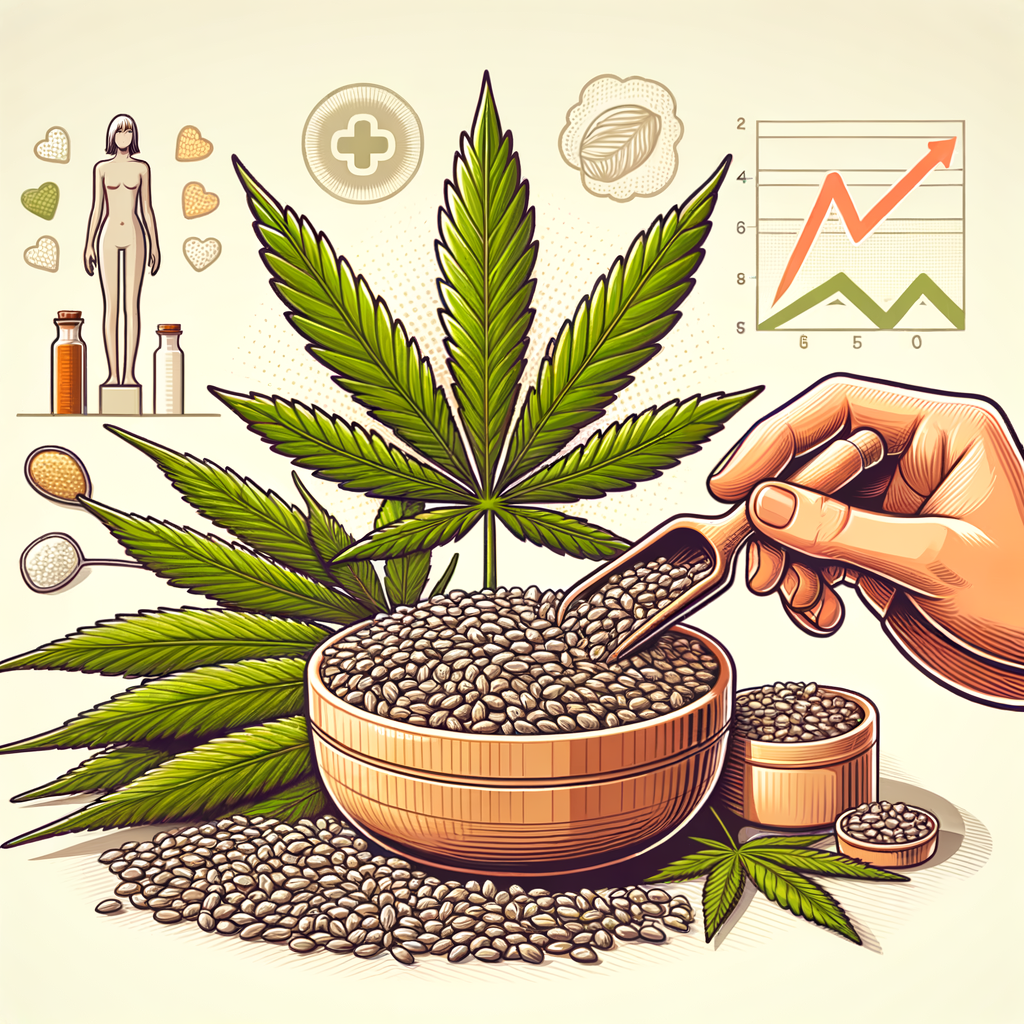

Plant-based eaters often work harder than omnivores to cover every nutritional base, which is why hemp has become one of the most practical foods in vegan and vegetarian kitchens. In this context, hemp means edible hemp seeds, hemp hearts, hemp protein powder, and foods made from non-intoxicating varieties of Cannabis sativa grown for nutrition rather than recreation. These products are rich in complete protein, essential fatty acids, minerals, and fiber, making them unusually useful for people who avoid meat, fish, or dairy. I have used hemp regularly in meal planning for vegetarian clients and in my own cooking because it solves several recurring problems at once: protein quality, convenience, texture, and nutrient density. For anyone building a balanced plant-based diet, hemp is not a fad ingredient. It is a dependable staple with measurable benefits.
The main reason hemp matters for vegans and vegetarians is simple: nutrient gaps can happen when a diet relies too heavily on refined grains, low-protein snacks, or a narrow set of whole foods. A well-planned plant-based pattern can absolutely meet human nutritional needs, but it usually requires intentional choices around protein distribution, omega-3 intake, iron absorption, zinc, and overall energy density. Hemp helps on several of those fronts. Three tablespoons of hemp hearts typically provide about 10 grams of protein, around 15 grams of fat with a favorable fatty acid profile, and useful amounts of magnesium, phosphorus, zinc, and iron. Unlike many specialty health foods, hemp is easy to use without complicated preparation. You can stir it into oats, blend it into smoothies, add it to sauces, or use it in baking. That flexibility makes consistency easier, and consistency is what turns a good diet on paper into a sustainable routine in real life.
Why hemp stands out in plant-based nutrition
Hemp stands out because it combines complete protein with beneficial fats in a form that is minimally processed and broadly compatible with vegan and vegetarian meals. Complete protein means it contains all nine essential amino acids, including lysine, which can be relatively lower in some grains. While the body does not need every essential amino acid in one bite, foods that naturally provide a full amino acid spectrum can simplify meal planning. Hemp is not the only plant food with this quality, but it is one of the easiest to use daily. Tofu, tempeh, edamame, buckwheat, quinoa, and soy milk also contribute meaningfully, yet hemp adds an option for people who want variety or who do not tolerate soy well.
Its fat profile is another reason hemp earns a place in plant-based diets. Hemp seeds contain both linoleic acid, an omega-6 fat, and alpha-linolenic acid, an omega-3 fat. They also contain gamma-linolenic acid, which is less common in everyday foods. This does not make hemp a replacement for algae-based DHA and EPA supplements, which many plant-based eaters still use for long-chain omega-3 support, but it does improve the baseline fatty acid quality of meals. In practice, I find hemp especially useful for people who eat plenty of vegetables and legumes yet still feel unsatisfied after meals. A spoonful of hemp hearts can add creaminess, calories, and satiety without pushing someone toward ultra-processed options.
Protein benefits for vegans and vegetarians
Protein is often the first concern people raise about plant-based eating, and hemp offers a direct answer. Hemp hearts provide a concentrated source of protein that fits naturally into breakfast, lunch, dinner, and snacks. Hemp protein powder, made after some oil is removed from the seed, usually provides even more protein per serving along with fiber. For active adults, older vegetarians, and anyone trying to maintain muscle during weight loss, this matters because protein targets are easier to reach when foods are versatile and realistic to eat every day. A smoothie with soy milk, berries, oats, and hemp protein can deliver substantial protein before lunch without relying on highly engineered products.
That said, hemp should be viewed as part of a broader protein strategy, not as a single magic food. Compared with soy isolate or seitan, hemp protein is often lower in total protein per calorie and can have a more earthy texture. This is a tradeoff, not a flaw. In real meal planning, combining hemp with lentils, tofu, beans, pea protein, whole grains, nuts, and seeds creates stronger coverage than relying on any one item. For vegetarians who include dairy and eggs, hemp still adds value because it broadens nutrient sources and improves meal diversity. Diet quality generally improves when protein comes from multiple minimally processed foods rather than one dominant source.
Key nutrients hemp can help provide
Beyond protein, hemp helps support several nutrients that deserve attention in vegan and vegetarian diets. Iron is one example. Plant foods provide non-heme iron, which is absorbed less efficiently than the heme iron found in animal products, so regular intake matters. Hemp seeds contribute iron, and they pair well with vitamin C-rich foods that support absorption, such as berries in smoothies or lemon juice in dressings. Zinc is another nutrient worth noting because plant compounds called phytates can reduce absorption from whole grains and legumes. Hemp contributes zinc in a compact serving size, which can help improve overall intake across the day.
Magnesium and phosphorus are also strengths. Magnesium supports muscle function, nerve signaling, and energy metabolism, while phosphorus contributes to bone structure and cellular function. Many plant-based eaters consume these nutrients, but not always consistently if meals skew heavily toward packaged foods. Hemp can help rebalance that pattern. It also adds manganese and copper, both involved in enzyme systems and connective tissue function. However, hemp is not a complete answer to every nutrient concern. It does not provide vitamin B12, and it should not be treated as a reliable source of vitamin D, iodine, calcium, DHA, or EPA unless a product is specifically fortified. Good planning still matters.
How hemp compares with other plant-based staples
Different hemp foods serve different purposes, and understanding those differences makes meal planning easier. Hemp hearts are shelled seeds with a soft texture and mild nutty flavor. Whole hemp seeds include the hull and add more crunch and fiber, though many people find them less versatile. Hemp protein powder is more concentrated in protein and fiber but less creamy. Hemp milk varies widely by brand; some versions are lightly nutritious, while others are fortified to compete more directly with soy or pea milk. Reading the label is essential because protein, calcium, and added sugar can differ dramatically.
| Food | Main strength | Typical best use | Watch for |
|---|---|---|---|
| Hemp hearts | Complete protein plus healthy fats | Oats, yogurt alternatives, salads, pesto | Lower fiber than whole seeds |
| Whole hemp seeds | Extra crunch and fiber | Granola, baking, seed mixes | Tougher texture |
| Hemp protein powder | Higher protein density | Smoothies, pancakes, energy bites | Earthy taste, variable texture |
| Hemp milk | Convenient dairy alternative | Cereal, coffee, sauces | Often low protein unless fortified |
Compared with soy foods, hemp usually offers less protein per serving but a more distinctive fatty acid profile. Compared with chia and flax, hemp generally offers more protein and a milder texture, though chia and flax often provide more omega-3 per spoonful. Compared with nuts, hemp tends to be more protein-forward and easier to blend into savory dishes. These comparisons matter because a strong vegan or vegetarian diet is built from complementary foods. Hemp is most valuable when used alongside soy, legumes, whole grains, vegetables, nuts, and seeds, not in place of them.
Practical ways to use hemp in daily meals
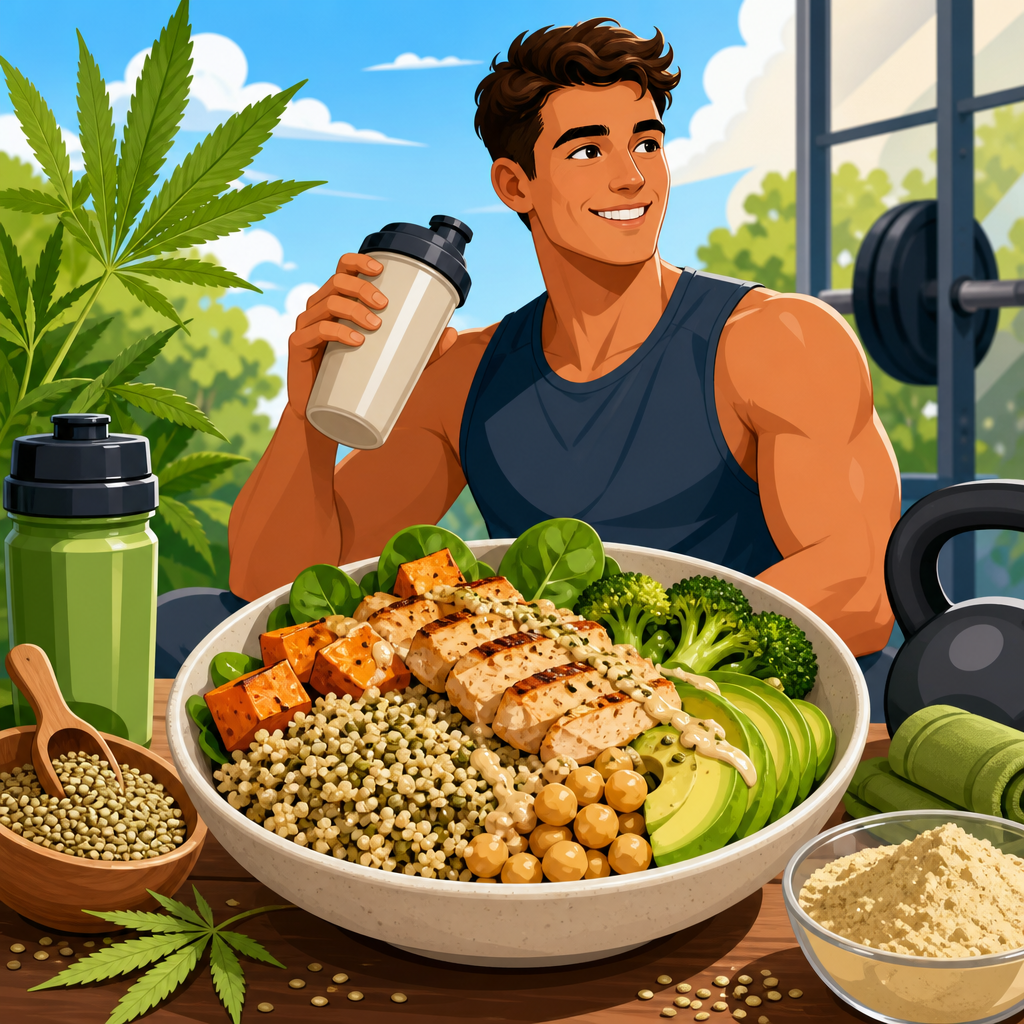
The best plant-based foods are the ones people actually eat consistently, and hemp performs well here. At breakfast, hemp hearts can be stirred into overnight oats, porridge, or unsweetened yogurt alternatives for extra protein and richness. In smoothies, hemp protein powder blends well with banana, cocoa, frozen berries, or cinnamon, especially when paired with soy milk for a stronger amino acid and calcium profile. For lunch, hemp hearts work in grain bowls with quinoa, roasted vegetables, and tahini-lemon dressing. I also use them in quick pestos with basil, garlic, olive oil, and nutritional yeast when someone wants a nut-free alternative to pine nuts.
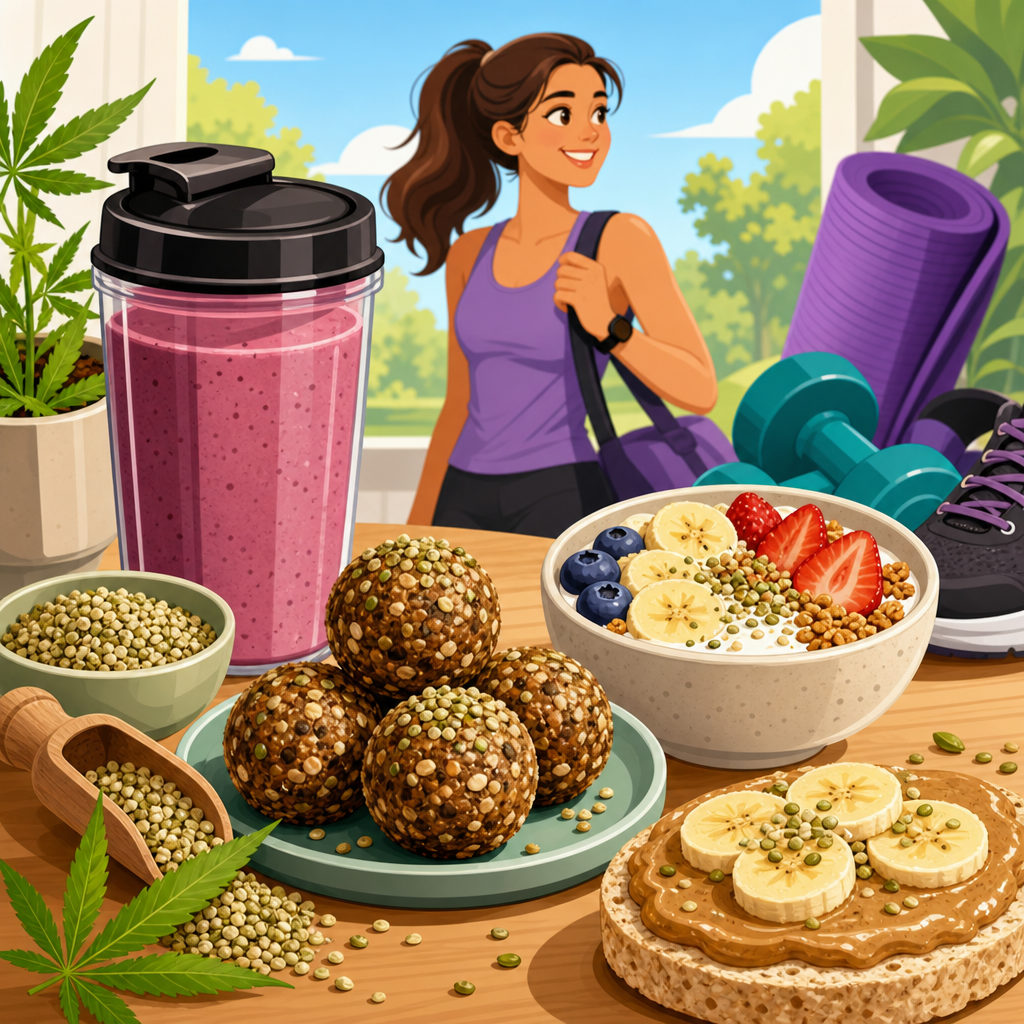
At dinner, hemp can boost soups, veggie burgers, or pasta sauces without changing the meal structure. A spoonful blended into tomato soup adds body. Mixed into lentil loaf or black bean burger mixtures, hemp contributes both texture and nutrients. In baking, hemp protein can be added to pancakes, muffins, and homemade bars, although too much can make recipes dense, so moderate substitution works best. Snacks are straightforward: sprinkle hemp on apple slices with almond butter, blend it into hummus, or use it in energy bites with oats and dates. Because hemp is neutral enough for both sweet and savory dishes, it helps plant-based eaters increase nutrient density without menu fatigue.
Choosing quality hemp products and avoiding common mistakes
Buying hemp is simple once you know what to check. Start with the ingredient list. For hemp hearts and whole seeds, the best product is usually just hemp. For hemp milk, look for unsweetened versions and compare protein, calcium, vitamin D, and vitamin B12 if fortified beverages are part of your routine. Packaging matters because hemp’s unsaturated fats are sensitive to heat, light, and oxygen. Seeds stored in opaque, sealed bags and kept refrigerated after opening tend to maintain freshness better. Rancid hemp tastes bitter or paint-like, and that flavor means it should be discarded.
A common mistake is assuming every hemp product is nutritionally interchangeable. They are not. Hemp milk can be much lower in protein than soy milk. Hemp seed oil contains useful fats but lacks the protein, minerals, and fiber found in whole seeds and hearts. Another mistake is using hemp as a nutritional shortcut while ignoring the rest of the diet. Vegans still need a dependable vitamin B12 source, and many also need attention to iodine, calcium, vitamin D, and long-chain omega-3s. The strongest approach is to use hemp as one reliable building block inside a deliberate food pattern. If you are creating a resource map for this topic, that is the key principle to carry into more specific pages on hemp protein, hemp milk, seed nutrition, and meal planning for different plant-based lifestyles.
Hemp offers clear benefits for plant-based eaters because it is nutrient-dense, flexible, and easy to use in real meals. For vegans and vegetarians, its biggest advantages are complete protein, helpful fats, and meaningful amounts of minerals such as iron, zinc, magnesium, and phosphorus. It also supports meal satisfaction, which is often the difference between a diet that looks balanced and one that actually feels sustainable day after day. No single food can solve every nutritional challenge, but hemp addresses several common ones without demanding complicated preparation or expensive specialty products.
The most effective way to use hemp is to see it as a core supporting ingredient within a varied plant-based diet. Pair it with legumes, soy foods, whole grains, vegetables, fruits, nuts, and fortified staples. Choose the form that fits the job: hemp hearts for everyday meals, hemp protein for concentrated protein, whole seeds for crunch, and carefully selected hemp milk for convenience. Keep expectations realistic, read labels, and use hemp to strengthen the nutritional foundation you already have. If you are building a more resilient vegan or vegetarian routine, start with one simple step this week: add hemp to a meal you already eat often and build from there.
Frequently Asked Questions
Why is hemp considered especially beneficial for plant-based eaters?
Hemp is especially valuable for plant-based eaters because it helps address several nutritional priorities at the same time. Vegan and vegetarian diets can absolutely be healthful and complete, but they often require more intentional planning around protein quality, essential fats, minerals, and overall dietary variety. Hemp foods, including hemp seeds, hemp hearts, and hemp protein powder, stand out because they deliver a broad nutritional package in a simple, versatile form. Rather than relying on multiple specialty foods to cover different needs, plant-based eaters can use hemp as one practical staple that supports several goals at once.
One of hemp’s biggest advantages is that it provides complete protein, meaning it contains all nine essential amino acids the body must get from food. That matters because not every plant food offers this in meaningful amounts. Hemp also provides essential fatty acids, including omega-3 and omega-6 fats, which are important for heart health, brain function, and overall wellness. In addition, hemp contains minerals such as magnesium, iron, zinc, and phosphorus, along with fiber in less refined forms like whole hemp seeds. For people who want nutrient-dense foods that are easy to add to smoothies, oatmeal, salads, grain bowls, and baked goods, hemp is one of the most efficient options available.
Is hemp really a complete protein, and how does that help vegans and vegetarians?
Yes, hemp is considered a complete protein because it contains all nine essential amino acids. This is one of the reasons it has become so popular in plant-based eating patterns. While it is a myth that every single meal must contain perfectly balanced amino acids, it is still helpful to include protein sources that contribute a full spectrum of amino acids over the course of the day. Hemp makes that easier. For vegans and vegetarians who are trying to meet protein needs without depending heavily on processed meat alternatives, hemp offers a straightforward whole-food-friendly solution.
In practical terms, hemp can support muscle repair, satiety, energy balance, and overall nutritional adequacy. Hemp hearts can be sprinkled onto meals for a protein boost, while hemp protein powder can be used in smoothies, pancakes, overnight oats, and homemade bars. It is also useful for people with busy schedules who want a dependable protein source that requires little preparation. Although variety is still important and other plant proteins like beans, lentils, soy foods, nuts, and seeds should remain part of a balanced diet, hemp adds another high-quality option that can help make plant-based eating more convenient and nutritionally robust.
What nutrients does hemp provide besides protein?
Hemp offers much more than protein, which is part of what makes it such a strong fit for plant-based diets. It is a notable source of essential fatty acids, particularly omega-6 linoleic acid and omega-3 alpha-linolenic acid. These fats are important because they support cell structure, cardiovascular health, normal inflammatory balance, and brain function. Plant-based eaters often pay close attention to fat quality, and hemp helps improve that quality in a natural, food-first way. Its soft texture and mild, nutty flavor also make it easy to use daily, unlike some more specialized nutrition products that can feel difficult to incorporate consistently.
Hemp also contributes important minerals that are often worth monitoring in vegan and vegetarian diets. Magnesium supports muscle and nerve function, energy metabolism, and bone health. Iron is essential for oxygen transport and healthy energy levels. Zinc plays a role in immune function, healing, and metabolism. Phosphorus supports bones and teeth, while potassium can contribute to normal fluid balance and muscle function in certain hemp products. Whole hemp seeds also contain fiber, which supports digestive health, fullness, and blood sugar stability. Altogether, hemp is valuable not because it supplies one standout nutrient, but because it provides several useful nutrients in one accessible food.
What is the difference between hemp seeds, hemp hearts, and hemp protein powder?
These hemp foods come from the same plant source, but they differ in processing, texture, and nutritional emphasis. Whole hemp seeds include the outer shell, which means they provide more fiber and a crunchier texture. Hemp hearts are the shelled inner seed, so they are softer, milder, and often easier to sprinkle over foods or blend into recipes. Many people prefer hemp hearts for everyday use because they mix seamlessly into yogurt alternatives, cereals, soups, salads, and sauces. They still provide protein and healthy fats, but with a smoother eating experience than whole seeds.
Hemp protein powder is typically made after some of the oil has been removed from the seed, leaving behind a more concentrated protein product. Because of that process, hemp protein powder usually contains more protein per serving than hemp hearts, and it often retains some fiber as well. Its texture can be earthier and more robust than other protein powders, so it works best in smoothies, baked goods, or recipes where its natural flavor complements other ingredients. For plant-based eaters, the best choice depends on the goal. If someone wants healthy fats and an easy topping, hemp hearts are ideal. If they want more fiber and texture, whole seeds can be useful. If they want a stronger protein boost, hemp protein powder is often the most efficient option.
Can hemp help make a vegan or vegetarian diet more balanced overall?
Yes, hemp can absolutely help make a vegan or vegetarian diet more balanced, especially when it is used as part of a varied, well-planned eating pattern. Plant-based diets are often rich in vegetables, legumes, whole grains, and fruit, but some people still struggle to get enough protein, healthy fats, or certain minerals on a regular basis. Hemp helps fill those gaps without requiring complicated meal planning. Because it is so easy to use, it can improve consistency, and consistency is often what turns a good diet into a nutritionally strong one. A spoonful of hemp hearts on breakfast, a serving of hemp protein in a smoothie, or a sprinkle of seeds on dinner can add meaningful nutrition with very little effort.
That said, hemp should be viewed as a highly useful tool rather than a single cure-all ingredient. A balanced plant-based diet still benefits from a wide range of foods, including beans, lentils, tofu, tempeh, whole grains, nuts, seeds, vegetables, and fortified foods where appropriate. Hemp works best as part of that larger picture. Its real advantage is efficiency: it brings together complete protein, essential fatty acids, minerals, and in some forms fiber, all in one ingredient. For vegan and vegetarian eaters looking for practical ways to strengthen everyday nutrition, hemp is one of the smartest and most flexible foods to keep in the kitchen.