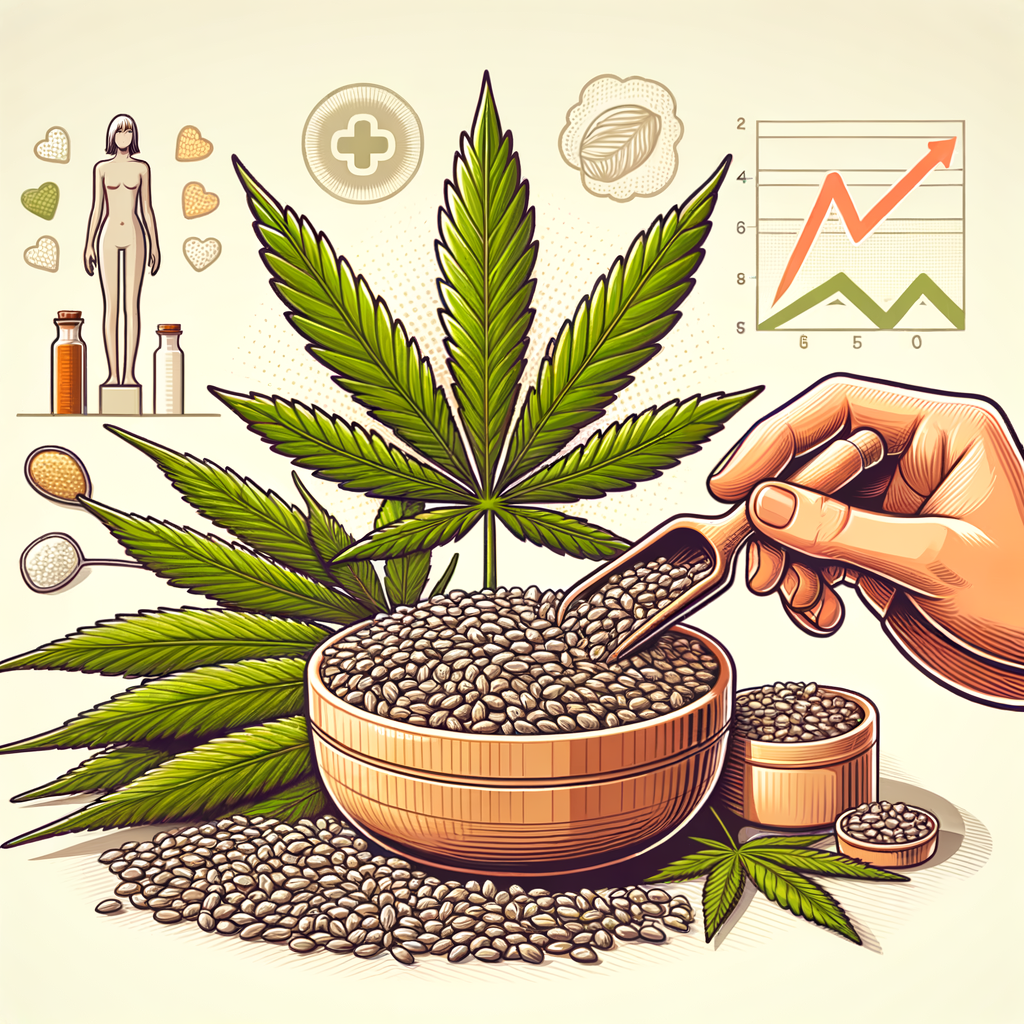
Hemp is one of the most practical foods for building a balanced vegan diet because it delivers complete protein, useful fats, minerals, and versatile everyday meal options in a single plant-based ingredient. In nutrition work I have found that many vegans eat plenty of whole foods yet still struggle to consistently cover protein quality, omega-3 intake, iron absorption, zinc, and calorie density without relying on heavily processed products. Hemp helps close those gaps. In this article, “hemp” refers mainly to hemp seeds, hemp hearts, hemp protein powder, and hemp seed oil, all derived from varieties of Cannabis sativa grown for food and fiber rather than for intoxicating compounds. These foods do not function like recreational cannabis products, and hemp foods sold legally for nutrition contain only trace amounts of tetrahydrocannabinol.
Why does hemp matter so much for vegans and vegetarians? The short answer is nutrient efficiency. A balanced vegan diet needs enough total calories, a reliable source of protein across the day, essential fatty acids, and attention to micronutrients that can be lower in plant-exclusive eating patterns. Hemp is not a cure-all, and it does not remove the need for vitamin B12 supplementation, sensible calcium planning, or a varied intake of legumes, grains, fruits, and vegetables. However, it does provide a rare combination: complete protein with all nine essential amino acids, polyunsaturated fats including alpha-linolenic acid and linoleic acid, and minerals such as magnesium, phosphorus, iron, and zinc. For vegetarians, hemp can complement dairy and eggs; for vegans, it can take on an even bigger role as a staple ingredient.
This page serves as a hub for hemp for vegans and vegetarians, meaning it covers the main nutritional reasons to use hemp, the best forms to buy, practical meal applications, and the limits you should understand before making it a daily habit. If you want one plant food that fits smoothies, breakfasts, salads, snacks, savory bowls, and baking while strengthening the nutritional foundation of a vegan eating pattern, hemp deserves serious attention.
What Hemp Adds to a Balanced Vegan Diet
Hemp supports a balanced vegan diet by improving three core areas at once: protein quality, healthy fat intake, and nutrient density. Hemp hearts, the soft inner part of the seed after the shell is removed, are especially useful because they are easy to digest, mild in flavor, and simple to add to meals without cooking. Typical nutrition data vary by brand, but a three-tablespoon serving commonly provides around 10 grams of protein, about 14 to 15 grams of fat, and roughly 160 to 180 calories. That makes hemp valuable not only for athletes but also for anyone who feels full before meeting calorie or protein needs on a high-fiber diet.
Protein quality is where hemp stands out. Many plant foods are rich in protein but lower in one or more essential amino acids. Hemp contains all essential amino acids, including leucine, lysine, methionine, and tryptophan, though the exact balance is not identical to soy or animal proteins. In practical terms, complete protein means hemp can contribute meaningfully to daily protein adequacy without needing to be paired in the same meal with another food to “complete” it. That older protein-combining rule has been overstated for decades, but complete plant proteins still make meal planning easier. For vegans trying to hit 1.0 to 1.6 grams of protein per kilogram of body weight, especially during resistance training, hemp can help bridge the gap.
Its fat profile matters too. Hemp seeds naturally contain omega-6 and omega-3 fats in a ratio often described as favorable for human diets, commonly around 3:1. They also contain gamma-linolenic acid, a less common fatty acid that appears in some discussions of inflammation and skin health. Hemp does not replace algae-based DHA and EPA supplements, which many vegans use for long-chain omega-3 support, but it does improve baseline essential fatty acid intake. From a food-first perspective, that is a meaningful advantage.
Mineral density is another reason hemp belongs in vegan meal planning. Iron and zinc can be harder to absorb from plant foods because of phytates, and magnesium is often underconsumed in the general population. Hemp contributes all three. It should not be your only strategy for those nutrients, but as a repeating ingredient it raises the floor of the diet in a dependable way.
Comparing Hemp Foods for Everyday Use
Not all hemp products serve the same purpose. Hemp hearts are the most flexible whole-food option. Hemp protein powder is more concentrated in protein but lower in fat because much of the oil has been removed. Hemp seed oil supplies fats but virtually no protein or fiber. Whole hemp seeds with hulls offer more fiber but a firmer texture that some people do not enjoy. I usually recommend starting with hemp hearts for meals and adding hemp protein powder when protein targets are higher.
| Hemp food | Main benefit | Best use | Limitation |
|---|---|---|---|
| Hemp hearts | Balanced protein, fat, and minerals | Oatmeal, yogurt alternatives, salads, grain bowls, pesto | Lower protein concentration than powders |
| Hemp protein powder | Higher protein per serving | Smoothies, overnight oats, baking, recovery shakes | Earthier taste and sometimes grittier texture |
| Hemp seed oil | Essential fats and mild nutty flavor | Dressings, drizzling over vegetables, cold sauces | Not suitable for high-heat cooking and lacks protein |
| Whole hemp seeds | More fiber and less processing | Homemade granola, crackers, seed mixes | Crunchier texture and lower convenience |
For most vegan households, this translates into a simple buying pattern: keep hemp hearts for daily meals, add a reputable hemp protein powder if you train or need extra protein, and use hemp seed oil as a finishing oil rather than a cooking staple. Check labels for third-party testing, storage guidance, and serving size. Because hemp fats are delicate, freshness matters. Rancid oil tastes bitter and undermines the nutritional value you are trying to gain.
Protein, Amino Acids, and Satiety for Vegans and Vegetarians
One of the most common questions about hemp for vegans and vegetarians is whether it provides enough protein to matter. Yes, but context matters. Hemp is not as protein-dense as soy isolate or seitan, and it is not a stand-alone solution if your diet is otherwise low in legumes, tofu, tempeh, edamame, or high-protein grains. What hemp does exceptionally well is increase the protein content of meals that would otherwise be low or moderate in protein, such as oatmeal, smoothie bowls, soups, salads, and roasted vegetables.
For example, a breakfast of oats, berries, and almond milk may be rich in fiber but modest in protein. Add three tablespoons of hemp hearts, a scoop of soy yogurt, and perhaps a spoonful of nut butter, and the meal becomes much more supportive of satiety and muscle maintenance. The same principle works at lunch: a vegetable soup with bread can become a more balanced meal when topped with hemp hearts and paired with lentils or a bean spread. In real meal planning, these upgrades make a bigger difference than abstract protein debates.
Satiety is another overlooked benefit. Many new vegans eat large volumes of food but remain hungry because meals are too low in protein and fat. Hemp helps on both fronts. Its combination of protein and unsaturated fat slows digestion and adds staying power. That is especially useful for teenagers, active adults, and anyone transitioning from omnivorous eating who misses the fullness of higher-protein meals. Vegetarians also benefit here, though they may already have easier access to complete proteins through dairy or eggs.
Athletes can use hemp strategically, but with realism. After training, hemp protein powder can contribute to recovery, especially when blended with soy milk, fruit, and perhaps oats. However, if someone needs a very high leucine dose to maximize muscle protein synthesis, soy protein or a blended plant protein may be more efficient. Hemp still has value as part of the total diet, particularly for people who prioritize minimally processed foods.
Healthy Fats, Micronutrients, and What Hemp Does Not Replace
Hemp improves fat quality in a vegan diet because it supplies essential fatty acids in a practical food form. Alpha-linolenic acid, the main plant omega-3, is important because the body uses it directly and can convert a small fraction into EPA and DHA. That conversion is limited, which is why many clinicians and dietitians still suggest algae-based DHA and EPA for vegans, especially during pregnancy, lactation, and older age. Hemp supports the foundation, but it does not replace those targeted supplements when they are needed.
Iron is another major concern in vegan nutrition. Hemp seeds contain iron, but absorption depends on the rest of the meal. Pairing iron-rich foods with vitamin C sources such as citrus, strawberries, bell peppers, or tomatoes can improve non-heme iron absorption. Coffee and tea taken with meals can reduce it. So if a person sprinkles hemp on a salad with chickpeas, pumpkin seeds, and a lemon dressing, that is a smart nutritional combination. If the same person relies on hemp alone to solve low ferritin, that is unrealistic.
Zinc and magnesium are also relevant. Zinc supports immune function, wound healing, and taste perception. Magnesium contributes to muscle function, nerve signaling, and energy metabolism. In practice, regular hemp intake can help vegans meet these needs without making the diet feel medicalized or restrictive. Food habits that are easy to repeat are usually more effective than perfect plans that are impossible to maintain.
Still, hemp has limits. It is not a meaningful source of vitamin B12. It is not a dependable vitamin D strategy. It does not supply enough calcium to replace fortified plant milks, calcium-set tofu, or low-oxalate greens. It should be seen as a high-value building block within a broader dietary pattern, not as a nutritional shortcut.
How to Use Hemp in Vegan and Vegetarian Meals
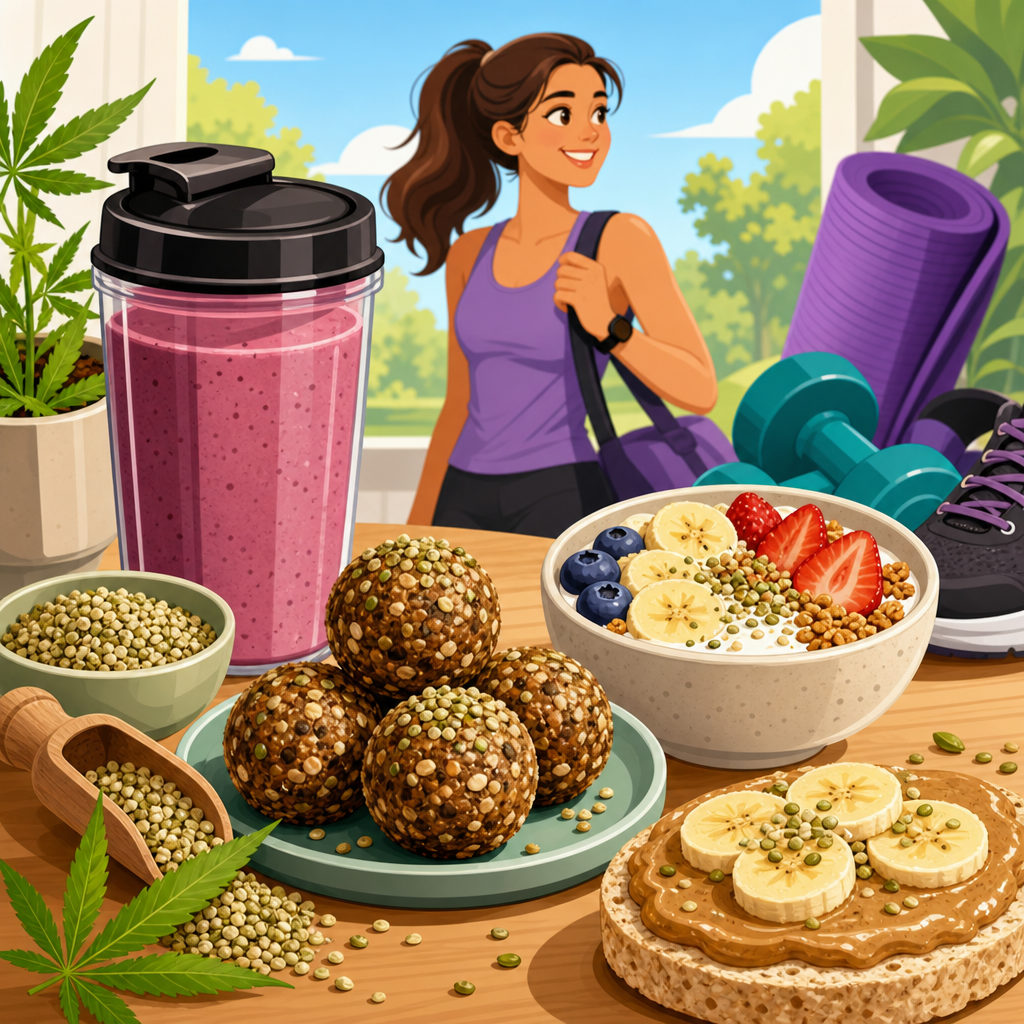
The easiest way to use hemp is to treat it like a daily staple rather than a specialty product. At breakfast, stir hemp hearts into oatmeal, overnight oats, chia pudding, or unsweetened soy yogurt. Blend hemp protein into smoothies with banana, berries, soy milk, and spinach. Add hemp hearts to pancake or muffin batter for extra protein and minerals. Because the flavor is mild and slightly nutty, it fits both sweet and savory breakfasts without much adjustment.
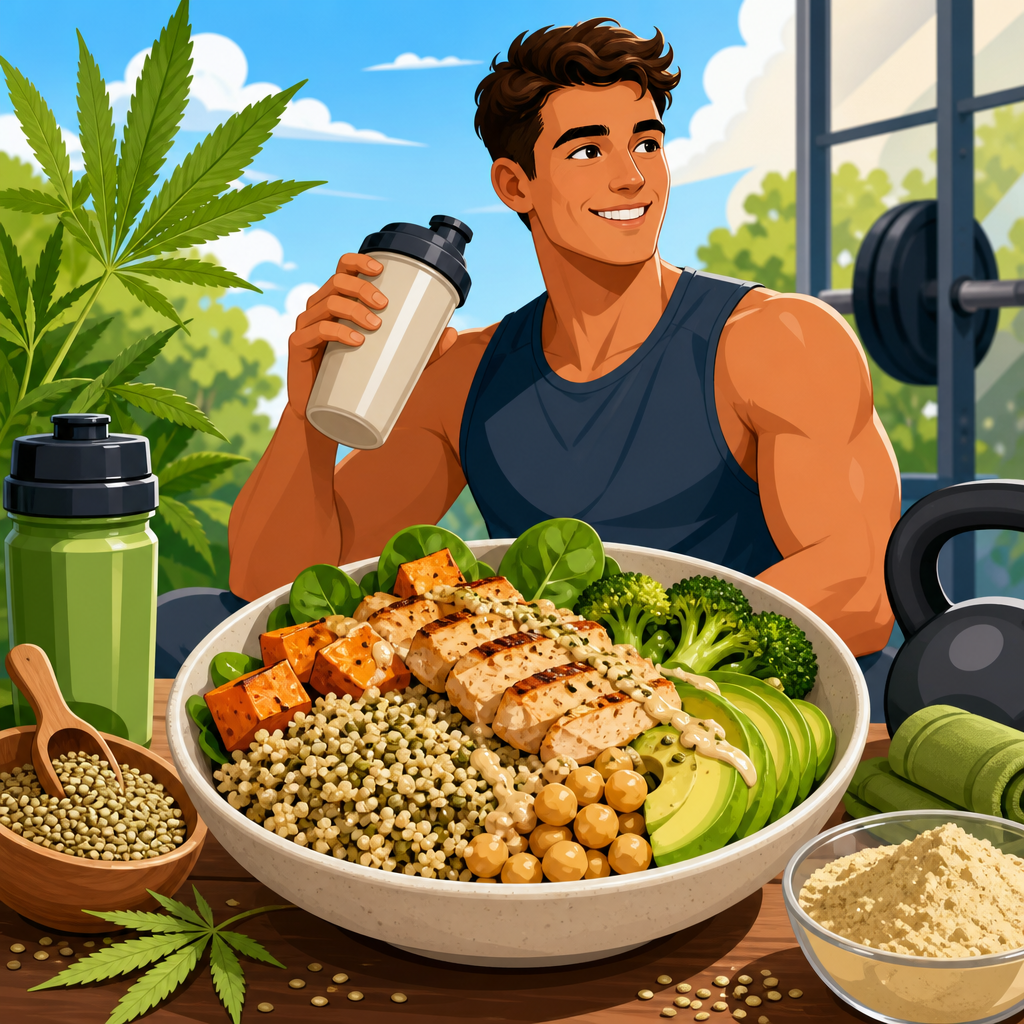
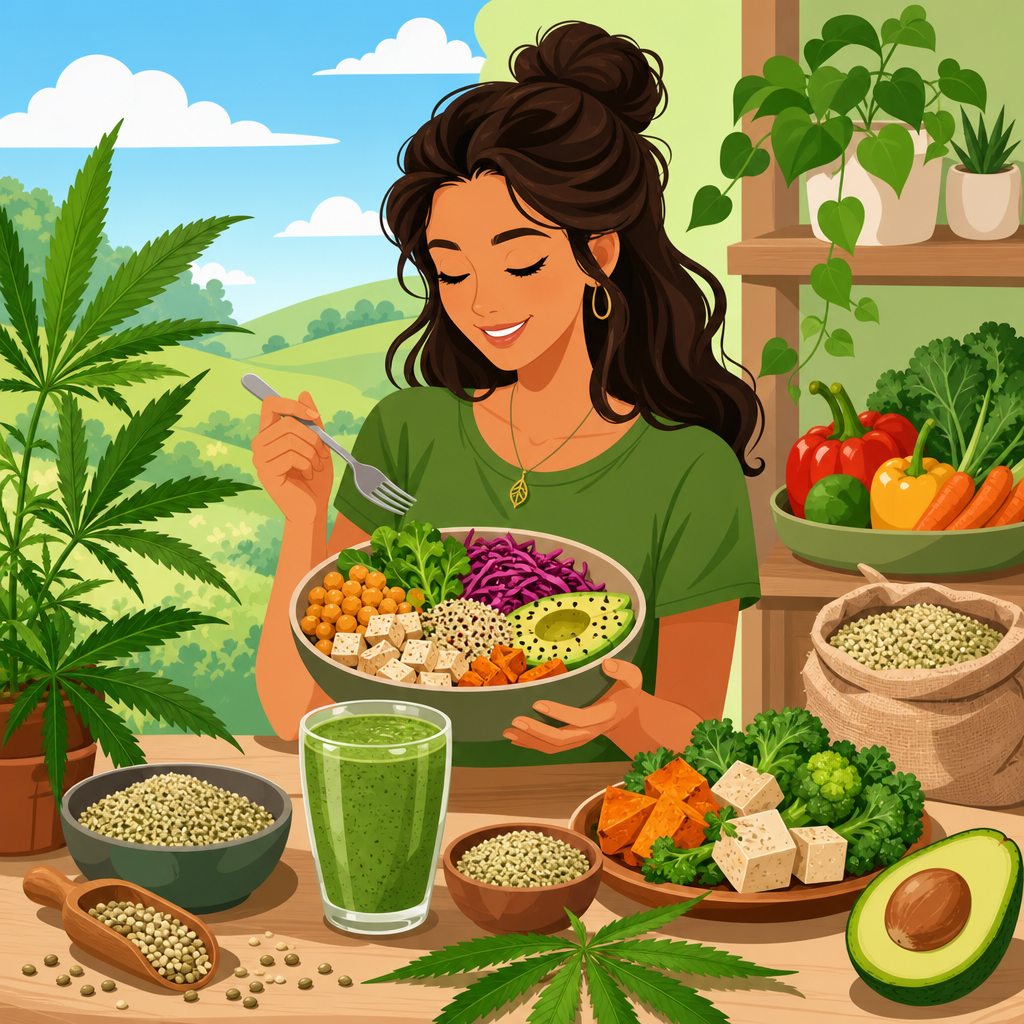
At lunch and dinner, hemp can be sprinkled over grain bowls, soups, curries, and salads. I often recommend using hemp in places where cheese or croutons once added texture. For example, a quinoa bowl with roasted broccoli, tahini dressing, chickpeas, and hemp hearts offers protein, fat, and crunch with no need for processed vegan toppings. Hemp can also be blended into pesto with basil, garlic, olive oil, and lemon, replacing pine nuts at a lower cost in many markets.
Snacks are another strong use case. Energy bites made from oats, dates, cocoa, and hemp hearts are easy to portion and travel well. Hemp protein can be mixed into homemade bars, though it helps to combine it with a smoother protein if texture is a concern. In vegetarian diets, hemp pairs well with cottage cheese, Greek yogurt, or eggs; in vegan diets, it integrates naturally with soy foods, beans, lentils, nuts, and seeds.
Storage matters more than people expect. Keep hemp hearts and oil sealed and away from heat and light, and refrigerate after opening if the package advises it. Fresh hemp tastes pleasant and mild. Old hemp tastes sharp or bitter. That difference alone often explains why some people think they dislike it.
Choosing Quality Hemp and Building a Sustainable Routine
When buying hemp foods, prioritize products with transparent sourcing, clear nutrition labeling, and sensible packaging. Cold-pressed hemp oil should be sold in dark bottles. Hemp protein powders should list ingredients plainly, without unnecessary sweeteners or proprietary blends. Brands that provide batch testing for contaminants inspire more confidence, especially because seed products can vary with agricultural and processing practices.
Cost is another practical factor. Hemp is rarely the cheapest protein source in a vegan diet; dried beans, lentils, tofu, and soy milk are usually more economical per gram of protein. That does not reduce hemp’s value. Instead, it suggests the best role for hemp: a nutrient-dense complement to lower-cost staples. A balanced vegan pantry might include oats, brown rice, lentils, black beans, tofu, fortified soy milk, peanut butter, frozen vegetables, and hemp hearts. That combination supports affordability, variety, and nutritional coverage far better than leaning heavily on any single “superfood.”
For a sustainable routine, start small and repeat what works. Add hemp to one meal per day for a week, then expand to two if you enjoy it. Notice whether it improves fullness, convenience, or meal satisfaction. Balanced eating is built through repeatable habits, not dramatic overhauls. Hemp earns its place because it makes those habits easier.
Hemp for a balanced vegan diet is best understood as a practical nutritional tool: complete plant protein, useful unsaturated fats, and important minerals in an ingredient that fits real meals. It helps vegans and vegetarians strengthen breakfast protein, improve satiety, support essential fatty acid intake, and add iron, zinc, magnesium, and calories where needed. Hemp hearts are the most versatile entry point, hemp protein powder is useful for higher protein goals, and hemp seed oil works best in cold applications.
The key takeaway is balance. Hemp can improve a vegan or vegetarian eating pattern, but it works best alongside legumes, soy foods, whole grains, fruits, vegetables, fortified foods, and evidence-based supplements such as vitamin B12. Used this way, hemp is not a trend ingredient. It is a dependable staple that solves common plant-based nutrition challenges without making meals complicated.
If you are building out a stronger plant-based routine, start with hemp hearts in breakfast and lunch this week, evaluate how they fit your protein and energy needs, and use that habit as the foundation for a more balanced vegan diet.
Frequently Asked Questions
Why is hemp considered such a useful food for building a balanced vegan diet?
Hemp is especially valuable in a vegan diet because it combines several nutritional advantages in one practical, minimally processed food. Hulled hemp seeds, hemp hearts, hemp protein powder, and related hemp foods can help cover common plant-based nutrition gaps without requiring complicated meal planning. One of the biggest benefits is that hemp provides complete protein, meaning it contains all nine essential amino acids. That matters because many vegan diets include enough total food but do not always consistently provide high-quality protein across meals, especially for active adults, older adults, or anyone trying to preserve muscle mass and satiety.
Beyond protein, hemp also contributes useful fats, including omega-3 and omega-6 fatty acids in a favorable balance compared with many modern foods. While hemp is not a direct replacement for algae-based DHA and EPA, it does support overall essential fat intake and can improve the fatty acid quality of everyday meals. Hemp also supplies important minerals such as iron, zinc, magnesium, and phosphorus, which are nutrients that some vegans may struggle to obtain in consistently adequate amounts. Magnesium supports muscle and nerve function, zinc supports immunity and repair, and iron is central to oxygen transport and energy.
Another reason hemp works so well is convenience. It can be added to oatmeal, smoothies, yogurt alternatives, grain bowls, soups, sauces, and baked foods with very little preparation. That makes it easier to improve protein quality, micronutrient density, and calorie adequacy without relying heavily on ultra-processed vegan substitutes. In practice, hemp is not a magic food, but it is one of the most efficient ingredients for helping a vegan diet become more complete, more satisfying, and easier to sustain day to day.
Does hemp provide complete protein, and how does it compare with other vegan protein sources?
Yes, hemp is considered a complete protein source because it contains all nine essential amino acids that the body must obtain from food. This is one reason hemp is so useful in vegan nutrition. Many plant foods contain protein, but not all provide the same amino acid profile or protein concentration. Beans, lentils, grains, nuts, and seeds all have nutritional value, yet some are relatively lower in one or more essential amino acids. Hemp helps strengthen the overall amino acid quality of meals, especially when used regularly alongside legumes, soy foods, and whole grains.
That said, complete protein does not mean hemp has to be the only protein source in a vegan diet. The strongest approach is variety. Soy foods such as tofu, tempeh, and edamame are also excellent complete proteins and are often higher in protein per serving. Legumes provide substantial protein and fiber, while seitan is very high in protein but lower in certain amino acids unless balanced with other foods. Hemp fits into this mix as a highly practical option that offers protein plus fats and minerals at the same time. It is particularly useful for people who need easy protein additions in snacks or smaller meals where beans or tofu may feel less convenient.
Hemp protein powders can also be helpful, although they vary by brand and processing method. Hemp hearts tend to be more versatile and provide a combination of protein and healthy fats, while hemp protein powder is more concentrated for people wanting higher protein intake with less fat. For most vegans, hemp is best viewed as a reliable foundational food that improves protein quality across the diet rather than as a standalone solution. Used consistently, it can make meeting protein needs much easier, especially when appetite, time, or cooking energy are limited.
Can hemp help vegans with omega-3 intake and other important nutrients like iron and zinc?
Hemp can absolutely support omega-3 intake and provide meaningful amounts of other nutrients that deserve close attention in vegan diets. Hemp seeds contain alpha-linolenic acid, or ALA, which is the essential plant omega-3 fatty acid. ALA is valuable because the body can use it directly and also convert a small portion into EPA and DHA, though that conversion is limited. For that reason, hemp is a helpful contributor to daily omega-3 intake, but it is not usually considered a complete replacement for a dedicated algae-based DHA and EPA supplement if those long-chain omega-3 fats are a specific goal.
Hemp is also useful because it provides iron and zinc, two minerals that can be more difficult to consistently obtain in vegan diets. Plant-based iron is non-heme iron, which is absorbed less efficiently than the heme iron found in animal foods. However, that does not mean it is ineffective. It means meal structure matters. Pairing iron-containing foods such as hemp, legumes, tofu, pumpkin seeds, and leafy greens with vitamin C-rich foods like citrus, strawberries, bell peppers, kiwi, or tomatoes can noticeably improve absorption. In practical terms, adding hemp to a bowl that also includes beans, quinoa, and a lemon-based dressing is a smart way to support both nutrient intake and absorption.
Zinc is another important nutrient for immune function, wound healing, and metabolic health. Because phytates in some plant foods can reduce mineral absorption, vegans often benefit from regularly including zinc-containing foods from multiple sources. Hemp helps here, especially when combined with other mineral-rich staples such as legumes, oats, nuts, seeds, and whole grains. In addition, hemp provides magnesium, which is often underappreciated but important for energy production, muscle function, and sleep quality. So while hemp is not the sole answer to vegan nutrient planning, it meaningfully supports several of the exact nutrients that often need more attention.
What are the easiest ways to use hemp in everyday vegan meals?
One of hemp’s biggest advantages is how easy it is to use consistently. Hemp hearts have a mild, slightly nutty flavor and soft texture, so they fit naturally into both sweet and savory meals. A very simple strategy is to sprinkle them over oatmeal, overnight oats, smoothie bowls, or plant-based yogurt at breakfast. This instantly raises protein, healthy fat, and mineral intake without changing the meal very much. You can also blend hemp into smoothies for a creamier texture and better satiety, especially if the smoothie otherwise relies mostly on fruit.
For lunch and dinner, hemp works well in grain bowls, salads, soups, pasta dishes, and roasted vegetables. Stir hemp hearts into cooked rice, quinoa, or couscous, or use them as a finishing ingredient on lentil soup or bean chili. They can also be blended into sauces and dressings with lemon, garlic, herbs, and nutritional yeast to create a creamy, dairy-free topping that adds both flavor and nutrients. If calorie density is a challenge, hemp is especially helpful because it adds energy in a nutrient-dense form, which can be useful for active people, those with smaller appetites, or anyone who finds high-fiber vegan meals filling before enough calories are consumed.
Hemp protein powder is another option for convenience. It can be added to smoothies, pancake batter, energy bites, or baked goods to boost protein intake. Some people also mix it into porridge or soups, although taste and texture vary by product. The most sustainable approach is usually to choose two or three simple uses you enjoy and repeat them regularly. For example, hemp in breakfast oats, a tablespoon or two in a smoothie, and a sprinkle over dinner bowls can become an effortless habit that improves the nutritional balance of the overall diet.
Are there any limitations to relying on hemp in a vegan diet?
Yes. Hemp is extremely useful, but it should be seen as part of a well-planned vegan diet rather than a complete nutritional solution on its own. Even though hemp provides complete protein, healthy fats, and several minerals, no single food covers everything. Vegans still need a broad dietary pattern that includes legumes, soy foods, whole grains, vegetables, fruits, nuts, and other seeds. Hemp also does not replace key nutrients that require separate planning, most notably vitamin B12. Depending on the individual, vitamin D, iodine, calcium, selenium, and long-chain omega-3 fats such as DHA and EPA may also require attention through food choices, fortified foods, or supplements.
Another limitation is that hemp’s nutrient density can be helpful, but portion size still matters. Small amounts are beneficial, yet they may not fully close protein or mineral gaps if the rest of the diet is inconsistent. For example, sprinkling a tiny amount of hemp on food is not the same as building meals around adequate total protein, iron-rich foods, and energy intake. People with higher protein needs, such as athletes or older adults, may still need more concentrated protein sources from tofu, tempeh, edamame, seitan, legumes, or protein powders in addition to hemp.
It is also worth remembering that nutrient absorption matters as much as nutrient content. Iron and zinc from plant foods are influenced by the rest of the meal, so using hemp alongside vitamin C-rich foods and a varied diet is more effective than viewing hemp as a nutritional shortcut. Finally, some people may need to introduce seeds gradually if they are not used to richer foods, especially if digestion is sensitive. Overall, hemp is one of the smartest plant-based staples to include regularly, but the best results come when it is used strategically within a varied, evidence-based vegan eating pattern.