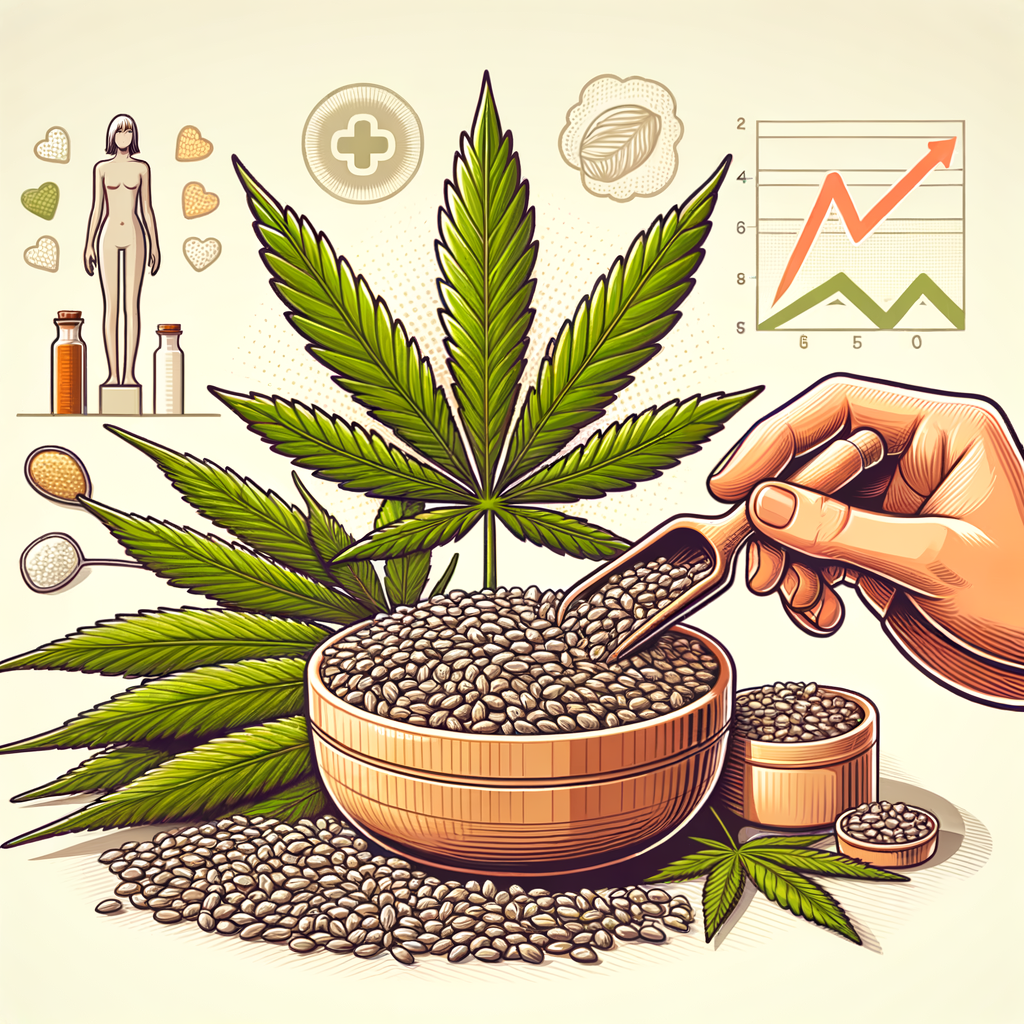
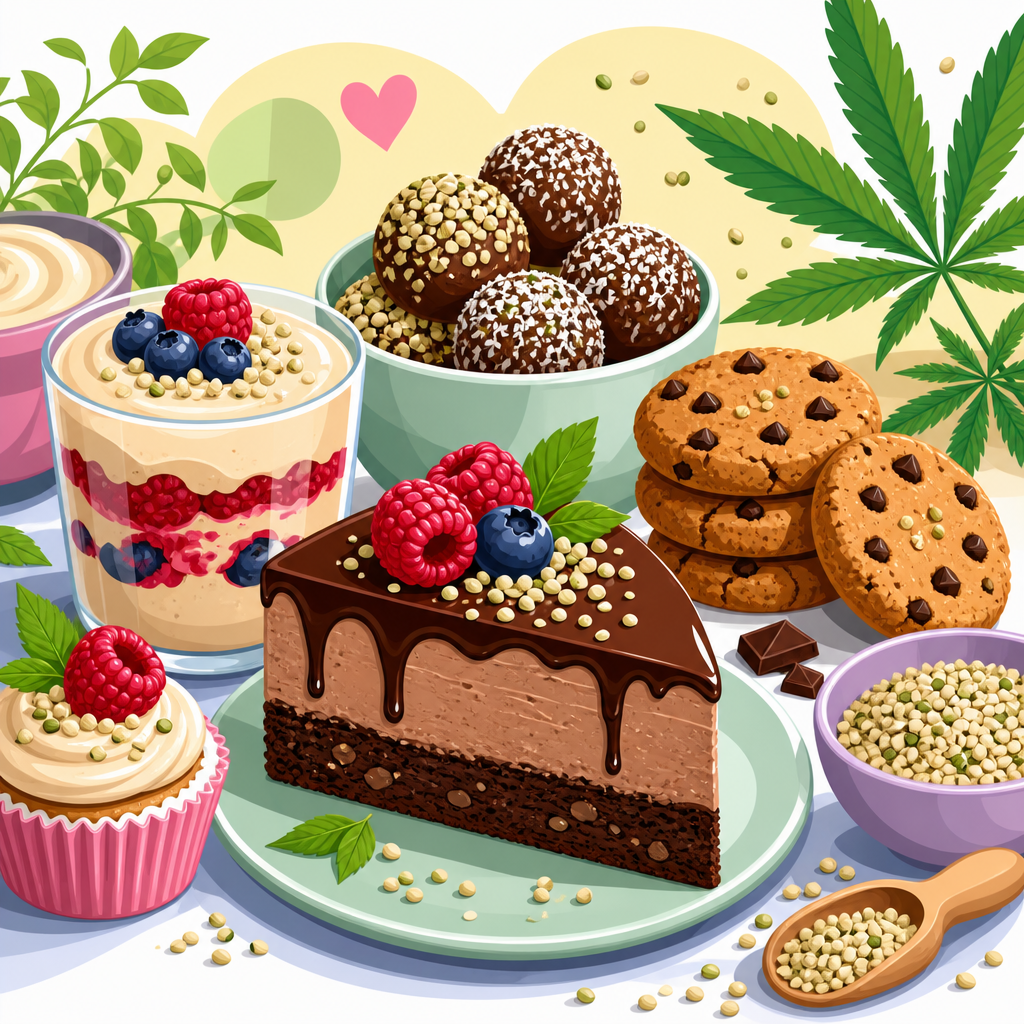
Creating vegan desserts with hemp gives plant-based bakers a practical way to improve texture, raise protein, and add useful fats without relying on dairy, eggs, or heavily processed substitutes. In this context, hemp usually means hemp seeds, hemp hearts, hemp protein powder, and hemp seed oil, all derived from varieties of Cannabis sativa grown for food and fiber rather than intoxicating compounds. These ingredients are valued in vegan and vegetarian cooking because they supply complete protein, polyunsaturated fats, minerals such as magnesium and iron, and a mild nutty flavor that works in both baked and chilled desserts. For anyone building a varied plant-based diet, hemp is one of the most versatile pantry staples available.
This matters because vegan desserts often solve one problem while creating another. A cookie can be egg-free but dry, a mousse can be dairy-free but thin, and a cheesecake can be rich yet low in protein and micronutrients. In my own recipe testing, hemp has consistently filled those gaps better than many trend ingredients because it contributes structure, emulsification support, and nutritional value at the same time. It also fits the wider needs of vegans and vegetarians who want desserts that align with ethical eating, allergen awareness, and practical home baking. Used well, hemp can help produce desserts that taste indulgent while supporting a more balanced approach to plant-based eating.
For this subtopic hub on hemp for vegans and vegetarians, desserts are an ideal entry point because they show how functional hemp can be. Hemp hearts blend into cream bases, hemp protein improves energy bites and brownies, and hemp oil adds tenderness to no-bake crusts and frostings. Unlike some plant ingredients that need extensive masking, hemp usually integrates with cocoa, vanilla, maple, dates, berries, cinnamon, and coffee naturally. The key is understanding which hemp product to use, how much to add, and what role it plays in a vegan formula. Once those basics are clear, the ingredient becomes far more useful than a simple garnish.
Another reason hemp deserves attention in vegan dessert making is nutritional density. According to widely cited food composition databases, hemp seeds provide substantial amounts of protein and unsaturated fat per serving, along with fiber when the hull remains intact. For vegetarians reducing dairy or for vegans trying to increase intake of iron, zinc, and omega fats from food, that profile is meaningful. Dessert is not a replacement for an overall balanced diet, but it can contribute more than sugar and calories. A hemp-based pudding or snack bar can offer satiety and a steadier energy profile than many conventional sweets, especially when paired with oats, nuts, fruit, and dark chocolate.
Understanding Hemp Ingredients for Vegan Baking and No-Bake Desserts
The first step in creating vegan desserts with hemp is choosing the right form. Hemp hearts are shelled seeds with a soft texture and delicate flavor. They blend smoothly into creams, truffles, and puddings, and they can be folded into cookie dough or sprinkled over bars for crunch. Whole hemp seeds include the outer shell, so they bring more texture and fiber but are less suitable for silky fillings. Hemp protein powder is more concentrated, earthy, and absorbent; it works best in brownies, breakfast cookies, snack bites, and dense cakes where a rustic crumb is welcome. Hemp seed oil is liquid and aromatic, making it useful in raw desserts, ganache-style fillings, and some frostings, though it is not ideal for all high-heat applications.
From a functional standpoint, each ingredient behaves differently. Hemp hearts act a bit like a bridge between nuts and seeds: rich enough to create body when blended, but neutral enough not to dominate a recipe. Hemp protein powder absorbs moisture fast, so formulas usually need extra liquid or a companion ingredient such as banana, applesauce, pumpkin purée, or plant yogurt. Hemp oil helps distribute fat evenly, which matters in no-bake crusts and refrigerated desserts where mouthfeel can otherwise seem chalky. When recipe developers ignore these distinctions, they often conclude that hemp makes desserts heavy or grassy. In practice, that result usually comes from using the wrong format rather than from the ingredient itself.
Quality also matters. Fresh hemp ingredients should smell nutty and clean, never paint-like or bitter. Because the fat profile is rich in unsaturated oils, storage affects flavor quickly. I keep hemp hearts and hemp flour or protein in airtight containers in the refrigerator, and I buy them from brands that list harvest or best-by dates clearly. For home bakers serving vegans, it is also worth checking whether the product is certified organic, non-GMO if that matters to your audience, and processed in facilities that handle allergens. Hemp is not a major allergen in the way soy, milk, or tree nuts are, but cross-contact can still matter in mixed kitchens.
Why Hemp Works So Well in Vegan and Vegetarian Desserts
Hemp succeeds in plant-based desserts because it does several jobs at once. Nutritionally, it adds complete protein, a notable advantage in vegan baking where many dessert ingredients are mostly starch or sugar. Texturally, ground or blended hemp contributes body, reducing the watery feel that can affect dairy-free custards and creams. Flavor-wise, its mild nuttiness supports ingredients that already dominate vegan dessert menus, including cocoa, peanut butter, tahini, banana, espresso, and warm spices. In formulation terms, that combination is rare. Many alternative ingredients either improve nutrition while hurting taste, or improve texture while adding very little else.
For vegetarians transitioning toward less dairy, hemp is also useful because it can mimic some of the richness associated with cream-based desserts without copying them imperfectly. A blended hemp heart filling will not taste exactly like mascarpone or cream cheese, but that is often an advantage. Rather than chasing a one-to-one imitation, a good hemp dessert creates its own identity: creamy, substantial, lightly nutty, and balanced. That approach tends to produce better results and more satisfied eaters. It also broadens dessert options for mixed households where some people are vegan, some vegetarian, and others simply want lighter sweets with recognizable ingredients.
There is a practical cost benefit as well. Compared with large quantities of soaked cashews, specialty vegan cream cheese, or commercial egg replacers, hemp can be economical depending on the market. It also reduces prep time because hemp hearts blend faster than many nuts and do not always require soaking. In a busy kitchen, that difference matters. I have used hemp-based fillings for parfaits, freezer pies, and mousse cups on short timelines, especially when I needed a nut-aware option or wanted to increase protein without changing the overall dessert style. For schools, cafés, and meal-prep businesses, that flexibility makes hemp a strong ingredient within the vegan and vegetarian category.
Best Uses for Hemp in Common Vegan Dessert Categories
Different dessert styles call for different hemp techniques. In baked goods such as muffins, snack cakes, blondies, and cookies, hemp protein powder or finely ground hemp hearts can replace a portion of flour. A good starting point is 10 to 20 percent of the flour weight, then adjusting hydration upward slightly. In chilled desserts, hemp hearts are often the better choice because they blend into a creamy base for puddings, cheesecakes, custards, and frozen pops. In no-bake bars and truffles, a mix of hemp hearts, dates, cocoa, and oats creates structure without syrups or refined binders. In toppings, toasted hemp seeds add contrast to fruit crisps, yogurt parfaits, and chocolate bark.
The table below shows where each hemp ingredient performs best in vegan dessert recipes and what to watch for during formulation.
| Hemp ingredient | Best dessert uses | Main benefit | Key caution |
|---|---|---|---|
| Hemp hearts | Puddings, cheesecakes, fillings, truffles, toppings | Creamy texture and mild flavor | Can loosen mixtures if too much liquid is added |
| Whole hemp seeds | Granola bars, brittle, crusts, crunchy toppings | Fiber and texture | Too coarse for smooth custards |
| Hemp protein powder | Brownies, breakfast cookies, snack bites, loaf cakes | Protein boost and structure | Absorbs moisture and can taste earthy in excess |
| Hemp seed oil | No-bake crusts, frostings, raw bars, sauces | Silky mouthfeel and fat balance | Best used with gentle heat or none |
Specific pairings make a major difference. Chocolate is one of hemp’s strongest allies because cocoa masks any grassy note while highlighting the seed’s roasted character. Banana and pumpkin both work with hemp protein in baked recipes because their moisture offsets its dryness. Berries bring acidity that brightens hemp-based cream fillings, especially in parfaits and freezer tarts. Maple syrup and dates complement hemp naturally, while citrus needs more restraint because too much sharpness can make the seed flavor seem harsher. Thinking in terms of flavor architecture instead of simply substituting ingredients leads to better desserts and fewer failed batches.
How to Substitute Hemp Without Ruining Texture or Flavor
The safest way to add hemp to vegan desserts is partial substitution, not total replacement. If a recipe uses flour, replace a modest portion with hemp protein or finely milled hemp meal and compensate with more liquid. If a recipe relies on soaked nuts for a creamy base, replace only part of the nuts with hemp hearts at first, then test the final body and flavor. In frostings or mousses, blend hemp hearts thoroughly with warm liquid before chilling; under-blended particles create a sandy mouthfeel that many people wrongly blame on the ingredient itself. High-speed blenders such as Vitamix or Blendtec produce the smoothest result, but a good food processor works for denser fillings.
Sweetness and fat balance also require attention. Because hemp has a savory edge, very low-sugar desserts can taste flatter than expected unless another flavor anchor is present. Vanilla extract, espresso, cinnamon, sea salt, almond extract, and dark cocoa all help round out the profile. Fat matters too. If you strip a recipe of coconut milk, nut butter, or cocoa butter and then add only hemp protein, the result may be wholesome but not satisfying. The most successful vegan hemp desserts use the ingredient as one part of a system that includes enough fat, enough sweetness, and enough acidity or aroma to create contrast.
Temperature affects performance. Refrigeration firms hemp-based fillings well, while freezing can mute flavor and exaggerate dryness in high-protein baked goods. If you make hemp brownies or cookies ahead, wrapping and resting them overnight often improves texture because moisture redistributes through the crumb. For no-bake cheesecakes, I usually chill the blended filling before pouring it into the crust so trapped air can escape; that reduces bubbles and gives a cleaner slice. These details may sound small, but they separate a merely acceptable plant-based dessert from one people genuinely want to eat again.
Nutritional Considerations for Vegans and Vegetarians Using Hemp
One reason this hub matters within hemp for vegans and vegetarians is that dessert can support dietary goals when built thoughtfully. Hemp seeds are known for containing all nine essential amino acids, though total meal quality still depends on the rest of the day’s intake. They also provide unsaturated fats, including omega-6 and omega-3 fatty acids, plus minerals such as magnesium, phosphorus, zinc, and iron. In practical terms, that means a hemp-based snack bar or pudding can contribute more useful nutrition than a standard vegan dessert built from refined flour, starch, and sugar alone. It will not replace legumes, whole grains, or vegetables, but it can fit a more nutrient-aware eating pattern.
There are, however, realistic limits. Dessert should not become the primary strategy for meeting protein targets, and hemp ingredients are calorie-dense because of their fat content. Some people also assume hemp automatically makes a dessert low carb or low sugar, which is only true if the rest of the formula supports that goal. For vegetarians and vegans with digestive sensitivity, very high amounts of seeds or protein powder can feel heavy, especially when combined with sugar alcohols or large portions of dried fruit. Portion design matters as much as ingredient quality. A smaller, richer dessert with hemp often performs better nutritionally and sensorially than an oversized “healthy” treat that tries to do everything.
For readers exploring other parts of this subtopic, hemp also connects well with broader vegetarian and vegan meal planning. The same ingredients used in desserts can support breakfasts, smoothies, and savory recipes, making them easier to keep in regular rotation. That consistency helps reduce food waste and lowers the barrier to experimenting. If you are building a plant-based pantry, hemp is most useful when it appears across categories rather than as a one-off baking purchase.
Common Mistakes and the Smartest Next Steps
The most common mistake in creating vegan desserts with hemp is adding too much too early. Bakers see the nutrition benefits and double the hemp protein or seeds, only to produce dense muffins, bitter bars, or pudding that sets like paste. The second mistake is failing to balance flavor with salt, vanilla, cocoa, fruit, or spice. The third is poor storage, which leads to stale oil notes that ruin an otherwise solid recipe. Start with one dessert style, learn how a specific hemp product behaves, and then expand methodically. In my experience, chocolate truffles, banana-hemp muffins, and berry hemp cheesecakes are the easiest wins for both beginners and professionals.
As a hub topic within hemp for vegans and vegetarians, the main takeaway is simple: hemp is not a gimmick ingredient. It is a functional, nutrient-dense tool that can make vegan desserts creamier, more satisfying, and more useful in a balanced plant-based diet. Choose the right hemp form, pair it with compatible flavors, adjust moisture carefully, and store it well. Then build outward into cookies, puddings, bars, and frozen desserts with confidence. If you want better plant-based sweets, start by testing one hemp-based recipe this week and use the results to shape your broader vegan dessert repertoire.
Frequently Asked Questions
1. What types of hemp ingredients work best in vegan desserts?
The most useful hemp ingredients for vegan desserts are hemp hearts, whole hemp seeds, hemp protein powder, and hemp seed oil. Each one does a slightly different job, so the best choice depends on the dessert you are making. Hemp hearts are the soft, shelled inner seed, and they are often the easiest place to start because they blend smoothly into batters, fillings, and creams. They add mild nuttiness, extra protein, and healthy fats without making a dessert overly dense. Whole hemp seeds are more textured and work well in granola bars, crusts, cookies, and toppings where a little crunch is welcome.
Hemp protein powder is especially helpful when you want to raise the protein content of a dessert such as brownies, snack bites, muffins, pancakes, or energy-style cookies. Because it is more absorbent and more earthy in flavor than hemp hearts, it is usually best used in moderation and balanced with enough moisture and sweetness. Hemp seed oil is useful when you want a smooth source of plant fat in no-bake desserts, frostings, chocolate mixtures, or soft baked goods. It contributes tenderness and richness, though it is generally better in recipes where its flavor can be supported by ingredients like cocoa, vanilla, cinnamon, maple, or dates.
For most bakers, hemp hearts are the most versatile all-around option, while hemp protein powder is the most functional if your goal is nutrition-forward baking. Using the right hemp ingredient for the right purpose is what makes vegan desserts with hemp successful rather than simply healthy on paper.
2. How does hemp improve the texture and nutrition of vegan desserts?
Hemp helps vegan desserts in two major ways: it improves structure and mouthfeel, and it boosts nutritional value in a way many standard vegan desserts do not. From a texture standpoint, hemp ingredients can help replace some of the richness and body that dairy and eggs often provide in conventional baking. The fats in hemp hearts and hemp seed oil contribute tenderness and moisture, while the solids in hemp protein powder can add body and a more satisfying crumb. In no-bake recipes, blended hemp hearts can create a creamy texture that feels substantial without relying on coconut cream, cashews, or store-bought vegan substitutes.
Nutritionally, hemp is especially valuable because it contains complete protein, meaning it provides all nine essential amino acids. That makes it stand out from many other plant-based dessert additions, which may add fiber or minerals but not as much balanced protein. Hemp also supplies useful unsaturated fats, including omega-3 and omega-6 fatty acids, along with minerals such as magnesium, iron, and zinc. While dessert is still dessert, adding hemp can make vegan treats more filling and more balanced than versions made only with refined flour, sugar, and oil.
That said, hemp is not a magic fix for every recipe. Too much can make a dessert heavy, dry, or earthy. The real advantage comes from thoughtful use: enough hemp to improve richness, structure, and nutrition, but not so much that it overwhelms the flavor or texture. When used well, hemp can make vegan desserts feel both more wholesome and more satisfying.
3. Does hemp make desserts taste strong or grassy?
Hemp can influence flavor, but whether it tastes strong depends on the form you use and how much of it you add. Hemp hearts have a mild, nutty taste that is usually easy to work into vegan desserts. They pair especially well with chocolate, banana, oats, berries, cinnamon, maple syrup, peanut butter, almond butter, and vanilla. In many recipes, especially when blended, hemp hearts are subtle enough that most people notice only a richer, nuttier flavor rather than anything grassy or unusual.
Hemp protein powder is more assertive. It tends to have a deeper, earthier taste and can become noticeable if used heavily, especially in delicate desserts like vanilla cakes or lightly sweetened custards. For that reason, it works best in strongly flavored recipes such as cocoa brownies, spiced muffins, date-based bars, or chocolate smoothies turned into frozen desserts. Hemp seed oil can also have a distinct flavor, especially if it is unrefined, so it is best used in smaller amounts or in recipes with enough flavor support to carry it well.
If you want to keep the taste balanced, start small and build gradually. Combine hemp with familiar dessert flavors, use adequate sweetener, and make sure there is enough vanilla, spice, fruit, or cocoa to round out the profile. In practical terms, hemp is much more manageable than many people expect. In most vegan desserts, it reads as pleasantly nutty rather than overpowering, as long as the recipe is designed with it in mind.
4. Can hemp replace eggs or dairy in vegan baking?
Hemp can help replace some of the functions of eggs and dairy, but it usually works best as part of a broader vegan baking strategy rather than as a one-to-one substitute. Eggs in baking contribute binding, lift, moisture, and structure. Dairy often adds fat, tenderness, creaminess, and flavor. Hemp ingredients can support several of those roles. Hemp hearts and hemp seed oil add fat and richness, which helps mimic some of the softness and moisture that dairy would normally provide. Blended hemp hearts can also help create creamy fillings, puddings, and frostings without needing cream cheese, butter, or heavy cream alternatives.
However, hemp does not usually replace the binding and leavening power of eggs on its own in cakes or cookies. In baked desserts, it is often best paired with established vegan egg replacers such as flax eggs, chia eggs, applesauce, aquafaba, or commercial egg substitutes. For example, you might use flax to bind, baking soda to lift, and hemp hearts or hemp oil to add richness. In that setup, hemp improves the overall quality of the dessert even if it is not acting as the sole substitute.
In dairy-free applications, hemp can be even more directly useful. Blended with water, hemp hearts can form a quick cream base for puddings, cheesecakes, mousses, and dessert sauces. This can be especially appealing for bakers who want an alternative to cashews, coconut, or soy. So while hemp is not a complete replacement for every egg or dairy function, it is a highly practical ingredient that helps vegan desserts feel more complete, moist, creamy, and nutritionally substantial.
5. What are the best tips for baking successful vegan desserts with hemp?
The best approach is to treat hemp as a functional ingredient, not just a nutrition add-in. Start with the dessert type and decide what hemp is supposed to do. If you want creaminess, use hemp hearts. If you want a protein boost, use a modest amount of hemp protein powder. If you want richness and softness, consider hemp seed oil in recipes where its flavor fits naturally. Matching the ingredient to the task gives you much better results than adding hemp randomly to an existing recipe.
Measure carefully, especially with hemp protein powder, because it absorbs moisture and can make baked goods dry or dense if overused. A good rule is to replace only part of the flour at first rather than a large amount. Keep moisture balanced with ingredients like mashed banana, pumpkin puree, applesauce, nut butter, or plant milk. In sweeter desserts, pair hemp with strong, familiar flavors such as cocoa, espresso, maple, dates, cinnamon, ginger, or vanilla to create a polished final taste.
Texture also matters. For smoother batters and fillings, blend hemp hearts thoroughly. For crunch and visual appeal, sprinkle whole seeds on top of cookies, bars, or crusts. Store hemp ingredients properly as well, particularly hemp seed oil and hemp hearts, since their healthy fats can go rancid if kept too warm or too long. Refrigeration often helps preserve freshness. Finally, test small batches when adapting recipes. Vegan baking already depends on balancing moisture, fat, and structure, and hemp changes that balance in useful but noticeable ways. With a little adjustment, hemp can become one of the most practical ingredients for creating vegan desserts that are flavorful, satisfying, and more nutritionally rounded.