Hemp-infused drinks have moved from niche wellness shelves to mainstream coolers, giving shoppers a new way to explore hemp in beverages through sparkling waters, teas, coffees, juices, and functional elixirs. In this guide, I review the best hemp-infused drinks, explain how they are made, and show what separates a reliable product from a forgettable one. “Hemp-infused” usually refers to beverages made with ingredients derived from industrial hemp, most often hemp seed oil, hemp seed protein, broad-spectrum hemp extract, full-spectrum hemp extract, or isolated cannabinoids such as CBD. That distinction matters because hemp seed ingredients offer nutrition, while cannabinoid extracts are chosen for flavor, mood, and functional positioning.
Consumers often ask a simple question: are hemp drinks actually worth buying? In my experience reviewing beverage labels, lab reports, and formulation claims, the answer depends entirely on three factors: ingredient quality, dose transparency, and product fit. A hemp seed latte can be worthwhile for its protein, omega fatty acids, and creamy texture. A CBD seltzer may be appealing for low sugar refreshment and a measured serving. A poorly formulated drink, however, can taste grassy, separate in the can, or make bold claims without meaningful potency. The category rewards careful comparison more than impulse shopping.
This matters because hemp beverages sit at the intersection of wellness, convenience, and regulation. Buyers want relaxation, hydration, and better-for-you ingredients, but they also need clear labeling, safe manufacturing, and realistic expectations. Regulations vary by state and country, and product quality varies just as widely. As a hub for hemp in beverages, this article covers the formats, ingredients, evaluation criteria, and standout product types you should know before purchasing. Whether you want a daily sparkling drink, a hemp protein shake, or a premium adaptogenic tonic, understanding the category helps you choose products that taste good, deliver what the label promises, and fit your routine.
What Hemp-Infused Drinks Include and How They Work
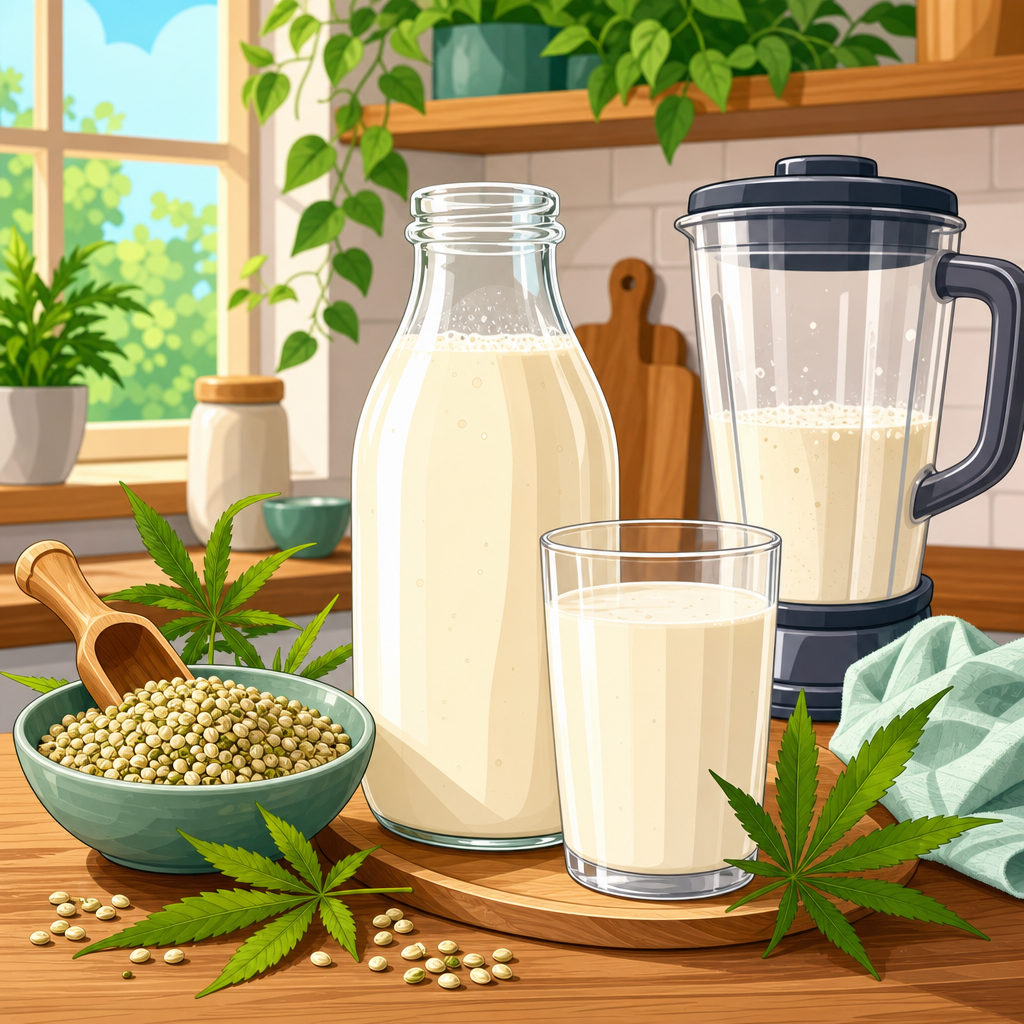
Hemp in beverages spans several distinct product classes, and they should not be judged by one standard. Hemp seed drinks use cold-pressed hemp seed oil, hemp milk, or hemp protein for nutrition and mouthfeel. These products can provide plant protein, magnesium, and omega-3 and omega-6 fatty acids, though exact nutrition depends on formulation. Cannabinoid beverages use extracts from hemp aerial parts and are designed around measured active compounds, typically CBD, sometimes with minor cannabinoids such as CBG. In a finished drink, those extracts are usually emulsified so oil-based compounds can disperse evenly in water.
That emulsion technology is one reason some beverages feel more polished than others. Better brands use nanoemulsions or finely tuned emulsifier systems to improve consistency, bioavailability, and shelf stability. Poorer formulas can leave an oily ring, inconsistent dosing, or a bitter aftertaste. I look for labels that explain whether the extract is isolate, broad-spectrum, or full-spectrum, because each affects flavor and composition. Broad-spectrum formulas can retain useful hemp compounds without detectable THC in many products, while full-spectrum may preserve more of the original plant profile but requires extra scrutiny on compliance and batch testing.
Function also differs by format. A hemp sparkling water is usually built for light refreshment with modest doses, often 10 to 25 milligrams of CBD per can. A hemp shot may deliver stronger concentrations in a smaller serving. Ready-to-drink teas and coffees combine hemp with caffeine, L-theanine, botanicals, or adaptogens, creating a more layered effect profile. Hemp milk and smoothies are less about cannabinoids and more about nutrition. When reviewing the best hemp-infused drinks, I separate these goals first, because comparing a CBD seltzer to a hemp protein beverage without context leads to bad recommendations.
How to Evaluate the Best Hemp-Infused Drinks
The best hemp-infused drinks meet five nonnegotiable standards: accurate dosing, third-party testing, stable formulation, balanced flavor, and sensible ingredients. Accurate dosing starts with a clear statement of milligrams per serving and per container. If a can contains two servings, that should be obvious. Third-party testing should verify cannabinoid content, heavy metals, pesticides, residual solvents, and microbial safety. Reputable brands publish certificates of analysis linked by batch number, not generic reports from a different run. Without that transparency, the label is just marketing.
Flavor matters more than many brands admit. Hemp extract naturally carries earthy, resinous, and sometimes bitter notes, especially in higher-potency drinks. Skilled formulators mask or complement those notes with citrus oils, ginger, berry acids, tea tannins, or botanicals like lavender. Sweetness should support the profile, not bury it. I generally favor beverages with restrained sugar, especially under 8 grams per serving for sparkling formats, unless the product is a juice or meal-oriented shake. Artificial sweeteners can work, but they often clash with hemp bitterness and leave a lingering finish that makes repeat purchases less likely.
Ingredient strategy is the next filter. If a brand positions a drink for calm, ingredients such as L-theanine, lemon balm, magnesium, or chamomile make sense in transparent amounts. If it claims energy, look for coherent caffeine sourcing and dosage. Watch for “proprietary blends” that hide weak inclusions behind trendy names. Packaging also signals seriousness. Light and oxygen can degrade delicate compounds, so cans and opaque bottles are often preferable to clear packaging. Shelf-stable products should list preservatives or processing methods that explain safety and consistency. Good hemp beverages are not just infused; they are built like serious food products.
Best Types of Hemp Beverages for Different Buyers
Because this page is a hub for hemp in beverages, the smartest way to review the category is by use case. Sparkling hemp waters are the easiest entry point. They are portable, low calorie, and usually the cleanest tasting. Good examples use citrus, berry, or cucumber flavors to keep the hemp note subtle. These drinks suit buyers who want a social alternative to soda, beer, or sugary energy drinks. A 12-ounce can with 15 to 20 milligrams of CBD is often enough for a casual introduction without pushing price or flavor to extremes.
Hemp teas and coffees appeal to ritual-driven drinkers. I have seen the strongest products here pair hemp extract with ingredients already familiar in the format: black tea with bergamot, green tea with mint, or cold brew with oat milk and vanilla. The challenge is avoiding muddy positioning. A heavily caffeinated coffee marketed for relaxation needs a careful formula, often with L-theanine or moderate cannabinoid levels to make the experience coherent. For evening use, herbal hemp teas with chamomile, rooibos, or lemon balm generally perform better because the flavor architecture supports the intended benefit.
Protein shakes, hemp milks, and smoothie blends are ideal for nutrition-first buyers. Hemp seed protein brings a nutty profile and can work well with cocoa, banana, cinnamon, and dates. These are less likely to be impulse “wellness shots” and more likely to become pantry staples. Functional tonics occupy the premium end of the market, combining hemp with nootropics, adaptogens, mushrooms, or electrolytes. Some are excellent, but many are overbuilt and overpriced. When a beverage tries to deliver calm, focus, immunity, gut health, and hydration in one bottle, it usually succeeds at none of them.
| Drink type | Best for | Typical ingredients | What to check |
|---|---|---|---|
| Sparkling hemp water | Low-calorie daily use | CBD, natural flavors, citric acid | Milligrams per can, sweetness, COA access |
| Hemp tea or coffee | Routine and mood support | Tea or coffee, hemp extract, botanicals | Caffeine level, flavor balance, extract type |
| Hemp milk or protein shake | Nutrition and satiety | Hemp seeds, protein, cocoa, plant milk | Protein grams, sugar, texture stability |
| Functional tonic or shot | Targeted effects | Hemp extract, adaptogens, vitamins | Ingredient logic, price per serving, potency |
Ingredients, Safety, and Labeling Red Flags
Safety starts with sourcing. High-quality hemp should be grown under regulated agricultural programs and extracted in facilities following food-grade manufacturing controls. Supercritical CO2 extraction and properly validated ethanol extraction are both common and acceptable when executed well. What matters is purification and testing afterward. For beverages, residual solvent testing is essential, as is screening for lead, cadmium, arsenic, and mercury. Hemp is a known bioaccumulator, which means it can pull contaminants from soil more readily than some crops. That is not a reason to avoid hemp drinks; it is a reason to buy from serious producers.
Labeling problems are widespread in this category. Be cautious when a product says “hemp extract” but never lists cannabinoids per serving. That may indicate a dressing-up of negligible content. The same applies to products using only hemp seed oil while implying CBD-like effects. Hemp seed ingredients are useful and nutritious, but they do not function like cannabinoid extracts. Another red flag is vague legal language without data. Credible brands state the amount of CBD or other cannabinoids, identify whether THC is nondetectable or below legal thresholds, and provide batch-specific lab reports consumers can verify themselves.
Serving size tricks also deserve attention. Some bottles look single-serve but contain two or more servings, making the sticker potency seem higher than the actual intake. Sweetener systems can hide quality issues too. If a drink relies on heavy sucralose or stevia to overpower bitterness, it may signal weak flavor development. Finally, watch expiration and storage guidance. Emulsified hemp beverages can lose quality over time, especially if exposed to heat. A trustworthy brand tells you whether to refrigerate after opening, how long the product remains stable, and what sensory changes indicate it should not be consumed.
Real-World Buying Advice and Standout Product Profiles
When friends ask me for the best hemp-infused drinks, I rarely name one universal winner. Instead, I give profile-based recommendations. For beginners, a citrus-forward sparkling water with 10 to 15 milligrams of broad-spectrum CBD and no more than 5 grams of sugar is usually the safest bet. It is approachable in flavor, easy to portion, and broadly useful. For frequent wellness shoppers, a botanical tea with transparent dosing and complementary herbs often offers the best balance of taste and function. For athletes or busy professionals, a hemp protein beverage or recovery shake can provide more day-to-day value than a trendy tonic.
Premium shoppers should look for brands that explain formulation choices in detail. The best ones discuss emulsion technology, identify the extract supplier, publish recent laboratory results, and avoid exaggerated promises. They also package drinks in ways that preserve quality and present realistic use cases, such as post-work refreshment, evening wind-down, or alcohol alternative occasions. In blind tastings I have conducted informally with mixed consumer groups, the top performers were not always the strongest products. They were the beverages with the cleanest flavor arc, the most coherent ingredient story, and the least friction in understanding what the drink was meant to do.
Price should be evaluated per useful serving, not per package. A four-dollar can with verified ingredients and dependable taste can be a better buy than a cheaper bottle that needs two servings to match the label impression. Start with one format that matches your habits rather than collecting novelty items. If you already drink seltzer, try a hemp sparkling water. If you make smoothies, add a hemp protein option. If you enjoy tea in the evening, begin there. The best hemp beverage is the one with transparent quality, enjoyable flavor, and a place in your real routine, not the one with the loudest wellness branding.
Reviewing the best hemp-infused drinks comes down to a disciplined comparison of purpose, ingredients, formulation, and proof. Hemp in beverages is not one category but several: nutritional hemp seed drinks, cannabinoid sparkling waters, tea and coffee hybrids, protein shakes, and targeted functional tonics. The strongest products share the same fundamentals. They state exactly what is inside, verify it through batch-specific third-party testing, use stable delivery systems, and present flavors that work with hemp rather than trying to hide poor formulation behind sweetness or hype.
For most shoppers, the smartest buying path is simple. Choose the beverage type that fits your routine, confirm the milligrams per serving, read the ingredient list closely, and verify the certificate of analysis before you buy. If you want everyday refreshment, start with sparkling hemp water. If you prioritize nutrition, look at hemp milk or protein blends. If you want a more ritualized experience, explore teas and coffees with coherent supporting ingredients. Each format can be excellent when built thoughtfully, and disappointing when claims outpace execution.
As this hub for hemp in beverages grows, use it as your starting point for deeper product reviews, brand comparisons, and ingredient guides across the broader hemp products and reviews category. The benefit of learning this space is not just avoiding bad purchases; it is finding drinks that genuinely match your goals and taste preferences. Compare carefully, buy from transparent brands, and let your next hemp-infused drink earn a permanent place in your fridge, pantry, or daily ritual.
Frequently Asked Questions
What exactly is a hemp-infused drink?
A hemp-infused drink is a beverage made with ingredients sourced from industrial hemp. Depending on the formula, that can mean hemp seed oil, hemp seed protein, hemp extract, or other hemp-derived compounds blended into sparkling water, tea, coffee, juice, or functional wellness drinks. In many cases, “hemp-infused” does not automatically mean the product contains meaningful amounts of CBD or other cannabinoids, so it is important to read the label carefully instead of relying on front-of-package marketing language alone. Some drinks focus on nutrition from hemp seeds, which are naturally rich in healthy fats and plant protein, while others are designed around a broader wellness angle and may include botanicals, adaptogens, vitamins, or cannabinoid extracts.
That distinction matters because different hemp ingredients produce very different experiences. A drink made with hemp seed oil may offer a mild nutty flavor and nutritional benefits, but it will not provide the same profile as a beverage made with a verified hemp extract. When reviewing the best hemp-infused drinks, the most reliable products are the ones that clearly identify the source of the hemp ingredient, explain the purpose of the formula, and back up their claims with transparent labeling. In short, a hemp-infused drink is best understood as a broad category, and the quality of any individual product depends on what type of hemp ingredient is actually inside the can or bottle.
How are hemp-infused drinks made?
Most hemp-infused drinks begin with a base beverage such as purified water, sparkling water, brewed tea, coffee, fruit juice, or a functional liquid blend. Manufacturers then add a hemp-derived ingredient based on the intended use of the product. Hemp seed ingredients may be blended directly into the beverage for nutritional value, while hemp extracts often require more careful formulation because oil-based compounds do not naturally mix well with water. To solve that, many brands use emulsification techniques that disperse the hemp ingredient evenly throughout the liquid, helping with consistency, texture, taste, and shelf stability.
Good manufacturing is especially important in this category because the quality of the final drink depends on more than just the hemp itself. The producer needs to control sourcing, extraction method, flavor balancing, ingredient compatibility, and dosage accuracy. For example, if a beverage contains hemp extract along with citrus flavors, sweeteners, and functional additives, the formula has to be stable enough that ingredients do not separate or degrade quickly over time. Better brands also use third-party testing to confirm potency, purity, and contaminant screening, which is a major trust signal when comparing products. In practical terms, the best hemp-infused drinks are made with clean ingredient lists, thoughtful formulation, and enough quality control to ensure the product tastes good and performs consistently from one serving to the next.
What should I look for when choosing the best hemp-infused drink?
Start with the ingredient panel and product purpose. A strong hemp-infused drink should tell you exactly what kind of hemp ingredient it contains and why it is there. If the drink is positioned as a hydration product, a relaxation beverage, a nutritional drink, or a functional energy formula, the rest of the ingredient list should support that goal logically. Look for clear dosage information, realistic serving sizes, and straightforward labeling rather than vague wellness promises. The best products also disclose whether they use hemp seed ingredients or hemp extract, and reputable brands often provide batch testing or certificates of analysis to support quality claims.
Beyond transparency, pay attention to flavor, sweetness level, and overall drinkability. Some hemp beverages sound great on paper but fall short because they have an earthy aftertaste, excessive sweetener, or a formula that feels more medicinal than refreshing. Texture matters too, especially in protein-forward or oil-based drinks. A high-quality product should taste intentional, not like a standard beverage with hemp added as an afterthought. Packaging, shelf stability, calorie count, sugar content, and the presence of added ingredients such as adaptogens, caffeine, electrolytes, or vitamins can also influence whether a drink fits your needs. In reviews, the best options usually stand out because they combine transparent sourcing, smart formulation, pleasant taste, and a clear reason to buy them beyond trend appeal.
Are hemp-infused drinks the same as CBD drinks?
No, and this is one of the biggest points of confusion for shoppers. Hemp-infused drinks and CBD drinks can overlap, but they are not automatically the same category. “Hemp-infused” is a broad term that may refer to beverages containing hemp seed oil, hemp seed protein, or other hemp-derived ingredients that do not necessarily include CBD in meaningful amounts. CBD drinks, on the other hand, are specifically formulated with cannabidiol, a compound derived from hemp. A product can be hemp-infused without being a true CBD beverage, which is why label clarity matters so much when evaluating what you are actually buying.
The most dependable brands make this distinction obvious by listing the active ingredient, the amount per serving, and any supporting test results. If a beverage emphasizes hemp leaves, green packaging, or wellness branding but does not clearly state the type and amount of hemp-derived content, that is a sign to look more closely. For consumers, the takeaway is simple: do not assume the word “hemp” tells the whole story. If you want nutritional benefits from hemp seeds, that is one type of product. If you are specifically looking for a beverage with CBD or another hemp extract, you need labeling that confirms exactly that. Reliable reviews should help separate these products clearly so shoppers can make informed decisions instead of buying based on branding alone.
Are hemp-infused drinks safe, and who should avoid them?
For most healthy adults, hemp-infused drinks from reputable brands are generally safe when used as directed, but safety depends heavily on the specific ingredients in the product. A simple sparkling water made with hemp seed extract is very different from a functional beverage that combines hemp-derived compounds with caffeine, adaptogens, nootropics, added botanicals, or sweeteners. That is why it is smart to treat each drink as its own formula rather than assuming every hemp beverage is interchangeable. Safety starts with choosing products from brands that provide transparent labeling, manufacturing details, and third-party testing for contaminants such as heavy metals, residual solvents, pesticides, and microbial impurities.
Some people should be more cautious. Anyone who is pregnant, breastfeeding, taking prescription medications, managing a chronic health condition, or sensitive to stimulants or herbal ingredients should check with a qualified healthcare professional before trying hemp-infused drinks regularly. It is also wise to review the full label for caffeine content, allergens, sugar alcohols, or concentrated botanical blends that may not agree with every consumer. If you are new to the category, begin with a lower-intensity product and pay attention to how your body responds. The safest approach is to prioritize brands with clear formulations and realistic claims, because trustworthy hemp beverages are usually the ones that are transparent about exactly what they contain and how they are meant to be used.