DIY hemp seed butter is one of the easiest ways to turn a nutrient-dense pantry staple into a versatile spread, sauce base, and baking ingredient at home. In practical terms, hemp seed butter is a smooth or textured paste made by grinding hemp seeds until their oils release and bind the solids, much like peanut, almond, or sunflower seed butter. I have made it in both home kitchens and small-batch product test settings, and the biggest advantage is control: you choose the seed quality, texture, sweetness, salt level, and any complementary flavors. For readers exploring DIY hemp food products, this recipe is a useful starting point because it teaches the core techniques that also apply to hemp milk, hemp protein snacks, hemp granola, and hemp-based dressings. It matters for three reasons. First, hemp seeds provide protein, unsaturated fats, and minerals in a format that fits plant-forward diets. Second, homemade butter can reduce additives often found in packaged spreads, such as excess sugar or stabilizers. Third, it helps you use hemp seeds beyond sprinkling them on yogurt or salads. This guide explains ingredients, equipment, step-by-step preparation, storage, safety, flavor variations, and how this recipe connects to a broader homemade hemp foods kitchen strategy.
What Hemp Seed Butter Is and Why It Works
Hemp seed butter is made from hulled hemp seeds, sometimes called hemp hearts, or from whole hemp seeds if you want a more rustic, fiber-rich result. Hulled seeds produce the smoothest butter because the outer shell has already been removed. Whole seeds are usable, but they create a grittier spread and often require stronger blending equipment. The reason hemp seeds turn into butter is simple food science: mechanical force breaks cell walls, friction slightly warms the seeds, and the natural oil phase emulsifies with the fine solids. That is the same principle behind tahini and natural nut butters. Hemp seeds are especially well suited to this because they are naturally rich in oil, with a mild, nutty flavor that does not need much modification.
From a nutrition perspective, hemp seeds are notable for their balance of fats, including omega-6 and omega-3 fatty acids, plus protein, magnesium, phosphorus, and iron. Exact values vary by brand and growing conditions, but many labels list about 9 to 10 grams of protein in a 3 tablespoon serving of hulled hemp seeds. That makes hemp seed butter useful for smoothies, oatmeal, toast, sauces, and energy bites. If you avoid peanuts or tree nuts, hemp seed butter can also serve as an alternative spread, although cross-contact must still be considered if your kitchen handles allergens. In my own testing, hemp butter has a softer set than almond butter and can become pourable if over-warmed, so texture management matters during processing and storage.
Ingredients, Equipment, and Prep Before You Blend
The basic ingredient list is short: hulled hemp seeds, optional salt, and optional neutral oil. For most home batches, start with 3 cups of hemp hearts. That quantity gives enough volume for the blades to catch and circulate efficiently in a food processor. A pinch to 1/2 teaspoon of fine sea salt sharpens the flavor. You may not need added oil, but 1 to 3 teaspoons of hemp seed oil, avocado oil, or a light olive oil can help if your machine struggles to create movement. Sweeteners such as maple syrup or honey can be added later, though liquids should be introduced sparingly because they can tighten the paste before it loosens again.
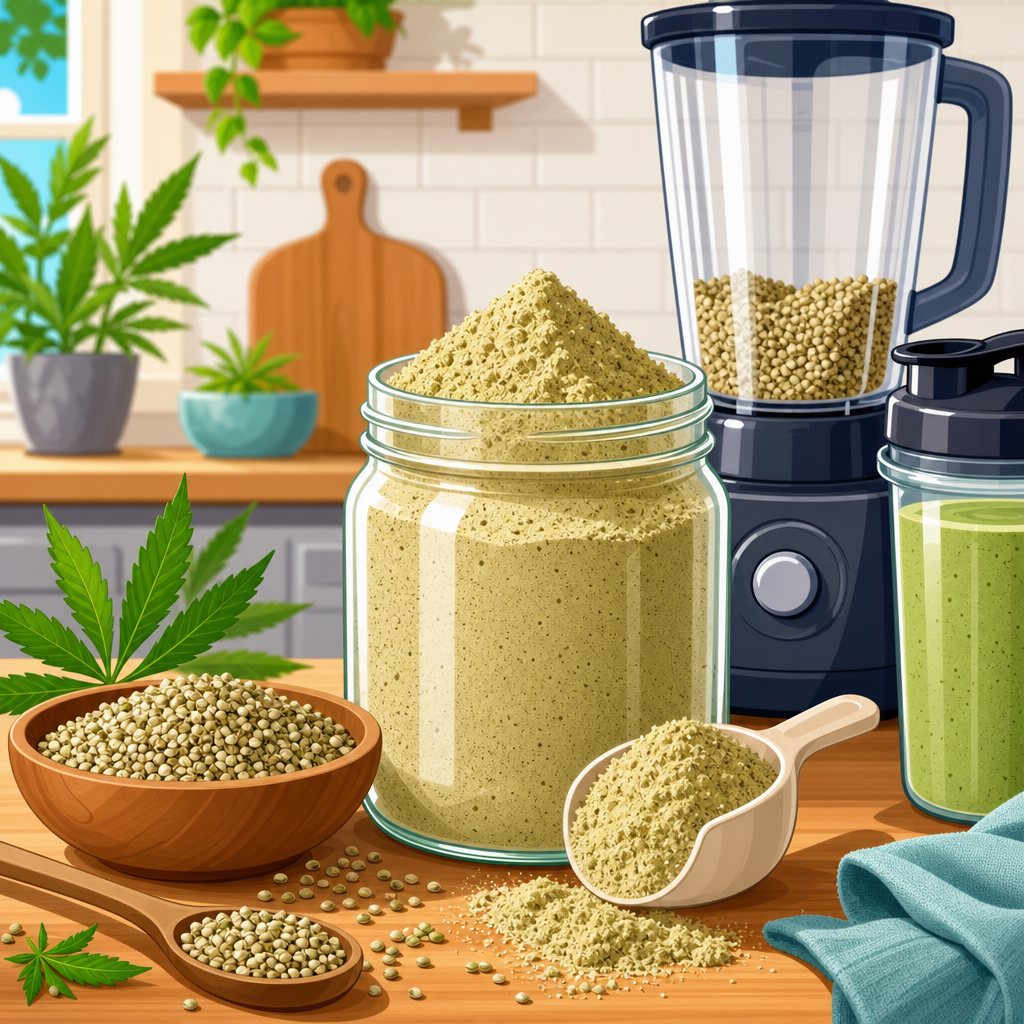
A standard 8- to 12-cup food processor works better than most blenders because wider bowls keep the seeds moving. A high-powered blender can work, but you will need a tamper and frequent scraping, and the batch size usually has to be larger. A rubber spatula, sheet pan for optional toasting, airtight glass jar, and instant-read thermometer are helpful. I recommend starting with room-temperature seeds. Cold seeds process more slowly and can create a thicker, less cooperative mass in the early stages.
Prep affects the final result more than many people expect. Taste your seeds before using them. Fresh hemp hearts smell mild, grassy, and faintly nutty. If they smell paint-like, bitter, or stale, the oils may have oxidized, and the butter will never taste clean. Because hemp is rich in unsaturated fats, freshness is nonnegotiable. If you buy in bulk, store seeds in the refrigerator or freezer and let them come to room temperature before blending.
Step-by-Step Method for Smooth, Stable Hemp Seed Butter
There are two sound methods: raw processing and light toasting first. Raw processing gives the cleanest, greenest hemp flavor. Lightly toasting the seeds at 300 degrees Fahrenheit for 6 to 8 minutes deepens aroma and speeds blending, but overheating can damage flavor and accelerate oxidation. If you toast, spread the seeds in a thin layer, stir once halfway through, and cool them for a few minutes before processing. They should smell fragrant, not browned.
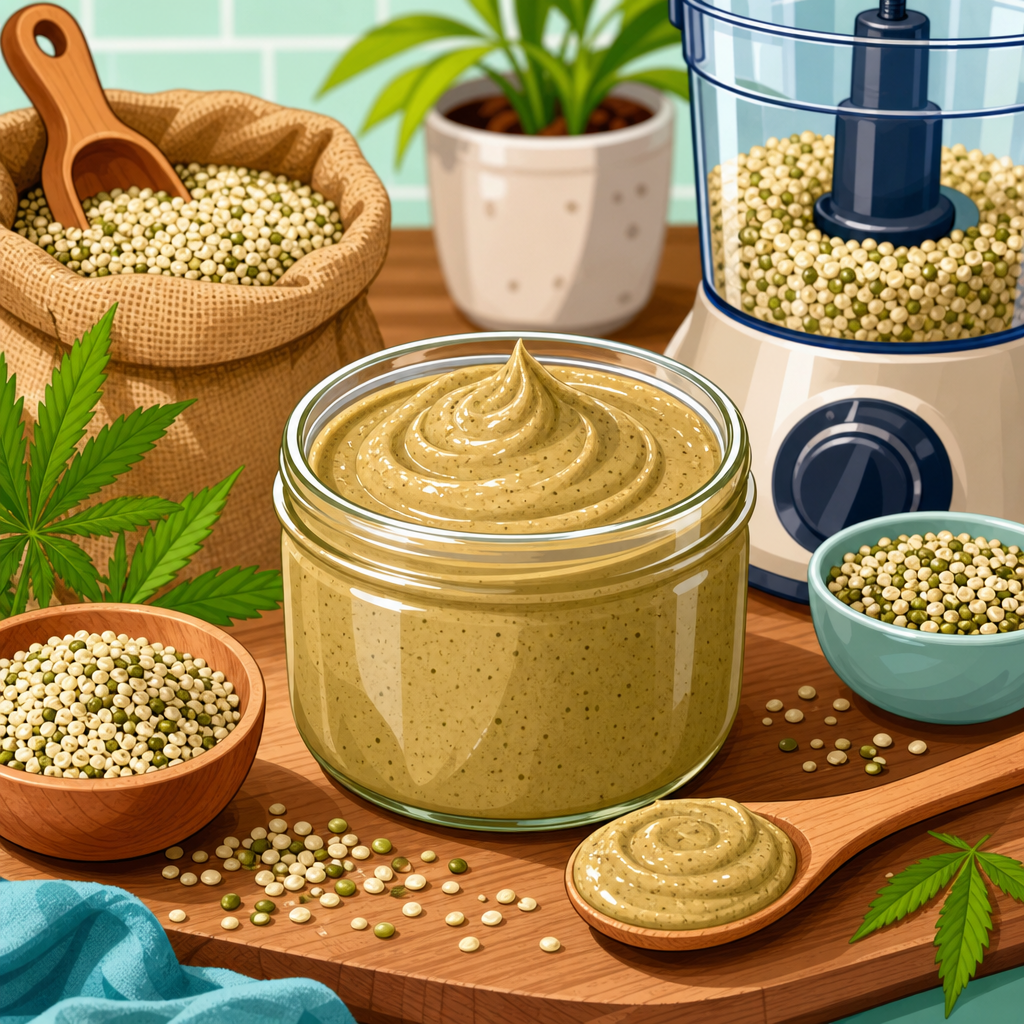
Add the hemp seeds to the food processor and begin on a steady medium-high speed. In the first minute, the seeds turn sandy. Around minutes two to three, they gather into damp clumps. By minutes four to six, the mass thickens, and you will need to scrape the bowl and lid several times. This stage leads many people to think the recipe is failing. It is not. Keep going. As the oils release, the paste loosens into a thicker butter, then gradually becomes smoother and shinier. Depending on the machine, full processing may take 6 to 12 minutes.
If the mixture stalls completely, add 1 teaspoon of oil, process for 30 seconds, and reassess. Add salt only after the butter begins to smooth out, because early additions can stick to the bowl walls instead of distributing evenly. If you want a very silky spread, process until the texture resembles warm tahini. If you prefer a spoonable, slightly grainy butter for oatmeal or baking, stop earlier. During long runs, check temperature. Keeping the butter under about 120 degrees Fahrenheit preserves flavor better and prevents an oily, separated finish.
| Stage | What You See | What To Do |
|---|---|---|
| 1. Ground meal | Dry, coarse, pale green crumbs | Keep blending; scrape once if needed |
| 2. Clumping paste | Heavy mass that rides around the bowl | Stop, scrape sides, restart |
| 3. Thick butter | Duller paste with some shine | Add salt; oil only if movement stops |
| 4. Smooth spread | Glossy, cohesive, spreadable texture | Taste, adjust seasoning, jar while warm |
Once the butter reaches your target texture, taste and adjust. For a classic savory version, add 1/4 to 1/2 teaspoon sea salt. For a lightly sweet breakfast spread, blend in 1 to 2 teaspoons maple syrup and a pinch of cinnamon, then process just until incorporated. Transfer to a clean jar while still warm because it firms slightly as it cools.
Common Problems, Storage, and Food Safety
The most common complaint is gritty texture. Usually, that comes from using whole seeds, stopping too early, or working with a small processor that cannot maintain circulation. The fix is more time, a larger batch, or a stronger machine. If the butter tastes bitter, the seeds were likely old or overheated. If it separates heavily after sitting, that is normal to a point because homemade spreads contain no industrial stabilizers. Stir before use and refrigerate to slow separation.
Storage matters because hemp oil is delicate. Keep finished hemp seed butter in an airtight container in the refrigerator. In my experience, the flavor is best within 2 weeks, though some batches remain acceptable for 3 to 4 weeks if handled carefully and kept cold. Always use a clean spoon to avoid introducing moisture or crumbs that shorten shelf life. Freezing works well for longer storage; portion the butter into small jars or silicone trays and thaw in the refrigerator.
Food safety is straightforward but important. Use clean equipment, dry containers, and fresh seeds from a reputable supplier. Hemp foods sold for eating should come from producers following applicable agricultural and food handling standards, with clear lot information and packaging dates when available. If you notice sour aroma, visible mold, fizzing, or unusual darkening, discard the batch. Because homemade hemp butter contains natural oils and no preservatives, refrigeration is not optional if you want consistent quality.
Flavor Variations and Ways to Use Hemp Butter in DIY Hemp Food Products
Once you know the base method, hemp seed butter becomes a hub ingredient for a wider DIY hemp food products workflow. For savory applications, blend in roasted garlic powder, lemon zest, black pepper, or smoked paprika and thin with warm water for a quick dressing. For sweet uses, add cocoa powder, vanilla, and a small amount of date syrup to make a spread for toast, crepes, or sliced apples. A cinnamon-maple version works especially well swirled into oatmeal. Because hemp has an earthy note, pair it with ingredients that add lift, such as citrus, ginger, or cinnamon, rather than burying it under too much sugar.
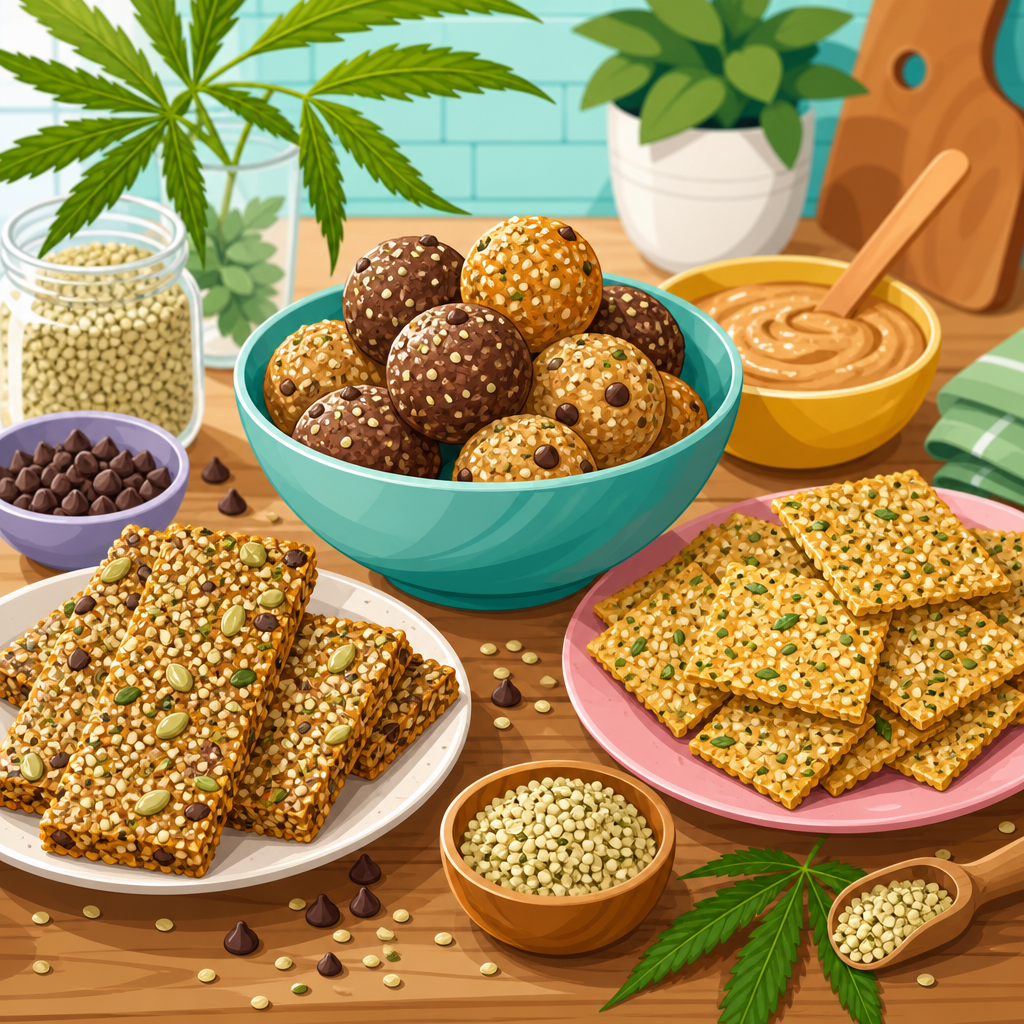
In recipe development, I use hemp butter as a foundation for three categories of homemade hemp foods. First, sauces and dips: whisk it with water, tamari, garlic, and rice vinegar for a noodle sauce similar to sesame dressing. Second, snack recipes: combine it with oats, hemp seeds, chia, and chopped dates to bind no-bake energy bites. Third, bakery applications: replace part of the fat in muffins or quick breads with hemp butter for moisture and nutty flavor. It also enriches smoothies better than loose seeds because the fats are already dispersed, which gives a creamier texture.
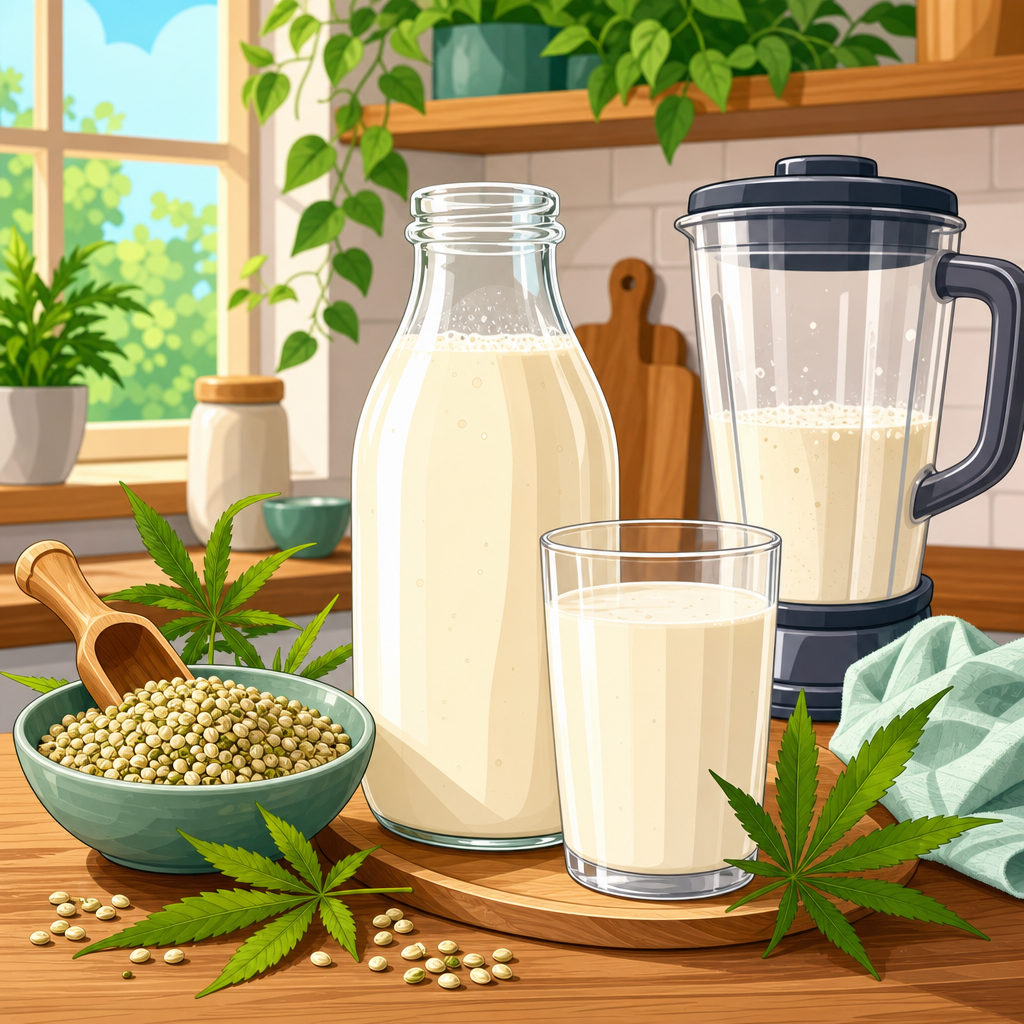
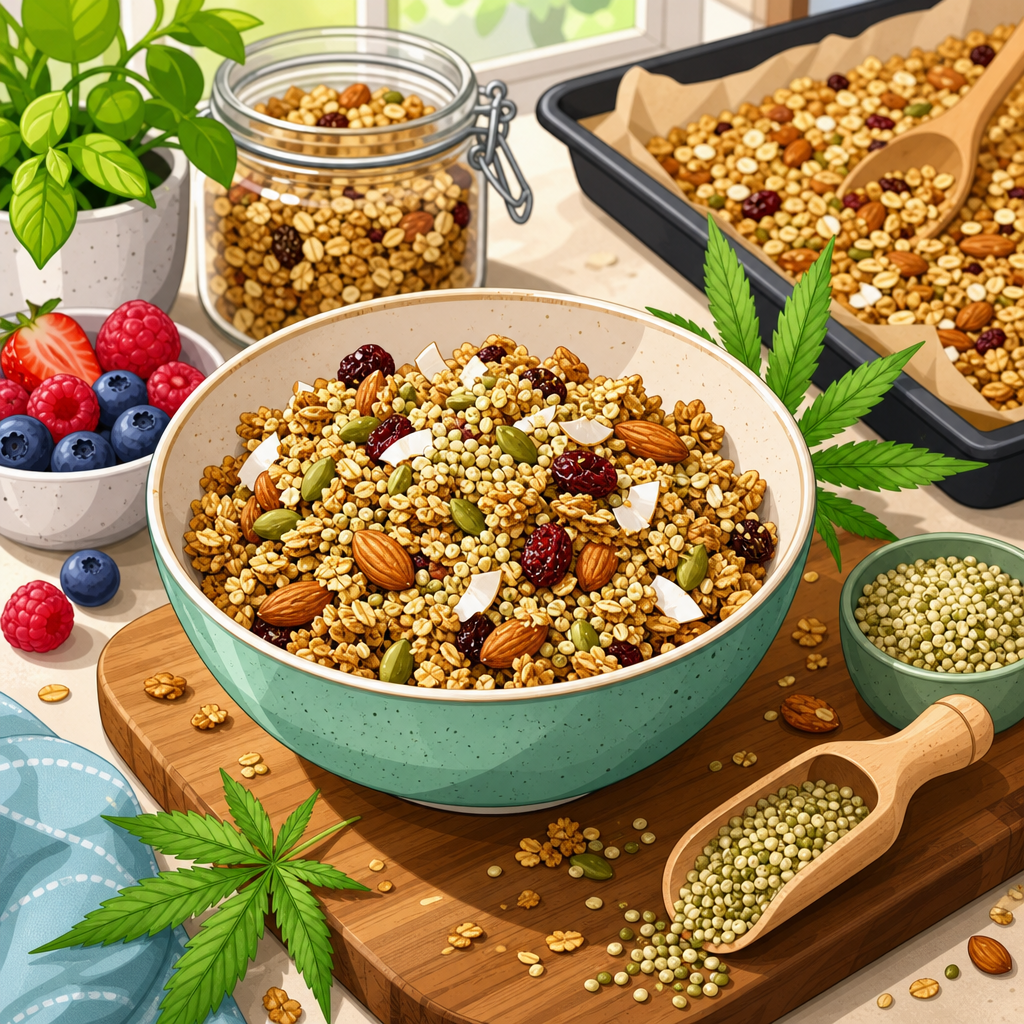
As the hub article for this subtopic, this recipe also points naturally to related projects. If you can make hemp butter, the next logical steps are homemade hemp milk, hemp seed pesto, hemp protein bars, hemp crackers, hemp granola, and hemp salad dressings. The same purchasing rules apply across all of them: buy fresh seeds, protect them from heat and light, and match the recipe to the tool you own. For example, milk requires a blender and straining choice, while granola depends more on low, even oven heat. Understanding one core ingredient deeply makes every other DIY hemp recipe more successful.
How Homemade Hemp Seed Butter Compares With Store-Bought Options
Store-bought hemp seed butter can be excellent, especially when made by brands that keep ingredient lists short and package the product in light-protective containers. The convenience is obvious, and commercial mills often produce a finer texture than home machines. Still, homemade has clear benefits. You can choose organic seeds, adjust roast level, avoid palm oil or added sugars, and make smaller batches that stay fresher. Cost can also favor homemade butter, especially if you buy hemp hearts in bulk. Prices vary by region, but the gap is often meaningful enough to justify a 10-minute blending session.
The tradeoff is consistency. Commercial processors use tighter particle-size control, vacuum systems, and filling equipment that reduce oxidation. At home, batch variation is normal. One jar may be perfectly silky; another may be a little thicker or greener. That is not a defect. It is the expected result of differences in seed moisture, freshness, and machine power. If your goal is a dependable daily spread with no effort, buying a jar makes sense. If your goal is ingredient control, recipe flexibility, and learning how hemp behaves in the kitchen, making your own is the better choice.
DIY hemp seed butter is a practical entry point into homemade hemp foods because it is fast, flexible, and built on repeatable kitchen principles. Start with fresh hulled hemp seeds, use a food processor large enough to keep the mixture moving, and be patient through the clumping stage until the natural oils create a smooth spread. From there, focus on the details that make the difference: light toasting only if you want a deeper flavor, minimal added oil, refrigeration for freshness, and clean handling to protect quality. The payoff is more than one jar of spread. You gain a base ingredient for sauces, snacks, breakfasts, and baking, and you learn techniques that transfer directly to other DIY hemp food products such as hemp milk, dressings, granola, and energy bites. Homemade hemp butter will not behave exactly like industrial nut butter, and that is part of its value. It tastes fresher, reflects your choices, and gives you full control over texture and flavor. Make one batch this week, note what you like, and use that first jar as the starting point for building your own hemp foods kitchen.
Frequently Asked Questions
What exactly is hemp seed butter, and how is it different from other seed or nut butters?
Hemp seed butter is a spread made by grinding hemp seeds until their natural oils are released and the mixture turns into a cohesive paste. In texture and use, it is very similar to peanut butter, almond butter, tahini, or sunflower seed butter, but it has its own distinct character. Hemp seeds are naturally rich in healthy fats, plant-based protein, and minerals, so the finished butter tends to be creamy, nourishing, and slightly earthy in flavor. Depending on whether you use hulled hemp hearts or whole hemp seeds, the taste can range from mild and mellow to more robust and nutty.
One of the main differences is ingredient control. When you make hemp seed butter at home, you can keep it completely plain or customize it with salt, cinnamon, maple syrup, vanilla, cocoa, or a neutral oil for smoother blending. Another difference is texture. Hemp seed butter can be made ultra-smooth for spreading, slightly thick for baking, or looser for use in sauces and dressings. Compared with many store-bought spreads, homemade versions also let you avoid stabilizers, added sugars, and unnecessary fillers. That makes it especially appealing if you want a simple pantry staple that can move easily from toast to smoothies to savory recipes.
Do I need hulled hemp hearts or whole hemp seeds to make homemade hemp seed butter?
Either can work, but hulled hemp hearts are usually the better choice for most home cooks. Because the outer shell has already been removed, hemp hearts blend more easily and produce a smoother, creamier butter with a milder flavor. If your goal is a spreadable butter that feels pleasant on toast, in oatmeal, or in dips, hulled seeds are the most reliable option. They also tend to be easier on blenders and food processors because they break down faster and require less scraping and processing time.
Whole hemp seeds can be used, but they create a more rustic result. The shells add fiber and a stronger, earthier taste, but they also make the butter grittier and less silky. If you choose whole seeds, it helps to use a high-powered machine and expect a longer blending time. Some people prefer the texture for hearty recipes such as energy bites, grain bowls, or seeded crackers, where a little coarseness is welcome. If you are making hemp seed butter for the first time, start with hulled hemp hearts so you can learn how the oils release and how the consistency changes. Once you are comfortable with the process, you can experiment with whole seeds or a blend of both.
Why is my hemp seed butter too thick, dry, or grainy, and how can I fix it?
This is one of the most common issues in homemade seed butter, and it usually comes down to processing time, batch size, or oil balance. Hemp seeds need enough blending time for their natural oils to release fully. Early on, the mixture often looks like meal or damp crumbs, and at that stage it can seem like it will never become butter. Keep going, stopping occasionally to scrape down the sides and give your machine a short rest if it starts heating up. In many cases, a few more minutes of processing is all that is needed for the paste to loosen and turn creamy.
If the mixture still seems too dry, your batch may be too small for the machine to circulate properly, or the seeds may simply need a little help. Add a small amount of neutral oil, hemp seed oil, or even a mild olive oil, starting with a teaspoon at a time. This can dramatically improve movement in the processor and create a smoother finish without diluting the flavor too much. If the butter is grainy, it may also benefit from a quick pre-toast of the seeds, which can encourage oil release and deepen the flavor, though you should toast gently to avoid bitterness. A high-speed blender or a strong food processor will generally give the best texture, but even with standard equipment, patience and incremental adjustments make a big difference.
How should I store homemade hemp seed butter, and how long does it last?
Because homemade hemp seed butter typically does not contain preservatives or commercial stabilizers, proper storage matters. Transfer it to a clean, airtight jar as soon as it is finished, and let it cool completely first if the blending process warmed it up. You can store it at room temperature for a short period if your kitchen is cool and you plan to use it quickly, but refrigeration is the better choice for maintaining freshness and protecting the natural oils. Hemp seeds contain delicate unsaturated fats, and those fats can turn rancid more quickly than heavily processed spreads if left in warm conditions for too long.
In general, refrigerated homemade hemp seed butter keeps best for about one to two weeks, sometimes a little longer if handled carefully and made from very fresh seeds. Always use a clean spoon to prevent contamination, and give it a stir if natural oil separation occurs. Signs that it is past its prime include a sour smell, a sharp or paint-like odor, unusual discoloration, or an unpleasant bitter taste. If you make larger batches, you can freeze portions in small containers and thaw them as needed. This is a practical way to preserve quality while still enjoying the convenience of homemade seed butter on demand.
What are the best ways to use DIY hemp seed butter in everyday cooking and baking?
Homemade hemp seed butter is extremely versatile, which is one reason it is worth making in the first place. At its simplest, you can spread it on toast, swirl it into oatmeal, stir it into yogurt, or blend it into smoothies for extra richness. It also works well as a base for quick sauces and dressings. Mixed with lemon juice, garlic, water, and a pinch of salt, it becomes a creamy drizzle for roasted vegetables, grain bowls, or salads. With soy sauce, ginger, and a touch of sweetener, it can turn into a savory noodle or dipping sauce with very little effort.
In baking, hemp seed butter can often stand in for other nut or seed butters in cookies, bars, muffins, and no-bake snacks, though the flavor is usually a bit more earthy and less sweet than peanut or cashew butter. That makes it especially good in recipes paired with cocoa, dates, cinnamon, banana, or maple syrup. You can also use it to enrich homemade energy bites, protein balls, or snack bars because it helps bind dry ingredients while adding nutrition and moisture. If you want a thinner consistency for sauces or drizzles, whisk in warm water little by little until it loosens. If you want a thicker spread for sandwiches or toast, keep the recipe minimal and avoid adding too much liquid or oil. Its flexibility is one of its biggest strengths, and once you have a jar in the fridge, it becomes easy to work it into both sweet and savory meals.