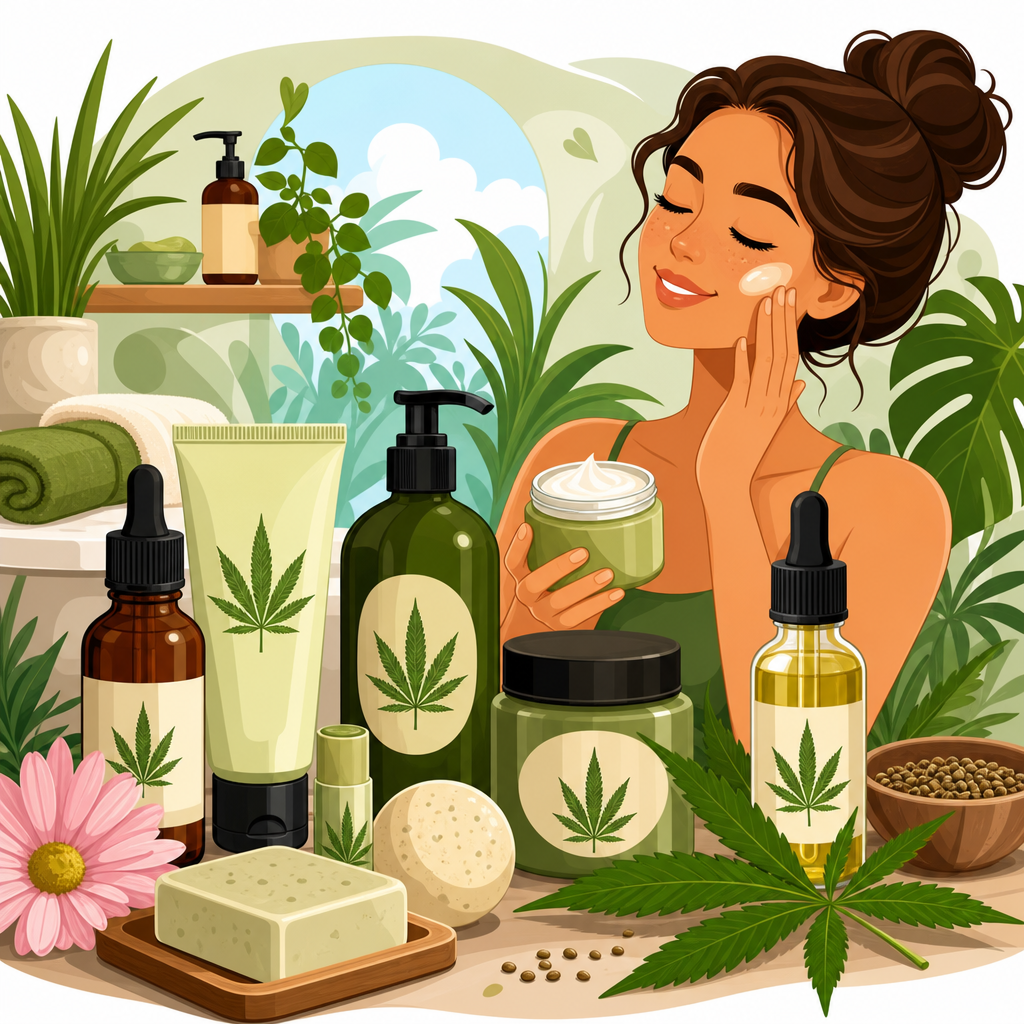
Hemp in personal care has moved from niche shelves to mainstream routines because consumers want effective ingredients, cleaner formulations, and clearer sourcing in the products they use every day. In this context, hemp usually refers to ingredients derived from low-THC Cannabis sativa, especially hemp seed oil, hemp seed extract, hemp protein, and, in some formulas, cannabinoids sourced from legally cultivated hemp. Hemp beauty and personal care products now appear in facial cleansers, moisturizers, lip balms, body lotions, shampoos, scalp treatments, hand creams, bath products, deodorants, and even oral care. The category matters because it sits at the intersection of skincare science, plant-based formulation, sustainability claims, and evolving regulation. After reviewing dozens of formulas and ingredient decks across mass, prestige, and independent brands, I have found that hemp can be genuinely useful, but only when shoppers understand what type of hemp ingredient is present and what it can realistically do.
The first distinction is critical: hemp seed oil is not the same as cannabidiol, and neither term automatically means a product is soothing, noncomedogenic, or superior to standard moisturizers. Hemp seed oil is rich in linoleic acid, alpha-linolenic acid, phytosterols, and vitamin E compounds, which help support the skin barrier and reduce transepidermal water loss. Cannabinoid-containing formulas are marketed more aggressively, yet the actual concentration, delivery system, and legal labeling often vary widely. That gap between marketing and performance is why this topic deserves a practical review hub. People searching for hemp personal care want answers to direct questions: Is hemp good for acne-prone skin? Can it help dry scalp? Is hemp lotion better than shea butter? Which claims are credible? This article answers those questions, explains current trends, and provides a grounded framework for evaluating products before you buy.
What Hemp Ingredients Do in Beauty and Personal Care
In personal care, the most common and most reliable ingredient is hemp seed oil. Formulators prize it for its fatty acid profile, especially linoleic acid, which can help soften rough skin and support a compromised barrier without leaving the heavy occlusive feel some richer oils create. In face oils and lightweight emulsions, hemp seed oil often performs best when paired with humectants such as glycerin or hyaluronic acid and barrier-supportive lipids like ceramides. On its own, it is an emollient, not a complete treatment system. That is an important point because many products imply that hemp is a one-step solution for dehydration, redness, blemishes, or sensitivity. In practice, good formulas use hemp as part of a broader architecture, not as the whole story.
Hemp extract and cannabinoid ingredients are more complicated. Some brands use broad hemp extracts for antioxidant positioning, while others emphasize cannabidiol in serums, balms, and recovery creams. The evidence base for topical cannabinoid use is still developing, and formulation quality matters more than front-label language. I have tested products where hemp appeared prominently in the branding but sat below fragrance in the ingredient list, meaning the formula likely relied on the halo effect of the term rather than meaningful inclusion. A well-made hemp body lotion, by contrast, may list hemp seed oil near the top, combine it with squalane and panthenol, and deliver noticeably better after-shower comfort. The takeaway is simple: hemp can be beneficial, but ingredient type, concentration, and supporting ingredients determine whether a product is merely trendy or actually useful.
Major Trends Shaping the Hemp Beauty Market
Several trends are driving growth in hemp beauty and personal care products. The first is barrier care. As consumers become more educated about skin barrier function, brands are positioning hemp seed oil as a replenishing lipid source for dry, tight, or over-exfoliated skin. This aligns with broader demand for microbiome-friendly, fragrance-free, and minimalist products. The second trend is scalp wellness. Hemp shampoos, scalp oils, and pre-wash treatments are increasingly marketed for dryness, flaking, and irritation. The strongest products in this segment do not rely on hemp alone; they pair it with salicylic acid for scale removal, niacinamide for balance, or soothing agents such as bisabolol and allantoin.
A third trend is recovery-focused body care. Sports balms, post-shower lotions, foot creams, and hand salves often use hemp branding to signal comfort and restoration. This is especially common in products aimed at people who wash hands frequently, spend time outdoors, or want richer overnight repair. Sustainability is another major theme. Hemp cultivation is often promoted as relatively resource-efficient, and brands use that narrative to support refillable packaging, vegan formulas, and simpler ingredient decks. Some claims are fair, but shoppers should still look for specifics such as third-party testing, source transparency, and responsible packaging choices rather than broad eco language. Finally, premiumization is changing the category. What started as earthy, wellness-adjacent merchandising now includes elegant textures, dermatology-informed positioning, and high-end sensory design, making hemp products more competitive with established skincare lines.
How to Evaluate Hemp Products Before You Buy
The fastest way to judge a hemp personal care product is to read the ingredient list with a purpose. Start by identifying the exact hemp ingredient. Cannabis sativa seed oil indicates hemp seed oil, which is usually the most straightforward and practical inclusion. Cannabis sativa seed extract or hemp extract may offer antioxidant benefits, but the functional role can be less clear without concentration disclosure. If a product highlights cannabidiol, verify whether the brand states the amount used, the extract type, and whether it provides batch-level testing. Then assess the rest of the formula. For dry skin, look for glycerin, ceramides, shea butter, squalane, dimethicone, panthenol, and cholesterol. For oily or blemish-prone skin, lighter emulsions with niacinamide, zinc PCA, or gentle exfoliants often make more sense than dense balm textures.
Packaging also matters. Hemp seed oil contains unsaturated fatty acids and can oxidize more readily than more stable emollients, so airless pumps or opaque squeeze tubes are usually better than wide-mouth jars. Fragrance level is another practical filter. Many hemp products lean into herbal or essential-oil-heavy profiles, which can be pleasant but unsuitable for sensitive skin. Price should be evaluated against formula design, not branding. I have seen excellent hemp hand creams under fifteen dollars and underwhelming face oils above sixty. The best review process is comparative: check active ingredients, package type, size, and intended use. If claims involve eczema, psoriasis, acne treatment, or pain relief, be cautious. Cosmetic products can support comfort and hydration, but they should not be treated as substitutes for medical care or regulated drug claims.
Best Hemp Beauty and Personal Care Categories
Some product types showcase hemp better than others. Body lotions and hand creams are the category’s strongest performers because hemp seed oil integrates naturally into emollient-rich formulas and delivers immediate softness without an overly greasy finish. Lip balms are another good fit, especially when hemp is combined with occlusives such as beeswax or plant waxes and soothing ingredients like tocopherol. Facial moisturizers can be excellent if they are well balanced, but face oils are more variable. Pure hemp seed oil may suit some users, yet many people get better results from blended oils or emulsions that include humectants and barrier-supportive lipids.
Hair and scalp care is promising, though inconsistent. Hemp shampoos often use the ingredient more for branding than performance because rinse-off products limit contact time. Leave-in scalp serums, masks, and conditioners usually offer more noticeable benefit. Cleansers and bath products can be enjoyable, but the case for hemp is weaker there unless the full formula is notably mild and moisturizing. Deodorants and oral care products exist, but these remain more novelty-driven than category-defining. When I review the market broadly, the top-value hemp products tend to be everyday moisturizers, hand repair formulas, body butters, and scalp treatments that use hemp as one supportive component in a sensible, evidence-aligned formula.
| Product Category | How Hemp Helps | What to Look For | Common Limitation |
|---|---|---|---|
| Body lotion | Softens skin and supports barrier comfort | Glycerin, ceramides, squalane, pump packaging | Can feel basic if hemp is only a marketing add-on |
| Hand cream | Reduces roughness from frequent washing | Dimethicone, shea butter, panthenol, fragrance-free options | Heavy scents may irritate sensitive skin |
| Face moisturizer | Light emollience for dry or balanced skin | Niacinamide, ceramides, nonjar packaging | Not automatically suitable for acne-prone users |
| Scalp treatment | Helps dry-feeling scalp feel calmer and conditioned | Leave-in format, salicylic acid, bisabolol | Cannot replace dandruff medication when needed |
Reviews and Buying Guidance by Skin and Hair Need
For dry skin, the best hemp products are creams and lotions that combine hemp seed oil with humectants and occlusives. A strong formula absorbs quickly, reduces ashiness, and leaves skin comfortable for most of the day. Products that pair hemp with glycerin, petrolatum, or shea butter usually outperform thin, botanical-only lotions. For sensitive skin, simpler is better. I consistently rate fragrance-free or low-fragrance hemp moisturizers higher because they let the emollient system work without adding a common irritant burden. If redness is a concern, ingredients such as colloidal oatmeal, allantoin, panthenol, and bisabolol are more reliable indicators of soothing performance than hemp branding alone.
For acne-prone or combination skin, the key is texture and full formula composition. Hemp seed oil is often described as lightweight, but that does not mean every hemp moisturizer is appropriate for breakout-prone users. Gel-creams and light emulsions with niacinamide tend to perform better than richer balms. For mature skin, hemp can be a helpful support ingredient in richer moisturizers, neck creams, and overnight masks, especially when combined with peptides, ceramides, or retinoid-compatible barrier ingredients. In hair care, dry scalp users should focus on pre-wash or leave-in treatments, not just shampoos. If flakes are persistent and oily, a medicated dandruff product remains the better first line. Hemp may improve feel and comfort, but it does not replace active antifungal ingredients where those are clinically indicated.
Regulation, Labeling, and Trust Signals
Regulation is one of the most misunderstood parts of hemp beauty. Legal definitions depend on jurisdiction, product type, and ingredient source, and brands do not always explain the difference clearly. In cosmetics, compliant labeling should identify the ingredient using standardized nomenclature and avoid unsupported drug-like claims. Trustworthy brands usually provide certificates of analysis, origin details, and clear statements about THC limits where relevant. They also separate skincare benefits from broader wellness language. If a brand implies that a topical hemp cream can diagnose, treat, or cure a medical condition, that is a red flag, not a sign of innovation.
Third-party testing, transparent sourcing, and batch consistency are especially important for cannabinoid-adjacent products. Reputable manufacturers use stability testing, microbial testing, and packaging compatibility studies because plant-derived ingredients can vary more than synthetic standards. Good customer support also matters. When I assess trust signals, I look for published FAQ pages, ingredient rationale, contact access, and realistic instructions for use. Reviews are useful, but they need context. A five-star rating means little if it reflects scent preference rather than long-term performance. The strongest hemp personal care brands behave like disciplined formulators, not trend merchants. They explain what the product is for, who should use it, how often to apply it, and what limits to expect.
The Outlook for Hemp in Personal Care
Hemp beauty and personal care products are no longer a novelty category, but they are also not a miracle category. The most durable trend is practical formulation: using hemp seed oil and related ingredients where they genuinely improve skin feel, barrier support, and product identity. The weakest trend is inflated branding that treats the word hemp as proof of efficacy. If you approach this market with a label-reading mindset, you can find excellent daily-use products, particularly in body care, hand care, lip care, and selected scalp treatments. If you rely on packaging promises alone, you will likely overpay for ordinary formulas.
As this hemp beauty and personal care hub grows, use it as your starting point for deeper reviews of specific formats, ingredients, and brands. Focus on the exact hemp ingredient, the complete formula, the packaging, and the credibility of claims. That approach consistently leads to better purchases and better results. Explore related guides on hemp lotions, hemp skincare, hemp shampoos, and hemp balms to build a routine that is grounded in performance rather than hype.
Frequently Asked Questions
1. What does “hemp” usually mean in personal care products?
In personal care, “hemp” most often refers to ingredients derived from low-THC varieties of Cannabis sativa, especially hemp seed oil, hemp seed extract, hemp protein, and in some cases cannabinoids sourced from legally cultivated hemp. The most common ingredient consumers encounter is hemp seed oil, which is prized for its lightweight feel and its naturally occurring fatty acids, including omega-3 and omega-6. These components help support the skin barrier and can make products feel nourishing without being overly heavy.
It is also important to understand that not every hemp product is the same. Hemp seed oil is different from cannabinoid-rich extracts, and both are different from marijuana-derived ingredients. In most mainstream beauty and personal care formulas, hemp is included for skin-conditioning, moisturizing, soothing, or texture-enhancing benefits rather than for any intoxicating effect. Reputable brands usually make the ingredient type clear on the label, so it is worth checking whether a product contains hemp seed oil, hemp extract, or a specific cannabinoid ingredient if that distinction matters to you.
2. Why has hemp become such a popular ingredient in beauty and personal care?
Hemp has gained traction because it aligns with several major consumer priorities at the same time. People increasingly want products that feel effective, ingredient-conscious, and transparently sourced. Hemp fits well into that demand because it has a strong natural-origin story, broad formulation versatility, and visible skin-care benefits in many product types. Brands can use hemp in cleansers, moisturizers, body lotions, lip care, scalp products, bath products, and even beard and hand care, which makes it a practical ingredient across the personal care category.
Another reason for its popularity is sensory performance. Hemp seed oil is known for being emollient yet relatively light, so it can help skin feel softer and smoother without the greasy finish some heavier oils leave behind. That has made it attractive in modern formulations that aim to balance comfort with everyday wearability. In reviews, consumers often respond positively when a hemp-based product feels calming, absorbs well, and supports dry or stressed skin without overwhelming fragrance or residue.
There is also a market trend factor. Hemp has benefited from broader interest in plant-based wellness, simplified routines, and “cleaner” product positioning. While those phrases can mean different things from brand to brand, the larger pattern is clear: consumers are paying more attention to ingredient lists, product origin, and overall formulation philosophy. Hemp gives brands a way to speak to all three, especially when they pair it with straightforward labeling, third-party testing, and a clear explanation of what the ingredient is actually doing in the formula.
3. What kinds of personal care products commonly use hemp ingredients?
Hemp ingredients now appear across a wide range of personal care categories, far beyond the early niche products that first brought them to market. In facial care, hemp is commonly found in cleansers, moisturizers, facial oils, masks, and serums designed to support hydration and skin comfort. In body care, it appears in lotions, creams, body butters, hand creams, and bath products where its conditioning qualities can help relieve the feeling of dryness. Lip balms and salves also frequently use hemp seed oil because it blends well with waxes and other emollients.
Hair and scalp care is another growing area. Hemp-derived ingredients may be included in shampoos, conditioners, scalp treatments, and styling products intended to improve softness, manageability, or moisture balance. In some formulas, hemp protein is used to support the feel and appearance of hair, while oils and extracts may be chosen for smoothing and conditioning benefits. Men’s grooming products, including beard oils, aftershaves, and shaving creams, also often use hemp because it fits well with both skin-soothing claims and natural-leaning brand aesthetics.
When reading reviews, product performance still matters more than the ingredient trend itself. A hemp lotion may be well liked because it absorbs quickly and helps with rough elbows or hands. A hemp cleanser may stand out because it cleans without stripping. A hemp lip balm may win repeat buyers because it stays comfortable longer than standard formulas. In other words, hemp can be a valuable ingredient, but strong reviews usually come from the full formulation, not from the hemp content alone.
4. How can you evaluate hemp personal care products before buying them?
The best way to evaluate a hemp personal care product is to start with the ingredient list, then look at the brand’s sourcing and testing practices, and finally compare customer reviews for real-world performance. First, identify what type of hemp ingredient is actually included. If hemp seed oil appears high on the ingredient list, it is likely playing a meaningful role in the formula. If it appears near the end, it may be included in a smaller amount. The same principle applies to hemp extract or cannabinoid ingredients. Understanding that placement helps set expectations and keeps marketing claims in perspective.
Next, consider the overall formulation. Hemp works best when it is part of a thoughtfully designed product rather than the only selling point. Look for supporting ingredients that match your needs, such as ceramides and glycerin for barrier support, hyaluronic acid for hydration, or fragrance-free and low-irritant choices for sensitive skin. Also pay attention to whether the brand clearly explains where its hemp comes from, whether it uses third-party testing, and whether it provides batch-level transparency when relevant. Those details often signal a more reliable and consumer-focused product.
Reviews can also be especially useful, but they should be read strategically. Look for comments about texture, absorption, scent, residue, compatibility with makeup or sunscreen, and how the product performs after a few weeks of use. Reviews that mention skin type are often more helpful than generic praise. For example, if you have dry or reactive skin, feedback from people with similar concerns may tell you more than a simple five-star rating. The most trustworthy reviews tend to describe both the pros and the limitations of a product, which gives you a more realistic sense of whether it belongs in your routine.
5. Are hemp personal care products suitable for everyone?
Hemp personal care products can be suitable for many people, but they are not automatically the best choice for every skin type, concern, or preference. Much depends on the specific ingredient used and the rest of the formula. Hemp seed oil is often appreciated by people who want lightweight nourishment and a softer skin feel, especially in products for dry or combination skin. At the same time, individual responses can vary, and a product with hemp can still be too rich, too fragranced, or too active depending on what else is included.
For that reason, it is smart to approach hemp products the same way you would evaluate any skincare or body care item. Check for known irritants, review the full ingredient list, and patch test if you have sensitive or reactive skin. If you are acne-prone, look for formulas designed for your skin type rather than assuming every hemp-based oil or cream will perform the same way. If you are fragrance-sensitive, choose unscented or low-fragrance options. And if you are interested specifically in cannabinoid-containing formulas, confirm that the brand clearly discloses ingredient details and follows legal and testing standards.
Overall, hemp has earned its place in personal care because it offers real formulation benefits and fits current consumer expectations around transparency and plant-based ingredients. But the most effective approach is still a practical one: choose products based on your skin goals, read labels carefully, and rely on credible reviews and brand transparency rather than trend appeal alone. When used that way, hemp personal care products can be a strong addition to a well-informed routine.