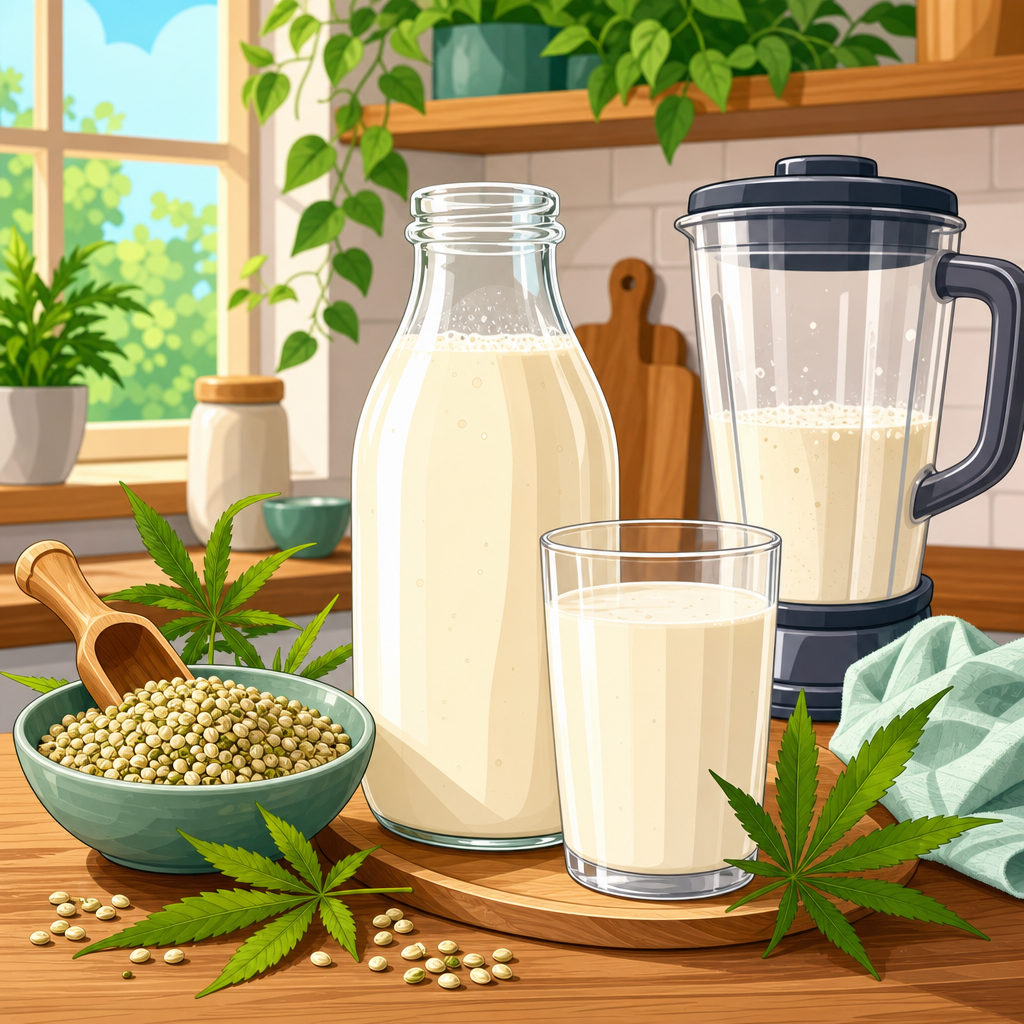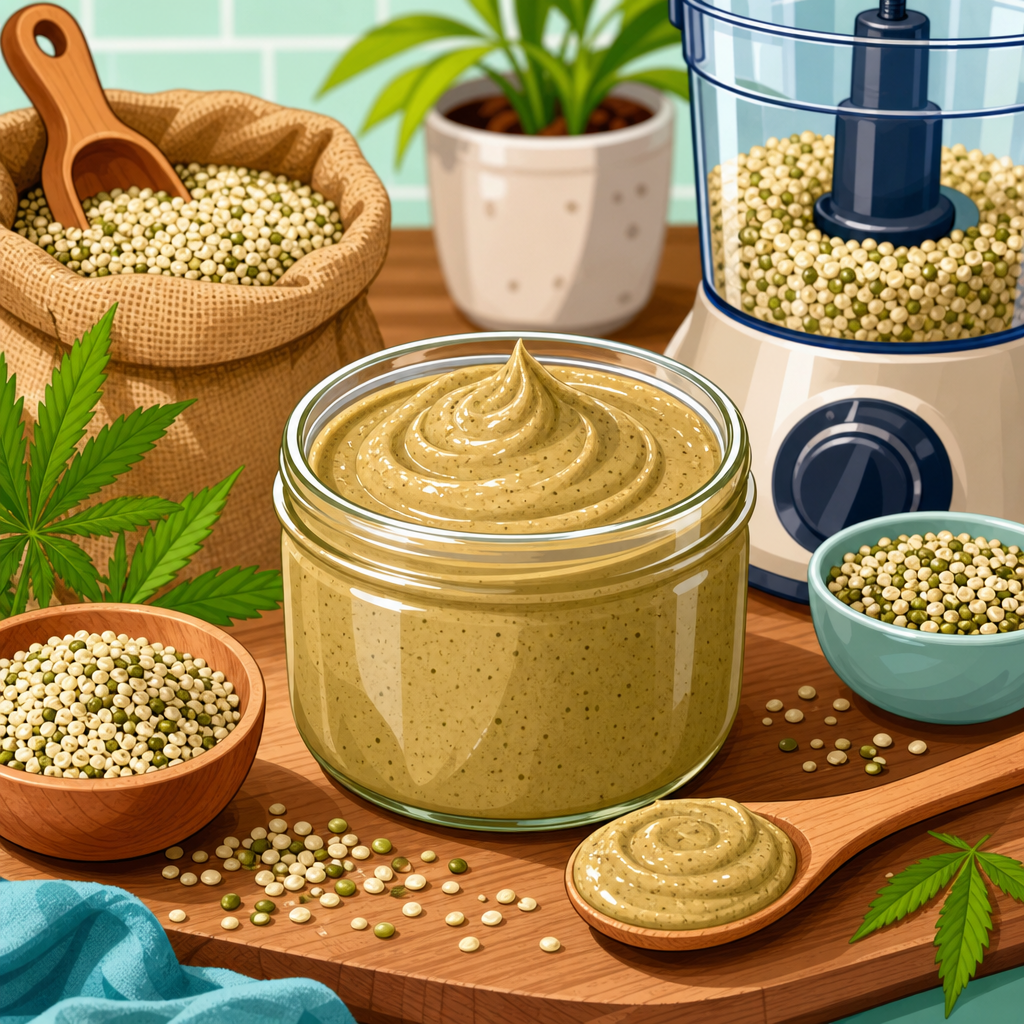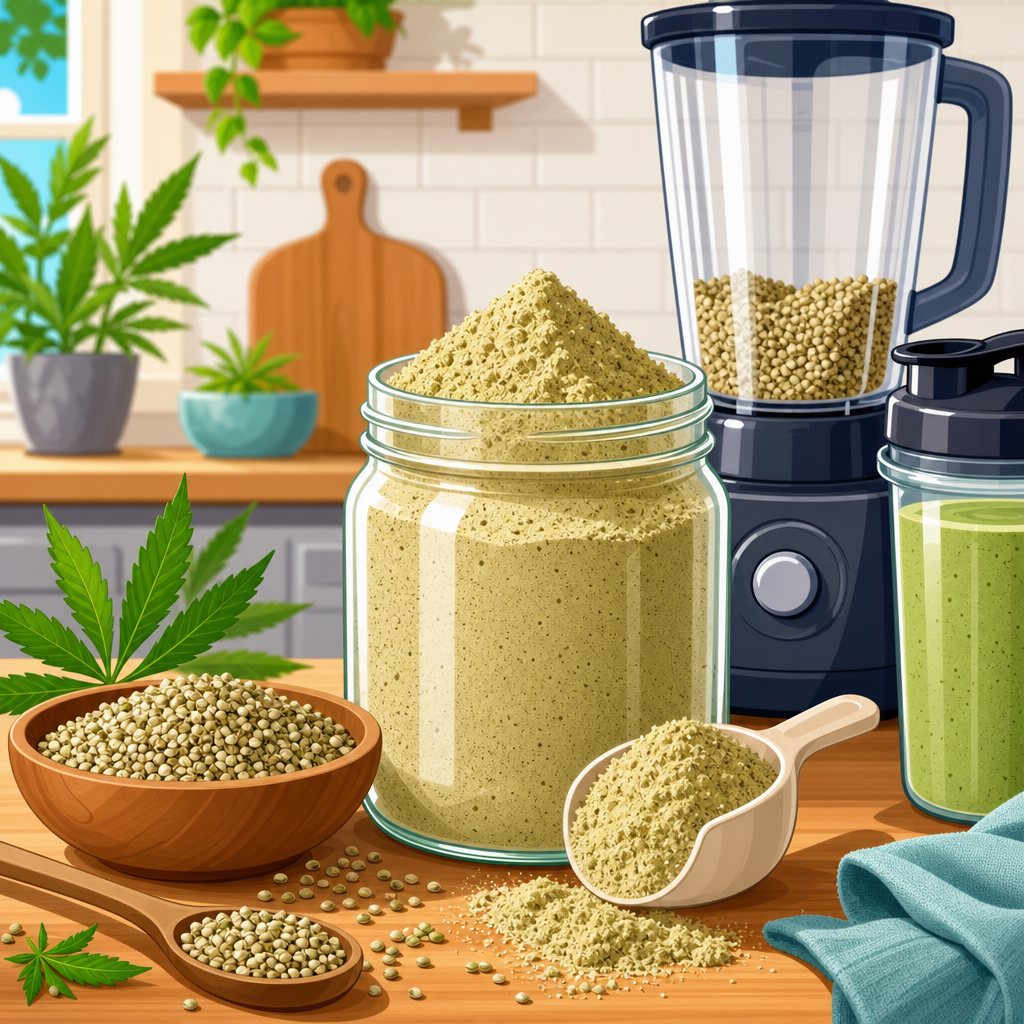
Hemp smoothies are one of the easiest, most practical ways to bring hemp into everyday nutrition, and after testing recipes for breakfast service, post-workout recovery, and low-sugar meal prep, I’ve found they work best when you understand exactly which hemp ingredient you are using and why. In beverages, “hemp” usually refers to food-grade ingredients made from the seeds of Cannabis sativa, not intoxicating marijuana products. The most common options are hemp hearts, hemp protein powder, and hemp milk, each with different texture, flavor, and nutrition profiles. Hemp hearts are soft shelled seeds with a mild nutty taste and a strong balance of fat and protein. Hemp protein powder is more concentrated, earthier, and better suited to filling smoothies. Hemp milk is a dairy-free liquid base that blends cleanly and supports lighter recipes. For anyone researching hemp in beverages, smoothies are the central use case because they show how taste, nutrition, digestibility, and convenience come together in one glass.
Learning how to make your own hemp smoothies matters because the category is often oversimplified. Many store-bought drinks use “hemp” as a label appeal while delivering little protein, too much sugar, or poor texture. A homemade hemp smoothie lets you control serving size, sweetness, calories, fiber, and ingredient quality. It also gives you a reliable entry point into the broader hemp beverage market, which now includes bottled shakes, barista-style hemp drinks, and powdered mixes. Hemp ingredients are naturally rich in polyunsaturated fats, especially omega-6 linoleic acid and omega-3 alpha-linolenic acid, and hemp seeds also provide magnesium, iron, and complete protein containing all nine essential amino acids. That does not make every hemp smoothie automatically healthy, but it does make hemp a versatile base when paired with fruit, vegetables, yogurt, oats, cocoa, or nut butters.
This hub article covers hemp in beverages comprehensively by focusing on the questions people actually ask: What kind of hemp should go into a smoothie? How much should you use? What combinations taste best? Can hemp smoothies replace a meal, support training, or fit a low-sugar routine? The answers depend on recipe structure, not marketing language. Good hemp smoothies follow a simple formula: liquid, hemp ingredient, produce, optional thickener, optional flavor booster, and a balancing element such as acidity, sweetness, or salt. Once you know that framework, you can build recipes consistently instead of hoping random ingredients blend into something drinkable. That matters for beginners and for experienced home cooks alike, because hemp has a distinct profile that rewards careful pairing.
Understanding Hemp Ingredients for Smoothies
The first step is choosing the right hemp form. Hemp hearts are the most forgiving ingredient for homemade smoothies because they blend smoothly, add creaminess, and contribute both fat and protein without a gritty finish. A typical three-tablespoon serving provides roughly 10 grams of protein and substantial unsaturated fat, which helps a smoothie feel satisfying. Hemp protein powder usually contains more protein per serving, often around 15 grams or more depending on the brand, but it can taste grassy or dry if the recipe lacks enough fruit, fat, or liquid. Hemp milk is useful when you want a lighter beverage or need a dairy-free base, though many commercial versions are lower in protein than soy milk unless they are specifically fortified.
When I formulate hemp smoothies, I treat these ingredients differently. Hemp hearts are a whole-food add-in, hemp protein is a structure ingredient, and hemp milk is a base. That distinction prevents common mistakes. If someone wants a creamy breakfast smoothie, hemp hearts plus Greek yogurt usually work better than protein powder alone. If the goal is post-exercise protein, hemp protein powder can carry the recipe, but it benefits from banana, berries, or cocoa to round out flavor. If the goal is a lower-calorie fruit smoothie, hemp milk can replace almond milk while adding a mild nutty note. Reading labels matters because unsweetened and sweetened versions vary dramatically in calories, sugar, and fortification.
Another point worth clarifying is the difference between food hemp and cannabinoid products. Smoothie recipes in mainstream nutrition typically use hulled hemp seeds, hemp protein, or hemp milk. They are valued for macronutrients and minerals, not for intoxicating effects. Some consumers also ask about adding CBD oil to smoothies. While that is a separate product category and can appear in beverages, it should not be confused with standard culinary hemp ingredients. If included, dosage, local regulations, third-party testing, and product quality become important considerations. For a reliable homemade smoothie routine, seed-based hemp products are the foundation because they are stable, legal in many markets, and nutritionally straightforward.
The Basic Formula for a Balanced Hemp Smoothie
A balanced hemp smoothie follows a repeatable ratio. Start with 8 to 12 ounces of liquid, then add one primary hemp ingredient, one to two cups of fruit or vegetables, and one optional thickener such as oats, yogurt, avocado, or chia. Finally, adjust flavor with spices, cocoa, vanilla, citrus juice, ginger, or a small amount of maple syrup or dates if needed. In practical use, this means a beginner recipe might combine unsweetened hemp milk, frozen banana, berries, hemp hearts, plain yogurt, and cinnamon. That recipe works because each piece has a job: the milk blends, the banana thickens, the berries brighten, the hemp hearts enrich, and the yogurt adds body and tang.
Texture is where most homemade smoothies succeed or fail. Hemp protein absorbs liquid fast, so under-hydrated recipes become chalky. Hemp hearts create a silkier result, but they still need enough fluid to blend completely. Frozen fruit improves mouthfeel and temperature without watering the drink down the way ice often does. For thicker smoothies, use frozen banana, mango, or avocado before adding extra powder. For thinner smoothies, increase liquid gradually instead of all at once. In testing, the best method is to blend liquid and hemp first for a few seconds, then add frozen ingredients. That creates a smoother emulsion and reduces seed flecks or powder clumps around the jar walls.
Flavor balance matters just as much as nutrition. Hemp has a gentle but noticeable nutty, earthy taste. It pairs especially well with banana, cocoa, coffee, date, cinnamon, pumpkin, berry, and stone fruit. It is less forgiving with delicate flavors unless the ratio is kept modest. If a smoothie tastes flat, the fix is often acidity, not more sweetener. A squeeze of lemon in a berry hemp smoothie or a pinch of salt in a chocolate hemp smoothie can make the entire drink taste more complete. These small adjustments are standard culinary techniques, and they are often what separate a bland “healthy” smoothie from one you will actually make again.
Best Ingredient Combinations and What They Do
The easiest way to master hemp in beverages is to build around proven combinations. Banana and hemp are the classic starting point because banana softens earthy notes and provides body. Berry and hemp is the most dependable antioxidant-focused pairing, especially with blueberries, strawberries, or cherries. Cocoa and hemp create a rich profile that works well with hemp protein powder because chocolate masks bitterness. Mango and pineapple can brighten hemp milk smoothies, though they often need lime or ginger to avoid tasting one-dimensional. Coffee, hemp protein, and cocoa also work well together for a breakfast shake that leans closer to a mocha than a typical fruit smoothie.
| Style | Core Ingredients | Why It Works | Best Use |
|---|---|---|---|
| Berry Breakfast | Hemp hearts, blueberries, banana, Greek yogurt, hemp milk | Balanced protein, creaminess, and acidity | Morning meal |
| Chocolate Recovery | Hemp protein, cocoa, frozen banana, peanut butter, soy milk | Higher protein with strong flavor masking | Post-workout |
| Green Everyday | Hemp hearts, spinach, mango, lemon, cucumber, hemp milk | Fresh taste with mild sweetness and minerals | Light lunch |
| Low-Sugar Cinnamon | Hemp hearts, avocado, cinnamon, plain yogurt, ice, vanilla | Creamy texture without relying on sweet fruit | Lower-carb routine |
Each combination can be tuned to a specific goal. For satiety, include fat and fiber with hemp hearts, oats, chia, or yogurt. For higher protein, use hemp protein powder with soy milk or strained yogurt. For a lighter smoothie, keep fruit portions moderate and skip heavy nut butters. If you want a more meal-like beverage, add complex carbohydrate sources such as oats or cooked cooled sweet potato. These adjustments matter because “healthy smoothie” is too broad to be useful. A smoothie for endurance training should not be built the same way as one for office breakfast or afternoon appetite control.
Nutrition, Benefits, and Realistic Limitations
Hemp smoothies can support a strong diet because hemp seeds deliver complete protein, unsaturated fat, and key minerals in a compact serving. They are especially useful for people who want plant-based protein without relying exclusively on soy or pea. The fats in hemp seeds are one reason smoothies made with hemp hearts feel satisfying for longer than fruit-only blends. Magnesium contributes to normal muscle and nerve function, while iron supports oxygen transport. Fiber content varies by product, with hemp hearts containing less fiber than hemp protein powder because much of the hull is removed. This is why a smoothie made with hemp hearts may still benefit from berries, oats, flax, or greens.
At the same time, hemp smoothies are not magic. They do not compensate for an unbalanced diet, and they can become calorie-dense quickly if you stack hemp, nut butter, sweetened milk, juice, and large servings of fruit. People trying hemp for digestive support should also increase portions gradually. Some tolerate hemp hearts easily but find concentrated powders heavier. Protein quality is good, but plant proteins can digest differently from dairy proteins, so recipe testing matters if performance nutrition is the goal. For allergies, hemp is not one of the major allergens in many labeling systems, yet cross-contact and individual sensitivity are still possible. Reputable brands, clear labels, and freshness checks matter because fats in seeds can oxidize over time.
Common Mistakes and How to Fix Them
The most common mistake is using too much hemp protein powder too soon. More powder does not automatically mean a better smoothie. It usually means a thicker, drier, more bitter drink unless the rest of the formula is adjusted. Start with the manufacturer’s serving suggestion and build from there. Another mistake is combining hemp with watery fruit and too much ice, which creates a thin smoothie with separated grit. Frozen banana, yogurt, or avocado solve that problem more effectively than extra powder. I also see many people skip seasoning entirely. A quarter teaspoon of cinnamon, a splash of vanilla, a pinch of salt, or a teaspoon of lemon juice can transform a recipe.
Storage is another issue. Smoothies are best consumed soon after blending, especially those with fresh fruit and unsaturated fats. If you need make-ahead options, refrigerate in a sealed jar and shake well before drinking, ideally within 24 hours. For meal prep, portion dry ingredients in advance and freeze fruit in single-serve bags so blending takes less than two minutes. Clean your blender promptly, because hemp residue can cling to seals and develop stale odors. Finally, buy hemp products in quantities you will actually use. Freshness is not a minor detail; it directly affects taste. Good hemp tastes mild and nutty. Old hemp tastes flat, bitter, or paint-like, and no recipe trick fully fixes that.
How Hemp Smoothies Fit the Wider Beverage Category
As a hub topic, hemp in beverages extends beyond smoothies into shakes, ready-to-drink meal replacements, coffee add-ins, and dairy-free alternatives. Smoothies matter most because they teach the core principles that apply across the category: choose the right hemp format, balance texture, and match flavor intensity. Once you understand that, evaluating packaged hemp beverages becomes easier. Look for protein per serving, added sugar, fiber, fortification, fat source, and ingredient order. A bottled hemp beverage can be convenient, but many are closer to flavored plant milk than to a complete smoothie. Others use stabilizers and gums for shelf life, which is not automatically bad, but it changes mouthfeel compared with a homemade blend.
This is why homemade hemp smoothies remain the best entry point for most people exploring hemp products and reviews. They are inexpensive relative to buying premium ready-to-drink products, they let you compare hemp hearts against hemp protein directly, and they reveal which flavor families you actually enjoy. Start with one dependable recipe, keep notes, and adjust one variable at a time. If you want to explore hemp in beverages seriously, that process will teach you more than any label claim. Make one smoothie this week using a clear formula, taste critically, and refine it until it becomes part of your regular routine.
Frequently Asked Questions
What hemp ingredients can you use in a smoothie, and how do they differ?
When people talk about adding hemp to a smoothie, they are usually referring to food-grade hemp seed ingredients rather than anything intoxicating. The most common choices are hemp hearts, hemp protein powder, and hemp milk. Hemp hearts are shelled hemp seeds, and they are often the easiest starting point because they blend smoothly, add a mild nutty flavor, and contribute healthy fats, plant protein, and minerals without making the drink overly thick. They work especially well in breakfast smoothies, fruit-based blends, and simple recipes where you want nutrition without a strong aftertaste.
Hemp protein powder is more concentrated and is typically made after oil is pressed from the seeds. It has a more earthy flavor and a slightly grittier texture than hemp hearts, but it is useful when you want a bigger protein boost, such as in post-workout smoothies or meal-prep recipes designed to be more filling. Because it absorbs liquid quickly, it helps create a thicker shake-like consistency. Hemp milk, on the other hand, is a beverage base rather than a protein booster. It is a practical dairy-free option for blending and can be used alone or alongside hemp hearts or protein powder to build a smoothie with a more complete hemp profile.
The best choice depends on your goal. If you want creaminess and a mild taste, start with hemp hearts. If you want more protein and satiety, choose hemp protein powder. If you need a liquid base that keeps the recipe plant-based and light, use hemp milk. Many well-balanced hemp smoothies combine two of these ingredients, such as hemp milk plus hemp hearts for smooth texture, or hemp milk plus hemp protein powder for a more substantial meal or recovery drink.
Do hemp smoothies have any psychoactive effects?
No, typical hemp smoothies made with hemp hearts, hemp protein powder, or hemp milk do not produce psychoactive effects. These ingredients are made from the seeds of Cannabis sativa and are used as foods, not intoxicants. They are valued for their nutritional profile, including protein, healthy fats, fiber, and micronutrients, rather than for any mind-altering properties. This distinction is important because many people hear the word “hemp” and assume it is the same as marijuana, when in practice food-grade hemp ingredients are handled and used much more like flax, chia, or other nutrient-dense pantry staples.
In smoothie recipes, hemp is included for practical nutritional reasons. Hemp hearts can improve texture and add richness. Hemp protein powder can increase protein content for breakfast or recovery use. Hemp milk can serve as a dairy-free liquid base. None of these ingredients are typically used in a way that would make a smoothie intoxicating. For most home cooks, the key is simply to buy reputable food products clearly labeled for culinary use and follow normal serving sizes.
If you are shopping carefully, focus on ingredient labels, source quality, and intended use. A standard smoothie recipe using seed-based hemp products is a nutrition choice, not a psychoactive one. That makes hemp smoothies approachable for everyday routines such as quick breakfasts, afternoon snacks, and post-exercise blends.
How do you make a hemp smoothie taste good without adding too much sugar?
The easiest way to make a hemp smoothie taste good is to balance the natural earthiness of hemp with ingredients that provide creaminess, acidity, and gentle sweetness. Hemp hearts are usually mild enough to disappear into recipes, but hemp protein powder can taste more robust, so pairing matters. Frozen banana is one of the most effective ingredients because it adds body and sweetness without requiring large amounts of sweetener. Berries, mango, peaches, and pineapple also work well, especially when you want fruit flavor to lead the blend. If you are trying to keep sugar lower, use smaller portions of fruit and rely on texture-building ingredients like avocado, unsweetened yogurt, chia, or nut butter.
Flavor layering is what makes the difference between a bland smoothie and one you actually want to keep making. Cocoa powder can mask earthy notes and pairs especially well with hemp protein. Cinnamon, vanilla extract, ginger, and a pinch of sea salt can make a low-sugar smoothie taste more rounded and complete. For green smoothies, lemon juice or lime juice helps brighten spinach or kale while also keeping the drink from tasting flat. Unsweetened hemp milk or almond milk often gives a cleaner result than juice, which can push sugar too high and overpower the other ingredients.
A practical formula is to combine one hemp ingredient, one creamy ingredient, one flavor-forward fruit or spice, and one unsweetened liquid. For example, hemp hearts with frozen berries, Greek yogurt, and unsweetened hemp milk create a balanced smoothie that tastes naturally sweet without being sugary. If you use hemp protein powder, begin with a smaller amount and adjust after tasting, since too much can dominate the recipe. In most cases, thoughtful ingredient pairing is more effective than adding sweetener.
Are hemp smoothies good for breakfast or post-workout recovery?
Yes, hemp smoothies can work very well for both breakfast and post-workout recovery, but the ideal recipe changes depending on the purpose. For breakfast, the goal is usually staying power. A good breakfast hemp smoothie should include enough protein, fat, and fiber to help you feel satisfied rather than hungry again an hour later. Hemp hearts are especially useful here because they add richness and healthy fats without making the drink too heavy. Pairing them with oats, yogurt, fruit, and a liquid like hemp milk creates a breakfast smoothie that is practical, balanced, and easy to prepare on busy mornings.
For post-workout use, many people prefer hemp protein powder because it can raise the protein content more efficiently. After exercise, a smoothie often works best when it combines protein with some carbohydrates for recovery. That might mean blending hemp protein with banana, berries, oats, or another carbohydrate source, depending on your activity level and overall diet. The key is not just adding hemp, but building the smoothie so it supports the reason you are drinking it. A thin fruit-only smoothie may taste refreshing, but it usually does not offer the same recovery value as one built with protein and a more complete nutrient profile.
Hemp smoothies are also useful for meal prep because they can be customized to match different routines. A breakfast version might focus on satiety and micronutrients, while a recovery version might emphasize higher protein and easier digestibility. In both cases, hemp ingredients are practical because they blend well into everyday recipes and support a plant-forward approach to nutrition without requiring complicated preparation.
What are the best tips for making a smooth, well-balanced hemp smoothie at home?
The first tip is to choose the right hemp ingredient for the texture you want. Hemp hearts blend smoothly and are forgiving, which makes them ideal for beginners. Hemp protein powder is more absorbent and can become chalky if you use too much too quickly, so it is smart to start with a modest serving and increase gradually. Hemp milk is helpful when you want a lighter, more pourable smoothie and can be used as the main liquid base. If you have struggled with gritty smoothies in the past, the issue is often not hemp itself but ingredient balance, liquid ratio, or blending time.
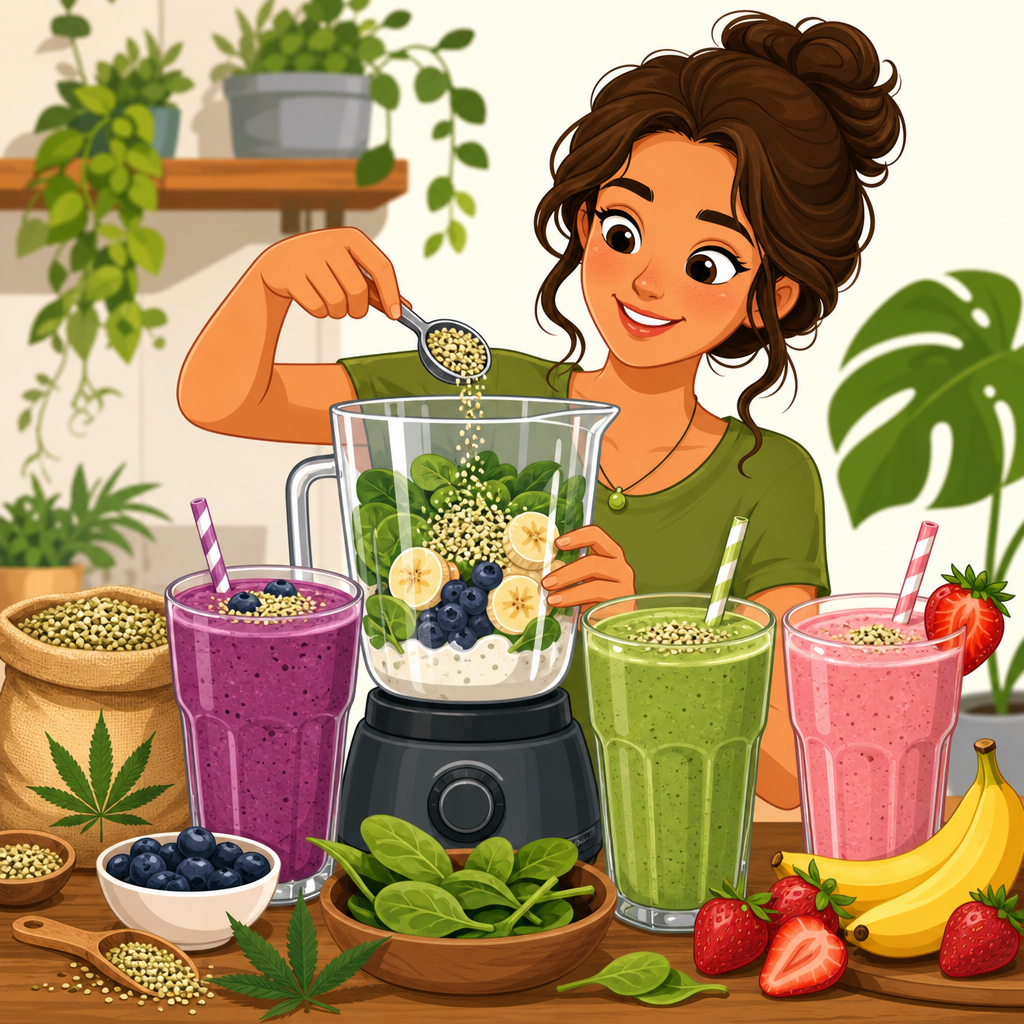
Second, build your smoothie in layers. Start with liquid in the blender, then add soft ingredients, powders or seeds, and frozen produce last. This helps everything circulate properly and reduces clumping. Frozen fruit improves texture dramatically and makes the smoothie feel thicker and colder without relying on ice, which can water down the flavor. If the smoothie becomes too thick, add more hemp milk, water, or another unsweetened liquid a little at a time. If it is too thin, use frozen banana, oats, chia seeds, yogurt, or a small amount of avocado to create body.
Finally, think in terms of balance instead of chasing a single “superfood” effect. A strong hemp smoothie usually includes a hemp ingredient, a liquid, a produce component, and either protein or healthy fat depending on your goal. Taste before serving and adjust. A little cinnamon, vanilla, cocoa, citrus, or salt can make the difference between acceptable and excellent. Once you understand how hemp hearts, hemp protein powder, and hemp milk behave in the blender, it becomes much easier to create smoothies that are nutritious, enjoyable, and consistent enough to make part of your everyday routine.