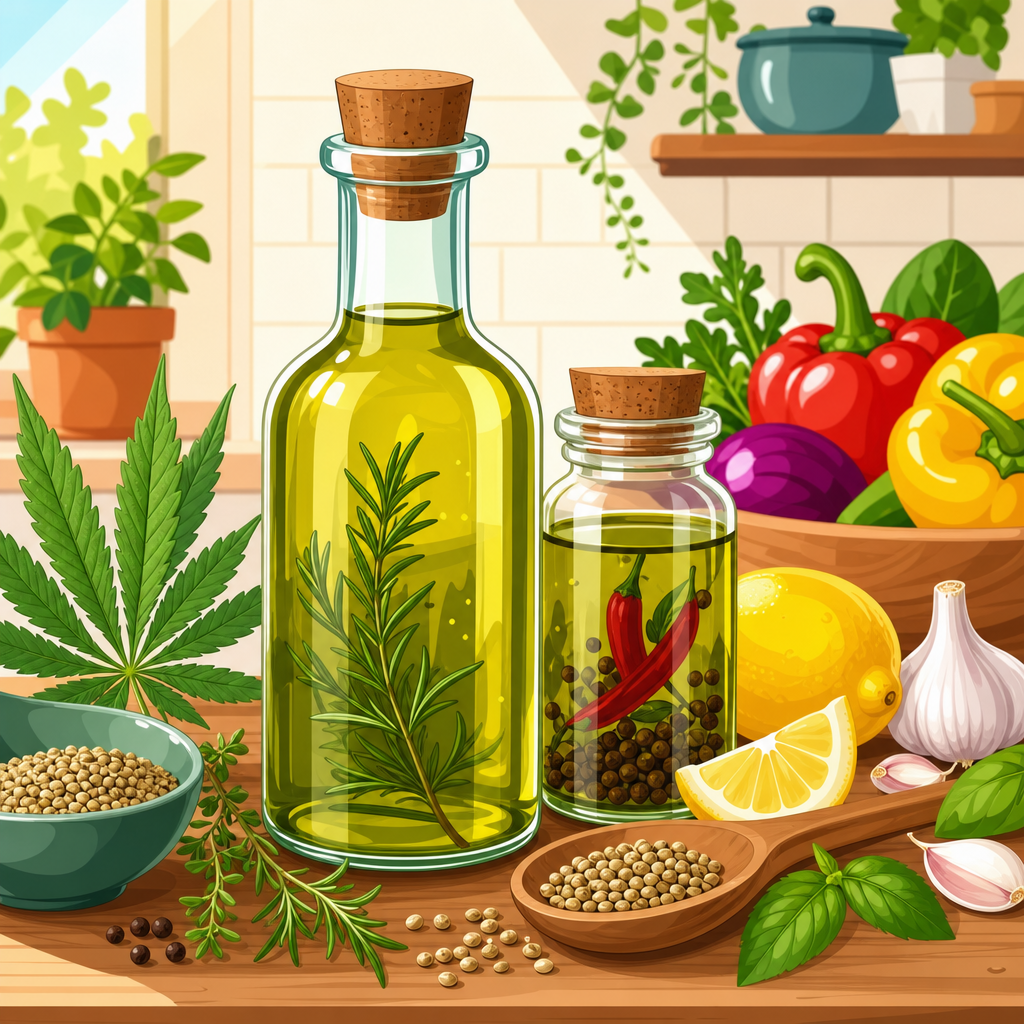

DIY hemp-based pet treats give pet owners a practical way to control ingredients, adjust serving sizes, and explore how hemp products for pets fit into a broader wellness routine. In this context, hemp refers to low-THC varieties of Cannabis sativa grown for compounds such as hemp seed oil, hemp hearts, hemp protein, and cannabidiol derived from hemp. Pet treats made with these ingredients are not all the same. Hemp seeds and hemp seed oil contribute fats, fiber, and plant protein, while hemp-derived CBD is used for entirely different reasons and carries stricter product selection and dosing considerations. That distinction matters because many owners assume every hemp ingredient has the same effect, when in practice nutrition, calming support, skin support, and joint comfort are separate goals requiring different formulations.
I have worked with pet owners comparing commercial options against homemade recipes, and the same pattern appears repeatedly: people want simple ingredients, but they also want confidence that what they are giving their dog or cat is appropriate for species, size, and health status. A well-made DIY hemp treat can help meet that standard. It lets owners avoid excess sugar, artificial colors, glycerin-heavy soft chews, and poorly labeled additives. It also creates a reliable base for rotating proteins or excluding common irritants such as wheat, corn, and soy. For households already using hemp products for pets, homemade treats can become the center of a thoughtful feeding plan rather than an impulse purchase based on front-label claims.
This hub article covers the full landscape of hemp products for pets through the lens of DIY treats. It explains which hemp ingredients are useful, how to choose safe products, which recipe formats work best, and where the real limits are. It also addresses the most common practical questions directly: Are hemp treats safe for dogs? Can cats eat them? What dosage makes sense? Which ingredients should never be included? By the end, you will have a clear framework for making hemp-based pet treats at home and for evaluating whether commercial hemp pet products deserve a place in your pet care routine.
Understanding Hemp Products for Pets
Hemp products for pets generally fall into four categories: nutritional hemp foods, topical products, supplements, and infused treats. For DIY recipes, the most relevant ingredients are hemp hearts, ground hemp seed, hemp seed oil, hemp protein powder, and in some cases a veterinarian-reviewed hemp-derived CBD oil designed specifically for animals. Hemp seeds are rich in polyunsaturated fatty acids, including linoleic acid and alpha-linolenic acid, and they supply minerals such as magnesium and phosphorus. Hemp seed oil is valued for skin and coat support because it delivers essential fatty acids without the fishy taste some pets reject. Hemp protein can help structure baked treats, though it should not replace a balanced diet.
What hemp does not do is serve as a cure-all. Nutritional hemp ingredients support diet quality, but they do not treat disease. Hemp-derived CBD may be used by some owners for situational stress or mobility support, yet quality and labeling vary dramatically, and veterinary guidance is important, especially for pets taking other medications. THC exposure is the issue to avoid. Pets are far more sensitive to THC than people, so any DIY hemp-based pet treat should use ingredients verified as THC-free or below legal trace levels from reputable manufacturers with current certificates of analysis. If a label does not provide batch testing, it should not go into a homemade treat.
As a hub topic, hemp products for pets also includes chews, biscuits, tinctures, capsules, salves, shampoos, and meal toppers. Treats are popular because they are familiar and easy to portion, but they should still be viewed as supplements, not nutritional anchors. In daily use, the best homemade hemp treat is one with a narrow purpose: skin support, training rewards, calming routines, or gentle enrichment. That focus keeps ingredient lists short and makes it easier to monitor outcomes, tolerability, and whether the product is worth continuing.
Benefits and Limits of DIY Hemp-Based Pet Treats
The strongest benefit of making hemp pet treats at home is ingredient control. If your dog has a chicken allergy, you can use oat flour and pumpkin instead of poultry by-products. If your senior dog does better with softer textures, you can make no-bake bites or lower-temperature biscuits. If your cat refuses large chews, you can produce tiny freezeable portions mixed with tuna water. Commercial treats often solve shelf stability with preservatives, dense starches, and flavor systems that are unnecessary in small-batch homemade versions. DIY preparation lets you tailor texture, calorie load, and ingredient quality to the individual animal rather than the average buyer.
There are also cost and transparency advantages. A bottle of high-quality hemp seed oil and a bag of plain rolled oats can produce several weeks of dog treats at a lower cost per serving than many branded hemp chews. More importantly, you know exactly how much oil was added and whether any sweetener, sodium, or thickener was included. That matters for pets with pancreatitis history, obesity risk, food intolerances, or sodium restrictions. When owners tell me they switched to homemade treats, the biggest improvement is rarely dramatic wellness claims. It is consistency. The pet gets the same formula each time, and reactions are easier to track.
The limitations are just as important. DIY treats spoil faster, and inaccurate dosing is common when owners use infused oils without calculating milligrams per piece. Homemade treats are also not automatically healthier. A peanut butter and hemp oil biscuit can become calorie-dense quickly, especially for small dogs. Cats pose another challenge because many standard dog-treat recipes rely on carbohydrate binders that are less appropriate for obligate carnivores. Finally, some conditions require more than dietary experimentation. If a pet has chronic pain, seizures, severe anxiety, liver disease, or inflammatory bowel symptoms, treats should never replace veterinary diagnosis and treatment.
Safe Ingredients, Unsafe Ingredients, and Product Selection
Safe DIY hemp-based pet treats start with plain, clearly labeled ingredients. Good options include unsalted peanut butter without xylitol, plain pumpkin puree, mashed banana, rolled oats, oat flour, chickpea flour in small amounts, eggs for dogs, sodium-free bone broth, plain canned salmon, and modest quantities of hemp hearts or hemp seed oil. For cats, better bases include wet food, pumpkin in very small amounts, sardine mash packed in water, or finely shredded cooked turkey with species-appropriate binders. If using CBD, choose a pet-formulated broad-spectrum or isolate product with third-party testing that confirms cannabinoid content, solvent screening, pesticide testing, and heavy metal results.
Unsafe ingredients remain the same regardless of whether hemp is included. Avoid xylitol, chocolate, raisins, grapes, macadamia nuts, onions, garlic in meaningful amounts, excessive salt, caffeine, and alcohol-based extracts. Raw dough is also inappropriate, and highly spiced mixes can irritate digestion. For hemp ingredients specifically, avoid human products with vague labeling such as “full plant extract” and no cannabinoid profile. Avoid products sweetened or flavored for people, especially gummies and tinctures with essential oils. Essential oils can be problematic for pets, and sugar alcohols are a hard stop. Packaging should include lot numbers, expiration dates, storage guidance, and a current certificate of analysis from an independent laboratory.
| Ingredient or Product | Best Use | Why It Works | Key Caution |
|---|---|---|---|
| Hemp hearts | Baked dog biscuits, topper treats | Add protein, texture, and essential fats | Use modestly to avoid excess calories |
| Hemp seed oil | No-bake bites, drizzle for soft treats | Supports skin and coat, easy to measure | Store cold and protect from oxidation |
| Hemp protein powder | Structure in dog treats | Boosts protein and fiber | Can make treats dry if overused |
| Pet-specific CBD oil | Infused treats for measured servings | Allows precise milligram dosing | Use only tested products and veterinary guidance |
| Human CBD gummies or flavored tinctures | Never use | Often contain sweeteners or unsuitable additives | Xylitol, THC, and flavoring risks |
How to Make Hemp-Based Pet Treats at Home
The simplest dog recipe I recommend as a starting point uses 1 cup rolled oats ground into flour, 1/2 cup pumpkin puree, 1 egg, and 1 to 2 teaspoons hemp seed oil. Mix until a dough forms, roll into small pieces, and bake at 325 degrees Fahrenheit until dry but not overly browned. This creates a mild, stable biscuit with a modest fat level and straightforward digestibility for most healthy dogs. If you want more texture, add a tablespoon of hemp hearts. If the dog has a grain sensitivity, oat flour can be replaced with a limited amount of coconut flour plus additional moisture, though coconut flour absorbs aggressively and changes texture fast.
For no-bake training bites, combine unsalted xylitol-free peanut butter, oat flour, and a small measured amount of hemp seed oil, then portion into pea-sized balls and chill. These work best for active dogs because they are energy dense. For senior dogs or those needing softer treats, use canned pumpkin, finely milled oats, and enough warm water or sodium-free broth to form a spoonable dough, then bake lightly for a softer chew. The rule I follow is simple: keep treats small, bland, and uniform. Uniform pieces are easier to portion and safer if you are incorporating any measured supplement.
Cats require a different strategy. Most sweet or bakery-style recipes fail because cats prefer animal-based aromas and textures. A better cat treat uses plain canned tuna in water, a spoonful of wet cat food, a small amount of hemp seed oil, and a freeze-dried meat powder or finely ground oat binder only if needed. Form tiny portions and refrigerate or freeze. If using hemp seed oil, start with very little because oily textures can put cats off. If using CBD in any feline recipe, precision matters even more, and veterinary input is essential because cats metabolize compounds differently and can be harder to monitor for subtle adverse effects.
Dosing, Storage, and When to Talk to a Veterinarian
Dosing depends entirely on which hemp ingredient you are using. Nutritional hemp ingredients such as hemp hearts or hemp seed oil are measured as food additions, not milligrams of active cannabinoids. For these, moderation is the point. A small dog may only need a fraction of a teaspoon of hemp seed oil in a batch recipe, while a large dog can tolerate more, provided total calories stay reasonable. Watch stool quality, appetite, and body weight. Too much oil often shows up first as loose stool or unnecessary calorie intake. Start small and keep one recipe unchanged for several days before deciding whether it suits your pet.
If you are using hemp-derived CBD, calculate the total milligrams in the recipe before shaping the treats. Divide that number by the number of finished pieces to get milligrams per treat, then verify that serving size makes sense for the pet’s body weight and veterinary plan. Do not guess. For example, if a 30 mL oil contains 300 mg CBD total, each 1 mL contains 10 mg. If you add 2 mL to a batch, that is 20 mg total. A batch of 20 treats would contain 1 mg each. That kind of math prevents accidental overuse and creates a repeatable routine. Sedation, gastrointestinal upset, and interaction concerns are reasons to proceed carefully.
Storage determines both safety and potency. Hemp seed oil oxidizes, so keep it in a cool, dark place and refrigerate after opening if the manufacturer advises it. Soft homemade treats usually last only a few days refrigerated unless frozen. Baked biscuits keep longer if fully dried, but homemade products still lack the preservatives of retail treats. Label each batch with ingredients and date made. Speak with a veterinarian before using hemp products for pets if your animal is very young, pregnant, geriatric, on seizure medication, taking NSAIDs long term, or managing liver disease. Hemp treats can be useful tools, but they work best as part of informed care rather than kitchen guesswork.
Choosing the Right Hemp Treat Strategy for Your Pet
The best hemp-based pet treat is the one matched to the pet’s actual need. For coat support, a simple biscuit or topper using hemp seed oil or hemp hearts is usually enough. For food-sensitive dogs, a single-protein homemade recipe with limited hemp inclusion often beats a flavored commercial chew packed with filler ingredients. For training, tiny low-fat treats matter more than trendy ingredients, so hemp should stay in the background rather than turning each reward into a dense snack. For cats, species-appropriate meat-based bites are the only sensible route. In every case, homemade success comes from restraint, consistency, and clear observation.
As a hub for hemp products for pets, this topic connects treat recipes with a bigger evaluation process: ingredient quality, intended use, dosing accuracy, and realistic expectations. Hemp seeds and hemp seed oil can be valuable additions to homemade pet treats because they offer useful fats and flexibility in formulation. Hemp-derived CBD requires a more careful standard involving testing, exact measurements, and veterinary oversight. The difference is not minor; it is the foundation of safe use. Owners who understand that distinction make better products and avoid the labeling confusion that surrounds many hemp pet items.
If you want to start, choose one straightforward recipe, use only verified ingredients, and track how your pet responds over one to two weeks. Keep portions small, store treats properly, and change only one variable at a time. That approach turns DIY hemp-based pet treats from a trend into a practical part of pet care. From there, explore related hemp products for pets with the same standard: clear purpose, proven quality, and measurable benefit. When treats are made thoughtfully, they can support routine wellness while giving you far more confidence than a flashy package ever will.
Frequently Asked Questions
1. What hemp ingredients can safely be used in DIY pet treats?
Several hemp-derived ingredients are commonly used in homemade pet treats, but it is important to understand that they serve different purposes and are not interchangeable. Hemp hearts, whole hemp seeds, hemp seed oil, and hemp protein are generally used as food ingredients because they naturally provide beneficial fats, plant-based protein, and fiber. These ingredients come from the seed and are typically included in recipes to improve texture, add nutrition, or support a balanced homemade treat formula. Hemp seed oil, for example, is often added in small amounts to boost healthy fats, while hemp hearts can be blended into doughs or sprinkled into baked mixtures for extra protein and softness.
Hemp-derived cannabidiol, often labeled as CBD from hemp, is a different category of ingredient. It is typically included for wellness-focused use rather than for nutrition alone, and product quality matters much more because concentration, purity, and serving size can vary widely. If a pet owner wants to include a hemp-derived extract in DIY treats, the safest approach is to use a pet-specific product that provides clear labeling, third-party testing, and precise dosing information. Avoid any hemp product with unknown THC content, artificial sweeteners such as xylitol, chocolate flavorings, excess essential oils, or additives that may be unsuitable for cats or dogs.
In practical terms, the safest DIY approach is to start with simple seed-based hemp ingredients in recipes and only consider hemp-derived extracts after reviewing the label carefully and consulting a veterinarian, especially if the pet has a medical condition or takes other supplements or medications. The key point is that “hemp” is a broad term, and choosing the right form makes all the difference in making treats that are both useful and appropriate.
2. Are hemp-based pet treats the same as CBD pet treats?
No, and this is one of the most important distinctions pet owners should understand before making homemade treats. Hemp-based pet treats can refer to any treat made with ingredients from low-THC hemp, including hemp seeds, hemp seed oil, hemp hearts, or hemp protein. These seed-based ingredients are mainly nutritional. They contribute fats, amino acids, fiber, and a mild nutty flavor, but they do not function the same way as cannabidiol-rich hemp extracts.
CBD pet treats are a specific subtype of hemp-based treats that contain cannabidiol derived from hemp. These treats are usually created with a wellness goal in mind, such as fitting into a calming or recovery-support routine, depending on how the owner and veterinarian plan to use them. Because CBD is an active compound rather than simply a nutrient source, consistency and dosing become much more important. A homemade biscuit with hemp hearts mixed into oat flour is very different from a treat made with a measured amount of hemp-derived CBD oil.
This difference matters for expectations as well. If an owner is looking for nutritional variety, a seed-based hemp recipe may be enough. If the goal is to incorporate hemp-derived cannabinoids into a pet’s daily routine, then careful measurement, pet-safe formulation, and veterinary guidance are essential. In short, all CBD treats may be considered hemp-based, but not all hemp-based treats contain CBD. Understanding that distinction helps owners choose ingredients more confidently and avoid assuming that every hemp product offers the same effect or purpose.
3. How do I choose the right serving size for homemade hemp pet treats?
Serving size depends on the type of hemp ingredient used, the size of the pet, the overall recipe, and how often the treats are offered. If the recipe uses hemp hearts, hemp protein, or hemp seed oil for nutritional support, the main concern is moderation. Treats should remain a small part of a pet’s total daily calories, and rich ingredients such as oils and seeds should be used carefully so they do not upset digestion or add unnecessary fat. Smaller pets usually need much smaller portions than owners expect, while larger dogs may tolerate somewhat larger servings, but even then, homemade treats should be introduced gradually.
If the recipe includes hemp-derived CBD, serving size becomes even more important. The total amount added to the batch should be calculated carefully so the amount per treat is clear and consistent. For example, if a measured pet-specific CBD oil is added to a dough, the number of final treats should be counted precisely so each piece contains the same amount. Randomly sized treats make it difficult to know how much the pet is actually getting. This is especially important for small dogs, senior pets, and cats, where even a small measurement difference can significantly change the amount per serving.
A smart approach is to begin with the smallest practical serving, observe how the pet responds, and make changes only slowly. Owners should also consider the pet’s age, activity level, digestive sensitivity, and any health conditions. For pets on prescription diets or those with pancreatitis, food allergies, or medication schedules, a veterinarian should help determine whether hemp ingredients are appropriate at all. Homemade treats work best when they are treated like part of the pet’s overall routine, not as an unmeasured extra.
4. What ingredients should I avoid when making DIY hemp-based treats for pets?
The most important rule is that a treat can only be considered pet-friendly if every single ingredient in the recipe is safe for that species. Some foods that are harmless or even healthy for humans can be dangerous for pets. For dogs and cats, common ingredients to avoid include xylitol, chocolate, raisins, grapes, macadamia nuts, excessive salt, onions, garlic in large amounts, and caffeinated ingredients. Nut butters may be used in some dog treat recipes, but labels must be checked carefully for xylitol and added sugars. Dairy-heavy recipes can also be problematic for pets with sensitive digestion.
When using hemp ingredients, quality control is equally important. Avoid any hemp oil or extract with unclear labeling, no certificate of analysis, or no confirmation of low or non-detectable THC levels according to product standards. Pets are more sensitive than humans to certain cannabis compounds, and THC exposure can be a serious issue. Products intended for humans may also contain flavorings, sweeteners, or concentrated botanical additives that are not suitable for pets. A pet-safe hemp product should be clearly labeled, tested, and designed with animal use in mind if it is being used beyond simple seed ingredients.
It is also wise to avoid overcomplicating recipes. The best DIY hemp-based pet treats are usually made from a short list of familiar ingredients such as oat flour, pumpkin puree, peanut butter without xylitol, egg, and a measured hemp ingredient. Simpler recipes make it easier to spot the cause of a digestive issue if one occurs. They also help owners maintain consistency from batch to batch, which is especially important if treats are being used regularly as part of a wellness routine.
5. How can DIY hemp-based pet treats fit into a broader pet wellness routine?
Homemade hemp-based treats are best viewed as one small part of a larger wellness plan, not as a standalone solution. Their value is that they give pet owners more control over ingredients, texture, serving size, and frequency of use. For pets with food sensitivities, that control can be especially helpful because owners can choose simpler ingredients and avoid unnecessary fillers, artificial colors, or preservatives. Seed-based hemp ingredients may add nutritional variety through healthy fats, fiber, and protein, while carefully selected hemp-derived extracts may be incorporated into a routine when appropriate.
That said, wellness for pets always starts with fundamentals: a complete and balanced diet, regular exercise, routine veterinary care, hydration, dental maintenance, stress management, and age-appropriate activity. Treats should support those basics, not replace them. For example, a hemp seed and pumpkin biscuit might be useful as a lower-ingredient reward during training, or a measured hemp-derived treat might be included at a consistent time of day if the owner and veterinarian decide it fits the pet’s needs. The benefit comes from consistency, observation, and realistic expectations rather than from assuming any single ingredient will transform a pet’s health.
Owners should also monitor results over time. If a pet seems to tolerate a homemade treat well, maintains normal digestion, and enjoys the recipe, that treat may become a useful part of the routine. If there is vomiting, loose stool, lethargy, itching, appetite change, or unusual behavior, the treat should be stopped and the ingredient list reviewed. In the end, DIY hemp-based pet treats fit best into a thoughtful routine built around safety, moderation, and professional guidance when needed. That approach gives owners the flexibility of homemade recipes while keeping the pet’s overall wellbeing at the center of every decision.