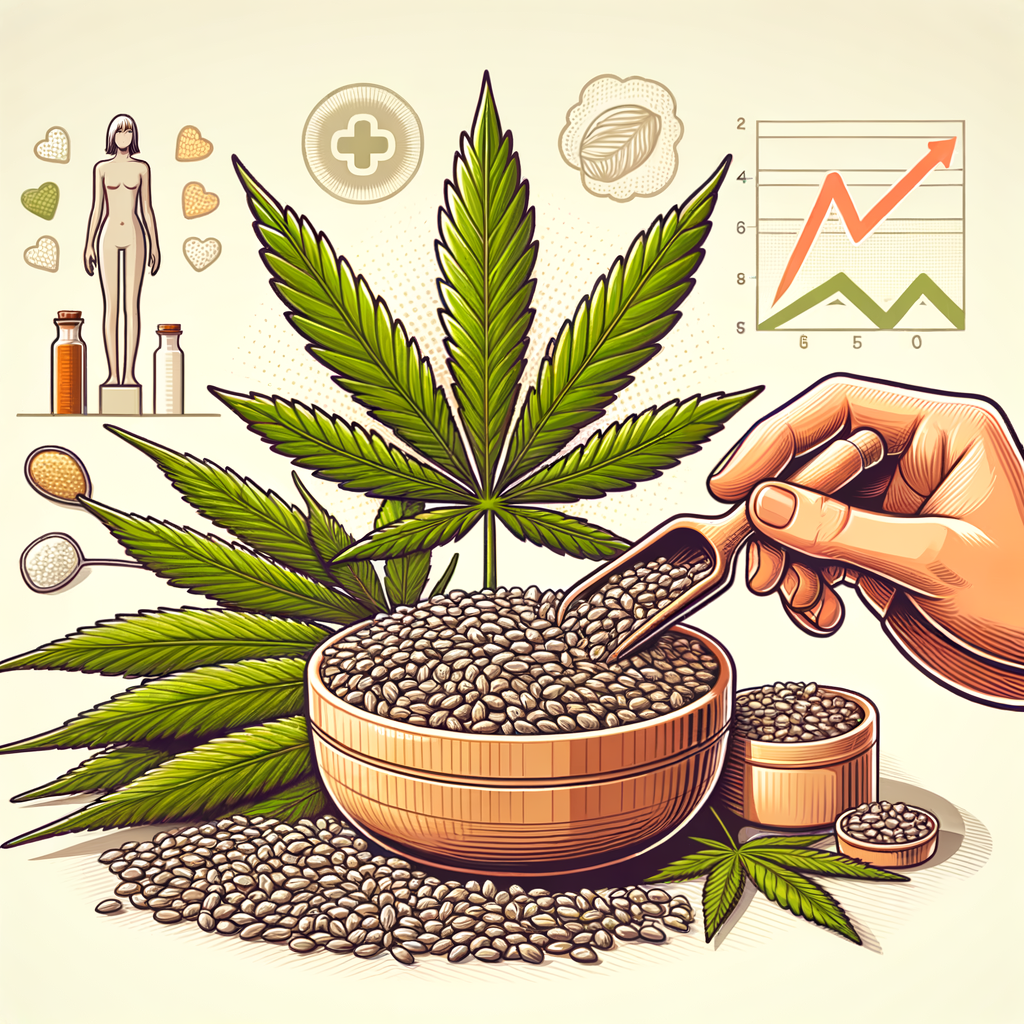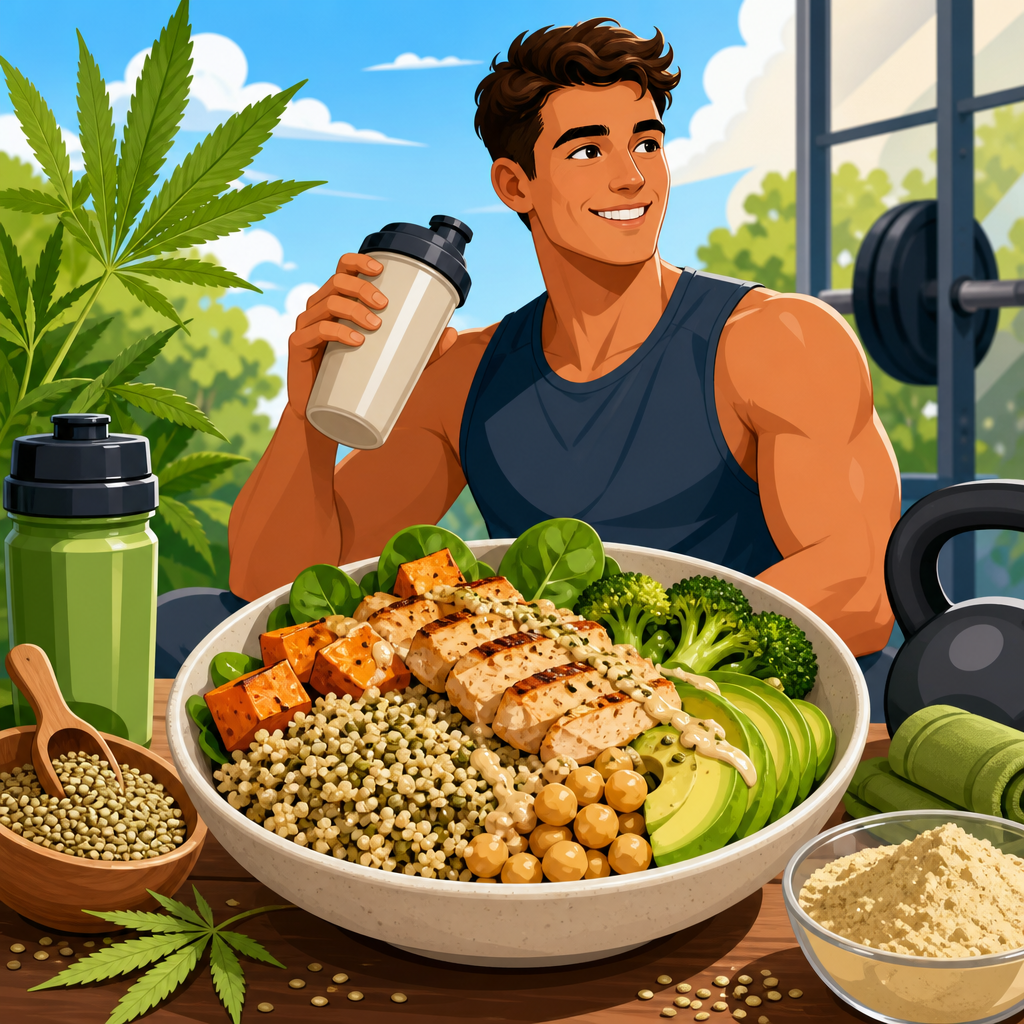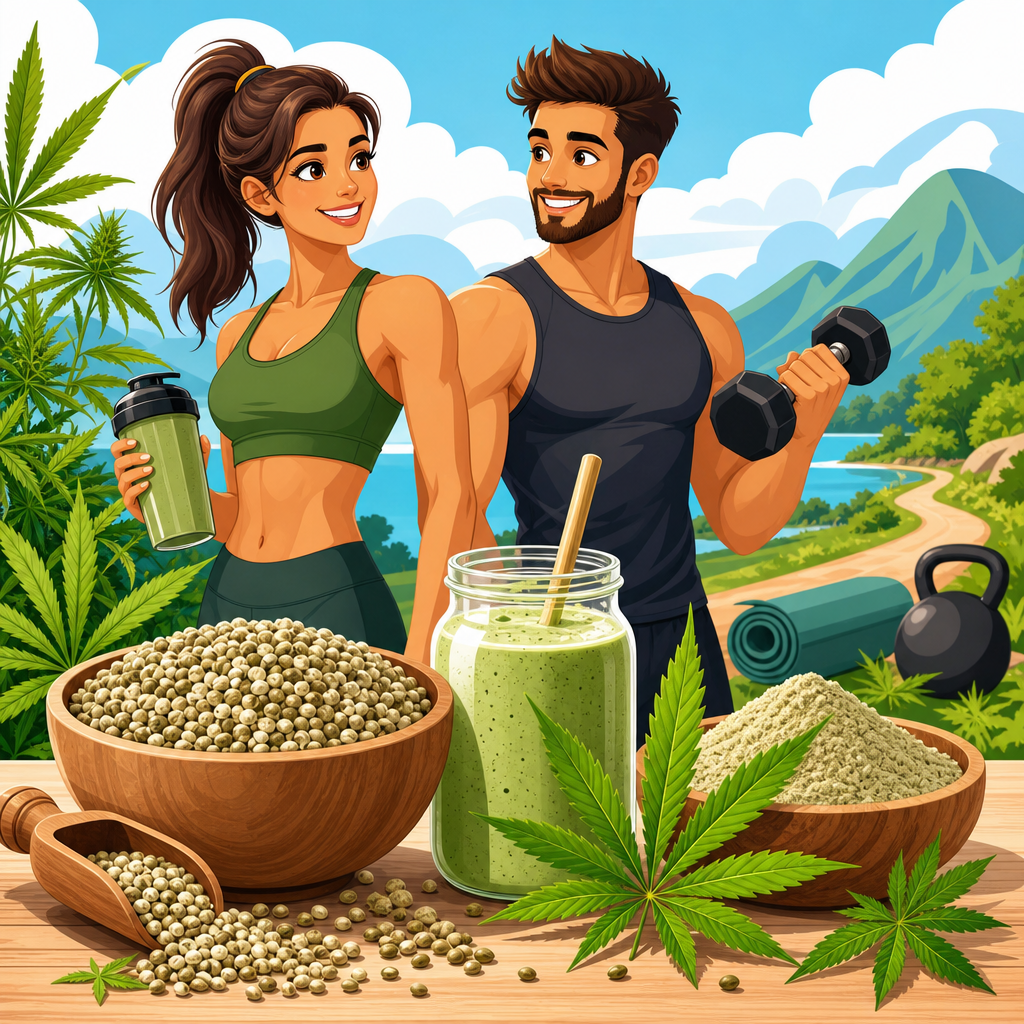

Hemp can be a practical, nutrient-dense food for muscle building when it is used with the same discipline athletes apply to training, recovery, and overall diet quality. In sports nutrition, muscle building means creating conditions that support muscle protein synthesis, steady training performance, and recovery between sessions. Hemp refers here to legal food products made from hemp seeds, hemp hearts, hemp protein powder, and hemp seed oil, not intoxicating cannabis products. That distinction matters because athletes and fitness enthusiasts need clarity: hemp foods are valued for protein, fats, minerals, and digestibility, while training results still depend on total calories, progressive overload, sleep, and a well-structured program.
I have worked with active adults who wanted more plant-based options without sacrificing recovery, and hemp repeatedly earns a place because it is simple to use and fits many eating styles. Shelled hemp seeds provide protein plus polyunsaturated fats, especially omega-3 and omega-6 fatty acids, along with magnesium, iron, zinc, and manganese. Hemp protein powder is less refined than many isolates, so it usually includes fiber and a nuttier taste, making it useful in shakes, oats, yogurt alternatives, and higher-calorie meals for bulking phases. For athletes who struggle to eat enough, calorie density is an advantage. For those in a cutting phase, portion control becomes more important because healthy fats still carry nine calories per gram.
Why does this topic matter? Because many athletes want food choices that support performance, fit dairy-free or vegan diets, and reduce reliance on heavily processed supplements. Hemp sits in that sweet spot. It is not a miracle food and it is not a complete replacement for every other protein source, but it is an effective tool when used correctly. A hub article on hemp for athletes and fitness enthusiasts should answer the practical questions people actually ask: Is hemp protein good for muscle growth? How much should you take? Is it complete? When should you eat it? What are the tradeoffs compared with whey, soy, pea, eggs, or poultry? The answers are straightforward once you look at the nutrition profile and the role hemp can play inside a complete training diet.
At the foundation of muscle gain is a positive net protein balance over time. Resistance training provides the stimulus, and food provides the raw materials. Most evidence-based sports nutrition guidelines place daily protein needs for muscle gain and recovery around 1.4 to 2.2 grams per kilogram of body weight, with many athletes doing well in the middle of that range. Reaching that target through whole foods alone is possible, but convenience matters. Hemp helps by adding protein to meals that already support training, while also contributing minerals involved in energy metabolism, oxygen transport, and muscle function. Used thoughtfully, it can strengthen the entire diet rather than acting as a single magic ingredient.
What Hemp Offers for Muscle Building
Hemp supports muscle building primarily through its protein content, micronutrient density, and ease of use in real meals. Hemp hearts typically provide roughly 9 to 10 grams of protein per 3 tablespoons, along with about 14 to 15 grams of fat and a modest amount of carbohydrate. Hemp protein powder varies by brand, but many products deliver 15 to 25 grams of protein per serving. The exact number depends on how much of the seed is processed out. More concentrated powders raise protein per scoop, while less refined versions keep more fiber, minerals, and natural texture.
From a coaching standpoint, the biggest benefit is flexibility. Hemp can be added to breakfast, prepped into post-workout shakes, mixed into energy bites, stirred into porridge, or used to raise calories in a smoothie without relying on large volumes of food. That matters for athletes in hard training blocks who lose appetite after intense sessions. The fat content in hemp hearts also slows digestion somewhat, which can be useful in meals that need to keep someone satisfied for several hours. The main caveat is timing. If someone is eating immediately before high-intensity training, a lower-fat protein source may sit better.
Hemp also brings meaningful amounts of magnesium, a mineral involved in hundreds of enzymatic reactions, including energy production and muscle contraction. Zinc contributes to immune function and tissue repair. Iron is especially relevant for endurance athletes and menstruating athletes who may be at greater risk of low iron status. None of these nutrients alone builds muscle, but together they support the processes that make consistent training possible. This is why hemp is better understood as a high-value supporting food within a sports nutrition plan, not just a protein number on a label.
Is Hemp Protein Complete and How Effective Is It?
One of the most common questions is whether hemp protein is a complete protein. Hemp contains all nine essential amino acids, so in that sense it is complete. However, sports nutrition is not only about whether amino acids are present, but also about their amounts, digestibility, and especially leucine content. Leucine is the amino acid most closely associated with triggering muscle protein synthesis. Whey protein is usually stronger gram for gram because it is highly digestible and rich in leucine. Hemp generally contains less leucine per serving than whey and is often less concentrated in total protein than a whey isolate.
That does not make hemp ineffective. It means dosing matters. In practice, athletes using hemp protein for muscle building often benefit from slightly larger servings or from combining hemp with other protein sources across the day. A post-workout shake with 30 to 40 grams of hemp protein powder may be more useful than a small 15-gram scoop if the goal is to maximize muscle protein synthesis. Across mixed meals, hemp pairs well with soy foods, legumes, grains, and higher-protein snacks to improve the total amino acid profile of the day. The body does not require every meal to be perfect, but daily totals and repeated quality feedings matter.
I usually explain hemp this way: it is good enough to support excellent results when the rest of the plan is solid, but it is not the most anabolic option per gram compared with whey. For vegan athletes, dairy-free athletes, or people with digestive issues from milk proteins, that tradeoff is often acceptable. For omnivores, hemp can complement other proteins rather than replace them. This balanced view is important because honest expectations lead to better adherence. The athlete who knows when hemp shines will use it more effectively than the athlete who expects one powder to solve every nutrition problem.
How to Use Hemp Around Training
The best time to use hemp depends on the product and the training context. Hemp hearts work well in regular meals and snacks because they add calories, fats, and texture. Hemp protein powder works better when you want a more focused protein feeding. After resistance training, the priority is getting enough high-quality protein within a reasonable window and then continuing to eat well through the day. A practical post-workout option is a smoothie with hemp protein, fruit, soy milk or dairy milk, and oats. That combination covers protein, carbohydrate, and fluid in one easy meal.
Before training, keep digestion in mind. A large serving of hemp hearts right before sprint work, intervals, or a heavy lower-body session may feel too heavy because of the fat load. In that case, use hemp one to three hours before training in a balanced meal, or choose a lighter pre-workout snack and save hemp for after the session. On rest days, hemp still has value because muscle is built during recovery, not only during the workout itself. Consistent protein distribution across breakfast, lunch, dinner, and one or two snacks usually works better than eating very little all day and then overloading one evening meal.
Daily intake matters more than minute-by-minute timing, but patterns help. Many athletes under-eat protein at breakfast, then try to catch up later. Hemp can fix that quickly. Stir 3 tablespoons of hemp hearts into overnight oats, add a scoop of hemp protein to a smoothie bowl, or blend it into pancake batter. Those simple habits make it easier to hit targets without relying on constant snacking or expensive specialty products.
Comparing Hemp With Other Protein Options
Athletes should compare protein sources based on digestibility, amino acid profile, convenience, cost, taste, allergens, and the rest of the diet. Hemp performs well on versatility and whole-food appeal. Whey generally leads on leucine density and rapid digestion. Soy is the strongest direct plant-based competitor because it is a complete protein with a more robust amino acid profile for muscle building. Pea protein is also useful and is often blended with rice protein to improve overall amino acid balance. Eggs, Greek yogurt, poultry, fish, tofu, tempeh, lentils, and edamame all remain important options depending on dietary pattern.
| Protein source | Best use for athletes | Main advantage | Main limitation |
|---|---|---|---|
| Hemp protein | Shakes, oats, smoothies, mixed meals | Protein plus fiber, minerals, and healthy fats | Lower leucine density than whey; earthy taste |
| Hemp hearts | Meal topping, calorie support, snacks | Easy calories and nutrient density | Not as protein-dense per calorie |
| Whey isolate | Post-workout recovery | High leucine and rapid digestion | Not suitable for dairy-free athletes |
| Soy protein | Plant-based muscle gain | Strong amino acid profile | Flavor preference varies by brand |
| Pea and rice blend | Vegan shakes and meal support | Improved amino acid complementarity | Texture can be chalky |
This comparison shows why hemp belongs in the conversation without needing to dominate it. In a mixed diet, hemp may be one part of a protein rotation. In a vegan diet, it can work best alongside soy foods, legumes, and other plant proteins. The point is not to pick a winner in isolation, but to choose the right tool for the athlete’s needs, digestion, preferences, and training phase.
Building a Complete Hemp-Based Nutrition Strategy
To use hemp effectively for muscle gain, start with total energy intake. If calories are too low, muscle growth stalls even when protein is adequate. Next, set a protein target based on body weight and training load. Then distribute that protein across three to five feedings during the day. Hemp can fill the gaps, but it works best as part of complete meals. For example, breakfast could be oats with hemp hearts, soy yogurt, berries, and chia. Lunch might be quinoa, tofu, vegetables, olive oil, and pumpkin seeds. Post-workout could be a hemp protein smoothie with banana and fortified soy milk. Dinner could include lentil pasta or salmon, depending on the diet pattern.
For strength athletes in a gaining phase, hemp is especially useful for raising calories without excessive bulk. Add hemp hearts to rice bowls, blend them into smoothies, or make homemade bars with dates, oats, cocoa, and hemp protein. For athletes trying to stay in a weight class or reduce body fat while preserving lean mass, choose hemp protein powder more often than large portions of hemp hearts so you can keep protein high without overshooting calories from fat. This is a simple but important distinction. The right hemp product depends on the goal.
Quality control matters too. Choose brands that provide transparent nutrition labels, third-party testing where possible, and clear ingredient lists without unnecessary fillers. Competitive athletes should be especially careful with any supplement product and use third-party tested options from recognized certification programs such as NSF Certified for Sport or Informed Sport when available. Hemp foods are generally straightforward, but contamination risk always deserves attention in elite or tested environments.
Common Mistakes Athletes Make With Hemp
The first mistake is assuming hemp alone is enough for muscle growth. It is helpful, not magical. Without progressive resistance training, enough sleep, and adequate calories, no protein source will deliver the desired result. The second mistake is underdosing. A sprinkle of hemp hearts on a salad is healthy, but it may not meaningfully move daily protein intake for a lifter trying to reach 140 grams per day. The third mistake is ignoring meal context. Hemp protein after training works better when the athlete also replaces carbohydrates and fluids, especially after long or high-volume sessions.
Another common issue is treating hemp hearts and hemp protein powder as nutritionally identical. They are related, but not interchangeable. Hemp hearts are more energy-dense and fat-rich. Hemp protein powder is usually more protein-focused. Athletes also sometimes choose a product based only on marketing claims such as “superfood” or “clean” without checking serving size, protein amount, sodium, sugar, and ingredient quality. Labels matter. So does taste. If a powder tastes unpleasant, compliance drops fast, and the most scientifically perfect plan fails in real life.
Finally, some athletes overcomplicate plant-based protein combining. You do not need to combine precise foods at every meal to “complete” proteins. What matters is variety and adequacy across the day. Hemp can contribute meaningfully to that pattern, but simplicity wins. Build repeatable meals, monitor training performance and body composition, and adjust based on results.
Who Benefits Most From Hemp for Muscle Building
Hemp is especially useful for vegan athletes, dairy-free athletes, busy professionals who train early, and hard gainers who need convenient calories. Endurance athletes doing strength work can benefit from its mineral content and easy integration into smoothies and bowls. Recreational lifters who prefer minimally processed foods often find hemp easier to commit to than a cabinet full of supplements. It can also help older active adults who need regular protein feedings but want more variety beyond shakes and meat-heavy meals.
The best results come when hemp is matched to the athlete, not forced into every plan. If someone performs best with whey after lifting, that is fine. If another athlete needs a plant-based option that supports recovery without digestive discomfort, hemp may be exactly right. Use it where it adds value, and let data guide the decision: strength trends, body weight, recovery quality, appetite, and consistency.
Hemp earns its place in a muscle-building diet because it is practical, nutrient-dense, and flexible enough for many training lifestyles. The core facts are simple: hemp provides useful protein, healthy fats, fiber, and minerals; hemp protein powder is better for targeted protein intake, while hemp hearts are better for calorie support and whole-food meals; and hemp works best when it is part of a complete plan built around total calories, sufficient daily protein, hard training, and recovery. It can support muscle growth effectively, especially for plant-based or dairy-free athletes, but it is not automatically the strongest option gram for gram compared with whey or soy.
The most important takeaway is to use hemp strategically. Choose the right product for your goal, dose it high enough to matter, and place it into meals you will actually repeat week after week. If you are building this topic out across your nutrition plan, start with one habit: add a meaningful hemp-based protein feeding to breakfast or your post-workout routine and track how well you recover, perform, and hit your daily targets. Then expand from there with the rest of your athlete-focused hemp nutrition strategy.
Frequently Asked Questions
1. Can hemp really help with muscle building?
Yes, hemp can support muscle building when it is used as part of a well-structured training and nutrition plan. Hemp foods such as hemp hearts, hemp protein powder, and hemp seeds provide protein, healthy fats, fiber, and minerals that can contribute to overall recovery and performance. Muscle growth does not come from a single ingredient alone. It happens when your body receives enough total calories, enough high-quality protein across the day, consistent resistance training, and adequate recovery. Hemp fits into that process as a practical, nutrient-dense food source.
Hemp protein is especially useful because it helps increase daily protein intake, which is one of the most important factors for muscle protein synthesis. Hemp hearts also add calories and healthy fats, which can be helpful for athletes or active adults who struggle to eat enough to stay in a calorie surplus. In addition, hemp foods contain nutrients such as magnesium, iron, zinc, and omega fatty acids, all of which play supporting roles in energy metabolism, muscle function, oxygen transport, and recovery.
It is important to understand what hemp means in this context. For muscle building, hemp refers to legal food products made from hemp seeds, shelled hemp hearts, hemp protein powder, and hemp seed oil. These are nutrition products, not intoxicating cannabis products. They do not build muscle through any special shortcut. Instead, they help by making it easier to meet the same nutritional goals that every athlete needs to prioritize: sufficient protein, enough calories, consistent meal timing, and strong overall diet quality.
2. What kinds of hemp foods are best for building muscle?
The best hemp foods for muscle building usually depend on your goals, appetite, and overall meal plan. Hemp protein powder is often the most direct option for increasing protein intake, especially around workouts or when you need a convenient shake. It can be blended into smoothies, mixed into oatmeal, or added to homemade recovery recipes. Because it is concentrated compared with whole seeds, it is often the easiest hemp product to use when your main goal is hitting a higher daily protein target.
Hemp hearts are another excellent choice because they are versatile and easy to add to meals. They provide protein, healthy fats, and calories in a small serving, which is useful for people trying to gain lean mass without feeling overly full. You can sprinkle hemp hearts on yogurt, rice bowls, eggs, salads, cottage cheese, or blended soups. For athletes who need energy as well as protein, hemp hearts are often one of the most practical options because they improve the nutrient density of meals without requiring major changes to the diet.
Whole hemp seeds can also be used, although their texture is a bit tougher and they may be less convenient than shelled hemp hearts. Hemp seed oil is not a protein source, so it is not the main hemp product for muscle gain, but it can still support overall diet quality by adding healthy fats and calories to meals. It works best as a finishing oil in dressings, bowls, and cold dishes rather than as a direct post-workout protein source.
In most muscle-building diets, the strongest combination is using hemp protein powder for convenience and hemp hearts for whole-food nutrition. That gives you both an easy way to increase protein and a simple way to raise meal quality, calorie intake, and micronutrient density.
3. Is hemp protein good enough on its own, or should it be combined with other proteins?
Hemp protein can absolutely be part of an effective muscle-building diet, but whether it is best used alone or combined with other proteins depends on your total nutrition picture. Protein quality matters for muscle growth, especially the amount of essential amino acids and leucine available to trigger muscle protein synthesis. Hemp protein contains all essential amino acids, but compared with some animal proteins and certain plant blends, it may be lower in leucine concentration and less concentrated in protein per serving. That does not make it ineffective. It simply means the overall serving size and the rest of your daily protein intake matter more.
For many people, hemp protein works best when it is used strategically. If you are already eating enough total protein through meals that include foods such as eggs, dairy, soy, legumes, poultry, fish, or other protein-rich options, adding hemp protein powder can be a very practical way to close gaps. If you follow a plant-based diet, combining hemp with other protein sources across the day can strengthen your amino acid intake and support better muscle-building outcomes. For example, you might use hemp protein in a smoothie with soy milk, pair hemp hearts with Greek-style yogurt or tofu, or include hemp alongside oats, beans, quinoa, or pea protein.
The key point is that your body responds to total daily protein intake, meal distribution, and training quality more than to any single “perfect” protein source. If hemp is your preferred option, you can still use it effectively by making sure your portions are adequate and your daily diet includes a variety of protein-containing foods. Many active people do very well with hemp as one component of a broader protein strategy rather than relying on it as the only source all day long.
4. When should you eat hemp for muscle gain: before workouts, after workouts, or throughout the day?
For muscle gain, the best approach is usually to use hemp throughout the day rather than obsessing over one exact timing window. Total calorie intake and total protein intake remain the biggest priorities. That said, timing can still be helpful. Before a workout, a meal or snack that includes some protein and carbohydrates can support training performance. Hemp hearts or a smoothie with hemp protein can work well if eaten early enough to digest comfortably. Since hemp foods can include fat and fiber, some people prefer a lighter pre-workout serving rather than a large heavy shake right before training.
After workouts, hemp protein can be useful as part of a recovery meal or shake, especially when paired with a carbohydrate source. This combination helps support muscle repair and replenish energy stores. For example, a post-workout smoothie with hemp protein, fruit, oats, and soy milk can be a practical recovery option. If you are eating a full meal within a reasonable time after training, that meal can be just as effective, as long as it includes enough protein and calories overall.
Spacing protein across the day is often more important than chasing a narrow anabolic window. Many athletes benefit from including protein in three to five feedings per day, depending on body size, training demands, and appetite. Hemp can fit into breakfast, lunch, post-workout nutrition, and evening meals very easily. A spoonful of hemp hearts at breakfast, a hemp protein shake after training, and hemp seeds added to dinner can all contribute to a better daily intake pattern. Consistency beats perfection. If hemp helps you regularly meet your nutrition goals, then it is being used effectively.
5. How much hemp should you eat each day for muscle building?
There is no single universal amount because muscle-building nutrition depends on body size, training volume, total energy needs, and the rest of your diet. The more useful way to think about hemp is as a tool for helping you reach your overall daily targets. Most people building muscle aim to eat enough total protein each day to support muscle repair and growth, while also maintaining a small calorie surplus if gaining size is the goal. Hemp can contribute meaningfully to those targets, but the right amount varies from person to person.
In practice, many people start with one serving of hemp protein powder per day or a few tablespoons of hemp hearts added to meals, then adjust based on their total intake. If you are already eating enough protein, hemp may simply add variety and nutrient density. If your protein intake is low, you may need larger portions or multiple servings from hemp foods plus other protein sources. Hemp hearts are especially helpful if you need more calories, while hemp protein powder is often better if you want to raise protein without adding as much fat.
It is also smart to pay attention to digestion and food balance. Increasing hemp intake very quickly can add a lot of fiber and fat to the diet, particularly if you use whole seeds or large portions. For that reason, it is usually best to start modestly and build up. The most effective intake is the amount you can use consistently while still meeting your broader nutrition goals. If you train hard, recover well, eat enough overall, and use hemp as a regular part of balanced meals, it can be a reliable asset in a muscle-building plan.