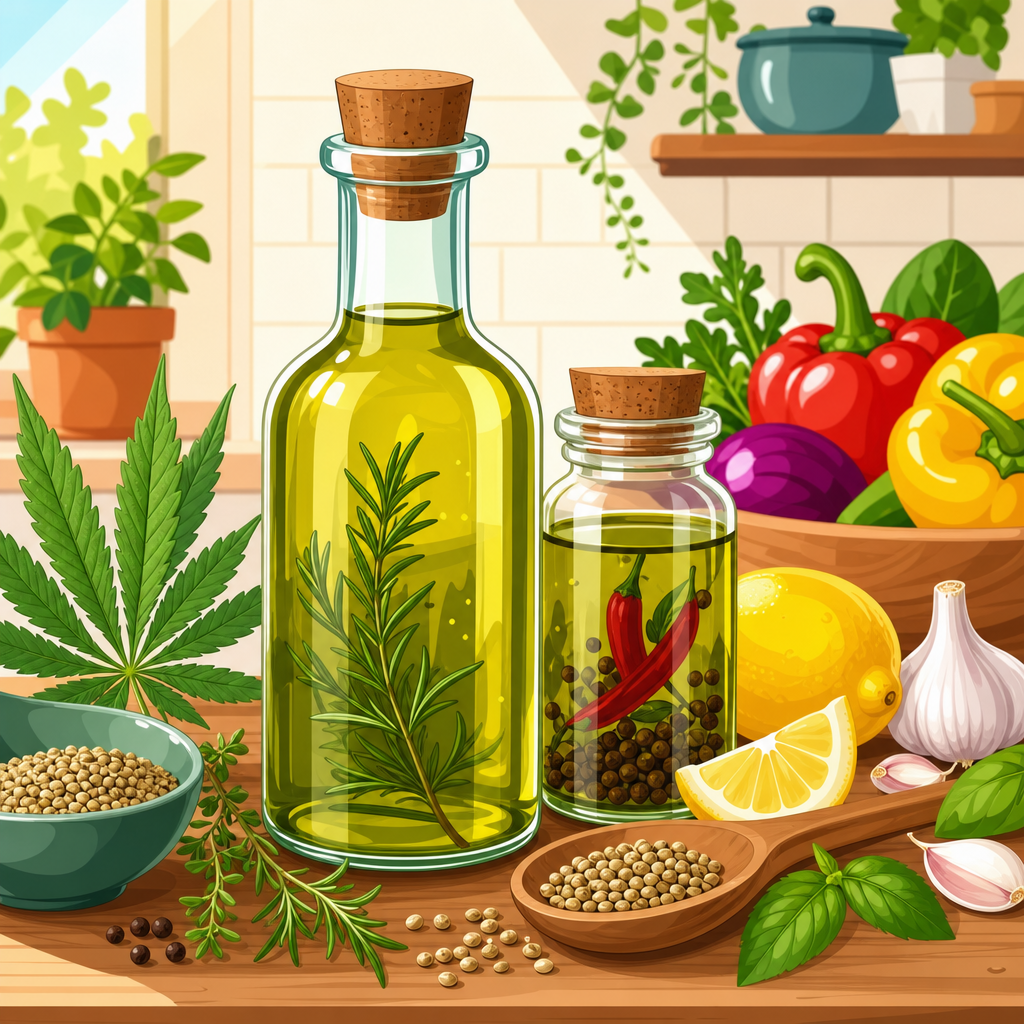

Homemade hemp bread is one of the simplest ways to turn hemp seeds, hemp hearts, and hemp protein into an everyday food that delivers flavor, texture, and meaningful nutrition. In practical terms, hemp bread is any yeast bread, quick bread, or dense loaf that uses ingredients from the hemp plant grown for food, not intoxicating varieties bred for high tetrahydrocannabinol. In my own kitchen testing, hemp works best when you treat it as a supporting ingredient rather than a total flour replacement, because it adds nuttiness, protein, fiber, minerals, and healthy fats but changes gluten structure and hydration. That balance is exactly why this topic matters for anyone exploring DIY hemp food products. A reliable homemade hemp bread recipe gives beginners an accessible starting point, while also opening the door to hemp granola, hemp milk, hemp energy bites, hemp crackers, and other pantry staples.
For readers building a broader understanding of hemp foods, bread is the ideal hub topic because it touches sourcing, nutrition, baking science, storage, and recipe adaptation. Hemp hearts are the soft inner seed, hemp seeds may be sold with or without hulls, hemp protein powder is a concentrated byproduct of oil pressing, and hemp seed oil is a delicate finishing oil rather than a high heat baking fat in most formulas. Each ingredient behaves differently, and using the wrong one can produce a loaf that is heavy, bitter, or dry. Understanding those distinctions helps home cooks save money and avoid failed batches. It also matters from a nutrition perspective. Hemp foods are valued for plant protein, unsaturated fats, magnesium, iron, and alpha-linolenic acid, an omega-3 fatty acid, but those benefits only make it onto the plate when the recipe is built correctly.
This guide covers homemade hemp bread as a practical, nutrient-dense recipe while serving as a central resource for DIY hemp food products. You will learn which hemp ingredient to use, how to make a loaf with good rise and crumb, how hemp compares with other seeds and specialty flours, and how to branch into related homemade foods. The goal is not novelty baking. The goal is a repeatable, useful loaf you can actually make on a weeknight, slice for breakfast, and adapt into a wider hemp-based kitchen routine.
What Makes Hemp Bread Nutritious and How Hemp Ingredients Work
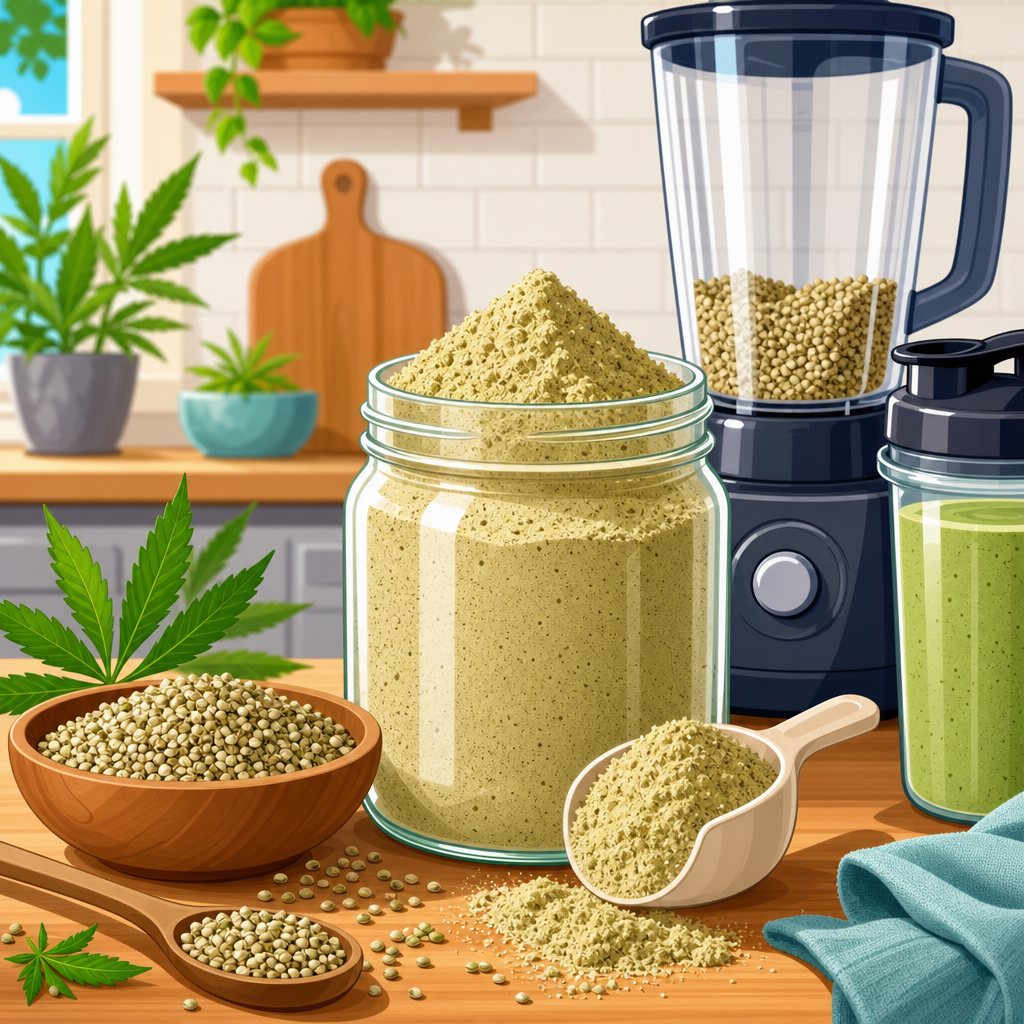
Hemp bread is nutritious because it combines the baseline benefits of whole-grain bread with the nutrient density of hemp ingredients. Hemp hearts contribute complete protein in the practical dietary sense, along with polyunsaturated fats, especially linoleic acid and alpha-linolenic acid. They also supply magnesium, phosphorus, manganese, and iron. Hemp protein powder adds more protein and fiber, but because it is denser and more absorbent than wheat flour, it can toughen a loaf if overused. In repeated test bakes, I have found that 10 to 20 percent hemp protein relative to total flour weight is usually the sweet spot for sandwich bread. Beyond that, volume drops and the crumb becomes tight unless you add extra hydration, a dough conditioner, or strong bread flour.
Nutrition alone does not make a bread worth baking. Function matters. Wheat flour forms gluten, which traps carbon dioxide from yeast fermentation and creates structure. Hemp does not build gluten. That means homemade hemp bread works best as a hybrid recipe in which bread flour or whole wheat flour provides strength while hemp hearts, hemp meal, or hemp protein contribute flavor and nutrients. If you want a fully gluten-free loaf, that is possible, but it is a different system requiring binders such as psyllium husk, eggs, flax gel, or xanthan gum. For most home bakers, a partially substituted yeast loaf is the easiest and best tasting entry point into DIY hemp food products.
Another key point is flavor. Hemp hearts taste mild, buttery, and nutty, making them easy to incorporate into breakfast loaves and savory bread. Hemp protein can taste earthier and slightly grassy depending on the brand, processing method, and freshness. Cold storage helps preserve quality because hemp’s unsaturated fats can oxidize over time. When buying ingredients, check the harvest or best-by date, avoid rancid or paint-like aromas, and choose products from brands that publish basic quality information such as organic certification, allergen controls, and country of origin.
A Reliable Homemade Hemp Bread Recipe You Can Use as a Base
The most dependable homemade hemp bread recipe for a first batch is a lean yeast loaf enriched with hemp hearts and a moderate amount of hemp protein powder. This version keeps enough bread flour for strength while delivering a visible hemp identity in both taste and nutrition. For one standard loaf, use 360 grams bread flour, 40 grams whole wheat flour, 35 grams hemp protein powder, 45 grams hemp hearts, 8 grams instant yeast, 9 grams fine sea salt, 20 grams honey or maple syrup, 300 to 315 grams warm water, and 20 grams neutral oil or light olive oil. If your kitchen is dry or your hemp protein is especially thirsty, expect to use the upper end of the water range.
Mix the dry ingredients first, keeping the salt and yeast distributed evenly. Add water, sweetener, and oil, then mix until no dry flour remains. Let the dough rest for ten minutes so the flour and hemp ingredients fully hydrate. Knead until moderately smooth and elastic, usually eight to ten minutes by stand mixer or ten to twelve minutes by hand. The dough should feel tacky but not soupy. Bulk ferment until doubled, generally sixty to ninety minutes depending on room temperature. Shape tightly, place in a greased loaf pan, and proof until the dough rises about one inch above the rim. Bake at 375 degrees Fahrenheit for thirty-five to forty minutes, until the loaf is browned and the center reaches roughly 200 to 205 degrees. Cool completely before slicing or the crumb will compress.
This formula works because every ingredient has a job. Bread flour provides structure. Whole wheat adds flavor without overwhelming the rise. Hemp protein boosts nutrition but stays below the threshold where it sabotages gluten. Hemp hearts soften the crumb and bring nutty richness. Sweetener supports yeast activity and balances hemp’s earthiness. The result is a loaf suited to toast, sandwiches, and breakfast with nut butter or eggs. Once you master this base recipe, you can move confidently into rolls, seeded boules, or no-knead variations.
Common Hemp Bread Problems and the Fixes That Actually Work
Most hemp bread failures come from three predictable mistakes: too much hemp substitution, too little hydration, or underdeveloped gluten. When a loaf is dense, the first thing I check is the percentage of non-wheat material. Home bakers often assume that if a little hemp is good, more must be better. In bread, that is rarely true. Replacing 25 to 30 percent of the flour with hemp protein or hemp meal usually creates a compact loaf unless you compensate aggressively. If you want more hemp flavor, increase hemp hearts on top or in the dough before increasing hemp protein.
Dryness is the next issue. Hemp protein and whole grain particles absorb water slowly, so a dough that seems correct at mixing can feel stiff twenty minutes later. A short autolyse or rest after initial mixing gives a more accurate read. If the dough tightens, add water a teaspoon at a time during kneading. Conversely, if the dough is gummy and spreads, the likely causes are overhydration, weak flour, or underproofing combined with poor shaping. Weighing ingredients with a digital scale prevents many of these problems immediately.
Bitterness or a harsh grassy taste usually points to ingredient quality, not just recipe design. Fresh hemp hearts are pleasantly nutty. Rancid hemp products taste sharp and unpleasant and can ruin an otherwise good loaf. Store opened bags in the refrigerator or freezer, especially in warm climates. Finally, if your crust browns too quickly, tent the loaf with foil for the last ten to fifteen minutes. Hemp proteins and sugars can encourage faster color development than plain white bread.
| Problem | Likely cause | Practical fix |
|---|---|---|
| Dense loaf | Too much hemp protein or poor gluten development | Keep hemp protein near 10 to 20 percent of flour weight and knead to moderate elasticity |
| Dry crumb | Insufficient hydration | Add 5 to 15 grams more water after a ten minute rest if dough feels tight |
| Poor rise | Expired yeast or cold dough | Use fresh yeast and ferment around 75 to 80 degrees Fahrenheit |
| Bitter flavor | Old or rancid hemp ingredients | Buy fresh product and refrigerate after opening |
| Collapsed loaf | Overproofing | Bake when dough is about one inch above the pan, not when it domes dramatically |
How to Choose Hemp Ingredients for Bread and Other DIY Hemp Food Products
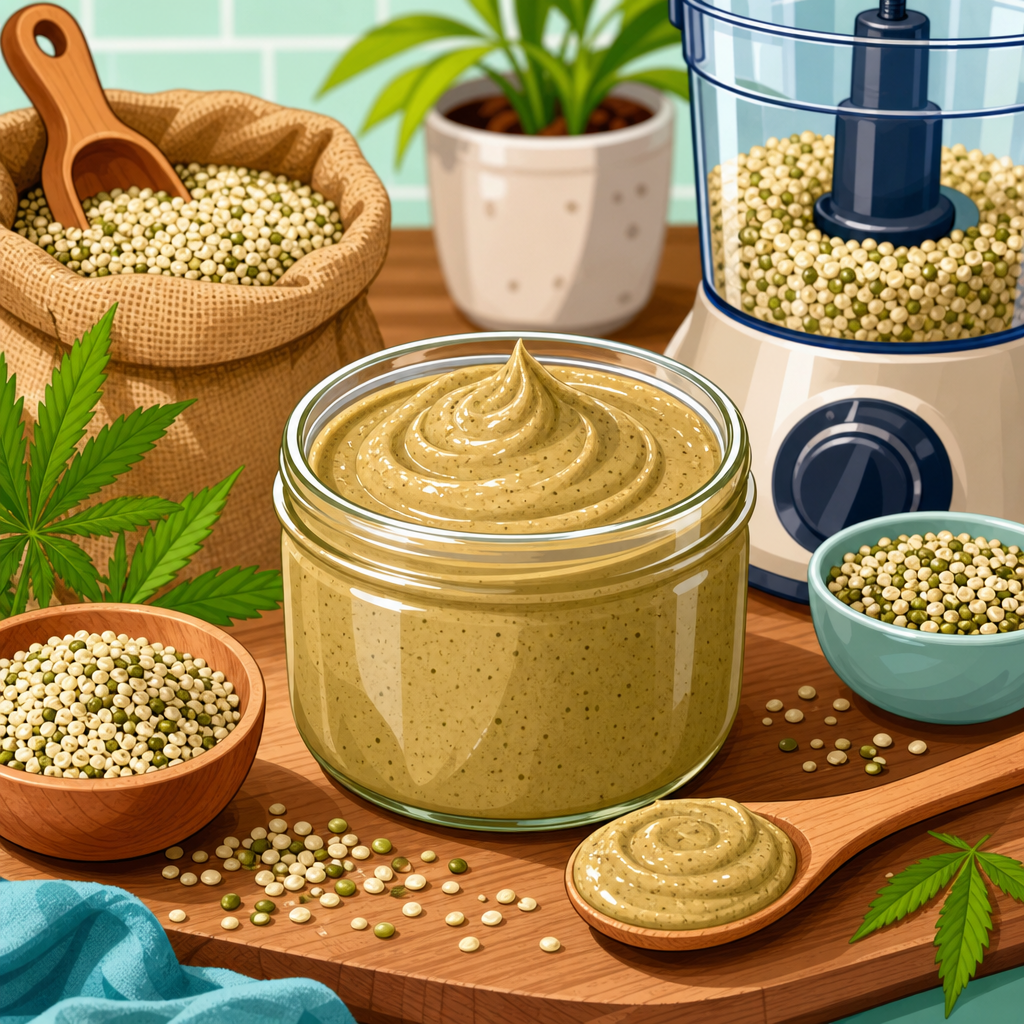
If you are building a home hemp pantry, start with three products: hemp hearts, hemp protein powder, and hemp seed oil. Hemp hearts are the most versatile because they can go into dough, on top of loaves, into oatmeal, yogurt, smoothies, and homemade bars. For bread, they add tenderness and visual appeal without destabilizing the dough. Hemp protein powder is best used strategically in baking, pancakes, muffins, and shakes. It is not a one-for-one flour substitute. Hemp seed oil is excellent in dressings, dips, pestos, and post-bake brushing, but it is less reliable for prolonged high-heat baking because delicate flavor compounds can degrade.
Label reading matters. Look for products with minimal additives, clear serving information, and transparent processing. Cold-pressed oil is standard for flavor quality. Protein powders vary widely in texture and color because some brands leave more fiber in the powder. That affects absorption, so recipes should be adjusted by feel as well as formula. If you are reviewing or comparing hemp products, note package size, price per ounce, protein per serving, and whether the flavor is mild enough for baking. Those details are more useful to readers than generic claims about superfoods.
For this DIY hemp food products hub, bread connects naturally to related recipes. Hemp hearts can become homemade granola clusters, seeded crackers, and breakfast jars. Hemp protein can enrich banana bread, blender muffins, or energy balls. Hemp seed oil belongs in vinaigrettes, herb sauces, and low-heat marinades. Once readers understand ingredient behavior in bread, they are better prepared to navigate those adjacent recipes without wasting ingredients or expecting hemp to behave like wheat, almond flour, or chia.
Expanding Beyond Bread: DIY Hemp Food Products Worth Making at Home
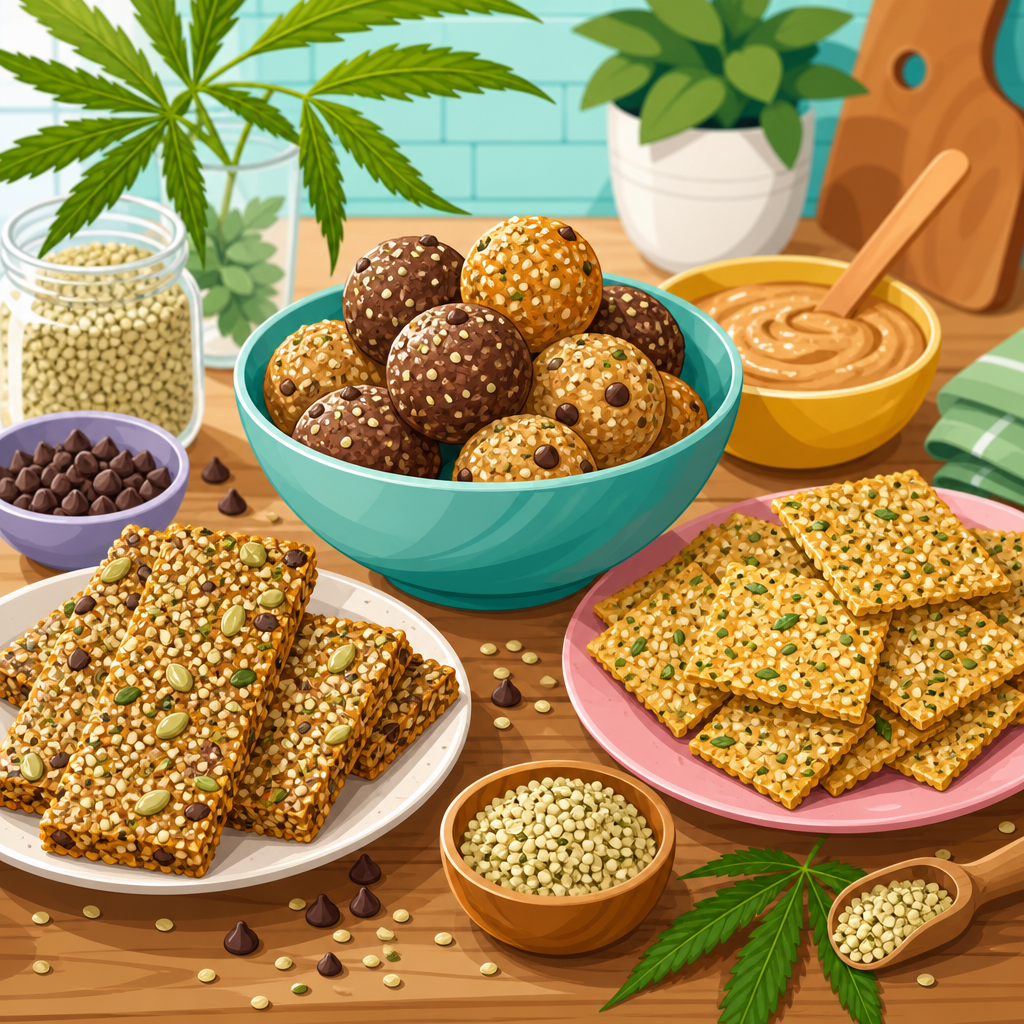
Homemade hemp bread is the gateway recipe, but it should not be the endpoint. The next best DIY hemp food products are the ones that deliver a clear advantage over store-bought versions. Hemp granola is a strong example. Adding hemp hearts after partial baking preserves flavor and improves crunch. Hemp crackers are another smart project because hemp hearts pair naturally with flax, sesame, and sunflower seeds, and the dough does not depend on lofty rise. Hemp protein pancakes also work well because chemical leavening can handle some density better than yeast can.
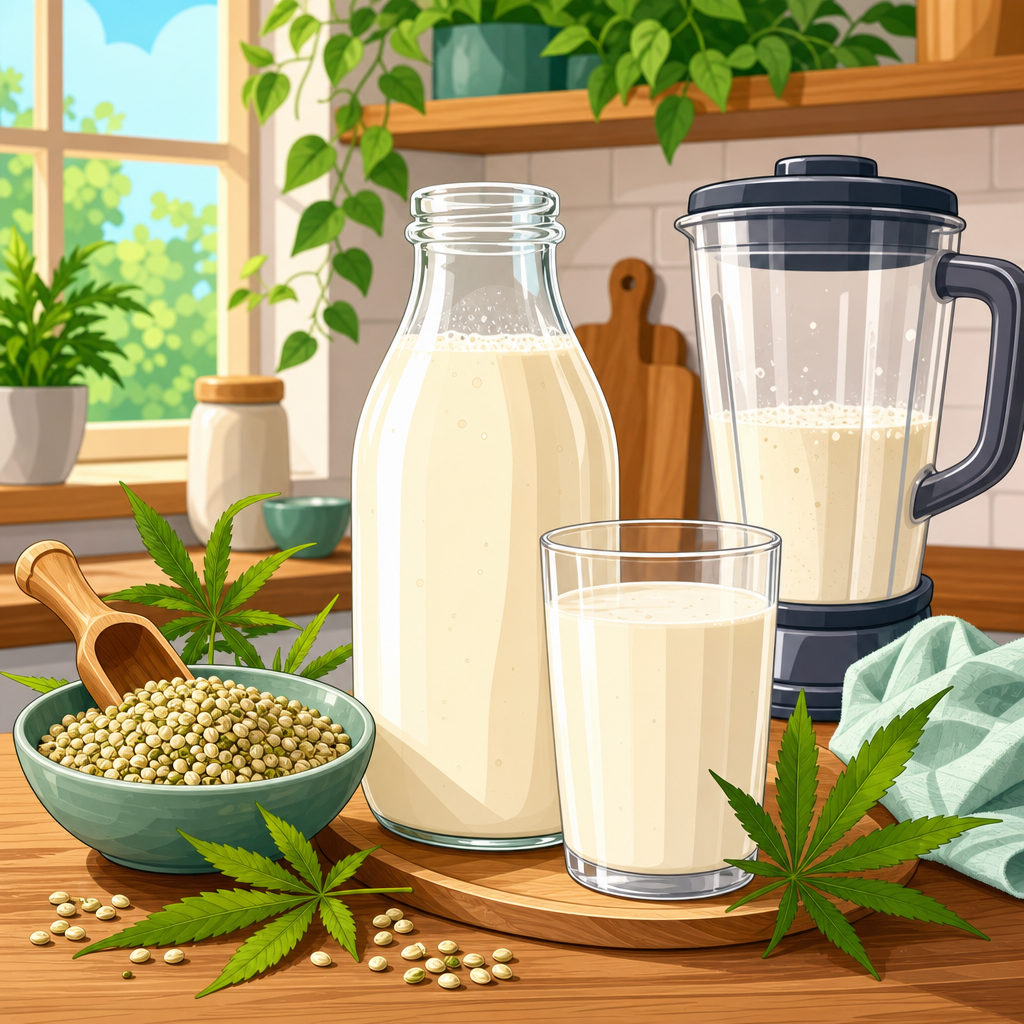
Hemp milk is popular, though it has tradeoffs. At home, blending hemp hearts with water and straining lightly creates a fresh beverage without the gums and stabilizers common in shelf-stable cartons. The downside is shorter shelf life, usually three to four days refrigerated, and some separation. For many households, that is acceptable if the milk is used in smoothies, oats, or coffee. Hemp energy bites are similarly practical because they use pantry ingredients, require no baking, and can absorb hemp protein’s earthier flavor through cocoa, cinnamon, dates, or nut butter.
As a hub page, this article should help readers see a system, not just one recipe. Bread teaches hydration, structure, and substitution limits. Granola teaches timing and low-moisture toasting. Hemp milk teaches emulsion and freshness. Crackers teach seed ratios and crisping. Together, those recipes make DIY hemp food products less intimidating and more economical, especially for people who already buy hemp ingredients for nutrition and want more than smoothie use cases.
Serving, Storing, and Making Hemp Bread Part of a Healthy Routine
A well-made hemp loaf fits easily into daily meals. For breakfast, toast it and pair it with cottage cheese, eggs, or almond butter for a high-protein start. For lunch, it makes sturdy sandwiches with roasted vegetables, turkey, or hummus. Because hemp adds nutty depth, the bread also works beside soups and bean dishes where a plain white loaf would disappear. If you want the flavor to stand out more, scatter extra hemp hearts on top after shaping and brush the loaf lightly with water so they adhere.
Storage affects both texture and nutrition quality. Like most homemade bread without commercial preservatives, hemp bread is best within two days at room temperature in a bread box or paper-and-plastic combo bag that balances moisture retention and crust integrity. For longer storage, slice and freeze it. Toasting from frozen preserves texture far better than refrigerating the entire loaf, which accelerates staling. Because hemp ingredients contain delicate fats, avoid leaving the bread in direct sun or a hot car where oxidation speeds up.
The broader benefit of making hemp bread at home is control. You decide the flour quality, sodium level, sweetener amount, seed load, and freshness of the hemp ingredients. You can also adapt the loaf for family preferences by adding oats, sunflower seeds, rosemary, or dried fruit while keeping the core formula stable. If you want to build confidence with DIY hemp food products, start with this bread, bake it twice, note your ideal hydration, and then branch into crackers, granola, or hemp milk. A dependable homemade hemp bread recipe is not just a single meal. It is a practical foundation for a more capable, nutrient-focused kitchen.
Frequently Asked Questions
What is hemp bread, and does it have any intoxicating effects?
Hemp bread is a homemade loaf made with food-grade hemp ingredients such as hemp seeds, hemp hearts, or hemp protein powder. These ingredients come from hemp varieties grown specifically for nutrition, not from intoxicating cannabis strains bred for high tetrahydrocannabinol, commonly known as THC. In everyday baking, hemp is used to add a mild nutty flavor, a heartier texture, and a more nutrient-dense profile to breads ranging from classic yeast loaves to quick breads and dense seeded loaves.
For most home bakers, the important point is that hemp bread is made for flavor and nourishment, not for psychoactive effects. Hulled hemp hearts are especially popular because they blend easily into doughs and batters, while whole hemp seeds add pleasant crunch and visual appeal. Hemp protein powder can also be included in small amounts to boost protein content, though it should be balanced carefully so the loaf does not become too dry or dense.
When baked properly, hemp bread tastes wholesome and slightly earthy rather than unusual or overpowering. It fits naturally into everyday meals, whether served toasted at breakfast, paired with soups and salads, or used for sandwiches. In other words, hemp bread is simply a practical, nutritious homemade bread with added plant-based benefits.
What are the nutritional benefits of adding hemp seeds, hemp hearts, or hemp protein to homemade bread?
One of the biggest reasons people make homemade hemp bread is to improve the nutritional value of a food they already enjoy regularly. Hemp ingredients contribute plant-based protein, dietary fiber, healthy fats, and important minerals. Hemp hearts in particular are known for supplying protein and beneficial unsaturated fats, including omega fatty acids, which can help make a loaf feel more satisfying and balanced than bread made only with refined flour.
Whole hemp seeds can also add texture and extra fiber, while hemp protein powder offers a concentrated protein boost. This can be especially useful for people trying to make bread more filling or for those who want to support a more plant-forward eating style. Depending on the rest of the recipe, hemp bread may also provide nutrients such as magnesium, iron, phosphorus, and zinc, all of which are found naturally in hemp foods.
That said, the best nutritional results usually come from using hemp as part of a balanced formula rather than treating it as a complete substitute for traditional flour. Wheat flour or another structured base still does most of the work in terms of loaf development, while hemp contributes enhancement. This approach helps you preserve good texture and rise while still gaining the nutritional advantages that make hemp such a smart ingredient in homemade bread.
How much hemp can I add to bread without ruining the texture?
In most cases, hemp works best as a supporting ingredient rather than a total flour replacement. That is one of the most important principles for successful hemp bread. Traditional flour, especially bread flour or all-purpose flour in yeast breads, provides the structure needed for a proper crumb and rise. If too much hemp protein or too many seeds are added without adjusting the recipe, the loaf can become heavy, dry, crumbly, or overly dense.
A practical starting point is to replace a modest portion of the flour with hemp ingredients or simply add hemp hearts and seeds alongside the main flour. For example, many home bakers get better results by adding a few tablespoons to a small fraction of the total dry ingredients rather than attempting a one-to-one swap. Hemp hearts are generally easier to incorporate than hemp protein powder because they do not absorb moisture in exactly the same way. Hemp protein is useful, but it is more concentrated and can quickly change the dough or batter consistency.
If you are experimenting, make one change at a time. Start with a standard bread recipe and add hemp hearts for flavor and nutrition first. Then, if desired, try a small amount of hemp protein powder and adjust the liquid slightly to compensate. Watching the dough texture matters more than chasing an exact formula. If the dough feels overly stiff or the batter seems too thick, add a little extra liquid. If the loaf becomes too compact, reduce the hemp content on your next attempt. Gradual testing almost always produces better bread than aggressive substitution.
What type of bread recipe works best for hemp ingredients: yeast bread, quick bread, or a dense loaf?
Hemp can work well in several styles of bread, but the best choice depends on what kind of result you want. Yeast breads are excellent if you want a classic sliceable loaf with chew, structure, and good sandwich potential. In yeast dough, hemp hearts and small amounts of hemp protein can add complexity without overwhelming the loaf, especially when paired with bread flour. This is often the best option for bakers who want an everyday bread that still feels familiar.
Quick breads are another great fit, especially for beginners. Because quick breads do not rely on gluten development or yeast fermentation in the same way, they can be more forgiving when using nutrient-dense add-ins. Hemp hearts, whole hemp seeds, and even some hemp protein powder can be folded into muffin-style batters or loaf batters with less concern about rise and elasticity. This makes quick bread a smart place to start if you are new to baking with hemp.
Dense loaves and seeded breads may be the most natural home for hemp if you enjoy hearty texture and rustic flavor. These recipes already welcome seeds, grains, and substantial ingredients, so hemp blends in beautifully. A dense loaf can highlight the nutty profile of hemp especially well, and it tends to toast nicely. Ultimately, there is no single correct format. If you want soft slices for sandwiches, choose yeast bread. If you want simplicity, choose quick bread. If you want a robust, grain-forward loaf, choose a denser bread where hemp can really shine.
What are the best tips for making homemade hemp bread taste great and bake successfully?
The first and most reliable tip is to think of hemp as an enhancer, not the entire foundation of the recipe. A successful hemp bread usually starts with a strong base recipe that already has proven structure, then builds in hemp ingredients for nutrition, flavor, and texture. Hemp hearts are one of the easiest additions because they contribute a pleasant nutty taste without dramatically interfering with the dough. Whole hemp seeds can be sprinkled on top or mixed in for crunch, while hemp protein powder should be used more carefully because it can make bread dry if overused.
Flavor balance also matters. Hemp pairs especially well with ingredients like whole wheat flour, oats, sunflower seeds, pumpkin seeds, honey, maple syrup, olive oil, yogurt, or buttermilk, depending on the style of bread. A small amount of sweetener can soften any earthy notes, while fat helps create a more tender crumb. Salt is also essential because it sharpens the overall flavor and keeps the loaf from tasting flat.
From a baking standpoint, pay close attention to moisture. Hemp protein and seeds can affect hydration, so it is wise to reserve a little extra liquid and add it only if needed. In yeast breads, allow enough kneading and proofing time so the gluten network can still do its job. In quick breads, avoid overmixing, which can create toughness. It also helps to cool the bread fully before slicing, since hemp-enriched loaves can seem slightly delicate when hot. With a balanced recipe, careful hydration, and moderate use of hemp ingredients, homemade hemp bread can be flavorful, nourishing, and reliably enjoyable enough for everyday baking.