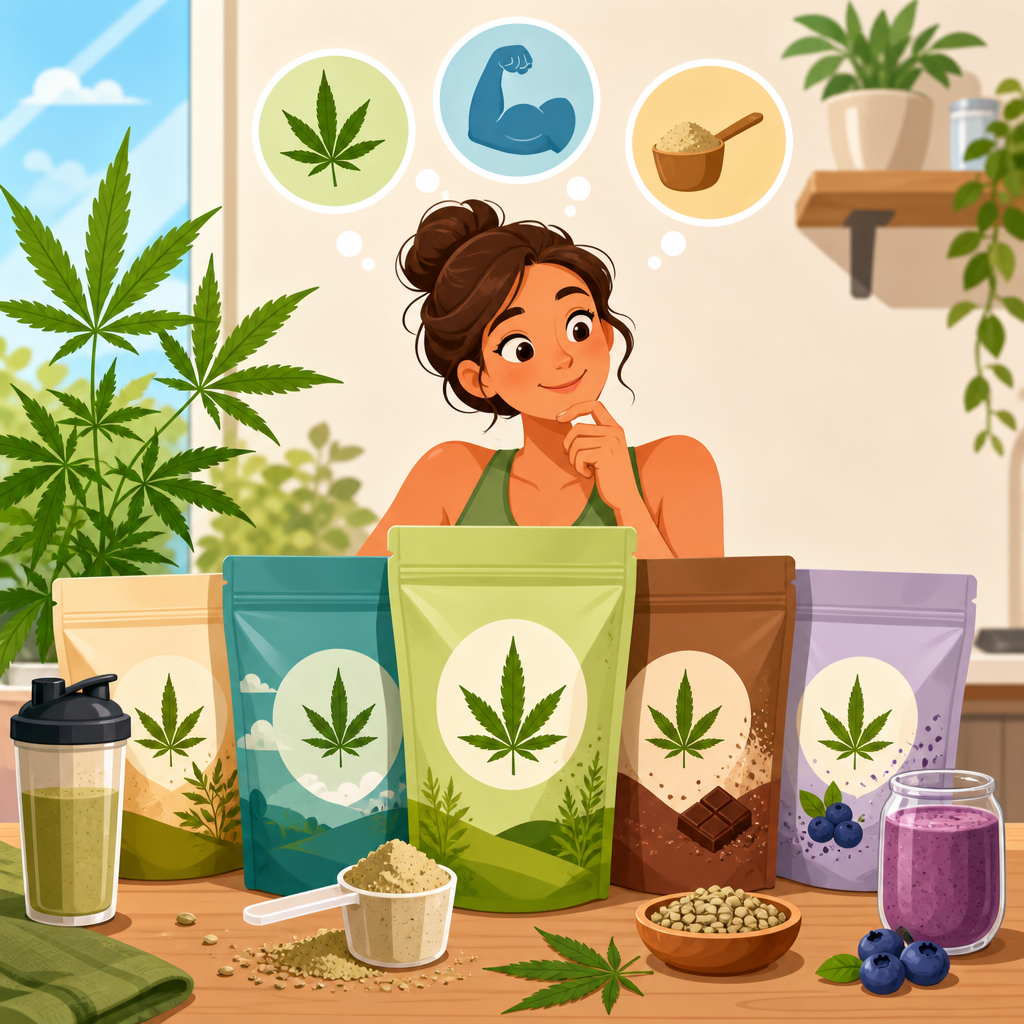
Hemp protein powder has moved from niche health-store shelves into mainstream nutrition aisles because it offers a plant-based protein source with fiber, minerals, and a comparatively short ingredient list. For shoppers comparing hemp products, this buyer’s guide explains what hemp protein powder is, how it is made, what quality markers matter, and how to choose a formula that fits your diet, budget, and training goals. Hemp protein powder is typically produced by pressing oil from hulled hemp seeds, then milling the remaining seed cake into a fine powder. The result is not the same as isolated soy or pea protein: hemp usually contains less protein per serving, but it delivers more naturally occurring fiber, omega fatty acids, magnesium, iron, and a characteristic earthy taste. That balance is exactly why buyers need a clear guide. Labels can look similar while protein percentage, texture, digestibility, sourcing standards, and contaminant testing differ substantially. I have reviewed enough hemp products to know that the best choice is rarely the brand with the loudest packaging. It is the product that matches your intended use, confirms purity through testing, and tells you plainly how much protein you are actually getting per scoop.
This matters because buyers often ask the same practical questions before they purchase: Is hemp protein complete? How much should a serving contain? Is organic worth paying for? Can it replace whey after training? Does it taste gritty? The honest answer is that hemp protein can be an excellent daily option, but only when expectations are aligned with the product’s strengths. Hemp seed protein contains all nine essential amino acids, yet it is relatively lower in lysine than some other protein sources. That does not make it poor quality; it means the ideal use case may differ from a highly refined sports isolate. Consumers also need to understand regulations and quality assurance. Reputable manufacturers should disclose where the hemp was grown, whether the powder is organic, and whether third-party laboratories check for heavy metals, pesticide residues, microbial contamination, and cannabinoid compliance where relevant. As a hub article for guides to buying hemp products, this page gives you the decision framework first, then points you toward the details that matter most across ingredient quality, certifications, nutrition, flavor, and value.
What Hemp Protein Powder Is and Who It Suits Best
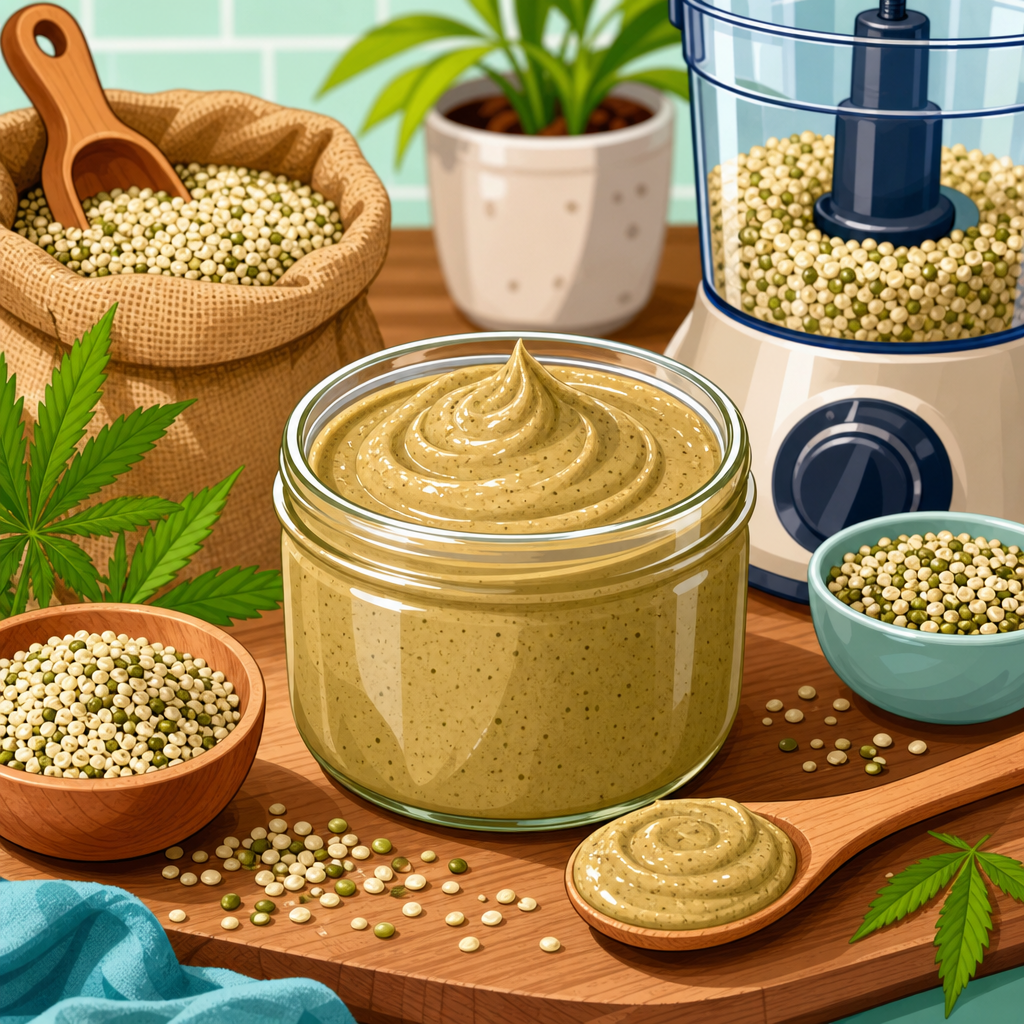
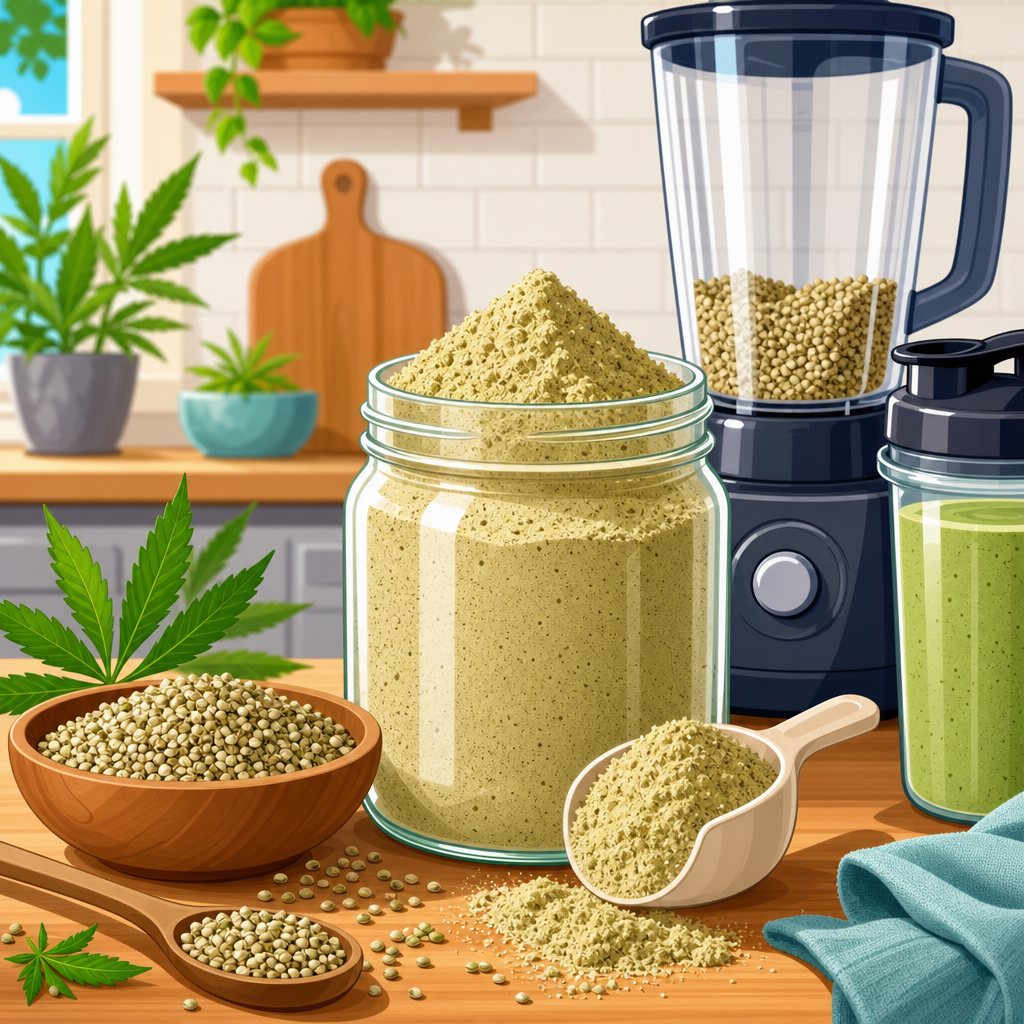
Hemp protein powder is made from the seeds of Cannabis sativa varieties bred for industrial hemp, not from high-THC cannabis flower. In practical buying terms, you are purchasing a seed-derived food ingredient. Most powders start with hemp hearts or partially hulled seeds. The oil is removed mechanically, and the remaining solids are ground and sifted. Less processed products keep more fiber and micronutrients, while more refined versions are milder in taste and somewhat higher in protein concentration. Typical servings provide about 12 to 20 grams of protein, depending on whether the powder is roughly 50 percent, 60 percent, or 70 percent protein by weight. That percentage matters more than the front label claim, because scoop sizes vary significantly from brand to brand.
Hemp protein powder suits several groups particularly well. It is useful for buyers who want a minimally processed plant protein, people avoiding dairy or soy, and anyone who values added fiber in a shake. It also works well in blended routines, such as combining hemp with pea or rice protein to improve amino acid balance and texture. In my experience, hemp is less ideal for shoppers who want the lightest texture, the highest protein-per-calorie ratio, or a neutral flavor for plain water mixing. Those buyers often prefer whey isolate or a refined plant blend. Hemp stands out when whole-food characteristics matter more than lab-clean macros. It is especially practical in smoothies, oats, pancakes, energy bites, and baking, where its nutty flavor complements the recipe instead of fighting it.
How to Read a Hemp Protein Label Without Being Misled
The fastest way to assess a hemp protein powder is to ignore the marketing panel and read four parts of the label: serving size, protein grams, ingredients, and testing or certification information. Start by calculating protein density. A 30-gram scoop with 15 grams of protein is a 50 percent protein powder. A 30-gram scoop with 21 grams is 70 percent. That simple calculation tells you how much of the product is protein versus fiber, fats, and carbohydrates. Neither is automatically better. A 50 percent formula may be preferable if you want whole-seed nutrition and satiety, while a 70 percent formula makes more sense if you are targeting a protein goal with fewer calories.
Next, examine ingredients. The cleanest products contain one ingredient: hemp protein powder. Flavored products can still be excellent, but sweeteners, gums, natural flavors, cocoa, salt, and digestive enzymes should all serve a purpose. If the label includes a proprietary blend, move on. Transparent brands state exact amounts. Also check sodium, iron, magnesium, and fiber. Hemp powders often contribute meaningful iron and magnesium, which is helpful for plant-based eaters. Finally, verify quality markers. USDA Organic certification, Non-GMO Project verification, and third-party testing claims each add confidence, but the strongest signal is a current certificate of analysis available on request or published by batch. That document should show microbial safety and contaminant screening, not just basic nutrition data.
Quality Markers That Separate Better Hemp Powders From Average Ones
High-quality hemp protein powders share a few nonnegotiable traits. First is raw material quality. Hemp is a bioaccumulator, meaning it can absorb substances from soil more readily than some crops. That makes origin and farming practices especially important. Canadian and European hemp supply chains have historically been strong because of clearer cultivation standards, though excellent U.S. producers now exist as well. Organic certification reduces pesticide concerns, but it does not replace finished-product testing for heavy metals such as lead, cadmium, arsenic, and mercury. Buyers should want both.
Second is processing quality. Cold-pressed or mechanically pressed hemp protein generally preserves more of the seed’s natural characteristics than heavily solvent-processed alternatives. Manufacturers should also control particle size, because poor milling creates a gritty mouthfeel and uneven mixing. Third is freshness management. Hemp contains unsaturated fats that can oxidize. Good packaging uses opaque, resealable bags or tubs, includes a clear best-by date, and stores well away from heat and light. When I test hemp powders, stale aroma is one of the quickest signs that inventory turnover or packaging is weak. Fresh hemp should smell nutty and earthy, not paint-like or bitter.
| Buying Factor | What to Look For | Why It Matters |
|---|---|---|
| Protein concentration | 50% to 70% protein by weight, stated clearly | Determines protein per scoop and calorie efficiency |
| Ingredient list | Single-ingredient or fully transparent formula | Reduces fillers and simplifies tolerance checks |
| Certification | Organic and batch-specific third-party testing | Improves trust in purity and sourcing claims |
| Origin | Named country or region of cultivation | Signals accountability and agricultural standards |
| Texture and flavor | Fine milling, fresh aroma, realistic flavoring | Affects daily usability and recipe performance |
Nutrition, Amino Acids, and Performance Expectations
A common question is whether hemp protein is a complete protein. Yes, hemp contains all essential amino acids, but completeness alone does not tell the full story. Sports nutrition decisions depend on amino acid distribution, especially leucine content for muscle protein synthesis. Hemp usually has less leucine per serving than whey, and often less than soy or pea isolates. That means athletes using hemp after training may need a larger serving or a complementary protein source to reach an effective leucine threshold. For general wellness, appetite support, and baseline protein intake, this is much less of a concern than advertisements sometimes suggest.
Hemp’s nutritional advantage is its broader whole-food profile. Many powders provide substantial fiber, which can improve satiety and digestive regularity. They also contain iron, magnesium, zinc, and residual omega-3 and omega-6 fatty acids, often in a naturally favorable ratio. The tradeoff is calorie efficiency and texture. More fiber and fats usually mean fewer grams of protein per 100 calories and a thicker shake. Buyers should decide whether they want a performance-first supplement or a more complete food ingredient. For many households, hemp works best as an everyday nutrition product rather than a pure sports supplement. It is excellent in breakfast smoothies, recovery meals paired with fruit and oats, and blended vegan formulas where its minerals and fiber round out the profile.
Flavor, Mixability, and Use Cases in Real Kitchens
One of the biggest reasons people abandon hemp protein is not nutrition. It is sensory mismatch. Unflavored hemp protein has an earthy, grassy, nutty taste and a denser mouthfeel than whey or clear vegan isolates. That is normal, not a defect, unless the powder tastes rancid or sharply bitter. The best buying strategy is to match the format to the use case. If you want a fast shake with water after the gym, choose a finer-milled, higher-protein powder or a flavored blend that includes another plant protein. If you make smoothies with banana, berries, cocoa, cinnamon, dates, or nut butter, standard hemp protein can be excellent.
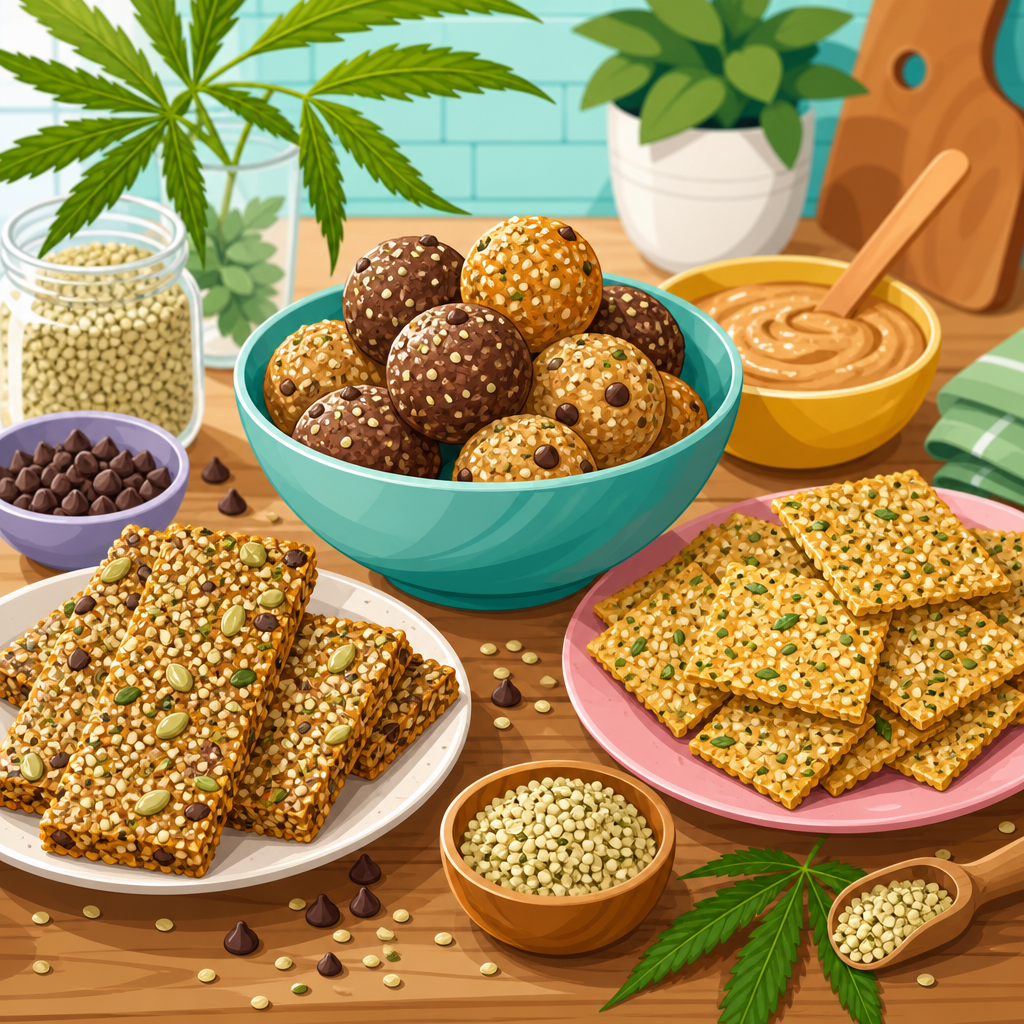
In testing, hemp performs far better in food than many first-time buyers expect. It adds body to overnight oats, structure to homemade protein bars, and a nutty note to muffins or pancakes. Vanilla and chocolate flavors are usually safer than more ambitious dessert profiles, because hemp’s base taste can overpower delicate flavor systems. Also watch sweeteners. Stevia and monk fruit can work, but aggressive sweetening sometimes clashes with hemp’s earthy profile. Brands that keep flavor formulas simple often taste better in practice. If you are buying for a family, starting with an unflavored bag and using it in recipes is often more successful than committing to a large tub of sweetened powder.
Price, Value, and How to Compare Products Fairly
Price comparison in hemp protein is frequently done badly. Do not compare only container price. Compare cost per 20 grams of protein, serving count based on your actual usage, and whether the formula includes meaningful extras or just filler. A cheaper tub with lower protein density may cost more over a month if you need larger scoops to hit your target. At the same time, the highest-protein option is not always the best value if you specifically want fiber, organic sourcing, or minimal processing. Value means paying for the characteristics you will use.
Look at package size as well. Hemp powder can compact, and scoop estimates are inconsistent. Gram-based comparisons are more reliable than “servings per container.” Subscription discounts can be useful, but only after you confirm taste and tolerance with a smaller bag. Returns are less common in supplements than in general retail, so trial size matters. Also note that organic and batch-tested hemp usually costs more because farming, certification, and laboratory screening add real expense. That premium is justified when a brand documents the work. It is not justified when a package uses vague purity language without evidence.
Red Flags, Smart Buying Steps, and How This Hub Helps
Several warning signs should stop a purchase immediately. Avoid products that hide protein amounts in proprietary blends, make sweeping medical claims, or fail to state where the hemp is grown. Be cautious with powders sold only through anonymous marketplace listings, especially if labeling images are incomplete or inconsistent. Missing lot numbers, no best-by date, and no contact channel for lab results are all practical trust issues. Another red flag is unrealistic texture marketing. Hemp protein will never behave exactly like whey isolate, and brands that promise perfect clarity or zero grit are usually overselling a naturally dense ingredient.
The smarter buying process is straightforward. Define your primary goal first: daily nutrition, meal support, baking, muscle recovery, or a dairy-free alternative. Then shortlist products by protein density, ingredients, certifications, and origin. Check whether the brand publishes test results or will provide a certificate of analysis. Read recent reviews for taste consistency and packaging quality, not just star ratings. Finally, start small and test the powder in the way you actually plan to use it. As the hub page for guides to buying hemp products, this article gives you the framework to evaluate hemp protein powders with confidence. Use it as your baseline, then explore deeper reviews on organic options, flavored formulas, hemp hearts versus hemp protein, and third-party testing standards. The right product is the one that fits your nutrition goals, proves its quality, and earns a place in your routine. Compare labels carefully, buy one good bag first, and let performance in your kitchen decide the repeat purchase.
Frequently Asked Questions
What is hemp protein powder, and how is it made?
Hemp protein powder is a plant-based protein supplement made from the seeds of the hemp plant. It is important to note that hemp used for food products is not the same as marijuana in any practical nutritional sense; hemp foods contain only trace, legally regulated amounts of THC and are used for their nutrient profile rather than any intoxicating effect. In most cases, manufacturers begin with hulled hemp seeds, press them to remove most of the oil, and then mill the remaining seed cake into a fine powder. That process creates a product that is naturally rich in protein while still retaining beneficial fiber, minerals, and some healthy fats.
Because hemp protein is typically less processed than many other protein powders, it often has a shorter ingredient list and a more natural, earthy taste. Depending on the brand, the final product may be sold as a plain hemp protein powder or blended with flavorings, sweeteners, digestive enzymes, or additional plant proteins. The degree of processing matters when you shop: less refined products generally retain more fiber and micronutrients, while more refined versions may offer a smoother texture and a higher protein percentage per serving. Reading the label closely helps you understand whether you are buying a minimally processed whole-food style powder or a more engineered sports-nutrition product.
How does hemp protein powder compare with whey, pea, and other plant-based protein powders?
Hemp protein powder stands out for being more than just a protein source. Compared with whey protein, it usually contains less protein per scoop, but it often provides more fiber and a broader whole-food nutrient profile, including minerals such as magnesium, iron, and zinc. Whey is typically higher in leucine and may be more efficient for maximizing muscle protein synthesis on a gram-for-gram basis, which is why some athletes prioritize it. However, hemp can be an excellent choice for people who prefer plant-based nutrition, have dairy sensitivities, or want a protein powder that feels less processed.
Compared with pea protein, hemp protein usually has a grittier texture and a more earthy flavor, but it may appeal to shoppers who want a less isolated product. Pea protein isolates are often smoother and higher in protein concentration, while hemp protein tends to preserve more fiber and some naturally occurring fats. In practical terms, the best option depends on your goals. If you want the highest protein yield with the mildest flavor, pea or whey may have an edge. If you value ingredient simplicity, digestive tolerance, and a product that contributes fiber and minerals along with protein, hemp protein powder is a strong contender. Many buyers also choose blends that combine hemp with pea, rice, or pumpkin seed protein to improve texture, amino acid balance, and overall usability.
What should I look for on the label when buying hemp protein powder?
The label tells you almost everything you need to know about quality. Start with the protein content per serving and compare it with the serving size. Some powders may look impressive at first glance, but if the serving size is very large, the actual protein density may be lower than expected. Next, check the fiber content, since one of hemp protein’s biggest advantages is that it can contribute meaningful fiber to your diet. Also review the ingredient list carefully. A plain product may contain only hemp protein or ground hemp seed protein, while flavored versions may include sugar, natural flavors, gums, sweeteners, or added vitamin and mineral blends.
It is also smart to look for third-party testing, especially if purity, heavy metal screening, or sport certification matters to you. Certifications such as organic, non-GMO, gluten-free, or NSF Certified for Sport can be useful depending on your priorities, though not every shopper needs every certification. Check whether the product specifies hulled hemp seed protein or a more whole-seed style powder, because that can influence texture and fiber content. Finally, pay attention to practical details: cost per serving, number of servings per container, flavor options, and whether the powder mixes well in smoothies or shakes. A good hemp protein powder is not just nutritious on paper; it also needs to fit your routine well enough that you will actually use it consistently.
Is hemp protein powder a complete protein, and is it good for muscle building?
Hemp protein does contain all nine essential amino acids, which means it is often described as a complete protein. That said, completeness alone does not tell the whole story. Different proteins provide different amounts of key amino acids, and hemp protein is generally lower in leucine than whey and some more refined plant proteins. Leucine plays a major role in triggering muscle protein synthesis, so athletes focused on maximizing post-workout recovery may need a larger serving of hemp protein or may benefit from combining it with other protein sources throughout the day.
For muscle building, hemp protein can still be effective, especially when your overall daily protein intake is adequate. It works particularly well for people following plant-based diets, those who want a more whole-food supplement, or anyone looking to increase protein intake without relying on dairy. If performance is your top priority, compare the grams of protein per serving and think about how you plan to use it. Some people use hemp protein on its own in smoothies, oatmeal, or baked goods, while others combine it with pea or rice protein to create a more concentrated and workout-oriented blend. In other words, hemp protein can absolutely support training goals, but it is most effective when chosen with realistic expectations about protein concentration, amino acid profile, and serving size.
Who should choose hemp protein powder, and how do you find the right formula for your diet and budget?
Hemp protein powder is a strong choice for shoppers who want a plant-based protein with added nutritional value beyond protein alone. It is especially appealing to vegans, vegetarians, people with dairy intolerance, and anyone seeking a simpler ingredient list than what is common in heavily flavored sports supplements. It can also be a smart option for people who want extra fiber in their routine or prefer supplements that feel closer to real food. On the other hand, if you want the highest possible protein concentration, the smoothest texture, or the mildest flavor, another type of powder may be easier to use daily.
To find the right formula, first match the product to your main goal. For general wellness, a basic unsweetened hemp protein with minimal ingredients may be ideal. For meal replacement smoothies, you may prefer a version with added seeds, greens, or flavoring. For training and recovery, compare protein density and consider blended formulas if you want a more robust amino acid profile. Budget matters too, so calculate cost per serving rather than just looking at the tub price. A cheaper product may require larger scoops to deliver the same protein as a slightly more expensive option. Also consider taste and texture, because hemp protein’s earthy flavor can vary significantly by brand. Buying a smaller bag first is often the smartest way to test mixability, flavor, and digestive comfort before committing to a bulk purchase.