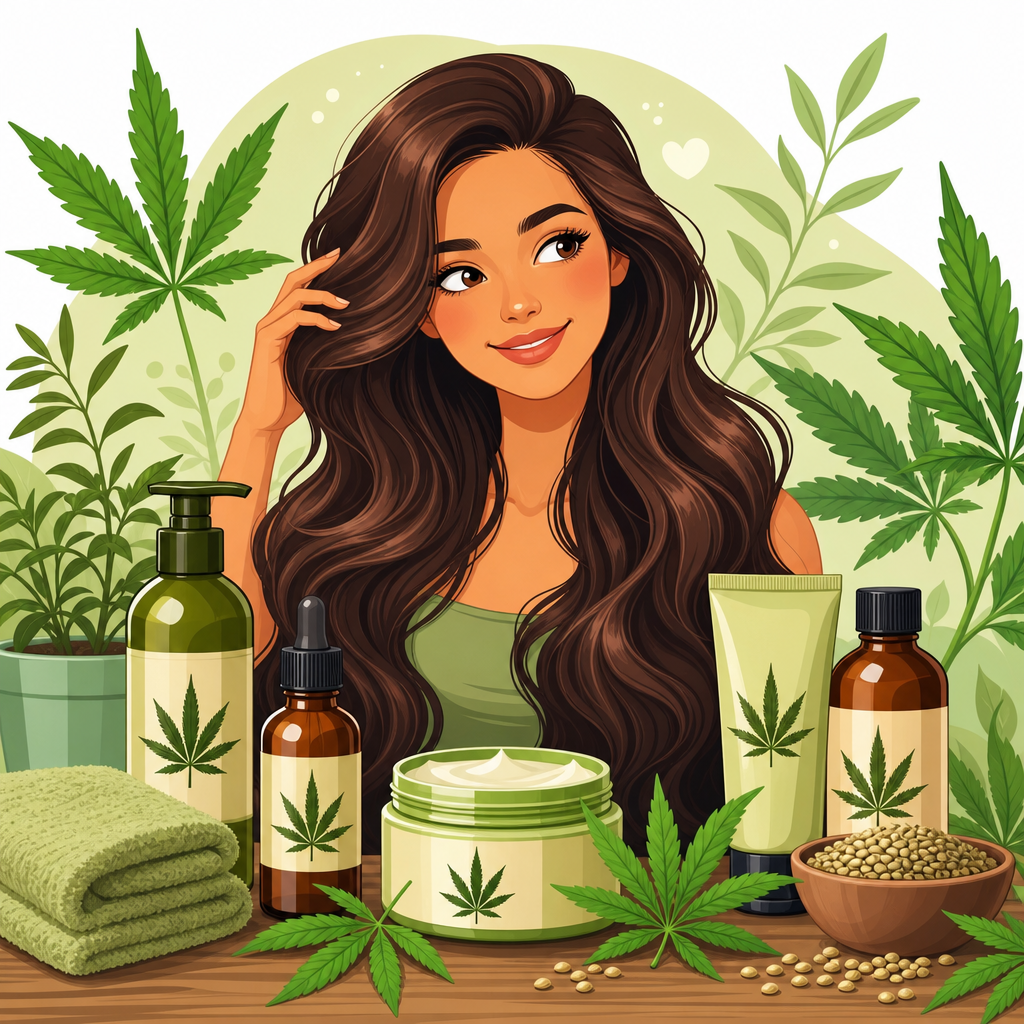
Hemp for hair health has moved from a niche wellness idea to a serious category in beauty and personal care, and for good reason: well-formulated hemp shampoos, conditioners, scalp serums, masks, and styling treatments can support moisture balance, reduce breakage, calm an irritated scalp, and improve the look and feel of hair without relying on overly harsh ingredients. In this context, hemp usually refers to ingredients derived from industrial hemp, most often hemp seed oil, hemp seed extract, or proteins and fatty acids isolated from the plant. These ingredients are rich in omega-3 and omega-6 fatty acids, vitamin E, phytosterols, and amino acids that help condition the hair shaft and support the scalp barrier. After reviewing dozens of formulas across clean beauty lines, salon brands, and mass-market launches, I have found that the best hemp hair products are not defined by trendy packaging or vague claims. They stand out because they pair hemp with proven supporting ingredients, match specific hair concerns, and use textures and cleansing systems that people will actually use consistently. This matters because healthy-looking hair rarely comes from one miracle product. It comes from a routine that protects the scalp, preserves the cuticle, minimizes protein and moisture imbalance, and fits real hair behavior, from heat styling to color processing to hard-water exposure.
For shoppers exploring hemp beauty and personal care products, hair care is often the most practical place to start because results are visible and routines are repeatable. A dry scalp may improve when hemp seed oil is combined with humectants and gentle surfactants. Fine hair may gain softness when lightweight hemp conditioners replace heavy silicone-rich creams. Curly, coily, and chemically treated hair may benefit from masks and leave-ins that use hemp alongside shea butter, hydrolyzed proteins, and panthenol to improve slip and reduce fracture during detangling. At the same time, not every hemp product is equal. Some formulas add trace amounts of hemp extract for label appeal while relying on aggressive cleansers or fragrant essential oils that can irritate sensitive skin. This guide serves as a hub for hemp beauty and personal care products with a clear focus on hair health, helping readers understand what hemp does, which products are worth buying, how to choose by hair type, and where these products fit within a complete regimen that can connect naturally to scalp care, skin care, and broader hemp product reviews.
What hemp does for hair and scalp
Hemp supports hair health primarily through conditioning and barrier support, not by magically accelerating growth. Hemp seed oil contains linoleic acid and alpha-linolenic acid in a ratio that makes it useful for lightweight emollience. In practical terms, that means it can soften rough hair, improve manageability, and reduce water loss from the scalp without leaving the dense residue associated with heavier oils. On the scalp, that matters because irritation and dryness often create a cycle of scratching, flaking, and over-washing that leaves hair looking worse. I have seen the best scalp-focused hemp products work most effectively when they keep fragrance low and combine hemp with niacinamide, aloe vera, glycerin, allantoin, or colloidal oatmeal.
For the hair fiber itself, hemp ingredients can contribute slip, flexibility, and shine. Hydrolyzed hemp protein is especially useful in damaged routines because smaller protein fragments can temporarily fill weakened areas on the cuticle surface, making strands feel stronger and less mushy after chemical services. However, protein is not universally beneficial. Hair that is low porosity or already stiff from frequent bond builders may react better to a hemp oil-rich, protein-light formula. This is why product category matters more than marketing language. A shampoo affects cleansing and scalp comfort. A conditioner affects lubrication and detangling. A mask affects repair and moisture retention. A serum affects scalp environment or frizz control depending on the formula. Knowing that distinction prevents expensive trial and error.
The best hemp product categories to buy first
If you are building a hemp hair routine from scratch, start with the categories that deliver consistent value: shampoo, conditioner, scalp treatment, and mask. Shampoo should cleanse effectively without stripping. Look for milder surfactants such as sodium cocoyl isethionate, sodium methyl cocoyl taurate, cocamidopropyl betaine, or decyl glucoside, especially if the product is positioned for dry scalp or color-treated hair. Hemp in a shampoo is most useful when the base is already gentle; it cannot fully offset a harsh cleansing system. Conditioner is where hemp often performs best, because fatty acids can remain on the hair long enough to improve combability and softness.
Scalp treatments deserve special attention because they answer the question many shoppers ask first: can hemp help with flakes, itch, or tightness? The answer is yes, if the underlying issue is dryness or mild irritation. If flakes are caused by seborrheic dermatitis, dandruff, psoriasis, or eczema, hemp can be supportive but should not replace active ingredients such as ketoconazole, zinc pyrithione where available, selenium sulfide, salicylic acid, or dermatologist-guided care. Masks and leave-ins are excellent for textured, bleached, and heat-damaged hair because they keep hemp ingredients in contact with the hair shaft longer. Styling creams and oils are optional. They can be effective, but they are easier to overapply, especially on fine hair.
| Product type | Best for | What to look for with hemp | Common mistake |
|---|---|---|---|
| Shampoo | Dry scalp, frequent washers, color-treated hair | Gentle surfactants, aloe, glycerin, low fragrance | Choosing a stripping formula with hemp listed last |
| Conditioner | Most hair types, especially tangling or dullness | Hemp seed oil, fatty alcohols, panthenol, balanced silicones | Using a rich formula that collapses fine hair |
| Scalp serum | Itch, tightness, visible dryness | Hemp plus niacinamide, allantoin, oat, or hyaluronic acid | Expecting it to treat medical dandruff alone |
| Mask | Bleached, curly, coily, heat-damaged hair | Hemp oil, hydrolyzed hemp protein, shea, ceramides | Using protein-heavy masks too often |
| Leave-in | Frizz, detangling, breakage prevention | Light emollients, UV filters, heat protection support | Applying too much near the roots |
How to evaluate the best hemp hair products
The best hemp hair products are easy to identify once you read the ingredient list like a formulator, not a marketer. First, check where hemp appears on the INCI list. If hemp seed oil is among the first several ingredients in a conditioner or mask, it is likely contributing meaningfully. If it appears after preservative-level ingredients, its impact is probably minor. Second, examine the supporting system. Strong formulas pair hemp with cetearyl alcohol, behentrimonium methosulfate, or amodimethicone for conditioning; with panthenol, glycerin, and propanediol for hydration; and with proteins or ceramides for damage support. Third, consider irritation risk. Peppermint oil, tea tree oil, and strong perfume are common in “scalp wellness” products, but they can backfire on sensitive skin.
Packaging and price also matter. Airless pumps and opaque bottles protect oxidation-prone oils better than clear jars sitting in a hot shower. Higher cost does not automatically mean a better formula. In fact, several mid-priced hemp conditioners outperform luxury products because they allocate cost to emulsion quality and conditioning agents rather than fragrance. I also advise checking whether the brand states third-party testing, responsible sourcing, and clear distinctions between hemp seed oil and cannabinoid ingredients. That transparency signals a company that understands the category. When a product makes sweeping claims about regrowing hair, reversing split ends permanently, or solving every scalp disorder, that is a red flag. Good hemp hair care improves condition, comfort, and cosmetic performance. It does not rewrite biology.
Best choices by hair type and concern
Fine hair benefits most from lightweight hemp shampoos and rinse-out conditioners rather than dense masks. Look for formulas that combine hemp seed oil with rice protein, panthenol, or low-level silicones for softness without limpness. Avoid heavy butters high on the ingredient list. Wavy and curly hair often responds well to richer hemp conditioners and leave-ins because slip reduces friction during detangling. Here, hemp works best alongside fatty alcohols, quaternary conditioning agents, and humectants that support curl clumping. Coily hair and protective styles usually benefit from masks and scalp oils used strategically: masks on lengths for lubrication and scalp treatments on parted sections to ease dryness without coating the roots heavily.
Color-treated and bleached hair need formulas that protect the cuticle and reduce wash-day stress. A hemp mask with hydrolyzed protein, ceramides, and acidic pH support can noticeably improve post-bleach roughness. Heat-damaged hair needs similar help, but with special attention to heat protectants in leave-ins, because no botanical oil alone replaces a tested thermal-protection system. For dandruff-prone scalps, pair a medicated shampoo one or two times weekly with a hemp-based soothing conditioner or serum on off days. For postpartum shedding or stress-related shedding, hemp products can improve scalp comfort and reduce breakage, but they will not address hormonal or nutritional drivers. In those cases, see a clinician while using gentle hemp-based support products to keep hair manageable during the recovery period.
How to build a complete hemp hair routine
A practical hemp routine starts with wash frequency. If you wash daily or every other day, choose a gentle hemp shampoo and a lightweight conditioner. If you wash once or twice weekly, use a more nourishing conditioner and add a mask every second wash. Apply shampoo mainly to the scalp, not the lengths. Apply conditioner from mid-length to ends unless the product is explicitly scalp-safe. If your scalp is dry, a hemp serum can go on clean damp skin after washing, then again between washes if the formula is non-greasy. This sequence matters because many people over-oil the scalp before solving basic cleansing and barrier issues.
In salon and home routines I have evaluated, the most common reason hemp products “do not work” is mismatch, not ingredient failure. Someone with limp fine hair buys a heavy hemp mask intended for tight curls. Someone with inflamed dandruff uses only a hemp oil and skips actual anti-fungal treatment. Someone with severe bleach damage keeps switching products weekly instead of giving a balanced routine a month to show results. A better plan is simple: use one shampoo, one conditioner, one targeted treatment, and one styling product for four to six weeks. Take note of scalp itch, breakage during detangling, shine, softness, and how long hair stays clean. Those signals tell you more than marketing claims ever will.
Where hemp fits in hemp beauty and personal care products
Hair care is one part of a larger hemp beauty and personal care landscape that includes body lotions, facial oils, lip balms, hand creams, bath products, deodorants, and scalp tools. As a hub topic, hemp for hair health connects naturally to adjacent categories because the same selection principles apply across them: ingredient concentration, formula architecture, barrier support, and realistic claims. A strong hemp body lotion, for example, often uses the same logic as a strong hemp conditioner: emollients, humectants, and occlusives in balanced proportions. A reliable hemp scalp serum mirrors a good facial serum in its use of soothing agents, measured actives, and low irritation potential.
This broader perspective helps shoppers build a coherent routine instead of collecting random hemp products that overlap or conflict. If your scalp is dry and your skin barrier is also compromised, choosing a gentle hemp shampoo, a fragrance-light hemp conditioner, and a compatible hemp body moisturizer creates consistency in your personal care routine. It also makes future product reviews easier to interpret because you understand what each formula is trying to do. As you explore more articles under hemp products and reviews, keep returning to the same core question: does this product use hemp in a way that meaningfully improves performance for a specific need? That standard separates useful hemp beauty products from products that simply borrow the language of wellness.
Hemp for hair health is most effective when approached as smart formulation, not trend chasing. Hemp seed oil, hemp protein, and related extracts can improve softness, reduce breakage, support scalp comfort, and complement routines for fine, curly, color-treated, or dry hair. The best products are the ones that match your hair type, pair hemp with proven supporting ingredients, and make realistic promises. Shampoos should cleanse gently, conditioners should detangle efficiently, masks should repair or soften according to need, and scalp treatments should calm dryness without pretending to replace medical care when a scalp condition is present.
As the hub for hemp beauty and personal care products, this guide should make your next purchase easier and more accurate. Start with the product category that addresses your main concern, read ingredient lists carefully, and give a consistent routine time to work. Then expand into related hemp personal care categories with the same standards. If you want better hair days, less guesswork, and products that earn their place on your shelf, use hemp as a targeted tool within a well-chosen routine and keep exploring the broader hemp product reviews that support that goal.
Frequently Asked Questions
What does hemp do for hair health, and why is it showing up in so many hair products?
Hemp has become popular in hair care because it offers a practical combination of nourishment, softness, and scalp support. In most beauty products, “hemp” refers to hemp seed oil or hemp seed extract derived from industrial hemp. These ingredients are valued for their fatty acid profile, including omega-3, omega-6, and omega-9 fatty acids, which help support the hair shaft and improve moisture retention. When hair is better moisturized and less brittle, it tends to look smoother, feel softer, and break less easily during brushing, styling, and washing.
Another reason hemp works well in hair care is that it can benefit the scalp environment. A dry, tight, or irritated scalp often contributes to discomfort and can make hair look dull or unhealthy overall. Hemp-based formulas are often included in shampoos, conditioners, scalp serums, and masks because they can help calm that dry-feeling, reduce the appearance of flaking related to dryness, and leave the scalp feeling more balanced. This is especially useful for people who want gentler products that do not leave hair stripped.
It is also showing up in more formulas because it pairs well with other effective hair care ingredients. Hemp seed oil is often combined with humectants, plant extracts, proteins, ceramides, or lightweight conditioning agents to create products that address frizz, rough texture, breakage, and lack of shine. In short, hemp is not just a trend ingredient. It is popular because, in well-formulated products, it can support moisture balance, improve manageability, and contribute to healthier-looking hair from root to tip.
Which hemp hair products are best for dry, damaged, or frizzy hair?
The best hemp product depends on your main concern, because each format does something slightly different. For dry hair, a hemp shampoo and conditioner duo is often the best starting point. A gentle shampoo with hemp seed oil can cleanse without leaving the hair overly stripped, while a richer conditioner helps replace softness and improve slip. If your hair feels rough, tangles easily, or looks dull after washing, this basic combination can make a noticeable difference over time.
For damaged or breakage-prone hair, a hemp mask or deep conditioning treatment is usually the most helpful addition. These products stay on the hair longer than standard conditioners, so they can provide a more concentrated conditioning effect. Look for formulas that combine hemp with ingredients such as shea butter, amino acids, hydrolyzed proteins, ceramides, or panthenol. Hemp helps with softness and flexibility, while the supporting ingredients can strengthen the feel of the hair and reduce the look of stress from heat styling, coloring, or chemical processing.
If frizz is your biggest issue, a hemp leave-in conditioner, smoothing cream, or lightweight serum is often the best choice. These products help coat the hair surface, improve moisture balance, and create a smoother appearance without requiring a full routine overhaul. For fine hair, choose lightweight sprays, milks, or serums that feature hemp lower in the ingredient list or alongside lighter oils. For thick, coarse, curly, or highly textured hair, richer creams and masks with hemp can deliver more visible softness and control. The most effective strategy is to match the product category to the problem you want to solve rather than assuming every hemp product works the same way.
Can hemp help with scalp dryness, irritation, or flakes?
Hemp can be a useful ingredient for an uncomfortable scalp, especially when dryness and sensitivity are part of the problem. Hemp seed oil is often included in scalp-focused treatments because it can help support the skin barrier and soften the scalp without feeling excessively heavy. When the scalp is less dry and less irritated, it often feels more comfortable and looks healthier overall. That can also make hair appear better at the roots, since a balanced scalp tends to produce less of the tight, flaky, stressed look many people want to avoid.
That said, it is important to understand what hemp can and cannot do. Hemp products may help reduce flakes caused by dryness or irritation, but they are not a cure-all for every scalp issue. If flakes are due to dandruff, significant oil imbalance, or a skin condition, you may need targeted active ingredients such as pyrithione zinc, salicylic acid, ketoconazole, or advice from a dermatologist. In those cases, hemp can still be a helpful supporting ingredient because it may make a treatment formula feel gentler and more conditioning, but it should not be the only thing you rely on for persistent symptoms.
For best results, look for hemp scalp serums, pre-shampoo oils, or conditioners designed specifically for scalp comfort. Apply them consistently and avoid harsh cleansing routines that undo the benefits. If your scalp is easily irritated, also watch out for heavy fragrance, strong essential oils, or aggressive exfoliating ingredients that can create the opposite effect. Hemp is most useful when it is part of a balanced scalp-care routine that cleanses effectively while protecting moisture and comfort.
Is hemp hair care safe for all hair types, including color-treated and textured hair?
In general, hemp hair care is suitable for most hair types, including straight, wavy, curly, coily, color-treated, and chemically processed hair. One of the reasons hemp has broad appeal is that it is usually associated with moisture support and conditioning rather than harsh cleansing. That makes it especially attractive for people whose hair is more vulnerable to dryness, including textured hair and hair that has been colored, bleached, relaxed, or heat-styled frequently.
For color-treated hair, hemp can be a good choice because softer, less stripped hair often holds its cosmetic look better between salon visits. While hemp itself does not “lock in” color in a technical sense, shampoos and conditioners built around gentler, more nourishing ingredients can help reduce the dry, faded appearance that sometimes follows frequent washing. It is still worth checking the full formula, though. A product labeled with hemp may still contain sulfates or strong detergents, so “hemp-infused” does not automatically mean color-safe or mild.
For textured, curly, and coily hair, hemp can be particularly useful in leave-ins, masks, curl creams, and scalp treatments because these hair types often need more moisture and lubrication to stay manageable and minimize breakage. The main consideration is product weight. Fine or low-density hair may prefer lighter hemp products that do not flatten volume, while dense, coarse, or high-porosity hair may benefit from richer formulas. As with any category, the best results come from choosing the right texture and formula for your hair’s needs, not just the featured ingredient on the label.
How do I choose the best hemp hair products and use them correctly for real results?
Start by identifying your primary goal. If your hair feels dry and rough, begin with a hemp shampoo and conditioner. If your scalp is uncomfortable, add a hemp scalp serum or pre-wash treatment. If your ends are frayed or your hair is breaking, look for a weekly hemp mask or a leave-in treatment. If your main frustration is frizz or dullness, a lightweight hemp serum or styling cream may be enough. The best product is the one that fits your specific concern and hair type, not necessarily the most expensive or the one with the boldest packaging claims.
Next, read ingredient lists carefully. Hemp seed oil or hemp seed extract should ideally appear high enough on the list to suggest it is meaningfully included, though exact placement is only one clue. Also pay attention to the supporting ingredients. For dry hair, look for glycerin, panthenol, fatty alcohols, butters, and conditioning agents. For damaged hair, protein and ceramide blends can be helpful. For scalp care, soothing ingredients such as aloe vera, niacinamide, or gentle botanical extracts may improve the overall formula. If you are sensitive, avoid products overloaded with fragrance or harsh alcohols.
Use the products consistently and realistically. A shampoo and conditioner may improve softness and manageability within a few washes, while scalp comfort and reduced breakage usually take longer. Deep masks often work best once or twice a week, and leave-in products should be applied mainly to mid-lengths and ends unless the product is specifically designed for scalp use. Avoid overapplying rich oils or heavy creams, especially on fine hair, since too much product can make hair limp or greasy rather than healthy-looking.
Finally, remember that hemp works best as part of a complete hair-care approach. Limiting excessive heat, handling wet hair gently, trimming damaged ends, protecting hair from overprocessing, and using the right styling products all matter. Hemp can absolutely improve the feel and appearance of your hair, but the strongest results come when you combine good products with smart day-to-day habits.