
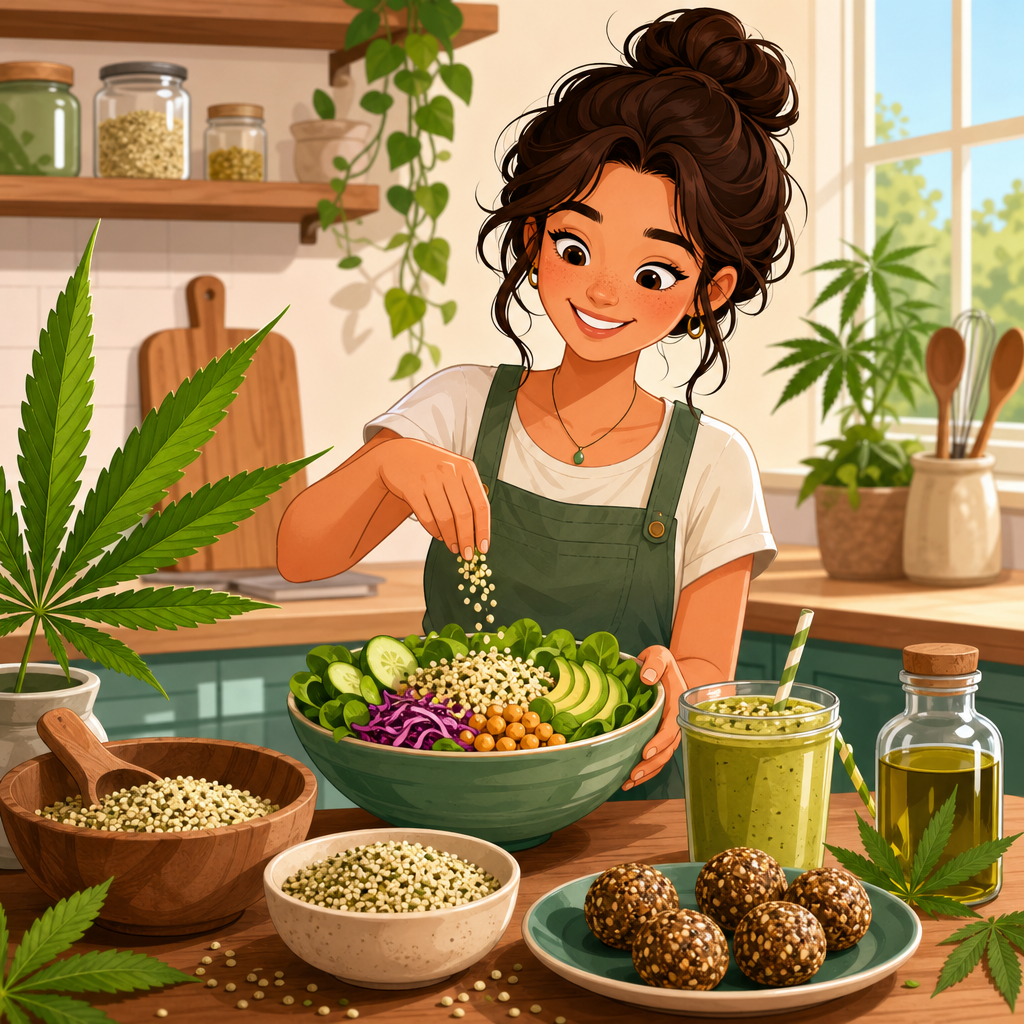
Cooking with hemp opens a practical, nutritious, and surprisingly versatile path for home cooks who want to add plant-based protein, healthy fats, and mild nutty flavor to everyday meals. In my experience working with hemp foods in test kitchens and consumer education content, the biggest barrier for beginners is not taste or availability; it is confusion about which hemp ingredient to use, how much heat it can handle, and how to fit it naturally into familiar recipes. Hemp foods generally refer to edible products made from industrial hemp seeds, seed oil, or protein-rich seed meal, not psychoactive cannabis products. Common options include hemp hearts, whole hemp seeds, hemp protein powder, and hemp seed oil. Each behaves differently in the pan, blender, or mixing bowl, so good results depend on choosing the right form for the job. This matters because hemp foods deliver meaningful nutrition: hemp seeds contain complete protein, polyunsaturated fats including omega-3 alpha-linolenic acid and omega-6 linoleic acid, plus minerals such as magnesium and iron. They also fit many current eating patterns, including vegetarian, dairy-free, and lower-carbohydrate cooking. For beginners, the goal is not to reinvent the kitchen. It is to understand a few reliable preparation principles, avoid common mistakes, and build confidence with simple uses that improve texture, flavor, and nutritional value without making recipes complicated.
Understanding hemp ingredients before you cook
The first step in cooking with hemp is knowing what you bought. Hemp hearts are shelled hemp seeds. They are soft, creamy, and mildly nutty, which makes them ideal for sprinkling over oatmeal, blending into smoothies, stirring into yogurt, or folding into no-bake mixtures. Whole hemp seeds still have the outer hull, so they are crunchier and less tender. They work better as a topping, in granola, or in baked goods where texture is welcome. Hemp protein powder is made after oil is pressed from the seed cake, leaving a concentrated protein ingredient with more fiber and a more earthy flavor. It is useful in smoothies, pancakes, muffins, and energy bites, but too much can create a dry, dense result. Hemp seed oil is cold-pressed oil with a grassy, nutty taste. Because it is rich in unsaturated fats, it is best used in dressings, dips, pestos, and finishing applications rather than for high-heat frying. If a package simply says hemp seeds, check whether they are hulled or unhulled. That single detail changes texture, hydration, and recipe performance.
Beginners often ask whether hemp foods taste strong. The honest answer is no, at least compared with ingredients like flax, chia, or some plant protein powders. Hemp hearts are subtle enough to disappear into many recipes while still adding body. Hemp protein has a more noticeable flavor, especially in plain water or lightly sweetened drinks, so it pairs best with cocoa, banana, cinnamon, berries, peanut butter, or coffee. Hemp oil should taste fresh, not bitter. If it smells paint-like or stale, it has likely oxidized and should be replaced. I recommend buying smaller bottles of hemp oil, storing them refrigerated after opening, and using them within the manufacturer’s suggested period. Freshness is not a minor detail; it determines whether hemp contributes a pleasant nutty note or an off flavor that makes beginners think they dislike the ingredient.
How to start cooking with hemp without ruining recipes
The easiest way to begin is with low-risk substitutions. Add one to two tablespoons of hemp hearts to foods you already make well: oatmeal, overnight oats, yogurt bowls, salads, soup garnishes, rice bowls, pasta, or avocado toast. This lets you learn the flavor and texture before changing baking ratios or trying homemade hemp milk. In batters and doughs, start by replacing only a small portion of flour with hemp protein powder, usually around 10 to 15 percent by weight. That amount boosts protein and adds color without making muffins heavy or pancakes rubbery. If using hemp hearts in baking, they can be folded into quick breads, cookies, and granola bars much like chopped nuts or seeds. Because they contain fat, they can soften crumb slightly and contribute moisture.
Hydration is the main technical issue beginners overlook. Hemp protein powder absorbs liquid, but not identically to wheat flour. A batter that looks normal before resting may thicken noticeably after five minutes. In practice, that means you should mix, rest briefly, and adjust with a spoonful or two of milk or water if needed. The same principle applies to smoothies. Add hemp protein gradually and blend fully before increasing quantity. For dressings, hemp oil emulsifies well when whisked with mustard, lemon juice, or vinegar, but it should not be heated aggressively. If a recipe starts with garlic sizzling in oil, use olive or avocado oil for the pan and add hemp oil after cooking for flavor. That simple change protects quality and preserves the more delicate fatty acid profile that makes hemp appealing nutritionally.
Best beginner uses in breakfasts, snacks, and baked foods
Breakfast is the most forgiving category for hemp food preparation. Hemp hearts disappear into overnight oats, where they add creaminess without the gel texture associated with chia. Blend them into smoothies with frozen berries, banana, and yogurt for a thicker texture and more staying power. Stir them into pancake batter or sprinkle on top just before serving. I have also had consistent success using hemp hearts in homemade granola, though they should be added for only part of the bake or mixed in near the end to reduce unnecessary heat exposure. For snacks, hemp works especially well in energy bites with dates, oats, cocoa, and nut butter. In this format, the seeds provide body and nutrition without requiring any special technique.
Baking with hemp demands a little more precision, but beginners can still get excellent results. In muffins, banana bread, and quick breads, hemp hearts add pleasant tenderness and a mild seed flavor. Hemp protein powder should be used sparingly until you understand its effect. If a standard muffin recipe uses two cups of flour, replacing one-quarter cup with hemp protein is a sensible first test. More than that can make the crumb dense unless the recipe also includes enough sugar, fat, eggs, or fruit puree to support structure and moisture. Cookies tolerate hemp ingredients fairly well, especially oatmeal cookies, breakfast cookies, and dark chocolate combinations. Yeast breads are less beginner-friendly because changing protein and fiber content can interfere with gluten development and dough handling. Start with quick breads before moving to artisan loaves.
| Hemp ingredient | Best beginner uses | Typical starting amount | Key caution |
|---|---|---|---|
| Hemp hearts | Oatmeal, yogurt, salads, smoothies, muffins | 1 to 2 tablespoons per serving | Can soften texture if overused in baked goods |
| Whole hemp seeds | Granola, crusts, seeded breads, toppings | 1 tablespoon per serving or small mix-in portion | Crunchier hull may feel coarse in smooth recipes |
| Hemp protein powder | Smoothies, pancakes, muffins, energy bites | 10 to 15 percent of flour weight or 1 tablespoon in smoothies | Absorbs liquid and can create dryness |
| Hemp seed oil | Dressings, dips, pesto, finishing drizzle | 1 to 2 teaspoons per serving | Avoid high heat and store cold after opening |
Using hemp in savory cooking, sauces, and meal prep
Savory dishes are where hemp becomes a practical pantry ingredient rather than a specialty purchase. Hemp hearts can replace part of the cheese or nuts in pesto, creating a dairy-free sauce with less saturated fat and a softer texture. They blend well into green goddess dressings, tahini-style sauces, and creamy vegetable soups. In grain bowls, roasted vegetables, and salads, a tablespoon of hemp hearts adds nutrition with almost no extra prep time. For plant-based cooks, hemp hearts can also enrich veggie burgers, lentil patties, and meatless meatballs, though they should complement rather than replace the primary binder. If the mixture is already soft, adding too many seeds can make it fragile rather than cohesive.
Hemp seed oil shines when used like a finishing oil. Drizzle it over cooked carrots, roasted squash, tomato soup, or warm grains after plating. Mix it with lemon juice, Dijon mustard, and a little maple syrup for a balanced vinaigrette. Blend it into hummus or white bean dip for added richness. The common beginner mistake is treating hemp oil like a neutral sauté oil. Its smoke tolerance is not the point; flavor quality and fat stability are. Keeping it out of prolonged high heat preserves what you paid for. For meal prep, hemp ingredients are useful because they integrate quickly into prepared foods. A batch of overnight oats, roasted vegetable bowls, muffin batter, or salad dressing can all take hemp without adding meaningful complexity. That makes hemp realistic for weekday cooking, not just weekend experimentation.
Nutrition, safety, storage, and labeling questions beginners ask
Many people begin cooking with hemp for nutrition, so it helps to know what the ingredient can and cannot do. Hemp seeds provide complete protein, meaning they contain all nine essential amino acids, but that does not make them a stand-alone solution for every dietary need. They are nutrient-dense, yet still calorie-dense because of their fat content. In a balanced diet, that is usually a strength, not a flaw, but portion awareness matters. According to United States Department of Agriculture food data and manufacturer specifications, a three-tablespoon serving of hemp hearts often provides around 10 grams of protein, along with substantial unsaturated fat and useful amounts of magnesium. Hemp protein powders vary more widely because processing methods differ. Read labels for serving size, protein content, fiber, and sodium instead of assuming all products are equivalent.
Safety questions are common and reasonable. Food-grade hemp products sold legally in mainstream retail are made from industrial hemp and are intended for nutrition, not intoxication. Reputable brands provide lot tracking, ingredient transparency, and often third-party testing for contaminants such as heavy metals, pesticides, and microbiological hazards. For consumers subject to strict workplace drug testing, broad reassurance is not enough; choosing tested products from established manufacturers is the prudent step. Storage is equally important. Hemp hearts and whole seeds last longer when protected from light, heat, and oxygen. Hemp oil should be refrigerated after opening, and seeds often keep better in a cool pantry or refrigerator depending on packaging and climate. If flavor turns bitter or paint-like, oxidation has begun. Fresh product tastes mild and clean. Label reading also matters for allergens and additives. Some flavored hemp powders contain sweeteners, gums, or other proteins that change recipe performance.
Common mistakes, troubleshooting tips, and smart next steps
The most common beginner mistake is using too much hemp too soon. A smoothie with several scoops of hemp protein, a muffin with excessive flour substitution, or a salad drenched in hemp oil can make the ingredient seem heavy or grassy. Start small, taste, and scale up deliberately. Another frequent problem is poor texture. If baked goods become dry, reduce hemp protein and increase liquid slightly. If energy bites crumble, add more nut butter, date paste, or syrup. If a dressing tastes bitter, check whether the oil is fresh before changing the acid or sweetener balance. Texture problems usually come from ratio errors, while flavor problems often trace back to freshness.
A smart learning path is to master one use in each category: hemp hearts in breakfast bowls, hemp oil in vinaigrette, and hemp protein in a simple smoothie or muffin. Once those become routine, move into blended sauces, seed crusts, homemade snack bars, or dairy-free pesto. This hub on hemp food preparation and cooking tips gives you the framework to do that confidently. The core takeaway is simple: match the hemp ingredient to the cooking method, protect delicate oil from high heat, and make gradual substitutions instead of dramatic ones. Done well, hemp adds nutrition, texture, and flexibility to everyday cooking without making meals feel unfamiliar. Start with one recipe you already love, add the right hemp product in a measured way, and build from there.
Frequently Asked Questions
What kinds of hemp ingredients can beginners cook with, and how are they different?
For most beginners, the easiest way to start is by understanding that “hemp” in the kitchen usually refers to a few different food products, each with its own best use. Hemp hearts, also called shelled hemp seeds, are soft, mild, and slightly nutty. They are one of the most versatile options because they can be sprinkled onto oatmeal, yogurt, salads, grain bowls, soups, and roasted vegetables without much preparation. They also blend well into smoothies, pesto, dressings, and dips, where they add creaminess along with plant-based protein and healthy fats.
Hemp seeds with the hull still on are more textured and a little crunchier, so they are often used where that extra bite is welcome, though many home cooks prefer hemp hearts for everyday recipes. Hemp protein powder is another common ingredient, but it behaves very differently. It has a more earthy flavor and a drier texture, so it works best when added in moderate amounts to smoothies, pancakes, muffins, energy bites, oatmeal, and homemade snack bars rather than used as a direct one-to-one replacement for flour. Hemp oil is best thought of as a finishing oil rather than an all-purpose cooking fat. It has a pleasant nutty taste and is excellent in vinaigrettes, sauces, drizzles, and cold dishes.
If you are just getting started, a simple rule helps: use hemp hearts for texture and nutrition, hemp protein powder for boosting protein in blended or baked foods, and hemp oil for flavor in low-heat or no-heat applications. Learning these distinctions early prevents the most common beginner mistakes and makes hemp much easier to use naturally in familiar meals.
Can you cook hemp at high heat, or does it need special handling?
This is one of the most important beginner questions because not every hemp ingredient handles heat the same way. Hemp hearts are fairly flexible in the kitchen and can be stirred into warm foods, folded into batters, mixed into cooked grains, or sprinkled over roasted dishes after cooking. They do well in moderate-heat baking, especially when combined with other ingredients in muffins, breakfast cookies, pancakes, or quick breads. The key is that they are usually part of the recipe, not the sole base of it.
Hemp oil requires more care. Because it is rich in delicate unsaturated fats, it is generally not the best choice for high-heat frying, searing, or roasting. Excessive heat can weaken both flavor and nutritional quality. In practical home cooking, hemp oil shines when used in salad dressings, grain bowl sauces, marinades added after cooking, pestos, dips, and finishing drizzles over soups, vegetables, or toast. If you want hemp flavor in a hot meal, it is often better to cook the dish with a more heat-stable oil and then add hemp oil at the end.
Hemp protein powder can be used in baked recipes, but beginners should avoid overloading a batter with it. Too much can make baked goods dense or dry. A moderate amount tends to work better, especially when balanced with moisture from ingredients like banana, applesauce, yogurt, nut butter, or eggs, depending on the recipe. In short, hemp foods do not need complicated handling, but they do reward a little ingredient awareness: hemp hearts are adaptable, hemp protein powder is useful in moderation, and hemp oil is usually best kept away from intense heat.
What are the easiest ways to start cooking with hemp if you are a complete beginner?
The easiest approach is to add hemp to foods you already make rather than trying entirely new recipes right away. Hemp hearts are ideal for this because they are mild enough to blend into everyday meals without overwhelming the dish. Start by sprinkling a spoonful over oatmeal, overnight oats, cereal, yogurt, cottage cheese, avocado toast, scrambled eggs, salads, or rice bowls. You can also stir them into soups just before serving or blend them into smoothies for a simple nutrition boost.
From there, move into small recipe upgrades. Add hemp hearts to pancake batter, muffin batter, homemade granola, energy balls, or veggie burgers. Blend them into pesto instead of using all nuts, or combine them with lemon juice, garlic, olive oil, and herbs to make a quick dressing or creamy sauce. If you want to try hemp protein powder, begin with a small amount in a smoothie or stirred into oatmeal rather than using a large scoop in baking. That gives you a better sense of its flavor and texture before experimenting further.
For hemp oil, keep it simple and use it where flavor can stand out. Whisk it into a vinaigrette with mustard and vinegar, drizzle it over cooked vegetables, or finish a bowl of soup with a small amount just before serving. The best beginner strategy is incremental: one ingredient, one familiar dish, one small adjustment at a time. That method helps you understand what hemp contributes to flavor, texture, and nutrition without making cooking feel complicated.
How much hemp should you add to recipes without changing the taste or texture too much?
When people are new to hemp foods, moderation usually gives the best results. Hemp hearts are forgiving, so they can often be added by the tablespoon to individual servings or by a few tablespoons to a family-size recipe without causing major texture issues. In smoothies, oatmeal, yogurt bowls, salads, grain bowls, and soups, small additions are usually enough to provide a noticeable nutritional boost while keeping the dish balanced. If you enjoy the flavor, you can gradually increase the amount over time.
Hemp protein powder benefits from a more cautious hand because it is more concentrated in texture and flavor. If too much is added at once, smoothies can become gritty and baked goods can turn heavy. For beginners, it is smart to start with a partial replacement rather than a full swap. In baking, combine it with other flours instead of relying on it alone, and pay attention to moisture. In blended foods, start with a modest amount and adjust upward only if you like the taste and consistency.
Hemp oil is usually measured more for flavor than bulk. A drizzle can be enough to finish a plate, while a few tablespoons can carry a dressing or sauce. Since its taste is pleasant but distinctive, using a modest amount first helps you decide how prominent you want that nutty note to be. The broader principle is simple: treat hemp as an enhancer, not an overload ingredient. Start small, taste as you go, and increase only when you know how it behaves in that particular recipe.
What common mistakes do beginners make when cooking with hemp, and how can they avoid them?
The most common mistake is assuming all hemp ingredients can be used interchangeably. They cannot. Hemp hearts, hemp protein powder, and hemp oil each serve different purposes, so confusion about which one to use often leads to disappointing results. For example, using hemp protein powder as if it were flour can create dense, dry baked goods, and heating hemp oil aggressively can dull its flavor and reduce the qualities that make it appealing in the first place. Beginners avoid this by matching the ingredient to the job: hemp hearts for topping and blending, protein powder for supplementation in moderate amounts, and oil for finishing or low-heat use.
Another frequent mistake is adding too much too soon. Even nutritious ingredients can throw off a recipe if used without balance. A large amount of hemp protein powder may make a smoothie chalky or a muffin heavy. An overly generous pour of hemp oil can dominate a dressing. A very thick coating of hemp hearts may alter texture more than expected. The solution is to start small, taste, and build gradually. This is especially helpful when introducing hemp into recipes for family members who may be new to the flavor.
Storage is another overlooked issue. Hemp foods, especially hemp oil, are best kept carefully because their healthy fats are more delicate than those in some shelf-stable pantry items. Following package instructions and storing products properly helps preserve freshness and flavor. Finally, many beginners expect hemp to behave like a dramatic specialty ingredient, when in reality its biggest strength is how easily it supports everyday cooking. The cooks who get the best results are usually the ones who treat hemp as a practical addition to foods they already enjoy, not as something that has to completely transform the recipe.


