Snack time with hemp is one of the easiest ways to improve everyday nutrition because hemp foods are versatile, protein-rich, and simple to add to meals most people already eat. In this article, hemp refers to nutrient-dense food ingredients such as hemp hearts, hemp seeds, hemp protein powder, and hemp seed oil, not intoxicating cannabis products. That distinction matters because many consumers still confuse hemp foods with products containing meaningful amounts of THC, even though regulated hemp foods are used primarily for nutrition and culinary value. I have worked with hemp ingredients in recipe development and consumer education, and the biggest barrier is rarely flavor or cost. It is uncertainty: what hemp tastes like, how much to use, where it fits, and whether the benefits are real.
Healthy hemp snacks matter because snack choices shape total daily intake more than many people realize. A morning smoothie, desk-side yogurt cup, or late afternoon energy bite can either add refined sugar and empty calories or supply fiber, complete protein, and beneficial fats. Hemp helps on all three fronts. Shelled hemp seeds provide high-quality protein and essential fatty acids, including omega-3 and omega-6 fats in a useful balance. They also contribute minerals such as magnesium, iron, zinc, and phosphorus. Hemp protein powder can increase satiety in smoothies or baked snacks, while hemp seed oil adds a nutty finish to dips and dressings. For busy households, that makes hemp a practical ingredient rather than a niche health-food trend.
This hub article explains how to incorporate hemp into your diet through snack-focused strategies that work in real kitchens. It covers core hemp food types, realistic serving ideas, nutrition basics, pairing methods, storage, and common mistakes. It also answers the questions consumers ask most often: Is hemp good for you? How do you use hemp seeds? What snacks can you make with hemp at home? Are there limits or tradeoffs? By the end, you should have a clear plan for adding hemp to smoothies, yogurt, toast, dips, baked snacks, and savory bites without overcomplicating your routine.
What Hemp Foods Are and Why They Work for Snacks
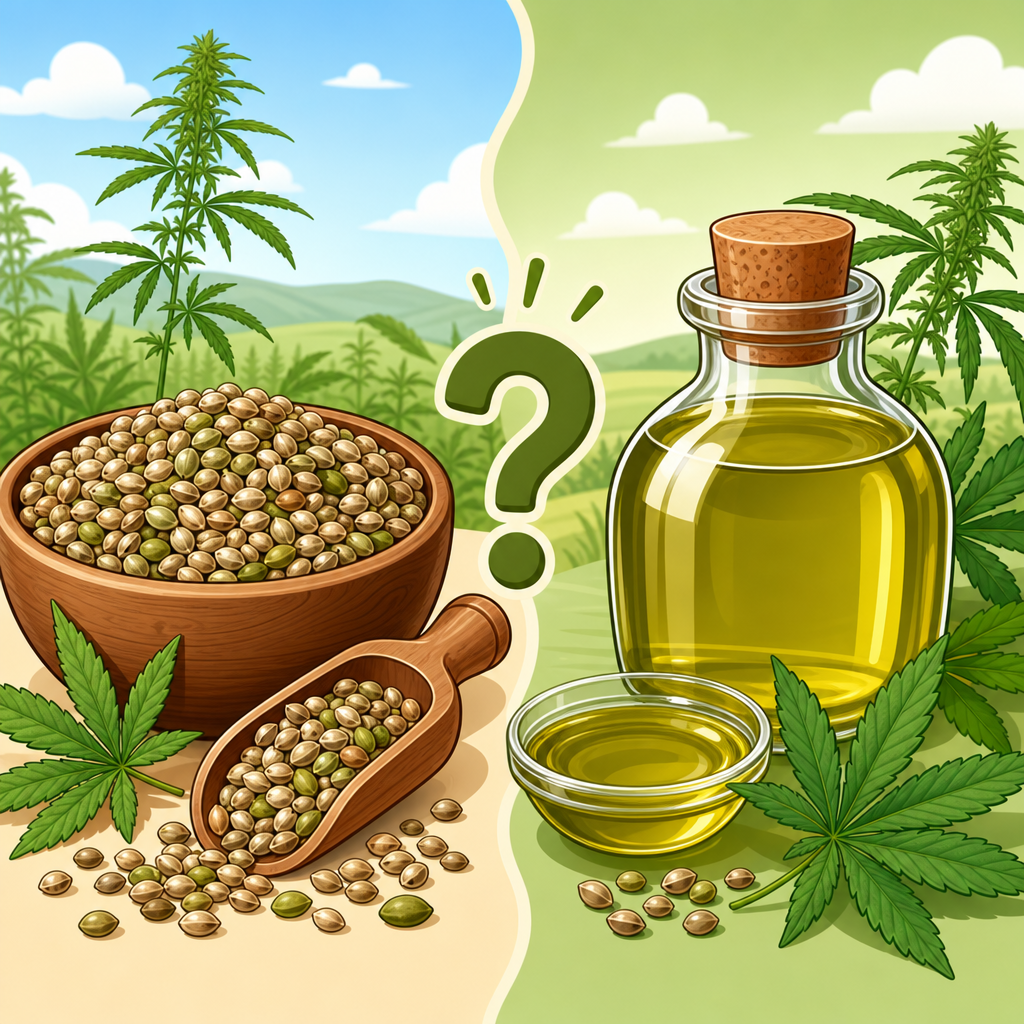
The best hemp snacks start with understanding the main food forms. Hemp hearts are shelled hemp seeds with a soft texture and mild, nutty taste. They are the most convenient option for sprinkling onto oatmeal, yogurt, fruit bowls, salads, or toast. Whole hemp seeds include the outer shell, which adds more crunch but can be less tender. Hemp protein powder is made after pressing some oil from the seed and milling the remaining solids. It has a more earthy flavor and works best in smoothies, pancakes, muffins, energy bites, and protein balls. Hemp seed oil is delicate and flavorful, but it is not ideal for high-heat cooking. It shines in cold uses such as dressings, drizzles, and finished sauces.
From a snack perspective, hemp succeeds because it improves nutrition without demanding a complete recipe overhaul. If someone already eats overnight oats, hemp hearts fold in easily. If they rely on smoothies after workouts, hemp protein can boost protein content and make the drink more filling. If they snack on hummus and crackers, a spoonful of hemp hearts blended into the hummus adds texture and nutrients with almost no extra preparation. I often tell new users to treat hemp like a “nutritional amplifier.” It is not there to dominate a dish. It upgrades foods you are already likely to eat.
Another practical advantage is sensory flexibility. Hemp hearts are mild enough for sweet and savory applications. They pair naturally with banana, berries, cocoa, cinnamon, maple, peanut butter, and vanilla. On the savory side, they work with avocado, lemon, garlic, roasted vegetables, pesto, and soft cheeses. That broad compatibility matters because sustainable dietary habits depend on repetition. People stick with ingredients that fit multiple snack formats rather than requiring a specialized recipe every time.
Nutrition Benefits of Hemp in Everyday Eating
Hemp is often discussed as a superfood, but the more useful way to evaluate it is by specific nutritional functions. Shelled hemp seeds provide complete protein, meaning they contain all nine essential amino acids. They are also rich in polyunsaturated fats, particularly linoleic acid and alpha-linolenic acid. These fats support a balanced diet when used in place of less favorable snack ingredients. Hemp foods also contribute micronutrients important for energy metabolism and normal muscle and nerve function, especially magnesium and phosphorus. For consumers trying to eat more plant-based foods, hemp is one of the easiest protein additions because it requires little preparation and has a less assertive taste than many legume-based ingredients.
Protein and fat together are especially useful at snack time because they slow gastric emptying and increase fullness compared with snacks built mostly on refined starch. In practice, that means a bowl of berries alone may leave someone hungry quickly, while berries topped with plain Greek yogurt and hemp hearts can feel satisfying for hours. The same principle applies to toast, smoothies, and homemade bars. Hemp will not make a poor snack perfect on its own, but it materially improves nutrient density and satiety.
There are also limitations worth understanding. Hemp seeds are nutrient-dense, which means calories can add up if portions are ignored. Hemp protein powder varies significantly by brand in texture, flavor, and protein concentration. Hemp seed oil is sensitive to heat, light, and air, so it should be refrigerated after opening and used thoughtfully. Consumers with seed allergies or complex medical diets should check with a clinician before making large changes. Balanced guidance builds trust, and hemp is most useful when treated as a practical ingredient within an overall healthy eating pattern.
Simple Ways to Add Hemp to Common Snacks
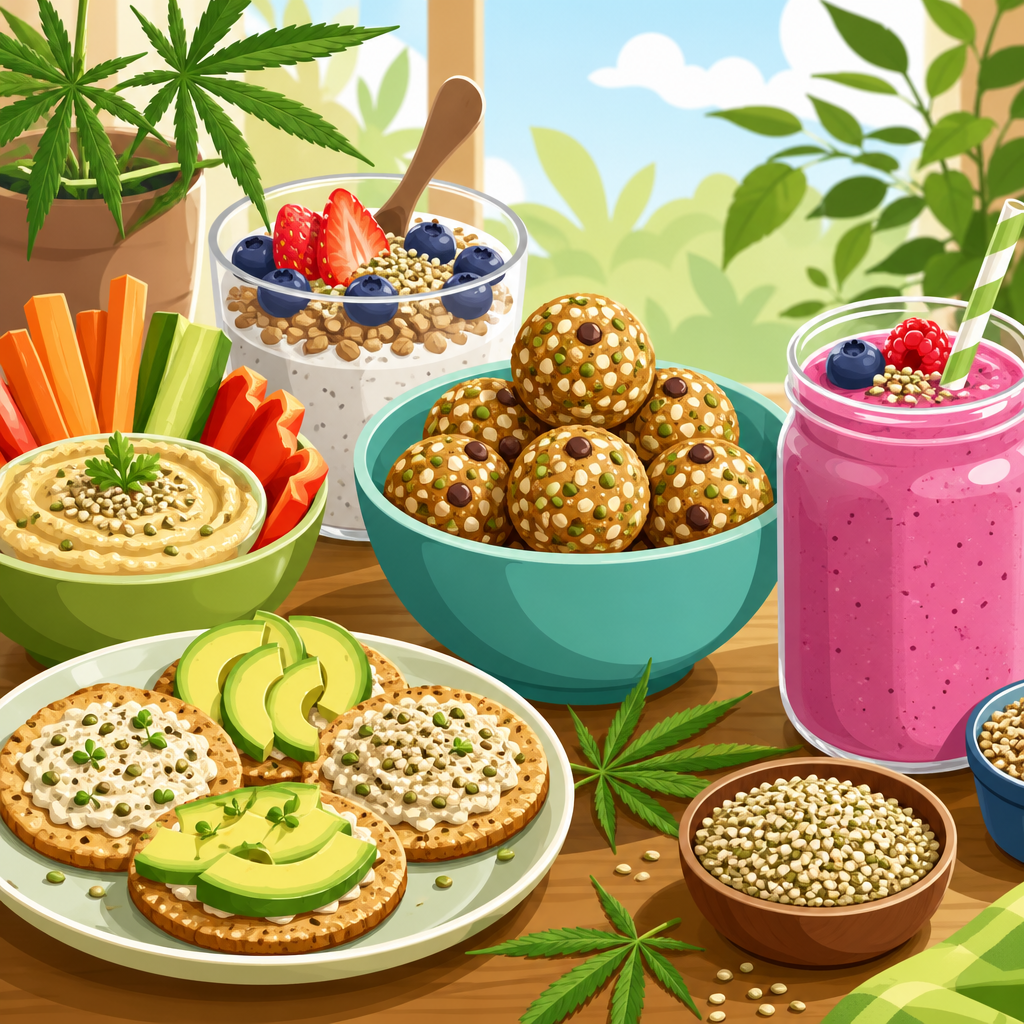
The fastest way to incorporate hemp into your diet is to start with snacks you already eat three to five times per week. Add one to two tablespoons of hemp hearts to yogurt with berries and cinnamon. Stir them into overnight oats with chia and sliced apple. Blend hemp protein powder into a smoothie with frozen banana, spinach, milk, and peanut butter. Spread avocado on whole-grain toast, then top with hemp hearts, lemon, and chili flakes. Mix hemp hearts into cottage cheese with cucumbers and black pepper for a savory, high-protein snack. Each of these ideas takes less than five minutes and uses ingredients most households already keep on hand.
Hemp also works well in make-ahead snacks. Energy bites made from oats, nut butter, hemp hearts, dates, and cocoa powder hold up well in the refrigerator for several days. Homemade granola bars can include hemp hearts for texture and nutrition, though it helps to combine them with oats and sticky binders like nut butter or honey so the bars hold together. In baking, hemp protein powder is most successful when it replaces only part of the flour or protein powder in muffins or pancakes. Too much can create a dry or dense texture, especially in low-fat recipes.
For families, one of the best strategies is to use hemp invisibly at first. Blend it into smoothies, pancake batter, or dips before introducing more obvious uses such as smoothie bowls or toast toppings. Once people recognize the mild flavor, they are usually comfortable seeing it as a regular pantry ingredient. That is how long-term adoption happens in real households.
| Snack idea | Best hemp form | Typical amount | Why it works |
|---|---|---|---|
| Yogurt with fruit | Hemp hearts | 1 to 2 tablespoons | Adds protein, healthy fats, and soft crunch without changing flavor much |
| Morning smoothie | Hemp protein powder | 2 to 4 tablespoons | Boosts protein and makes the drink more filling |
| Avocado toast | Hemp hearts | 1 tablespoon | Improves texture and complements savory flavors |
| Homemade hummus | Hemp hearts or hemp seed oil | 1 to 2 tablespoons | Creates a richer dip and increases nutrient density |
| Energy bites | Hemp hearts | 2 to 3 tablespoons per batch | Easy make-ahead use with good texture and balanced macros |
| Salad or grain bowl snack plate | Hemp hearts | 1 tablespoon | Provides a nutty finish and plant-based protein |
Building Balanced Hemp Snacks That Actually Satisfy
A healthy hemp snack should include more than hemp alone. The most effective formula is protein plus fiber plus healthy fat, with carbohydrates chosen based on activity level and timing. Hemp contributes protein and fat, but pairing still matters. For sustained energy, combine hemp with fruit, whole grains, vegetables, or cultured dairy. For example, apple slices with peanut butter and hemp hearts offer fiber, fat, and protein. A smoothie with hemp protein, berries, and oats works better than a fruit-only blend because it keeps blood sugar steadier and reduces the chance of hunger returning an hour later.
Texture is another overlooked factor. People tend to repeat snacks they enjoy physically eating. Hemp hearts add pleasant softness rather than the hard crunch of many seeds, which makes them easier for children and older adults. Hemp protein has a grittier profile, so blending technique matters. Use a high-speed blender, enough liquid, and ingredients like banana, yogurt, or nut butter to smooth the texture. If a first hemp smoothie tastes overly earthy, reduce the powder and combine it with cocoa, cinnamon, or berries. Flavor adjustment is a practical culinary skill, not a sign that hemp is difficult to use.
Portion control helps hemp remain a healthy addition rather than an accidental calorie surplus. A tablespoon or two of hemp hearts is enough for most snacks. With hemp protein powder, follow the brand serving size and check the label for total protein, fiber, and added ingredients. Some products are single-ingredient hemp; others include sweeteners, gums, or flavoring systems. Reading labels carefully is part of using hemp intelligently.
Buying, Storing, and Choosing Quality Hemp Products
Quality matters because hemp foods can vary widely by freshness, processing, and formulation. When buying hemp hearts, look for a clean ingredient list, a mild aroma, and packaging that protects from light. Reputable brands often use opaque or resealable bags and provide storage guidance. Fresh hemp hearts should smell nutty, not paint-like or bitter. Hemp seed oil should come in a dark bottle and be sold in a refrigerated or cool environment when possible. If the oil tastes rancid, sharp, or stale, discard it. Oxidized oils do not improve food quality and undermine the reason for choosing hemp in the first place.
For hemp protein powder, compare labels rather than assuming all products are interchangeable. Some are optimized for maximum protein per serving, while others retain more fiber and have a more whole-food profile. Neither is automatically better; the right choice depends on how you plan to use it. In smoothies, either can work. In baking, a less concentrated powder may integrate more naturally. Third-party testing, lot transparency, and compliance with food safety standards are meaningful signals, especially in a category where consumers may still have questions about contaminants or cannabinoid content.
Storage is straightforward but important. Keep hemp hearts sealed and refrigerated after opening for best freshness, especially in warm climates. Store hemp protein in a cool, dry place and close the container tightly to prevent moisture exposure. Refrigerate hemp seed oil immediately after opening and use it within the timeframe listed on the label. These are simple steps, but they directly affect taste, safety, and the likelihood that your family will keep using hemp regularly.
Common Questions, Mistakes, and Smart Next Steps
Consumers often ask whether hemp can be eaten every day. For most healthy adults, hemp foods can fit daily eating patterns when portions are reasonable and the overall diet is balanced. Another common question is whether hemp seeds need to be cooked. They do not. Hemp hearts are ready to eat and are often best used raw as toppings or mix-ins. People also ask if hemp tastes strong. Usually it does not. Hemp hearts are mild and nutty, while hemp protein is more earthy and noticeable. Starting with hemp hearts is the simplest entry point for most households.
The most common mistakes are using too much too soon, choosing the wrong form for the job, and expecting hemp to fix an otherwise unbalanced snack pattern. A heavy scoop of hemp protein in a thin smoothie can taste chalky. Hemp seed oil in a hot skillet can damage flavor and quality. Large portions of hemp hearts sprinkled casually onto multiple meals can quietly add more calories than intended. The solution is not avoidance. It is proper application. Match the hemp form to the snack, start with moderate amounts, and build around whole foods.
Snack time with hemp works best when approached as a system, not a one-off recipe trend. Keep hemp hearts near the foods you already use for breakfast and snacks. Add them to yogurt, oats, toast, salads, or cottage cheese. Use hemp protein in smoothies and selected baked snacks where texture can be managed. Finish dips and dressings with hemp seed oil instead of cooking with it at high heat. These small habits make it easy to incorporate hemp into your diet in ways that are nutritious, realistic, and sustainable. Start with one snack this week, keep the method simple, and build from there.
Frequently Asked Questions
1. What are the easiest ways to add hemp to everyday snacks?
Hemp foods are especially convenient for snack time because they fit into routines people already have. Hemp hearts can be sprinkled over yogurt, oatmeal, cottage cheese, smoothie bowls, fruit cups, and nut butter toast for a quick nutrition boost without changing the flavor too much. Whole hemp seeds can be mixed into homemade granola, energy bites, trail mix, muffins, or snack bars for extra texture. Hemp protein powder works well in smoothies, overnight oats, pancake batter, and no-bake snacks when you want a more substantial option with additional protein. Hemp seed oil is best used as a finishing ingredient, such as drizzling it over hummus, avocado toast, sliced tomatoes, or grain-based snack bowls. The reason hemp works so well is that it is versatile, mild in taste, and simple to pair with both sweet and savory foods. For many people, the easiest starting point is to add one or two spoonfuls of hemp hearts to a familiar snack, then branch out into recipes like protein balls, dips, and blended shakes as they get more comfortable using it.
2. Are hemp snacks actually healthy, and what nutrients do they provide?
Yes, hemp-based snacks can be a very healthy choice when they are built around minimally processed ingredients. Hemp hearts and hemp seeds are known for providing plant-based protein, healthy fats, and important minerals in a compact serving. They are particularly valued for their balance of omega fatty acids, along with nutrients such as magnesium, iron, and zinc, depending on the form and serving size. Hemp protein powder can help increase protein intake for people who want more staying power from a snack, especially after exercise or during a busy afternoon. One of the biggest advantages of hemp snacks is that they can support satiety, meaning they may help you feel full longer than snacks built mostly on refined carbohydrates or added sugar. For example, a snack that combines hemp hearts with Greek yogurt and berries, or hemp protein with a banana and nut butter in a smoothie, provides a more balanced mix of protein, fat, and fiber than many packaged snack foods. As with any ingredient, overall healthfulness depends on the full recipe, but hemp itself is widely appreciated as a nutrient-dense addition to a balanced eating pattern.
3. Will hemp foods make you feel high or contain THC?
No, hemp foods such as hemp hearts, hemp seeds, hemp protein powder, and hemp seed oil are not intended to produce intoxicating effects. This is one of the most important distinctions for consumers to understand. In the context of food, hemp refers to regulated ingredients made from hemp varieties that contain only trace amounts of THC and are processed for nutrition, not intoxication. That means common hemp food products are used because of their protein, healthy fat, and overall nutrient profile, not because of any psychoactive effect. Many shoppers still confuse hemp foods with marijuana or other cannabis products, but they are not the same category of product in practical nutritional use. Reputable food manufacturers follow regulatory standards and testing requirements designed to keep hemp foods within legal limits. If someone is new to the ingredient, the best approach is to buy clearly labeled products from established brands and read the packaging carefully. For everyday snacking, hemp foods are generally treated like other seed- and plant-based ingredients, similar to chia, flax, or pumpkin seeds in terms of how they are used in meals.
4. What are some healthy hemp snack ideas for busy days?
There are many simple hemp snack ideas that work well when time is limited. A fast option is yogurt topped with hemp hearts, berries, and a little cinnamon. Another is apple slices with almond butter and a spoonful of hemp seeds sprinkled on top. Smoothies are also ideal for busy schedules because hemp protein powder blends easily with fruit, milk or a dairy-free alternative, spinach, and nut butter for a filling snack. If you prefer make-ahead choices, try no-bake energy bites made with oats, dates, hemp hearts, and peanut butter, or prepare a jar of overnight oats with hemp protein and chopped fruit. Savory snackers can stir hemp hearts into hummus, add them to avocado toast, or use them as a topping for sliced cucumbers, crackers, and bean dips. Trail mix is another practical option when you combine hemp seeds with nuts and a small amount of dried fruit. The best hemp snack is usually one that includes a combination of protein, healthy fat, and fiber, because that combination tends to be more satisfying and helps avoid the quick energy crash that often comes from ultra-processed snack foods.
5. How should hemp foods be stored, and how can you choose the best product?
Choosing and storing hemp foods correctly helps preserve both flavor and nutritional quality. When buying hemp hearts, hemp seeds, hemp protein powder, or hemp seed oil, look for products from reputable brands with clear labeling, freshness dates, and simple ingredient lists. Because hemp contains delicate fats, freshness matters. Many hemp products should be stored in a cool, dark place before opening, and some are best refrigerated after opening to help protect their oils from going rancid. Hemp seed oil in particular is sensitive to heat and light, so it is usually better suited for drizzling and dressings than for high-heat cooking. Hemp hearts and hemp protein powder are generally easy to keep on hand for regular snack use, but it is smart to reseal them tightly and follow package directions for storage. In terms of quality, choose products that smell fresh and mild, not bitter or overly sharp. If you are just starting out, hemp hearts are often the easiest first purchase because they are ready to use and can be added to many snacks without any extra preparation. Once you find that they fit your routine, you can expand into hemp protein powder for smoothies or hemp seed oil for finishing savory snack options.