
Hemp food deserves serious attention because it delivers dense nutrition, culinary versatility, and practical value in everyday diets. In consumer education, “hemp food” usually refers to edible products made from the seeds of the Cannabis sativa plant, including hemp hearts, whole hemp seeds, hemp seed oil, hemp protein powder, and foods fortified with these ingredients. These products are distinct from intoxicating cannabis products. They contain negligible tetrahydrocannabinol, are regulated as food ingredients in many markets, and are used for their nutrient profile rather than any psychoactive effect. That distinction matters because many shoppers still confuse hemp food with marijuana, miss its benefits, or avoid it without understanding what they are buying.
I have worked with hemp ingredients in product education, label review, and recipe development, and the same questions come up repeatedly: Is hemp actually nutritious, how much protein does it provide, does it contain omega fats, and who should eat it? The short answer is that hemp seeds are one of the most balanced plant foods available. They provide complete protein, unsaturated fats, fiber in less refined forms, key minerals, and a format that fits smoothies, yogurt bowls, baked goods, dressings, and savory meals. For consumers trying to improve nutrient intake without relying on heavily processed foods, hemp is unusually efficient.
The nutritional benefits of eating hemp also matter because they align with current public health goals. Many adults underconsume magnesium, fiber, and polyunsaturated fats while overconsuming sodium, added sugar, and saturated fat. Hemp foods can help close several of those gaps. They are especially relevant for plant-forward eaters, athletes, older adults focused on protein quality, and families looking for nutrient-dense pantry staples. As a hub topic, understanding hemp food starts with the seed itself, then expands to processing methods, nutrient differences across formats, best uses, and realistic buying guidance.
What Hemp Food Is and Why the Seed Matters
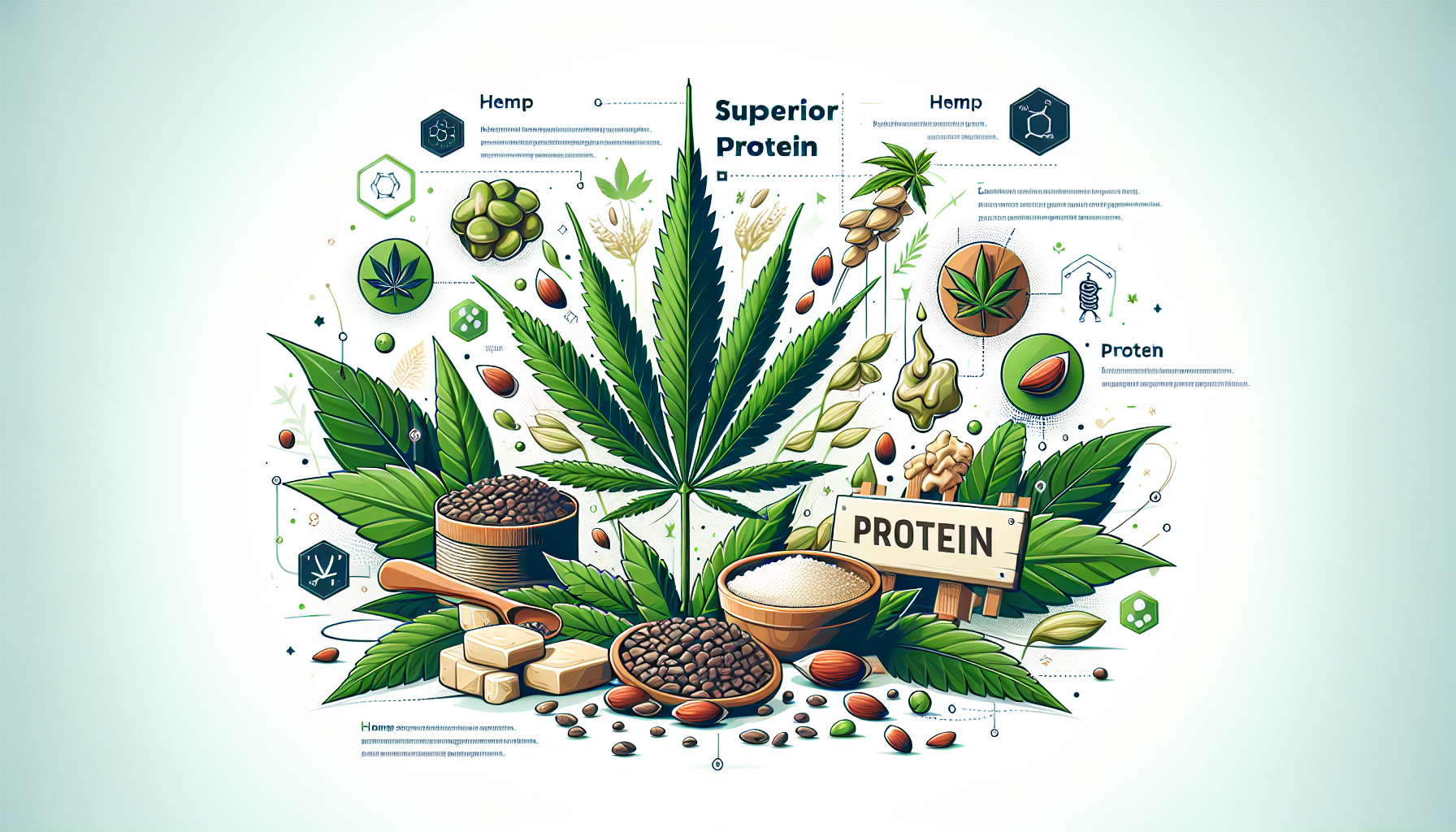
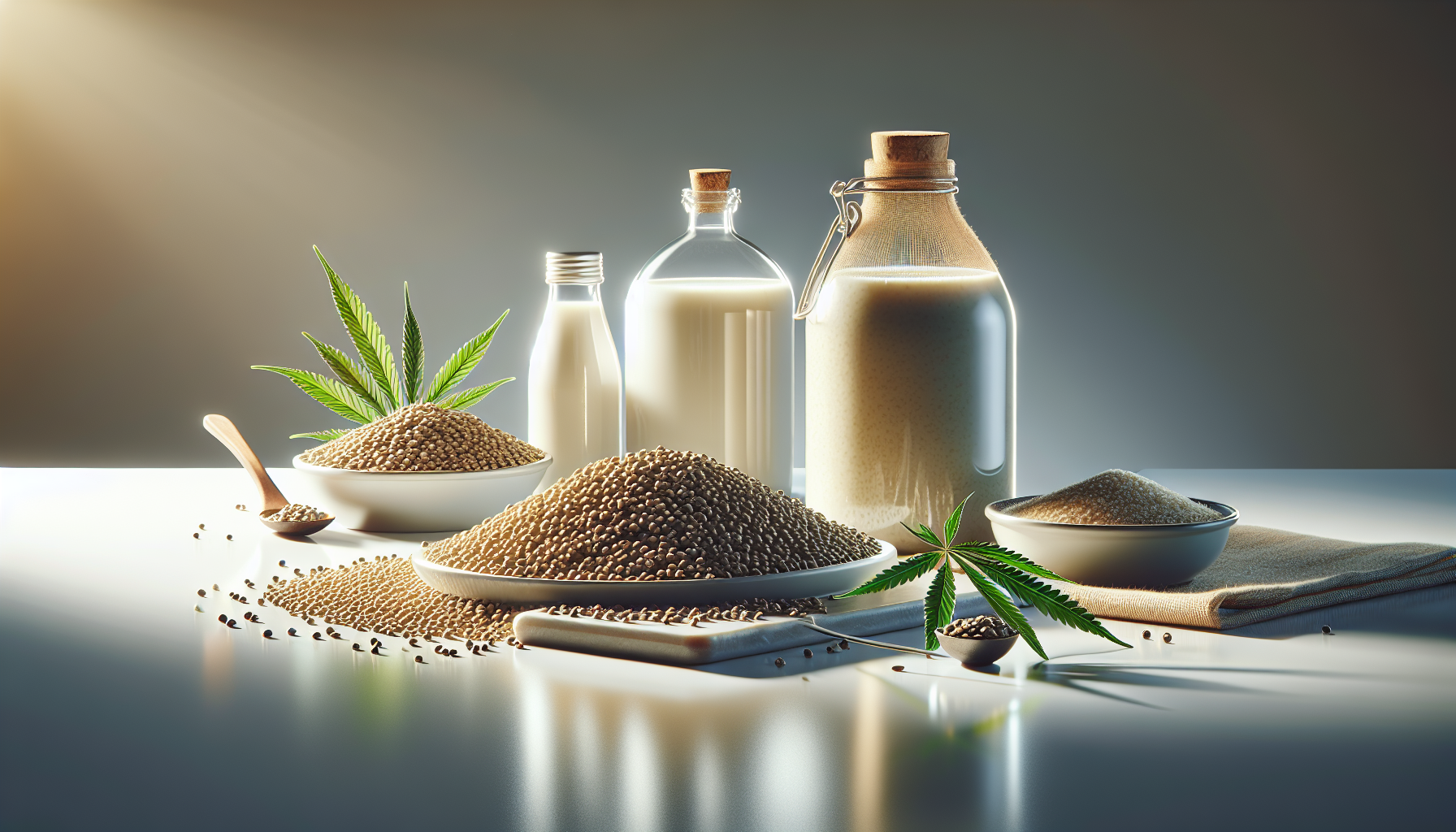
Hemp food begins with the seed, technically a small nutlike fruit enclosed by a hull. The most common retail forms are hulled seeds, often called hemp hearts, whole seeds with the shell intact, cold-pressed hemp seed oil, and protein-rich powders made from the press cake remaining after oil extraction. Each format has a different nutritional emphasis. Hemp hearts deliver a softer texture and concentrated fat and protein. Whole seeds add more fiber because the hull is present. Oil supplies fats and fat-soluble compounds but no protein or fiber. Protein powders vary by brand depending on filtration and fat removal.
From a nutrition standpoint, the seed matters because it contains all three macronutrients in useful proportions. A typical three tablespoon serving of hemp hearts provides roughly 10 grams of protein, 14 to 15 grams of fat, and a modest amount of carbohydrate, along with minerals such as magnesium, phosphorus, manganese, zinc, and iron. Exact numbers vary by brand and testing method, but the pattern is consistent. This is not an empty garnish. It is a concentrated food ingredient that can materially change the nutrient profile of a meal.
The seed is also naturally free from gluten, which makes it useful in gluten-free diets, though cross-contact controls still depend on manufacturing practices. In plain terms, hemp food is not a miracle product, but it is an efficient way to add protein, healthy fats, and micronutrients without much preparation. That balance is the reason it has become common in cereals, snack bars, non-dairy beverages, and performance nutrition products.
Protein Quality, Amino Acids, and Satiety
One of the strongest nutritional benefits of eating hemp is protein quality. Hemp seed protein contains all nine essential amino acids, which is why it is often described as a complete protein. In practice, that means it contributes amino acids the body cannot make on its own. For consumers comparing plant proteins, this is significant. Many plant foods are rich in protein but lower in one or more essential amino acids. Hemp is not identical to soy, dairy, or egg protein in amino acid distribution, and its digestibility score can vary depending on processing, but it remains a high-value plant protein source.
In meal planning, hemp works best as a reliable contributor rather than a sole protein source. I usually explain it this way: adding hemp hearts to oatmeal or salad does more than raise the gram count on a label. Protein supports muscle maintenance, tissue repair, enzyme production, and satiety. A breakfast with oats, berries, and hemp hearts will usually keep someone full longer than fruit alone because the protein and fat slow digestion and improve staying power. This is one reason hemp appears so often in products marketed for active lifestyles.
Protein powders made from hemp can be useful too, especially for people who prefer less processed alternatives to isolated proteins. They often retain some fiber and minerals, giving them a more earthy taste and coarser texture than whey isolate or pea protein isolate. That texture is a tradeoff, not a flaw. In smoothies, pancakes, or energy bites, it is easy to manage. Consumers who expect a milkshake-like texture may prefer blended formulas, but those who want whole-food character often appreciate hemp protein’s less refined profile.
Healthy Fats and the Omega Profile
Hemp is best known nutritionally for its fat composition. The seed is rich in unsaturated fats, particularly linoleic acid, an omega-6 fatty acid, and alpha-linolenic acid, an omega-3 fatty acid. It also contains gamma-linolenic acid in small but meaningful amounts, a compound that draws interest in discussions of inflammatory balance and skin health. The exact ratio varies by cultivar and processing, but hemp seed is often described as having a favorable omega-6 to omega-3 balance compared with many modern diets, which tend to skew heavily toward omega-6 from refined seed oils and processed foods.
This matters because dietary fat quality influences cardiovascular health more than fat quantity alone. Replacing some saturated fat sources with foods rich in polyunsaturated fats is a well-established strategy supported by major dietary guidance. Hemp hearts can help with that substitution. For example, swapping part of the cheese or processed meat in a grain bowl for hemp seeds changes the meal toward more unsaturated fat and usually adds magnesium at the same time. Cold-pressed hemp seed oil can play a role as well, though it is best used in dressings, dips, or finishing applications rather than high-heat frying because delicate polyunsaturated fats oxidize more readily.
Consumers should understand one nuance clearly: hemp is not a direct substitute for marine omega-3 sources like salmon, sardines, or algae oil, which provide EPA and DHA. Hemp supplies ALA, which the body converts inefficiently to those longer-chain forms. Hemp is still valuable, especially in plant-based diets, but it should be described accurately. It supports better fat intake patterns; it does not erase every omega-3 gap by itself.
Fiber, Minerals, and Other Micronutrients
Another major nutritional benefit of eating hemp is micronutrient density. Whole hemp seeds provide more fiber than hulled seeds because the shell remains intact, while hemp hearts still contribute meaningful minerals even after the hull is removed. Magnesium is one of the standout nutrients. It is involved in hundreds of enzymatic reactions related to muscle function, nerve signaling, energy metabolism, and blood pressure regulation. Many adults fail to meet recommended intake levels, and seeds are one of the most efficient food sources. Hemp also supplies phosphorus for bone structure and energy metabolism, zinc for immune function and cell growth, manganese for connective tissue and antioxidant enzymes, and iron, especially useful in plant-forward diets when paired with vitamin C-rich foods.
Fiber deserves separate emphasis because the form of hemp determines how much you get. If digestive regularity and fullness are the priority, whole seeds or less refined hemp protein powders may offer more benefit than hemp hearts or oil. Fiber supports bowel health, glycemic control, and cholesterol management, but many consumers still fall short of daily targets. Adding hemp to breakfast, baked goods, or snack mixes can help raise intake gradually without major dietary overhaul.
| Hemp food format | Main nutritional strengths | Best everyday use |
|---|---|---|
| Hemp hearts | Complete protein, unsaturated fats, magnesium, zinc | Sprinkled on yogurt, oatmeal, salads, grain bowls |
| Whole hemp seeds | Protein, fats, higher fiber from hull | Added to cereals, breads, crackers, seed mixes |
| Hemp seed oil | Unsaturated fats, including ALA and linoleic acid | Dressings, dips, finishing oil for cooked foods |
| Hemp protein powder | Protein, variable fiber and minerals depending on processing | Smoothies, pancakes, bars, baking blends |
There are also smaller compounds worth noting. Hemp seeds contain tocopherols, which are forms of vitamin E with antioxidant activity, and a range of polyphenolic compounds in modest amounts. These do not make hemp uniquely medicinal, but they contribute to the broader nutritional pattern that makes seeds a useful part of a varied diet.
Who Benefits Most From Eating Hemp
Several groups can benefit from hemp food in practical ways. People following vegetarian or flexitarian diets often need convenient ways to improve protein quality without defaulting to ultra-processed meat substitutes. Hemp hearts solve that problem quickly. Athletes and recreational exercisers can use hemp protein to support total daily intake, especially in snacks or post-workout meals where convenience matters. Older adults, who often struggle to maintain muscle mass and adequate mineral intake, may find hemp an easy addition to soft foods like yogurt, soups, or oatmeal.
Families can benefit too, particularly when children are selective eaters. A tablespoon or two of hemp hearts blended into overnight oats, muffin batter, or fruit smoothies adds nutrition without requiring a major change in taste. Consumers managing blood sugar often appreciate the way hemp adds fat and protein to carbohydrate-heavy meals, which can improve satiety and moderate post-meal energy swings. In weight management settings, that satiety effect is often more useful than any headline nutrient claim because people stick with foods that are easy to use and genuinely filling.
That said, hemp is not ideal for every goal in every form. Someone specifically seeking maximum fiber should not rely on hemp oil. Someone with severe seed allergies needs individualized guidance. And consumers with medical conditions affecting potassium, phosphorus, or overall fat intake should evaluate hemp within their broader diet plan rather than assuming all “superfoods” fit automatically.
How to Choose, Store, and Use Hemp Food Well
Buying hemp food is straightforward once you know what to look for. Read the ingredient list first. The best products are usually simple: hulled hemp seeds, whole hemp seeds, or cold-pressed hemp seed oil. For protein powders, check protein grams per serving, added sweeteners, flavor systems, and whether the product is blended with pea, rice, or other proteins. That is not necessarily bad, but it changes texture, amino acid balance, and culinary use. Packaging matters because unsaturated fats are sensitive to light, heat, and oxygen. Opaque, well-sealed containers are preferable.
Storage is equally important. I recommend keeping hemp hearts and whole seeds refrigerated after opening, especially if you buy larger bags. Hemp oil should be stored cool, tightly capped, and used within the manufacturer’s guidance. Rancidity does not just affect flavor; it undermines quality. Fresh hemp tastes mildly nutty and grassy. If it smells sharp, paint-like, or bitter, it is probably past its best condition.
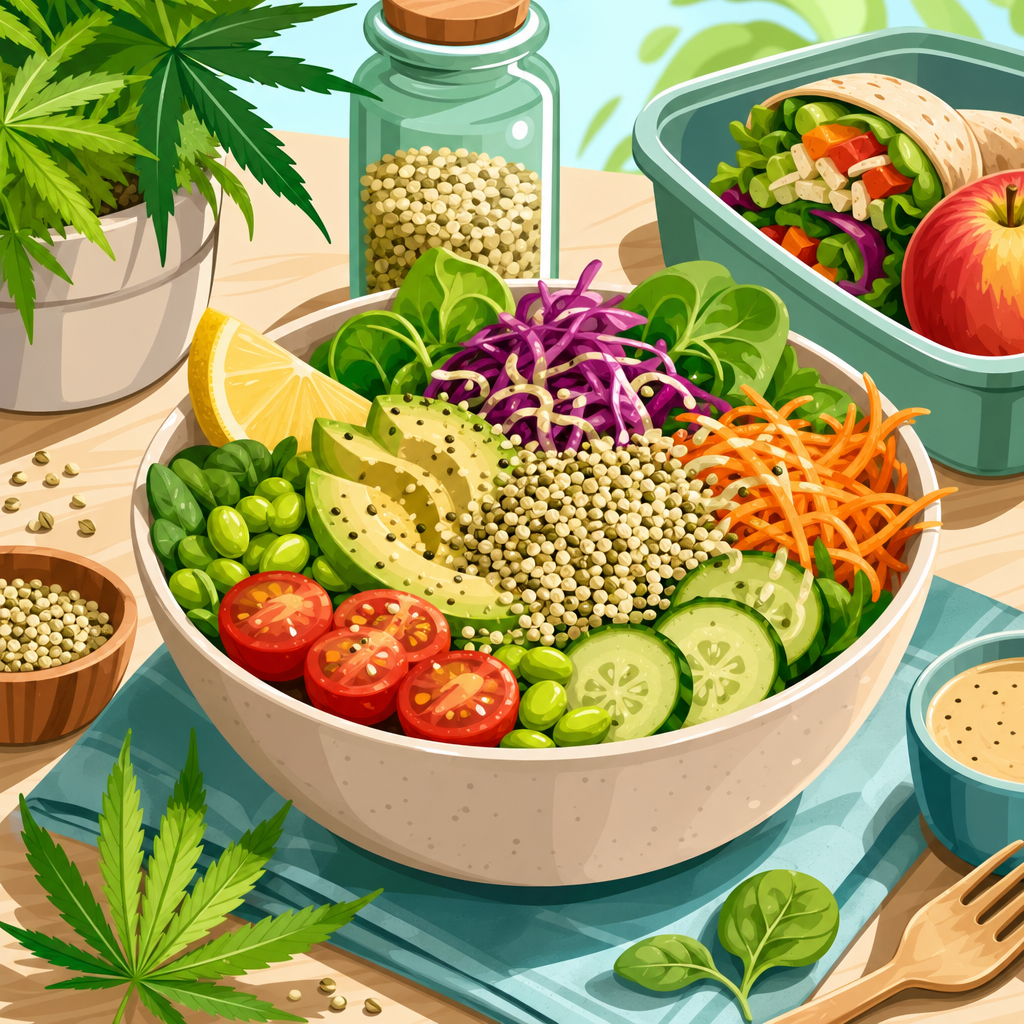
In daily cooking, start small and build consistency. Add hemp hearts to oatmeal, chia pudding, yogurt, pesto, salad dressings, roasted vegetables, or breadcrumb coatings. Use hemp protein in smoothies with banana and cocoa, or combine it with oats and nut butter for homemade bars. Use hemp oil in vinaigrettes with lemon and mustard. The easiest nutrition wins come from regular use, not one large serving once a week.
The nutritional benefits of eating hemp are clear: strong plant protein, useful essential fats, meaningful mineral content, and versatile food forms that fit real meals. As a hub for understanding hemp food, the key point is not that every hemp product does the same thing. Hemp hearts, whole seeds, oil, and protein powder each emphasize different nutrients, and consumers get the best results when they choose the form that matches their goal. For protein and everyday convenience, hemp hearts are usually the best starting point. For fat quality, hemp oil has a place in cold applications. For fiber and less refined functionality, whole seeds and some protein powders add more texture and bulk.
Good consumer education also requires realism. Hemp is nutrient-dense, but it is not magic. It should complement a varied diet built around fruits, vegetables, legumes, whole grains, nuts, seeds, and quality protein sources. It cannot replace seafood if you need direct EPA and DHA, and it will not fix a poor diet on its own. What it can do is improve the nutritional quality of meals with very little effort, which is exactly why it belongs in the conversation about practical healthy eating.
If you are new to hemp food, begin with one versatile product and use it daily for a week. Sprinkle hemp hearts on breakfast, whisk hemp oil into a dressing, or test a hemp protein smoothie after exercise. That simple step will show you how easy hemp can be to use and why its nutritional benefits have earned lasting attention.
Frequently Asked Questions
What exactly is hemp food, and is it the same as marijuana?
Hemp food refers to edible products made from the seeds of the Cannabis sativa plant, such as hemp hearts, whole hemp seeds, hemp seed oil, hemp protein powder, and packaged foods made with these ingredients. Although hemp and marijuana come from related plant varieties, they are not the same in terms of use, composition, or effects. Foods made from hemp seeds contain only negligible amounts of tetrahydrocannabinol, commonly known as THC, which is the intoxicating compound associated with marijuana. In practical terms, hemp foods are not used to create a “high,” and regulated food-grade hemp products are produced specifically for nutrition and culinary use.
From a nutrition standpoint, hemp foods are valued because they combine healthy fats, plant protein, fiber in some forms, and a range of vitamins and minerals in one ingredient family. Hemp hearts are especially popular because they are mild in flavor, easy to digest, and simple to add to meals. Hemp seed oil is prized for its fatty acid profile, while hemp protein powder is often used to increase protein intake in smoothies, oatmeal, and baked goods. This makes hemp food less of a novelty item and more of a practical, nutrient-dense staple for everyday eating.
What are the main nutritional benefits of eating hemp?
The biggest nutritional advantage of hemp food is that it delivers multiple important nutrients at once. Hemp seeds are rich in unsaturated fats, including omega-3 and omega-6 fatty acids, which play key roles in heart health, cell structure, and normal inflammatory balance. They also provide plant-based protein, making them useful for vegetarians, vegans, and anyone looking to diversify protein sources. Depending on the form, hemp can also contribute fiber, particularly when the seed shell is retained, which supports digestion and fullness.
Hemp foods also supply important micronutrients. They can contain meaningful amounts of magnesium, iron, zinc, phosphorus, and manganese, all of which support everyday functions such as energy metabolism, oxygen transport, immune health, muscle function, and bone maintenance. Another often overlooked benefit is convenience. Hemp hearts can be sprinkled over yogurt, salads, grain bowls, soups, or toast without cooking, and hemp protein powder can be blended into drinks or recipes in seconds. Because of this combination of nutrient density and ease of use, hemp fits naturally into a balanced diet rather than requiring a major change in eating habits.
Is hemp a good source of protein for plant-based diets?
Yes, hemp can be an excellent protein option, especially for people following plant-based or flexitarian eating patterns. Hemp seeds and hemp protein powder provide a substantial amount of protein relative to serving size, which helps support muscle maintenance, recovery, and day-to-day satiety. Hemp protein is often appreciated because it is less processed than some other protein ingredients and comes packaged with additional nutritional value, including minerals and, in the case of less refined forms, fiber and healthy fats.
It is also useful from a practical eating perspective. Hemp hearts can add protein to breakfast bowls, salads, roasted vegetables, pasta, and homemade energy bites, while hemp protein powder works well in smoothies, pancakes, muffins, and overnight oats. That said, it is still best to think of hemp as one part of a varied protein strategy. Combining it with foods such as beans, lentils, soy products, whole grains, nuts, and seeds helps create a more balanced and enjoyable diet overall. For many people, the real strength of hemp is not that it must replace all other proteins, but that it offers a simple, nutritious way to boost total protein intake throughout the day.
How can hemp support heart health and overall wellness?
Hemp is often associated with heart-friendly nutrition because of its fat profile. Hemp seeds and hemp seed oil contain mostly unsaturated fats, including essential fatty acids that the body cannot make on its own and must get from food. These fats are involved in many core functions, including supporting cell membranes, helping regulate normal physiological processes, and contributing to cardiovascular wellness when they replace less favorable fat sources in the diet. In a broader dietary pattern centered on whole foods, hemp can be a smart ingredient for people who want to improve nutritional quality without sacrificing flavor or convenience.
Beyond fats, hemp contributes to overall wellness through its protein and mineral content. Magnesium, for example, supports nerve and muscle function, while iron helps carry oxygen through the body and zinc contributes to immune function. Whole hemp seeds can also add fiber, which supports digestive health and can help with feelings of fullness after meals. When used regularly in balanced meals, hemp can help people build more nutrient-rich eating habits. It is not a cure-all or a stand-alone superfood, but it is a genuinely useful ingredient that supports a well-rounded, health-conscious diet.
What are the best ways to add hemp to everyday meals?
One of hemp’s strongest advantages is how easy it is to use. Hemp hearts have a soft texture and mild, slightly nutty taste, so they blend seamlessly into many foods without overpowering them. You can sprinkle them over oatmeal, yogurt, smoothie bowls, salads, avocado toast, rice dishes, or roasted vegetables. They can also be stirred into soups, mixed into homemade granola, or added to baking recipes for extra protein and healthy fats. Whole hemp seeds work similarly, though their texture is a bit firmer because the outer shell remains intact.
Hemp seed oil is best used in cold or low-heat applications, such as salad dressings, drizzled over grain bowls, or finished over cooked vegetables, because delicate fats can be affected by high heat. Hemp protein powder is especially useful for quick nutrition, whether blended into smoothies, mixed into oatmeal, or incorporated into pancakes and muffins. A simple strategy is to start small and use hemp consistently rather than all at once. Adding a spoonful to breakfast, lunch, or snacks each day is often enough to meaningfully improve nutrient intake over time. That steady, realistic approach is what makes hemp such a practical food for modern diets.