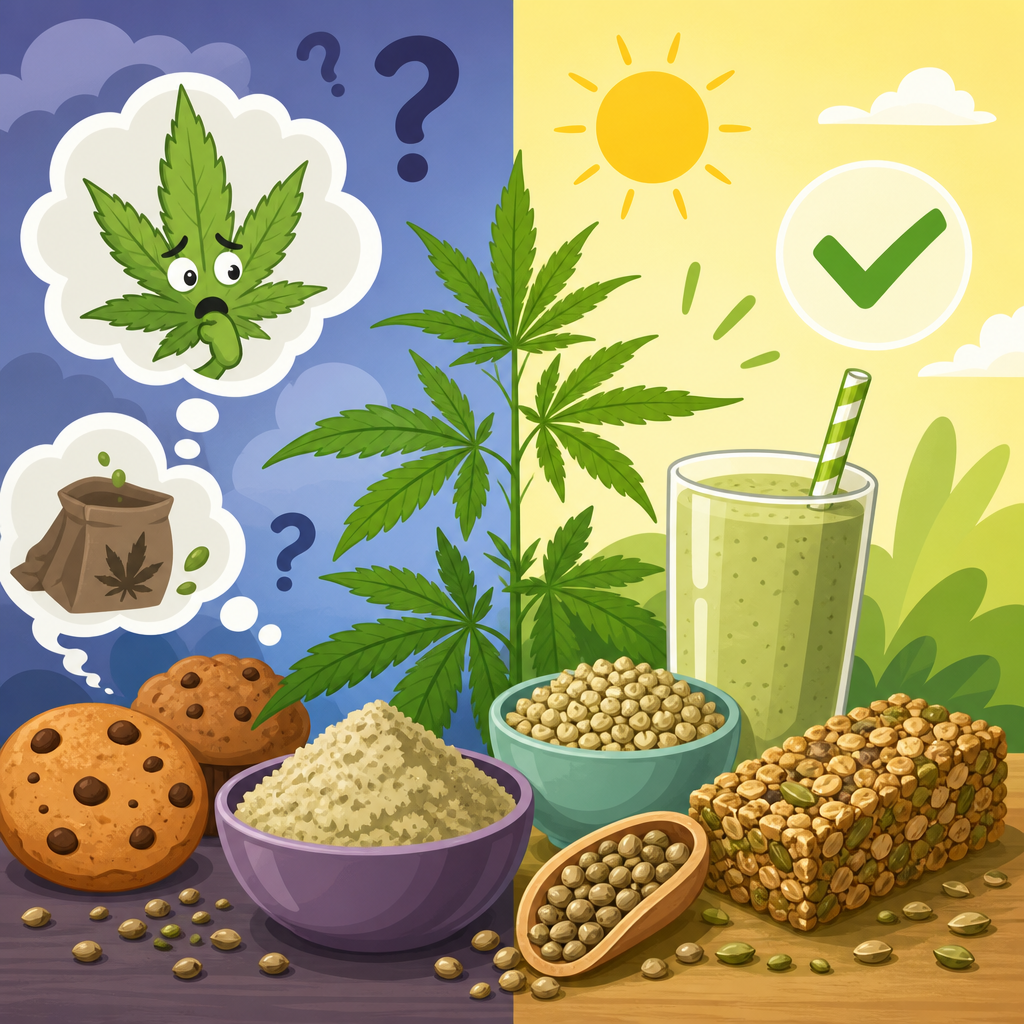

Using hemp protein powder in your fitness routine is one of the simplest ways to raise daily protein intake, improve meal quality, and make recovery nutrition more consistent without relying entirely on dairy-based shakes. Hemp protein powder is made by milling defatted hemp seeds, leaving a plant-based powder that contains protein, fiber, minerals, and small amounts of healthy fats. In practice, it behaves differently from whey or soy: the texture is earthier, the flavor is nuttier, and the protein concentration per scoop is usually lower because more of the whole seed’s natural components remain intact. That difference matters for athletes, active adults, and anyone building a practical nutrition plan, because the best supplement is the one you will actually use every day.
I have worked with clients who wanted a more digestible option than whey, people training early in the morning who needed a quick breakfast, and recreational lifters trying to increase protein without adding heavily processed snacks. Hemp protein powder regularly fits those needs well. It is especially useful for people looking at how to incorporate hemp into your diet in a way that feels normal rather than experimental. You can blend it into smoothies, stir it into oats, bake it into snack bars, or add it to yogurt alternatives and soups. As a hub topic, this guide explains what hemp protein powder does, who benefits most, how much to use, and how to fit it into a broader eating pattern that supports strength, endurance, body composition, and overall health.
What hemp protein powder is and why athletes use it
Hemp protein powder comes from hemp seeds, sometimes called hemp hearts before processing, from varieties of Cannabis sativa bred to contain only trace levels of THC. It is a food ingredient, not an intoxicating product. Most commercial hemp protein powders provide roughly 12 to 20 grams of protein per serving, depending on how finely the powder is processed and how much fiber remains. It also supplies iron, magnesium, manganese, zinc, and varying amounts of omega-3 and omega-6 fatty acids. Because it is derived from the seed, not the leaf or flower, it is valued primarily for nutrition rather than for cannabinoid content.
From a fitness perspective, hemp protein powder is used for three reasons. First, it helps people close the gap between actual and target protein intake. Many active adults think they eat enough protein but fall short when meals are measured honestly. Second, it is convenient. A scoop added to a shake or breakfast can contribute meaningful protein in under two minutes. Third, it broadens food variety. Rotating protein sources can make a diet easier to sustain, especially for people reducing dairy, eating less meat, or following vegetarian or flexitarian patterns.
Hemp protein is often described as a complete protein because hemp seed contains all nine essential amino acids, but that statement needs context. The amino acids are present, yet leucine content is generally lower than whey protein, which matters because leucine is a major trigger for muscle protein synthesis. That does not make hemp ineffective. It simply means serving size and total daily intake matter more. In real meal planning, I usually treat hemp protein as a strong contributor within the day’s total protein pattern rather than assuming one small scoop is the equivalent of a whey isolate shake after heavy lifting.
How hemp protein compares with other protein powders
When people ask whether hemp protein powder is good for muscle gain, the honest answer is yes, but with realistic expectations and proper dosing. Whey isolate remains the benchmark for fast digestion, high leucine content, and concentrated protein per calorie. Pea protein usually offers a higher protein percentage than hemp and a more neutral taste, though some users report digestive discomfort with pea-based blends. Soy protein has a robust amino acid profile and has been studied extensively, but some consumers prefer to avoid soy for personal or dietary reasons. Hemp stands out for being less refined, richer in fiber, and more naturally integrated into a whole-food style diet.
Taste and texture also influence adherence. Hemp protein powder tends to have a thicker, grainier mouthfeel than whey. In water alone, many people find it less appealing. In a smoothie with banana, berries, cocoa, cinnamon, or nut butter, it works much better. That practical point matters more than nutrition labels sometimes suggest. A product only helps if it becomes part of your routine. For many users, hemp protein works best in blended meals, overnight oats, pancakes, and homemade energy bites rather than as a thin shake consumed plain.
| Protein Powder | Typical Protein per Serving | Main Advantage | Main Limitation | Best Use Case |
|---|---|---|---|---|
| Hemp | 12–20 g | Whole-food profile with fiber and minerals | Lower protein density and lower leucine than whey | Smoothies, oats, baking, plant-forward diets |
| Whey Isolate | 20–30 g | High leucine, fast digestion, concentrated protein | Not suitable for dairy-free users | Post-workout shakes and muscle gain phases |
| Pea | 20–25 g | High plant protein concentration | Can taste chalky or cause bloating for some | Vegan shakes and blended protein mixes |
| Soy | 20–25 g | Strong amino acid profile | Not preferred by all consumers | General plant-based sports nutrition |
How to incorporate hemp into your diet beyond shakes
If you want to know how to incorporate hemp into your diet consistently, think beyond the shaker bottle. The easiest strategy is to attach hemp protein powder to meals you already eat. Add it to oatmeal after cooking with extra liquid to keep the texture smooth. Blend it into a breakfast smoothie with frozen fruit, Greek-style yogurt or a dairy-free equivalent, and a carbohydrate source such as oats. Mix it into pancake batter, muffin batter, or homemade granola bars. Stir a smaller amount into applesauce, chia pudding, or overnight oats. In savory cooking, unflavored hemp powder can also be added to soups or blended sauces, though the earthy taste is more noticeable there.
Whole hemp foods can play a role too. Hemp hearts are one of the most practical staples I recommend because they are mild, easy to digest, and useful in salads, yogurt bowls, rice dishes, and roasted vegetables. Hemp seed oil works as a finishing oil for dressings but should not be treated like a high-heat cooking oil. Hemp milk can support lower-protein meals, although it rarely contributes much protein unless fortified. Looking at the full category helps consumers build a sustainable pattern: hemp protein powder for concentrated intake, hemp hearts for texture and nutrients, and hemp oil for flavor.
For families and beginners, routine beats complexity. Start with one predictable use per day for two weeks. A common example is one smoothie after training days and one bowl of oatmeal with hemp powder on rest days. That repetition helps you assess tolerance, satiety, and taste preferences. Once that is established, expand into snacks or meal prep recipes. This approach turns hemp from a pantry novelty into a dependable nutrition tool.
Best timing, serving size, and workout applications
The best time to take hemp protein powder depends on your total diet and training schedule. After strength training, it can contribute to recovery by helping you reach a meal containing sufficient protein and carbohydrates. Before training, a lighter smoothie with hemp powder, fruit, and liquid can work well if you need fuel but do not want a heavy meal. At breakfast, it helps people who otherwise eat mostly carbohydrates in the morning. Before bed, it can support protein distribution across the day, especially if dinner was low in protein.
Serving size should be guided by your daily protein target, not marketing language on the tub. Most active adults benefit from roughly 1.2 to 2.0 grams of protein per kilogram of body weight per day, with the higher end often useful during calorie restriction, older age, or high training volume. Because hemp protein powder may provide fewer grams per scoop than whey, you may need a larger serving or a combination with other foods to reach an effective meal total. For example, a post-workout smoothie with two scoops of hemp protein, soy milk, banana, and oats is far more effective than one small scoop in water.
Distribution matters. Rather than concentrating all protein at dinner, aim to spread intake across three to five meals. In practice, that could mean 25 to 40 grams of protein at each main meal for many active adults, adjusted for body size and goals. Hemp protein powder helps fill gaps in meals that would otherwise be too low. It is especially useful when appetite is low after training, when travel disrupts routines, or when busy workdays make full meals harder to manage.
Recovery, body composition, and digestive considerations
Hemp protein powder can support recovery, but it is not magic on its own. Muscle gain and performance depend on progressive training, total calories, sleep, hydration, and sufficient protein over time. Where hemp helps is consistency. People who add dependable protein to breakfast or post-workout nutrition often recover better simply because they stop under-eating. In body recomposition phases, hemp powder can raise satiety because the fiber content is typically higher than in more refined powders. That can make calorie control easier without relying on ultra-processed snack foods.
Digestive tolerance is one of hemp’s strongest practical advantages, though it varies by individual. Some people who experience bloating with whey concentrates or certain sugar alcohols do better with a simpler hemp product. The tradeoff is that higher-fiber powders may feel heavy if consumed too quickly or too close to intense exercise. I usually advise clients to test hemp protein first on a noncritical training day, using half a serving blended with familiar foods. If tolerance is good, build from there. Hydration also matters because fiber intake rises when hemp powder becomes a daily habit.
Quality selection is important. Look for products with transparent ingredient lists, third-party testing when available, and clear labeling for protein per serving. Avoid assuming all hemp powders are identical. Some are closer to a finely milled whole seed meal, while others are processed for higher protein concentration. Check sodium, added sugars, flavoring systems, and serving size. If you compete in tested sports, choose products screened by recognized programs such as NSF Certified for Sport or Informed Sport when possible. That standard is more important than branding claims.
Common mistakes and the smartest way to build a hemp-based routine
The most common mistake is treating hemp protein powder as a complete solution instead of one piece of a fitness nutrition plan. A scoop of hemp does not compensate for inadequate calories, poor sleep, or inconsistent training. Another mistake is using too little. Because hemp is less protein-dense than some alternatives, many people underdose it and then conclude it does not work. A third mistake is choosing the wrong format. If you dislike the texture in water, stop forcing it and use it in oats, smoothies, or baking where it performs better.
The smartest routine is simple. Match the product to the meal, the meal to the training schedule, and the serving size to the day’s protein goal. Keep a plain or lightly flavored hemp protein powder at home, hemp hearts in the fridge, and one or two reliable recipes you can repeat without thinking. Track how you feel in training, how hungry you are between meals, and whether your daily protein target is actually being met. That feedback loop is what makes any supplement useful.
Using hemp protein powder in your fitness routine works best when you view it as practical nutrition, not a trend. It offers a plant-based protein source with fiber, minerals, and versatility, and it can help active people build better meals with less friction. If your goal is to understand how to incorporate hemp into your diet, start with one daily use, adjust the serving to fit your protein needs, and expand into whole hemp foods as your routine becomes easier. Choose a quality product, pair it with solid training and balanced meals, and let consistency do the work. If you are ready to improve recovery and simplify your diet, make hemp protein part of this week’s meal plan.
Frequently Asked Questions
1. What is hemp protein powder, and how is it different from whey or soy protein?
Hemp protein powder is a plant-based protein made from defatted hemp seeds that have been pressed to remove most of their oil and then milled into a fine powder. Unlike whey protein, which comes from dairy, or soy protein, which is made from soybeans and is often more refined, hemp protein retains more of the original seed’s natural fiber, minerals, and trace healthy fats. That gives it a more whole-food profile, but it also changes the way it tastes and mixes. Most people notice that hemp protein has a nuttier, earthier flavor and a thicker, slightly grainier texture compared with the smoother consistency of whey isolate.
From a fitness perspective, the biggest difference is that hemp protein is not usually chosen because it is the most concentrated or fastest-digesting protein on the market. Instead, it is valued for being a convenient plant-based option that supports overall daily protein intake while also adding fiber and micronutrients such as magnesium, iron, and zinc. It can be especially useful for people who want to reduce dairy intake, avoid soy, or build a routine around minimally processed ingredients. In other words, hemp protein is less about chasing a “perfect” shake texture and more about improving the nutritional quality and consistency of your meals and recovery habits.
2. Is hemp protein powder effective for muscle recovery and workout support?
Yes, hemp protein powder can be effective for workout support and recovery, especially when it is used as part of a well-structured overall diet. Recovery depends largely on getting enough total daily protein, adequate calories, and a balanced intake of carbohydrates, fluids, and key nutrients. Hemp protein can play a meaningful role in that process by helping you reach your protein goals in a simple, repeatable way. If adding a scoop to a smoothie, oats, or a post-workout meal helps you stay consistent, that alone makes it useful in a fitness routine.
That said, it helps to understand where hemp protein fits best. Compared with whey, hemp protein generally has less protein per serving and may digest a bit more slowly because of its fiber content. It may also have a different amino acid balance than some highly refined protein powders. For many active people, that is not a problem as long as their total protein intake across the day is strong and varied. If your goal is muscle gain, performance, or improved body composition, hemp protein works well when paired with other protein-rich foods throughout the day such as legumes, tofu, eggs, dairy, fish, poultry, or other plant proteins depending on your dietary pattern. The practical takeaway is simple: hemp protein supports recovery well when it helps you reliably hit your overall nutrition targets.
3. What is the best way to use hemp protein powder in a fitness routine?
The best way to use hemp protein powder is the way you can stick with consistently. For some people, that means blending it into a post-workout smoothie with fruit, milk or a fortified plant beverage, and possibly a carbohydrate source like oats or banana to support recovery. For others, it works better mixed into yogurt, overnight oats, pancake batter, or homemade energy bites. Because hemp protein has a distinct earthy flavor and thicker texture, it often performs better when combined with ingredients that complement it rather than simply shaken with water. Cocoa, cinnamon, berries, banana, peanut butter, and vanilla are all common pairings that help create a better taste and texture.
Timing can be flexible. Many people use hemp protein after training because it is convenient, but it can also be valuable at breakfast, between meals, or any time your usual diet falls short on protein. If you train early in the morning, adding hemp protein to a quick meal can make it easier to recover without having to prepare a large meal right away. If your appetite is low after exercise, a blended drink may be easier to tolerate than solid food. The key is to think of hemp protein as a tool to improve consistency, not as a magic supplement. When it is integrated into meals you already enjoy, it becomes much easier to maintain your routine over the long term.
4. How much hemp protein powder should you take per day?
The right amount depends on your training volume, body size, goals, and how much protein you already get from whole foods. There is no single serving that works for everyone. In practice, many people start with one serving per day and adjust based on how it fits into their total nutrition plan. The most useful question is not “How much powder should I take?” but “How much total daily protein do I need, and where does hemp protein help me meet that target?” If your meals are already protein-rich, you may only need hemp protein occasionally. If your breakfasts and snacks are typically low in protein, one or two servings at strategic times may make a noticeable difference.
It is also smart to increase gradually if you are new to hemp protein, since its fiber content can be higher than what some people are used to. Starting with a smaller serving and drinking enough water can help your digestion adjust. Reading the label matters too, because products vary in protein concentration, serving size, and ingredient quality. Some are plain hemp protein, while others are blends with sweeteners, flavorings, or additional protein sources. For most fitness routines, the goal is simply to use hemp protein in a way that closes a nutritional gap without replacing too many balanced meals. It should support your diet, not become the entire foundation of it.
5. Can hemp protein powder help with weight management and meal quality?
Yes, hemp protein powder can be helpful for weight management, but its value comes from improving meal structure and satiety rather than acting as a shortcut. Because it contains both protein and fiber, hemp protein can make meals more filling and nutritionally complete. That can be useful whether your goal is fat loss, maintaining weight, or avoiding random low-quality snacking during busy days. For example, adding hemp protein to a smoothie with fruit and healthy fats may create a more satisfying breakfast than having fruit alone. Mixing it into oats or yogurt can also raise protein intake in a way that helps energy levels feel steadier between meals.
For active people, weight management is often easier when recovery and appetite are both handled well. Skipping post-workout nutrition can lead to excessive hunger later, which may make food choices less intentional. Hemp protein offers a practical option for filling that gap, especially for those who prefer plant-based products or want an alternative to dairy shakes. Still, results depend on the bigger picture: total calorie intake, training quality, sleep, stress, and the overall nutrient density of your diet. Used strategically, hemp protein powder can absolutely improve meal quality and support body composition goals, but it works best as one part of a thoughtful, sustainable fitness routine.