
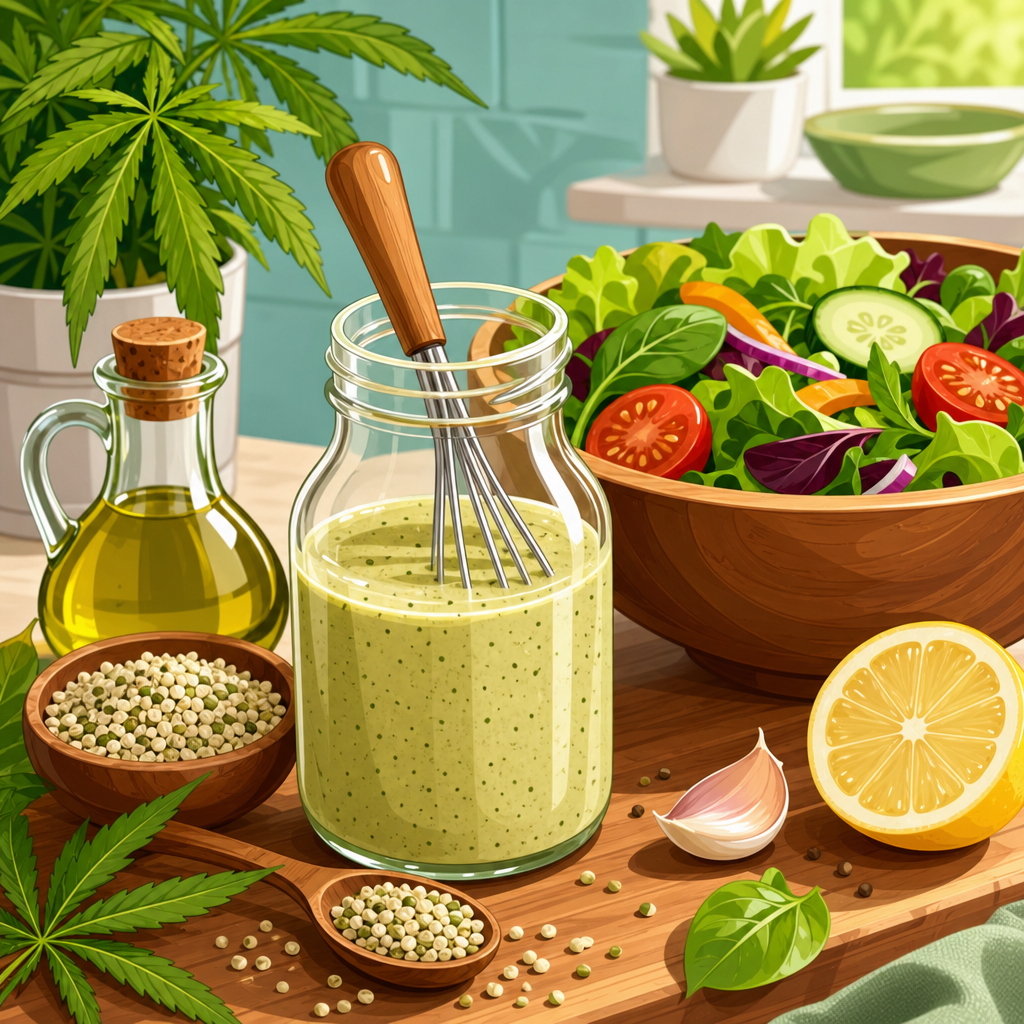
Hemp-based salad dressings turn a simple bowl of greens into a more flavorful, nutrient-dense meal, and they are easier to make well than most home cooks expect. In practical terms, a hemp-based dressing is any vinaigrette, creamy dressing, marinade, or finishing sauce built with hemp seeds, hemp seed oil, or both. I have tested these dressings in home kitchens and commercial recipe development settings, and the same pattern always holds: when people understand the flavor profile of hemp and the basic emulsification rules, they get consistently better results. This matters because consumers want dressings made from recognizable ingredients, balanced fats, and less added sugar than many bottled options. It also matters because hemp foods are versatile, allergen-aware for many households, and useful across several cooking techniques. As a hub for hemp food preparation and cooking tips, this guide explains what ingredients to use, how to build flavor, what mistakes to avoid, and how to adapt recipes for different diets and meal styles.
Understanding Hemp Ingredients for Salad Dressings
The first step in learning how to create hemp-based salad dressings is knowing the difference between hemp hearts and hemp seed oil. Hemp hearts are hulled hemp seeds with a mild, nutty flavor and a soft texture that blends into creamy dressings. They contribute body, protein, fiber, and minerals such as magnesium and phosphorus. Hemp seed oil is pressed from seeds and has a greener, more pronounced flavor with a delicate structure. It is prized for its balance of polyunsaturated fats, including omega-3 and omega-6 fatty acids. In dressing formulation, hemp hearts act like a creamy base similar to soaked cashews or tahini, while hemp oil functions more like an aromatic finishing oil.
Quality matters more with hemp than many people realize. Fresh hemp hearts should smell clean and lightly nutty, not paint-like or bitter. Good hemp seed oil should taste grassy and pleasant, never harsh. Because the oil is sensitive to heat, light, and oxygen, buy it in dark bottles, store it in the refrigerator, and use it relatively quickly after opening. I recommend checking harvest or best-by dates whenever possible. If a dressing tastes unusually bitter, the oil is often the first thing to investigate. This is one of the most common preparation issues consumers face, and it is avoidable.
Hemp foods also interact well with staple dressing ingredients. Lemon juice and apple cider vinegar brighten hemp’s earthiness. Dijon mustard improves emulsification and adds a gentle pungency. Maple syrup or honey can soften bitterness in small amounts. Garlic, shallot, dill, basil, parsley, cilantro, and chives all pair naturally with hemp. For creamier styles, plain yogurt, silken tofu, or avocado work especially well. For readers exploring broader hemp food preparation and cooking tips, this compatibility is important: hemp does not require a completely separate pantry, only a smarter use of common ingredients.
How to Build a Balanced Hemp-Based Dressing
A balanced dressing needs acid, fat, seasoning, and texture. The classic vinaigrette ratio of about three parts oil to one part acid is a useful starting point, but hemp dressings often perform better closer to two parts oil to one part acid because hemp’s nutty profile can feel rich quickly. If you are blending hemp hearts into the dressing, add water gradually to control thickness instead of adding extra oil. This creates a creamy result without overpowering the greens or grain bowls underneath. In recipe testing, I have found that a dressing should taste slightly more vivid in the bowl than on the spoon, because lettuce and vegetables mute acidity and salt.
Emulsification is the technical concept that determines whether a dressing stays unified or separates immediately. Mustard, blended seeds, yogurt, and even a small amount of mayonnaise can help stabilize the mixture. The process matters: combine acid, salt, mustard, and aromatics first, then whisk or blend in the oil slowly. If using hemp hearts, blend them with water and acid before adding oil. This creates smaller dispersed fat droplets and a smoother texture. A jar-and-shake method works for simple hemp oil vinaigrettes, but a blender produces a more stable emulsion for creamy versions.
Seasoning should be deliberate, not improvised at the end. Salt is essential because it clarifies the nutty notes of hemp and rounds out bitterness from greens like arugula, kale, or radicchio. Black pepper adds warmth, while cumin, coriander, smoked paprika, and za’atar can shift the dressing toward specific cuisines. Nutritional yeast adds savory depth in dairy-free recipes. If the dressing tastes flat, it usually needs one of three adjustments: more acid, more salt, or a small sweetener. If it tastes heavy, thin it with water and increase citrus rather than adding more oil.
| Dressing Style | Best Hemp Ingredient | Key Supporting Ingredients | Best Uses |
|---|---|---|---|
| Classic vinaigrette | Hemp seed oil | Lemon juice, Dijon mustard, shallot | Leafy salads, roasted vegetables |
| Creamy green dressing | Hemp hearts | Herbs, garlic, water, apple cider vinegar | Grain bowls, cabbage slaw, wraps |
| Ranch-style dressing | Hemp hearts | Yogurt or tofu, dill, chives, onion powder | Crudités, salads, dipping sauce |
| Citrus finishing dressing | Hemp seed oil | Orange or lime juice, sea salt, chili flakes | Avocado salads, quinoa, fish |
| Tahini-hemp blend | Hemp hearts and oil | Tahini, lemon, garlic, warm water | Kale salads, roasted cauliflower |
Step-by-Step Methods and Flavor Variations
For a basic hemp vinaigrette, whisk together one tablespoon Dijon mustard, three tablespoons lemon juice or vinegar, half a teaspoon fine salt, and one minced shallot. Slowly add six tablespoons hemp seed oil while whisking continuously. Finish with black pepper and, if needed, one teaspoon maple syrup. This dressing works well on spring mix, cucumber salads, and roasted beets. The advantage of starting here is that the method teaches control. Once you understand the base, you can switch acids, herbs, and aromatics without losing balance.
For a creamy dressing, blend half a cup hemp hearts with a quarter cup water, three tablespoons lemon juice, one small garlic clove, two tablespoons chopped herbs, half a teaspoon salt, and a few grinds of pepper. Blend until smooth, then add more water until it reaches pourable consistency. This style is ideal for people who want a dairy-free dressing with body but without nuts. It also doubles as a sauce for grain bowls, baked sweet potatoes, and cold pasta salads. In consumer education work, this is often the recipe that convinces skeptical shoppers to keep hemp hearts in regular rotation.
Flavor variations are straightforward when the structure is sound. A Mediterranean version can include parsley, oregano, red wine vinegar, and a small amount of capers. A ranch-inspired version can include dill, chives, onion powder, and plain yogurt or unsweetened soy yogurt. An Asian-style version can use rice vinegar, lime juice, ginger, garlic, and a modest amount of toasted sesame oil alongside hemp hearts. A green goddess adaptation works with basil, tarragon, chives, parsley, and a touch of anchovy if not vegetarian. The rule is simple: keep one dominant acid, one main aromatic family, and one clear textural goal.
Best Pairings, Storage, and Food Safety
Different salads need different hemp dressings. Delicate lettuce and cucumber benefit from lighter vinaigrettes made mostly with hemp oil and citrus. Bitter greens such as kale, escarole, and radicchio benefit from creamier dressings with hemp hearts because the extra body softens aggressive flavors. Bean salads, lentil salads, and quinoa bowls also pair well with hemp dressings because the nutty seed notes echo the earthy flavor of legumes and whole grains. I often recommend matching the dressing to the weight of the ingredients: the sturdier the salad, the more texture and intensity the dressing can carry.
Storage depends on the ingredients used. A simple hemp oil vinaigrette usually keeps for three to five days refrigerated in a tightly sealed jar. A creamy dressing made with hemp hearts, fresh herbs, or yogurt is best used within three to four days. Separation during storage is normal, especially in formulas without industrial stabilizers. Shake or whisk before serving. If the dressing thickens in the refrigerator, let it stand at room temperature for several minutes and add a teaspoon of water if needed. Never leave fresh dressings out for extended periods, especially versions containing dairy, tofu, or garlic.
Food safety is not complicated, but it is important. Use clean utensils, refrigerate promptly, and avoid dipping used salad tongs into the storage container. If the dressing smells sour in an unintended way, shows discoloration, or develops gas in the jar, discard it. Consumers sometimes assume oil-heavy dressings are shelf-stable, but homemade versions do not have the acid controls, preservatives, or validated processing that commercial products use. As part of broader hemp food preparation and cooking tips, safe handling is just as important as flavor. Good ingredients lose their value if storage practices are careless.
Common Mistakes and How to Fix Them
The most common mistake is using too much hemp seed oil in pursuit of nutrition and ending up with a dressing that tastes strong and slightly bitter. The fix is to blend hemp oil with a milder oil such as extra virgin olive oil or avocado oil, or reduce the total oil and increase hemp hearts for body. Another common issue is under-seasoning. Because hemp has a subtle earthy quality, weak salt and acid levels make the dressing taste dull. Add salt in small increments and retaste on actual greens, not just from the spoon.
Texture problems are also frequent. Grainy dressing usually means hemp hearts were not blended long enough or there was too little liquid in the blender jar. Add water one tablespoon at a time and blend longer. A broken emulsion means the oil was added too quickly or the dressing lacked an emulsifier. Correct it by whisking a fresh teaspoon of mustard with a teaspoon of water, then slowly incorporating the broken dressing into that base. If garlic overwhelms the mix, use roasted garlic next time or grate only half a clove. Small formulation changes make a significant difference.
Sweetness is another area where restraint matters. Many bottled dressings rely on sugar to mask poor balance, but hemp dressings are better when sweetness supports acidity rather than dominating it. In testing, one to two teaspoons of maple syrup per half cup of dressing is often enough. Finally, do not heat hemp seed oil as if it were a neutral sauté oil. Its best role is cold applications or finishing. If you want warm flavor components, roast garlic or shallots separately and blend them into the dressing after cooling. Respecting the ingredient’s limits is the fastest way to get better results.
Using This Hub to Expand Hemp Food Preparation Skills
This article is a starting point for a larger understanding of hemp in everyday cooking. Once you know how to create hemp-based salad dressings, you can apply the same principles to marinades, dips, sandwich spreads, grain bowl sauces, and vegetable finishing drizzles. The core skills are transferable: choose the right hemp ingredient, build an acid-fat balance, control texture with water or emulsifiers, season precisely, and store safely. For consumers exploring hemp food preparation and cooking tips more broadly, these are foundational kitchen habits, not niche techniques.
The strongest takeaway is that hemp dressings succeed when they are treated as structured recipes rather than random healthy add-ons. Hemp hearts create creaminess without nuts, hemp seed oil adds distinctive flavor when used carefully, and standard tools such as a blender, whisk, and storage jar are enough for excellent results. Start with a lemon-Dijon vinaigrette or a creamy herb blend, taste as you go, and pair the dressing with the right salad ingredients. From there, build your own variations with confidence. If you want to cook with hemp more often, make one fresh dressing this week and use it as the entry point to smarter, more versatile meals.
Frequently Asked Questions
What ingredients do you need to make a good hemp-based salad dressing?
A good hemp-based salad dressing starts with a simple structure: a fat source, an acid, seasoning, and something that helps create body or balance. With hemp dressings, that usually means hemp seed oil, shelled hemp seeds, or both. Hemp seed oil brings a distinct nutty, grassy flavor and a silky finish, while shelled hemp seeds add creaminess, subtle richness, and a little protein that helps the dressing feel more substantial. From there, you typically add an acid such as lemon juice, apple cider vinegar, red wine vinegar, or white balsamic vinegar. Salt is essential because it sharpens the flavor and keeps the dressing from tasting flat. Freshly ground black pepper, garlic, Dijon mustard, shallots, and a small amount of maple syrup or honey can round everything out.
If you want a classic vinaigrette, hemp seed oil can replace part or all of the oil in your standard formula. If you want a creamy dressing, blending hemp seeds with water, lemon juice, garlic, and seasonings creates an emulsion that feels surprisingly rich without relying on dairy. One of the biggest advantages of hemp is flexibility. You can steer the dressing in a bright herbaceous direction with parsley, dill, basil, or cilantro, or make it warmer and earthier with cumin, smoked paprika, or nutritional yeast. In practice, the best ingredient list is not the longest one. It is the one that balances hemp’s nutty character with enough acidity and seasoning to make the entire salad taste more vivid.
What does hemp taste like in salad dressing, and how do you balance its flavor?
Hemp has a mild but recognizable flavor profile that is usually described as nutty, earthy, and slightly grassy. In salad dressing, that flavor can be a major asset because it gives the finished sauce more depth than a neutral oil would. It works especially well with leafy greens, roasted vegetables, grain salads, cabbage slaws, chickpeas, lentils, and ingredients that already have some bitterness or sweetness. The key is understanding that hemp should support the dressing, not overpower it. If the dressing tastes too heavy, dull, or “green,” it almost always needs more acid, more salt, or a little sweetness rather than less hemp.
The most reliable way to balance hemp is to pair it with bright ingredients. Lemon juice is one of the easiest choices because it lifts the earthy notes and makes the dressing feel fresher. Vinegars, especially apple cider or champagne vinegar, add structure and keep the flavor from feeling muddy. Dijon mustard is especially useful because it contributes sharpness and helps emulsify the dressing at the same time. Garlic and shallot can add complexity, but they should not be so strong that they bury the hemp. If you are new to the flavor, start by blending hemp seed oil with a more neutral oil such as extra-virgin olive oil or avocado oil, or use hemp seeds in a creamy dressing where lemon, herbs, and mustard can distribute the flavor more evenly. Once you taste how hemp behaves, it becomes much easier to build balanced recipes consistently.
Should you use hemp seed oil, hemp seeds, or both in a homemade dressing?
That depends on the texture and flavor you want. Hemp seed oil is best when you want a pourable vinaigrette or finishing dressing with a clean, fluid texture. It adds richness and aroma quickly, and because it is already liquid, it blends easily with vinegar, citrus juice, and mustard. This makes it ideal for simple green salads, tomato salads, grain bowls, and drizzling over roasted vegetables just before serving. Shelled hemp seeds, on the other hand, are the better choice when you want a creamy dressing. Once blended with water or another liquid, they create a smooth consistency that can resemble a dairy-based dressing while staying plant-based. This works well for Caesar-style dressings, herby ranch-inspired sauces, tahini alternatives, and thicker drizzles for kale or cabbage salads.
Using both often gives the best of each. Hemp seeds provide body and creaminess, while hemp seed oil deepens the flavor and adds a more luxurious mouthfeel. For example, a blended dressing made with hemp seeds, lemon juice, garlic, and water can be finished with a spoonful of hemp seed oil to boost richness without making it heavy. The only caution is not to overdo the oil, especially if the rest of the dressing is already rich. In recipe development, this is one of the most common mistakes: adding hemp in multiple forms without enough acid or seasoning to carry it. Start with a clear goal. If you want silky and light, lead with the oil. If you want creamy and substantial, lead with the seeds. If you want complexity and depth, combine them thoughtfully.
How do you keep a hemp-based dressing from separating, turning bitter, or tasting flat?
Separation, bitterness, and flat flavor usually come down to technique and balance. To prevent separation, you need a stable emulsion. In a vinaigrette, that often means whisking the acid, mustard, salt, and any sweetener together before slowly adding the oil. Dijon mustard is especially effective because it helps bind the water-based and fat-based ingredients. For creamy dressings, using a blender helps the hemp seeds break down fully and creates a smoother, more unified texture. If the dressing sits for a while, some separation is natural, especially in cleaner homemade recipes without commercial stabilizers. A quick shake or stir is usually all it takes to bring it back together.
Bitterness can happen if the hemp seed oil is old, oxidized, or exposed to too much heat and light. Hemp oil is delicate, so it should be stored in a cool, dark place, often the refrigerator once opened, and used relatively promptly. It is generally better suited for dressings and finishing than for high-heat cooking. If the dressing tastes bitter, first check the freshness of the oil. Then look at the acid and salt levels. A squeeze of lemon, a splash of vinegar, or an extra pinch of salt can often correct the flavor more effectively than adding sweetener alone. If the dressing tastes flat rather than bitter, it usually needs one of three things: more acidity, more salt, or a contrast element such as mustard, fresh herbs, or a touch of sweetness. The most dependable approach is to taste in stages and adjust after each change. Small corrections produce the most balanced results.
How long does homemade hemp-based salad dressing last, and what is the best way to store it?
The shelf life depends on the ingredients, but in general, homemade hemp-based salad dressings are best used within about 3 to 5 days for peak flavor and freshness, especially if they contain fresh garlic, herbs, citrus juice, or blended hemp seeds. A simpler vinaigrette made primarily with hemp seed oil, vinegar, mustard, and dried seasonings may hold a bit longer, but quality still declines faster than many store-bought dressings because homemade versions do not contain preservatives. Creamy hemp seed dressings tend to have the shortest ideal window because the blended seeds and fresh ingredients are more perishable and the flavor can dull over time.
Storage matters a lot. Keep the dressing in a clean, airtight glass jar or container in the refrigerator. If you are using hemp seed oil, refrigeration helps protect its flavor because the oil is sensitive to light, oxygen, and heat. Before serving, let the dressing sit at room temperature for a few minutes if it has thickened, then shake or whisk well. It is also smart to make smaller batches rather than trying to keep one large container for too long. That is not just a food safety issue; it is a flavor issue. Hemp-based dressings taste best when their nutty aroma is fresh and their acid still feels lively. If the dressing smells stale, tastes unusually bitter, or develops an off texture, it is better to discard it and make a fresh batch. Fortunately, these dressings are quick enough to prepare that frequent small-batch mixing is usually the best strategy.


