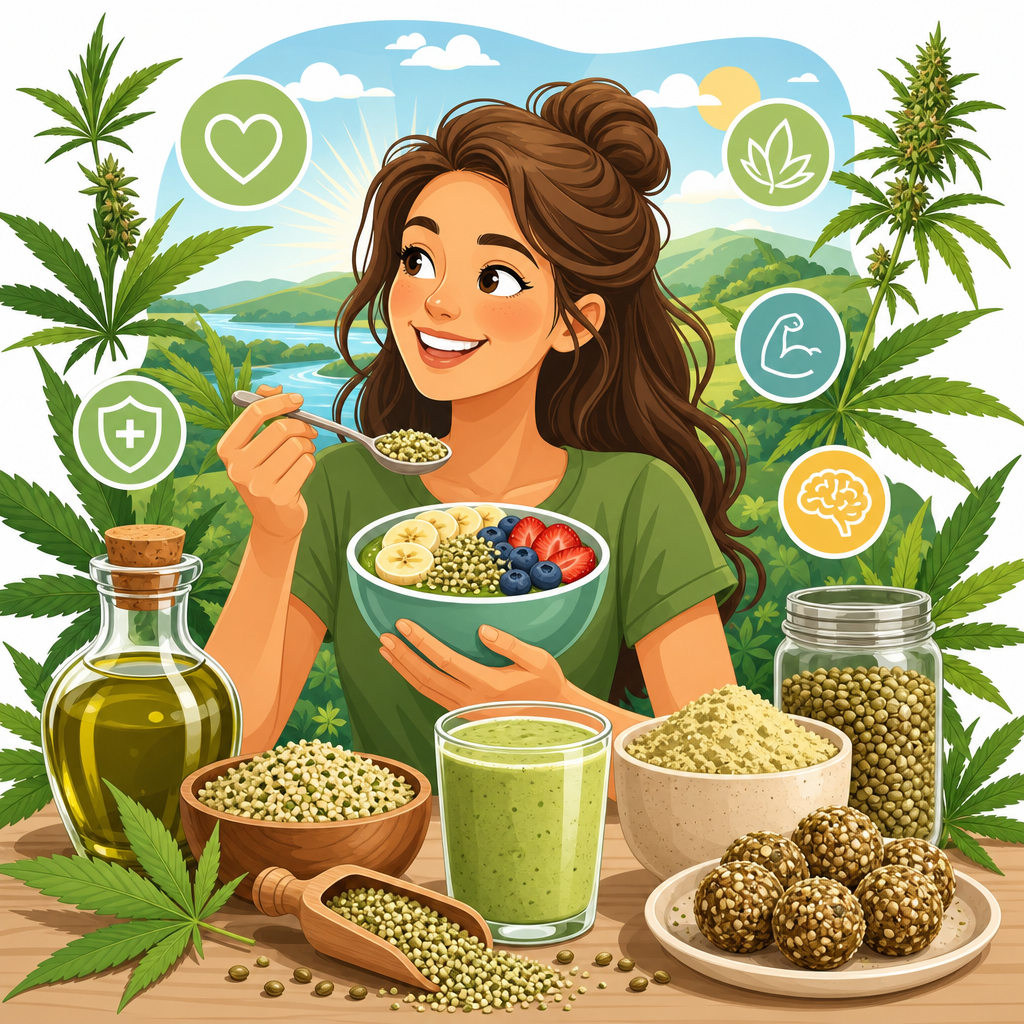
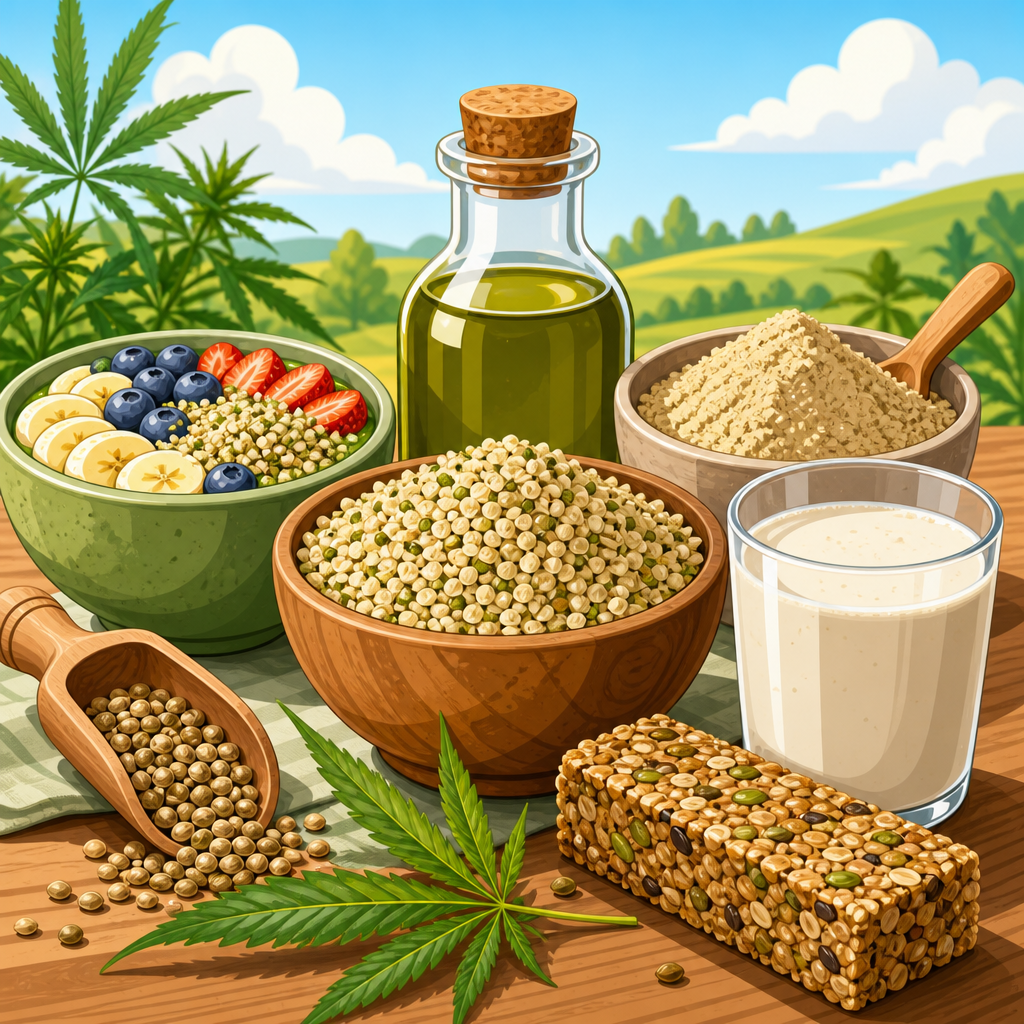
Hemp food is any edible product made from the seeds, oil, or protein-rich parts of the hemp plant, cultivated specifically for nutrition rather than intoxication. For beginners, the term can be confusing because hemp belongs to the same botanical family as cannabis, yet hemp foods do not function like recreational marijuana products. In practical use, hemp food includes hemp seeds, hemp hearts, hemp protein powder, hemp seed oil, hemp milk, snack bars, cereals, and baking ingredients that rely on hemp as a nutrient source.
In my experience working with consumer education content, this category creates the same three questions again and again: What exactly is hemp food, is it legal, and can it make you feel high? The direct answer is simple. Hemp food is made from low-THC hemp, it is widely sold as a food ingredient, and properly manufactured hemp foods are not intended to produce intoxication. That baseline matters because people often avoid a useful food source due to outdated assumptions rather than facts.
Understanding hemp food matters for two reasons. First, it offers a distinctive nutritional profile. Hemp seeds contain protein, dietary fat, and minerals in a compact serving, while hemp seed oil provides polyunsaturated fats, including omega-6 linoleic acid and omega-3 alpha-linolenic acid. Second, hemp foods sit at the center of a growing market where labeling, quality, sourcing, and product type can vary significantly. A beginner who knows the basics can shop more confidently, use products correctly, and distinguish evidence-based benefits from marketing claims.
Key terms help clear up confusion from the start. Hemp seeds are the whole seeds. Hemp hearts are shelled hemp seeds with the outer hull removed, giving them a softer texture and milder taste. Hemp protein powder is typically made after oil extraction, leaving a concentrated protein and fiber ingredient. Hemp seed oil is pressed from seeds and used mainly in dressings, finishing applications, and some supplements because it is sensitive to heat. When a product says hemp extract, that often refers to compounds from flowers or aerial plant parts rather than standard seed-based food ingredients, so it belongs to a different conversation.
How hemp food is defined and where it comes from
Hemp food starts with industrial hemp, a form of Cannabis sativa bred for fiber, seed, and regulated low tetrahydrocannabinol content. In food production, the focus is overwhelmingly on seeds. These seeds do not naturally contain meaningful amounts of cannabinoids in the way flowering material does. Most mainstream hemp foods therefore derive their value from macronutrients and fatty acids, not from psychoactive compounds. That distinction is central to understanding the category.
Farmers grow hemp in many regions for multiple end uses, including textiles, hurd, bioplastics, and food. For food-grade hemp, seed handling standards matter. Clean harvesting, drying, dehulling, cold pressing, and protected storage all influence quality. I have seen consumers assume all hemp products are interchangeable, but seed quality can shift dramatically based on oxidation, rancidity control, and processing discipline. A fresh bag of hemp hearts tastes mildly nutty and soft. A poorly stored one tastes bitter, stale, or paint-like due to fat degradation.
Food law varies by country, but many markets permit hemp seed foods provided they comply with THC limits and food safety rules. In the United States, hemp regulation changed significantly after the 2018 Farm Bill, while food products still remain subject to federal and state rules and general food labeling standards. In the European market, operators also navigate novel food and contaminant requirements depending on ingredient type. For shoppers, the takeaway is practical: buy from brands that test batches, disclose ingredients clearly, and store products correctly.
Types of hemp food beginners will see first
The easiest entry point is hemp hearts. They are versatile, ready to eat, and simple to add to yogurt, oatmeal, smoothies, salads, grain bowls, and toast. Because the hull is removed, they have a tender bite and blend easily into everyday meals. Whole hemp seeds are less common for direct topping use because the hull is harder, though they can still appear in granola, breads, and seed mixes.
Hemp protein powder is popular with people who want a plant-based protein that is less processed than some isolates. It usually has an earthy flavor, a green-brown color, and more fiber than many pea or rice protein products. That can be an advantage for satiety, but texture may be grittier in shakes. Hemp seed oil is another common product. It has a nutty flavor and is best used cold or lightly warmed, not for high-heat frying, because polyunsaturated fats are more prone to oxidation under intense heat.
Retail shelves also include hemp milk, hemp-based snack products, baking mixes, cereals, frozen desserts, and blends that combine hemp with flax, chia, oats, or nuts. Beginners should read labels carefully because the word hemp may describe very different formulations.
| Product | What it is | Best use | What to watch for |
|---|---|---|---|
| Hemp hearts | Shelled hemp seeds | Toppings, smoothies, oatmeal | Freshness and refrigerated storage after opening |
| Whole hemp seeds | Seeds with hull intact | Baking, cereals, seed blends | Harder texture |
| Hemp protein powder | Defatted seed meal, milled | Shakes, baking, bars | Earthy taste and fiber-heavy texture |
| Hemp seed oil | Pressed oil from seeds | Dressings, dips, finishing oil | Low heat tolerance and oxidation risk |
| Hemp milk | Liquid beverage from hemp ingredients | Cereal, coffee, smoothies | Added sugar, gums, and fortification levels |
Nutritional profile: what hemp food offers
Hemp food is valued primarily for protein, beneficial fats, and useful micronutrients. Hemp hearts typically provide around 9 to 10 grams of protein in a 3 tablespoon serving, along with substantial fat and modest carbohydrate. The fat profile is a major selling point. Hemp seeds contain both linoleic acid and alpha-linolenic acid, giving them a favorable unsaturated fat composition. They also contain gamma-linolenic acid in smaller amounts, a fatty acid often highlighted in hemp nutrition discussions.
Protein quality is one reason hemp foods remain popular in plant-forward diets. Hemp seed protein contains all nine essential amino acids, although like many plant proteins, the proportions are not identical to animal proteins. That does not make hemp incomplete in practical meal planning terms. Across a varied diet, hemp can contribute meaningfully to daily protein intake. It works especially well alongside legumes, grains, soy foods, dairy, eggs, fish, or other complementary proteins depending on a person’s eating pattern.
Micronutrients also add value. Hemp seeds provide magnesium, phosphorus, manganese, iron, zinc, and copper. Exact levels vary by serving size and brand, but magnesium is often notable. That matters because many adults fail to meet recommended magnesium intake. Fiber content depends on whether the hull remains. Whole seeds and less refined hemp powders generally provide more fiber than hemp hearts. If digestive tolerance is a concern, start with small servings and increase gradually.
What hemp food does not do is solve every nutritional gap by itself. It is calorie-dense, which is useful for energy but relevant for portion control. It also is not a major source of long-chain omega-3s like EPA and DHA, the forms associated with fatty fish and algae oil. Hemp can fit a balanced diet very well, but it should be understood accurately rather than treated as a miracle ingredient.
Will hemp food get you high? Safety, legality, and drug testing
No standard hemp food is intended to get you high. Seed-based foods are made from parts of the plant that are nutritionally useful and not chosen for intoxicating effects. Reputable manufacturers also clean and process products to comply with legal limits on THC. That is why hemp hearts on breakfast cereal are fundamentally different from products marketed for cannabinoid content.
Still, beginners deserve nuance here. Trace THC contamination can occur if seed cleaning and processing are poor or if regulations are inconsistently followed. This is one reason serious brands use batch testing, certificates of analysis, and careful sourcing. For the average consumer buying mainstream hemp foods from established retailers, intoxication is not a realistic use case. The more relevant issue is product quality and compliance.
Drug testing raises a separate concern. Most people consuming normal amounts of compliant hemp food are not doing so for cannabinoid exposure, but workplace testing protocols vary, and risk tolerance differs by employer and by individual circumstance. Someone in a zero-tolerance environment, such as transportation, defense, or certain medical roles, should be especially selective and may prefer brands that publish stringent THC testing data. This is not alarmism; it is the kind of risk management that matters when consequences are high.
Safety also includes allergens and storage. Hemp seed allergy is not the most common food allergy, but it is possible. Seed oils and seed proteins can also go rancid if exposed to heat, air, and light. Keep hemp seed oil refrigerated if the label directs it, reseal packages tightly, and use products within a reasonable time after opening.
How to use hemp food in everyday meals
For most beginners, the best approach is to treat hemp food like a practical pantry ingredient rather than a specialty supplement. Add hemp hearts to oatmeal for texture and protein, blend them into smoothies for creaminess, stir them into yogurt, or scatter them over roasted vegetables and grain bowls. Because their flavor is mild, they fit sweet and savory dishes without much adjustment. In recipe testing, I have found that beginners usually accept hemp hearts fastest when used as a topping rather than as the dominant ingredient.
Hemp protein powder works best when paired with other flavors. Banana, cocoa, cinnamon, berries, peanut butter, and dates can soften its earthier notes. In baking, it can replace a portion of flour in muffins, pancakes, energy bites, or snack bars, but using too much may create a dense texture. Start modestly and adjust. Hemp seed oil shines in vinaigrettes, pesto-style sauces, dips, and drizzles over cooked grains or soups just before serving.
Hemp milk is convenient for cereal and smoothies, though beginners should compare labels for protein and fortification. Some products are designed more for texture than nutrition, while others add calcium, vitamin D, and vitamin B12 to compete with dairy or soy beverages. If your goal is nutrition, not just novelty, label reading matters.
How to choose quality hemp food products
Start with the ingredient list. A good hemp hearts product should usually contain one ingredient: shelled hemp seed. Hemp seed oil should state whether it is cold pressed and how it should be stored. Protein powders may vary more, but shorter formulations generally make evaluation easier. Added sugars, flavor systems, gums, and fillers are not automatically bad, yet they should align with your intended use.
Packaging tells you a lot. Opaque, resealable bags and dark bottles help protect fats from light. Freshness dates matter because hemp contains delicate oils. Reputable companies often explain origin, farming practices, allergen controls, and testing protocols. If a product makes aggressive health claims without context, that is a warning sign. Responsible food brands emphasize nutrition, sourcing, and taste rather than implying that hemp cures disease.
Price should be judged by form, processing, and serving value. Hemp hearts cost more than some commodity seeds because dehulling, handling, and freshness controls add cost. Cheaper is not always better if it means lower quality or stale inventory. When comparing products, calculate cost per serving and consider whether you are buying nutrition, convenience, or marketing.
Hemp food is best understood as a versatile, nutrient-dense category built mainly around hemp seeds and their derivatives. For beginners, the essentials are straightforward: hemp food is not meant to be intoxicating, it offers protein and unsaturated fats, and it can fit easily into ordinary meals. The most common products are hemp hearts, hemp protein powder, hemp seed oil, and hemp milk, each with distinct strengths and limitations.
The biggest benefit of understanding hemp food is confidence. Once you know what the terms mean, how the products differ, and what quality looks like, the category becomes much easier to navigate. You can choose foods based on taste, nutrition goals, budget, and cooking style instead of reacting to confusing cannabis associations or exaggerated claims. That is especially important on a hub page like this one, where hemp food serves as the foundation for deeper questions about nutrition, storage, recipes, safety, and product comparison.
If you are just getting started, begin with hemp hearts or a well-reviewed hemp seed oil from a transparent brand, use it in one or two familiar meals, and build from there. Small, informed steps are the easiest way to understand what hemp food can add to your diet.
Frequently Asked Questions
What is hemp food, exactly?
Hemp food refers to edible products made from the nutritional parts of the hemp plant, especially the seeds, seed oil, and protein-rich seed material. In everyday terms, this includes foods such as whole hemp seeds, shelled hemp hearts, hemp protein powder, hemp seed oil, hemp milk, granola, snack bars, cereals, and baking mixes that use hemp as an ingredient. The key point for beginners is that hemp food is grown and processed for nourishment, not for intoxication. While hemp and marijuana come from the same broader cannabis family, hemp foods are intended to function like other health-focused pantry staples such as flaxseed, chia, or sunflower seeds. They are valued for their protein, healthy fats, fiber, vitamins, and minerals, making them a practical addition to smoothies, oatmeal, salads, yogurt, baked goods, and everyday meals.
Will hemp food make you feel high?
No, hemp food will not make you feel high. This is one of the most common concerns for first-time buyers, largely because the word “hemp” is often associated with cannabis. However, hemp foods are made from parts of the plant used for nutrition and are not consumed in the same way as recreational marijuana products. In food form, hemp is treated as an agricultural crop grown for seeds and related ingredients. Products such as hemp hearts, hemp protein, and hemp seed oil are purchased for their nutritional value, taste, and versatility in cooking. For most consumers, the experience of eating hemp food is no different from eating other nutrient-dense seeds or plant-based foods. In short, hemp food is a grocery item, not an intoxicating product, and it is commonly used by people who simply want convenient plant-based nutrition.
What kinds of hemp foods are available for beginners?
Beginners have plenty of easy options when exploring hemp food. The most common starting point is hemp hearts, which are shelled hemp seeds with a soft texture and mild, nutty flavor. These can be sprinkled over oatmeal, salads, avocado toast, yogurt, and smoothie bowls. Whole hemp seeds are another option and provide more fiber because the outer shell is intact. Hemp protein powder is popular among athletes, vegans, and anyone looking for a plant-based protein source to blend into smoothies or use in baking. Hemp seed oil is typically used in dressings, dips, and drizzled over prepared foods rather than for high-heat cooking. Hemp milk offers a dairy-free alternative for cereal, coffee, and recipes. Beyond these basics, many brands also offer hemp-based snack bars, cereals, pancake mixes, crackers, and other convenience foods. For someone just getting started, hemp hearts and hemp milk are often the easiest entry points because they require almost no preparation and fit naturally into familiar meals.
Is hemp food healthy, and what nutrients does it provide?
Hemp food is widely appreciated for its strong nutritional profile. Hemp seeds and related hemp ingredients naturally contain plant-based protein, beneficial fats, and important micronutrients. They are especially known for providing essential fatty acids, including omega-3 and omega-6 fats, which play a role in overall wellness. Hemp foods can also contribute minerals such as magnesium, iron, zinc, and phosphorus, depending on the product. Whole hemp seeds add fiber, while hemp hearts provide a softer texture with concentrated nutrition. Hemp protein powder can be a useful option for those trying to increase protein intake through plant-based sources. One reason hemp food appeals to many health-conscious consumers is that it offers multiple nutrients in a relatively simple, minimally processed form. That said, “healthy” still depends on the specific product. Plain hemp seeds or unsweetened hemp milk may be very different nutritionally from flavored snack bars or sweetened cereals. Reading labels is always a smart step, especially if you are monitoring sugar, sodium, or additives.
How should you use hemp food in everyday meals?
Hemp food is one of the easiest functional ingredients to work into a normal routine because its flavor is generally mild and slightly nutty. Hemp hearts can be added to breakfast foods like oatmeal, overnight oats, cereal, yogurt, or fruit bowls. They also work well on salads, soups, grain bowls, roasted vegetables, and pasta dishes for extra texture and nutrition. Hemp protein powder can be blended into smoothies, stirred into pancake batter, mixed into energy bites, or added to baked goods for a plant-based protein boost. Hemp milk can replace dairy or other plant milks in coffee, cereal, smoothies, and many recipes. Hemp seed oil is best used in low-heat or no-heat applications, such as salad dressings, marinades, pesto, or drizzled over finished dishes. For beginners, the best approach is to start small and use hemp foods where they feel most natural rather than trying to overhaul your diet all at once. A spoonful in a smoothie, a sprinkle on toast, or a swap to hemp milk can be enough to become familiar with the taste and texture while gaining the nutritional benefits.