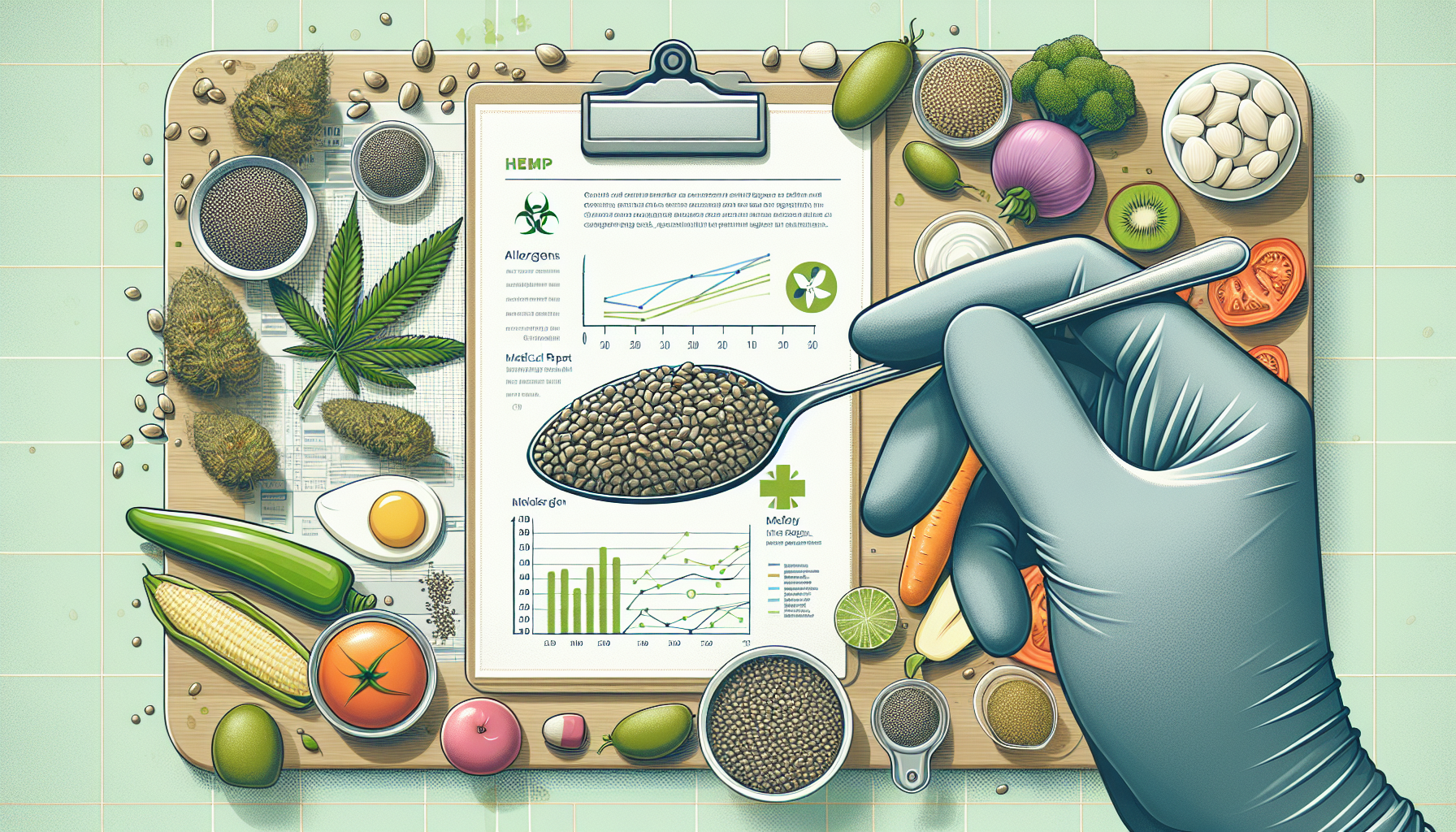
Hemp seeds deserve attention in any discussion of heart health because they combine favorable fats, useful protein, minerals, and fiber in a compact food that fits easily into daily meals. In consumer education, the term hemp seeds usually refers to hulled hemp hearts, the soft inner portion of Cannabis sativa seeds, although whole hemp seeds with the shell intact are also sold. These seeds do not produce intoxicating effects, and they are distinct from marijuana products. Their value comes from nutrition, not from psychoactive compounds.
When people ask whether hemp seeds are good for the heart, the direct answer is yes: they can support cardiovascular health as part of an overall balanced diet. They are rich in unsaturated fats, especially linoleic acid, an omega-6 fat, and alpha-linolenic acid, an omega-3 fat. They also supply arginine, magnesium, potassium, and plant protein, all of which matter for blood vessel function, blood pressure regulation, and long-term cardiometabolic health. In practice, I have found that hemp seeds are one of the easiest evidence-aligned foods to recommend because they require no special preparation and work in breakfasts, salads, sauces, and snacks.
Heart health matters because cardiovascular disease remains the leading cause of death globally, and many risk factors are influenced by everyday food choices. Diets high in saturated fat, sodium, added sugar, and ultra-processed foods tend to worsen risk, while patterns built around nuts, seeds, legumes, fruits, vegetables, and whole grains consistently improve it. Hemp seeds belong in that second category. They are not a miracle food, but they are a practical tool. Used regularly, they can help improve the quality of dietary fat intake, raise nutrient density, and make heart-friendly meals more satisfying.
This guide explains what hemp seeds contain, how those nutrients affect the cardiovascular system, how much to eat, who should be cautious, and how this topic connects to the broader health benefits of hemp. As a hub article, it also clarifies where hemp seeds fit within consumer questions about hemp protein, hemp oil, digestion, inflammation, and overall wellness. The goal is simple: give you a clear, usable understanding of hemp seeds for heart health so you can decide whether they belong in your routine.
What makes hemp seeds heart healthy
The strongest case for hemp seeds starts with their fat profile. Unlike foods dominated by saturated fat, hemp seeds provide mostly polyunsaturated and monounsaturated fats. A typical serving of about three tablespoons delivers roughly 14 to 15 grams of fat, with most of that coming from unsaturated sources. Replacing some saturated fat with unsaturated fat is a well-established strategy for supporting healthy LDL cholesterol levels. That principle is recognized across major dietary guidance, including recommendations from the American Heart Association and Mediterranean-style eating patterns.
Hemp seeds are especially notable for their balance of omega-6 and omega-3 fats. The ratio often falls near 3:1, which is one reason they are frequently discussed in nutrition circles. More important than the ratio alone is the fact that hemp seeds actually provide meaningful amounts of alpha-linolenic acid, the plant omega-3 linked to cardiovascular benefit. Most people consume plenty of omega-6 but not enough omega-3. Adding hemp seeds to yogurt, oats, or smoothies helps close that gap without relying on supplements.
They also contain gamma-linolenic acid in smaller amounts. This fat is less common in the diet and has been studied for roles in inflammation regulation. The evidence is not a reason to treat hemp seeds as a therapy, but it does add to their interest as a whole food. Cardiovascular protection is rarely about one nutrient acting alone. It is the total package: healthier fats, protein, minerals, and better meal quality replacing less helpful foods.
Protein is another advantage. Three tablespoons of hemp hearts provide around 9 to 10 grams of protein, including all nine essential amino acids. From a heart-health standpoint, the benefit is practical. Seeds that add protein can make meals more filling, which helps reduce reliance on processed snacks high in sodium or refined starch. In clinic-style meal planning, I often see better adherence when a healthy food is easy to sprinkle, blend, or stir into familiar dishes. Hemp seeds pass that test better than many specialty products.
Key nutrients linked to cardiovascular support
Beyond fats, hemp seeds supply minerals that matter directly to the heart and blood vessels. Magnesium supports normal muscle and nerve function, helps regulate vascular tone, and plays a role in blood pressure control. Potassium helps counterbalance sodium and supports healthy blood pressure. Iron and zinc contribute to broader metabolic health, while phosphorus supports cellular function. Hemp seeds also contain antioxidants and phenolic compounds, though they are not typically marketed as an antioxidant powerhouse in the same way as berries or cocoa.
Arginine deserves special mention. This amino acid is a precursor to nitric oxide, a signaling molecule involved in relaxing blood vessels. Better nitric oxide availability supports endothelial function, which is a central concept in cardiovascular health. Endothelial dysfunction often appears early in the progression toward hypertension and atherosclerosis. Foods rich in arginine, including seeds and legumes, can support dietary patterns aimed at vascular health. Hemp seeds are not the only useful source, but they are one of the more convenient ones.
Fiber depends on the form you buy. Whole hemp seeds with the hull have more fiber, while hulled hemp hearts have less but still contribute to meal quality. Fiber supports cholesterol management, blood sugar control, and satiety. If your main goal is heart health, it helps to use hemp seeds alongside other fiber-rich foods rather than counting on them alone. For example, adding hemp hearts to oatmeal with berries and chia creates a more complete breakfast than adding them to sweetened yogurt by themselves.
| Nutrient or compound | Why it matters for heart health | Simple food use |
|---|---|---|
| Alpha-linolenic acid | Supports healthier fat intake and cardiovascular function | Stir into oatmeal or smoothies |
| Linoleic acid | Helps replace saturated fat with unsaturated fat | Sprinkle on salads or grain bowls |
| Arginine | Supports nitric oxide production and blood vessel function | Blend into pesto or dips |
| Magnesium | Contributes to blood pressure regulation and vascular tone | Add to yogurt or cottage cheese |
| Plant protein | Improves satiety and meal balance | Use on avocado toast or soups |
What the research says about hemp seeds and heart health
Research on hemp seeds specifically is promising but still smaller than the evidence base for almonds, walnuts, flax, or oats. That nuance matters. We can say with confidence that the nutrient profile of hemp seeds aligns with heart-protective eating patterns. We can also say that diets emphasizing seeds and replacing less healthy fats are associated with better cardiovascular outcomes. What we cannot honestly claim is that hemp seeds alone have been proven to prevent heart attacks in large long-term trials. Responsible nutrition guidance has to separate plausible benefit from overstatement.
Studies on hemp seed oil and hemp-derived lipids suggest potential benefits related to fatty acid status, inflammation, and skin barrier function, and some experimental work has explored blood lipid effects. However, outcomes vary depending on dose, population, background diet, and whether the product is whole seed, oil, or protein powder. Whole hemp seeds should generally be the first choice for consumers because they offer the broadest nutritional package. Oil can be useful for cold applications, but it lacks the protein and most fiber found in the seed.
The broader evidence from cardiology nutrition supports the main takeaway: replacing foods rich in saturated fat with foods rich in unsaturated fats lowers cardiovascular risk. This is why nuts, seeds, olive oil, avocado, and fatty fish repeatedly appear in evidence-based dietary patterns. Hemp seeds fit neatly into that framework. If someone swaps a processed breakfast pastry for plain yogurt, fruit, and hemp hearts, the likely benefit comes from the entire dietary shift, with hemp seeds playing a meaningful part.
For consumers asking whether hemp seeds lower cholesterol or blood pressure, the best answer is that they may help indirectly and, in some cases, directly, but they are not a substitute for medical care. Nutrient-dense foods work cumulatively. They support better labs over time when they are part of consistent eating habits, weight management, exercise, sleep, and medication adherence when prescribed. That is the standard to apply to any food discussed under the larger umbrella of hemp health benefits.
How hemp seeds compare with other heart-healthy seeds
Hemp seeds are often compared with flax, chia, pumpkin, and sunflower seeds. Each has strengths. Flax and chia are especially high in omega-3 and fiber, but they can be less versatile in texture, and flax is best ground for absorption. Pumpkin seeds stand out for magnesium and zinc. Sunflower seeds offer vitamin E but can be easier to overeat if heavily salted. Hemp seeds sit in a useful middle position: moderate omega-3, substantial protein, soft texture, and broad culinary flexibility.
If your goal is the most concentrated plant omega-3 source, flax or chia may have an edge. If your goal is an easy everyday topper that adds protein and mild flavor, hemp hearts are often better accepted by adults and children. In meal planning, I rarely suggest choosing only one. Rotating seeds improves nutrient variety and keeps meals interesting. A breakfast bowl might use chia one day and hemp the next. A salad can combine pumpkin seeds with hemp hearts for crunch and protein.
Cost and storage also matter. Hemp hearts tend to cost more than sunflower seeds but are usually comparable to premium chia or flax products. Because of their unsaturated fat content, they should be stored away from heat and light; refrigeration after opening is a smart practice. Freshness matters both for taste and for fat stability. A bitter or paint-like smell suggests rancidity, and rancid seeds should be discarded.
How to use hemp seeds in a heart-healthy diet
For most adults, one to three tablespoons per day is a practical range. That amount is enough to contribute meaningful nutrition without pushing calories too high. Hemp seeds are energy-dense, like all seeds, so portion awareness matters if weight management is part of your heart-health plan. I usually recommend starting with one tablespoon daily and building from there based on appetite, total diet, and how often other nuts and seeds are already included.
The best uses are simple. Add hemp hearts to oatmeal with berries, fold them into overnight oats, stir them into yogurt, or sprinkle them over roasted vegetables. They blend well into smoothies without the gritty texture some seeds create. They also work in savory foods: mix into pesto, hummus, grain bowls, soups, or whole-grain toast with avocado and tomato. Because their flavor is mild and slightly nutty, they are one of the least difficult seed foods to introduce to hesitant eaters.
Choose minimally processed products with no added sugar and little or no sodium. If you buy hemp seed oil, use it for dressings or finishing rather than high-heat cooking, since polyunsaturated oils are less suitable for repeated high-temperature use. If you buy hemp protein powder, check the ingredient list. Some products are clean and useful, while others include sweeteners, gums, or flavor systems that shift them toward the supplement category rather than a straightforward food.
Consumers often ask whether hemp seeds are safe every day. For most healthy adults, yes. Daily use is reasonable when portions fit overall calorie needs and the diet remains varied. The bigger pattern still matters most. Hemp seeds cannot cancel out smoking, sedentary habits, high alcohol intake, or a diet dominated by processed meats and refined snacks. Think of them as a reliable supporting player in a heart-conscious routine.
Safety, side effects, and who should ask a clinician first
Hemp seeds are generally well tolerated, but there are sensible caveats. People with seed allergies should be cautious, especially if they have a history of reacting to multiple seeds or nuts. Whole seeds can be harder to digest for some individuals, while hulled hemp hearts are usually easier. Large amounts may cause digestive discomfort in those unaccustomed to higher-fat or higher-fiber foods, so gradual introduction is wise.
Anyone taking anticoagulants, managing advanced kidney disease, or following a medically prescribed diet should ask a clinician or registered dietitian before making major dietary changes. Hemp seeds are not especially problematic for most people, but medical nutrition advice should always reflect the whole situation, including lab values, medications, and calorie needs. Consumers should also understand that hemp foods vary. Reputable brands provide transparent labeling, batch information, and, when relevant, third-party testing.
The most common mistake I see is confusion between hemp foods and cannabinoid products. Hemp hearts, hemp seed oil, and hemp protein are foods. CBD oils, tinctures, gummies, and extracts are different products with different regulatory and safety questions. When your goal is heart health, food first is the most defensible approach. It is lower risk, better studied in the context of dietary patterns, and easier to integrate consistently.
Hemp seeds are a smart addition to a heart-healthy diet because they deliver unsaturated fats, plant protein, magnesium, arginine, and useful micronutrients in an easy everyday format. Their biggest benefit is not magic; it is nutritional leverage. They help people improve breakfast, upgrade snacks, and replace less helpful ingredients with foods that support healthier cholesterol patterns, vascular function, and overall diet quality.
As the central guide to the health benefits of hemp, this article places hemp seeds in the right context. They can support heart health, contribute to satiety, and complement broader goals involving inflammation, metabolic wellness, and balanced plant-forward eating. They are most effective when used consistently, in sensible portions, and alongside other proven habits such as exercise, blood pressure control, good sleep, and regular medical care.
If you want to start simply, buy a fresh bag of hulled hemp hearts, refrigerate it after opening, and add one tablespoon a day to a meal you already eat. That small step is enough to begin turning consumer curiosity about hemp into a practical habit that benefits your heart.
Frequently Asked Questions
Are hemp seeds really good for heart health?
Hemp seeds can be a smart addition to a heart-conscious eating pattern because they provide several nutrients associated with cardiovascular wellness in one compact food. Their biggest strength is their fat profile. Hemp seeds are rich in unsaturated fats, including omega-6 and omega-3 fatty acids, which are generally considered more favorable for heart health than diets heavy in saturated fat. They also supply plant protein, which can help support balanced meals and may make it easier to rely less on highly processed protein sources or fattier animal foods.
In addition, hemp seeds contain minerals such as magnesium, iron, zinc, and phosphorus, along with fiber when the outer shell is present. Magnesium is especially relevant because it supports normal muscle and nerve function, including healthy heart rhythm and blood vessel function. Even hulled hemp hearts, which have less fiber than whole hemp seeds, still contribute meaningful nutrition and are easy to add to yogurt, oatmeal, salads, smoothies, and grain bowls. That said, hemp seeds are not a cure or a stand-alone heart treatment. Their real value comes from fitting into an overall eating pattern centered on vegetables, fruits, legumes, whole grains, nuts, seeds, and other minimally processed foods.
What nutrients in hemp seeds make them especially relevant for cardiovascular health?
Hemp seeds stand out because they combine favorable fats, protein, and important micronutrients in a way that supports overall dietary quality. They are particularly known for their polyunsaturated fats, including linoleic acid and alpha-linolenic acid. These fats are often highlighted in heart-health discussions because replacing some saturated fat with unsaturated fat is a well-established dietary strategy for supporting healthy cholesterol levels. Hemp seeds also contain gamma-linolenic acid, a less commonly discussed fatty acid that adds to their nutritional interest, although it should be viewed as part of the whole food package rather than a magic ingredient.
Protein is another advantage. Hemp seeds provide complete plant protein, meaning they contain all essential amino acids. While they should not be treated as the sole protein source in a diet, they can help people build satisfying meals that support healthy eating habits over time. They also contribute minerals such as magnesium, manganese, phosphorus, and zinc. Magnesium is especially useful in a heart-health context because it plays roles in blood pressure regulation, vascular tone, and normal cardiac function. Whole hemp seeds also provide more fiber due to the shell, and fiber is strongly linked with cardiovascular benefits, including support for healthy cholesterol and better overall metabolic health. Taken together, these nutrients make hemp seeds a practical, nutrient-dense food rather than just a trendy topping.
Do hemp seeds contain THC, and can they cause intoxicating effects?
No. The hemp seeds sold as food, including hemp hearts, do not produce intoxicating effects. This is one of the most common points of confusion for consumers because hemp comes from Cannabis sativa, the same plant species associated with marijuana. However, food-grade hemp products are very different from marijuana products in both composition and purpose. Hemp seeds themselves naturally contain little to no THC, and the processed seed products sold for eating are intended as nutrition foods, not psychoactive substances.
In consumer education, it is helpful to distinguish clearly between hemp seeds, hemp oil used as food, CBD products, and marijuana-derived products. Hulled hemp hearts are simply the soft inner seed portion, valued for their healthy fats, protein, and minerals. They are used like other edible seeds such as chia, flax, or sunflower seeds. If someone is concerned about product quality, it is reasonable to choose reputable brands that provide clear labeling and follow food safety standards. But from a practical nutrition standpoint, hemp seeds are best understood as a wholesome seed food, not as something that alters mood or perception.
How should hemp seeds be used in a heart-healthy diet?
The easiest way to use hemp seeds is as a convenient nutrient booster for meals you already eat. Hulled hemp hearts have a soft texture and mild, slightly nutty flavor, so they work well sprinkled over oatmeal, yogurt, cottage cheese, avocado toast, soups, roasted vegetables, salads, and grain bowls. They can also be blended into smoothies or stirred into overnight oats. Because they are energy-dense, a modest serving is usually enough to add meaningful nutrition without overdoing calories. For many people, one to three tablespoons at a time is a practical range, depending on their overall diet and energy needs.
For heart health, the key is not just adding hemp seeds, but using them to improve meal quality. For example, they can replace less nutritious toppings that are high in refined carbohydrates, added sugar, or saturated fat. They can also complement other heart-supportive foods such as berries, leafy greens, beans, whole grains, and olive oil. Whole hemp seeds with the shell intact offer more fiber, but hemp hearts are easier to chew and digest for many people, which is why they are especially popular. Store them according to package directions, often in a cool, dark place or refrigerated after opening, to help preserve their delicate fats. Used consistently and sensibly, hemp seeds can be an easy, realistic part of a long-term heart-conscious routine.
Are there any downsides or precautions to consider before eating hemp seeds regularly?
Hemp seeds are generally well tolerated, but there are still a few practical considerations. First, they are calorie-dense, as most seeds are, because much of their energy comes from healthy fats. That is not a drawback in itself, but portion awareness matters if someone is trying to manage body weight as part of a heart-health plan. Second, whole hemp seeds contain more fiber because the shell remains intact, and for some people, a sudden large increase in fiber can lead to bloating or digestive discomfort. Starting with smaller amounts and increasing gradually is often the easiest solution.
People with seed allergies or highly specific dietary restrictions should read labels carefully, especially with packaged mixes or flavored products. It is also wise to look at the broader food context: hemp seeds are most beneficial when they are part of an overall pattern that supports healthy blood pressure, cholesterol, blood sugar, and body composition. They should not be viewed as a substitute for medical treatment, prescribed medication, or professional guidance for heart disease. If someone takes medication that affects blood clotting, has a complex cardiovascular condition, or is following a medically prescribed diet, checking with a healthcare professional is a sensible step before making major dietary changes. For most healthy adults, though, hemp seeds are a safe, nutritious, and practical food that can contribute positively to a heart-friendly diet.