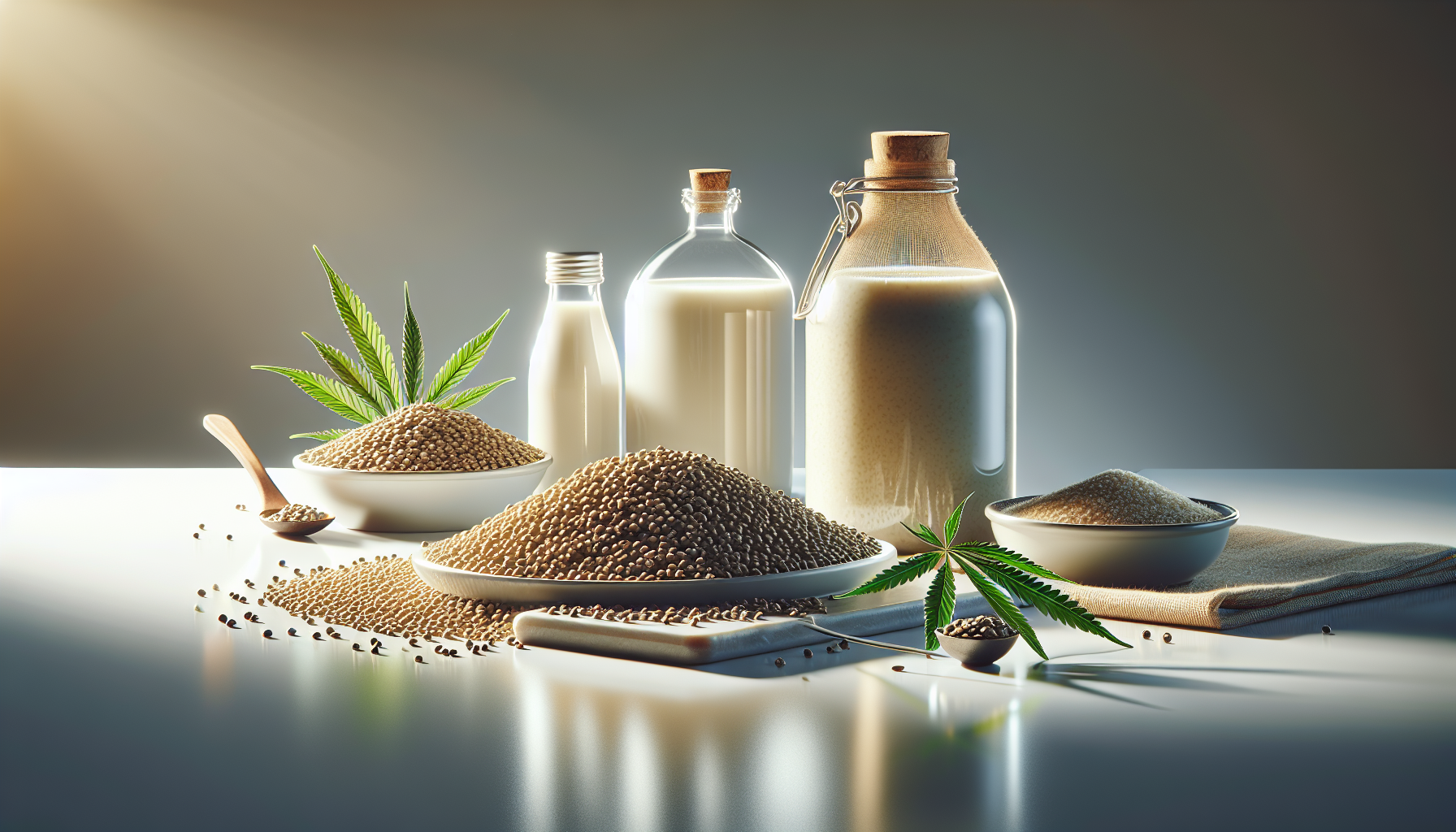
Hemp for vegans and vegetarians is more than a trend ingredient; it is a practical, nutrient-dense food that helps plant-based eaters meet protein, fat, mineral, and overall dietary needs with less compromise. In this context, hemp food usually refers to hemp hearts, hulled hemp seeds, hemp protein powder, hemp seed oil, and foods made from these ingredients, all sourced from varieties of Cannabis sativa bred for food and fiber rather than intoxicating effects. I have worked with plant-based product education for years, and hemp repeatedly stands out because it solves several common nutrition problems at once: it supplies complete protein, delivers essential fatty acids, and fits into everyday meals without heavy processing. That matters for vegans and vegetarians who want foods that are both functional and easy to use.
A vegan diet excludes all animal-derived foods, while a vegetarian diet generally excludes meat and sometimes fish but may include eggs or dairy. Both patterns can be healthful, and major organizations including the Academy of Nutrition and Dietetics have affirmed that well-planned plant-based diets can support all life stages. The phrase “well-planned” is doing important work, though. In practice, many people need help balancing protein quality, omega fats, iron, zinc, and overall calorie density, especially if they are active, older, or managing reduced appetite. Hemp addresses these gaps efficiently. It is not a miracle food and does not replace the need for variety, but it is one of the most useful staples in the plant-based pantry because it combines multiple nutrients in one ingredient and works in both sweet and savory recipes.
This article serves as a hub for hemp food and specific diets, with a focus on vegan and vegetarian needs. It explains what hemp contributes nutritionally, how it compares with other plant proteins, where it fits in meal planning, and what limitations consumers should understand. If you are deciding whether hemp belongs in your routine, the short answer is yes for most plant-based eaters: it is versatile, minimally complicated, and unusually balanced for a seed-based food.
What Makes Hemp Nutritionally Valuable for Plant-Based Diets
The strongest case for hemp starts with protein. Hemp hearts provide substantial protein per serving and, importantly, contain all nine essential amino acids. Protein quality in foods is not only about the total grams listed on a label; it is also about digestibility and amino acid profile. Hemp is often called a complete protein because it supplies histidine, isoleucine, leucine, lysine, methionine, phenylalanine, threonine, tryptophan, and valine. In real meal planning, that means hemp can contribute meaningfully to daily protein intake without requiring complicated pairing rules at every meal. Over the course of a day, most varied plant-based diets naturally combine amino acids well, but hemp makes the process easier.
Hemp is also rich in unsaturated fats, especially polyunsaturated fatty acids. It naturally contains both linoleic acid, an omega-6 fat, and alpha-linolenic acid, an omega-3 fat. Many analyses describe hemp seed oil as having a favorable omega-6 to omega-3 ratio, often around 3:1, which aligns well with broader recommendations to avoid excessive omega-6 dominance. Hemp also contains gamma-linolenic acid, or GLA, a less common omega-6 fatty acid that appears in only a small number of foods. While GLA is not essential in the same way as linoleic acid and alpha-linolenic acid, its presence is one reason hemp has attracted attention in functional nutrition.
Micronutrients add another layer of value. Hemp seeds typically supply magnesium, phosphorus, manganese, copper, iron, and zinc in meaningful amounts. These nutrients matter because they are often the exact minerals that vegans and vegetarians must monitor. Magnesium supports muscle and nerve function, phosphorus contributes to bones and energy metabolism, iron supports oxygen transport, and zinc plays a central role in immune function and enzyme activity. A few spoonfuls of hemp hearts will not single-handedly eliminate deficiency risk, but they improve nutrient density quickly and without much effort.
How Hemp Compares with Other Vegan and Vegetarian Protein Sources
Consumers often ask whether hemp is better than soy, peas, chia, flax, lentils, tofu, or quinoa. The useful answer is that hemp is not universally superior, but it occupies a strong middle ground between convenience, digestibility, and nutrient diversity. Soy remains one of the most researched plant proteins and offers high protein density, especially in tofu, tempeh, and soy protein isolate. Legumes such as lentils and chickpeas provide more carbohydrate and often more total protein per cooked cup, but they usually require cooking and may cause digestive discomfort for some people. Quinoa is a valuable grain-like seed with complete protein status, though it does not match hemp’s fat profile. Chia and flax excel in omega-3 content, yet they are generally used in smaller portions and are not as protein-forward in typical eating patterns.
In product development and consumer education, I usually frame hemp as a “high-functionality support food.” It may not replace legumes as the protein backbone of a diet, but it improves almost any plant-based meal. Sprinkle hemp hearts on oatmeal, blend hemp protein into a smoothie, whisk hemp seed oil into a dressing, or fold seeds into veggie burgers, and the meal becomes more satiating and nutritionally robust. This is one reason hemp performs so well in vegan households: it upgrades existing habits instead of asking people to completely change how they eat.
| Food | Main Strength | Potential Limitation | Best Use |
|---|---|---|---|
| Hemp hearts | Complete protein plus essential fats and minerals | Lower protein density than isolates | Toppings, bowls, yogurt alternatives, salads |
| Hemp protein powder | Higher protein concentration with fiber | Earthier taste and grittier texture than pea or soy isolate | Smoothies, baking, protein oats |
| Tofu and tempeh | High protein and culinary versatility | Soy avoidance for some consumers | Main dishes, stir-fries, sandwiches |
| Lentils and beans | Affordable protein, fiber, iron | Preparation time and possible digestive issues | Soups, curries, meal prep staples |
| Chia and flax | Excellent omega-3 contribution | Usually consumed in smaller amounts | Puddings, baking, smoothies |
The comparison that matters most is not “Which single food wins?” but “Which foods cover different needs effectively?” Hemp’s specific advantage is overlap. It contributes protein, healthy fats, minerals, and texture in one ingredient, making it especially efficient for busy people who want nutritional return without extensive planning.
Key Benefits for Vegans and Vegetarians in Daily Eating
For many plant-based eaters, satiety is an underappreciated issue. Meals built primarily around vegetables and refined grains may be rich in vitamins yet leave people hungry an hour later. Hemp helps because it combines protein and fat, two factors that improve fullness and meal satisfaction. A breakfast of oats and fruit can be nutritionally decent, but adding hemp hearts increases staying power dramatically. The same is true for salads, soups, roasted vegetables, and grain bowls. In client-facing education, this is often the point where hemp moves from “interesting superfood” to “daily staple.”
Another major benefit is flexibility for people with dietary restrictions layered on top of vegetarianism or veganism. Someone avoiding soy, nuts, or gluten can often still use hemp comfortably, assuming no seed-specific allergy. That makes hemp valuable in households where one ingredient needs to work across multiple preferences and exclusions. It is also easy to incorporate for people who dislike large servings of beans or who want variety beyond tofu. The mild, slightly nutty taste of hemp hearts is generally more approachable than stronger-tasting plant foods such as spirulina or some algae-based products.
Hemp can also support active lifestyles. Athletes and recreational exercisers following plant-based diets frequently need concentrated protein in convenient forms. Hemp protein powder is not as neutral or as protein-dense as some isolates, but many consumers prefer its less processed profile and naturally occurring fiber. A practical post-workout smoothie might include hemp protein, fortified soy milk or pea milk, frozen berries, banana, and oats. That combination supports recovery with protein, carbohydrates, and minerals while remaining fully plant-based.
How to Use Hemp Foods Across Meals and Specific Diet Patterns
As a hub topic, hemp food and specific diets should be understood broadly. Hemp works well in whole-food plant-based diets, high-protein vegetarian diets, Mediterranean-style vegetarian eating, flexitarian transitions, and allergen-conscious meal plans. In whole-food plant-based routines, hemp hearts are useful when people want minimally processed ingredients that still improve protein intake. In higher-protein plans, hemp protein powder can supplement meals that are otherwise low in amino acids. For vegetarians who include dairy or eggs, hemp adds nutritional variety and can reduce overreliance on cheese, which often contributes saturated fat without much fiber.
Meal use is straightforward. At breakfast, hemp hearts mix into oatmeal, overnight oats, porridge, cereal, or yogurt alternatives. In smoothies, they blend with fruit, greens, and fortified plant milks. At lunch, they add substance to avocado toast, grain bowls, slaws, soups, and wraps. At dinner, they can be stirred into pesto, used as part of a crust for baked vegetables, or added to pasta dishes for richness and texture. Snacks are equally simple: hemp can enrich energy bites, homemade bars, dips, and seed mixes. This ease of use matters because nutritional strategies only work when people will repeat them consistently.
Hemp seed oil deserves separate mention. It is best used unheated or with minimal heat because delicate polyunsaturated fats can degrade at high temperatures. The oil shines in salad dressings, drizzles, dips, and finishing applications. If someone is buying hemp oil for its fatty acid profile, using it in deep frying defeats much of the point. Storage also matters. Quality oils should be kept away from heat, light, and oxygen exposure, and many producers recommend refrigeration after opening to preserve freshness.
Important Limitations, Misconceptions, and Buying Considerations
Hemp is highly useful, but balanced education requires a few caveats. First, hemp is not a reliable source of vitamin B12, and unfortified hemp foods do not replace the need for a B12 supplement or fortified foods in vegan diets. Second, while hemp contains iron and zinc, the bioavailability of minerals in plant foods can vary due to compounds such as phytates. This does not make hemp ineffective, but it does mean consumers should think in terms of total dietary patterns rather than expecting one ingredient to solve every nutritional concern.
There is also frequent confusion between hemp foods and psychoactive cannabis products. Hemp foods made from seeds contain negligible cannabinoids and do not produce intoxication. Reputable manufacturers test for compliance with legal thresholds and provide clear labeling. Consumers should buy from brands that disclose sourcing, use good manufacturing practices, and ideally provide third-party testing, especially for protein powders and oils. Freshness is another quality marker. Rancid seed oil tastes bitter or paint-like, and stale seeds lose their pleasant nutty character. Packaging with oxygen barriers and lot traceability is a good sign.
Price can be a factor. Hemp foods are often more expensive per serving than dried beans or lentils. For budget-conscious households, the best strategy is to treat hemp as a strategic add-on rather than the sole protein source. Use legumes, tofu, grains, and seasonal produce as the foundation, then add hemp where it most improves nutrition and convenience. That approach captures the strengths of hemp without inflating grocery costs unnecessarily.
Why Hemp Deserves a Central Place in Plant-Based Food Education
Hemp deserves a central place in vegan and vegetarian food education because it answers real dietary needs with unusual efficiency. It supplies complete protein, beneficial fats, and key minerals in forms that are easy to use in ordinary meals. It supports satiety, helps diversify protein intake, and fits multiple eating patterns from whole-food plant-based to higher-protein vegetarian plans. Just as importantly, it is realistic. People do not need specialty culinary skills to benefit from hemp, and they do not need to redesign their diets around it. A spoonful on breakfast, a scoop in a smoothie, or a drizzle of oil on lunch can materially improve nutrient intake.
The biggest takeaway is simple: hemp works best as part of a varied plant-based diet, not as a stand-alone solution. Pair it with legumes, whole grains, vegetables, fruits, fortified foods, and, where appropriate, supplements such as vitamin B12. Choose the right format for the job: hemp hearts for everyday topping and texture, hemp protein for concentrated support, and hemp seed oil for cold applications. Buy from trusted brands, store products properly, and use them consistently.
If you are building a smarter vegan or vegetarian routine, start with one practical change this week: add hemp hearts or hemp protein to a meal you already eat regularly. That small step is often enough to make plant-based eating more satisfying, more nutritious, and easier to sustain over time.
Frequently Asked Questions
Why is hemp such a valuable food for vegans and vegetarians?
Hemp is especially valuable in plant-based eating because it delivers several nutrients that vegans and vegetarians often have to piece together from multiple foods. Hemp hearts, hemp protein powder, and hemp seed oil can contribute meaningful amounts of protein, healthy fats, and important minerals in a form that is convenient and easy to use. For people who avoid animal products, that matters because building a nutritionally balanced diet is not just about getting enough calories; it is about consistently covering protein needs, supporting essential fatty acid intake, and choosing foods that help fill common nutrient gaps without relying entirely on highly processed substitutes.
One of hemp’s biggest strengths is its overall nutrient density. Hemp hearts provide plant protein along with fiber-containing outer-seed products, beneficial fats, and minerals such as magnesium, iron, zinc, and phosphorus. The fat profile is another major advantage. Hemp contains essential fatty acids, including omega-6 and omega-3 fats, which support overall health and help diversify fat sources in diets that might otherwise lean heavily on oils or nuts with less balanced profiles. In practical terms, hemp gives plant-based eaters a food that can support satiety, muscle maintenance, meal quality, and variety all at once.
It is also a very flexible ingredient. Hemp hearts can be sprinkled over oatmeal, yogurt alternatives, salads, soups, and grain bowls. Hemp protein powder can be blended into smoothies or added to homemade energy bites, pancakes, or overnight oats. Hemp seed oil can be used in dressings and finishing applications. That versatility makes it easier to eat consistently, which is often more important than any single “superfood” claim. For vegans and vegetarians looking for realistic, everyday nutrition support, hemp is a practical and nutrient-rich choice rather than just a trendy ingredient.
Is hemp a complete protein, and can it really help meet plant-based protein needs?
Hemp is often described as a complete protein because it contains all nine essential amino acids, which are the amino acids the body cannot make on its own and must obtain from food. That said, it is helpful to keep expectations realistic. While hemp does provide all essential amino acids, the amount of some amino acids may not be as concentrated as in soy foods or animal-based proteins. Even so, hemp can absolutely play an important role in helping vegans and vegetarians meet their protein needs, especially when it is used as part of a varied plant-based diet that also includes legumes, soy foods, whole grains, nuts, and seeds.
In real-world meal planning, the “complete protein” label is less important than total protein intake across the day and overall dietary variety. Hemp hearts offer a solid protein boost in a small serving, and hemp protein powder can be an especially useful option for people with higher needs, such as athletes, older adults, or those trying to make a smoothie or breakfast more filling. It can also be helpful for people who struggle to eat enough legumes or prefer a lighter option than some bean-based meals. Because hemp is easy to add to familiar foods, it allows plant-based eaters to raise protein intake without dramatically changing their eating pattern.
It is best to think of hemp as a strong supporting protein source rather than the only one you need. A breakfast with oats, soy milk, berries, and hemp hearts, or a smoothie with hemp protein powder and nut butter, can meaningfully improve protein intake. Paired with tofu, lentils, tempeh, edamame, chickpeas, and whole grains over the course of the day, hemp helps create a more robust protein foundation. For many vegans and vegetarians, that consistency is what makes the difference between barely meeting protein goals and meeting them comfortably.
What nutrients in hemp are most beneficial for vegans and vegetarians?
Several nutrients in hemp make it particularly relevant for plant-based diets. Protein is the most talked-about, but it is far from the only reason hemp deserves attention. Hemp foods also provide essential fats, especially polyunsaturated fats that include omega-3 and omega-6 fatty acids. Since many vegans and vegetarians are intentional about heart health and anti-inflammatory dietary patterns, using foods that naturally contribute these fats can strengthen overall diet quality. Hemp seed oil is especially notable here, although hemp hearts also supply beneficial fats alongside protein and minerals.
Minerals are another major advantage. Hemp foods can contribute magnesium, iron, zinc, and phosphorus, all of which are important in plant-based nutrition. Magnesium supports muscle and nerve function, energy metabolism, and overall dietary adequacy. Iron is a key nutrient for oxygen transport and energy levels, and it is a nutrient many vegetarians and especially vegans keep a close eye on. Zinc matters for immune function and many enzymatic processes, and phosphorus plays roles in bones and energy metabolism. While hemp should not be viewed as a guaranteed fix for any deficiency, it can be a useful contributor in a broader nutrient-conscious eating pattern.
Depending on the form, hemp may also add fiber and other naturally occurring plant compounds. Hemp hearts are lower in fiber than whole hemp seeds because the hull is removed, while hemp protein powders can vary depending on how they are processed. This is why the best hemp product depends on your goal. If you want a mild-tasting topping with protein and healthy fats, hemp hearts are usually the easiest choice. If you want a more concentrated protein source, hemp protein powder may be more useful. If your focus is beneficial fats, hemp seed oil is the better fit. For vegans and vegetarians, this range of options makes hemp more than one food; it is really a category of ingredients that can support different nutritional priorities.
How can vegans and vegetarians use hemp in everyday meals without overcomplicating their diet?
The easiest way to use hemp consistently is to treat it like a staple topping, blender add-in, or finishing ingredient rather than something that requires special recipes. Hemp hearts are probably the most beginner-friendly option because they have a mild, slightly nutty flavor and a soft texture. They can be stirred into oatmeal, sprinkled on avocado toast, added to plant-based yogurt, mixed into grain bowls, or used as a topper for roasted vegetables and soups. This kind of low-effort use is ideal because it integrates hemp into meals you already eat instead of asking you to redesign your diet around one ingredient.
Hemp protein powder is useful when protein density matters most. It can be blended into smoothies with fruit, soy milk, and nut butter, or added to overnight oats, muffins, pancakes, and homemade bars. Some people enjoy its earthy taste, while others prefer to combine it with cocoa, cinnamon, berries, banana, or vanilla to balance the flavor. It is also smart to check labels, since different brands vary in texture, protein concentration, and ingredient quality. If you are replacing a sweeter commercial protein powder, expect hemp protein to be less sweet and often more natural-tasting, which can be a positive if you want fewer additives.
Hemp seed oil is best used unheated or with minimal heat, depending on the product, because delicate fats can be affected by high-temperature cooking. It works very well in salad dressings, drizzled over cooked grains, blended into dips, or spooned over finished vegetables. For many plant-based eaters, a simple routine works best: hemp hearts at breakfast, hemp protein in a snack or smoothie, and hemp oil in a dressing at lunch or dinner. That kind of practical layering can increase nutrient intake across the day without making meals feel repetitive or overly “health food” focused.
Are there any misconceptions about hemp foods that vegans and vegetarians should know about?
Yes, and one of the most common is the confusion between hemp foods and intoxicating cannabis products. Hemp foods such as hemp hearts, hulled hemp seeds, hemp protein powder, and hemp seed oil come from varieties of Cannabis sativa bred for food and fiber use, not for intoxicating effects. These foods do not function like recreational cannabis products, and they are used as nutritional ingredients, much like flax, chia, or sesame. This distinction is important because some people avoid hemp simply due to the name, even though the food itself is a legitimate and widely used plant-based ingredient.
Another misconception is that hemp alone can “solve” plant-based nutrition. Hemp is excellent, but it is not a one-food answer to every dietary need. Vegans still need to pay attention to vitamin B12, and depending on the person, nutrients such as vitamin D, iodine, calcium, iron, zinc, and long-chain omega-3s may also deserve attention. Hemp can strengthen a diet significantly, especially with respect to protein, essential fats, and minerals, but it works best as part of a diverse foundation that includes legumes, soy foods, whole grains, vegetables, fruits, nuts, and seeds. The strongest plant-based diets are built on patterns, not miracle ingredients.
There is also a tendency to assume all hemp products are nutritionally interchangeable, which is not true. Hemp hearts, hemp protein powder, and hemp seed oil each have different strengths. Hemp hearts offer balanced nutrition and convenience, hemp protein powder emphasizes protein, and hemp oil emphasizes fats. Reading labels matters, especially for packaged bars, milks, or snacks made with hemp, since some products contain only small amounts of hemp and are still high in added sugars or refined ingredients. The best approach is to choose minimally