
Using hemp oil in your everyday cooking starts with understanding what it is, how it behaves in the kitchen, and where it delivers the most value. Hemp oil, more precisely called hemp seed oil for culinary use, is pressed from the seeds of the Cannabis sativa plant and contains no meaningful amount of THC. In practical cooking terms, it is a flavorful finishing oil with a nutty, grassy taste, a deep green color, and a nutritional profile rich in polyunsaturated fats. I recommend it often because many home cooks buy a bottle for health reasons, then leave it in the pantry and never learn how to use it well.
That hesitation is understandable. People ask whether hemp oil can replace olive oil, whether it can be heated, whether it tastes strong, and how to use it without wasting an expensive ingredient. The short answer is that hemp oil is best used in low-heat or no-heat applications, where its flavor and delicate fats stay intact. It matters because a good oil should do more than sit on a shelf; it should fit naturally into real meals such as salads, grain bowls, yogurt sauces, smoothies, soups, and roasted vegetables after cooking. When used correctly, hemp oil expands your options rather than complicating them.
For consumer education, the key distinction is between culinary hemp seed oil and other hemp-derived products. Refined oils are lighter in flavor but less common in specialty food retail. Unrefined cold-pressed hemp oil is the product most shoppers encounter, and it is the one discussed here. It is valued for alpha-linolenic acid and linoleic acid, including a favorable omega-6 to omega-3 balance compared with many common household oils. Those attributes make it appealing to health-conscious cooks, but nutrition is only part of the story. Successful everyday use depends on storage, heat management, pairing, and recipe design.
This article serves as a practical hub for hemp food preparation and cooking tips. It explains what hemp oil does well, where it falls short, and how to build routines around it. If you want one clear rule before going further, use hemp oil like you would a premium finishing ingredient rather than a general-purpose frying fat. That single shift in mindset prevents most common mistakes and makes hemp oil far easier to enjoy consistently at breakfast, lunch, dinner, and snack time.
What Hemp Oil Is and How It Performs in the Kitchen
Hemp seed oil is produced by pressing cleaned hemp seeds, usually through cold pressing that preserves flavor compounds, pigments, and delicate fatty acids. The result is an oil that is darker and more aromatic than neutral vegetable oils. In my experience, the taste is often described as nutty, earthy, or slightly herbaceous, somewhere between sunflower seed flavor and a mild green tea note. Because it is distinctive, a little can go a long way in simple dishes.
The most important cooking characteristic is heat sensitivity. Hemp oil has a relatively low smoke point compared with avocado oil, refined olive oil, or peanut oil. Exact numbers vary by processing method, but culinary guidance is consistent: do not rely on hemp oil for deep frying, searing, or prolonged sautéing over high heat. Excess heat degrades flavor and can damage the polyunsaturated fats that make the oil attractive nutritionally. If you want the benefits and flavor of hemp oil, add it after cooking or use it in recipes that stay cool.
Storage also matters more than many shoppers expect. Because hemp oil is rich in unsaturated fats, it oxidizes faster than more stable oils. Buy it in dark bottles when possible, keep it tightly capped, and refrigerate it after opening unless the label directs otherwise. A fresh bottle should smell pleasant and grassy. If it smells like old paint, varnish, or bitter nuts, it has likely turned rancid and should not be used. This is one of the simplest quality checks consumers can make at home.
When shoppers compare hemp oil with CBD oil, cannabis oil, or hemp extract products, confusion follows quickly. Culinary hemp oil is food first. It is intended for salads, dressings, dips, and finishing. It is not the same as concentrated extracts sold in tincture bottles. Reading the front and back label carefully is essential. Look for phrases such as cold-pressed hemp seed oil, ingredients limited to hemp seed oil, harvest or best-by dates, and storage guidance. Reputable brands also provide third-party testing, country of origin, and nutritional labeling that meets standard food packaging expectations.
Best Everyday Ways to Use Hemp Oil
The easiest way to make hemp oil part of everyday cooking is to attach it to meals you already prepare. Start with salad dressings. A reliable formula is three parts hemp oil to one part acid, such as lemon juice or apple cider vinegar, plus salt, pepper, and a small amount of Dijon mustard to help emulsify. This works especially well with bitter greens, shaved carrots, cucumber, lentils, quinoa, and roasted beets. The oil adds body without making a dressing heavy.
It also shines in grain bowls and simple lunches. Cook brown rice, farro, bulgur, or quinoa as usual, then finish the bowl with hemp oil once the grains have cooled slightly. Add chickpeas, chopped herbs, cucumbers, tomatoes, and a spoonful of yogurt or tahini. The oil ties the ingredients together and gives the dish a fresh, rounded taste. I have found that people who dislike hemp oil on its own often enjoy it immediately when it is buffered by starch, acid, and herbs.
Another practical use is drizzling. Use hemp oil over roasted sweet potatoes, steamed green beans, grilled zucchini, tomato soup, pureed bean soup, hummus, avocado toast, or cottage cheese with sliced radishes. The same rule applies each time: cook first, finish later. This preserves flavor and lets the oil function like a garnish with nutritional value. In a weeknight kitchen, that makes hemp oil less of a specialty item and more of a default finishing touch.
| Use | How to Apply Hemp Oil | Why It Works |
|---|---|---|
| Salad dressing | Whisk with lemon juice, mustard, salt, and herbs | Balances the oil’s earthy flavor with acid and aromatics |
| Grain bowls | Drizzle over slightly cooled grains and vegetables | Adds richness without heavy saturated fat |
| Soups | Finish each bowl with a teaspoon before serving | Improves aroma and mouthfeel after cooking |
| Toast and spreads | Add over avocado, hummus, or ricotta | Creates a simple flavor upgrade in everyday meals |
| Smoothies | Blend in one teaspoon to one tablespoon | Boosts fat content and helps satiety |
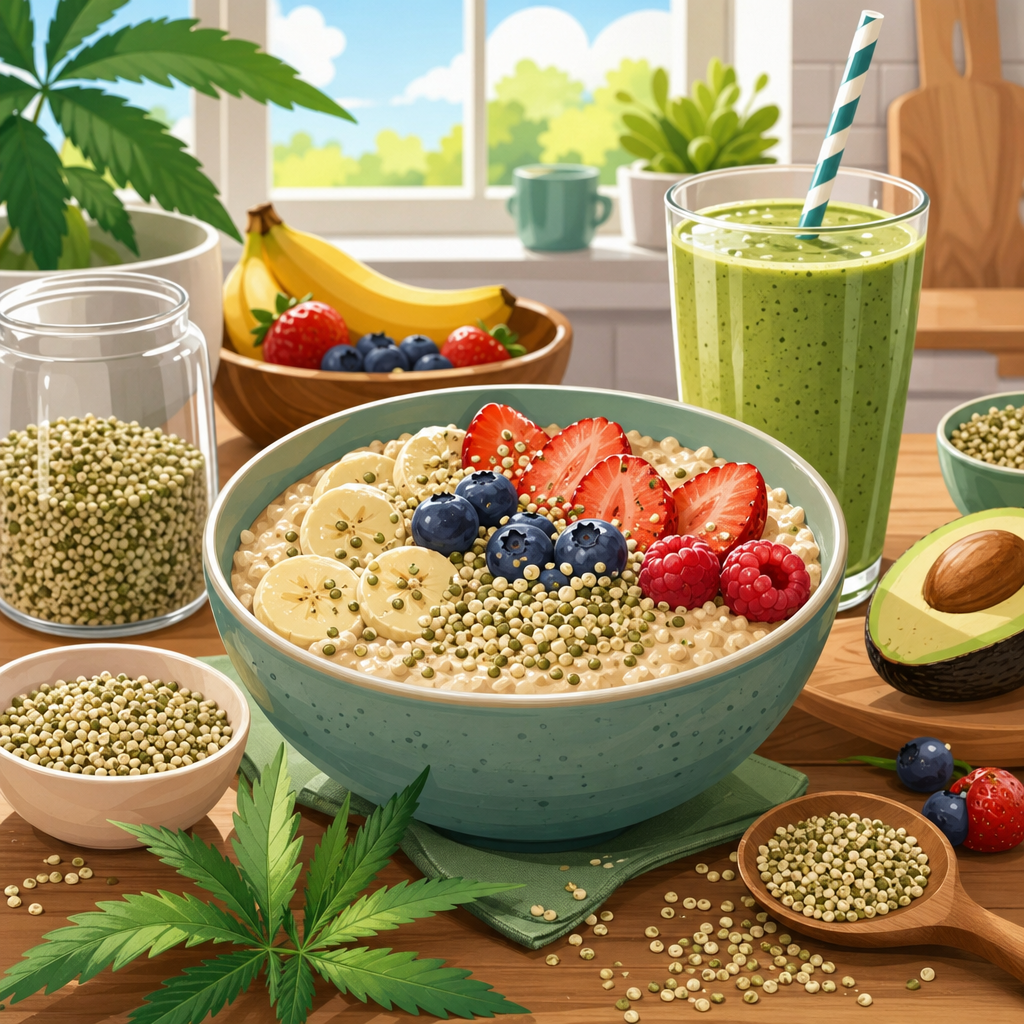
Smoothies and breakfast foods are another low-effort entry point. Blend a teaspoon or tablespoon into a banana-berry smoothie, overnight oats, yogurt with fruit, or chia pudding. Because the oil has a noticeable flavor, pair it with ingredients that have natural sweetness or acidity. Berries, citrus, cocoa, cinnamon, and vanilla all work better than very delicate flavors. If you are introducing hemp oil to children or hesitant eaters, begin with a small amount and increase gradually.
Cooking Tips, Pairings, and Common Mistakes
Successful hemp food preparation comes down to pairing and restraint. Hemp oil pairs best with lemon, dill, parsley, basil, mint, garlic, yogurt, tahini, chickpeas, cucumber, tomato, roasted roots, nuts, and seeds. It also complements mild dairy and cultured foods because tangy ingredients soften its earthy edge. Think of it the way chefs think about walnut oil or toasted sesame oil: not universally appropriate, but excellent in the right lane.
A common mistake is using too much too soon. If you pour hemp oil as freely as canola oil, the flavor may dominate a dish and make it taste grassy or bitter. For most servings, one teaspoon to one tablespoon is enough. Another mistake is adding it to a very hot pan. Home cooks often assume every oil belongs in sautéing, but that approach wastes hemp oil’s best qualities. If a recipe begins with cooking onions or garlic, use a more stable oil first, then stir in hemp oil off the heat at the end.
Temperature timing matters in baked and warm dishes too. If you want hemp flavor in roasted vegetables, roast with olive oil or avocado oil, then toss with hemp oil after the tray comes out of the oven. If you make mashed potatoes or pureed cauliflower, stir hemp oil in just before serving, not during aggressive reheating. The same principle works for pasta. Finish cooked noodles with pesto, lemon, greens, and a modest drizzle of hemp oil after the pan is off.
Shopping quality is another overlooked factor. Freshness affects taste more than many consumers realize. I advise checking whether the bottle is opaque or dark glass, whether the product has a pressed-on date or clear best-by date, and whether the retailer stores it away from strong light. Specialty grocers often refrigerate premium seed oils; that is a good sign, not a problem. Once home, treat the bottle like a perishable pantry item. Refrigeration extends quality, and buying smaller bottles prevents waste if you use it only occasionally.
Consumers also ask whether hemp oil can replace fish or flax in a diet focused on omega-3 fats. The answer is nuanced. Hemp oil contains alpha-linolenic acid, a plant omega-3, but it does not provide the same direct EPA and DHA found in fatty fish or algae oil. That does not reduce its value; it simply means hemp oil fits best as part of a broader eating pattern rather than as a single cure-all ingredient. Balanced guidance builds trust and helps people use the oil realistically.
Simple Meal Ideas and How to Build a Routine
To make hemp oil a habit, assign it to repeatable meal templates. For breakfast, add it to smoothie bowls, yogurt parfaits, or savory toast with ricotta and tomatoes. For lunch, use it in vinaigrettes for grain salads, chopped vegetable salads, or white bean bowls. For dinner, finish soups, roasted vegetables, salmon, chicken, or lentils with a small drizzle and fresh herbs. For snacks, stir it into dips such as hummus, white bean spread, or yogurt dip with garlic and lemon.
One reliable routine is the “finish and brighten” method. Prepare your meal with your usual cooking fat, plate it, then ask whether it needs freshness, richness, or a nutritional boost. If the answer is yes, add hemp oil plus an acidic element such as lemon or vinegar. This creates balance. For example, roasted carrots can taste flat when served alone, but roasted carrots finished with hemp oil, lemon zest, and chopped parsley become more vibrant. The same transformation happens with lentil soup finished with hemp oil and black pepper.
Meal prep works well too. Make a jar of hemp vinaigrette for the next three to four days and use it on salads, cooked grains, or steamed vegetables. Blend hemp oil with parsley, pumpkin seeds, garlic, and lemon for a sauce similar to a rustic pesto. Stir it into yogurt with dill and cucumber for a quick dressing. These preparations help consumers use the bottle consistently before quality declines. They also reduce the temptation to experiment randomly and conclude, incorrectly, that hemp oil is hard to cook with.
If you are building a kitchen around practical health, hemp oil earns its place when used intentionally. It is not the right oil for every technique, but it is excellent for finishing, dressing, drizzling, and blending into cool or gently warmed foods. Master those uses and the bottle will stop feeling like a niche purchase. Instead, it becomes a flexible ingredient that supports flavorful meals, smarter fat choices, and more variety across the week.
Using hemp oil in your everyday cooking is easiest when you stop treating it like an all-purpose frying oil and start treating it like a premium finishing ingredient. That one adjustment unlocks the best of what hemp oil offers: a distinctive nutty flavor, useful unsaturated fats, and an easy way to add depth to meals you already make. The practical applications are straightforward. Whisk it into vinaigrettes, drizzle it over grain bowls and soups, blend it into smoothies, and stir it into dips or yogurt sauces. Keep the heat low, add it after cooking, and pair it with acid, herbs, and familiar ingredients for the best results.
The biggest benefits come from consistency and handling. Buy fresh, store it cold after opening, use smaller amounts, and build repeatable meal patterns around it. Hemp oil does not need to replace olive oil, avocado oil, or other kitchen staples to be useful. It fills a specific role extremely well. In a consumer education context, that is the clearest takeaway: hemp oil is not complicated, but it is specialized. Respect its limits and it becomes one of the easiest ways to improve everyday salads, bowls, vegetables, breakfasts, and snacks.
If you are ready to use hemp oil more confidently, start with one habit this week: make a simple lemon-hemp dressing or finish tonight’s vegetables with a teaspoon of hemp oil and fresh herbs. Small, repeatable uses are what turn a bottle on the shelf into a genuinely valuable kitchen staple.
Frequently Asked Questions
What exactly is hemp oil, and is it the same as CBD oil or marijuana oil?
For everyday cooking, the product you want is hemp seed oil, which is pressed from the seeds of the Cannabis sativa plant. It is not the same as CBD oil, hemp extract, or marijuana oil. Culinary hemp oil is made specifically for food use and contains no meaningful amount of THC, the compound associated with intoxication. That means it does not produce a “high,” and it functions in the kitchen much more like a specialty seed oil than anything else.
What makes hemp seed oil distinctive is its flavor and composition. It has a nutty, slightly grassy taste and a rich green color that can add character to simple dishes. Nutritionally, it is valued for its high content of polyunsaturated fats, including omega-3 and omega-6 fatty acids. This gives it a strong wellness appeal, but it also explains why it behaves differently from more heat-stable oils such as avocado oil or refined olive oil. In practical terms, think of hemp oil as a finishing ingredient that adds flavor and nutritional value rather than as an all-purpose frying oil.
Can you cook with hemp oil, or is it only meant for drizzling and finishing?
Hemp oil is best used as a finishing oil rather than a high-heat cooking oil. Because it is rich in delicate polyunsaturated fats, it has a relatively low heat tolerance compared with oils designed for sautéing, roasting, or frying. When overheated, those fats can break down, and the oil can lose both flavor and nutritional quality. So while you can incorporate it into warm foods, it is generally smartest to add hemp oil after the main cooking is done.
That is where hemp oil really shines in an everyday kitchen. Drizzle it over roasted vegetables just before serving, whisk it into salad dressings, stir it into grain bowls, spoon it over soups, blend it into dips, or finish pasta and cooked legumes with a light pour. You can also mix it into yogurt-based sauces, pestos, spreads, and marinades where it brings both richness and a subtle earthy note. If you want to use it with heat at all, keep the heat gentle and brief, but in most cases, you will get the best results by treating it the way you would treat a premium finishing oil: as the last touch, not the first step.
What foods pair best with hemp oil in everyday meals?
Hemp oil pairs especially well with foods that benefit from a savory, nutty, fresh-tasting finish. It works beautifully with leafy green salads, tomato dishes, cucumbers, roasted root vegetables, steamed potatoes, cooked grains like quinoa and farro, and proteins such as beans, lentils, eggs, and grilled fish. Its grassy undertone also complements herbs, lemon, garlic, tahini, and cultured dairy, so it fits naturally into sauces, dressings, and bowls built around fresh ingredients.
For breakfast, you can drizzle a small amount over avocado toast, blend it into a smoothie, or stir it into savory oatmeal. At lunch, it elevates grain salads, slaws, hummus plates, and sandwiches with vegetable-forward fillings. For dinner, it is excellent over warm rice, lentil soups, roasted squash, sautéed greens that have already come off the heat, or pasta tossed with herbs and vegetables. The key is balance: hemp oil has enough personality that it should support the dish rather than dominate it. Start with a small amount, taste, and build from there.
How should hemp oil be stored, and how can you tell if it has gone bad?
Because hemp oil is rich in fragile unsaturated fats, proper storage matters a lot. It should be kept away from heat, light, and air exposure, all of which speed up oxidation. The best practice is to buy hemp oil in a dark bottle, seal it tightly after each use, and store it in the refrigerator once opened. Chilling helps preserve its freshness, flavor, and nutritional quality for longer. If you only use hemp oil occasionally, refrigeration is especially important.
A fresh bottle should smell clean, nutty, and mildly grassy. If it starts to smell sharp, stale, paint-like, or unpleasantly bitter, it has likely gone rancid and should be discarded. The flavor is another clue: good hemp oil tastes pleasantly earthy and smooth, while spoiled oil will often taste harsh, sour, or off. Always check the expiration date, but also trust your senses. Since hemp oil is usually used in uncooked or lightly warmed dishes, its flavor is easy to detect, so quality has a direct impact on the final result.
What is the easiest way to start using hemp oil if you have never cooked with it before?
The simplest approach is to treat hemp oil like a finishing ingredient you can add to foods you already make regularly. Start with very easy applications: whisk it with lemon juice, mustard, and a pinch of salt for a quick salad dressing; drizzle it over cooked vegetables or grain bowls; or stir a teaspoon into a dip or spread. This helps you learn its flavor in a controlled way and understand how much works for your palate. Most people find that a little goes a long way, especially at first.
If you want a practical beginner routine, choose one meal per day where hemp oil can replace or complement another finishing fat. Use it on lunch salads, on warm dinner vegetables after plating, or in a simple vinaigrette for meal-prep bowls. From there, experiment with pairings such as garlic, citrus, fresh herbs, yogurt, tahini, and seeds. The biggest mistake beginners make is trying to use hemp oil exactly like a neutral cooking oil. It is not meant to disappear into the background. Instead, think of it as a flavorful final layer that adds color, aroma, and nutritional value to dishes you are already comfortable making.