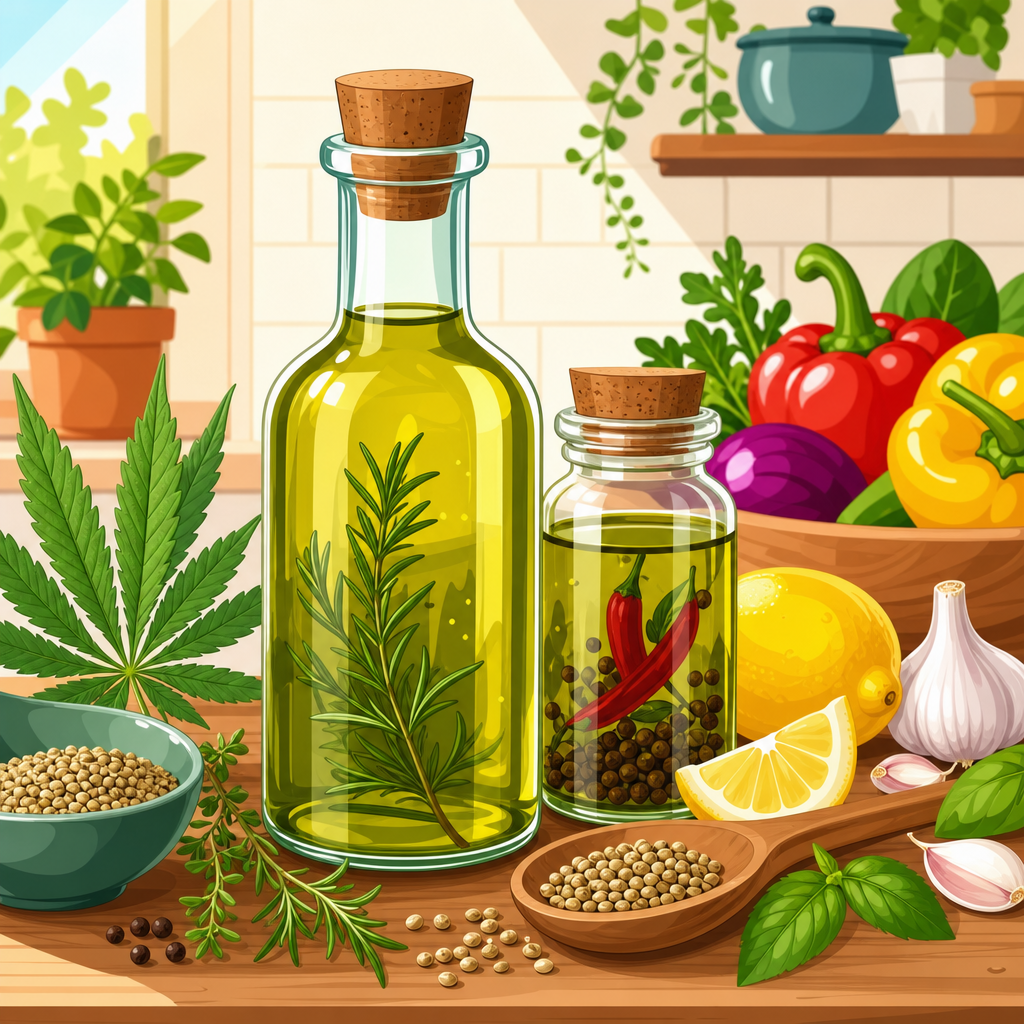
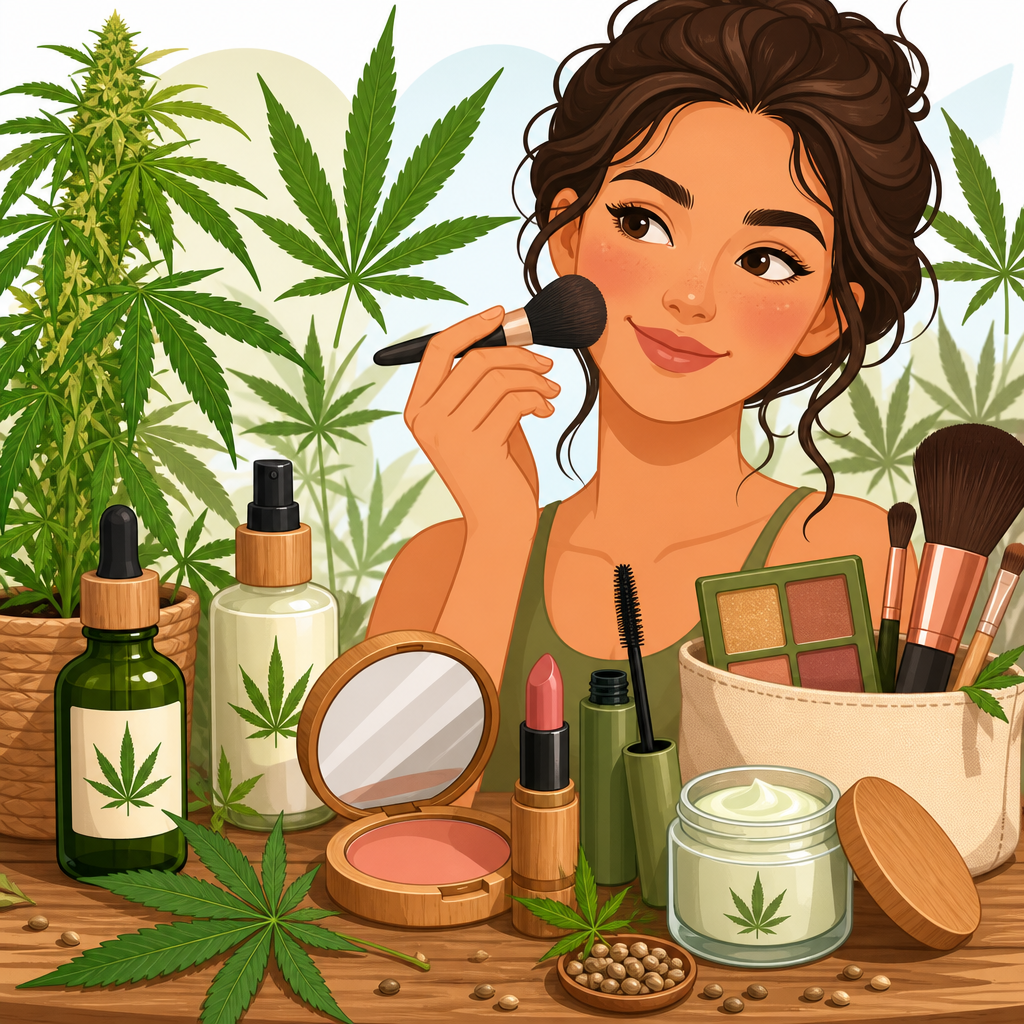
Exploring hemp in natural makeup products reveals how one plant ingredient has moved from niche wellness shelves into mainstream beauty aisles by offering emollient performance, skin-friendly nutrients, and a sustainability story that brands can actually substantiate. In beauty, hemp usually refers to hemp seed oil derived from Cannabis sativa varieties legally grown for very low tetrahydrocannabinol content, while natural makeup products generally describe cosmetics formulated with plant-derived oils, waxes, pigments, and milder processing choices instead of heavy reliance on petrochemical ingredients. I have worked with ingredient lists, supplier documents, and product testing notes across lip balms, tinted moisturizers, brow gels, and cleansing balms, and hemp repeatedly stands out because it solves practical formulation problems while supporting consumer demand for simpler routines. That matters for anyone researching hemp beauty and personal care products because makeup today is expected to do more than color the face; shoppers want comfort, barrier support, cleaner textures, and credible sourcing in one product. Hemp seed oil contributes essential fatty acids, especially linoleic acid and alpha-linolenic acid, plus tocopherols and phytosterols that help soften skin and improve feel without the heavy finish associated with some richer oils. As a hub topic, hemp beauty and personal care products also includes skincare-prep cosmetics, lip care, makeup removers, body care, scalp care, and hybrid products that blur the old line between treatment and coverage. Understanding where hemp fits, how to read labels, and which claims are meaningful helps buyers separate effective natural makeup from marketing shortcuts.
What hemp brings to natural makeup formulas
Hemp seed oil is prized in cosmetics because its fatty acid profile supports both skin feel and formula versatility. In practical terms, it is a lightweight to medium-weight emollient with a relatively dry-touch finish compared with castor oil, coconut oil, or shea-heavy blends. Formulators use it in lip products, cream blushes, complexion balms, and primers to improve spreadability, reduce drag, and leave skin looking supple instead of greasy. Its linoleic acid content is especially relevant for acne-prone or combination skin, since lighter oils high in linoleic acid often feel more compatible with sebum-rich skin than highly occlusive oils. The ingredient can also pair well with squalane, jojoba esters, sunflower wax, and candelilla wax to create stable textures that feel modern rather than waxy.
Consumers often ask whether hemp in makeup is intoxicating, and the answer is no when discussing hemp seed oil used in standard cosmetic formulations. Hemp seed oil is pressed from seeds, not cultivated for psychoactive use, and reputable suppliers provide documentation for purity, oxidation values, and regulatory compliance. Another frequent question is whether hemp helps sensitive skin. It can, but the mechanism is indirect: hemp seed oil is not a drug treatment, yet its emollient and barrier-supportive composition can reduce the tight, flaky sensation that makes many complexion and lip products uncomfortable. In my testing, hemp-based lip tints and tinted balms often outperform conventional “natural” products because they glide on with less pulling and develop less patchiness over dry areas.
Key hemp beauty and personal care product categories
The broadest way to understand hemp beauty and personal care products is by grouping them into use cases rather than by marketing labels. Makeup is only one part of the category. Prep products such as moisturizers, face oils, and primers set the stage for smoother makeup application. Color cosmetics include foundations, skin tints, concealers, lipsticks, lip oils, mascaras, brow pomades, cream shadows, and cheek products. Removal and reset products include cleansing oils, micellar waters, cleansing balms, and facial wipes, though wipes are increasingly avoided for sustainability reasons. Personal care expands the map further into body lotions, hand creams, cuticle oils, soaps, deodorants, bath soaks, scalp serums, and beard oils.
What makes this subtopic worth a dedicated hub is that hemp behaves differently in each category. In a facial oil, it may be a starring ingredient used at meaningful levels. In a mascara or mineral powder, it might play a secondary role or appear only in a conditioning phase. In a cleansing balm, hemp can contribute slip while esters and emulsifiers handle rinse-off performance. Brands that formulate well are careful not to force hemp into every product simply for label appeal. The best hemp beauty and personal care products use the ingredient where it improves user experience, sensory profile, or skin comfort. That is why a hemp lip oil, hemp cleansing balm, and hemp body lotion often feel like natural fits, while a hemp powder bronzer may feature the ingredient more for brand coherence than for functional necessity.
How to evaluate ingredient lists and product claims
Reading labels is the fastest way to judge whether a hemp makeup product is substantive or superficial. On an ingredient list, look for Cannabis Sativa Seed Oil, Cannabis Sativa Seed Extract, or a clearly identified hemp derivative. Placement matters: ingredients are generally listed in descending order until around the one percent threshold, so a hemp ingredient near the top usually indicates real formulation significance. Also look for supporting ingredients. Antioxidants such as tocopherol help protect unsaturated oils from rancidity. Stabilizers, airless packaging, and opaque containers matter because hemp seed oil is vulnerable to oxidation from light, heat, and oxygen.
Claims should also be interpreted carefully. “Natural” is not a regulated synonym for safer, and “clean” is even less precise. Better signs of product quality include full ingredient disclosure, fragrance transparency, allergen awareness, stability testing, and packaging that matches the formula type. If a brand claims hemp is calming, nourishing, or barrier supportive, that is generally reasonable for a well-designed emollient-rich formula. If it implies dramatic medical outcomes, that is a red flag. I also check whether the product contains enough pigments, film formers, and texture agents to perform as makeup. A hemp foundation still needs good wear; a hemp lip balm still needs structure; a hemp brow product still needs hold.
Best-use cases for hemp in makeup and personal care
Hemp performs best in products where comfort, glide, and conditioning directly affect satisfaction. Lips are the clearest example. Hemp seed oil can reduce the stiff, wax-heavy feel common in natural lipsticks and balms, making color easier to apply evenly. Cream complexion products are another strong use case, especially in skin tints and tinted moisturizers intended for dry, normal, or mature skin. The oil helps these formulas spread thinly without emphasizing texture. Makeup removers and cleansing balms also benefit because hemp contributes slip and skin softness after rinsing.
In personal care, hemp is especially compelling in hand creams, body lotions, after-sun products, and scalp oils. Frequent handwashing strips surface lipids, and hemp-based creams can restore a flexible, non-sticky feel quickly. In scalp care, lightweight plant oils are preferred over heavier occlusives for many users, so hemp can support comfort without flattening hair. There are limitations, however. Very oily skin may prefer silicone-light fluids or gel textures over richer hemp-heavy creams in hot climates. Similarly, products with high levels of unstable unsaturated oils need stronger antioxidant systems and shorter, realistic shelf-life expectations.
Comparing hemp product types by function
When shoppers build a routine, the easiest approach is to match the hemp product to the problem being solved. The table below reflects how I typically assess fit, strengths, and cautions across the category.
| Product type | What hemp does well | Best for | Main caution |
|---|---|---|---|
| Lip balm or lip oil | Improves glide, softness, and comfort | Dry, chapped, mature lips | Needs wax balance for staying power |
| Skin tint or tinted moisturizer | Adds slip and reduces dry-looking finish | Normal to dry skin | Can look shiny on very oily skin |
| Cleansing balm | Provides melt and cushion during massage | Makeup removal and evening cleanse | Requires proper emulsifier for clean rinse |
| Body lotion or hand cream | Supports softness without a greasy afterfeel | Daily barrier support | Jar packaging may increase oxidation risk |
| Scalp serum or beard oil | Light conditioning and skin comfort | Dry scalp or coarse facial hair | May not suit fragrance-sensitive users |
Safety, regulation, and quality standards to know
Safety questions around hemp beauty products usually fall into three areas: legality, irritation, and contamination. In the United States, hemp-derived cosmetic ingredients are generally permitted when sourced and marketed in line with applicable federal and state rules, but brands still need to comply with cosmetic labeling and safety requirements. In the European Union and United Kingdom, cosmetic products must meet stricter dossier and safety assessment expectations before sale. Across markets, good manufacturers rely on supplier certificates of analysis, microbial testing where relevant, heavy metal checks, and stability studies. For color cosmetics, pigment compliance is just as important as the hemp ingredient itself.
Patch testing is sensible, especially for products that combine hemp with essential oils, fragrance blends, or botanical extracts that may trigger sensitivity. The hemp ingredient is not automatically the problem when irritation occurs. In fact, I have seen more issues from peppermint oil in lip products and lavender-heavy fragrance systems than from hemp seed oil. Quality also depends on extraction and refining choices. Cold-pressed, minimally refined oils may appeal to natural beauty consumers, but they can have stronger odor, deeper color, and greater oxidation sensitivity. More refined hemp oils can be easier to formulate with, though some consumers prefer less processing. There is no universal winner; the right choice depends on the product format, shelf-life target, and user expectations.
How to choose the right hemp beauty products for your routine
Start with your skin type, climate, and product goal. If your main issue is makeup clinging to dry patches, begin with a hemp-infused primer, moisturizer, or skin tint. If your lips are chronically dry, a hemp lip mask or lip oil will likely deliver a faster, more noticeable benefit than switching your entire makeup bag. If you wear long-wear makeup, consider a hemp cleansing balm as the first step in your evening routine. For body care, hemp hand cream and body lotion are low-risk entry points because they show the ingredient’s comfort benefits clearly and usually at a lower cost than prestige cosmetics.
Look beyond front-label claims and evaluate packaging, formula style, and brand credibility. Airless pumps, tubes, and tinted glass generally protect oil-rich formulas better than clear jars. Brands that explain whether they use hemp seed oil, extract, or a cannabinoid ingredient are usually more trustworthy than brands using vague cannabis imagery without ingredient specificity. It also helps to buy from companies with coherent ranges. A strong hemp beauty line often includes prep, color, and aftercare products designed to work together, which is exactly why this hemp beauty and personal care products hub matters. It gives readers a framework for comparing formats, understanding benefits, and choosing the products that make daily routines simpler, more comfortable, and more effective. Explore the related reviews and guides in this section to find the hemp products that match your skin, style, and budget.
Frequently Asked Questions
What does hemp mean in natural makeup products?
In natural makeup, hemp usually refers to ingredients derived from industrial hemp, most commonly hemp seed oil from legally cultivated Cannabis sativa varieties that contain only trace, highly regulated levels of THC. That distinction matters because hemp used in cosmetics is not the same as marijuana, and it is not added to makeup for intoxicating effects. Instead, brands use hemp seed oil because it functions as a practical cosmetic ingredient: it helps soften skin, improves glide, and can support a more comfortable wear experience in products such as lip balms, tinted moisturizers, cream blushes, foundations, and primers.
Hemp seed oil is especially appealing in natural makeup because it aligns with what many consumers want from plant-based beauty: recognizable sourcing, multifunctional performance, and a nutrient-rich profile. The oil contains essential fatty acids, including linoleic acid and alpha-linolenic acid, which help condition the skin and reduce the dry, tight feeling some color cosmetics can create. It may also contain naturally occurring components such as phytosterols and vitamin E, which are valued in skincare-inspired makeup formulations. In short, when hemp appears in a natural makeup ingredient list, it is typically there as a skin-conditioning emollient and formulation support ingredient rather than as a novelty.
Why is hemp seed oil becoming so popular in natural makeup formulas?
Hemp seed oil has gained traction because it combines performance, skin compatibility, and a believable sustainability narrative in a way that works well for modern beauty brands. From a formulation standpoint, it is a lightweight to medium-weight emollient that can help makeup spread smoothly without always feeling heavy or greasy. That makes it useful in complexion and lip products where comfort and blendability are key. It can also contribute to a more supple finish, helping natural makeup products feel less chalky or dry, especially in formulas that rely on mineral pigments or plant waxes.
Another reason for its popularity is that it fits the broader “skinification” of makeup trend, where consumers expect cosmetics to do more than deliver color. People increasingly look for makeup that supports the skin barrier, feels nourishing, and suits sensitive or easily dehydrated skin. Hemp seed oil checks many of those boxes because it is known for its conditioning properties and favorable fatty acid composition. For brands developing natural-positioned products, it also offers a familiar botanical story that feels more grounded than trend-driven buzzwords. Compared with some exotic plant extracts, hemp can be presented as both functional and practical, which strengthens consumer trust when claims are kept realistic and evidence-based.
Finally, hemp’s rise reflects a market shift toward ingredient transparency. Consumers want to know not just what is in their products, but why it is there. Hemp seed oil is relatively easy to explain: it helps moisturize, improve texture, and support a comfortable skin feel. That simplicity, paired with mainstream awareness, has helped move hemp from a niche wellness ingredient into everyday beauty formulations.
Is hemp makeup safe for skin, including sensitive or acne-prone skin?
For many people, hemp-based makeup can be a good option, especially when the formula is thoughtfully designed and the ingredient quality is high. Hemp seed oil is generally considered a skin-conditioning ingredient with a lightweight feel, and it is often well tolerated by normal, dry, combination, and even some sensitive skin types. Because it contains essential fatty acids that help support the skin’s surface, it can be useful in makeup meant to feel comfortable over long wear. That said, no single ingredient determines whether a cosmetic is universally safe. The full formula matters much more than the presence of hemp alone.
For sensitive skin, the biggest considerations are usually fragrance, essential oils, preservatives, colorants, and the overall complexity of the formula. A hemp-infused product that also contains high levels of fragrance or multiple potentially irritating botanicals may not be as gentle as the marketing suggests. For acne-prone skin, hemp seed oil is often discussed favorably because it tends to feel lighter than richer oils, but individual reactions can still vary. Some users may find it compatible, while others may be more reactive to certain textures, occlusive ingredients, or wax combinations used alongside the hemp ingredient in cream makeup products.
The most practical approach is to patch test any new product before applying it widely, especially if you have reactive skin, eczema, rosacea, or a history of breakouts from oils or balms. It is also smart to look for formulas labeled non-comedogenic when relevant, though that term is not a guarantee. If you are very sensitive, choose products with short, straightforward ingredient lists and avoid assuming that “natural” automatically means gentler. Hemp can be a beneficial part of a skin-friendly makeup formula, but safety and suitability always come down to the complete product and your individual skin needs.
Does hemp in makeup contain CBD or THC?
Not necessarily, and in many cases the answer is no. The hemp ingredient most commonly used in natural makeup is hemp seed oil, and this is different from CBD extracts. Hemp seed oil is pressed from the seeds of the plant, while CBD is typically derived from other parts of the hemp plant, such as flowers, leaves, and stalks, depending on the extraction method and regulatory framework. Standard hemp seed oil generally contains little to no CBD, and cosmetic-grade hemp ingredients are sourced from legally compliant hemp varieties with extremely low THC levels. In practical terms, makeup made with hemp seed oil is not intended to deliver psychoactive effects.
This distinction is important because consumers often use “hemp” and “CBD” interchangeably, even though they are not the same ingredient. If a product contains CBD, the label will usually specify cannabidiol, CBD, or a hemp extract rather than listing only hemp seed oil. Brands that formulate with hemp seed oil often do so for emollient and skin-conditioning reasons, not because they are trying to market cannabinoid benefits. Regulatory rules vary by country and region, so companies must be precise about sourcing, claims, and labeling. That is one reason reputable brands tend to clearly identify exactly which hemp-derived ingredient is in the formula.
If you want to know what you are buying, read the ingredient list rather than relying on front-label marketing alone. “Hemp-infused” can sound broad, but the INCI list will tell you whether the product contains cannabis sativa seed oil, a hemp extract, or another derivative. For most mainstream natural makeup products, hemp means seed oil, not THC-rich material and not necessarily CBD.
Is hemp a sustainable ingredient choice in natural makeup?
Hemp can be a strong sustainability ingredient for natural makeup, but the most accurate answer is that it has potential rather than automatic virtue. Hemp as a crop is often praised for its versatility, relatively efficient growth, and ability to fit into agricultural systems that support better land use diversity. Because multiple parts of the plant can be used across different industries, it can contribute to lower-waste value chains when sourced thoughtfully. For beauty brands, that makes hemp appealing not just from a storytelling standpoint but also from a supply perspective, especially as consumers increasingly expect environmental claims to be specific and credible.
However, sustainability depends on how the hemp is grown, processed, transported, and formulated into the final product. Factors such as farming practices, pesticide use, irrigation needs, extraction or pressing methods, refining steps, packaging choices, and manufacturing location all affect the real environmental footprint. A hemp ingredient sourced from a transparent supplier with traceable cultivation and responsible processing may support a more substantiated sustainability claim than one used mainly as a marketing hook. This is why the strongest beauty brands avoid broad, vague statements and instead discuss measurable points like origin, cold-pressed processing, byproduct use, recyclable packaging, or third-party certifications where applicable.
For shoppers, the takeaway is simple: hemp can absolutely be part of a more sustainable natural makeup product, but it should be evaluated in context. Look for brands that explain where the ingredient comes from, how it is processed, and what broader environmental standards they follow. Hemp’s real value in beauty lies in the combination of useful cosmetic performance and a sustainability story that can be backed up when companies do the work to source and communicate responsibly.