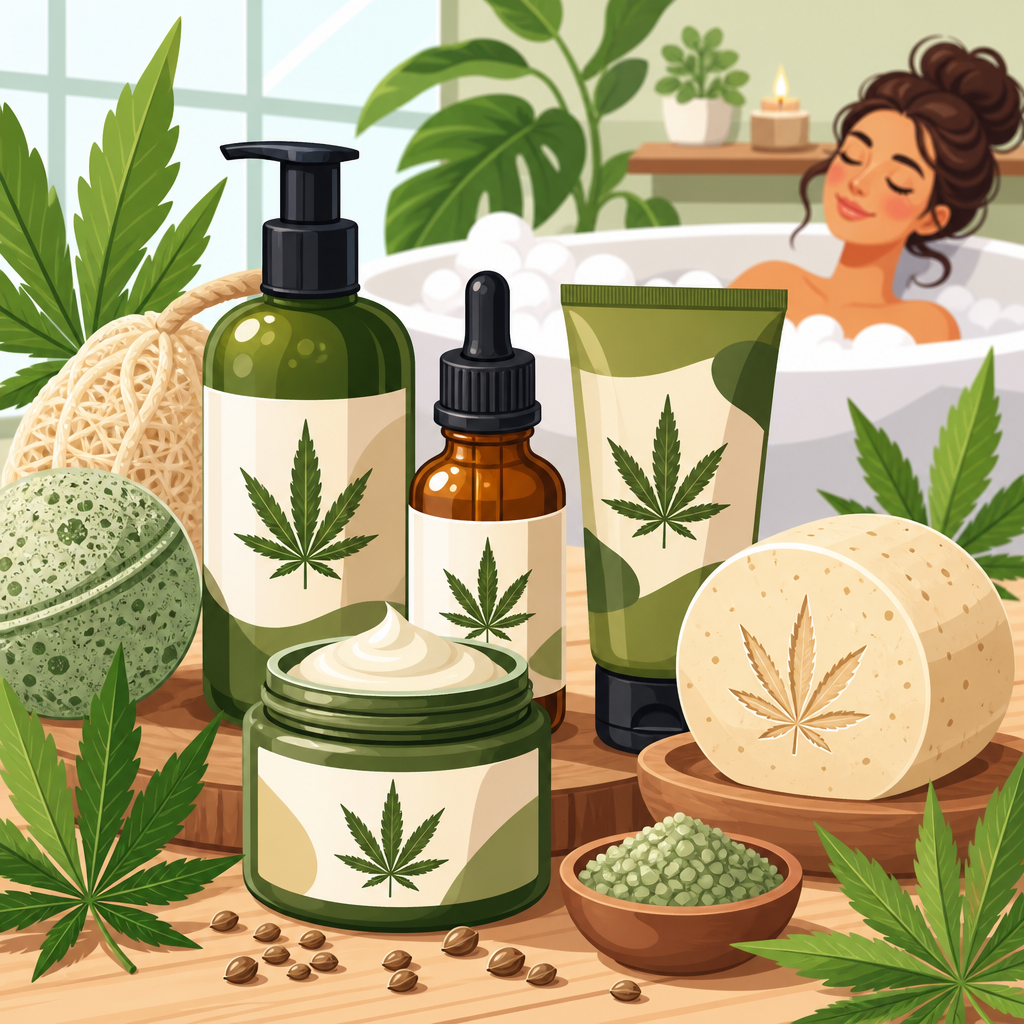
Hemp-based bath and body products have moved from niche wellness shelves to mainstream personal care because they combine plant-derived emollients, skin-supportive fatty acids, and broad formulation versatility in ways many consumers immediately notice on their skin. In this context, hemp usually refers to ingredients derived from industrial hemp, especially hemp seed oil, hemp seed butter, and in some formulas hemp extracts, all used in cleansers, lotions, balms, bath soaks, lip care, deodorants, and targeted treatments. This category matters because shoppers increasingly want body care that feels effective, uses recognizable ingredients, and fits concerns such as dryness, sensitivity, barrier support, and fragrance overload. I have worked with hemp beauty and personal care products across retail assortments, product reviews, and ingredient comparisons, and the best products consistently share the same traits: a sensible ingredient list, stable packaging, realistic claims, and a texture people will actually use every day. Hemp seed oil is especially valued for its balance of linoleic acid and alpha-linolenic acid, plus naturally occurring tocopherols and phytosterols, which help soften skin and reduce the tight, stripped feeling common after washing. Unlike heavier occlusives, it often absorbs with a lighter finish, making it suitable for hand creams, body lotions, and body oils intended for repeated use. As a hub for hemp beauty and personal care products, this guide explains the top product types, how to evaluate formulas, who benefits most, and what separates a genuinely useful hemp bath and body product from one that relies on label appeal alone.
What Makes Hemp-Based Bath and Body Products Different
The defining ingredient in most hemp-based bath and body products is hemp seed oil, pressed from the seeds of Cannabis sativa varieties grown under legal hemp standards. It does not function like a drug ingredient in personal care; instead, it acts as an emollient, helping smooth the skin surface and reduce moisture loss. Good formulators use it because it contributes slip, softness, and a light-to-medium skin feel while pairing well with shea butter, glycerin, squalane, aloe, ceramides, colloidal oatmeal, and mild surfactants. In practical testing, I find hemp works best when it supports the whole formula rather than carrying it alone. A body wash still needs a gentle cleansing system. A lotion still needs humectants and preservatives. A lip balm still needs a wax-oil balance that survives pocket heat.
Consumers often ask whether hemp products are the same as CBD products. They are not automatically the same. Many excellent hemp bath products contain hemp seed oil only and make no drug-like claims. Others include hemp extract alongside more conventional skin-conditioning ingredients. For a hub article covering hemp beauty and personal care products, that distinction matters because performance should be judged by the complete formula, not by one headline ingredient. If a hemp hand cream also includes glycerin, panthenol, dimethicone, and allantoin, those support hydration and barrier comfort in measurable ways. If a hemp bath soak contains magnesium sulfate, starches, and fragrance, the sensory profile may matter more than the hemp content. The best approach is to assess what the product is designed to do and whether the ingredient deck supports that purpose.
The Top Hemp-Based Bath and Body Product Categories
Several categories dominate the market because hemp ingredients adapt well to both rinse-off and leave-on formats. Hemp body lotion remains the most practical entry point. It is easy to use, easy to compare, and ideal for judging whether a brand understands texture, absorption, and moisture retention. The strongest hemp body lotions usually combine hemp seed oil with glycerin for hydration and either shea butter, caprylic/capric triglyceride, or silicones for lasting softness. Hemp hand cream is the next standout, especially for frequent hand washers who need richer barrier support without a greasy residue on keyboards or phones. Better formulas include occlusives, film-formers, and fast-absorbing emollients, which is why hand cream often performs better than a generic body lotion on cracked knuckles and cuticles.
Hemp body wash and hemp soap appeal to shoppers who want a coordinated routine, but these products require closer scrutiny. Because rinse-off contact time is brief, the mildness of the surfactant system matters more than the amount of hemp oil listed on the label. Look for coco-glucoside, sodium cocoyl isethionate, sodium methyl cocoyl taurate, or amphoteric blends rather than aggressively stripping cleansers. Hemp body butter, salves, and balms serve the dry-skin segment, especially elbows, knees, heels, and winter-stressed areas. These products rely on a high ratio of butters, waxes, and oils, and hemp helps reduce the heavy drag that pure wax-based balms can have. Hemp bath bombs and soaks are more about the experience than transformational skin treatment, but they can still be worthwhile when they use skin-friendly oils, non-irritating fragrance levels, and salts that dissolve cleanly.
| Product type | Best for | Key ingredients to look for | Main caution |
|---|---|---|---|
| Body lotion | Daily hydration | Hemp seed oil, glycerin, squalane, ceramides | Fragrance-heavy formulas can irritate sensitive skin |
| Hand cream | Dry hands, cuticles, frequent washing | Hemp oil, shea butter, panthenol, dimethicone | Very rich creams may feel greasy during daytime use |
| Body wash | Gentle cleansing | Mild surfactants, aloe, hemp oil, oat extract | Hemp content does little if the cleanser base is harsh |
| Body butter or balm | Rough patches and winter dryness | Hemp butter, beeswax, petrolatum, allantoin | Can stain fabrics or feel too occlusive in humid weather |
| Bath soak | Relaxing routine and temporary skin comfort | Epsom salt, starch, hemp oil, colloidal oatmeal | Strong dyes and fragrance can trigger irritation |
How to Judge Ingredient Quality and Formula Performance
The top hemp-based bath and body products are defined less by marketing language and more by formulation discipline. Start with the ingredient list. If hemp seed oil appears after fragrance in a lotion, it is likely present in a low amount and functioning as a supporting ingredient rather than a core one. That is not automatically bad, but it should align with the price and claims. Packaging also tells you a lot. Hemp oils contain unsaturated fatty acids that are more oxidation-prone than some saturated fats, so airless pumps, squeeze tubes, and opaque bottles are generally preferable to wide-mouth jars for lighter lotions and creams. If a product smells rancid, paint-like, or oddly bitter, the oil may be oxidized or overwhelmed by unstable fragrance compounds.
Texture and finish are equally important. In testing body care, I separate products into three practical outcomes: immediate feel, one-hour feel, and next-morning feel. Some hemp lotions feel silky at application because of cyclopentasiloxane or light esters, but leave skin tight after an hour because the humectant and occlusive balance is weak. Others feel modest at first yet provide lasting comfort because they pair glycerin with emollients and a good film-forming system. Preservatives matter too. Water-based products need a reliable preservation system, whether that includes phenoxyethanol, ethylhexylglycerin, organic acids, or other approved combinations. “Clean” positioning should never come at the expense of microbiological safety. For shoppers building a broader hemp products and reviews routine, these details are more useful than brand storytelling because they explain why one product works repeatedly while another disappoints after the first use.
Best Use Cases: Dry Skin, Sensitive Skin, and Everyday Care
Hemp beauty and personal care products are especially strong in daily maintenance for normal to dry skin. A well-made hemp body lotion can reduce post-shower tightness, improve rough texture on arms and shins, and make skin look less ashy without a shiny film. For dry skin, the best strategy is layering by format: a gentle hemp body wash, followed by a humectant-rich lotion on damp skin, then a thicker hemp balm on high-friction areas. This routine is effective because it addresses cleansing, hydration, and sealing in moisture separately. In climates with low humidity or during winter heating season, that structure outperforms relying on a single ultra-rich cream alone. I have seen consumers get better results simply by switching the order and timing of application rather than buying a more expensive formula.
Sensitive skin requires a narrower filter. Hemp itself is not a guarantee of gentleness, and some formulas undermine their own benefits with essential oils, high fragrance loads, or abrasive scrub particles. If the goal is comfort, choose fragrance-free or low-fragrance products with supportive ingredients such as colloidal oatmeal, allantoin, bisabolol, or ceramides. Patch testing remains smart, especially with balms and bath products. For everyday care, scent can still be part of the appeal, but a restrained fragrance profile usually performs better over time than a strong perfume effect layered across body wash, lotion, and deodorant. This is also where practical category matching matters: hemp lip balm for chronic lip dryness, hemp foot cream for cracked heels, and hemp hand cream near sinks and desks. Matching product texture to body area increases compliance, and compliance is what delivers visible results.
Common Marketing Claims, Misconceptions, and Red Flags
One reason shoppers need a grounded hemp bath and body guide is that this category attracts overstatement. The first misconception is that more hemp automatically means better performance. It does not. A formula with a moderate amount of hemp seed oil, plus glycerin, ceramides, and well-chosen emulsifiers, will usually outperform a poorly preserved cream that advertises hemp in oversized type. The second misconception is that all hemp products are interchangeable. A hemp seed oil soap bar, a hemp extract salve, and a hemp body butter solve different problems and should be compared within their own category. The third misconception is that natural positioning guarantees safety for all users. Essential oils such as peppermint, citrus, or eucalyptus can increase irritation risk, especially on compromised skin or after shaving.
Red flags are usually visible before purchase. Watch for vague claims like “detoxifies” or “heals everything,” especially when they are unsupported by the ingredient profile. Be cautious with products sold in clear packaging that sit under bright retail lights for months, because oils can degrade. Avoid jars that invite repeated wet-finger contamination unless the product has a robust preservative system and a texture designed for that format. Price can also mislead. Some premium hemp beauty and personal care products earn their cost through elegant emulsions, refillable packaging, dermatological testing, or fragrance craftsmanship. Others simply price the hemp story. A reliable way to sort these is to ask direct questions: What is the primary benefit? Which ingredients create that benefit? Is the packaging suitable for formula stability? If a brand cannot answer clearly, the product is not likely to be a top recommendation.
How to Build a Smart Hemp Bath and Body Routine
A complete hemp routine should be simple, not maximalist. Start with a body wash that cleans without leaving skin squeaky or tight. Follow with a body lotion within a few minutes of bathing, when the skin surface still holds water. Add a richer hand cream during the day and a balm at night for rough spots. If you enjoy occasional extras, use a bath soak or body scrub once or twice weekly, but avoid over-exfoliating because dryness and irritation will cancel out any temporary softness. This routine works because each product has a clear role, and hemp ingredients can support comfort across all of them without forcing every item to be heavy or greasy.
For anyone exploring hemp products and reviews, the top hemp-based bath and body products are the ones that respect both skin biology and real daily habits. Hemp seed oil shines when it is part of a balanced formula that delivers softness, supports the moisture barrier, and fits how people actually use body care. Choose lotions for daily hydration, hand creams for repeated washing, mild cleansers for sensitive or dry skin, and balms for concentrated repair. Read labels beyond the front panel, prefer stable packaging, and treat dramatic claims with skepticism. If you are building out your hemp beauty and personal care products lineup, start with one excellent lotion and one excellent hand cream, use them consistently for two weeks, and let performance guide the rest of your routine.
Frequently Asked Questions
What are hemp-based bath and body products, and what makes them different from other natural skincare options?
Hemp-based bath and body products are personal care formulas made with ingredients derived from industrial hemp, most commonly hemp seed oil, hemp seed butter, and sometimes additional hemp extracts. You will often find these ingredients in body lotions, creams, cleansers, soaps, bath soaks, body oils, lip balms, hand salves, deodorants, and after-shower moisturizers. What makes them stand out is their combination of lightweight hydration, skin-softening properties, and formulation flexibility. Hemp seed oil in particular is rich in essential fatty acids, including omega-3 and omega-6, which help support the skin barrier and reduce the dry, tight feeling many people experience after bathing or shaving.
Compared with some other plant oils, hemp seed oil tends to feel less heavy on the skin, which makes it appealing for people who want moisture without a greasy finish. It can be incorporated into a wide range of textures, from rich body butters to fast-absorbing daily lotions. Another difference is how well hemp ingredients pair with complementary skincare components such as shea butter, glycerin, aloe, ceramides, oatmeal, and botanical extracts. That versatility allows brands to create products for different skin types and use cases, whether the goal is soothing rough elbows, replenishing dry winter skin, conditioning cuticles, or maintaining comfortable skin after a bath. In short, hemp-based bath and body products have become popular not just because they are plant-derived, but because they can be both effective and pleasant to use in everyday routines.
Are hemp bath and body products good for dry or sensitive skin?
In many cases, yes. Hemp-based bath and body products are often a smart choice for dry or sensitive skin because hemp seed oil is known for its emollient qualities and its ability to help support the skin’s natural moisture barrier. When skin is dry, it often needs more than surface-level softness; it needs ingredients that help reduce moisture loss and improve overall comfort. Hemp seed oil can contribute to that by delivering fatty acids that help keep skin feeling smooth, supple, and less reactive to everyday stressors like cold weather, hot showers, frequent handwashing, and indoor heating.
For sensitive skin, the full formula matters just as much as the headline ingredient. A hemp lotion or balm can be very gentle, but it may still contain fragrance, essential oils, exfoliating acids, or preservatives that some people find irritating. That is why it is best to look for products labeled fragrance-free or formulated for sensitive skin if you are especially reactive. Creams and balms with hemp seed oil plus soothing ingredients like colloidal oatmeal, aloe vera, calendula, panthenol, or ceramides are often particularly helpful. Bath products can also be beneficial, but very hot water and heavily fragranced soaks may still aggravate sensitive skin. As with any skincare product, patch testing is a wise step before regular use, especially if you have eczema-prone, allergy-prone, or easily irritated skin.
Do hemp-based body products contain CBD or cause any intoxicating effects?
Most hemp-based bath and body products on the market are made with hemp seed oil, which is pressed from the seeds of the hemp plant and is valued mainly for its moisturizing and skin-conditioning benefits. Hemp seed oil is different from CBD extracts, and it is not associated with intoxicating effects. It also does not produce the “high” linked to THC. For consumers, that means a body lotion, soap, lip balm, or bath soak made with standard hemp seed oil is typically used the same way as any other topical moisturizer or cleanser.
Some products do include additional hemp-derived extracts, including CBD, so it is important to read the ingredient list and label carefully if that distinction matters to you. Even when a topical product contains CBD, these formulas are generally marketed for skin comfort rather than intoxication. Reputable brands should clearly identify whether the product uses hemp seed oil, full-spectrum hemp extract, broad-spectrum extract, or CBD isolate. They should also provide supporting quality details such as third-party testing, ingredient transparency, and compliance with applicable regulations. If you want the classic moisturizing benefits of hemp in bath and body care without any confusion, choose products that specifically list hemp seed oil or Cannabis Sativa seed oil as the primary hemp ingredient.
Which hemp-based bath and body products are worth trying first?
If you are new to this category, the best starting point is usually a hemp body lotion or body cream. These products make it easy to judge how your skin responds to hemp-derived ingredients because they are used regularly, cover a large area, and typically highlight the moisturizing qualities hemp is best known for. A good hemp lotion should absorb well, leave skin soft rather than slick, and provide lasting comfort after bathing. This is often where people first notice the appeal of hemp in personal care, especially if they struggle with seasonal dryness or dislike overly heavy body creams.
After that, hemp lip balms, hand creams, and body balms are excellent next steps. These are ideal for targeted areas that need extra support, such as chapped lips, cracked hands, cuticles, knees, and heels. If you enjoy bath rituals, hemp bath soaks and body oils can also be worthwhile, particularly when combined with skin-softening ingredients like mineral salts or nourishing plant butters. For cleansing, hemp soaps and body washes can work well, but it is best to choose formulas that are sulfate-free or otherwise designed not to strip the skin. Deodorants made with hemp are another option, often appealing to people seeking plant-based personal care alternatives. Overall, the most practical approach is to start with one leave-on product, such as a lotion or balm, because leave-on formulas give hemp ingredients more contact time with the skin and make their moisturizing benefits easier to evaluate.
How do you choose the best hemp-based bath and body products for quality and effectiveness?
Start by looking beyond the front label. A product may advertise hemp prominently, but the ingredient list reveals whether hemp seed oil or hemp butter is actually included in a meaningful way. Ingredients are generally listed in descending order by concentration, so if hemp appears near the top, it is likely playing a more substantial role in the formula. Also consider what the product is designed to do. For a daily body lotion, you may want hemp paired with humectants like glycerin or hyaluronic acid. For very dry skin, richer supports such as shea butter, cocoa butter, ceramides, or occlusives may be more useful. For sensitive skin, fewer added fragrances and a simpler ingredient profile are often better.
Packaging, brand transparency, and texture also matter. Oils and butters can degrade over time, so airtight or opaque packaging can help preserve freshness. Reputable brands tend to explain the source of their hemp ingredients, whether they use cold-pressed hemp seed oil, and what quality-control practices they follow. If the product includes hemp extracts beyond seed oil, third-party testing is a strong sign of credibility. Finally, think about your personal preferences: a product only works consistently if you enjoy using it. The best hemp-based bath and body product should match your skin type, fit your routine, and deliver visible comfort and softness without causing irritation. When those elements line up, hemp can be an excellent addition to everyday body care.