
Selecting the best hemp oil for cooking and health starts with understanding that not every bottle labeled hemp oil serves the same purpose, delivers the same nutrition, or performs well in the kitchen. In product testing and content planning for hemp product buyers, I have seen the same confusion repeatedly: shoppers mix up hemp seed oil with CBD oil, assume darker color means higher quality, or buy a bargain bottle without checking extraction method, freshness, or packaging. A reliable buying guide has to clear up those basics first. Hemp seed oil is pressed from hemp seeds and valued for culinary use, essential fatty acids, and everyday wellness nutrition. CBD oil is a different category, typically made from hemp flowers or aerial parts and formulated for cannabinoid content rather than cooking. This distinction matters because a shopper looking for a salad oil, smoothie ingredient, or omega-rich supplement needs different criteria than someone shopping for cannabinoids. Choosing well affects taste, stability, nutrient retention, budget, and overall confidence in the product you bring home.
The reason this topic matters goes beyond labels. Quality hemp oil can provide a practical source of polyunsaturated fats, including omega-6 linoleic acid and omega-3 alpha-linolenic acid, often in a ratio people seek for balanced dietary intake. It also contributes vitamin E compounds and a mild, nutty flavor that works in dressings, dips, grain bowls, and finishing applications. Poor-quality oil, by contrast, can taste bitter, oxidized, or flat, and degraded oil undermines both flavor and nutritional value. Because hemp products now appear in supermarkets, health stores, online marketplaces, and direct-to-consumer brands, shoppers face a crowded field with uneven standards. This guide serves as a hub for buying hemp products by showing how to evaluate source material, manufacturing claims, testing, packaging, intended use, and price. Once you know what signals quality and what warning signs to avoid, selecting the best hemp oil for cooking and health becomes a straightforward, repeatable decision instead of a gamble.
Know Which Hemp Oil You Are Buying
The first rule in any hemp oil buying guide is simple: verify the product category before comparing brands. Hemp seed oil is made by cold pressing cleaned hemp seeds. It contains fats, phytosterols, tocopherols, and trace plant compounds, but it is not purchased for meaningful CBD content. CBD oil, by contrast, is usually an extract suspended in a carrier oil such as MCT oil, olive oil, or hemp seed oil. Hemp extract products may be labeled broad spectrum, full spectrum, or isolate. For cooking, hemp seed oil is the relevant product. If a bottle advertises milligrams of cannabinoids, it belongs to a separate buying decision and generally should not be treated like a pantry oil.
I recommend reading the ingredient panel before reading any front-label marketing. A proper culinary hemp seed oil often lists one ingredient: cold-pressed hemp seed oil. If the bottle lists hemp extract, cannabidiol, flavorings, or carrier blends, it is not a straightforward cooking oil. This single habit prevents the most common buying mistake. It also helps shoppers compare products fairly. When brands blur the categories with phrases like hemp oil tincture or hemp wellness oil, use the nutrition facts panel and supplement facts panel as clues. Cooking oils display nutrition facts with serving size and fat grams. Cannabinoid products often display supplement facts and cannabinoid concentrations. In plain terms, if your goal is drizzle, blend, or finish food, buy an oil built like a food product, not a tincture.
How to Judge Quality Before You Buy
The best hemp oil for cooking and health usually comes from a short chain of quality decisions: seed quality, careful pressing, low heat exposure, oxygen control, and proper storage. Start with sourcing. Reputable brands identify where the hemp was grown, often naming a country, region, or farm network. Canada and parts of Europe have long-established hemp seed production standards, though strong domestic producers also exist. Origin alone does not guarantee quality, but transparency is a positive sign. Next, look for cold pressing or expeller pressing with temperature control. Cold-pressed hemp oil retains delicate flavor and nutritional compounds better than heavily refined oil. Refined hemp oil may have a lighter taste, but it generally gives up some of what health-focused buyers want.
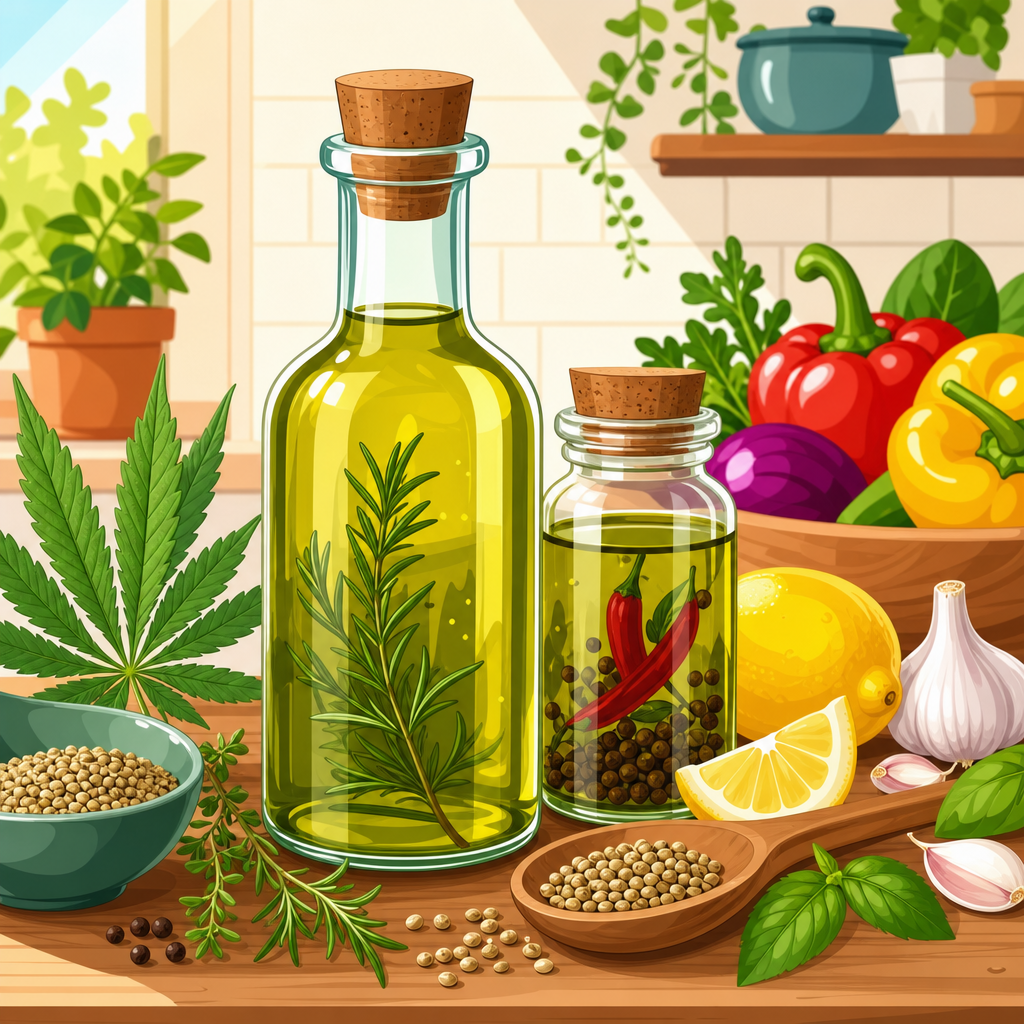
Third-party testing matters, even for seed oil. A serious manufacturer tests for pesticide residues, heavy metals, microbiological contamination, and oxidation markers when appropriate. If the brand publishes a certificate of analysis or at least explains its test program clearly, that is a strong indicator of disciplined production. Packaging is another nonnegotiable factor. Hemp oil oxidizes faster than more saturated fats, so the best products come in dark glass bottles or other light-protective containers with tight seals. Clear plastic on a warm store shelf is a bad sign. Finally, check harvest, press, or best-by dates. Freshness is not a luxury with hemp oil; it is a quality requirement. In sensory reviews, fresh hemp seed oil smells grassy and nutty, while old oil smells like paint, putty, or stale nuts.
| Buying Factor | What to Look For | Why It Matters |
|---|---|---|
| Product type | 100% cold-pressed hemp seed oil | Confirms the oil is meant for food use, not cannabinoid dosing |
| Packaging | Dark glass, tight cap, refrigerated if opened in store | Reduces light and oxygen exposure that accelerate rancidity |
| Testing | Third-party screening for contaminants | Supports safety and manufacturing discipline |
| Freshness | Recent production date and realistic shelf life | Improves taste, aroma, and nutrient preservation |
| Label transparency | Origin, method, storage instructions, ingredient simplicity | Makes it easier to compare quality across brands |
Cooking Performance, Smoke Point, and Best Uses
One of the most important questions shoppers ask is whether hemp oil is good for cooking. The accurate answer is yes, but with limits. Hemp seed oil is best used for low-heat applications or as a finishing oil because its polyunsaturated fat profile makes it less stable than oils higher in monounsaturated or saturated fats. Depending on refinement and brand, smoke point estimates vary, but unrefined hemp seed oil is generally not the right choice for deep frying or sustained high-heat searing. In my own kitchen tests, it performs best in vinaigrettes, pesto-style sauces, yogurt dips, hummus, overnight oats, smoothies, and drizzling over roasted vegetables after cooking. That approach preserves flavor and protects the oil from unnecessary thermal stress.
For shoppers comparing cooking oils, the real issue is fit for purpose. Extra virgin olive oil handles moderate heat and finishing. Avocado oil handles higher heat. Flaxseed oil is fragile and nearly always used cold. Hemp seed oil sits closer to flax than avocado in practical use, though with a broader savory flavor range. Its taste is slightly earthy and nutty, which pairs well with lemon, mustard, garlic, tahini, herbs, and whole grains. If a brand markets hemp oil as ideal for all frying applications, be skeptical. Good brands explain realistic kitchen use and storage guidance, including refrigeration after opening. That honesty is valuable. The best hemp oil for cooking is not the one promising everything; it is the one clearly positioned for dressings, finishing, and nutrient-focused cold use where its strengths actually shine.
Health Benefits, Nutrition, and Realistic Expectations
Hemp seed oil earns attention for health because it provides essential fatty acids the body cannot synthesize. A typical nutritional profile includes substantial amounts of linoleic acid and alpha-linolenic acid, plus smaller quantities of gamma-linolenic acid. This composition is why diet-conscious shoppers often seek hemp oil as part of a balanced pattern of fats. It can be a useful alternative to repeatedly relying on the same oils, especially for people who want more plant-based omega intake. Some research and nutrition references also discuss hemp seed oil in relation to skin barrier support and overall dietary fat quality, though those outcomes depend on total diet, not one miracle ingredient. The most trustworthy way to think about hemp oil is as a nutrient-dense food, not a cure-all.
That balanced view matters because marketing often overreaches. Hemp seed oil does not replace medical care, and it should not be confused with fish oil, algae oil, or cannabinoid products when specific health goals are at stake. It contains no significant protein because the pressing process separates the oil from the seed cake, so buyers seeking hemp protein should choose a different product. It is also calorie-dense like any oil, which means portion awareness still matters. For many households, the practical health advantage comes from using a fresh, minimally processed oil in place of heavily refined options in cold dishes. If you want the broadest benefit, combine hemp seed oil with a generally sound diet rich in vegetables, legumes, whole grains, nuts, seeds, and varied fat sources. That is the context in which hemp oil makes nutritional sense.
How to Read Labels, Certifications, and Price Signals
Labels reveal far more than branding. Start with the product name, ingredient list, nutrition facts, and storage instructions. A trustworthy bottle typically identifies whether the oil is unrefined, cold pressed, organic, or filtered. Organic certification can be meaningful because hemp is a bioaccumulator, meaning the plant can absorb substances from soil. Certification does not guarantee perfect oil, but it can reduce some sourcing uncertainty. Non-GMO claims may appear as well, though they are usually less decisive than freshness and testing. If the package says refrigerate after opening, follow it. Some premium brands even advise using the bottle within a set number of weeks after opening, which is a realistic acknowledgment of oxidation risk rather than a drawback.
Price is another useful signal, though not a perfect one. Very cheap hemp oil often cuts corners through older inventory, lower-grade seed, weak packaging, or limited testing. On the other hand, luxury pricing alone does not prove superior quality. Compare cost by volume, but weigh it against transparency, harvest information, bottle size, and lab support. Smaller bottles can be the better value if they help you finish the oil while it is still fresh. This is especially true for households that only use hemp oil occasionally. In buyer guides across the hemp category, I usually tell readers to pay for evidence, not adjectives. Terms like premium, pure, and natural mean little without details. Terms like cold pressed, certified organic, packed in dark glass, and batch tested give you something concrete to evaluate.
Common Buying Mistakes and How to Avoid Them
Most disappointing hemp oil purchases follow a small number of predictable mistakes. The first is buying the wrong product type, especially confusing hemp seed oil with CBD tinctures. The second is ignoring freshness. Consumers often focus on discount pricing and overlook how slowly they will use the bottle. Once opened, hemp oil should move through the kitchen relatively quickly. The third mistake is using it for the wrong kind of cooking. People buy it for health, then expose it to high heat and conclude the taste is off or the product is unstable. The fourth is trusting marketplace listings without checking seller reputation, storage conditions, and batch information. Oils sold through uncontrolled channels may sit in hot warehouses for extended periods.
Another mistake is treating every wellness claim as equally credible. Some brands imply that hemp oil delivers all benefits associated with the hemp plant, including cannabinoids and protein. Seed oil does not. A final error is skipping sensory evaluation when the bottle is opened. Good hemp oil should smell clean, fresh, and pleasantly nutty or grassy. If it smells sour, waxy, or like old varnish, return it if possible and do not keep using it. Buying guides to hemp products should always teach consumers how to trust both documentation and their senses. That combination works across the category, whether you are buying hemp seeds, protein powder, body care, or culinary oil. For this hub topic, it is the central lesson: informed buying starts with category clarity, then moves through testing, freshness, intended use, and honest label reading.
Selecting the best hemp oil for cooking and health comes down to matching the right product with the right use and judging quality through evidence rather than marketing. The strongest buying criteria are clear: choose true hemp seed oil for food use, prefer cold-pressed and minimally processed products, look for dark protective packaging, verify freshness, and favor brands that explain sourcing and testing in plain language. In the kitchen, use hemp oil where it performs best, mainly in dressings, dips, smoothies, and finishing applications rather than prolonged high-heat cooking. From a health standpoint, value it for essential fatty acids and overall dietary variety, not as a miracle cure or a substitute for unrelated hemp products.
As a hub for guides to buying hemp products, this page should help you evaluate more than a single bottle. The same habits apply across the category: define the product type, read the full label, check third-party standards, and think about storage, shelf life, and realistic performance. If you follow that process, you will buy better hemp products with fewer disappointments and more consistent results. Use these criteria on your next purchase, then compare brands side by side before you commit. A few extra minutes of label reading can save money, improve flavor, and give you a hemp oil that genuinely belongs in your kitchen and wellness routine.
Frequently Asked Questions
What is the difference between hemp seed oil and CBD oil, and which one is better for cooking?
Hemp seed oil and CBD oil are not the same product, even though shoppers often see both marketed under the broad term “hemp oil.” Hemp seed oil is pressed from the seeds of the hemp plant and is valued mainly for its nutritional profile, mild nutty flavor, and culinary use. It naturally contains beneficial fats, including omega-3 and omega-6 fatty acids, but it does not contain meaningful levels of CBD. CBD oil, on the other hand, is typically made from the flowers, leaves, and aerial parts of the hemp plant and is formulated for cannabinoid content rather than cooking performance.
If your goal is cooking, salad dressings, finishing dishes, or adding nutritious oil to smoothies and dips, hemp seed oil is the correct choice. It works well in cold applications and light, low-heat use, but it is not usually the best option for high-heat frying because its delicate fatty acids can degrade under excessive heat. CBD oil is generally not bought for culinary flavor, kitchen versatility, or everyday oil use. It is often more expensive, comes in smaller bottles, and may include carrier oils intended for measured serving rather than regular food preparation. For anyone selecting the best hemp oil for cooking and health, the first step is making sure the label clearly says hemp seed oil if nutrition and kitchen use are your priorities.
How can I tell if a hemp oil is high quality before I buy it?
A high-quality hemp oil should give you clear clues on the label and in the packaging. Start by looking for cold-pressed hemp seed oil, since cold pressing helps preserve the oil’s natural fatty acids, flavor, and nutritional value. Next, check whether the brand provides harvest, bottling, or best-by information. Freshness matters a great deal with hemp oil because it is rich in polyunsaturated fats, which can oxidize more quickly than more stable cooking oils.
Packaging is another major quality signal. The best hemp oils are usually sold in dark glass bottles rather than clear plastic, because light and oxygen accelerate spoilage. A bargain bottle in transparent packaging may look appealing on the shelf, but it often does a poorer job protecting the oil. You should also look for information about sourcing, such as where the hemp was grown and whether the brand mentions testing for purity or contaminants. Reputable manufacturers are usually transparent about production methods and quality control.
Color alone is not a reliable indicator of quality. Some consumers assume that darker green oil is automatically superior, but color can vary based on seed variety, processing, filtration, and batch differences. Aroma and taste are better clues once opened. Good hemp seed oil typically smells fresh, grassy, or mildly nutty. If it smells paint-like, bitter, or stale, that suggests oxidation. In short, the best buying checklist includes cold-pressed extraction, protective packaging, freshness dating, trustworthy sourcing, and a brand that clearly explains what is in the bottle.
Is hemp oil good for health, and what nutritional benefits should I look for?
Hemp seed oil can be a valuable addition to a healthy diet because it provides a favorable mix of essential fatty acids, especially omega-3 and omega-6 fats. These fats are called essential because the body cannot make them on its own, so they need to come from food. Hemp seed oil is often appreciated for its balance of these fats, making it a practical option for people who want to diversify the oils they use in meals.
In addition to its fatty acid profile, hemp seed oil can support overall dietary variety when used in place of more heavily refined oils. It is especially popular among people who prefer plant-based foods and minimally processed ingredients. That said, it is important to keep expectations realistic. Hemp seed oil is a nutritious food, not a miracle product. It fits best as part of a balanced eating pattern that includes whole foods, vegetables, proteins, fiber, and other healthy fats.
When choosing a bottle for health benefits, focus on freshness and processing quality rather than marketing hype. A fresh, cold-pressed, properly stored hemp oil will usually offer more nutritional value than an old or poorly packaged product. Reading the nutrition panel can also help you compare fat content per serving, but the real difference usually comes from oxidation control and manufacturing standards. If you want hemp oil for health, the best option is one that is clearly labeled, minimally processed, and stored in a way that protects its natural compounds.
Can hemp oil be used for high-heat cooking, frying, or baking?
Hemp seed oil is generally best used for cold dishes and gentle heat rather than high-temperature cooking. Its nutritional appeal comes largely from delicate unsaturated fats, and those fats are more vulnerable to heat damage than the fats in oils designed for searing or frying. That means hemp oil is an excellent choice for salad dressings, drizzling over roasted vegetables after cooking, blending into sauces, stirring into grains, or adding to smoothies, but it is not usually the top pick for deep frying or very hot pan work.
For baking, hemp oil can sometimes be used successfully in recipes that call for mild heating, especially if the flavor complements the dish. Its nutty, earthy taste can work well in savory baked goods, homemade crackers, breads, or some muffins. However, if you are exposing the oil to prolonged high temperatures, you may lose some of the nutritional qualities that make it attractive in the first place. That is why many health-conscious buyers reserve hemp seed oil for finishing and low-heat applications, while using more heat-stable oils for intense cooking methods.
If your article is helping readers select the best hemp oil for cooking and health, this is an important practical point: the “best” bottle is not just the freshest or most expensive one, but the one that matches how the oil should actually be used. A premium cold-pressed hemp seed oil shines most when flavor and nutrition are preserved, not when it is pushed beyond its ideal cooking range.
How should hemp oil be stored, and how do I know when it has gone bad?
Proper storage is essential because hemp oil is more sensitive than many common pantry oils. Once opened, it should typically be kept tightly sealed and protected from heat, light, and air. Refrigeration is often the safest choice, especially if you do not use the bottle quickly. Even before opening, storing hemp oil in a cool, dark place helps maintain quality. This is one reason dark glass packaging is preferred: it offers better protection against light exposure and can help extend freshness.
To tell whether hemp oil has gone bad, rely on smell and taste more than appearance alone. Fresh hemp seed oil usually has a pleasant grassy, earthy, or lightly nutty aroma. If the oil smells sour, sharp, stale, or similar to old paint or varnish, it is likely rancid. The flavor may also become unpleasantly bitter or harsh. While some natural variation in color and taste is normal from brand to brand, rancidity is usually obvious once you know what fresh hemp oil should smell like.
Checking the expiration or best-by date is helpful, but it is not enough on its own. How the oil was processed, shipped, shelved, and stored in your home all affect its shelf life. When buying, choose the freshest bottle available and avoid products that have been sitting in warm, brightly lit conditions. In everyday use, purchasing a smaller bottle can be smarter than buying a large “value” size if you will not finish it promptly. That approach reduces waste and gives you a better chance of enjoying hemp oil at peak flavor and nutritional quality.