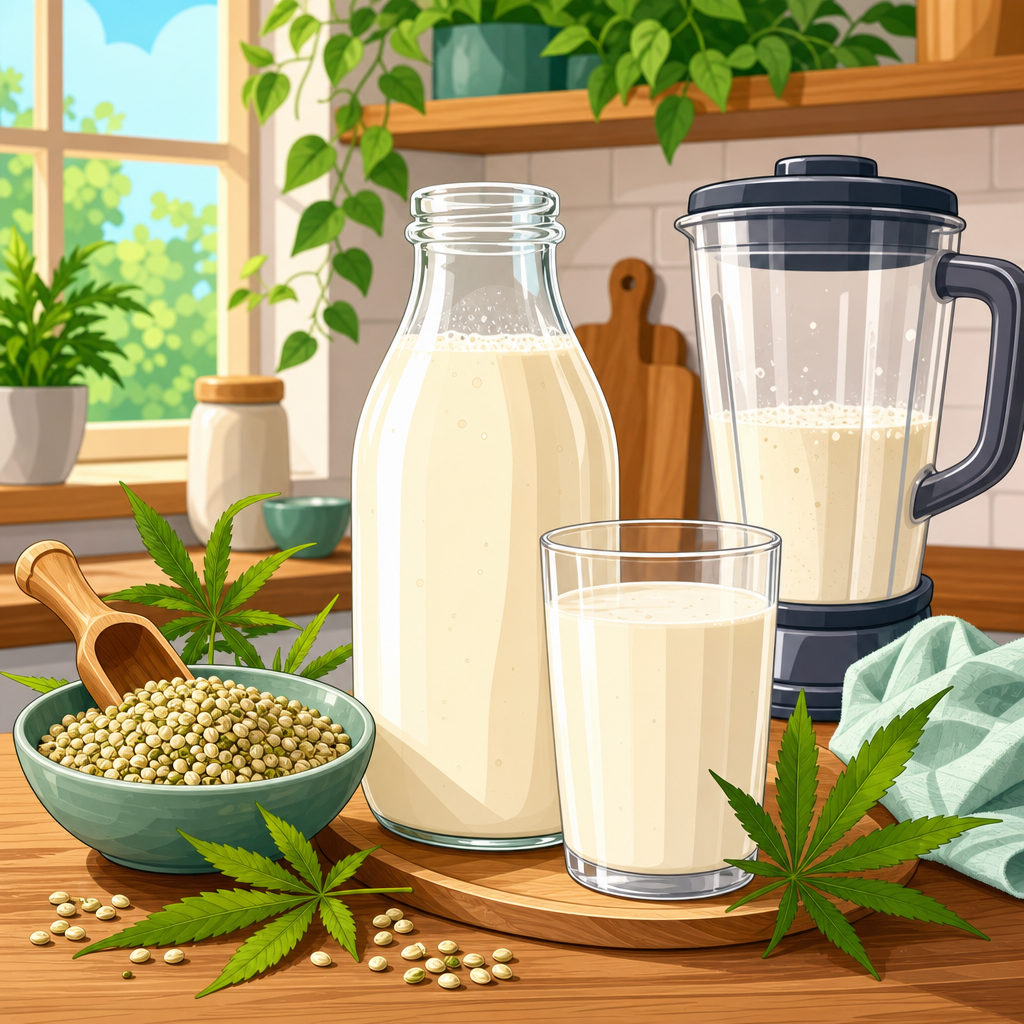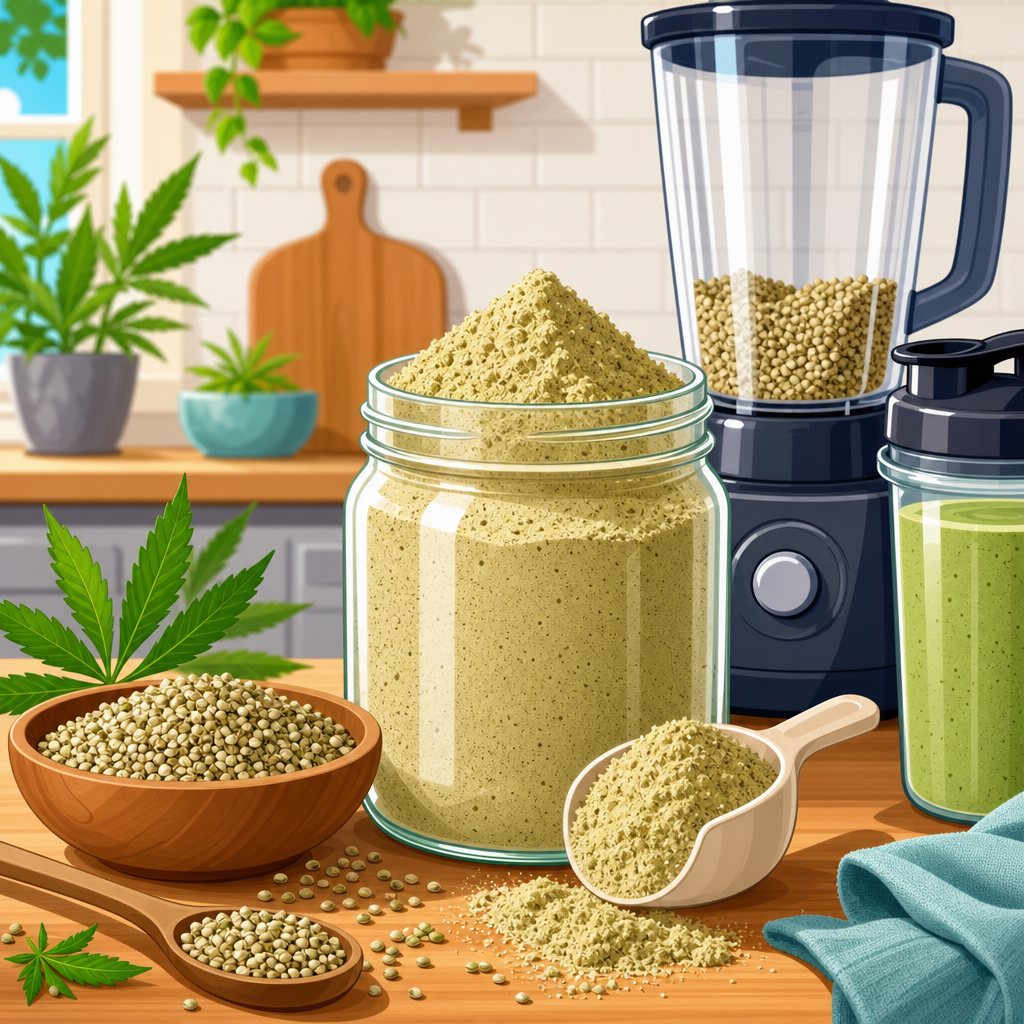
Hemp protein shakes are one of the simplest ways to add plant-based protein, fiber, and healthy fats to a daily routine, and making them at home gives you better control over taste, texture, ingredients, and cost. In the hemp products and reviews space, beverages deserve their own careful attention because drinks are often where people first try hemp, whether through protein powders, hemp milk, smoothie blends, or ready-to-drink formulas. When I started testing hemp beverages in my own kitchen, the biggest lesson was that the difference between a gritty, grassy shake and a smooth, balanced one usually comes down to method, not just ingredients. Hemp protein powder is made primarily from defatted hemp seeds, sometimes called hemp hearts after oil extraction, and it typically contains protein, insoluble fiber, minerals, and small amounts of residual fat. A hemp protein shake is any blended drink built around that powder, usually combined with liquid, fruit, fats, and flavoring. This matters because home preparation lets you adjust sweetness, protein density, digestibility, and allergens while avoiding the stabilizers and excess sugar common in many packaged beverages.
Hemp in beverages is broader than a single smoothie recipe. It includes hemp protein shakes for post-workout recovery, meal support, breakfast smoothies, dairy-free café drinks, and blended mixes that combine hemp with pea, rice, cacao, coffee, greens, or adaptogens. As a hub topic, it also connects naturally to related subjects such as hemp milk, hemp seed nutrition, flavored protein powders, shaker-bottle techniques, blender selection, and label reading. The appeal of hemp protein specifically lies in convenience and composition. Depending on the brand and processing method, a typical serving provides around 10 to 20 grams of protein, along with iron, magnesium, and fiber. The texture is earthier than whey and less neutral than many pea isolates, so successful recipes need ingredients that complement its nutty profile. Once you understand how hemp behaves in liquid, you can build shakes that fit fat loss goals, athletic recovery, vegan meal planning, or simply a faster breakfast.
What Hemp Protein Is and How It Performs in Drinks
Hemp protein powder usually comes from ground hemp seed press cake left after oil extraction, which explains both its nutrition profile and its behavior in a blender. Unlike highly refined protein isolates, many hemp powders retain meaningful fiber, giving them a thicker mouthfeel and more visible sediment. That is not a defect. It is a characteristic of a less processed ingredient. In practical terms, hemp protein tends to absorb liquid gradually, so a shake that seems thin right after blending may thicken after two or three minutes. I account for that by either serving it immediately over ice or adding a little extra liquid up front. Most home users do best with unsweetened powder first, because flavored versions can become overpowering when combined with fruit, nut butters, or cocoa.
Nutritionally, hemp protein is useful but should be understood accurately. It contains all nine essential amino acids, yet it is lower in lysine than soy or pea protein, so it is best viewed as a strong plant protein option rather than a perfect one-food solution. For most mixed diets, that distinction is not a problem. If someone eats legumes, grains, nuts, or seeds throughout the day, amino acid balance is easily covered. Hemp also provides alpha-linolenic acid and linoleic acid in modest amounts, plus minerals such as manganese, phosphorus, iron, and magnesium. For beverage use, the major tradeoff is texture: the more whole-food and fiber-rich the powder, the less silky the shake. That is why recipe design matters.
Core Ingredients for Better Homemade Hemp Protein Shakes
A reliable hemp protein shake starts with four building blocks: protein powder, liquid, texture support, and flavor balance. The liquid can be water, homemade hemp milk, oat milk, soy milk, almond milk, dairy milk, or kefir. Water works if the rest of the recipe carries enough body, but milk alternatives usually give a better result because they soften hemp’s earthy notes. For texture support, banana is the easiest option; half a frozen banana can transform a gritty mixture into something closer to a café smoothie. Avocado, soaked oats, Greek yogurt, chia, flax, or even silken tofu also help. For flavor balance, cacao powder, cinnamon, vanilla extract, dates, berries, espresso, and nut butter are the ingredients I reach for most often because they pair naturally with hemp’s nuttiness.
Sweetener is where many homemade recipes go wrong. Hemp powder can taste pleasantly earthy at low doses and distinctly grassy at high doses, so people often add too much honey, maple syrup, or fruit juice to cover it. The better approach is layered flavor. Cocoa plus cinnamon plus a pinch of salt improves taste more effectively than sugar alone. Frozen berries add acidity that brightens the shake. A tablespoon of peanut or almond butter rounds out bitterness while increasing satiety. If digestion is a concern, start with a smaller portion of hemp protein, around two tablespoons instead of a full scoop, especially if the powder is high in fiber. Then increase gradually as your stomach adapts.
Best Ratios, Techniques, and Equipment for Smooth Results
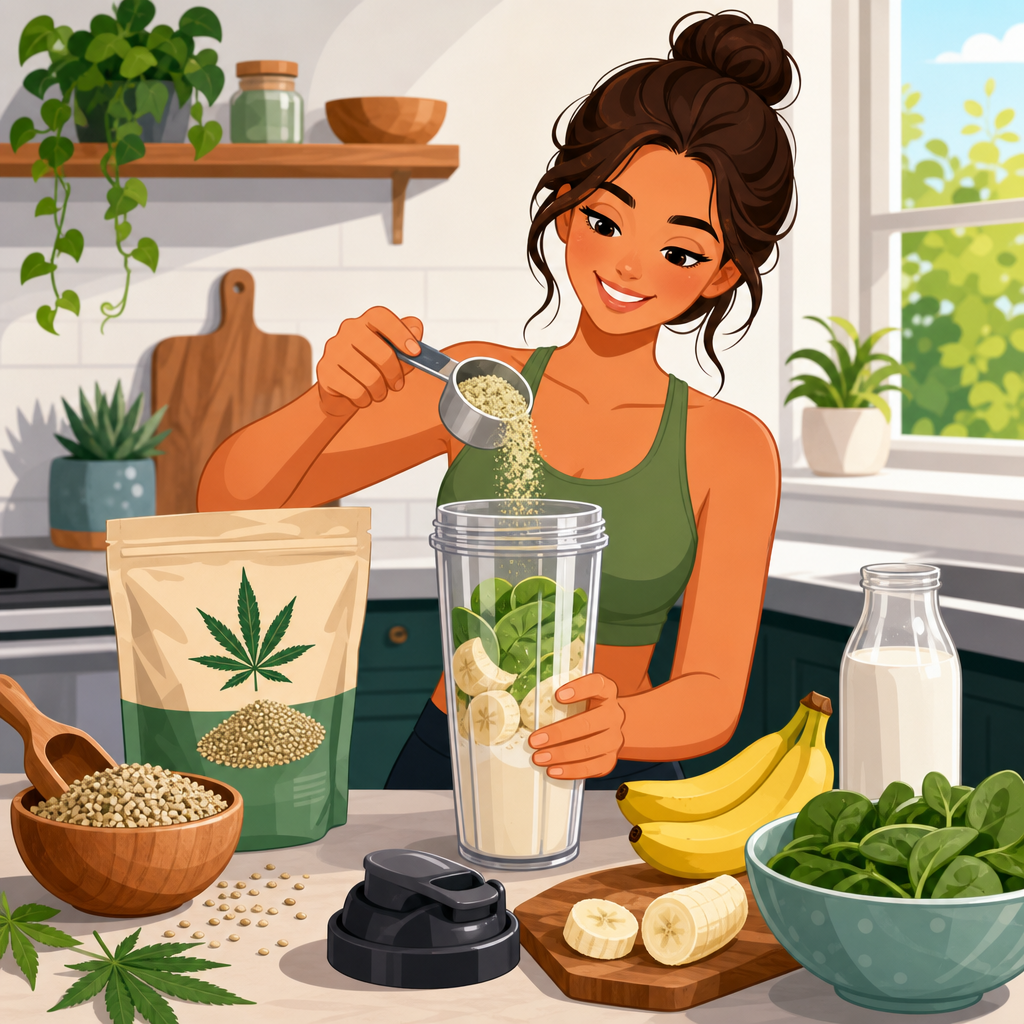
The easiest formula for a balanced hemp protein shake at home is one serving of powder, 10 to 14 ounces of liquid, one creamy ingredient, and one strong flavoring ingredient. That ratio prevents the two most common mistakes: thick sludge and watery separation. A high-speed blender gives the smoothest result, but you do not need premium equipment to make good shakes. I have tested hemp powders in full-size blenders, personal blenders, and shaker bottles. A shaker bottle is acceptable for very simple recipes with fine-milled powder, but blended shakes are consistently better because fiber disperses more evenly and frozen ingredients break up sediment. If you only have a standard blender, blend the liquid and soft ingredients first, then add hemp protein last to reduce clumping around the blades.
Temperature matters more than many recipe posts admit. Cold liquid and frozen fruit improve texture, while room-temperature shakes taste grainier because hemp’s earthy notes become more noticeable. Resting the shake for one minute after blending can help large bubbles dissipate, but waiting too long encourages settling. If you are meal-prepping, store the shake in a sealed glass jar and shake vigorously before drinking. Most homemade hemp protein shakes keep their quality for about 24 hours in the refrigerator, though banana-based recipes darken and thicken. For people who want a cleaner finish, straining is possible, but it removes fiber and reduces the whole-food character that makes hemp appealing in the first place.
| Shake Goal | Hemp Protein | Liquid | Add-Ins | Why It Works |
|---|---|---|---|---|
| Breakfast | 3 tbsp | 12 oz oat milk | Frozen banana, oats, cinnamon | Higher fiber and slow-release carbs improve fullness |
| Post-workout | 4 tbsp | 12 oz soy milk | Berries, maple syrup, peanut butter | Protein plus carbs supports recovery and better flavor balance |
| Low-sugar | 3 tbsp | 10 oz unsweetened almond milk | Avocado, cocoa, vanilla | Creaminess without much sugar; cocoa masks earthy notes |
| Meal support | 4 tbsp | 14 oz kefir | Chia, spinach, mixed berries | More calories, probiotics, fiber, and micronutrients |
Easy Homemade Hemp Protein Shake Recipes That Actually Taste Good
The best starter recipe is a chocolate hemp banana shake: 3 tablespoons hemp protein powder, 12 ounces oat milk, 1 frozen banana, 1 tablespoon peanut butter, 1 tablespoon cocoa powder, 1 teaspoon maple syrup, and a pinch of salt. Blend until fully smooth. This works because cocoa and peanut butter match hemp’s natural nuttiness, while banana supplies body. For a fruit-forward option, use 3 tablespoons hemp protein, 12 ounces soy milk, 1 cup frozen mixed berries, half a banana, 1 tablespoon ground flax, and a few drops of vanilla. The berries bring acidity and color, making the shake taste fresher and less earthy. If you want a breakfast version with more staying power, blend hemp protein with kefir, rolled oats, frozen blueberries, cinnamon, and chia.
For coffee drinkers, a mocha hemp shake is one of the most effective uses of this ingredient. Combine 3 tablespoons hemp protein, 8 ounces chilled brewed coffee, 4 ounces milk of choice, half a frozen banana, 1 tablespoon cocoa, and 1 teaspoon almond butter. It tastes closer to a blended café drink than a supplement. A green version can also work if built carefully: hemp protein, pineapple, mango, spinach, lime juice, and coconut water. Tropical fruit hides the plant notes better than apple or plain greens blends. If you prefer savory nutrition over sweet smoothies, hemp can even be added to drinkable soups such as chilled cucumber-avocado soup, though that moves beyond the classic shake format. As a hub for hemp in beverages, the main point is flexibility: hemp belongs in far more than one generic protein smoothie.
How to Choose Hemp Protein Powder for Home Shakes
Not all hemp protein powders perform the same way in beverages, and label details matter. The first thing I check is protein per serving relative to serving size. A product offering 15 grams of protein in a 30-gram serving is generally more concentrated than one offering 12 grams in 40 grams, and that difference often reflects how much fiber remains. More fiber is not bad, but it changes texture and satiety. I also look for ingredient simplicity. A straightforward powder made from hemp seed protein is easier to recipe-test than one loaded with gums, sweeteners, “natural flavors,” or proprietary blends. Organic certification may matter for buyers focused on agricultural practices, while third-party testing matters for anyone who wants confidence around contaminants and cannabinoid compliance.
Flavor style is the next consideration. Natural or unsweetened hemp powder is most versatile for home use. Vanilla can work well in breakfast shakes, but pre-sweetened chocolate often boxes you into dessert-style recipes. Grind size is another overlooked factor. Fine-milled powders disperse better, especially in personal blenders or shaker bottles. Coarser powders may taste more rustic and whole-food-like, but they require stronger blending and more liquid. Reviews can help, but beverage performance is highly personal, so the best buying strategy is to test small bags from reputable brands. Keep notes on flavor, grit, thickness, and how each powder behaves with water versus milk alternatives. That kind of hands-on comparison is more useful than marketing claims.
Nutrition, Benefits, and Limitations of Hemp in Beverages
Hemp protein shakes can support several practical goals. They are convenient for people who need a portable breakfast, useful for increasing total daily protein, and often easier on the stomach than dairy-heavy shakes. Because hemp typically contains both protein and fiber, it can be more filling than highly refined protein isolates when calories are similar. The mineral content is also meaningful. Iron and magnesium are especially relevant for plant-based eaters, athletes, and anyone watching nutrient density. In beverage form, hemp is adaptable: it can be blended with fruit for recovery, coffee for convenience, greens for micronutrients, or yogurt for a more meal-like structure. This flexibility is why hemp beverages continue to grow as a category in natural food retail and direct-to-consumer product lines.
Still, hemp is not automatically the best choice for every person or every shake. If your top priority is maximum protein with minimal calories, a purified isolate from another source may provide more grams per scoop. If you dislike earthy flavors, hemp has a learning curve. If your digestion is sensitive to high-fiber powders, large servings may cause bloating unless you build tolerance gradually and drink enough water. Cost can also be a factor, since premium hemp powders are sometimes priced above whey concentrates and basic soy protein. The realistic view is that hemp protein shines when someone values plant-based nutrition, whole-food character, and beverage versatility more than absolute protein concentration. Used that way, it is an excellent ingredient.
Common Mistakes and Smart Ways to Improve Every Shake
The most common mistake is using too much powder too soon. Many beginners add a large scoop to plain water, decide hemp tastes rough, and never try it again. Start smaller and build around supportive ingredients. Another frequent error is ignoring acidity and salt. A squeeze of lemon or lime in fruit blends, or a small pinch of salt in chocolate shakes, can make flavors taste more complete. Poor liquid choice is another culprit. Thin rice milk or water alone often leaves hemp chalky, while oat milk, soy milk, kefir, and banana add enough body to carry the texture. Ice can help, but too much dilutes flavor unless the shake is blended long enough to emulsify properly.
Storage and sequencing also matter. Add powders after liquids to reduce dry pockets. If using chia or oats, let them hydrate briefly before drinking for a thicker texture. Clean the blender right away because hemp residue dries fast and clings to plastic jars. Above all, treat hemp protein as an ingredient, not a magic scoop. The best homemade hemp protein shakes come from matching the powder to the goal, whether that goal is breakfast, recovery, lower sugar, or a dairy-free meal support drink. Start with one dependable base recipe, adjust one variable at a time, and build your own beverage rotation. That is the smartest way to explore hemp in beverages and get consistent, better-tasting results at home.
Homemade hemp protein shakes are worth learning because they turn a sometimes misunderstood ingredient into a practical, affordable beverage you can tailor to your own nutrition goals. The essentials are straightforward: choose a quality hemp protein powder, use enough liquid, pair it with creamy ingredients, and balance the earthy flavor with cocoa, berries, coffee, spices, or nut butter. From there, hemp in beverages opens into a much broader category, including breakfast smoothies, post-workout blends, dairy-free drinks, meal-support shakes, and homemade hemp milk combinations. The advantage of this hub topic is that once you understand the base method, every related beverage becomes easier to evaluate, prepare, and improve.
The key takeaway is that hemp protein performs best when you work with its natural character instead of trying to hide it completely. It is slightly nutty, fiber-rich, and more textured than many other proteins, which means smart recipe design matters. Use the ratios and examples above as your starting point, test powders carefully, and refine each shake based on texture, sweetness, and purpose. If you want better plant-based drinks without relying on expensive premade bottles, start with one hemp shake this week and build your home beverage routine from there.
Frequently Asked Questions
What do I need to make a hemp protein shake at home?
At the most basic level, you only need a few ingredients: hemp protein powder, a liquid, and something to improve flavor and texture. Most homemade hemp protein shakes start with 1 serving of hemp protein powder and 8 to 12 ounces of liquid such as water, hemp milk, almond milk, oat milk, or dairy milk if that fits your diet. From there, many people add fruit like banana or berries, a healthy fat such as nut butter or avocado, and optional extras like cinnamon, cocoa powder, chia seeds, flaxseed, or a natural sweetener.
A blender is the easiest tool for getting a smooth result, especially because hemp protein can be a little earthier and grittier than some other plant-based proteins. If you are keeping things simple, a shaker bottle can work for powder and liquid alone, but blended shakes usually have better texture and a more balanced flavor. I generally recommend starting with fewer add-ins the first time so you can understand how the hemp protein tastes on its own, then adjusting gradually based on your preferences.
If your goal is convenience, keeping a small home setup ready makes a big difference. Store your hemp protein powder near your blender, keep frozen fruit on hand, and choose one or two go-to liquids you already enjoy drinking. That kind of routine makes homemade shakes faster, less expensive than pre-made beverages, and easier to customize for protein content, sweetness, fiber, and overall nutrition.
How can I make a hemp protein shake taste better if the flavor seems earthy or strong?
Hemp protein naturally has an earthy, nutty flavor, and that is completely normal. For many people, the key to making it taste better is not trying to hide it with too many ingredients, but pairing it with flavors that naturally complement it. Banana, cocoa powder, peanut butter, almond butter, cinnamon, vanilla extract, dates, and berries all work especially well. These ingredients round out the stronger notes and create a smoother, more familiar smoothie-style taste.
Texture also affects flavor more than most people realize. A hemp protein shake that is too thick, too thin, or slightly chalky can seem harsher than it really is. Using frozen banana, a creamy milk base, or a spoonful of yogurt can make the shake feel smoother and more enjoyable. If your shake tastes too intense, add more liquid and blend longer. If it tastes flat, a tiny pinch of salt or a little cinnamon can improve the overall flavor without making it sweeter.
Another smart approach is to build around proven combinations. A chocolate-banana hemp shake is often a good beginner recipe, as is a berry-vanilla blend. You can also mix hemp protein with another ingredient that naturally softens its profile, such as hemp milk, oat milk, or a mild plant-based yogurt. After testing different combinations at home, most people find that hemp shakes become much more appealing once the flavor is balanced with creaminess, fruit, and a little sweetness.
Why is my hemp protein shake gritty, and how do I make it smoother?
Grittiness is one of the most common issues with homemade hemp protein shakes, and it usually comes down to the nature of hemp protein itself. Unlike some highly processed powders, hemp protein tends to be less refined and can contain more natural fiber and plant material. That is part of what makes it appealing nutritionally, but it can also create a thicker, grainier texture if it is not blended properly or if the shake ingredients are out of balance.
To get a smoother shake, start by increasing your liquid slightly and blending for longer than you think you need. A powerful blender usually makes the biggest difference. Letting the shake sit for a minute after blending and then blending again can also help the powder hydrate more fully. Ingredients like banana, yogurt, avocado, or nut butter improve mouthfeel and reduce the perception of grit. Even a few ice cubes can help emulsify the mixture when blended thoroughly.
It is also worth checking your ratios. Too much powder for too little liquid almost always creates a heavy texture. A good starting point is one serving of hemp protein with 10 to 12 ounces of liquid, then adjust depending on what else you add. If you are using chia seeds, oats, flax, or frozen fruit, those ingredients can thicken the shake quickly, so more liquid may be needed. In many home tests, the smoothest hemp shakes come from a balanced formula rather than simply adding more ingredients.
Can I use hemp protein shakes for breakfast, post-workout recovery, or weight management?
Yes, hemp protein shakes can fit into all of those routines, but the best version depends on your goal. For breakfast, a hemp shake works best when it includes a mix of protein, fiber, and healthy fats to help you feel satisfied longer. That might mean combining hemp protein with fruit, seeds, nut butter, and a milk base. If you want a more complete breakfast, you can also add oats for extra staying power and a more substantial texture.
For post-workout use, hemp protein shakes can be a practical plant-based option, especially when paired with a carbohydrate source such as banana, mango, or oats. Protein helps support muscle recovery, while carbohydrates help replenish energy. Because hemp protein is often less sweet and less processed than some gym-focused powders, many people prefer making their own post-workout shake at home so they can control the protein amount and avoid unnecessary additives.
For weight management, homemade hemp protein shakes can be useful because they allow precise portion control and ingredient selection. A well-built shake may help reduce hunger between meals, but the details matter. If you add large amounts of nut butter, sweeteners, or calorie-dense extras, the shake can become much heavier than expected. On the other hand, if the shake is too light, it may not keep you full. The best approach is to tailor the shake to your needs, using enough protein and fiber to make it satisfying without turning it into an oversized dessert.
What are the best ingredient combinations for homemade hemp protein shakes?
The best combinations usually balance four things: protein, creaminess, flavor, and texture. One of the most reliable recipes is a chocolate-banana blend with hemp protein powder, banana, cocoa powder, milk of choice, and a spoonful of peanut or almond butter. This combination works well because the chocolate and banana soften the earthy notes of hemp, while the nut butter adds richness and body.
If you want something fresher and lighter, a berry-vanilla shake is another excellent option. Blend hemp protein with frozen berries, vanilla extract, hemp milk or almond milk, and a small amount of date or honey if needed. This style tastes bright and less heavy, and it is often a good entry point for people who are new to hemp beverages. For a greener option, you can pair hemp protein with spinach, banana, mango, and coconut water or plant milk. The fruit usually keeps the flavor balanced while still giving you the nutritional benefits of greens.
It also helps to think in categories rather than fixed recipes. Choose one protein base, one liquid, one creamy ingredient, one fruit, and one flavor enhancer. For example, hemp protein plus oat milk, avocado, frozen cherries, and cocoa powder makes a rich, dessert-like shake. Hemp protein plus hemp milk, banana, cinnamon, and flax creates a more breakfast-friendly blend. Once you understand those building blocks, it becomes much easier to create homemade hemp protein shakes that match your taste, dietary goals, and budget.