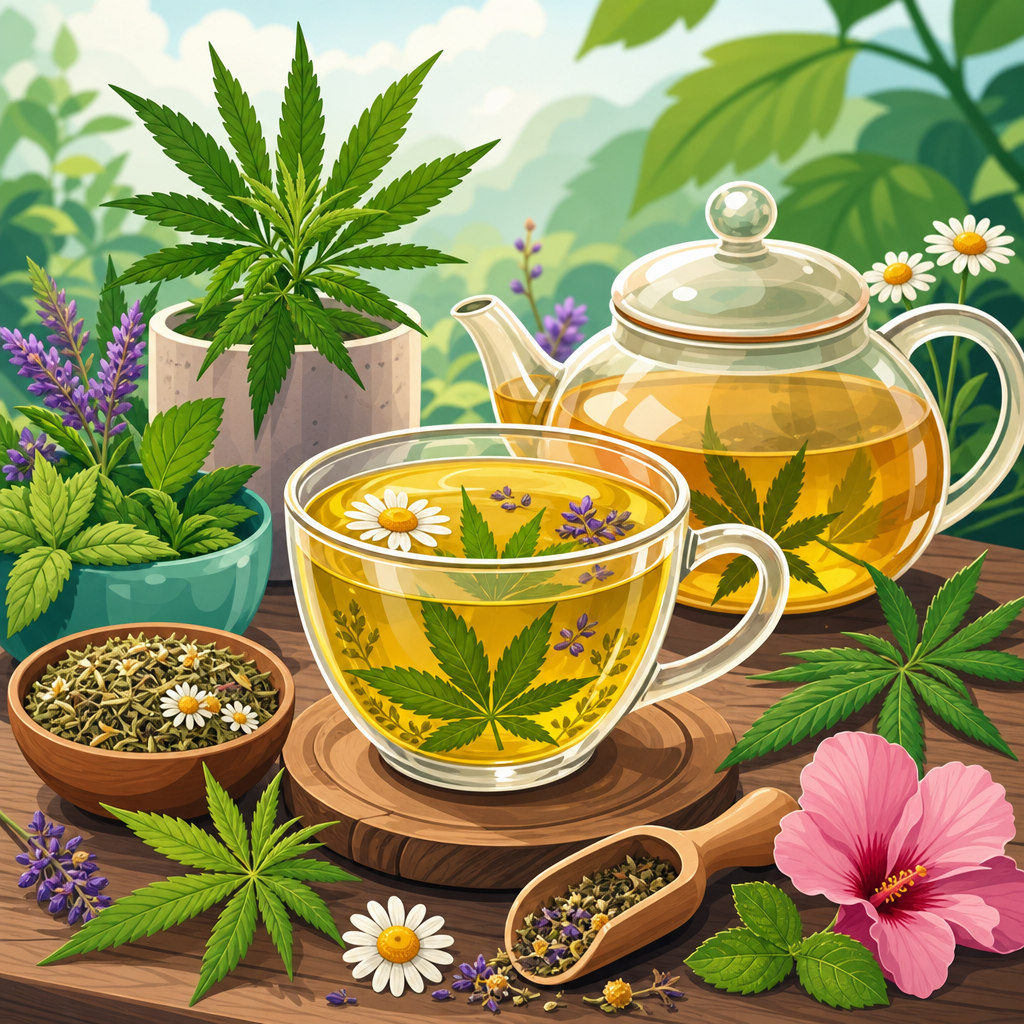
Hemp-infused herbal teas sit at the intersection of wellness beverages, functional ingredients, and traditional tea culture, making them one of the most approachable ways to explore hemp in beverages. In practical terms, hemp tea usually refers to an herbal infusion made with hemp leaves, flowers, seeds, or extracts blended with botanicals such as chamomile, peppermint, ginger, lemon balm, rooibos, or hibiscus. Unlike conventional tea from Camellia sinensis, most hemp herbal teas are naturally caffeine free, which is one reason they appeal to evening drinkers, wellness-focused consumers, and people who want a gentler ritual than coffee or energy drinks.
The key term to understand is hemp. Hemp is a variety of Cannabis sativa cultivated under legal thresholds for tetrahydrocannabinol, or THC, the intoxicating compound associated with marijuana. In the United States, hemp products are generally expected to contain no more than 0.3% delta-9 THC on a dry-weight basis under federal definitions, though state rules and enforcement can differ. Hemp can also contain cannabidiol, or CBD, plus minor cannabinoids, terpenes, flavonoids, and other plant compounds. That composition matters because not every hemp tea is the same. Some are made from hemp seed only, which contributes nutrition but little to no cannabinoids. Others include aerial parts of the plant or hemp extract, which can provide CBD and a more pronounced botanical profile.
This matters for consumers because hemp-infused herbal teas answer several questions at once: what hemp tastes like, how it fits into daily routines, whether it can be relaxing without being intoxicating, and how quality varies across products. I have reviewed enough hemp beverages to know that label language can be confusing. A tea marketed as “hemp” may deliver earthy flavor and healthy fats from seeds but virtually no CBD, while a CBD herbal tea may use water-soluble extract and provide a measurable serving. Understanding those differences helps readers choose products that match their goals, budget, and tolerance for strong herbal flavors.
As a hub within hemp products and reviews, this guide covers hemp in beverages comprehensively through the lens of tea: ingredients, benefits, brewing, quality markers, compliance issues, and buying advice. It also connects naturally to adjacent topics such as hemp tinctures, gummies, sparkling waters, ready-to-drink CBD beverages, and full-spectrum versus broad-spectrum extracts. If you want one page that explains how hemp herbal tea works, what to look for on a label, and which tradeoffs actually matter, this is the foundation.
What Hemp-Infused Herbal Tea Is and How It Differs From Other Hemp Beverages
Hemp-infused herbal tea is best understood as a category rather than a single product type. The simplest version is loose-leaf or bagged herbal tea blended with hemp leaves, flowers, or seeds. A more functional version adds hemp extract, often CBD, to an herbal base designed for calm, sleep support, digestion, or daily wellness. In contrast, other hemp beverages may include sparkling CBD drinks, hemp seed milk, protein shakes, cold brew coffees with added hemp extract, and canned adaptogenic drinks. Tea stands apart because it is brewed slowly, consumed warm or iced, and associated with ritual rather than convenience alone.
That difference in format changes both experience and formulation. Ready-to-drink hemp beverages often rely on emulsification technology to keep cannabinoids evenly dispersed in liquid and improve bioavailability. Tea products may instead depend on the infusion of plant material or the addition of powdered or liquid extract to a tea bag blend. Since cannabinoids are lipophilic, plain hot water is not an efficient solvent for all compounds in the plant, which is why some tea brands add carriers, emulsifiers, or water-compatible extracts. When a brand does this well, the result is more consistent serving strength and less residue. When it does it poorly, the drink can taste harsh, separate in the cup, or provide uncertain dosing.
Another distinction is purpose. Hemp seed beverages emphasize nutrition because hemp seeds contain protein, magnesium, and essential fatty acids, particularly linoleic acid and alpha-linolenic acid. Hemp leaf or flower teas tend to emphasize botanical complexity and relaxation. Extract-fortified teas focus more directly on cannabinoids. For a reader exploring hemp in beverages broadly, tea is often the best starting point because it reveals these differences in a familiar format.
Ingredients, Cannabinoids, and Flavor Profiles
Ingredient lists tell you almost everything important about a hemp herbal tea. If the label says hemp seed, the beverage will likely have a nutty, mildly grassy profile and little cannabinoid content. If it lists hemp aerial parts, hemp flower, or full-spectrum hemp extract, expect more pronounced earthy notes and potentially measurable CBD. Broad-spectrum extract usually indicates cannabinoids and terpenes with THC removed to non-detectable or trace levels, while isolate points to purified CBD without the wider matrix of plant compounds. None of these formats is universally better; each serves a different use case.
Flavor matters more than many new buyers expect. Hemp can taste green, resinous, herbal, peppery, and occasionally hay-like depending on cultivar, drying, and storage. Brands often balance that profile with familiar herbs. Chamomile softens hemp’s edge and supports bedtime positioning. Peppermint masks bitterness and freshens the finish. Ginger adds warmth that works well in wellness blends. Lemon balm and lavender create a calming aromatic profile, while hibiscus gives tartness and color. Rooibos is a particularly effective base because its round, slightly sweet body complements hemp without caffeine.
Terpenes also influence both aroma and perceived experience. Myrcene is commonly associated with earthy, musky notes; limonene with citrus brightness; beta-caryophyllene with peppery spice. Tea consumers do not need to memorize terpene science, but these compounds help explain why two hemp teas with similar CBD numbers can smell and taste very different. The best products disclose enough detail to show whether flavor comes from whole botanicals, natural flavors, or added extracts. That transparency is a strong quality signal in any hemp beverage review.
| Type of hemp tea | Main hemp ingredient | Typical flavor | Common use case |
|---|---|---|---|
| Seed-based herbal blend | Hemp seeds | Nutty, mild, grassy | Nutrition-focused daily drinking |
| Botanical hemp tea | Leaves or flowers | Earthy, green, resinous | Traditional herbal infusion |
| CBD herbal tea | Broad-spectrum or isolate extract | Depends on blend; often smoother | Measured cannabinoid serving |
| Full-spectrum functional tea | Full-spectrum extract plus herbs | Complex, robust, sometimes peppery | Users seeking whole-plant profile |
Potential Benefits, Limits, and What the Evidence Supports
Consumers often ask a direct question: what does hemp tea do. The most accurate answer is that effects depend on formulation. A hemp seed tea may provide a pleasant caffeine-free beverage with some nutritional appeal but not noticeable cannabinoid effects. A tea with CBD extract may support relaxation, stress management, or a calming evening routine, especially when paired with soothing herbs like chamomile or lemon balm. Warm beverages also have behavioral value. The act of brewing, sipping slowly, and stepping away from stimulation is itself meaningful, and in real-world use that ritual often contributes as much as the ingredient list.
That said, claims should stay grounded. Hemp tea is not a cure-all, and quality research on finished hemp tea products remains limited compared with broader cannabinoid studies. Consumers should be cautious around products that promise dramatic medical outcomes. What reputable brands and informed reviewers emphasize instead is formulation logic: cannabinoids may interact with the endocannabinoid system, certain herbs have established traditional use, and a low-caffeine or caffeine-free beverage can fit sleep hygiene better than coffee or sugary drinks. Those are reasonable, evidence-aware expectations.
There are also practical limitations. Bioavailability from tea can vary, especially when cannabinoids are infused into water without a delivery system. Onset may be slower and feel subtler than with tinctures. Flavor can be polarizing. And people taking medications should consider possible interactions, particularly with CBD, because it can affect how some drugs are metabolized. Good hemp beverage content should acknowledge these limits clearly rather than overselling the category.
How to Evaluate Quality, Safety, and Label Accuracy
If you review hemp products long enough, one lesson becomes unavoidable: third-party testing is not optional. A credible hemp tea brand should provide a recent certificate of analysis from an independent laboratory showing cannabinoid content and, ideally, screening for pesticides, heavy metals, residual solvents, and microbial contamination where relevant. For tea blends using agricultural botanicals, contaminant control matters because plant material can accumulate unwanted substances from soil and processing environments.
Label accuracy is the next checkpoint. Look for a stated amount of hemp extract or CBD per serving, not just per package. If a box says “500 mg hemp extract” but contains twenty tea bags, the real per-cup amount may be modest. Also check whether the brand identifies full-spectrum, broad-spectrum, or isolate. These terms affect user expectations and compliance concerns. Packaging should include ingredient transparency, batch information, and sensible directions for brewing and storage.
Certifications can help, though they are not guarantees. Organic certification is a positive sign for agricultural quality. Good Manufacturing Practice compliance, whether explicitly stated or inferred through manufacturing disclosures, is another trust marker. For international readers, local rules differ widely on allowable cannabinoids, labeling, and imports. A strong review hub should remind buyers to verify hemp beverage legality in their state or country before ordering.
Brewing Methods, Dosing Practicalities, and Everyday Use
Brewing hemp-infused herbal tea well makes a noticeable difference. Most blends perform best with hot, not boiling, water and a steep time of five to ten minutes, though robust botanical formulas can handle longer extraction. Covering the cup while steeping helps preserve volatile aromatics. For iced tea, I usually brew a stronger concentrate first, then dilute over ice to avoid a weak finish. If a product contains cannabinoids, follow the brand’s serving guidance before assuming more is better.
Dosing is where tea differs from tinctures and capsules. A tea bag may deliver a fixed amount, but actual intake can still vary with infusion time and formulation. New users should start with one serving, evaluate over several days, and note effects in context: time of day, food intake, and other supplements all matter. Some people prefer hemp tea in the evening because caffeine-free blends fit naturally into wind-down routines. Others use mint or ginger-based hemp teas during the day as a coffee alternative.
Pairing matters too. A full-spectrum hemp tea with chamomile makes sense for bedtime, while a citrus-ginger hemp blend works better as a daytime reset. Consumers comparing hemp in beverages should think in routines, not just ingredients. Tea excels because it can be integrated into habits consistently, and consistency is usually more valuable than chasing dramatic single-use effects.
How Hemp Tea Compares With CBD Coffee, Sparkling Drinks, and Tinctures
As the central hub for hemp in beverages, this page should make the category map clear. Hemp tea is slower, gentler, and more ritualized than CBD coffee. Coffee may appeal to users who want stimulation and hemp extract in one cup, but caffeine can work against relaxation-focused goals. Sparkling hemp drinks are convenient and often better standardized, yet they can contain sweeteners, acids, or flavor systems that make them feel more like functional sodas than herbal wellness products. Tinctures are not beverages at all, but they remain the benchmark for precise dosing and speed of use.
In my experience, consumers who value taste exploration and habit-building often prefer tea, while those prioritizing exact milligrams gravitate toward tinctures or ready-to-drink products. Tea also offers the broadest opportunity for ingredient synergy because herbs are already expected in the format. That makes it ideal for subtopics such as sleep blends, digestion blends, and caffeine-free daily wellness beverages. For internal topic coverage, related pages should naturally branch into CBD drinks, hemp seed beverages, cannabinoid delivery methods, and brand-specific hemp tea reviews.
Buying Advice for the Best Hemp-Infused Herbal Teas
The best hemp-infused herbal teas are the ones aligned with your goal, your taste, and your tolerance for ambiguity on labels. If you want flavor first, choose blends with strong companion herbs such as peppermint, rooibos, or hibiscus and treat hemp as a supporting note. If you want measurable cannabinoids, choose a brand that states CBD content per bag and links current lab results. If you want to avoid THC entirely, look for broad-spectrum or isolate products and verify the certificate of analysis rather than relying on front-label language alone.
Price should be evaluated per serving, not per box. Premium packaging can hide weak formulation. Freshness also matters because hemp aromatics degrade with heat, light, and time. Buy from brands with clear batch turnover and store tea in a cool, dark place. Finally, read reviews critically. The most useful hemp beverage reviews describe flavor, steep performance, per-serving content, and how the product fits into a routine. They do not promise miracles.
Hemp-infused herbal teas deserve their place as a core category in hemp beverages because they combine accessibility, botanical depth, and flexible use. They can serve as an introduction to hemp, a nightly ritual, or a bridge into broader cannabinoid products, but only when shoppers understand what is actually in the cup. Start with transparent brands, compare formulations carefully, and explore related hemp product reviews to find the beverage style that fits your routine best.
Frequently Asked Questions
What is hemp-infused herbal tea, and how is it different from regular tea?
Hemp-infused herbal tea is a caffeine-free or naturally low-caffeine beverage made by steeping parts of the hemp plant—such as leaves, flowers, seeds, or hemp-derived extracts—alongside other herbs, spices, and botanicals. It is considered an herbal infusion rather than a “true tea,” because traditional tea comes from the plant Camellia sinensis, which produces black tea, green tea, white tea, and oolong tea. Hemp tea, by contrast, is typically blended more like chamomile, peppermint, rooibos, ginger, or hibiscus infusions.
What makes hemp herbal tea especially appealing is the way it combines familiar tea-drinking rituals with modern interest in functional ingredients and plant-based wellness beverages. Depending on the blend, the flavor can range from earthy and grassy to floral, minty, citrusy, or gently spiced. Some formulations focus on relaxation with ingredients like lemon balm and chamomile, while others are crafted for a brighter, more invigorating taste profile with peppermint, ginger, or hibiscus.
Another key difference is that most hemp herbal teas are naturally caffeine-free, making them a popular option for evening routines or for people who want a warm beverage without the stimulation associated with coffee or traditional tea. This makes hemp infusions approachable for consumers interested in exploring hemp in a familiar, low-pressure format—one cup at a time.
Does hemp-infused herbal tea contain CBD or THC?
The answer depends on the specific product. “Hemp tea” is a broad category, and not every blend contains the same parts of the plant or the same concentration of hemp-derived compounds. Some teas are made primarily with hemp seeds, which are nutritious but typically contain little to no cannabinoids such as CBD. Others use hemp leaves or flowers, which may contain naturally occurring hemp compounds, including CBD, depending on how the tea is produced and formulated. Some brands also add hemp extracts to increase consistency or potency.
As for THC, legally compliant hemp products are generally required to remain below the applicable legal threshold for THC in the markets where they are sold. That means many hemp teas contain either trace amounts of THC or none that are intended to produce intoxicating effects. Even so, product quality and labeling can vary, so it is important to read ingredient lists, cannabinoid content information, and third-party testing details when available.
If someone is specifically looking for a CBD tea, they should not assume that every hemp tea provides meaningful amounts of CBD. Likewise, if avoiding cannabinoids altogether is a priority, it is worth checking whether the tea is made from hemp seeds only or whether it includes flowers, leaves, or extracts. In short, hemp tea can range from a simple botanical infusion to a more intentionally formulated functional beverage, so the label matters.
What does hemp herbal tea taste like, and what ingredients are commonly blended with it?
Hemp herbal tea is often described as earthy, mild, grassy, or slightly nutty, though the exact taste depends heavily on which hemp ingredients are used and what botanicals are included in the blend. Hemp leaves and flowers can contribute herbaceous, green, and subtly savory notes, while hemp seeds may add a softer, nuttier character. On its own, hemp can be pleasantly mellow, but many tea makers blend it with complementary herbs to create a more layered and balanced cup.
Common companion ingredients include chamomile for floral softness, peppermint for cooling freshness, ginger for warmth and spice, lemon balm for a light citrus-herbal profile, rooibos for smooth sweetness, and hibiscus for tart, fruity brightness. These additions do more than improve flavor—they also shape how the tea is positioned, whether as a calming bedtime infusion, a digestive-support style blend, or an all-day wellness beverage.
For new drinkers, a hemp blend with mint, lemony herbs, or rooibos is often the easiest starting point because those ingredients round out hemp’s more botanical character. If you enjoy rustic, garden-like flavors, a simpler hemp-forward infusion may be appealing. If you prefer bold fruit or spice notes, look for blends that pair hemp with hibiscus, orange peel, cinnamon, or ginger. In practice, hemp is highly adaptable, which is part of why it fits so naturally into modern herbal tea culture.
How do you brew hemp-infused herbal tea for the best flavor and experience?
Brewing hemp-infused herbal tea is generally straightforward, but a few small adjustments can make a noticeable difference in flavor and overall enjoyment. Most herbal teas benefit from hotter water and a longer steep time than delicate green or white teas. In many cases, freshly boiled or near-boiling water works well, especially for blends built around hearty herbs, seeds, roots, or flowers. A typical starting point is 1 tea bag or 1 to 2 teaspoons of loose tea per cup, steeped for about 5 to 7 minutes, though some blends can handle 8 to 10 minutes for a stronger infusion.
If the tea includes hemp flowers, leaves, or extracts and is designed as a functional blend, following the brand’s preparation instructions is especially important. Manufacturers may recommend a certain water temperature, serving size, or steeping duration based on the intended composition. Some consumers also enjoy adding a small amount of milk or a fat-containing ingredient, particularly in CBD-focused products, because certain hemp compounds are fat-soluble. While this is not necessary for every tea, it can be part of how some people personalize their brew.
Flavor-wise, honey, lemon, and fresh mint are popular additions. For a soothing evening cup, chamomile-leaning hemp teas are often served plain or lightly sweetened. For a brighter daytime option, citrus or ginger can help lift the earthier notes. Cold brewing or serving over ice can also work well for fruit-forward blends, especially those containing hibiscus or lemon balm. Ultimately, the best brewing method is the one that matches the blend and your preferences, but starting with a full infusion time is usually the best way to appreciate hemp tea’s complexity.
Why are hemp-infused herbal teas becoming so popular in the wellness beverage space?
Hemp-infused herbal teas appeal to modern consumers because they bring together several trends at once: interest in botanical wellness, demand for functional beverages, appreciation for caffeine-free options, and growing curiosity about hemp as an ingredient. Tea is already associated with comfort, ritual, and self-care, so hemp fits naturally into a category where people are open to exploring herbs and plant-based formulations. Compared with tinctures, capsules, or more specialized hemp products, tea often feels more familiar, approachable, and easy to incorporate into everyday life.
Another reason for the category’s growth is versatility. Hemp can be positioned in calming evening blends, refreshing daytime infusions, wellness-focused formulations, or premium artisanal teas. That flexibility allows brands to connect hemp with established herbal ingredients people already know and trust, such as chamomile, peppermint, ginger, and rooibos. Instead of introducing hemp as something separate or intimidating, tea blends integrate it into a recognizable beverage format that emphasizes taste, routine, and sensory enjoyment.
There is also a strong experiential element. Consumers increasingly want beverages that do more than hydrate—they want products that support moments of relaxation, mindfulness, and intentional living. Hemp herbal teas align well with that shift because they are as much about the ritual as the ingredient itself. Whether someone is drawn by flavor, curiosity about hemp, or the appeal of a soothing nightly cup, hemp-infused herbal teas offer a gentle entry point into a fast-evolving segment of the beverage market.