
Cooking with hemp oil gives home cooks a simple way to add distinctive flavor, useful fatty acids, and plant-based versatility to everyday meals. In this guide, I’ll explain how to use hemp oil safely, what makes it different from other oils, and how it fits into the broader goal of learning how to incorporate hemp into your diet. Hemp oil, sometimes labeled hemp seed oil, is pressed from hemp seeds rather than from cannabinoid-rich flower material. That means it is valued in the kitchen for nutrition and taste, not for intoxicating effects. Good culinary hemp oil has a green-gold color, a nutty, grassy profile, and a delicate composition that rewards careful handling.
Many shoppers first encounter hemp through protein powders, shelled seeds, gummies, or skincare, then wonder whether hemp oil belongs in the pantry. It does, but with clear limits. Unlike avocado oil or refined olive oil, hemp oil is not an all-purpose high-heat cooking fat. It shines in dressings, dips, sauces, finishing applications, and low-temperature preparations where its flavor and fatty acid profile stay intact. Used correctly, it can support a varied eating pattern by pairing well with vegetables, grains, yogurt, smoothies, soups, and even baked goods.
Why does this matter? Because people trying to eat more plant-forward meals often need practical ingredients, not vague wellness promises. Hemp foods offer protein, fiber, minerals, and fats across several formats, and hemp oil is one of the easiest entry points. It also helps answer common questions I hear from consumers: What does hemp oil taste like? Can you fry with hemp oil? Is hemp oil the same as CBD oil? How do you store it? This article addresses those questions directly while serving as a central resource for the larger topic of adding hemp foods to daily eating habits. If you want a reliable starting point, begin here.
What Hemp Oil Is and How It Fits Into a Hemp-Friendly Diet
Hemp oil for cooking is typically cold-pressed from cleaned hemp seeds. That process preserves volatile flavor compounds and polyunsaturated fats, especially omega-6 linoleic acid and omega-3 alpha-linolenic acid. It is different from hemp extract products that may contain CBD and are sold in tincture bottles with droppers. In grocery terms, think of hemp seed oil as comparable to flaxseed oil or walnut oil: flavorful, nutrient-dense, and best used with restraint and intention. When I help shoppers compare formats, I explain that hemp hearts add texture and protein, hemp protein powder boosts smoothies and baking, and hemp oil contributes richness and a finishing note.
As a hub ingredient, hemp oil works best when you treat it as part of a broader rotation of hemp foods. A practical pattern looks like this: hemp hearts on oatmeal at breakfast, hemp protein in a post-workout shake, and hemp oil whisked into a lemon-herb dressing for lunch. That approach spreads nutritional variety across the day without overrelying on any one product. It also keeps expectations realistic. Hemp oil is not a complete substitute for every kitchen fat, but it can make salads more satisfying, help roasted vegetables taste fresher after cooking, and give grain bowls a nutty backbone.
Consumers also benefit from understanding labels. Look for “cold-pressed,” “unrefined,” and packaging in dark glass or opaque containers, which help protect the oil from light damage. Fresh hemp oil should smell pleasantly grassy or nutty, not paint-like, fishy, or bitter. Reputable brands provide harvest or best-by information, sourcing details, and storage instructions. If the bottle has been sitting under bright retail lights for months, quality may already be compromised. Since this article anchors the topic of how to incorporate hemp into your diet, that buying guidance matters as much as recipe advice.
How to Cook with Hemp Oil Without Ruining Flavor or Quality
The most important rule is simple: use hemp oil for low-heat cooking or as a finishing oil. Because it is rich in polyunsaturated fats, it oxidizes more easily than stable saturated fats or highly refined oils. Heating it aggressively can flatten its flavor and degrade quality. In practical terms, that means hemp oil is excellent in vinaigrettes, pesto, hummus, yogurt sauces, drizzles for cooked vegetables, and blended soups after they come off the stove. If you sauté with it, keep heat gentle and brief. For searing, deep-frying, or wok cooking, choose a more heat-stable oil and add hemp oil at the end.
One technique I use often is split-fat cooking. Roast sweet potatoes, broccoli, or carrots with olive oil at standard oven temperatures, then toss the hot vegetables with a spoonful of hemp oil, lemon juice, and salt after roasting. You get caramelization from the cooking oil and fresh hemp flavor from the finishing oil. The same principle works with grains. Cook farro or quinoa in water or broth, then stir in hemp oil with chopped parsley, black pepper, and toasted seeds just before serving. This preserves the oil’s personality instead of baking it out.
Portion control matters too. Hemp oil has a pronounced taste, so a little goes a long way. For many dressings, a ratio of one part hemp oil to two parts olive oil gives balance without overwhelming other ingredients. If you are making a green smoothie, one teaspoon can add body and nutritional value without turning the drink heavy. In dips, blend hemp oil with tahini, yogurt, avocado, or white beans to create a creamy texture. These methods make hemp oil approachable for people who are curious but not yet committed to its full-strength flavor.
Best Uses, Pairings, and Everyday Meal Ideas
Hemp oil pairs especially well with ingredients that welcome nutty or herbaceous notes. Think lemon, dill, parsley, basil, cucumber, tomato, beets, carrots, chickpeas, lentils, yogurt, goat cheese, and whole grains. It is less successful in dishes where high heat or neutral flavor is essential. In my kitchen, the easiest wins are breakfast bowls, lunch salads, and simple dinners. A spoonful over cottage cheese with cracked pepper and tomatoes adds depth. A drizzle over blended carrot soup brightens the bowl. Tossed with chickpeas, red onion, and vinegar, it builds a quick protein-rich salad.
For consumers exploring how to incorporate hemp into their diet, the smartest strategy is to attach hemp oil to meals you already make. If you eat avocado toast, finish it with hemp oil and chili flakes. If you prep grain bowls, whisk hemp oil with mustard and apple cider vinegar for a dressing. If you bake savory muffins or quick breads, replace part of the oil with hemp oil and keep oven temperatures moderate. This habit-based approach is easier to sustain than chasing novelty recipes, and it naturally connects hemp oil to the wider family of hemp foods.
Below is a practical comparison of common uses, heat guidance, and pairings that help hemp oil succeed in real kitchens.
| Use | How to Apply Hemp Oil | Heat Level | Works Well With |
|---|---|---|---|
| Salad dressing | Whisk with lemon juice, vinegar, mustard, herbs | No heat | Leafy greens, cucumbers, grains, beans |
| Finishing vegetables | Drizzle after roasting or steaming | Added off heat | Carrots, beets, broccoli, squash |
| Soups | Stir in after cooking or drizzle before serving | Low to none | Carrot, pea, tomato, lentil soups |
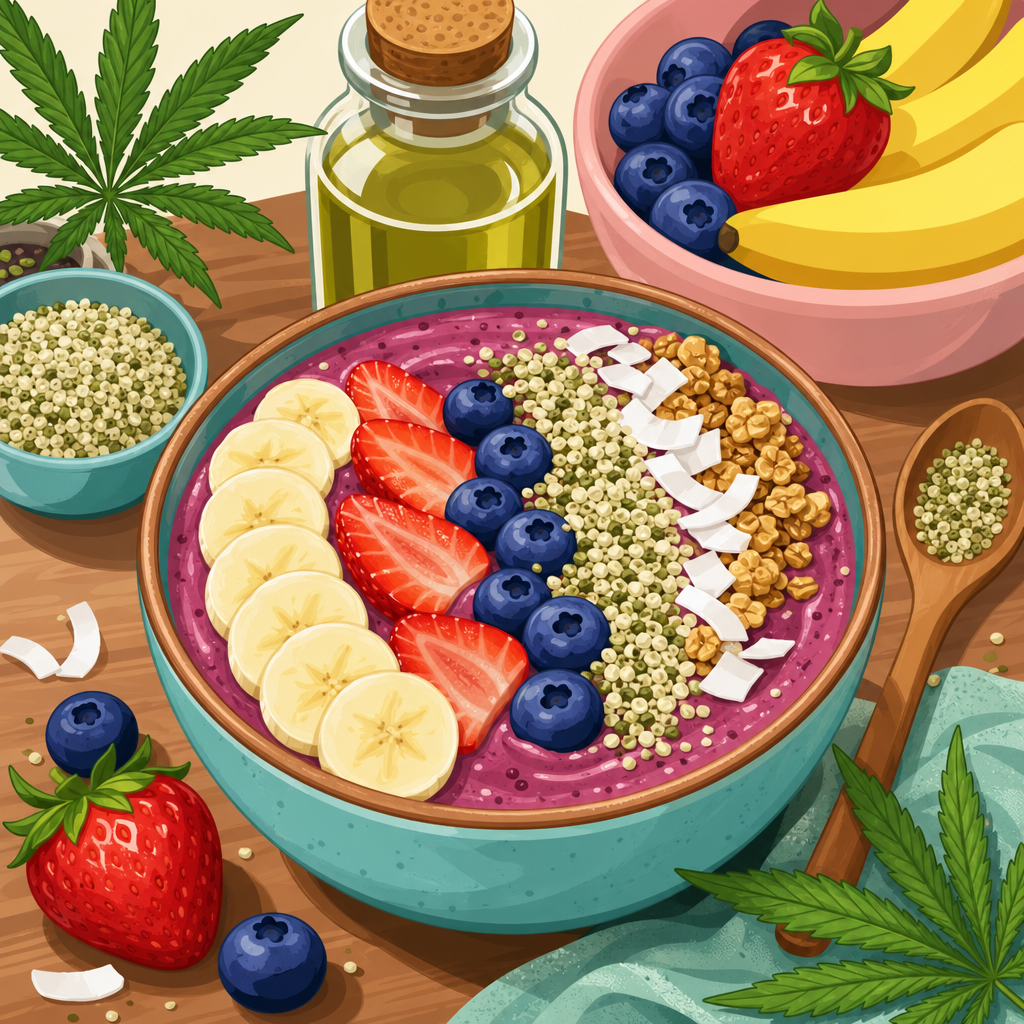
| Smoothies | Blend 1 to 2 teaspoons per serving | No heat | Banana, berries, greens, yogurt |
| Dips and sauces | Blend with tahini, yogurt, beans, or herbs | No heat | Hummus, green goddess, white bean dip |
| Baking | Replace a portion of oil in low to moderate heat recipes | Moderate | Muffins, crackers, savory loaves |
Nutrition, Safety, and Common Questions Consumers Ask
Hemp oil is valued primarily for its fat profile. Hemp seed oil contains essential fatty acids the body cannot make on its own, including linoleic acid and alpha-linolenic acid. It may also contain small amounts of gamma-linolenic acid, depending on processing and cultivar. These are meaningful nutritional attributes, but they do not make hemp oil a miracle ingredient. It is still calorie-dense like any oil, and its benefits depend on the context of your overall diet. The best way to think about it is as one useful component of a varied eating pattern rich in vegetables, legumes, whole grains, nuts, seeds, and other minimally processed foods.
One of the most frequent questions is whether hemp oil can make you feel “high.” Culinary hemp seed oil does not have intoxicating effects when produced from seeds and sold as food. Another common question is whether it is the same as CBD oil. It is not. CBD oils are extract products formulated differently and are not direct culinary substitutes. Consumers should also know that quality and legality depend on region, product category, and testing standards, so buying from established food brands matters. In the United States, food manufacturers generally rely on hemp ingredients that meet federal requirements for lawful hemp and apply standard food safety controls.
Storage is where many people make mistakes. Because hemp oil is delicate, oxygen, light, and heat shorten its shelf life. Once opened, keep it tightly sealed and refrigerated unless the manufacturer states otherwise. I advise using opened bottles within a reasonable period, often a few months, and checking smell and taste before each use. Rancid oil loses freshness and should be discarded. If you are sensitive to seeds or following a medically restricted diet, discuss hemp foods with a qualified clinician. People taking medications that affect blood clotting or fat absorption should be especially cautious about making major dietary changes without guidance.
Buying Better Hemp Oil and Building a Long-Term Routine
The best hemp oil habits start at purchase. Choose small bottles if you cook for one or two people, because freshness matters more than bulk savings. Dark glass, recent production dates, and clear “refrigerate after opening” guidance are strong signs the producer understands the product. Brands that share sourcing, extraction method, and third-party testing information deserve extra attention. Price alone is not a quality marker, but very cheap hemp oil often reflects older stock, weak packaging, or lower handling standards. If possible, buy from stores with good turnover in refrigerated or specialty oil sections.
Once you have a good bottle, create repeatable uses. Keep hemp oil next to vinegar and mustard so it becomes your default dressing base. Add it to your weekly meal prep plan alongside hemp hearts and hemp protein powder for a complete hemp pantry. For example, Monday oatmeal gets hemp hearts, Wednesday smoothies get hemp protein, and Friday grain bowls get hemp oil dressing. This turns “How do I incorporate hemp into my diet?” into a routine rather than a question. It also encourages variety, which is usually the healthiest and most sustainable way to use specialty ingredients.
Cooking with hemp oil is ultimately about precision, not intensity. Respect its limits, use it where it performs best, and it will add real value to your meals. Remember the essentials: buy fresh, store cold, avoid high heat, and pair its nutty taste with bright, simple foods. As the hub for this topic, this guide gives you the foundation for using hemp oil confidently while exploring other hemp foods in everyday eating. Start with one easy upgrade this week—a salad dressing, a soup drizzle, or a grain bowl finish—and build from there.
Frequently Asked Questions
1. What is hemp oil, and how is it different from CBD oil or other cooking oils?
Hemp oil, often labeled hemp seed oil, is made by pressing the seeds of the hemp plant. In the kitchen, it is valued for its mild, nutty, slightly grassy flavor and for its naturally occurring fatty acids. This is very different from CBD oil, which is typically extracted from the flowers, leaves, and stalks of hemp and used in much smaller amounts as a supplement rather than as a general culinary oil. If you are shopping for an ingredient to use in dressings, dips, sauces, or finishing applications, hemp seed oil is the product you want.
Compared with more common oils such as olive, avocado, or canola oil, hemp oil stands out because of both its flavor and its nutritional profile. It contains a balance of polyunsaturated fats, including omega-3 and omega-6 fatty acids, which many home cooks appreciate when trying to add more plant-based variety to their meals. At the same time, its composition makes it more delicate than high-heat oils. That means it is best treated less like a frying oil and more like a finishing ingredient that can elevate everyday foods with a distinctive taste and a fresh nutritional boost.
2. Can you cook with hemp oil, or should it only be used raw?
You can absolutely cook with hemp oil, but the key is understanding how to use it safely and effectively. Hemp oil is best suited to low-heat cooking or, even better, to no-heat applications. Because it is rich in delicate polyunsaturated fats, prolonged exposure to high temperatures can damage its flavor and reduce some of the qualities that make it appealing in the first place. In practical terms, this means hemp oil is usually not the best choice for deep-frying, searing, or roasting at high oven temperatures.
The smartest way to use hemp oil is as a finishing oil. Drizzle it over soups, grain bowls, roasted vegetables after they come out of the oven, pasta, hummus, or avocado toast. It also works beautifully in salad dressings, pestos, marinades, yogurt sauces, and smoothies. If you do want to apply heat, keep it gentle and brief. Think warm grains, lightly sautéed vegetables over low heat, or stirring it into cooked dishes just before serving. This approach lets you enjoy its flavor and versatility while helping preserve the oil’s quality.
3. What foods pair best with hemp oil?
Hemp oil pairs especially well with foods that complement its nutty, earthy flavor. It shines in simple dishes where its taste can come through clearly rather than getting buried under heavy seasoning. Salads are one of the easiest places to start. Toss hemp oil with lemon juice or vinegar, mustard, herbs, salt, and pepper for a balanced vinaigrette. It also blends well into grain salads made with quinoa, farro, brown rice, or bulgur, where its subtle richness adds depth without overpowering the other ingredients.
Beyond salads, hemp oil works very well with vegetables, legumes, and plant-based meals. Try it drizzled over roasted carrots, steamed broccoli, mashed sweet potatoes, lentil bowls, bean salads, or blended soups. It also complements creamy textures, so it can be stirred into dips like hummus or white bean spread, or mixed into tahini-based sauces. For breakfast and snacks, some people enjoy adding a small amount to oatmeal, smoothies, yogurt, or cottage cheese. Because it bridges savory and mildly sweet foods, hemp oil can be a practical way to incorporate hemp into your diet across multiple meals without making your cooking feel complicated or overly specialized.
4. How should hemp oil be stored to keep it fresh?
Proper storage matters a lot with hemp oil because it is more sensitive than many other pantry oils. Light, heat, and air can all cause it to lose freshness faster, which affects both flavor and overall quality. For best results, keep hemp oil tightly sealed in a dark bottle and store it in a cool place. Many brands recommend refrigeration after opening, and that is often the best option for extending shelf life, especially if your kitchen tends to be warm.
Always check the label for brand-specific storage instructions and expiration dates. When hemp oil is fresh, it should smell mild, pleasant, and nutty. If it develops a sharp, bitter, paint-like, or stale odor, it may have gone rancid and should be discarded. Buying smaller bottles can also be a smart move if you only use it occasionally, since that reduces the chance of keeping it open for too long. In general, treating hemp oil as a fresh finishing ingredient rather than a shelf-stable, all-purpose frying oil will help you get the best flavor and value from it.
5. What are the best beginner tips for adding hemp oil to everyday meals?
If you are new to hemp oil, start simple and use it where you already enjoy flavorful oils. One of the easiest beginner strategies is to substitute part of your usual dressing oil with hemp oil. For example, combine it with olive oil, lemon juice, Dijon mustard, and herbs for a balanced salad dressing that introduces the flavor without making it overwhelming. You can also drizzle a teaspoon or two over cooked vegetables, grain bowls, baked potatoes, pasta, or toast. These low-effort uses help you get comfortable with both the taste and the ideal serving style.
Another helpful tip is to think of hemp oil as a finishing touch rather than the foundation of every recipe. Add it after cooking, stir it into sauces just before serving, or blend it into dips and spreads. Pair it with ingredients that naturally complement its nutty profile, such as nuts, seeds, greens, beans, roasted vegetables, garlic, lemon, and fresh herbs. Finally, read labels carefully so you are buying culinary hemp seed oil, not a supplement oil intended for other uses. With that approach, hemp oil becomes an easy, versatile ingredient that supports plant-based cooking and makes it simpler to explore how to incorporate hemp into your diet in a practical, everyday way.