Baking with hemp adds nutrition, flavor, and versatility to everyday recipes, but good results depend on understanding how different hemp ingredients behave in the oven. In practical terms, baking with hemp means using hemp hearts, hemp protein powder, hemp flour blends, or hemp seed oil in breads, muffins, cookies, pancakes, bars, and pastries. Each ingredient contributes something different: hemp hearts add texture and mild nuttiness, hemp protein boosts protein and fiber, hemp flour changes structure because it contains no gluten, and hemp seed oil brings richness but has limits under high heat. For home bakers, this matters because hemp can improve nutritional value without making recipes complicated, provided substitutions are measured carefully. I have tested hemp in quick breads, energy bites, sandwich loaves, and breakfast bakes, and the pattern is consistent: small formulation changes produce noticeably better texture, rise, and taste. This hub explains the essential baking with hemp tips and tricks, including ingredient selection, substitutions, moisture control, flavor balancing, and storage, so you can bake confidently and avoid common mistakes.
Know Your Hemp Baking Ingredients
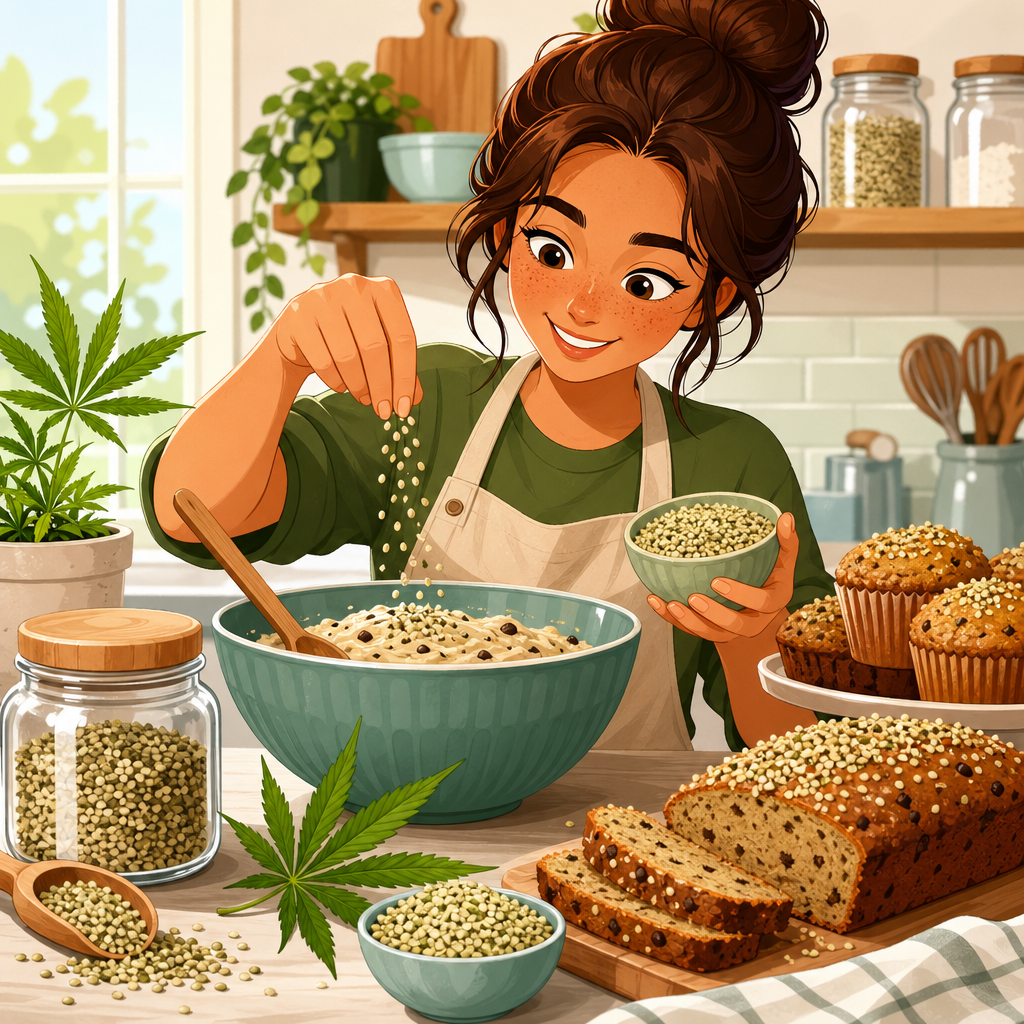
The first rule of successful hemp food preparation is choosing the right form for the job. Hemp hearts, also called shelled hemp seeds, are soft seeds with a tender bite and a mild, slightly buttery flavor. They work best as mix-ins or toppings because they do not disrupt structure the way coarse seeds sometimes do. I use them in muffins, banana bread, granola bars, and cookie dough where they add pleasant texture and visible appeal. They also blend into batters more cleanly than chopped nuts, making them useful when you want added nutrition without a heavy crunch.
Hemp protein powder is more functional than many people expect. Depending on the brand, it usually contains significant protein and fiber, and those traits affect water absorption. In baking tests, replacing too much flour with hemp protein produces dense, dry results, especially in cakes and cookies. A better approach is partial substitution. Most recipes perform well when hemp protein replaces about 10 to 20 percent of the flour by weight. That range typically adds a noticeable nutritional bump while preserving tenderness. Darker, earthier hemp protein works especially well in chocolate muffins, spice breads, peanut butter cookies, and oatmeal bars.
Hemp flour is less standardized than wheat flour, so label reading matters. Some products are finely milled defatted hemp meal, while others are broader blends. Because hemp contains no gluten-forming proteins, it cannot build the elastic network that gives conventional bread dough strength. For that reason, I treat hemp flour as an enrichment flour rather than a complete replacement in most baked goods. In quick breads, pancakes, waffles, brownies, and rustic crackers, replacing 15 to 25 percent of the wheat flour usually works well. In yeast breads, lower percentages generally preserve better volume.
Hemp seed oil is another useful ingredient, but it should be chosen carefully for baking. Unrefined hemp seed oil has a green hue and distinct nutty aroma because it retains natural flavor compounds. That taste is attractive in no-bake applications, dressings, dips, and lower-temperature bakes, but prolonged high heat can mute its best qualities. If a recipe bakes at moderate temperatures and relies on oil for tenderness, hemp seed oil can replace part of the neutral oil. I usually start with a 25 to 50 percent substitution, then adjust based on flavor intensity and the recipe’s target texture.
How to Substitute Hemp Without Ruining Texture
The most common question in hemp baking is simple: how much can you substitute before quality drops? The dependable answer is less than many people assume. Hemp ingredients are powerful, so modest percentages outperform aggressive swaps. In muffins, loaf cakes, and pancakes, begin by replacing 15 percent of the flour with hemp flour or 10 percent with hemp protein powder. In cookies, where spread and tenderness are sensitive, start even lower if the dough is already dry. In brownies and bars, hemp is more forgiving because dense textures are acceptable and strong flavors can carry the earthy notes.
Hydration is the key variable. Hemp protein and hemp flour absorb moisture differently than all-purpose flour, so batter thickness changes quickly. If a batter becomes noticeably stiffer after adding hemp, increase liquid gradually. Milk, buttermilk, yogurt, applesauce, mashed banana, or egg can restore balance depending on the recipe. When I reformulate a standard muffin recipe, I usually add one to two extra tablespoons of liquid per cup of flour if hemp protein is involved. That small adjustment often prevents the crumb from turning tight or chalky after baking.
Structure matters just as much as moisture. Since hemp does not provide gluten, recipes that depend on strong dough development need support. For yeast breads, keep hemp flour relatively low and rely on bread flour for the backbone. For gluten-free hemp baking, combine hemp with structured starches and binders such as tapioca starch, potato starch, psyllium husk, xanthan gum, or eggs. These ingredients create cohesion that hemp alone cannot provide. If your loaf crumbles when sliced, the issue is usually formulation, not baking time.
| Hemp ingredient | Best use | Typical substitution range | Main adjustment needed |
|---|---|---|---|
| Hemp hearts | Muffins, cookies, toppings, bars | 2 to 6 tablespoons per batch | Usually none; reduce nuts or seeds if needed |
| Hemp protein powder | Bars, pancakes, muffins, brownies | 10% to 20% of flour weight | Add extra liquid to offset absorption |
| Hemp flour | Quick breads, waffles, crackers, cookies | 15% to 25% of flour weight | Protect structure; avoid full replacement |
| Hemp seed oil | Loaf cakes, muffins, low-heat bakes | 25% to 50% of oil amount | Watch flavor strength and baking temperature |
Sweetness and fat also affect outcomes. Hemp’s earthy profile becomes more noticeable in low-sugar, low-fat recipes, which is why it often tastes better in bakes that include cocoa, maple, brown sugar, cinnamon, or nut butter. If you want subtle hemp flavor, pair it with vanilla, honey, oats, and fruit. If you want to highlight hemp intentionally, use toasted hemp hearts on top of a multigrain loaf or lemon-hemp muffins where the seed flavor reads fresh rather than heavy.
Best Recipes for Baking with Hemp
Not every recipe is equally suited to hemp ingredients. The easiest wins come from forgiving formats that do not rely on a delicate crumb. Quick breads are ideal because they tolerate variation in flour composition and moisture. Banana bread, zucchini bread, pumpkin bread, and carrot muffins all handle hemp flour or hemp hearts particularly well. Their natural moisture and assertive flavor cover minor formulation changes, and the result usually tastes intentional rather than experimental. If someone is trying hemp baking for the first time, I recommend starting there.
Bars and brownies are another strong category. Dense batters can absorb hemp protein without becoming unpleasantly heavy, especially when chocolate, dates, nut butter, or oats are present. I have had consistent success replacing a portion of flour with hemp protein in cocoa brownies and baked oat bars because those recipes do not need much lift. They also store well, which makes them practical for meal prep, snacks, and school lunches. Hemp hearts folded into blondies or cereal bars add visual texture without requiring major formula changes.
Pancakes and waffles are excellent vehicles for hemp because slight density is usually acceptable and the batter is easy to tune. If the first batch feels thick, add a little more milk. If flavor seems too earthy, increase vanilla or cinnamon. That kind of adjustment is much easier than rescuing a failed cake. Crackers, savory scones, and seeded biscuits are also strong options because hemp’s natural nuttiness complements cheese, herbs, garlic, and whole grains.
Recipes that demand caution include angel food cake, genoise, laminated pastries, and very light sandwich bread. These rely on precise structure, foam stability, or steam layering, and hemp can interfere with those mechanisms. That does not make hemp unsuitable for advanced baking; it simply means expectations should align with ingredient behavior. Use hemp where it contributes value, not where it fights the architecture of the bake.
Flavor Pairing, Temperature, and Mixing Techniques
Hemp has a mild but recognizable flavor, often described as nutty, grassy, or earthy depending on the ingredient and freshness. Successful pairing makes that flavor taste integrated rather than distracting. The best sweet partners are chocolate, cocoa, coffee, banana, pumpkin, date, maple, cinnamon, ginger, molasses, and toasted nuts. In savory baking, hemp pairs well with rosemary, thyme, black pepper, cheddar, parmesan, sesame, and whole grain flours. Citrus can work too, especially lemon, because acidity brightens hemp’s deeper notes.
Temperature matters with hemp seed oil. While it can be used in baked goods, it is not the best choice for very high-heat applications where a neutral refined oil would be more stable. For most home baking, moderate oven temperatures are acceptable, but unrefined hemp seed oil shows its strengths more clearly in lower-heat cakes, soft muffins, snack bars, and glazes. If you want the nutritional profile and flavor but not full exposure to oven heat, brush a small amount onto warm bread after baking or whisk it into a finishing drizzle.
Mixing technique deserves attention because overmixing can exaggerate density when hemp ingredients are present. In muffin and quick bread batters, combine wet and dry components only until no dry streaks remain. Resting the batter for five to ten minutes can improve hydration, especially when using hemp protein, oat flour, or whole grain flour together. That short rest allows fibers to absorb moisture more evenly, reducing the risk of a gritty crumb. In cookies, chill dough if it seems loose after adding oil or extra liquid; this helps control spread and improves texture.
Toasting is an underused trick. A brief toast of hemp hearts in a dry skillet or low oven deepens their nutty flavor and improves aroma. I use toasted hemp hearts as a topping for muffins, yogurt loaves, and breakfast cookies because they stay more distinct than raw seeds mixed deep into batter. Just avoid overbrowning, which can create bitterness.
Nutrition, Storage, and Common Mistakes
One reason consumers seek hemp food preparation advice is nutrition. Hemp ingredients can contribute plant protein, fiber, and beneficial fats, particularly polyunsaturated fatty acids. Hemp hearts are especially useful because they add protein and fat with a relatively soft texture, while hemp protein powder concentrates protein and fiber more heavily. Nutritional values vary by brand and processing method, so package labels matter. For people trying to increase protein in baked snacks without using dairy-based powders, hemp is a practical option, though it usually delivers a stronger flavor than whey or pea isolates.
Storage is critical because hemp products are more perishable than many bakers realize. Their fat content makes them vulnerable to oxidation, which causes stale, paint-like, or bitter flavors. Keep hemp hearts, hemp flour, and hemp seed oil in sealed containers away from heat and light. Refrigeration is a good default after opening, and freezing is useful for bulk purchases. I recommend smelling hemp before baking with it; if the aroma seems harsh or rancid, the final product will not improve in the oven. Fresh hemp should smell mild and pleasantly nutty.
Several mistakes appear repeatedly. First, substituting too much hemp at once leads to dense, dry, or crumbly bakes. Second, ignoring extra liquid needs creates chalky texture. Third, using old hemp ingredients produces off flavors that no amount of sugar or spice can hide. Fourth, assuming hemp flour behaves like almond flour or wheat flour causes formula errors because its protein, fiber, and fat profile is different. Fifth, choosing recipes that are too delicate sets up frustration. When bakers start with forgiving recipes and measured substitutions, hemp usually performs well.
For a consumer education hub, the practical takeaway is straightforward: match the hemp ingredient to the recipe, substitute conservatively, adjust moisture, and store products carefully. Those four habits solve most problems before they start.
Baking with hemp works best when you treat it as a functional ingredient, not a one-for-one replacement for everything already in your pantry. Hemp hearts add easy texture and nutrition. Hemp protein powder boosts protein but needs extra hydration. Hemp flour can enrich quick breads and pancakes, yet it should usually remain a partial flour replacement because it lacks gluten. Hemp seed oil brings flavor and tenderness, though moderate heat and thoughtful pairing produce the best results. Across all forms, freshness matters, recipe choice matters, and restraint matters.
If you remember only a few hemp baking tips and tricks, keep these: start with muffins, bars, pancakes, or banana bread; substitute modestly; add liquid when using hemp protein or hemp flour; and pair hemp with flavors such as chocolate, maple, banana, cinnamon, or seeds. Those principles make hemp food preparation easier, more consistent, and more enjoyable for home bakers. They also help you capture the nutritional benefits of hemp without sacrificing texture or taste.
Use this hub as your starting point for hemp food preparation and cooking tips, then apply these methods to the specific recipes you bake most often. With a measured approach and a few test batches, baking with hemp becomes practical, reliable, and worth repeating.
Frequently Asked Questions
What types of hemp ingredients can I use in baking, and how does each one affect the final result?
Several hemp-based ingredients work well in baking, but they are not interchangeable, so it helps to know what each one contributes. Hemp hearts, also called shelled hemp seeds, are one of the easiest options to use. They add a mild, nutty flavor and a soft, slightly chewy texture. They work especially well in muffins, quick breads, pancakes, granola bars, cookies, and as a topping for breads or pastries. Because they do not contain the fibrous hull, they blend in smoothly without making baked goods gritty.
Hemp protein powder behaves very differently. It is more absorbent than flour and adds protein, fiber, and a denser texture. In baking, it is usually best used as a partial addition rather than a full replacement for flour. It can make muffins, pancakes, snack bars, and protein bites more filling, but too much may cause baked goods to become dry, heavy, or crumbly. Hemp flour blends, which may be sold as hemp flour or mixed with other flours, have a more earthy taste and lower gluten-forming ability than wheat flour. That means they can change structure significantly, especially in breads and cakes. They are often most successful when replacing only part of the flour in a recipe.
Hemp seed oil contributes moisture and healthy fats, but it does not behave like dry hemp ingredients. It can be used in some baked goods in place of part of the oil or melted butter, especially in muffins, cakes, bars, and quick breads. Its flavor is distinct but generally pleasant when paired with ingredients like banana, oats, cocoa, cinnamon, nuts, or maple. The key point is that every hemp ingredient affects texture, moisture, and flavor differently. Once you match the right hemp ingredient to the right style of recipe, baking with hemp becomes much more predictable and much more rewarding.
How much hemp flour or hemp protein powder should I substitute for regular flour in a recipe?
A moderate substitution usually gives the best results. With hemp flour, a good starting point is replacing about 10 to 25 percent of the wheat flour in a recipe. This allows you to add hemp’s nutritional value and earthy, nutty flavor without sacrificing too much structure. In recipes that rely heavily on gluten for rise and elasticity, such as sandwich bread, dinner rolls, or some pastries, staying on the lower end of that range is usually smarter. In heartier items like muffins, pancakes, waffles, crackers, and cookies, you can often go slightly higher because those recipes are more forgiving.
Hemp protein powder should generally be used even more conservatively because it is highly absorbent and can quickly make batter thick or dough dry. A practical guideline is to replace around 10 to 15 percent of the flour, then adjust the liquid if needed. If you want to increase the protein content more aggressively, it is better to test recipes gradually rather than make a large one-time substitution. Watch the batter consistency closely. If it becomes stiff, dry, or unusually dense, add a little more milk, water, yogurt, applesauce, or another liquid ingredient depending on the recipe.
It is also important to think beyond simple flour replacement. Hemp flour and hemp protein powder do not provide the same binding or lift as all-purpose flour. If a recipe already tends to be delicate, such as a soft cake or tender pastry, too much hemp can make it compact. In those cases, combining hemp with a stable base flour like all-purpose, whole wheat pastry, oat flour, or a reliable gluten-free blend usually gives better texture. The most effective approach is to start small, take notes, and refine the ratio based on the type of baked good you are making.
Why do baked goods sometimes turn dry, dense, or crumbly when I bake with hemp?
This usually happens because hemp ingredients absorb moisture differently and do not build structure the same way traditional flour does. Hemp protein powder is especially known for pulling in liquid, which can leave muffins, pancakes, and snack bars dry if the recipe is not adjusted. Hemp flour can also weaken structure because it contains less gluten-forming protein than wheat flour. When too much is used, the result can be a heavier crumb, reduced rise, and a texture that falls apart more easily.
To prevent dryness, start by using a modest amount of hemp and increasing moisture where appropriate. Ingredients like mashed banana, applesauce, yogurt, sour cream, pumpkin puree, extra egg, or a small increase in milk can help balance absorbency. Fats also matter. If you reduce butter or oil too much while adding hemp protein or hemp flour, the baked good may become tough or chalky. In some recipes, slightly shortening the bake time can also help, since overbaking compounds the drying effect. Check for doneness early and use visual cues rather than relying only on the clock.
Crumbliness often points to a structure issue rather than just a moisture problem. If you are baking with hemp in cookies, bars, or gluten-free recipes, a binder can help. Eggs, flax eggs, chia gel, nut butter, or a bit of starch can improve cohesion. In yeast baking, keeping most of the flour as bread or all-purpose flour supports better rise and elasticity. In short, dry or dense hemp baking is usually not a sign that hemp is a poor ingredient. It simply means the formula needs balancing. When moisture, fat, and structure are adjusted thoughtfully, hemp can produce baked goods that are flavorful, tender, and satisfying.
What kinds of recipes work best for beginners who want to start baking with hemp?
The best beginner recipes are the ones that are naturally flexible and do not depend on a precise, delicate structure. Muffins, banana bread, pancakes, waffles, oatmeal cookies, blender muffins, breakfast bars, and quick breads are excellent starting points. These recipes tend to tolerate ingredient swaps well, and the nutty flavor of hemp fits naturally with familiar ingredients like oats, cinnamon, maple syrup, cocoa, nuts, dried fruit, and mashed banana. Adding a few tablespoons of hemp hearts to batter or folding them into cookie dough is one of the easiest low-risk ways to begin.
Pancakes and muffins are especially useful for experimentation because you can quickly see how hemp affects moisture, rise, and texture. For example, adding hemp hearts usually boosts texture without dramatically changing the structure, while a small amount of hemp protein powder increases nutrition but may require a splash more milk. Quick breads are another strong option because they often include moisture-rich ingredients and are forgiving enough to handle partial flour substitutions. Energy bars and baked oat squares are also beginner-friendly because density is less of a problem in recipes that are meant to be hearty.
Recipes that are less ideal for first attempts include very light cakes, flaky pastries, and high-rise yeast breads, since these rely more heavily on specific flour behavior. Those recipes can absolutely be made with hemp, but they require more careful balancing. If you are new to hemp baking, start with recipes where a wholesome, slightly rustic texture is welcome. Once you understand how hemp affects moisture, binding, and flavor, you can branch out into more technical baked goods with much better results.
Does hemp change the flavor of baked goods, and how can I make that flavor work well in recipes?
Yes, hemp does change flavor, but usually in a pleasant way when used thoughtfully. Hemp hearts have the mildest taste, often described as soft, nutty, and slightly buttery. They blend easily into both sweet and savory baking without overpowering other ingredients. Hemp flour and hemp protein powder have a stronger, earthier flavor. In small amounts, that depth can make baked goods taste hearty and complex. In larger amounts, especially in delicate vanilla-based recipes, the flavor may become too pronounced or slightly grassy for some tastes.
The easiest way to make hemp flavor work is to pair it with ingredients that naturally complement nuttiness and earthiness. Excellent matches include banana, oats, cinnamon, nutmeg, pumpkin, cocoa, dark chocolate, peanut butter, almond butter, walnuts, pecans, maple syrup, honey, dates, and berries. Savory applications can also be very successful, especially in seeded breads, crackers, herb scones, or rustic rolls. In those recipes, hemp’s flavor often feels intentional rather than unusual.
If you want a milder introduction, begin with hemp hearts or use smaller amounts of hemp flour or protein in recipes that already have bold flavors. Toasted nuts, spices, and chocolate can help round out any earthy notes. You can also combine hemp with more neutral flours instead of using it heavily on its own. Overall, hemp does not need to be hidden. It usually performs best when treated as a flavorful ingredient with its own character. When you build recipes around that mild nuttiness rather than fighting it, the final baked goods tend to taste balanced, wholesome, and appealing.