Hemp food is often described as a safe, simple option for people avoiding common allergens, but the honest answer is more nuanced: hemp is not classified among the major food allergens in many regulations, yet it cannot be called universally allergen-free. When I explain this to shoppers, formulators, and parents comparing pantry staples, I start by defining the terms. An allergen is a substance that triggers an immune response, sometimes causing hives, swelling, vomiting, wheezing, or anaphylaxis. An intolerance is different; it may cause digestive discomfort without involving the immune system. Hemp food refers to edible products made from Cannabis sativa varieties bred for low tetrahydrocannabinol content, including hemp seeds, hemp hearts, hemp protein powder, hemp seed oil, and foods made with those ingredients.
This topic matters because hemp foods now appear in smoothies, granola, dairy alternatives, baked goods, nutrition bars, and plant-based protein blends. Consumers often encounter labels such as dairy-free, soy-free, nut-free, or gluten-free and assume those claims automatically mean allergy-safe. In practice, allergy safety depends on the specific ingredient, the manufacturing environment, and the person eating it. I have reviewed hemp product labels with clients who were relieved to find an option free from peanuts or soy, only to discover a shared facility warning or a misunderstanding about seed allergies. Clear education helps people make safer decisions, especially households managing multiple food allergies, schools setting snack policies, and brands deciding how to position hemp in the market.
As a sub-pillar hub for common misconceptions about hemp food, this article addresses the central question directly and then connects it to the broader issues consumers ask about most: whether hemp counts as a tree nut, whether hemp causes reactions like cannabis, whether hemp is gluten-free, whether children can eat it, and how labeling should be interpreted. The key takeaway from the start is straightforward. Hemp foods are often compatible with allergen-conscious diets, but no food should be marketed or treated as risk-free for every individual. Understanding that distinction is the foundation for smarter shopping, clearer labeling, and better conversations with healthcare professionals.
Is hemp food allergen-free? The direct answer
No food ingredient should be considered absolutely allergen-free, and hemp food is no exception. Hemp seeds are not one of the nine major allergens that must be declared under United States law, which currently covers milk, egg, fish, crustacean shellfish, tree nuts, peanuts, wheat, soy, and sesame. In the European Union and United Kingdom, mandatory allergen labeling lists cereals containing gluten, crustaceans, eggs, fish, peanuts, soybeans, milk, nuts, celery, mustard, sesame, sulphur dioxide and sulphites, lupin, and molluscs; hemp is not on that list either. That regulatory status explains why many hemp foods are marketed as alternatives for people avoiding more common allergens.
However, not being a major regulated allergen is not the same as being incapable of causing allergy. Published case reports and clinical discussions show that sensitization to cannabis and hemp can occur, though it is far less common than allergy to peanuts, milk, or eggs. Reactions may involve inhalation exposure, skin contact, or ingestion. In food settings, the relevant point is simple: a person can be allergic to hemp seed or react to cross-contamination, even if the product itself is free from the major allergens listed on the package.
When consumers ask me for a practical rule, I offer this: hemp food may be a useful option for many people with common food allergies, but it should be evaluated like any other ingredient. Read the ingredient list, read any precautionary allergen statement, check the manufacturer’s cleaning and segregation practices if the allergy is severe, and introduce new foods cautiously when there is a history of seed allergy or unexplained prior reactions.
Common misconceptions about hemp food and allergies
The biggest misconception is that hemp is a tree nut. It is not. Hemp seed is a seed from Cannabis sativa, not a nut from a tree. That matters because some consumers avoiding tree nuts assume hemp must also be avoided, while others assume a nut-free claim automatically guarantees safety. Neither assumption is reliable. Many people with tree nut allergy tolerate seeds, but some have multiple allergies, and manufacturing cross-contact can still create risk.
Another common misconception is that hemp food causes the same effects as intoxicating cannabis. Edible hemp ingredients used in food are typically made from hulled seeds or seed oil and do not produce a psychoactive high. Food-grade hemp seed itself contains protein, fiber, and fat, not meaningful levels of tetrahydrocannabinol when processed correctly. Confusing intoxication risk with allergy risk leads consumers away from the real issue, which is immune response or cross-contact, not psychoactivity.
A third misconception is that gluten-free equals allergy-free. Hemp seed is naturally gluten-free, but a hemp granola made with oats processed in a shared wheat facility is a different matter. I have seen buyers focus only on front-of-pack claims and miss a “may contain wheat” or “processed on shared equipment with peanuts” statement on the back. That is why ingredient review and facility review matter more than marketing language.
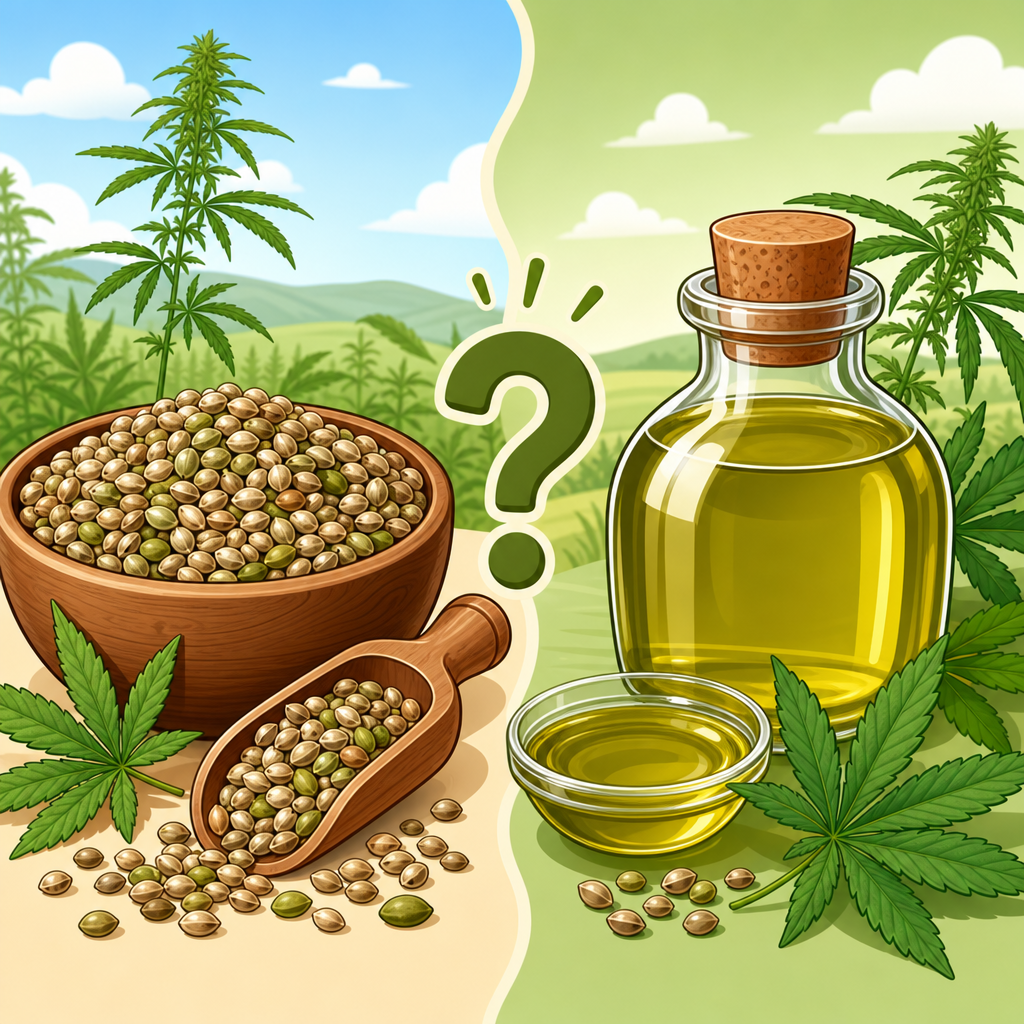
People also assume all seeds behave the same immunologically. In reality, sesame, sunflower, mustard, flax, chia, pumpkin, and hemp have different allergenic profiles and different prevalence rates in different populations. A history of one seed allergy does not prove a person will react to hemp, but it does justify caution. Finally, many people think a cold-pressed oil is automatically safer than the whole seed. Some oils contain less protein, yet unrefined oils can retain enough residual protein to trigger reactions in sensitive individuals. The degree of refining matters.
What the evidence says about hemp allergy
Hemp allergy is uncommon, but it is documented. Clinical literature has described allergic reactions associated with Cannabis sativa exposure, including occupational inhalation, environmental contact, and ingestion of hemp seed. Reported symptoms range from oral allergy symptoms and urticaria to more severe systemic reactions. Researchers have identified several cannabis-related proteins that may act as allergens, including nonspecific lipid transfer proteins and storage proteins. These protein families matter because they help explain why some individuals react across different plant foods.
In practice, confirmed food allergy to hemp remains relatively rare compared with major allergens, partly because consumption has historically been lower and partly because testing is less standardized. Standardized commercial tests for hemp seed allergy are not as widely available or validated as tests for peanut or milk. Allergists may rely on clinical history, skin testing using available extracts or fresh material, specific immunoglobulin E testing where available, and supervised oral food challenges when appropriate. That lack of standardization is one reason broad claims such as “hemp is hypoallergenic” are not responsible.
The prevalence question comes up often. There is no strong evidence that hemp is a leading food allergen in the general population. That supports its usefulness in allergen-conscious product development. But prevalence alone does not determine safety for an individual. Rare allergies still matter deeply to the person affected, and rare allergens can be overlooked in emergency planning, school forms, and restaurant communication. The balanced conclusion is that hemp allergy exists, is uncommon, and deserves the same seriousness any suspected food allergy deserves.
Cross-reactivity, seed allergies, and who should be cautious
Cross-reactivity occurs when the immune system mistakes similar proteins in different substances as the same threat. With hemp, this issue is most often discussed in relation to cannabis exposure and to other plant-derived foods. Lipid transfer proteins are a useful example. These proteins are stable and can survive processing, which means they can be clinically relevant in foods. Individuals sensitized to lipid transfer proteins may react to multiple unrelated plant foods, depending on their immune profile.
That does not mean every person with a seed allergy must avoid hemp. In my experience, the groups who should be most cautious are people with a prior unexplained reaction to hemp, people with known multiple seed allergies, individuals with cannabis sensitization, and anyone who has had anaphylaxis to plant foods with cross-reactive proteins. For them, introducing hemp protein powder or hemp hearts without medical guidance is not wise. A board-certified allergist can assess history and determine whether testing or supervised introduction is appropriate.
| Question | Practical answer | Why it matters |
|---|---|---|
| Is hemp a tree nut? | No, hemp is a seed. | Tree nut avoidance does not automatically require hemp avoidance. |
| Is hemp one of the major regulated allergens? | No in the US, EU, and UK. | It may not appear in allergen callouts unless added voluntarily. |
| Can hemp still cause allergy? | Yes, though uncommon. | Rare allergens still require caution for sensitive individuals. |
| Is hemp protein safer than hemp seed? | Not necessarily. | Protein-rich forms may contain the proteins that trigger reactions. |
| Is hemp oil always safe for allergic people? | No. | Unrefined oils may retain residual proteins. |
Children with complex allergy histories deserve special mention. Parents often seek new proteins when schools restrict nuts or when dairy and soy are off the table. Hemp can be nutritionally useful, but pediatric introduction should still be individualized. If there is eczema, existing food allergy, or prior reactions to seeds, discuss the plan with the child’s clinician rather than assuming a seed-based food is automatically low risk.
How to read hemp food labels correctly
Ingredient lists tell you what is intentionally in the product; precautionary allergen statements suggest where accidental cross-contact may occur. Both matter. A hemp seed snack might contain only hemp hearts, dates, and cocoa, but if it is processed on shared equipment with peanuts or sesame, that exposure can be relevant for highly sensitive consumers. Precautionary statements are not standardized to the same degree as mandatory allergen labeling, so “may contain,” “shared equipment,” and “shared facility” do not quantify risk precisely. They signal the need for further judgment.
When I evaluate a hemp product for someone with serious allergies, I look beyond the front label. First, I verify the full ingredient panel, including flavorings, protein blends, and emulsifiers. Second, I check whether the manufacturer publishes allergen controls such as validated sanitation, dedicated lines, supplier verification, and finished product testing. Third, I compare product forms. A plain bag of hemp hearts from a seed-focused facility may present a different risk profile than a flavored protein blend packed on equipment that also handles milk, soy, and peanut ingredients.
Certifications can help, but they are not substitutes for reading. Gluten-free certification addresses gluten, not sesame. Non-GMO certification does not address allergen cross-contact. Organic certification does not mean allergen-safe. For medically necessary avoidance, the best practice is to combine label reading with manufacturer communication and clinician guidance.
Nutritional benefits without overstating safety
One reason hemp food gets so much attention is that it solves several formulation problems at once. Hemp hearts provide protein, unsaturated fats, magnesium, iron, and a mild flavor that works in both savory and sweet foods. Hemp protein powder offers a plant-based alternative for consumers avoiding dairy or soy. Hemp seed oil contributes polyunsaturated fatty acids and can support simple ingredient lists in dressings and cold applications. These strengths are real, which is why I often see hemp used in products designed for elimination diets and allergen-aware households.
Still, nutritional usefulness should not be framed as medical proof of safety. A food can be nutrient-dense and still inappropriate for a specific allergic individual. The better message is that hemp broadens options. For a person who cannot eat dairy, soy, peanuts, or gluten-containing grains, hemp may offer another route to protein and healthy fats. For a manufacturer developing a bar without major allergens, hemp can be a strategic base ingredient. The benefit is flexibility, not immunity from allergic risk.
When to seek medical advice and how to introduce hemp safely
Seek medical advice if you have had prior reactions to seeds, cannabis, or unexplained plant-based protein products; if you have asthma plus possible food allergy; or if a child with multiple allergies is trying hemp for the first time. Symptoms that require urgent attention include throat tightness, breathing difficulty, repetitive vomiting, collapse, widespread hives with other symptoms, or swelling affecting the airway. Those are emergency signs, not watch-and-wait situations.
For low-risk individuals trying hemp food for the first time, a conservative approach makes sense. Choose a single-ingredient product with a short label, such as plain hemp hearts from a manufacturer with clear allergen controls. Try a small amount at home, not before travel, exercise, or bedtime. Avoid combining the first exposure with several new foods, because that makes any reaction harder to interpret. If there is any concerning symptom, stop and seek medical guidance.
For brands and retailers, the lesson is equally practical. Do not use “allergen-free” as a blanket claim for hemp foods. Use precise language such as “free from peanuts and dairy” only when substantiated by formulation and manufacturing controls. Precision protects consumers and protects the credibility of the category.
Hemp food occupies an important middle ground in consumer education. It is not a major regulated allergen in common labeling systems, and for many people it is a useful alternative to dairy, soy, nuts, or wheat-based ingredients. At the same time, hemp cannot honestly be called universally allergen-free. Allergic reactions to hemp are uncommon but documented, cross-reactivity is biologically plausible in some individuals, and cross-contact in shared facilities can create risk even when hemp itself is tolerated.
The most helpful way to think about hemp is not as a miracle ingredient, but as a promising option that still requires the same disciplined evaluation as any other food. Read the ingredient list completely. Review precautionary statements carefully. Consider the product form, because seeds, proteins, and oils do not present identical risk. If there is a history of seed allergy, cannabis sensitization, or severe unexplained reactions, involve an allergist before making assumptions. If you manufacture or sell hemp foods, make specific claims, document your controls, and avoid vague safety language.
That balanced view clears up the most common misconceptions about hemp food. Hemp is a seed, not a tree nut. It is naturally gluten-free, but that does not guarantee freedom from contamination. It does not intoxicate when sold as standard food ingredients, but that fact is separate from allergy risk. Most importantly, it can fit well into many allergen-conscious diets without being the right choice for everyone. Use this article as your starting point, then review related consumer education resources, compare labels carefully, and choose hemp foods with the same informed caution you would apply to any food eaten for health and safety.
Frequently Asked Questions
Is hemp food considered allergen-free?
Not completely. Hemp food is often marketed as a simple option for people avoiding common allergens, and in many cases that is fair because hemp is not typically listed among the major priority allergens in many food-labeling regulations. However, that does not mean hemp is universally allergen-free. Any food protein has the potential to trigger an immune response in a sensitive person, and there have been reports of hemp-related allergic reactions. The important distinction is that hemp is generally considered low risk compared with major allergens such as milk, eggs, peanuts, tree nuts, soy, wheat, fish, and shellfish, but low risk is not the same as no risk. For consumers, parents, and product developers, the most accurate message is that hemp may be suitable for many people avoiding common allergens, but it should not be described as guaranteed safe for every individual.
Can someone be allergic to hemp seeds, hemp protein, or other hemp foods?
Yes, it is possible. An allergy happens when the immune system mistakenly identifies a food protein as harmful and reacts against it. In a person with a true hemp allergy, symptoms could range from mild issues such as itching, hives, or stomach discomfort to more serious reactions including swelling, vomiting, wheezing, or, in rare cases, anaphylaxis. Hemp seeds, hemp protein powder, hemp seed oil with residual protein, and foods made with hemp ingredients all have the potential to cause reactions in sensitive individuals. The degree of risk may depend on the type of product and how much protein it contains, since proteins are usually the trigger in food allergies. This is why it is wise not to assume that a food is automatically safe just because it is not one of the major regulated allergens. If someone notices symptoms after eating hemp food, they should stop using it and seek guidance from a qualified medical professional or allergist.
Why do people say hemp is safe for those avoiding common allergens?
People often say this because hemp is frequently used as an alternative ingredient in products designed to avoid the most common food allergens. For example, hemp seeds and hemp protein may appear in dairy-free, soy-free, nut-free, or gluten-free products, making them attractive to shoppers with dietary restrictions. From a formulation standpoint, hemp can be useful because it offers protein, healthy fats, and a relatively simple ingredient profile. From a regulatory standpoint, it also does not usually fall into the major allergen categories that require special labeling in many markets. That said, this reputation can sometimes oversimplify the issue. “Free from major allergens” is not the same as “free from all allergic potential.” A person could still react specifically to hemp itself, and cross-contact during manufacturing is another separate concern. So while hemp can be a practical option for many people avoiding common allergens, it should still be evaluated carefully on a case-by-case basis.
How can you tell whether a hemp food product is safe for someone with food allergies?
The best approach is to read labels carefully and think beyond the hemp ingredient alone. First, check the ingredient list and allergen statement for the major allergens you are trying to avoid. Then look for precautionary language such as “may contain” or “processed in a facility with” statements, which can indicate cross-contact risk. This matters because a hemp food may be naturally free from a specific allergen but still be exposed to that allergen during harvesting, processing, packing, or transport. It is also helpful to understand the product type. For example, refined oils may contain less protein than seed or protein powder products, while minimally processed hemp foods may retain more of the proteins that could trigger reactions. If the person has a history of severe food allergies, contacting the manufacturer for more detail about sourcing, cleaning protocols, and allergen controls is a sensible extra step. When there is any uncertainty, especially for a child or someone at risk for serious reactions, it is best to consult an allergist before introducing the product.
What should someone do before trying hemp food for the first time if they have allergy concerns?
Start cautiously and make the decision based on personal risk, not broad marketing claims. If there is a known history of multiple food allergies, unexplained reactions to seeds, or severe allergic responses in general, it is smart to speak with an allergist before trying hemp food. A clinician may recommend an individualized plan, which could include reviewing ingredient labels, discussing symptom history, or in some cases considering supervised introduction. For someone without a known hemp allergy but with general sensitivity concerns, introducing a small amount of a simple hemp product at home may be reasonable, provided there is no history of anaphylaxis and no medical advice against it. It also helps to try only one new food at a time so any reaction is easier to identify. Most importantly, people should know the warning signs of an allergic reaction, including hives, swelling, vomiting, coughing, wheezing, or trouble breathing, and seek immediate medical attention if severe symptoms occur. The key message is balance: hemp food can be a useful option for many people, but caution and clear labeling matter more than calling any food completely allergen-free.