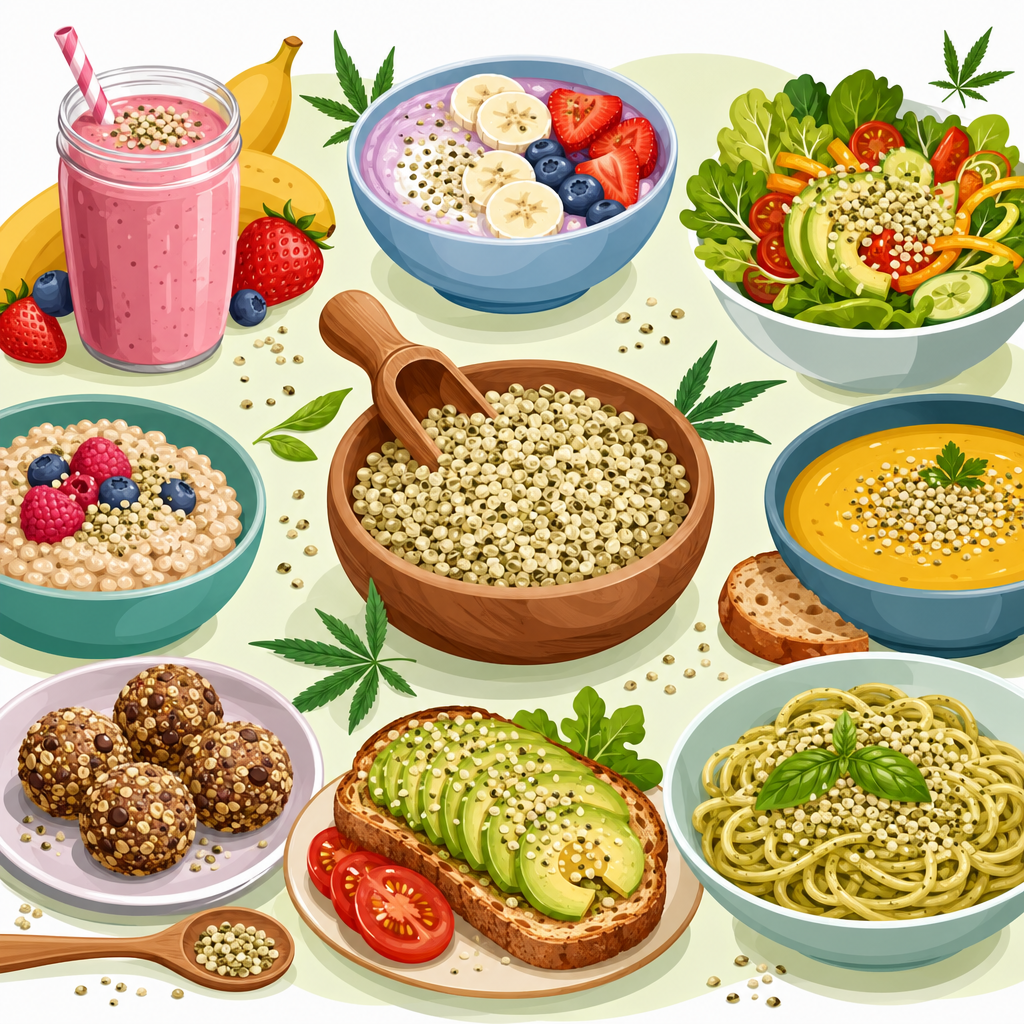
Hemp seeds are one of the simplest foods you can use to make everyday meals more nutritious without changing how you cook. If you are learning how to incorporate hemp into your diet, start with the basics: hemp seeds are the small, soft edible seeds of the hemp plant, often sold as hulled hemp hearts or as whole seeds. They have a mild, nutty flavor, a tender texture, and a nutrition profile that makes them practical for breakfast, lunch, dinner, snacks, and even desserts. In my experience working with hemp foods in home kitchens and product education, the biggest barrier is not taste or cost. It is uncertainty. People often ask whether hemp seeds can be eaten raw, whether they contain THC, how much to use, and which meals they fit into naturally.
The answers are straightforward. Hulled hemp seeds can be eaten raw, stirred into hot or cold dishes, blended into sauces, or baked into recipes. They contain only trace amounts of cannabinoids when sourced and processed as food, so they are used like any other seed ingredient. Nutritionally, hemp seeds are valued for plant protein, unsaturated fats, and minerals including magnesium and iron. A three tablespoon serving commonly provides around ten grams of protein, along with omega-3 and omega-6 fatty acids in a useful dietary ratio. That combination matters because many convenient foods are low in protein and fiber-supporting ingredients, while hemp seeds can improve satiety and nutrient density with almost no preparation.
This guide explains ten easy ways to add hemp seeds to your meals, with practical examples you can use immediately. It also serves as a hub for anyone researching how to incorporate hemp into your diet, because the best approach is not one perfect recipe. It is building repeatable habits. When you know where hemp seeds fit, how much to use, and how heat, texture, and flavor affect the final dish, you can add them confidently across your weekly menu.
1. Sprinkle Hemp Seeds on Oatmeal, Yogurt, and Breakfast Bowls
The easiest entry point is breakfast. Add one to three tablespoons of hemp seeds to oatmeal, overnight oats, Greek yogurt, chia pudding, or a fruit bowl. This works because hemp hearts do not need grinding or soaking to become pleasant to eat. They soften slightly in moist foods while keeping a subtle bite, and their mild flavor blends with berries, cinnamon, cocoa, banana, maple, or nut butter.
For a practical example, I often recommend a simple breakfast bowl: rolled oats cooked with milk, topped with blueberries, sliced banana, hemp seeds, and almond butter. The hemp seeds boost protein and healthy fats, which helps make a bowl of oats feel more balanced and filling. If you prefer savory breakfasts, add them to cottage cheese with tomatoes, avocado, and black pepper. This small step is one of the fastest ways to incorporate hemp into your diet consistently because breakfast habits tend to repeat.
2. Blend Them Into Smoothies for Protein and Creaminess
Hemp seeds are excellent in smoothies because they blend smoothly and add body without overpowering the drink. If someone asks how to incorporate hemp into your diet when you are busy, smoothies are often the best answer. Add two or three tablespoons to a blender with fruit, greens, milk, and a protein source if desired. Unlike larger seeds, hulled hemp usually disappears into the texture, creating a creamier result.
A reliable formula is frozen berries, banana, spinach, hemp seeds, unsweetened soy milk, and a spoonful of yogurt. You can also make a more filling version with oats and peanut butter. For post-workout use, hemp seeds pair well with protein powders because their fats improve mouthfeel. If the smoothie becomes too thick, add water or ice. This method is useful for picky eaters and families, since the seeds are easy to include without changing the flavor profile dramatically.
3. Use Hemp Seeds in Salads Instead of Croutons or Bacon Bits
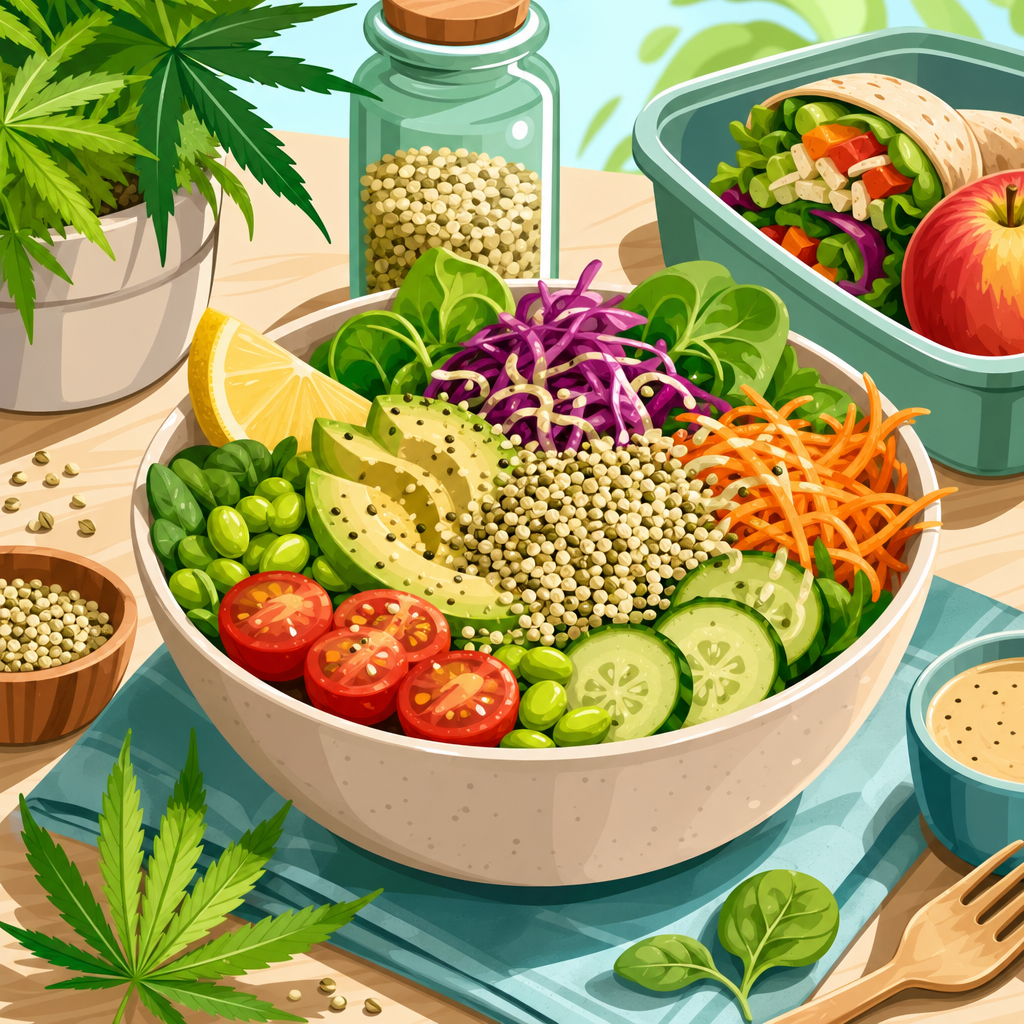
Salads are a natural fit for hemp seeds, especially when you want more nutrition without adding processed toppings. Sprinkle them over leafy green salads, grain salads, chopped vegetable salads, or slaw. They add a pleasant nutty note and light crunch, but they do not become hard or stale in the way croutons can. This makes them useful for meal-prep salads packed ahead for work lunches.
Try hemp seeds on a salad with arugula, roasted beets, goat cheese, orange segments, and vinaigrette. They also work well on quinoa salad with cucumber, parsley, lemon, and olive oil. If you are reducing sodium or saturated fat, hemp seeds can replace some cheese or bacon-based toppings while still making the salad more satisfying. For many people, this is where hemp stops feeling like a specialty food and starts becoming a pantry staple.
4. Stir Them Into Soups, Stews, and Cooked Grains
Another easy option is stirring hemp seeds into warm dishes just before serving. Add them to tomato soup, lentil soup, vegetable stew, risotto, quinoa, brown rice, or farro. They contribute richness and a slight creamy quality, especially in blended soups. Because the flavor is mild, they do not compete with herbs, spices, or aromatics.
In practice, this works best as a finishing ingredient rather than something cooked for a long time. Heat is not inherently a problem, but adding hemp seeds at the end helps preserve their delicate taste and texture. A tablespoon or two over butternut squash soup, for example, adds visual contrast and extra substance. Stirred into cooked quinoa with lemon zest and herbs, they create a more protein-forward side dish that can support vegetarian meals.
5. Make Hemp Seed Pesto, Sauce, or Dressing
If you want to go beyond sprinkling, turn hemp seeds into condiments. This is one of the most versatile strategies for how to incorporate hemp into your diet because sauces can be used across many meals. Blend hemp seeds with basil, garlic, lemon juice, olive oil, and Parmesan for a pesto variation. Or make a dairy-free creamy dressing with hemp seeds, water, mustard, apple cider vinegar, and herbs.
I have found this especially helpful for people who do not love visible seeds on top of food. A hemp-based sauce can be spooned onto roasted vegetables, grain bowls, pasta, baked potatoes, or sandwiches. It also solves a common problem with healthy eating: plain meals. When flavor lives in the sauce, nutritious ingredients become easier to eat regularly. Start with small batches because fresh hemp sauces taste best when used within a few days and stored cold.
6. Add Hemp Seeds to Baking and Homemade Snacks
Hemp seeds adapt well to baking, especially in recipes where nuts or oats already appear. Add them to muffins, pancakes, waffles, banana bread, granola bars, energy bites, and homemade granola. They bring a tender texture and mild nuttiness, and they fit both sweet and savory recipes. In pancakes, for instance, a few tablespoons in the batter can add nutritional value without changing the structure much.
For homemade snacks, combine oats, hemp seeds, nut butter, honey, and dark chocolate chips for no-bake bites. This type of recipe is useful because portioning is simple and the ingredient list is familiar. If you bake frequently, replace a small portion of nuts or seeds in existing recipes with hemp hearts first, then adjust upward based on preference. That gradual approach helps maintain texture while building comfort with the ingredient.
7. Mix Them Into Pasta, Rice Bowls, and Weeknight Dinners
Weeknight dinners are where consistency is built, so hemp seeds should fit the meals you already make. Toss them into pasta with sautéed vegetables, add them to rice bowls with tofu or chicken, or finish tacos, roasted vegetables, and stir-fries with a spoonful on top. They act like a final nutrient boost without requiring an extra recipe.
One dinner I use often is brown rice, roasted broccoli, salmon, avocado, and hemp seeds with a lemon-tahini dressing. Another is whole grain pasta with olive oil, garlic, spinach, white beans, and hemp seeds. These meals show why hemp works well in practical cooking: it complements familiar ingredients rather than replacing them. If your goal is long-term dietary change, that convenience matters more than novelty.
8. Build Better Plant-Based Meals With Hemp Seeds
For vegetarian or flexitarian eating patterns, hemp seeds are especially useful because they add protein and fats to meals that might otherwise rely heavily on starch. They are not a complete solution to meal planning, but they help round out dishes built on vegetables, grains, and legumes. Add them to hummus toast, bean bowls, stuffed sweet potatoes, or lentil salads for a more balanced plate.
People often ask whether hemp seeds alone are enough protein for a meal. Usually, no. They work best as a supporting ingredient alongside beans, tofu, tempeh, soy milk, yogurt, eggs, fish, or poultry, depending on your diet. Think of them as a strategic booster. In a black bean bowl with rice and salsa, hemp seeds improve both texture and protein density. In avocado toast, they provide more substance than seasoning alone.
9. Know How Much to Use, How to Store Them, and What to Buy
Using hemp seeds well starts with shopping and storage. Most people will want hulled hemp seeds, often labeled hemp hearts, because they are softer and easier to mix into meals than whole seeds. A typical serving is one to three tablespoons. That amount is enough to meaningfully increase protein and healthy fats without overwhelming the dish.
| Use Case | Best Form | Typical Amount | Practical Tip |
|---|---|---|---|
| Smoothies and yogurt | Hulled hemp hearts | 2 to 3 tablespoons | Blend or stir in just before serving |
| Salads and grain bowls | Hulled hemp hearts | 1 to 2 tablespoons | Use as a topping for texture and protein |
| Baking and snacks | Hulled hemp hearts | 2 to 4 tablespoons per batch | Replace part of nuts or seeds in existing recipes |
| Sauces and dressings | Hulled hemp hearts | 1/4 to 1/2 cup | Blend with acid, oil, and seasonings for creaminess |
Because hemp seeds contain delicate unsaturated fats, store them in a sealed container away from heat and light. Many packages recommend refrigeration after opening, and that is good practice. Fresh hemp hearts should smell mild and nutty, not sharp or paint-like. Buy from reputable brands that provide clear labeling and ingredient transparency. This matters for freshness, food safety, and product consistency.
10. Avoid Common Mistakes When Adding Hemp to Your Diet
The most common mistake is trying to do too much at once. Buying a large bag without a plan often leads to waste. Start by choosing two repeat uses, such as oatmeal and salads, then expand into smoothies or sauces. Another mistake is assuming hemp seeds will transform a meal on their own. They improve nutrition, but they work best inside an overall balanced eating pattern that includes varied whole foods.
Texture can also be mismanaged. Whole hemp seeds with shells are less versatile for casual cooking, while hemp hearts are easier for most recipes. Storage mistakes are common too. Leaving an opened bag in a warm pantry for months can damage flavor. Finally, some people overlook allergies or digestive tolerance. Hemp is generally well tolerated, but if you are introducing any new seed food, start modestly and observe how it fits your routine and needs.
Hemp seeds are easy to use because they fit the meals you already eat. That is the central lesson for anyone researching how to incorporate hemp into your diet. You do not need a specialty cookbook, expensive equipment, or complicated meal prep. You need a few dependable patterns: stir hemp hearts into breakfast, blend them into smoothies, top salads and grain bowls, mix them into soups and dinners, and use them in sauces, baking, and snacks. Those ten approaches make hemp practical rather than theoretical.
The biggest benefit is consistency. A food becomes valuable when you can use it often, enjoy the taste, and remember to keep it in rotation. Hemp seeds deliver on all three. They offer plant protein, beneficial fats, and useful minerals in a form that works with sweet and savory cooking. They also support flexible eating styles, from omnivorous to plant-forward diets, without forcing dramatic changes. That is why they have become one of the easiest functional ingredients to recommend for everyday households.
If you are ready to start, pick one meal you already make several times a week and add hemp seeds to it this week. Then build from there. Small, repeatable changes are the most effective way to make hemp a lasting part of your diet.
Frequently Asked Questions
1. What are hemp seeds, and how do they taste in everyday meals?
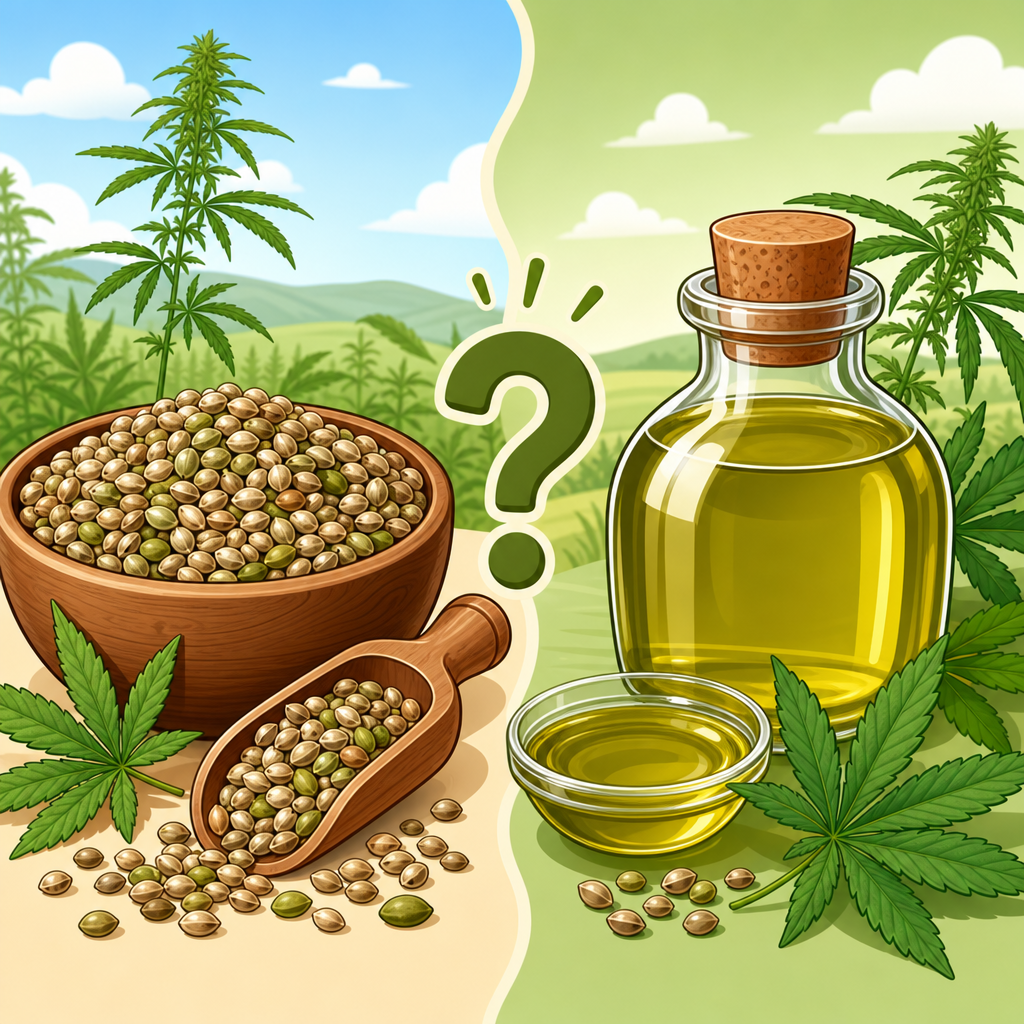
Hemp seeds are the small, edible seeds of the hemp plant, and they are commonly sold either as whole seeds or as hulled hemp hearts. For most home cooks, hemp hearts are the easiest place to start because they are soft, tender, and ready to sprinkle directly onto food. Their flavor is mild, slightly nutty, and pleasantly creamy, which makes them easy to add to meals without overpowering other ingredients. That subtle taste is one of the biggest reasons they work so well in everyday cooking.
In practical terms, hemp seeds fit naturally into foods you already eat. They can be stirred into oatmeal, yogurt, and smoothies at breakfast, added to salads and soups at lunch, and sprinkled over roasted vegetables, pasta, rice bowls, or grain dishes at dinner. They also work well in snacks like energy bites, toast toppings, and homemade dips. Because the texture is soft rather than crunchy, they blend in easily and are especially useful if you want to boost the nutrition of a meal without dramatically changing its taste or structure.
That versatility is what makes hemp seeds so approachable. If you are just learning how to incorporate hemp into your diet, think of them less as a specialty ingredient and more as a simple finishing or mix-in ingredient. They do not require complicated preparation, and in most cases, you can use them straight from the package. For many people, that convenience is what turns hemp seeds from a healthy food they buy once into a staple they keep on hand.
2. What are the easiest ways to add hemp seeds to meals without changing how I cook?
The easiest way to use hemp seeds is to treat them as a topper or stir-in for foods you already make regularly. This is why they are such a practical addition to a busy routine. You do not need to build entirely new recipes around them. Instead, you can sprinkle them onto oatmeal, cereal, yogurt bowls, avocado toast, fruit, salads, grain bowls, soups, pasta, roasted vegetables, and even scrambled eggs. A small spoonful can be enough to work them into your day with almost no extra effort.
Smoothies are another especially simple option. Hemp hearts blend easily and add a mild nuttiness without making the drink gritty or overly thick. They pair well with bananas, berries, spinach, cocoa, peanut butter, and plant-based or dairy milk. If you bake at home, you can also stir hemp seeds into muffin batter, pancake batter, overnight oats, no-bake snack bites, or homemade granola. For savory meals, try mixing them into pesto, stirring them into cooked rice or quinoa, or folding them into dressings and sauces for a subtle boost.
If you want a practical strategy, start with one meal a day. Add hemp seeds to breakfast for a week, then expand to lunch or snacks once the habit feels automatic. This keeps the process simple and sustainable. The reason hemp seeds are so effective in easy meal upgrades is that they support nutrition without forcing you to relearn how you cook. In other words, they work best when they become part of your normal routine rather than a separate health project.
3. Do hemp seeds need to be cooked, soaked, or prepared before eating?
No, hemp seeds do not need to be cooked or soaked before eating, especially if you are using hulled hemp hearts. They are ready to eat as-is, which is one of their biggest advantages for everyday meals. You can open the package and add them directly to both cold and warm foods. This convenience makes them ideal for quick breakfasts, packed lunches, and last-minute dinner toppings.
That said, you can certainly use hemp seeds in cooked recipes if you want to. They can be stirred into warm oatmeal, soups, sauces, and grain dishes, or incorporated into baked goods like muffins and breads. In general, many people prefer adding them near the end of cooking or using them as a finishing ingredient, simply because it preserves their delicate texture and keeps their mild flavor more noticeable. They are also excellent blended into sauces, dips, and smoothies, where they contribute creaminess without the need for advance prep.
If you are buying whole hemp seeds rather than hulled hemp hearts, the outer shell makes them firmer and somewhat less tender to eat straight from the package. Even then, they do not necessarily require complicated preparation, but many people find hulled hemp hearts more versatile and enjoyable for daily use. For beginners, hemp hearts are typically the best option because they are the easiest to sprinkle, stir, and blend into meals immediately.
4. How much hemp seed should I add to food, and what meals work best?
A good starting point is a small amount, such as one to two tablespoons at a time, especially if you are new to using hemp seeds regularly. That amount is easy to work into many dishes and gives you a chance to get used to the flavor and texture. Because hemp seeds have a soft consistency and a mild taste, they rarely dominate a meal, but starting modestly helps you find what feels natural in your own cooking style.
Breakfast is often the easiest meal for beginners. Hemp hearts pair especially well with oatmeal, overnight oats, chia pudding, yogurt parfaits, smoothie bowls, toast with nut butter, and fruit-based breakfasts. At lunch, they fit naturally into salads, wraps, grain bowls, soups, and blended dressings. For dinner, they can be sprinkled over roasted vegetables, pasta dishes, stir-fries, rice, quinoa, casseroles, and baked potatoes. They are also useful in snacks and desserts, such as energy balls, homemade bars, granola, cookies, and even a finishing sprinkle over dark chocolate or fruit.
The best meal is the one you already eat consistently. If you are trying to build a realistic habit, focus on repeat opportunities. For example, if you eat yogurt every morning, keep the hemp seeds next to your usual toppings. If you make salads or rice bowls for lunch, add them as a standard finishing ingredient. This approach is more effective than waiting for special recipes. Hemp seeds are at their most useful when they become a seamless part of familiar meals.
5. How should I store hemp seeds to keep them fresh, and how do I use them regularly?
Because hemp seeds contain delicate oils, proper storage matters. In most cases, the best approach is to follow the package instructions and keep them in a cool, dry place before opening, then refrigerate after opening if recommended by the brand. Many people prefer storing hemp hearts in the refrigerator once opened to help preserve freshness, flavor, and quality over time. An airtight container is helpful if the original packaging does not reseal well.
Fresh hemp seeds should have a mild, pleasant, nutty aroma. If they smell unusually sharp, bitter, or off, it is a sign they may no longer be at their best. Buying a package size you can realistically use within a reasonable period can also help reduce waste. If you are just starting out, a smaller bag is often the smarter choice until you know how often you will use them.
To make hemp seeds a regular part of your diet, think in terms of visibility and convenience. Keep them where you can easily reach them when assembling meals. Add them to your breakfast station, salad-prep area, or smoothie ingredients. You can even pre-portion a few servings into small containers for work lunches or travel. The simplest long-term strategy is to connect hemp seeds to foods you already enjoy. When they are easy to grab and easy to use, they become one of the most effortless ways to make everyday meals more nutritious.