Hemp can become one of the most useful ingredients in your breakfast routine because it adds protein, fiber, healthy fats, and versatility without demanding complicated recipes or major dietary changes. In nutrition conversations, “hemp” usually refers to hemp hearts, hemp protein powder, hemp seed oil, and whole hemp seeds produced from low-THC varieties of Cannabis sativa grown for food and fiber rather than intoxication. That distinction matters because many shoppers still confuse hemp foods with marijuana, even though hemp foods are non-intoxicating and widely sold in mainstream grocery, natural food, and online retail channels. I have worked with hemp ingredients in home kitchens, product development discussions, and consumer education content, and the biggest pattern I see is simple: people are interested, but they are unsure where to start, how much to use, and whether the flavor will fit familiar breakfast dishes.
Breakfast is the best place to solve that hesitation because it is already built around bowls, smoothies, toast, eggs, yogurt, oatmeal, pancakes, and baked goods that welcome mix-ins. Hemp ingredients slide into those formats with less friction than many other “superfood” additions. Hemp hearts have a mild, nutty taste and a soft texture similar to pine nuts or finely chopped sunflower kernels. Hemp protein powder brings more earthiness and works well when paired with cocoa, cinnamon, berries, banana, or nut butter. Hemp seed oil is delicate and best used as a finishing oil rather than a high-heat frying fat. Nutritionally, hemp foods are appealing because they contribute complete protein, including all nine essential amino acids, and they supply polyunsaturated fats such as omega-6 linoleic acid and omega-3 alpha-linolenic acid. They also provide minerals including magnesium, iron, zinc, and manganese, with exact amounts varying by form and brand.
For people trying to incorporate hemp into their diet, breakfast offers consistency. A food only becomes a staple when it can be repeated easily, adapted to preferences, and purchased without waste. This article serves as a hub for that process. It explains which hemp ingredients belong in breakfast, how to use each one, what portions make sense, which combinations improve flavor and texture, and what practical limits deserve attention. If your goal is to make breakfast more satisfying, increase plant-based protein, reduce reliance on heavily processed morning foods, or simply widen your ingredient toolkit, hemp deserves a serious place in the rotation.
Why hemp works so well at breakfast
Hemp fits breakfast because the meal often needs three things at once: speed, satiety, and nutrient density. Hemp hearts answer all three. They require no cooking, blend into sweet or savory meals, and can be measured by the tablespoon. In practice, one of the easiest upgrades I recommend is adding two to three tablespoons of hemp hearts to oatmeal or yogurt. That amount noticeably improves staying power, especially compared with breakfasts built mostly from refined grains. Many consumers report that cereal or toast alone leaves them hungry within two hours; adding protein and fat helps slow digestion and makes the meal feel complete.
Another reason hemp performs well in the morning is flavor compatibility. Breakfast ingredients tend to be mild: oats, milk, fruit, eggs, toast, granola, and cultured dairy are neutral enough to absorb hemp without tasting “green” or medicinal. Compared with stronger seeds such as flax or chia, hemp hearts disperse more smoothly and do not create a gel. That makes them more approachable for people who dislike pudding-like textures. In smoothies, hemp protein powder can replace part of a protein blend while adding body. In baking, hemp hearts contribute texture without overpowering banana bread, muffins, waffles, or pancake batter.
There is also a practical shopping advantage. Hemp foods now appear in formats suited to routine use: resealable bags of shelled seeds, single-ingredient protein powders, shelf-stable granola additions, and refrigerated oils. Brands commonly sell organic and conventional options, and many products are certified non-GMO or third-party tested for contaminants. When readers ask me whether hemp is just a niche wellness ingredient, my answer is no. It has matured into a mainstream pantry item that behaves like a bridge between seeds, nuts, and protein supplements.
Understanding the main hemp ingredients
If you want to make hemp a breakfast staple, start by choosing the right format for the right job. Hemp hearts are shelled hemp seeds, and they are the most versatile entry point. Use them as a topping for oatmeal, overnight oats, yogurt bowls, fruit, avocado toast, or scrambled eggs. Their texture is tender rather than crunchy, so they integrate easily. Whole hemp seeds include the shell, which increases crunch and fiber but can be tougher; they work best in granola, baked goods, or cereal blends. Hemp protein powder is produced after oil extraction and concentrates protein and fiber, but it can taste grassy if overused. Hemp seed oil delivers beneficial fats and a pleasant nutty finish, yet it should not be treated like an all-purpose cooking oil because heat can degrade delicate fatty acids.
The easiest way to compare these options is by purpose. If your breakfast problem is low protein, hemp hearts and hemp protein powder are usually the best answers. If your problem is blandness, hemp hearts and hemp oil add richness. If your goal is crunch, whole seeds fit better. If you want an all-in-one habit, keep hemp hearts visible on the counter next to oats or coffee gear. Habit design matters more than novelty. Foods become staples when they are physically easy to remember and use.
| Hemp ingredient | Best breakfast uses | Flavor and texture | Practical note |
|---|---|---|---|
| Hemp hearts | Oatmeal, yogurt, smoothies, toast, eggs | Mild, nutty, soft | Best all-purpose starter option |
| Whole hemp seeds | Granola, cereal mixes, baking | Crunchier, more fibrous | Less tender for direct topping |
| Hemp protein powder | Smoothies, pancakes, muffins, oatmeal | Earthy, dense | Use moderate amounts for better taste |
| Hemp seed oil | Finishing drizzle on bowls or toast | Rich, nutty, silky | Do not rely on high heat cooking |
Simple ways to add hemp to common breakfast meals
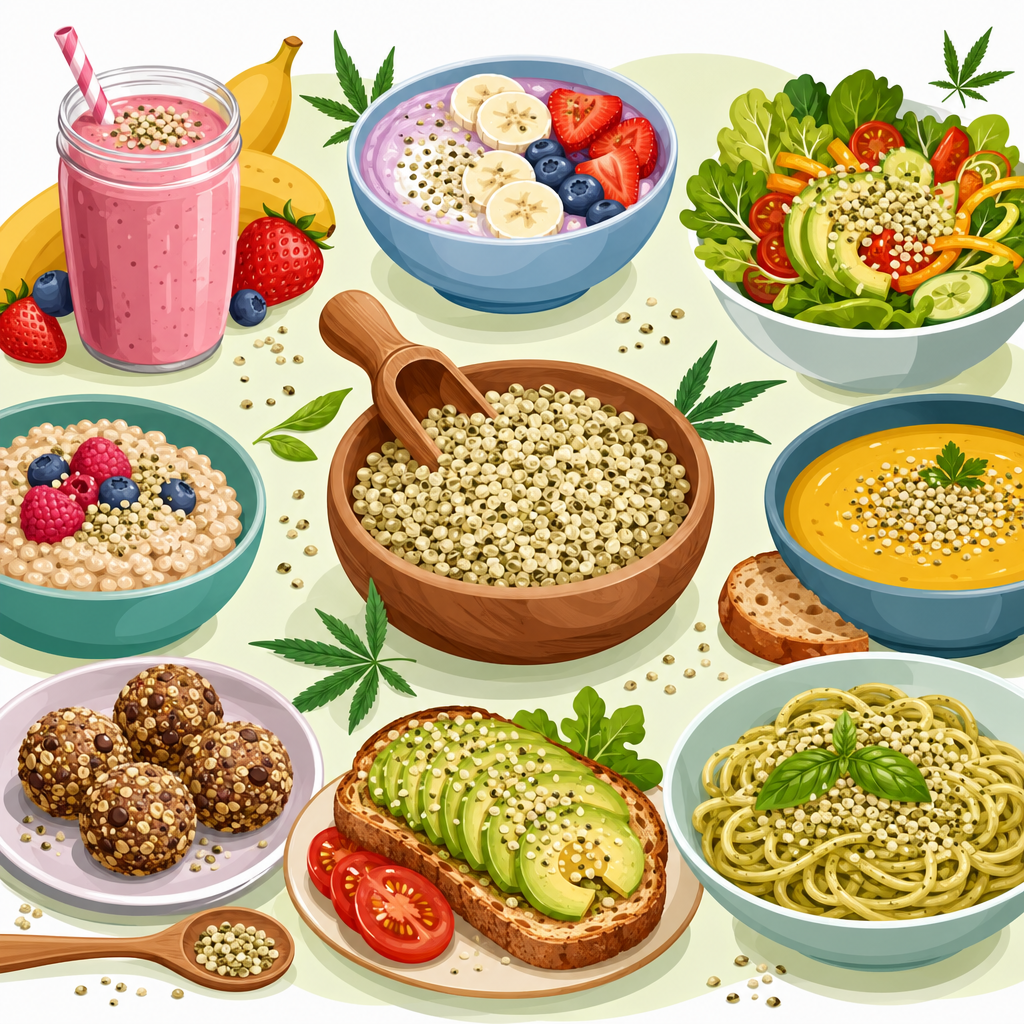
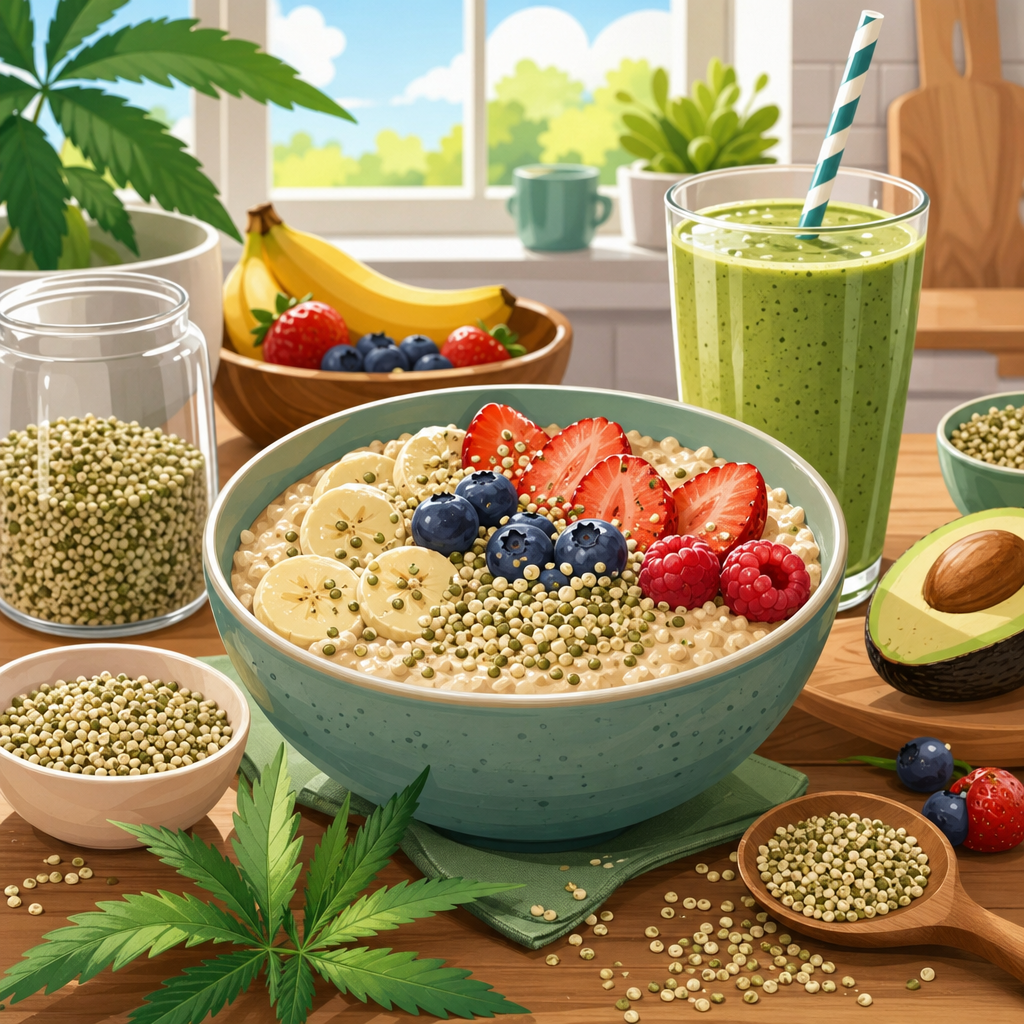
The fastest route is to layer hemp into breakfasts you already eat. Oatmeal is the classic example. Stir in hemp hearts after cooking, along with cinnamon, berries, chopped apple, or almond butter. For overnight oats, combine rolled oats, milk or a fortified plant beverage, chia if desired, fruit, and two tablespoons of hemp hearts. The seeds soften overnight and produce a balanced bowl with better texture than oats alone. Yogurt bowls are just as easy. Add hemp hearts with walnuts, blueberries, and a light drizzle of honey. If you prefer savory breakfasts, scatter hemp hearts over scrambled eggs, cottage cheese toast, or avocado toast with tomato and black pepper.
Smoothies are another dependable use case because hemp protein powder can be blended with ingredients that round out its flavor. A reliable formula is banana, frozen berries, Greek yogurt or soy yogurt, spinach, cinnamon, and a partial scoop of hemp protein powder. I often advise beginners not to start with a full serving if they are new to the taste. Build from one to two tablespoons, then increase if the blend still tastes balanced. Pancakes and waffles offer a third route. Replace a portion of flour with hemp protein powder or fold hemp hearts into the batter. Because hemp lacks gluten and can make batters dense, moderation matters. In most home recipes, replacing a small share of flour works better than swapping it all.
Toast deserves more attention than it gets. Nut butter toast topped with banana and hemp hearts takes less than three minutes and solves the common problem of carbohydrate-heavy breakfasts. Ricotta toast with berries and hemp hearts feels more substantial than plain toast but still tastes fresh. Even breakfast cereal can be improved by sprinkling hemp hearts over high-fiber flakes or muesli. This is one of the best beginner moves because it changes almost nothing about the routine while still introducing hemp into the diet.
Portion size, balance, and daily use
A practical starting amount for hemp hearts is one to three tablespoons per breakfast, depending on the rest of the meal and your overall calorie needs. That range is enough to add meaningful texture and nutrition without overwhelming flavor. For hemp protein powder, portions vary by brand, but many people do better beginning with a half serving to assess taste and digestion. Hemp seed oil is generally best used in teaspoon amounts as a finishing ingredient. These are not rigid rules; they are useful defaults that help breakfast stay balanced rather than turning into a seed-heavy meal that crowds out fruit, whole grains, or other protein sources.
Balance matters because no single food, including hemp, should carry all the nutritional weight of breakfast. A strong breakfast usually combines protein, fiber-rich carbohydrates, and healthy fats. Hemp can support each element, but it works best alongside oats, yogurt, eggs, fruit, whole-grain bread, or legumes. For example, hemp hearts on sugary cereal are an improvement, but hemp hearts on unsweetened yogurt with fruit and oats are a more complete meal. Similarly, a smoothie with hemp protein powder but no substantial carbohydrate may leave active people underfueled. The right question is not “How much hemp should I eat?” but “How can hemp improve the breakfast I already need?”
Consistency also depends on storage and freshness. Hemp hearts and whole seeds should be stored according to package directions, often in a cool place before opening and in the refrigerator after opening for best quality. Hemp seed oil should be refrigerated and protected from light. Rancidity is the main quality risk with seed oils and fatty seeds, and consumers can usually detect it through paint-like, bitter, or stale aromas. Fresh hemp should smell mild and nutty, never harsh.
Nutrition benefits, tradeoffs, and who should pay attention
Hemp earns its place in breakfast because it contributes several nutrients people routinely underconsume. Magnesium supports muscle and nerve function, energy metabolism, and normal blood pressure regulation. Iron is essential for oxygen transport, particularly relevant for menstruating women, plant-based eaters, and endurance athletes. Zinc supports immune function and wound healing. The fat profile is another advantage. Hemp seeds contain substantial unsaturated fat, including alpha-linolenic acid, the plant form of omega-3. While plant omega-3 does not convert efficiently to EPA and DHA compared with marine sources, it still contributes to a healthier fat pattern when it replaces foods rich in saturated fat.
There are tradeoffs. Hemp foods are calorie-dense, so portions should reflect goals. For someone trying to increase energy intake or satiety, that density is useful. For someone who routinely adds multiple high-fat toppings to breakfast, it can push meals higher than intended. Hemp protein powder can be gritty, and some brands are noticeably better than others. Fiber increases may affect digestion if introduced too quickly, especially when combined with other high-fiber additions such as chia, bran cereal, and legumes later in the day. Allergies are uncommon but possible, and anyone with a known seed sensitivity should review ingredient labels carefully.
Some groups may benefit especially from adding hemp at breakfast. Plant-based eaters often need easy, repeatable ways to increase protein beyond soy and legumes. Busy professionals need breakfasts that assemble in minutes but still prevent midmorning energy crashes. Older adults may appreciate softer textures that are easier to chew than whole nuts. Families can use hemp hearts as a quiet nutritional upgrade in oatmeal, smoothies, and pancake batter without dramatically changing familiar flavors. The ingredient is flexible enough to serve different needs without requiring a separate meal for each person.
Building a sustainable breakfast habit with hemp
The best way to make hemp a staple is to treat it like a system, not a one-time recipe experiment. Pick two weekday breakfasts and one weekend breakfast where hemp will appear automatically. For example, weekday oatmeal gets two tablespoons of hemp hearts, weekday smoothies get a partial scoop of hemp protein powder, and weekend avocado toast gets a drizzle of hemp seed oil plus seeds. That level of structure prevents the common problem of buying a healthy ingredient, using it once, and forgetting it in the pantry.
It also helps to connect this hub topic to a broader diet strategy. If you are learning how to incorporate hemp into your diet, breakfast is the easiest first stop, but it should lead naturally to lunch salads, grain bowls, snacks, and baking. Keep notes on combinations you actually enjoy. In my experience, adherence comes from repetition and taste, not from nutritional ideals alone. Start with one bag of hemp hearts, use it in three reliable breakfasts, and evaluate how the meals affect fullness, flavor, and convenience. That simple test will tell you more than any trend-driven promise.
Hemp belongs in breakfast because it is practical, nutrient-dense, and easier to use than many consumers expect. The most effective approach is also the simplest: choose the right hemp format, use moderate portions, pair it with familiar foods, and repeat the combinations that fit your mornings. Hemp hearts are the best starting point for most people, hemp protein powder is useful when you want a larger protein boost, and hemp seed oil works best as a finishing touch rather than a cooking staple.
As a hub for how to incorporate hemp into your diet, this topic starts at breakfast but extends beyond it. Once you can add hemp confidently to oatmeal, yogurt, smoothies, eggs, toast, and baked goods, you have a foundation for using it throughout the day. The core benefit is not novelty; it is consistency. A breakfast ingredient that improves nutrition without adding friction is exactly what most people need.
Begin with one easy change tomorrow morning: add hemp hearts to a breakfast you already like. If that works, build from there and make hemp a permanent part of your routine.
Frequently Asked Questions
1. What kinds of hemp products work best at breakfast?
The most practical hemp foods for breakfast are hemp hearts, hemp protein powder, whole hemp seeds, and hemp seed oil. Each one does something slightly different, so choosing the right option depends on the kind of meal you already enjoy. Hemp hearts are the easiest entry point because they have a soft texture, a mild nutty flavor, and require no prep. You can sprinkle them over oatmeal, yogurt, smoothie bowls, cereal, fruit, avocado toast, or even scrambled eggs. Hemp protein powder is helpful if you want a more protein-forward breakfast, especially in smoothies, overnight oats, pancake batter, or baked breakfast muffins. Whole hemp seeds are less common for quick breakfasts because they are crunchier and less tender than shelled hemp hearts, but they can still be added to granola, homemade breakfast bars, or multigrain porridge. Hemp seed oil works best as a finishing ingredient rather than a cooking oil, so it is ideal drizzled over toast, blended into smoothie bowls, or stirred into dressings for savory breakfast plates.
If your goal is to make hemp a true staple rather than an occasional topping, start with hemp hearts because they fit into the widest range of breakfast foods with almost no effort. From there, add hemp protein powder when you want more staying power, especially on busy mornings or after workouts. Keep in mind that these foods are made from low-THC varieties of Cannabis sativa grown for food and fiber, not for intoxication. That distinction is important because many shoppers still hesitate at the word “hemp,” even though hemp foods are simply nutritious pantry ingredients. A good strategy is to think of hemp the same way you would think about chia seeds, flaxseed, or nut butter: not as a specialty product, but as a flexible breakfast booster that can quietly improve nutrition without requiring a full menu overhaul.
2. Is hemp actually healthy enough to eat every morning?
For most people, hemp can be an excellent everyday breakfast ingredient because it delivers a combination of protein, fiber, and healthy fats in a very convenient form. Those nutrients matter in the morning because they can help a breakfast feel more balanced and satisfying than a meal built mostly around refined carbohydrates. Protein supports fullness and muscle maintenance, fiber helps with digestive health and can slow the digestion of a meal, and healthy fats contribute richness and longer-lasting energy. Hemp hearts are especially useful because they can raise the nutritional value of simple breakfasts like toast, oats, or fruit without changing the meal too dramatically. Instead of relying on a sugary breakfast that leaves you hungry again in an hour, adding hemp can help create a breakfast with more staying power.
That said, “healthy” still depends on the overall meal and your personal needs. Hemp should be part of a balanced breakfast, not the only thing on the plate. Pairing it with foods like Greek yogurt, oats, berries, eggs, or whole-grain toast creates a more complete meal than using hemp in isolation. Portion size also matters. A modest sprinkle may add some nutrition, while a larger serving can meaningfully increase calories, fat, and protein. For many people, that is a benefit, but it is worth paying attention if you are tailoring intake for weight goals or digestive comfort. In general, hemp is healthiest when used consistently in realistic amounts as part of a varied routine. If you have a medical condition, digestive disorder, or specific dietary restriction, it is always smart to match your breakfast choices to your healthcare professional’s advice, but for many healthy adults, hemp is a strong candidate for regular morning use.
3. Will hemp foods make you feel high or show up like marijuana?
No, standard hemp foods such as hemp hearts, hemp protein powder, whole hemp seeds, and hemp seed oil are not intended to produce intoxication. In nutrition and grocery contexts, “hemp” refers to foods made from low-THC varieties of Cannabis sativa that are cultivated for food and fiber. These products are very different from marijuana products used for psychoactive effects. This is one of the biggest points of confusion among shoppers, and it is also one of the main reasons some people hesitate to bring hemp into their breakfast routine. In practical terms, adding hemp hearts to oatmeal or blending hemp protein into a smoothie is much closer to using sunflower seeds or flaxseed than anything associated with getting high.
To feel confident, buy hemp foods from reputable brands that clearly label the product as a food ingredient and provide quality and sourcing information. If you have concerns related to workplace testing, competitive sports, or personal sensitivity, it may be worth looking for products with transparent third-party testing and discussing any unusual concerns with a healthcare professional. But for ordinary breakfast use, hemp foods are widely purchased because of their nutrition and versatility, not because of any intoxicating effect. Understanding that difference can make it much easier to treat hemp as a normal kitchen staple instead of an intimidating specialty item.
4. What are the easiest ways to add hemp to breakfast without changing everything you eat?
The easiest way to make hemp a breakfast staple is to add it to foods you already eat instead of trying to build entirely new recipes around it. If you eat oatmeal, stir in hemp hearts after cooking and top with fruit and cinnamon. If you eat yogurt, add hemp hearts along with berries and nuts. If you make smoothies, blend in hemp protein powder or a spoonful of hemp hearts for extra texture and nutrition. If toast is your go-to breakfast, scatter hemp hearts over peanut butter, almond butter, mashed avocado, or even ricotta with fruit. Pancakes, waffles, muffins, and overnight oats also welcome hemp without much adjustment. This approach works because it lowers the barrier to consistency. You do not need a “hemp breakfast plan.” You just need one or two easy habits you can repeat.
Another effective strategy is to match the hemp product to the role you want it to play. Use hemp hearts when you want an effortless topping. Use hemp protein powder when you want to increase protein in drinks and batters. Use hemp seed oil sparingly as a finishing drizzle for savory bowls or toast. Start small if you are unsure about flavor or texture. A tablespoon mixed into familiar foods is often enough to help you get comfortable, and you can increase from there. Over time, this can turn hemp from a novelty ingredient into a default add-on. The key is convenience. If the product is easy to see and easy to use, it is much more likely to become part of your real-life breakfast routine rather than another healthy food that sits untouched in the pantry.
5. How should you store hemp products, and how long do they last?
Because hemp contains delicate fats, proper storage matters more than many people expect. Hemp hearts, whole hemp seeds, and hemp seed oil can lose freshness over time if they are exposed to heat, light, and air. The safest habit is to read the package first and follow the brand’s directions, since storage recommendations can vary slightly by product type and processing method. In general, unopened products should be kept in a cool, dry place, and once opened, many hemp foods stay fresher longer when refrigerated. Hemp seed oil is especially sensitive and usually benefits from refrigeration after opening. If you use hemp regularly at breakfast, keeping it cold can help preserve flavor and quality so it still tastes mild and pleasant when added to everyday foods.
Fresh hemp products typically have a clean, nutty aroma and taste. If a product smells sharp, bitter, paint-like, or otherwise unpleasant, it may be past its best. For breakfast use, buying package sizes you can finish within a reasonable time is often smarter than buying the largest bag available. That reduces waste and helps ensure the ingredient stays appealing enough to use daily. It also helps to keep hemp in an airtight container or tightly resealed package and to avoid storing it near heat sources like the stove or in direct sunlight on the counter. A little storage discipline goes a long way, because a nutritious ingredient only becomes a staple if it remains fresh, convenient, and enjoyable to eat day after day.