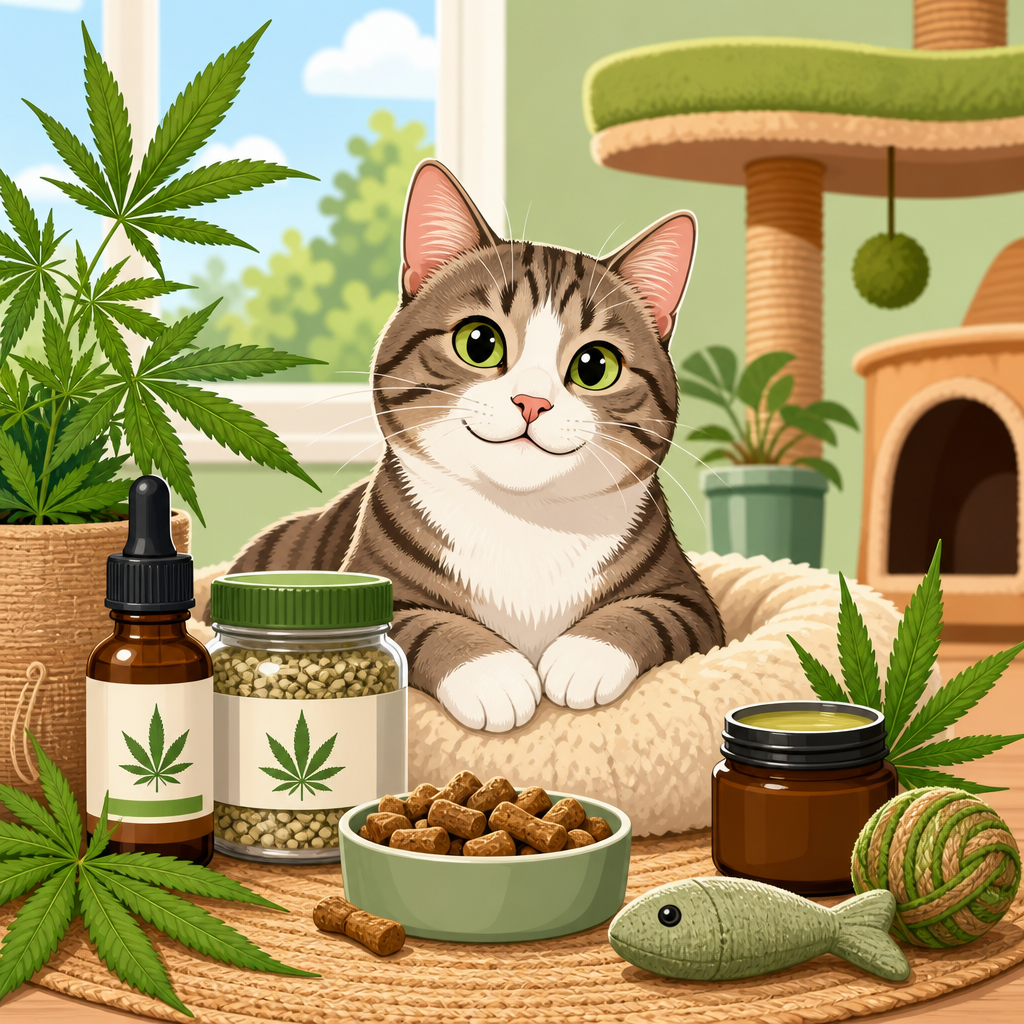
Hemp products for cat health have moved from niche supplements to mainstream pet care, but choosing the right option requires more than reading a label or following a trend. In veterinary and retail conversations, “hemp” usually refers to Cannabis sativa varieties bred to contain very low tetrahydrocannabinol, while “CBD” describes cannabidiol, one of the plant’s non-intoxicating cannabinoids. For cats, hemp products are typically sold as oils, soft chews, treats, powders, balms, and calming formulas, each designed to support goals such as stress control, mobility, skin comfort, or overall wellness. This matters because cats metabolize compounds differently than dogs and humans, and they are famously sensitive to flavor, texture, and dosing mistakes. I have seen owners buy a strong dog tincture, guess at a dose, and then wonder why the cat refused food or became unusually sedate. A careful review of hemp products for pets, especially cats, has to separate marketing from formulation quality, safety testing, and practical use. Done well, hemp supplementation can be a helpful part of a broader care plan. Done poorly, it wastes money or creates avoidable risk. This guide explains what hemp products are, how they differ, where they may help, what to avoid, and how to evaluate them as part of a complete cat health strategy.
What Hemp Products for Cats Actually Include
Most hemp products for cats fall into a few clear categories. The first is hemp oil, often suspended in a carrier such as MCT oil, hemp seed oil, salmon oil, or sunflower oil. These tinctures are popular because the dose can be adjusted drop by drop. The second category is edible products, including chews, squeezable pastes, and treats. These are easier for some owners but harder to dose precisely, especially for smaller cats. The third category includes topical products such as balms for localized skin irritation, though topicals are generally less common for cats because grooming behavior limits contact time. Finally, there are hemp seed products, which may contain no cannabinoids at all but still provide fatty acids such as omega-3 and omega-6.
One distinction matters immediately: hemp seed oil is not the same as CBD oil. Hemp seed oil is pressed from seeds and is valued for nutrition, especially essential fatty acids, but it does not naturally deliver meaningful cannabidiol. CBD oil is extracted from aerial plant parts and then refined into full-spectrum, broad-spectrum, or isolate formulas. Full-spectrum extracts contain multiple cannabinoids and terpenes, including trace legal THC levels. Broad-spectrum formulas remove THC while keeping other plant compounds. Isolates contain purified cannabidiol only. For cats, many owners and veterinarians prefer broad-spectrum or isolate products because they reduce concerns about THC exposure, though some full-spectrum products are carefully formulated and third-party tested. The best choice depends on sensitivity, intended use, and confidence in the manufacturer’s testing practices.
Labels can also include supporting ingredients. I commonly see L-theanine and chamomile in calming formulas, glucosamine and turmeric in mobility blends, and omega oils in skin-focused supplements. Those additions are not automatically beneficial. They need to be present at meaningful doses, and they should make sense for feline physiology. Cats are obligate carnivores with distinct nutritional and metabolic needs, so products designed first for dogs and then relabeled for cats deserve extra scrutiny.
Potential Benefits and the Evidence Behind Them
Owners usually ask a straightforward question: what can hemp products actually do for a cat? The most common targets are situational stress, chronic anxiety, age-related stiffness, appetite support, and general quality of life. In practice, stress and mobility are where I most often see owners explore hemp products for pets. Examples include cats that hide during construction, resist car travel, panic during veterinary visits, or move less comfortably as they age. Some owners also consider hemp during household changes such as a new baby, a move, or the introduction of another pet.
Evidence in cats remains limited compared with human research and even compared with canine data. That does not mean hemp is useless; it means claims should be measured. Small pharmacokinetic and safety studies have shown that cannabinoids can be absorbed by cats, but absorption varies significantly by formulation. Clinical evidence for specific outcomes is still developing, and product quality differences make broad conclusions difficult. In real-world use, some owners report calmer behavior, easier rest, improved willingness to jump, or less reactivity to triggers. Those observations can be meaningful, but they are not the same as a controlled clinical endpoint.
The most credible way to think about benefits is supportive rather than curative. Hemp products may help smooth the edges of stress or discomfort for certain cats, especially when paired with environmental management, pain control, behavior plans, or veterinary treatment. They should not replace diagnosis for limping, vomiting, inappropriate urination, seizures, severe itching, or weight loss. If a cat seems more comfortable after starting a hemp tincture, that can be useful information, but it should not delay workup for arthritis, dental pain, gastrointestinal disease, hyperthyroidism, or other common feline conditions.
| Use Case | Most Common Product Form | What to Look For | Important Limitation |
|---|---|---|---|
| Travel or vet-visit stress | Oil or fast-acting paste | Clear mg per dose, cat-friendly flavor, calm-support ingredients | Timing varies; some cats resist oral dosing under stress |
| Daily anxiety support | Oil or soft chew | Consistent daily dose, THC-free or very low THC, batch testing | Behavior triggers still need management |
| Senior mobility | Oil with adjunct ingredients | Measured cannabinoid content, easy administration, joint-support blend | Not a substitute for arthritis diagnosis or analgesics |
| Skin and coat support | Hemp seed oil or blended supplement | Omega fatty acids, simple ingredient panel | Does not address parasites, infection, or food allergy alone |
| General wellness | Low-dose oil | Transparent sourcing, veterinary guidance, repeatable dosing | Benefits may be subtle and hard to measure |
How to Evaluate Safety, Quality, and Label Accuracy
The best hemp product for cat health is one with verifiable quality control. Start with a certificate of analysis from an independent third-party laboratory. This document should confirm cannabinoid potency and screen for contaminants such as heavy metals, pesticide residues, residual solvents, and microbial contamination. If a company will not provide current batch-specific testing, I move on. Pet supplements are not regulated like prescription drugs, so testing transparency is one of the strongest trust signals available.
Next, inspect potency and serving size. A label that says “500 mg hemp extract” is not enough unless it states how much cannabidiol or other cannabinoids are present per milliliter, per treat, or per full serving. Many products use “hemp extract” as a marketing phrase while delivering very low active content. For cats, smaller and more precise concentrations are usually easier to use because a tiny dose from a highly concentrated dog bottle is difficult to measure accurately.
Carrier oils and excipients matter too. MCT oil is common, but some cats tolerate fish-based carriers or hemp seed oil better from a palatability standpoint. Avoid formulas with xylitol, excessive essential oils, artificial sweeteners, or dense herb blends with poor feline safety data. Bacon flavor may work for dogs and fail completely for cats. I have had far better compliance with salmon, chicken, or unflavored formulas that can be mixed into a small amount of wet food.
Manufacturing standards are another useful filter. Look for brands that mention current good manufacturing practices, lot tracing, and domestic or clearly identified sourcing. CO2 extraction is often preferred because it can produce clean extracts without solvent residue when done correctly. Organic cultivation can be valuable because hemp is a bioaccumulator, but “organic” alone does not replace potency or contaminant testing. Good brands explain how they source, extract, formulate, and verify their products in plain language rather than leaning on vague promises.
Dosing, Administration, and Monitoring Results
Dosing is where many otherwise good hemp products fail in practice. Cats vary in size, liver metabolism, temperament, and tolerance for handling, so a low-and-slow approach is safest. Most veterinarians who are open to cannabinoid use recommend beginning with the smallest measurable dose on the label, then increasing gradually only if needed and only after observing the cat for several days. The goal is not to give the maximum amount; it is to find the minimum effective dose.
Administration method can determine success more than formulation chemistry. Direct oral dosing offers precision but can stress cats that already dislike handling. Mixing oil into a favorite wet food can work well if the volume is small and the cat reliably finishes that portion. Split doses are sometimes easier for sensitive cats than one larger serving. Chews and treats are convenient only if the cat actually eats them consistently, which is far from guaranteed.
Monitoring should be structured. Before starting a product, define what improvement would look like. For a nervous cat, that might mean fewer hiding episodes, easier carrier entry, or shorter recovery after loud noises. For a senior cat, it might mean more stair use, easier grooming, or more comfortable jumping to a low perch. Keep a simple daily log for two to four weeks. Without baseline notes, owners often overestimate improvement or miss subtle side effects such as lethargy, appetite change, loose stool, or increased vocalization.
It is also wise to consider medication interactions. Cannabinoids may affect liver enzyme activity, and although data in cats are still emerging, caution is appropriate if a cat takes anticonvulsants, sedatives, NSAIDs, or other long-term medications. That is one reason veterinary input matters, especially for older cats with kidney disease, cardiac disease, diabetes, or multiple prescriptions.
Best Use Cases for Hemp Products in a Complete Pet Wellness Plan
As the hub for hemp products for pets, this review should place cats in the wider context of companion animal care. Cats and dogs are often marketed the same products, yet their use cases differ. Dogs may accept flavored chews eagerly; cats usually demand subtler delivery and cleaner formulations. Small mammals and birds require even more caution. The central lesson across pet hemp products is that species-specific design is not optional.
For cats, the best use cases are usually adjunctive. A cat with fear during travel may benefit from hemp oil paired with carrier training, pheromone support, and scheduling techniques that reduce waiting-room exposure. A senior cat with stiffness may do best with a mobility plan that includes weight management, litter box adjustments, soft bedding, joint supplements, and veterinary pain control. A cat with skin issues may benefit more from diet review, parasite control, and diagnostic work than from any topical hemp balm. Hemp works best when it fills a gap, not when it is expected to solve every problem alone.
That broader framework also helps with internal product comparisons across this subtopic. When reviewing hemp oils, focus on concentration, testing, flavor, and dose accuracy. When reviewing treats, focus on consistency, caloric load, and actual feline acceptance. When reviewing topicals, focus on ingredient safety and whether the product can realistically stay on the skin long enough to matter. When reviewing hemp seed supplements, focus on nutritional fatty acid value rather than cannabinoid claims. These distinctions make future product reviews more useful because they compare like with like instead of mixing fundamentally different categories.
Red Flags, Common Myths, and Smarter Buying Decisions
The fastest way to avoid disappointment is to recognize red flags early. Be skeptical of products that claim to cure cancer, eliminate all pain, replace veterinary treatment, or work identically for every cat. Those statements are not credible. Another warning sign is the absence of a batch-specific lab report or a report that lists only cannabinoid content without contaminant screening. Weak labels, hidden sourcing, and wildly inconsistent pricing often point to inconsistent manufacturing.
Several myths also need clearing up. First, hemp does not mean psychoactive. Proper pet hemp products should contain little to no THC, and intoxication is not the goal. Second, “natural” does not guarantee safe. Natural compounds still have pharmacologic effects, dosing limits, and interaction risks. Third, more milligrams are not automatically better. In cats, palatability, precision, and tolerability often matter more than a high headline number on the bottle. Fourth, a positive dog review does not predict feline success. Cats reject products for reasons that have nothing to do with active ingredients, including odor, mouthfeel, and carrier oil choice.
Smarter buying comes down to a checklist: choose cat-specific formulations, verify third-party testing, match the product form to the intended use, start with small doses, and measure outcomes. That approach protects both the cat and the budget.
Hemp products for cat health can be useful, but they are not interchangeable, and they are not magic. The strongest products combine transparent testing, species-appropriate formulation, practical dosing, and a realistic purpose such as calming support, mobility assistance, or nutritional skin and coat support. The weakest products hide behind vague hemp language, oversized claims, and poor label clarity. If you remember one principle from this hub article on hemp products for pets, let it be this: buy based on evidence of quality and fit, not on branding alone. Start with a specific goal, involve your veterinarian when health conditions or medications are in play, and track what changes after you begin. That process turns hemp from a trend purchase into a disciplined care decision. As you explore the wider hemp products and reviews category, use this page as your reference point for comparing oils, treats, topicals, and species-specific formulas. Better questions lead to better products, and better products lead to safer, more consistent support for your cat’s health.
Frequently Asked Questions
What is the difference between hemp, CBD, and cannabis in cat health products?
These terms are often used interchangeably in marketing, but they do not mean the same thing. Hemp is a type of Cannabis sativa that is bred to contain very low levels of tetrahydrocannabinol, commonly called THC, the compound associated with intoxication. CBD, or cannabidiol, is one of the naturally occurring cannabinoids found in hemp. In pet products, CBD is usually the featured active ingredient because it is non-intoxicating and is being studied for its potential role in supporting calm behavior, comfort, and overall wellness. Cannabis is the broader plant category, and depending on the variety, it may contain higher levels of THC, which is not considered appropriate for cats.
For cat owners, this distinction matters because not every cannabis-derived product is safe or suitable for feline use. A hemp product may contain CBD, but it may also include other plant compounds such as terpenes, flavonoids, and minor cannabinoids. Some products are labeled as broad-spectrum, meaning they contain multiple hemp compounds with THC removed or reduced to trace amounts. Others are CBD isolate, meaning they contain purified cannabidiol without the wider range of plant components. Understanding the label helps you compare formulas more accurately and avoid products that are vague about ingredients, cannabinoid content, or testing standards.
What types of hemp products are available for cats, and how do they differ?
Hemp products for cats are sold in several formats, and the best choice often depends on your cat’s temperament, dietary preferences, and the health goal you are trying to support. Oils and tinctures are among the most common options because they allow for flexible dosing. They can be placed directly into the mouth, added to food, or mixed into a treat. This format is often preferred by owners who want more control over serving size, especially for smaller cats or those just beginning a hemp routine.
Soft chews and treats are designed for convenience and may be easier to give to cats that resist droppers, although some cats are very selective about flavor and texture. Powders can be mixed into wet food, which can work well for households that already use meal toppers or supplements. Balms and topicals are less common for internal wellness support but may be marketed for skin or paw care. Some formulas are sold as “calming” products and may combine hemp extract with ingredients such as L-theanine, chamomile, melatonin, or amino acids. Others focus more on mobility, senior support, or daily wellness. The important point is that the product form should fit your cat’s routine while the ingredient profile should match the intended use.
How can you choose a high-quality hemp product for your cat?
Choosing a quality product requires looking beyond the front label. One of the most important indicators is third-party lab testing, often provided through a certificate of analysis. This testing should confirm how much CBD or hemp extract is actually in the product and should ideally screen for contaminants such as pesticides, heavy metals, residual solvents, and microbial impurities. Reputable brands make this information easy to find and tie it to a batch number, rather than using generic claims that cannot be verified.
It is also wise to evaluate the full ingredient list. Cats are sensitive animals, and formulas made for dogs or people may include flavorings, essential oils, sweeteners, or botanicals that are not ideal for feline use. Look for products specifically formulated for cats, with clear dosing guidance based on body weight or serving size. Carrier oils matter as well; many pet hemp oils use MCT oil, hemp seed oil, or fish oil, and each may affect taste and digestibility. A strong product should be transparent about the type of extract used, the total cannabinoid content, the amount per serving, and whether THC is absent or present only in legally compliant trace amounts. Good manufacturing practices, responsive customer service, and veterinarian familiarity with the brand are also positive signs.
Are hemp and CBD products safe for cats, and what precautions should owners take?
Many cat owners are interested in hemp products because they are looking for supportive options that may fit into a broader wellness plan, but safety should always come first. In general, products made specifically for pets, accurately labeled, and used as directed are far preferable to human CBD products or homemade cannabis items. Cats metabolize substances differently than people, and they can be particularly sensitive to inappropriate ingredients and dosing errors. THC exposure is a major concern, which is why products with unclear sourcing or undefined cannabinoid content should be avoided.
Before starting any hemp supplement, it is best to speak with a veterinarian, especially if your cat has a chronic condition, takes prescription medications, is elderly, pregnant, or has liver issues. Even with well-made products, owners should introduce them gradually and monitor for changes such as digestive upset, lethargy, appetite shifts, or unusual behavior. Hemp products are not a substitute for diagnosis or treatment when a cat has pain, anxiety, mobility problems, skin issues, or behavior changes that could signal a medical condition. Used thoughtfully, they may have a place in some care routines, but they should be approached as one part of responsible feline health management rather than a cure-all.
What should cat owners realistically expect from hemp products for daily wellness or calming support?
Expectations should be practical and measured. Hemp products are often marketed for stress support, situational calming, joint comfort, and general wellness, but responses can vary from cat to cat. Some owners report that their cats seem more relaxed during travel, thunderstorms, grooming, or changes in the household routine. Others use hemp as part of a comfort-focused plan for aging cats or cats with lifestyle-related stress. That said, effects are usually subtle rather than dramatic, and consistency, product quality, and proper dosing all influence the outcome.
It is also important to remember that behavior and health concerns in cats are rarely solved by a supplement alone. If a cat is hiding, vocalizing excessively, overgrooming, avoiding the litter box, or showing reduced mobility, the underlying cause may involve pain, environmental stress, or disease. In those cases, hemp products may play a supportive role, but they work best alongside veterinary evaluation, environmental adjustments, nutrition, and appropriate treatment when needed. The most realistic approach is to view hemp products as carefully selected wellness tools that may complement, but not replace, evidence-based feline care.