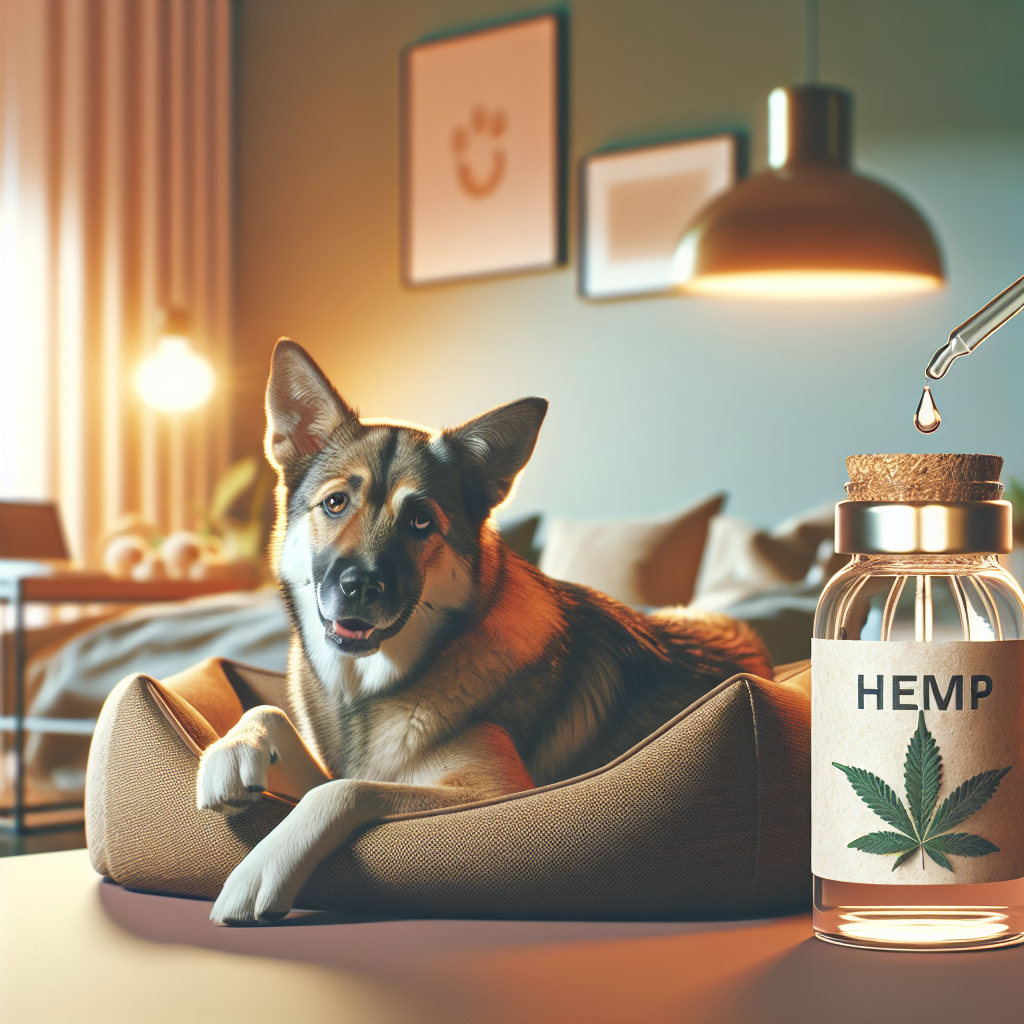
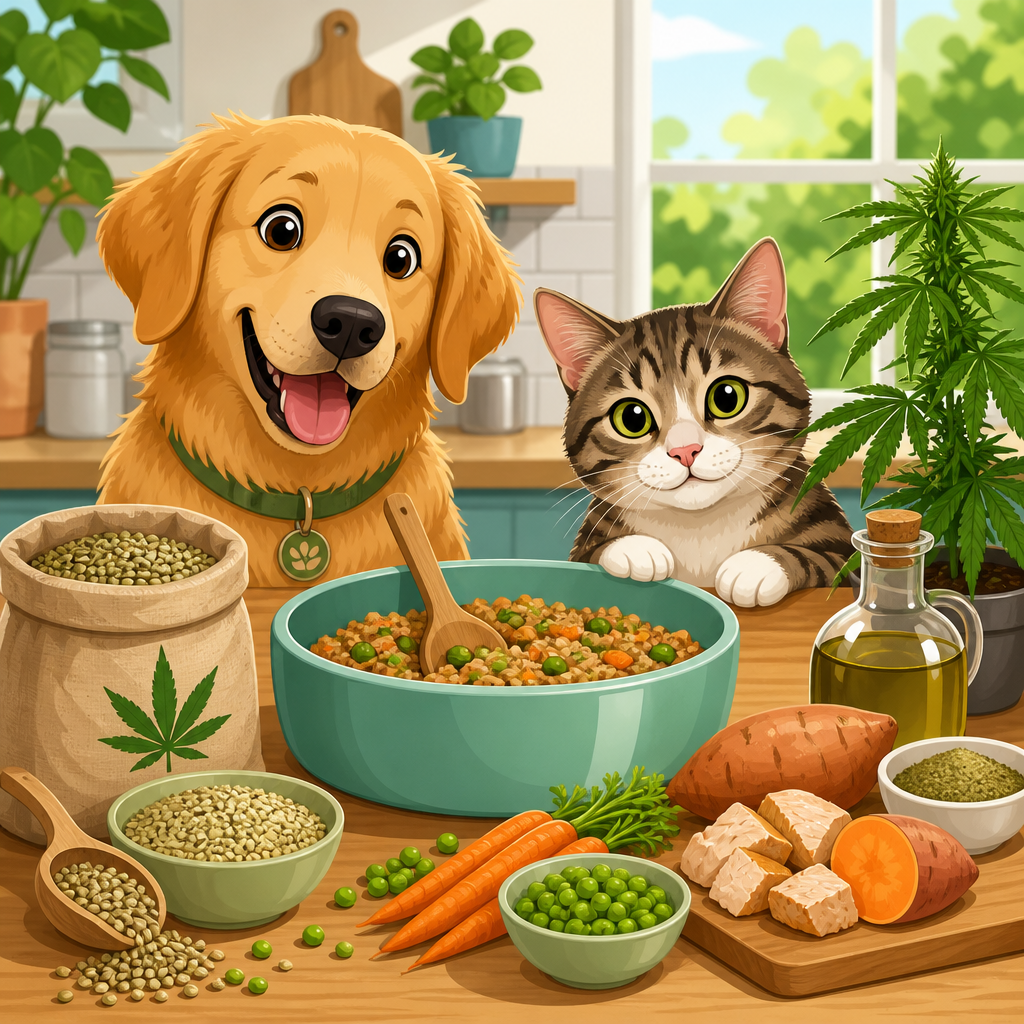
Making your own hemp pet food gives you direct control over ingredient quality, nutrient balance, flavor, and consistency while letting you tailor meals to a dog or cat’s age, activity level, digestion, and medical needs. In this context, hemp pet food usually means meals, toppers, or treats made with hemp seed hearts, hemp seed oil, or hemp protein powder that is specifically food grade and free from intoxicating cannabinoids. That distinction matters. Hemp seed ingredients provide useful fats, plant protein, fiber, vitamin E, magnesium, and trace minerals, but they are not a complete pet diet by themselves. A safe recipe starts with species-appropriate nutrition, then uses hemp as a functional ingredient rather than a miracle additive.
I have worked with homemade pet food plans long enough to see both sides of the trend. Done well, DIY feeding can improve palatability, support elimination diets, and help owners avoid low-quality fillers. Done poorly, it can create calcium deficiencies, excess fat intake, vitamin shortfalls, or chronic digestive upset. Dogs are omnivorous and generally more flexible, while cats are obligate carnivores with strict needs for taurine, arachidonic acid, preformed vitamin A, and high animal-protein intake. Any article about making your own hemp pet food has to begin there, because the value of hemp depends on the recipe around it. The goal is not simply homemade food. The goal is complete, practical, species-appropriate homemade food that can be repeated consistently.
Hemp belongs in this conversation because it solves several formulation problems at once. Hemp seed oil can increase energy density and improve texture in dry mixtures. Hemp hearts add protein and soft mouthfeel to baked treats. Hemp protein powder can boost protein in dog biscuits when used carefully with meat, eggs, or broth. For pet owners researching DIY hemp pet food recipes, the key questions are usually simple: what kind of hemp is safe, how much should I use, what recipes work, and how do I avoid nutritional mistakes? This hub answers those questions directly and sets up the broader subtopic by covering ingredients, safety, formulation, practical recipes, storage, and when to involve a veterinarian or board-certified veterinary nutritionist.
Choosing Safe Hemp Ingredients for Dogs and Cats
The first step in making your own hemp pet food is selecting the right form of hemp. Food-grade hemp seed hearts are the shelled inner portion of the seed. They are rich in fat and moderately high in protein, with a mild nutty flavor that many dogs accept easily. Whole hemp seeds contain more fiber because the hull remains intact, but they can pass through the digestive tract less efficiently, especially in small animals. Hemp seed oil is useful when you want calories and essential fatty acids without extra bulk. Hemp protein powder is more concentrated, but quality varies widely by manufacturer, and some products are too fibrous or bitter for pets.
Use only products designed for food use, ideally with lot testing that confirms the absence of microbial contamination, heavy metals, and unsafe cannabinoid levels. Reputable manufacturers provide certificates of analysis and disclose processing methods such as cold pressing for oils. Avoid flavored hemp products, sweetened powders, products containing xylitol, and anything marketed vaguely as a “hemp extract” unless the exact contents are clear. Seed-derived hemp ingredients differ from resin extracts. For a DIY food recipe, seed ingredients are the standard choice because they are nutrient ingredients, not wellness supplements with inconsistent active compounds.
Species matters here. Dogs can usually tolerate modest amounts of hemp seed oil or hemp hearts in complete recipes or as toppers. Cats are often less accepting of plant-heavy textures and need more careful formulation. For cats, hemp is best used sparingly as a minor addition to a meat-based recipe, never as a protein replacement. I also advise owners to introduce one hemp ingredient at a time for three to five days. That makes it easier to identify soft stool, reduced appetite, or vomiting before you invest in a large batch.
Building a Balanced Recipe Instead of Just Mixing Good Ingredients
The biggest mistake in homemade hemp pet food is assuming that wholesome ingredients automatically add up to balanced nutrition. They do not. A bowl of ground turkey, brown rice, carrots, and hemp hearts may look healthy, yet still fall short on calcium, iodine, zinc, copper, vitamin D, or taurine. Complete nutrition requires target levels, not intuition. For dogs, homemade diets often need a calcium source if boneless meat is used, plus attention to omega-3 balance, organ inclusion, and trace minerals. For cats, the margin for error is much smaller. They need diets centered on animal tissue, and recipes should be built from established veterinary nutrition principles.
A practical way to think about hemp is as one component in a structured formula. Protein usually comes primarily from meat, eggs, or in some dog recipes dairy ingredients such as plain yogurt or cottage cheese if tolerated. Carbohydrates may come from cooked oats, rice, pumpkin, or sweet potato in dog recipes, while cats generally require little to no carbohydrate emphasis. Fat can come from meat fat, fish oil, and a measured amount of hemp seed oil. Micronutrient coverage may require a veterinary supplement or a professionally formulated recipe. This is why many experienced feeders use software tools or recipes developed to meet AAFCO nutrient profiles or NRC recommendations rather than improvising.
Portion control matters too. Hemp seed ingredients are calorie dense. One tablespoon of hemp seed oil adds roughly 120 calories. Even hemp hearts, though nutritious, can push a small dog’s daily intake too high if scattered freely over food. In overweight pets, adding hemp without reducing another calorie source leads to weight gain quickly. The recipe has to fit the pet’s energy requirement, body condition score, stool quality, and bloodwork trends over time.
Best DIY Hemp Pet Food Recipes to Start With
Most owners should begin with simple, repeatable formulas that use hemp modestly. The safest starting point for dogs is a topper or treat, not a full diet. A basic hemp dog topper can be made by mixing cooked lean ground turkey, plain pumpkin puree, and a small amount of hemp hearts. Serve one or two spoonfuls over a complete commercial diet to test tolerance. Another reliable option is frozen hemp yogurt bites using plain unsweetened yogurt, mashed banana, and a teaspoon-level addition of hemp hearts portioned into silicone molds. These work well for active dogs and for summer enrichment, though they are treats rather than meal replacements.
For owners ready to cook larger dog meals, a balanced-style base often includes cooked lean meat, a measured carbohydrate source such as oats or rice, a vegetable such as green beans or carrots, a calcium source if needed, and hemp seed oil added after cooking. The oil should not be aggressively heated because oxidation degrades sensitive fats. I usually recommend stirring it in once the food has cooled to warm or room temperature. For cats, the safest “recipe” category is a meat-first topper: finely shredded cooked chicken or turkey with a tiny amount of hemp seed oil or very finely ground hemp hearts mixed in for texture. Cats that dislike novel textures may reject it entirely, so start small.
| Recipe Type | Best For | Preferred Hemp Ingredient | Practical Note |
|---|---|---|---|
| Meal topper | Dogs new to hemp | Hemp hearts | Easy tolerance test without changing the whole diet |
| Frozen treat | Healthy dogs needing enrichment | Hemp hearts or a few drops of hemp oil | Keep portions small because calories add up fast |
| Cooked dog meal | Owners following a complete recipe | Hemp seed oil | Add after cooking to protect fat quality |
| Cat topper | Picky cats | Tiny amount of hemp oil | Use only as a minor addition to meat-based food |
| Baked dog biscuit | Training treats | Hemp protein powder | Combine with egg and meat or broth for palatability |
These recipes work because they respect what hemp does well. It improves fat profile, texture, and nutrient density in small amounts. It does not replace meat in a carnivore’s bowl, and it should not be used to make plant-heavy “health” recipes for pets. If you are building a content cluster around DIY hemp pet food recipes, these starter formats naturally lead into more detailed recipe pages for treats, toppers, balanced meals, senior dog recipes, sensitive-stomach options, and cat-specific guidance.
How Much Hemp to Use and What Problems to Watch For
Use conservative amounts, especially at first. For small dogs, that may mean a quarter teaspoon of hemp seed oil or less, or a half teaspoon of hemp hearts mixed into food. Medium dogs may tolerate one teaspoon of oil or one to two teaspoons of hemp hearts depending on the total recipe. Large dogs can often handle more, but “more” is not automatically better. Cats usually need only a few drops of oil or a pinch of finely ground hemp hearts if they tolerate it at all. These are starting ranges, not universal prescriptions, because body size, diet composition, pancreatitis history, and stool quality all change the answer.
The most common side effect is loose stool from adding fat too quickly. Some pets also show decreased appetite if the flavor is unfamiliar, and a small number develop vomiting when rich treats are introduced abruptly. In dogs with pancreatitis, hyperlipidemia, or chronic gastrointestinal disease, even nutritious fats can cause problems. In those cases, hemp should be introduced only with veterinary approval. Another issue is rancidity. Hemp oil is relatively delicate compared with saturated fats. It should be stored in a dark bottle, refrigerated after opening, and used within the manufacturer’s recommended time frame.
Owners should also watch for formulation drift. This happens when a carefully measured recipe slowly changes because scoops become heaped, treat portions get larger, or ingredients are swapped casually. I have seen owners replace meat with extra hemp protein powder to “boost nutrition,” only to create poor palatability and unbalanced amino acid intake. Measure by weight when possible, record batch sizes, and keep each recipe version consistent long enough to evaluate the result.
Preparation, Storage, and Quality Control at Home
Home preparation standards matter as much as ingredients. Clean surfaces, sanitize cutting boards, cook meats to safe temperatures, and cool food promptly. Batch cooking works well, but divide food into daily portions before refrigeration or freezing. Most refrigerated homemade pet food is best used within three to four days. Frozen portions generally maintain quality for several weeks to a few months depending on fat content and packaging. Hemp-rich recipes should be protected from air exposure because unsaturated fats oxidize over time, affecting both taste and nutritional quality.
Texture is another quality-control issue. A good DIY hemp pet food recipe should mix evenly so each serving contains the same nutrient distribution. Stirring hemp oil into one side of a batch creates uneven calories and fat intake. Powders can clump, especially in colder mixtures, so whisk them into broth or warm water first when appropriate. For baked treats, avoid overbrowning; excessive heat can damage fats and make treats harder to digest. Label containers with the recipe name and preparation date. That sounds basic, but it is one of the most effective ways to track what a pet actually ate when evaluating skin changes, stool quality, or weight gain.
Finally, know when homemade feeding has moved beyond casual experimentation. If your pet is a puppy, kitten, pregnant animal, senior with chronic disease, or patient with kidney, liver, or GI disorders, a custom recipe should be professionally formulated. Hemp can still be part of that plan, but the plan needs clinical precision. Start with a simple topper or treat, monitor your pet carefully, and build from there with recipes designed to be safe, repeatable, and complete.
Making your own hemp pet food is most useful when it combines the appeal of fresh ingredients with the discipline of proper nutrition. Hemp seed hearts, hemp seed oil, and hemp protein can all play a role, but each has a narrow job: add healthy fats, modest plant protein, fiber, or texture within a recipe that already meets the animal’s core needs. Dogs usually have the widest margin for successful DIY recipes, especially with toppers, frozen treats, and carefully built cooked meals. Cats require a much more cautious, meat-centered approach, with hemp limited to tiny amounts if used at all.
The main takeaways are straightforward. Choose tested food-grade hemp ingredients. Introduce them slowly. Keep portions measured. Protect oils from heat, light, and air. Most importantly, do not confuse wholesome ingredients with complete nutrition. The best DIY hemp pet food recipes are repeatable, balanced, and tailored to the pet in front of you, not copied blindly from a trend post. When owners follow those principles, homemade hemp recipes can be practical, enjoyable, and genuinely helpful.
If you are building a better hemp food routine for your pet, start with one simple recipe category such as a topper or treat, document the response, and expand only after you know it works. Then use that experience to explore the rest of the DIY hemp pet food recipe hub and create a feeding plan that is safe enough to trust every day.
Frequently Asked Questions
What does “hemp pet food” actually mean when you make it at home?
In homemade pet food, “hemp” usually refers to food-grade hemp seed ingredients such as hemp seed hearts, hemp seed oil, and hemp protein powder. These are used in meals, toppers, or treats to add beneficial fats, plant protein, and texture. The important point is that these ingredients are not the same as cannabis products intended to deliver intoxicating effects. For homemade pet food, the goal is nutrition, not psychoactive activity. That means choosing ingredients specifically labeled for food use, from reputable suppliers, and free from unsafe contaminants or inappropriate cannabinoid content.
Hemp seed hearts are the soft inner part of the seed and are often used for their mild flavor and digestibility. Hemp seed oil is valued for its fat profile and is usually added in small amounts to support palatability and provide essential fatty acids. Hemp protein powder can help increase protein content in treats or meal components, though it should be used thoughtfully because dogs and cats have different protein needs and digestive tolerance. In practical terms, homemade hemp pet food is less about making hemp the entire diet and more about using the right hemp ingredient in the right amount as part of a balanced recipe.
That distinction matters even more for pets with specific health concerns. A dog with a sensitive stomach, a sedentary senior pet, or a highly active working dog may all need very different nutrient ratios. When used properly, hemp seed ingredients can be a useful addition, but they should fit into a complete feeding plan rather than replace the broader nutritional framework your pet needs.
Is homemade hemp pet food safe for dogs and cats?
It can be safe, but only when it is made with appropriate ingredients, careful recipe planning, and species-specific nutrition in mind. The safest approach is to use food-grade hemp seed ingredients designed for consumption and avoid anything vague, unverified, or intended for other purposes. Products should be free from contaminants such as pesticides, mold, heavy metals, and ingredients that are unsafe for pets. It is also essential to keep in mind that dogs and cats are not nutritionally interchangeable. Dogs are more flexible in their diet, while cats are obligate carnivores and require nutrients that must come primarily from animal-based sources.
Safety also depends on the overall balance of the recipe. Many homemade diets run into trouble not because a single ingredient is harmful, but because the full meal is incomplete over time. Pets need the right balance of protein, fat, vitamins, minerals, and calories. If hemp is added without considering calcium-to-phosphorus balance, essential amino acids, taurine needs for cats, or total fat intake, the result may be well intentioned but nutritionally inadequate. That is why homemade pet food should be developed carefully, especially if it will be fed regularly rather than occasionally as a topper or treat.
Portion size matters as well. Even healthy ingredients can cause digestive upset if introduced too quickly or given in excess. Start small, watch for changes in stool quality, appetite, skin condition, and energy level, and discuss major diet changes with a veterinarian or a qualified veterinary nutrition professional. This is especially important for puppies, kittens, pregnant pets, seniors, and animals with pancreatitis, kidney disease, food allergies, or chronic gastrointestinal issues.
What are the main nutritional benefits of adding hemp seed ingredients to homemade pet food?
Hemp seed ingredients can contribute useful nutrients when they are used appropriately in a balanced recipe. One of the biggest reasons pet owners consider them is their fat content. Hemp seed oil and hemp seed hearts provide essential fatty acids that can support skin health, coat condition, and overall diet variety. They can also improve flavor and mouthfeel, which may help with acceptance in picky eaters when used sparingly. Hemp protein powder can add plant-based protein to certain recipes or treats, although it should not be viewed as a complete substitute for the high-quality animal protein many pets require, especially cats.
Another benefit is ingredient control. When you prepare food at home, you can choose the exact type and amount of hemp ingredient you use, along with the rest of the recipe. That allows you to tailor meals based on age, activity level, body condition, digestive sensitivity, or medical needs under veterinary guidance. For example, a pet who does well with simple, minimally processed ingredients may tolerate a carefully formulated homemade topper better than a heavily flavored commercial product. Hemp ingredients can also be useful for adding calories or texture in small, measurable amounts.
That said, the benefits are real only when the ingredient is used with purpose. More is not automatically better. A recipe overloaded with oil can become too calorie-dense, and too much protein powder can affect texture, digestibility, or nutrient balance. The best nutritional results come from treating hemp as one component of a complete plan rather than as a miracle ingredient. Balanced nutrition still depends on the full recipe, the pet’s individual needs, and consistent monitoring over time.
How do you choose the right hemp ingredient for homemade pet food recipes?
The best choice depends on what you are trying to accomplish in the recipe. Hemp seed hearts are a practical option when you want a whole-food ingredient with a mild taste and soft texture. They can work well in toppers, baked treats, or blended mixtures. Hemp seed oil is better when you want to add essential fats, improve palatability, or enrich a recipe without adding much bulk. Hemp protein powder is most useful when you want to alter protein content or structure in homemade treats, but it needs more caution because concentrated powders can change digestibility and nutrient distribution more dramatically than whole seeds or oil.
Quality should be a top priority no matter which form you choose. Look for food-grade products from established manufacturers with clear labeling, basic ingredient transparency, and preferably third-party testing or other quality assurances. The ingredient should clearly identify that it comes from hemp seed and is intended for consumption. Avoid products with unnecessary sweeteners, flavorings, preservatives, or blends that include ingredients unsafe for pets. Simpler is usually better. If you are buying oil, freshness matters because oils can oxidize over time. Store them as directed and pay attention to expiration dates and any off odors.
You should also match the ingredient to your pet’s digestive tolerance and overall diet. A pet prone to loose stools may do better with a tiny amount of hemp oil introduced gradually rather than a large serving of seeds or powder. A pet already eating a high-fat diet may need a different approach entirely. If you are making a daily recipe, not just occasional treats, selecting the right ingredient should be part of a bigger nutritional plan, ideally one reviewed by a veterinary professional who understands homemade diets.
Can hemp seed ingredients replace part of a complete pet diet, or are they better used as toppers and treats?
For most pet owners, hemp seed ingredients are best used as part of a balanced recipe or as modest toppers and treats rather than as a major replacement for a complete diet. They can absolutely have a place in homemade feeding, but they do not automatically make a meal complete. A full diet must still provide all essential nutrients in the correct proportions over time. That includes adequate high-quality protein, appropriate fat levels, vitamins, minerals, and species-specific nutrients. Hemp seed ingredients can support that structure, but they should not be expected to carry it on their own.
Using hemp as a topper is often the simplest and safest starting point. Small amounts of hemp seed hearts or a measured drizzle of hemp seed oil can enhance flavor and add nutritional variety without dramatically changing the entire diet. This makes it easier to assess tolerance and avoid overdoing calories or fat. In homemade treats, hemp protein powder or seeds can contribute texture and nutritional interest, but treats should still remain a limited part of total daily intake unless a veterinarian has helped formulate them for a specific purpose.
If you want hemp ingredients to be part of a regular homemade meal plan, the recipe should be intentionally designed, not improvised. Long-term homemade feeding requires more than choosing wholesome ingredients; it requires balancing them correctly. That is especially important for cats, growing animals, and pets with medical conditions. The smartest way to use hemp in homemade pet food is to see it as a useful ingredient with clear strengths, then build around your pet’s full nutritional requirements instead of assuming hemp itself makes the diet complete.