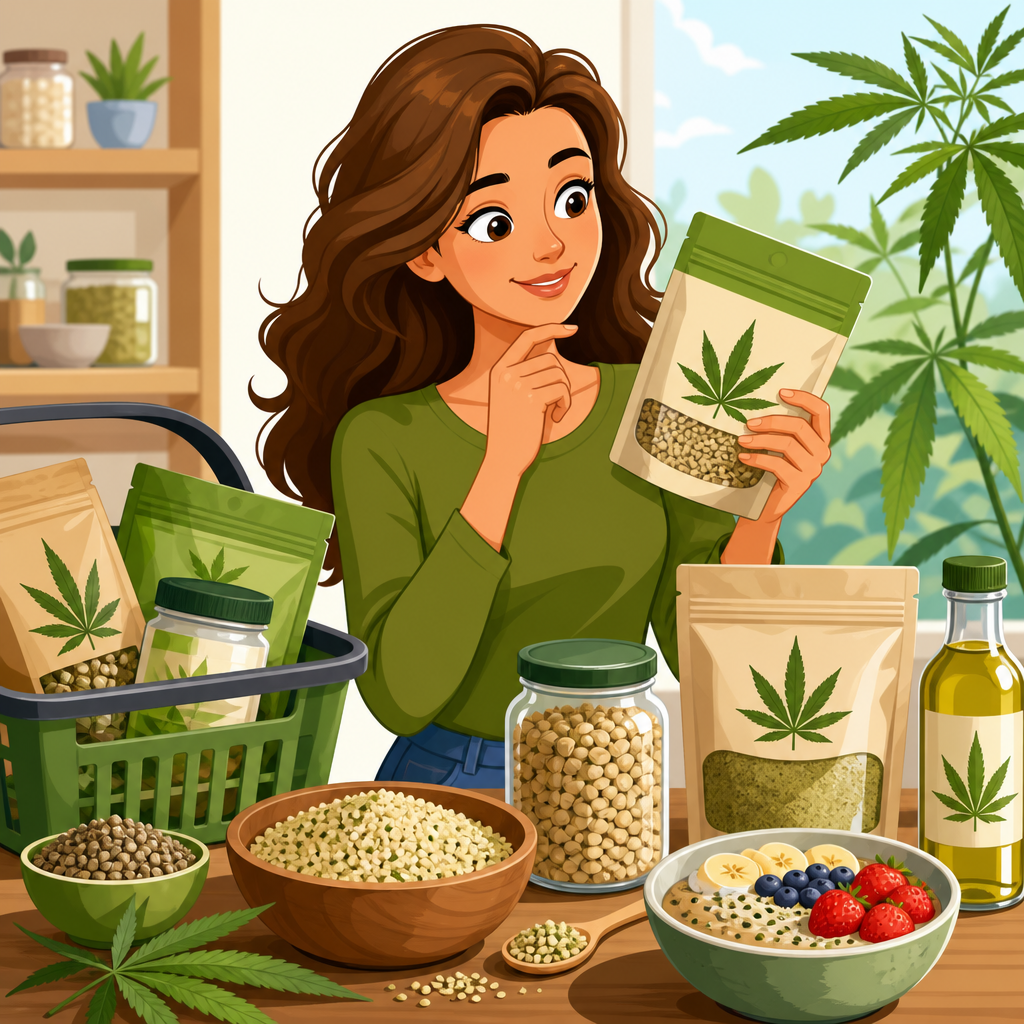

Hemp belongs in a modern dinner menu because it is versatile, nutrient dense, easy to use, and far less intimidating than many home cooks assume. When people ask how to incorporate hemp into your dinner menu, they usually mean three practical things: which hemp foods are edible, how they taste, and how to cook with them without ruining texture or flavor. In this context, hemp means food-grade ingredients from the hemp plant, especially hemp hearts, hemp seed oil, hemp protein powder, and in some markets hemp flour. These are different from high-THC cannabis products and are sold as mainstream pantry staples.
For dinner, hemp works best as an ingredient that adds protein, healthy fats, fiber, and a mild nutty flavor. Hemp hearts are the soft inner part of the seed, with a tender bite similar to pine nuts crossed with sunflower kernels. Hemp seed oil is a finishing oil with an earthy, grassy note, not an all-purpose frying oil. Hemp protein powder is a concentrated plant protein made from seeds after part of the oil is removed. Hemp flour, where available, is usually blended with other flours for baking or thickening rather than used alone. Understanding these forms is the first step to using hemp confidently at the dinner table.
This matters because more households want dinner options that are plant forward, quick to prepare, and nutritionally balanced without feeling restrictive. I have worked with hemp ingredients in everyday meal planning, and the biggest lesson is that success depends less on complicated recipes and more on choosing the right format for the right job. Sprinkle hemp hearts where you would use grated cheese, nuts, or breadcrumbs. Use hemp oil where you would use finishing olive oil. Stir hemp protein into savory sauces in small amounts if you want a protein boost. Once you treat hemp as a functional pantry ingredient instead of a novelty, dinner ideas open up fast.
From a nutrition standpoint, hemp seeds are widely valued for protein, unsaturated fats, and minerals such as magnesium and iron. They also provide omega-3 and omega-6 fatty acids, including alpha-linolenic acid and linoleic acid. Exact values vary by brand and serving size, but shelled hemp seed products commonly provide around 10 grams of protein and roughly 12 to 15 grams of fat per three tablespoon serving. That makes hemp especially useful in vegetarian and flexitarian dinners, where satiety can become an issue if meals lean too heavily on refined grains or low-protein vegetables.
Which Hemp Ingredients Work Best at Dinner
If your goal is to learn how to incorporate hemp into your diet through evening meals, start by matching each ingredient to a cooking task. Hemp hearts are the easiest entry point because they require no preparation and work in bowls, salads, soups, pasta, grain dishes, and vegetable sides. Their flavor is gentle enough to disappear into sauces but distinct enough to add richness when sprinkled over roasted vegetables or risotto. I use them most often as a topping for sheet-pan dinners because they add nutrition without changing the cooking method.
Hemp seed oil is best treated like walnut oil or flax oil: use it after heat, not as a high-temperature sauté oil. Its smoke point and flavor profile make it better for drizzling onto cooked lentils, whisking into vinaigrettes, or finishing grilled vegetables than for searing proteins. Hemp protein powder is more specialized. In savory cooking, it can enrich blended soups, bean patties, homemade pasta dough, or energy-supporting grain bowls, but too much creates a chalky texture. A tablespoon or two usually integrates well; a quarter cup often overwhelms the dish. Hemp flour is useful in pancakes, flatbreads, crackers, and breading mixes, though it generally performs best when blended with wheat or gluten-free flour bases.
| Hemp ingredient | Best dinner uses | Flavor and texture | Key caution |
|---|---|---|---|
| Hemp hearts | Salads, bowls, soups, pasta, vegetable toppings | Mild, nutty, soft crunch | Can clump if added to very wet sauces without stirring |
| Hemp seed oil | Dressings, drizzles, finishing cooked dishes | Earthy, grassy, silky | Do not use for high-heat frying |
| Hemp protein powder | Soup enrichment, veggie burgers, savory smoothies, sauces | Dense, earthy, slightly gritty | Use modest amounts to avoid chalkiness |
| Hemp flour | Flatbreads, batters, breading, blended baking mixes | Nutty, hearty, darker crumb | Usually needs blending with another flour |
These distinctions matter because many disappointing first experiences with hemp come from using the wrong format. People pan-fry with hemp oil, add too much protein powder to sauce, or expect hemp flour to act like all-purpose flour. Dinner planning becomes much easier when you decide whether hemp is playing the role of topping, finishing fat, protein booster, or flour substitute. That one choice determines everything else.
Simple Ways to Add Hemp to Familiar Dinner Meals
The easiest route is to add hemp to meals you already cook every week. For pasta night, toss spaghetti with garlic, lemon zest, parsley, olive oil, and a few tablespoons of hemp hearts, then finish with roasted broccoli and black pepper. The hemp adds body similar to finely chopped nuts and pairs especially well with basil pesto. You can also blend hemp hearts into pesto itself with basil, Parmesan, garlic, and olive oil for a creamier texture at a lower cost than using pine nuts alone.
For grain bowls, hemp is almost effortless. Build a bowl with brown rice or quinoa, roasted sweet potatoes, chickpeas, kale, cucumbers, and tahini dressing, then add hemp hearts on top. The seeds contribute protein and healthy fats that make a vegetable-heavy dinner more satisfying. In tacos, hemp hearts can be folded into black bean filling or sprinkled over avocado and slaw. In soups, stir a spoonful into tomato soup, carrot ginger soup, or blended cauliflower soup just before serving. They thicken slightly and add a subtle richness without dairy.
Hemp also fits naturally into weeknight proteins and side dishes. Coat salmon or tofu with Dijon mustard, herbs, and hemp hearts before baking for a quick crust. Stir hemp hearts into turkey or lentil meatballs with breadcrumbs and onion for added moisture. Add them to stuffed peppers, mushroom fillings, or casserole toppings. If you roast Brussels sprouts, green beans, or carrots, finish them with hemp oil, lemon juice, and sea salt. These are low-risk uses because hemp complements flavors people already understand: citrus, garlic, herbs, roasted vegetables, legumes, grains, and mild cheeses.
How to Build a Balanced Dinner with Hemp
A balanced hemp dinner should still follow the same structure as any satisfying meal: protein, fiber-rich carbohydrates, vegetables, and a source of fat. Hemp can contribute to protein and fat, but it should support the meal rather than carry the entire nutritional load unless the recipe is designed around it. A realistic formula is simple. Start with a primary protein such as lentils, beans, tofu, tempeh, chicken, fish, or eggs. Add a whole grain or starchy vegetable. Include at least one non-starchy vegetable. Then layer in hemp through seeds, oil, or a blended sauce.
For example, a vegetarian dinner might include farro, roasted cauliflower, marinated lentils, and a yogurt-herb sauce finished with hemp hearts. A pescatarian dinner could be baked cod with wild rice, asparagus, and a hemp oil vinaigrette. A vegan dinner could be soba noodles with edamame, mushrooms, bok choy, and a sesame-hemp dressing. These meals work because hemp is integrated into the architecture of the plate, not scattered randomly in hopes of making the meal healthier.
Portioning matters too. Most people do well starting with one to three tablespoons of hemp hearts per serving, depending on the rest of the dish. That amount adds flavor and meaningful nutrition without making the meal heavy. Hemp oil is potent in flavor, so one to two teaspoons can be enough for an individual plate. If you are using hemp protein powder in dinner recipes, think in tablespoons, not scoops. Dinner foods need balance, and the earthy taste can dominate quickly.
Cooking Tips, Storage Rules, and Common Mistakes
Knowing how to use hemp correctly is as important as knowing where to add it. The biggest cooking rule is heat management. Hemp hearts can handle moderate cooking in baked dishes or warm grain bowls, but hemp seed oil should usually be reserved for finishing. If a recipe requires high heat, use avocado oil, canola oil, grapeseed oil, or olive oil as appropriate, then add hemp oil after cooking for flavor. This preserves both taste and quality.
Storage is another practical issue. Because hemp foods contain unsaturated fats, they can go rancid if exposed to heat, light, and air for too long. Keep unopened products according to label directions, and refrigerate opened hemp oil and often hemp hearts if the package recommends it. Smell before use. Fresh hemp should smell mild and nutty, never like old paint, bitter grass, or stale nuts. I have seen good recipes fail simply because the seeds were old.
Common mistakes are predictable. One is overusing hemp in every component of a meal, which leads to a muddy flavor. Another is assuming hemp protein behaves like whey isolate; it does not. It absorbs more liquid, brings more fiber, and often has a rougher mouthfeel. A third mistake is ignoring label details. Some products are hulled, some are whole seed, some are flavored, and some are blended with sweeteners. For dinner recipes, choose plain, unsweetened products unless the recipe says otherwise.
Dinner Ideas for Different Diets and Household Needs
Hemp is useful because it adapts to many eating patterns without forcing a separate meal for every person at the table. For vegan households, hemp supports protein intake in lentil Bolognese, stuffed squash, grain bowls, and creamy dairy-free sauces made with blended hemp hearts, garlic, lemon, and water. For gluten-free dinners, hemp can appear in grain salads, crusts for fish or chicken, and blended flour mixes for savory muffins or flatbreads. For lower-carb meals, it works well in cauliflower rice bowls, zucchini noodle dishes, and salads topped with salmon or grilled chicken.
Families with children often do best with subtle uses first. Stir hemp hearts into macaroni and cheese, meatballs, tacos, or homemade chicken tenders coating. Blend them into green sauces or ranch-style dressings. Sprinkle a small amount over pizza after baking. For older adults, hemp can be especially useful in softer-textured dinners such as soups, mashed vegetable bowls, baked casseroles, and egg dishes, where chewing is easier but nutrition density still matters. For athletes and highly active adults, hemp can support recovery-focused dinners when combined with substantial carbohydrate and protein sources, such as rice bowls with tofu, edamame, and roasted vegetables.
Budget matters as well. Hemp is nutritious, but it is not always the cheapest ingredient in the pantry. The smartest approach is to use it strategically rather than as the sole protein source. Pair hemp hearts with beans, lentils, eggs, canned fish, or seasonal vegetables. Use hemp as a nutrient amplifier. That is how to incorporate hemp into your diet in a way that is sustainable, not expensive or performative.
When Hemp Is a Good Choice, and When Another Ingredient May Be Better
Hemp is an excellent dinner ingredient when you want mild nuttiness, plant-based protein, and quick assembly. It is particularly strong in no-cook and low-cook applications, in meals where texture matters, and in menus that need nutritional support without major recipe changes. It is one of the fastest ways to make a salad, soup, grain bowl, or roasted vegetable plate more filling. It is also useful for people who cannot eat tree nuts but still want some of the richness nuts often bring, though cross-contact and individual allergy guidance still require attention.
That said, hemp is not always the best answer. If you need a neutral high-heat oil, choose avocado or canola. If you need a perfectly smooth protein addition for sauce, silken tofu or Greek yogurt may blend more cleanly. If you need a low-cost crunchy topping, sunflower seeds can be cheaper. Good meal planning is not about forcing one ingredient into every dinner. It is about understanding what each ingredient does well.
The main benefit of bringing hemp into dinner is flexibility. You can start small with a tablespoon on soup tonight, a drizzle of hemp oil on vegetables tomorrow, and a hemp-crusted protein later in the week. That gradual approach helps you learn flavor pairings, portion sizes, and the products your household actually enjoys. If you want to incorporate hemp into your diet consistently, pick one familiar dinner recipe this week and add a single hemp ingredient with intention. That is the simplest way to turn a healthy idea into a lasting habit.
Frequently Asked Questions
What kinds of hemp ingredients can you actually use in dinner recipes?
When people talk about adding hemp to dinner, they are usually referring to a few specific food-grade ingredients that are easy to find and simple to use. The most common option is hemp hearts, which are shelled hemp seeds with a soft texture and a mild, nutty flavor. These are one of the easiest entry points because they can be sprinkled over grain bowls, pasta, roasted vegetables, soups, salads, and even blended into sauces. Hemp seed oil is another popular ingredient. It is prized more for finishing than for high-heat cooking, since its delicate flavor and nutritional qualities are best preserved when drizzled over prepared dishes, stirred into dressings, or used in dips and marinades. Hemp protein powder is also edible and useful, especially if you want to enrich a savory sauce, a veggie burger mixture, or a pasta dough with extra plant-based protein and body.
In some cases, dinner recipes may also use whole hemp seeds or hemp flour, though these are less common in everyday home cooking. Whole hemp seeds have a firmer texture than hemp hearts and may work well in homemade crackers, crusts, or multigrain dishes. Hemp flour can be blended with other flours in flatbreads, pancakes for savory dinners, or baked components like pizza crust and dinner rolls. The key is choosing the form of hemp that matches the role you want it to play. If you want creaminess and subtle richness, use hemp hearts. If you want a finishing element, use hemp seed oil. If you want a protein boost or more structure in a recipe, hemp protein powder may be the better fit. Sticking with clearly labeled food-grade hemp products from reputable brands helps ensure the ingredient is intended for cooking and has the flavor, texture, and quality you want for a dinner menu.
What does hemp taste like, and which dinner foods does it pair well with?
Hemp has a mild, earthy, slightly nutty flavor that is generally much more approachable than many first-time cooks expect. Hemp hearts are soft and pleasantly rich, often compared loosely to sunflower seeds or pine nuts, but with a more delicate finish. Hemp seed oil has a deeper, grassier nuttiness and can add a subtle savory character when used carefully. Hemp protein powder tends to have the strongest flavor of the common hemp ingredients, often with a more robust earthy taste, so it works best when blended into dishes with other strong or complementary ingredients.
Because the flavor is not overpowering, hemp fits naturally into a wide range of dinner foods. It pairs especially well with roasted vegetables, mushrooms, lentils, beans, whole grains like quinoa and farro, pasta, pesto-style sauces, green salads, and creamy soups. It also works well in Mediterranean-inspired meals, grain bowls, stuffed vegetables, veggie burgers, and plant-based casseroles. For example, hemp hearts can be stirred into a rice pilaf, added to a breadcrumb topping, or blended with herbs, garlic, lemon, and olive oil for a creamy sauce. Hemp seed oil is excellent drizzled over a finished bowl of roasted sweet potatoes, kale, and chickpeas. If you are unsure where to start, think of hemp as a supporting ingredient rather than the dominant flavor. It often works best when used to add richness, texture, and nutrition to ingredients you already know and enjoy.
How do you cook with hemp without ruining the texture or flavor of a dish?
The easiest way to get good results with hemp is to match the ingredient to the right stage of cooking. Hemp hearts are very forgiving and can be used either as a topping or mixed into recipes near the end of cooking. They add a tender, slightly creamy texture without becoming unpleasant or tough. For dinner applications, they are excellent folded into cooked grains, stirred into risotto, sprinkled over sheet-pan vegetables, or blended into sauces. If you want some texture contrast, use them as a garnish just before serving. If you want them to disappear into the dish and add richness, blend them into soups, dressings, or creamy pasta sauces.
Hemp seed oil should generally not be treated like a high-heat frying oil. It performs best as a finishing oil, in vinaigrettes, or in low-heat applications where its flavor can stay fresh and distinct. Drizzling it over a finished dish is one of the safest and most flavorful methods. Hemp protein powder takes a little more care because it can become dense or chalky if too much is added at once. The best approach is to start small and combine it with moisture-rich ingredients like tomato sauce, blended vegetables, mashed beans, or tahini-based mixtures. If you are making burgers, meatballs, or patties, a modest amount can improve structure and protein content, but balance is important. As a general rule, hemp is easiest to work with when you use it to enhance a recipe rather than completely redefine it. Start with small amounts, taste as you go, and use hemp to complement familiar dinner ingredients instead of forcing it into every step of the cooking process.
What are some simple ways to add hemp to a weeknight dinner menu?
One of the best things about hemp is that it does not require a complicated recipe or a major change in cooking habits. On a busy weeknight, the simplest strategy is to treat hemp as a finishing ingredient or quick add-in. Hemp hearts can be sprinkled over pasta with marinara, stirred into cooked quinoa or brown rice, mixed into a salad, or added to a soup just before serving. They can also be blended into a quick sauce with garlic, lemon juice, herbs, and water or broth to create a creamy topping for grain bowls, roasted vegetables, grilled tofu, or baked chicken. A spoonful of hemp hearts in taco bowls, stuffed peppers, or casseroles can instantly make dinner feel more substantial.
Hemp seed oil is equally practical when used as a final touch. You can whisk it into a lemon dressing for salad, drizzle it over roasted broccoli or carrots, or add a small amount to a hummus plate, grain bowl, or warm lentil dish. Hemp protein powder is useful when you want to increase the staying power of plant-forward meals. It can be mixed into homemade veggie burgers, bean patties, savory muffins, or a thick sauce for pasta and baked dishes. A good beginner approach is to choose one hemp product and use it in one role for the week. For example, keep hemp hearts on the table like you would grated cheese, nuts, or seeds, and add them where a little extra richness and texture would improve the meal. That keeps the ingredient practical, approachable, and easy to repeat.
Is hemp a nutritious addition to dinner, and are there any things to keep in mind when serving it?
Hemp is popular in modern dinner menus not just because it is versatile, but because it brings meaningful nutritional value in a very usable form. Hemp hearts are especially known for providing plant-based protein, healthy fats, and important minerals, all in a compact ingredient that is easy to sprinkle, stir, or blend into meals. They can help make salads, bowls, soups, and vegetable-based dinners feel more satisfying. Hemp seed oil contributes healthy fats and a rich finish, while hemp protein powder can be useful for boosting protein in meatless recipes that might otherwise feel light. For home cooks trying to build balanced dinners, hemp can be a practical way to add nutrient density without turning the meal into a specialized health-food project.
That said, a few common-sense considerations matter. First, use food-grade hemp products intended for eating, not anything marketed for gardening or industrial use. Second, store hemp products properly, especially hemp seed oil, which should usually be kept away from heat and light and often refrigerated after opening to maintain freshness. Hemp hearts also stay fresher longer when stored according to package directions. Third, pay attention to quantity and balance. A little hemp can improve a dish, but overusing hemp protein powder or too much hemp oil can affect flavor and texture. Finally, if you are cooking for guests with seed allergies or strict dietary needs, check labels and ingredient compatibility just as you would with any specialty food. Used thoughtfully, hemp is not difficult or strange at all. It is simply a flexible, nutrient-dense ingredient that can make dinner more interesting, more satisfying, and easier to adapt to modern eating preferences.