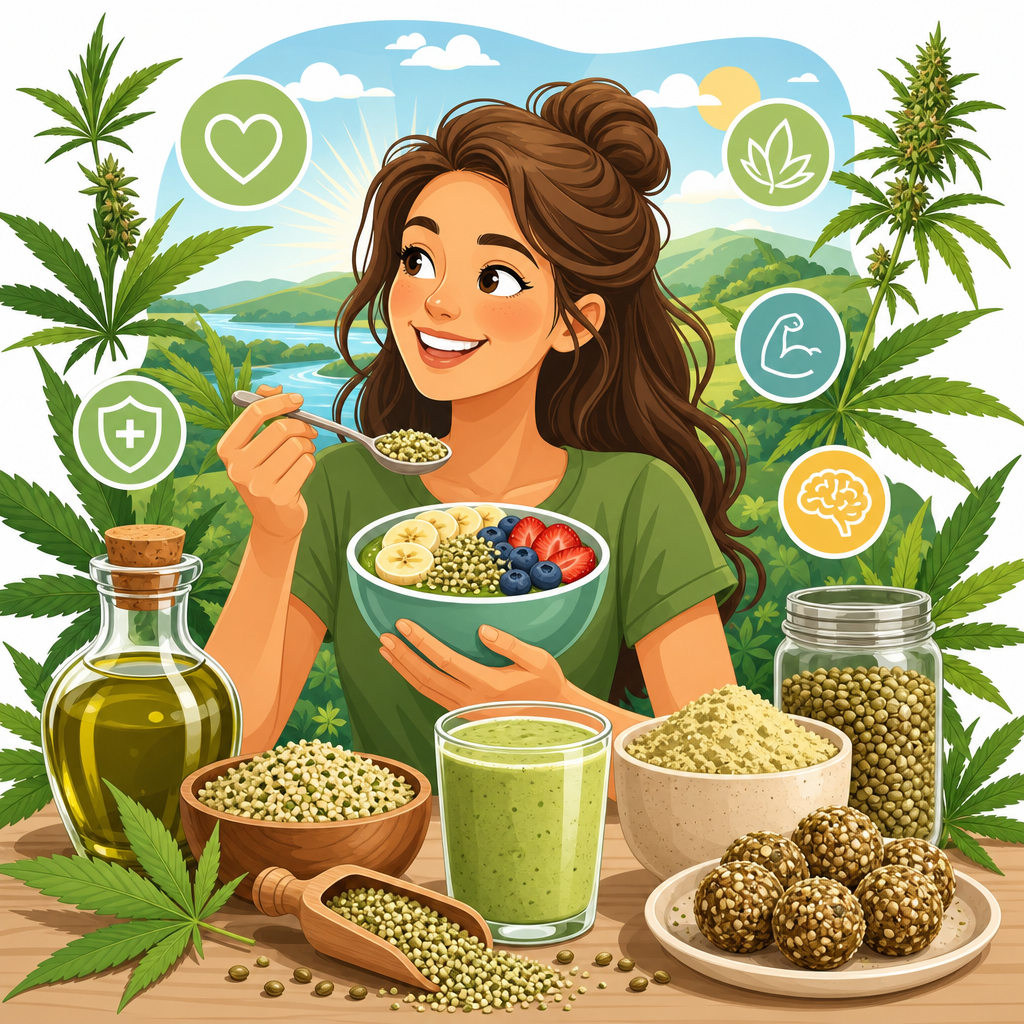
Hemp food deserves a place in modern nutrition because it combines dense nutrients, culinary versatility, and a strong sustainability profile in one ingredient family. When people ask why you should include hemp in your diet, they usually mean foods made from the seeds of industrial hemp, including hemp hearts, hemp protein powder, hemp seed oil, and whole hemp seeds. These foods come from varieties of Cannabis sativa bred for very low tetrahydrocannabinol, or THC, which means they are grown for fiber, seed, and nutrition rather than intoxication. In practical terms, hemp food is a pantry category, not a recreational product.
I have worked with hemp ingredients in product development, recipe testing, and nutrition-focused content, and the same pattern shows up repeatedly: consumers are curious, but many are still unsure what hemp food is, how it differs from CBD products, and whether it is actually worth adding to meals. The short answer is yes. Hemp seeds provide complete protein, essential fatty acids, fiber in whole-seed form, and meaningful amounts of minerals such as magnesium, phosphorus, iron, and zinc. They are easy to use in smoothies, yogurt bowls, salads, baked goods, sauces, and savory dishes without demanding major changes in eating habits.
This matters because most people are trying to solve familiar nutrition problems. They want more protein from plant sources, better fats instead of excess saturated fat, convenient ingredients they will actually use, and foods that fit vegetarian, vegan, gluten-free, and dairy-free patterns. Hemp food answers many of those needs at once. It also helps people diversify beyond the usual rotation of soy, pea, almond, and flax. Nutritional variety is not a small point. Different seeds and plant proteins bring different amino acid profiles, fatty acid balances, textures, and micronutrients, and hemp is distinctive enough to earn its own place rather than serving as a novelty substitute.
Understanding hemp food also helps cut through persistent misinformation. Hemp foods do not produce a high, and standard commercial products are regulated for safety and composition. The nutritional value is the real story. Hemp hearts, for example, are the soft inner seed after the hull is removed. They have a mild, nutty taste and can be eaten raw. Hemp protein is typically made by pressing seeds to remove much of the oil, then milling the remaining seed cake into powder. Hemp seed oil is prized for its fatty acid composition and is best used unheated or with minimal heat, since highly unsaturated oils are less stable at high cooking temperatures. Once people understand these basic forms, they can choose the right product for the right purpose.
What Hemp Food Is and How It Differs From Other Hemp Products
Hemp food refers to edible products made primarily from hemp seeds. The most common forms are hemp hearts, whole hemp seeds, hemp protein powder, hemp flour, and hemp seed oil. CBD oil, hemp extract, and other cannabinoid products are separate categories with different purposes, manufacturing methods, and labeling requirements. This distinction matters because many first-time buyers see the word hemp and assume all products function the same way. They do not. If your goal is nutrition, start with seed-based foods.
Industrial hemp is legally defined in many markets by its very low THC content, and seed-based foods are produced from parts of the plant intended for agriculture and nutrition. Reputable brands provide batch testing, ingredient transparency, allergen statements, and nutrition labels that make product comparison straightforward. When I evaluate hemp food products, I look first at ingredient simplicity. A bag of hemp hearts should ideally contain one ingredient. A protein powder may contain only hemp protein, or a blend with natural flavorings and sweeteners, but simpler formulations make it easier to judge quality and tolerance.
Hemp also differs from chia and flax in practical kitchen use. Chia forms a gel in liquid, flax has a stronger earthy note and is often used ground, while hemp hearts stay soft and pleasantly nutty. Compared with soy protein, hemp protein is usually less refined and retains more fiber and plant compounds, though it often has a grittier texture. Compared with pea protein isolate, hemp protein can be lower in protein concentration by percentage, but it offers a more whole-food character. These tradeoffs are not weaknesses. They simply determine where each ingredient performs best.
The Core Nutritional Benefits of Hemp Seeds
The strongest reason to include hemp in your diet is nutrient density. Hemp seeds contain all nine essential amino acids, making them a complete protein source. That matters especially for people building plant-forward meals. While complete protein status does not mean every serving is nutritionally identical to animal protein, it does mean hemp can contribute meaningfully to daily amino acid needs. In real meal planning, combining hemp with legumes, whole grains, or dairy alternatives can create balanced, satisfying meals without relying on heavily processed protein products.
Hemp is also valued for its fat profile. The seeds naturally provide polyunsaturated fats, especially linoleic acid, an omega-6 fatty acid, and alpha-linolenic acid, an omega-3 fatty acid. They also contain gamma-linolenic acid, or GLA, a less common fatty acid that often drives consumer interest. The often-cited balance of omega-6 to omega-3 in hemp foods is one reason dietitians and formulators pay attention to them, though it should be viewed as part of the total diet rather than a magic ratio. No single food fixes an imbalanced eating pattern, but hemp can improve the quality of dietary fat intake.
Mineral content is another overlooked benefit. Hemp seeds supply magnesium for muscle and nerve function, phosphorus for bones and energy metabolism, iron for oxygen transport, and zinc for immune function and cellular repair. Depending on the product form, they may also contribute potassium and B vitamins. Whole hemp seeds and less refined hemp protein products can add fiber, which supports digestive health and fullness. Hulled hemp hearts contain less fiber than whole seeds because the outer hull has been removed, but they are often easier to digest and easier to use in everyday meals.
| Hemp Food Form | Main Nutritional Strength | Best Everyday Use | Key Limitation |
|---|---|---|---|
| Hemp hearts | Complete protein plus healthy fats | Yogurt, oatmeal, salads, smoothies | Lower fiber than whole seeds |
| Whole hemp seeds | More fiber with fats and protein | Granola, baking, cereal mixes | Chewier texture |
| Hemp protein powder | Higher protein concentration | Shakes, pancakes, energy bites | Can taste earthy or gritty |
| Hemp seed oil | Unsaturated fatty acids | Dressings, dips, finishing oil | Not ideal for high-heat cooking |
How Hemp Supports Everyday Dietary Goals
Hemp food works well because it solves practical nutrition problems without adding much friction. If you need more protein at breakfast, hemp hearts can be stirred into oatmeal or blended into a smoothie in seconds. If you want to make a salad more filling, two to three spoonfuls add texture and satiety. If you are reducing animal products, hemp protein can strengthen a plant-based shake or homemade snack bar. These small changes are often more sustainable than ambitious diet overhauls.
For active adults, hemp foods can support recovery meals when paired with carbohydrates and fluids. On their own, they are not a complete recovery strategy, but they fit well into one. I have used hemp protein in blended shakes with banana and oats when a client wanted a less processed alternative to mainstream protein powders. The result was a shake with more texture and fiber, plus a nutty flavor that worked particularly well with cocoa, cinnamon, or berries. For people who dislike very sweet formulations, hemp protein is often easier to customize than pre-flavored powders.
Hemp can also help with meal satisfaction. Foods that combine protein, fat, and fiber tend to be more filling than foods built mostly on refined starch. Sprinkling hemp hearts on soup, adding them to grain bowls, or mixing them into pesto creates meals that feel more substantial. This is especially useful for vegetarian eaters who sometimes build meals around vegetables alone and then feel hungry an hour later. Hemp is not the only answer, but it is an efficient one.
Another advantage is dietary inclusivity. Hemp is naturally gluten-free, and seed-based products fit many dairy-free and soy-free eating patterns. That broad compatibility is one reason hemp appears increasingly in cereals, bars, non-dairy yogurts, and baking mixes. Still, consumers should read labels carefully because multi-ingredient products may be manufactured in facilities that handle allergens or include added sugars, gums, or flavorings that change the nutrition profile.
How to Use Hemp Food in Real Meals
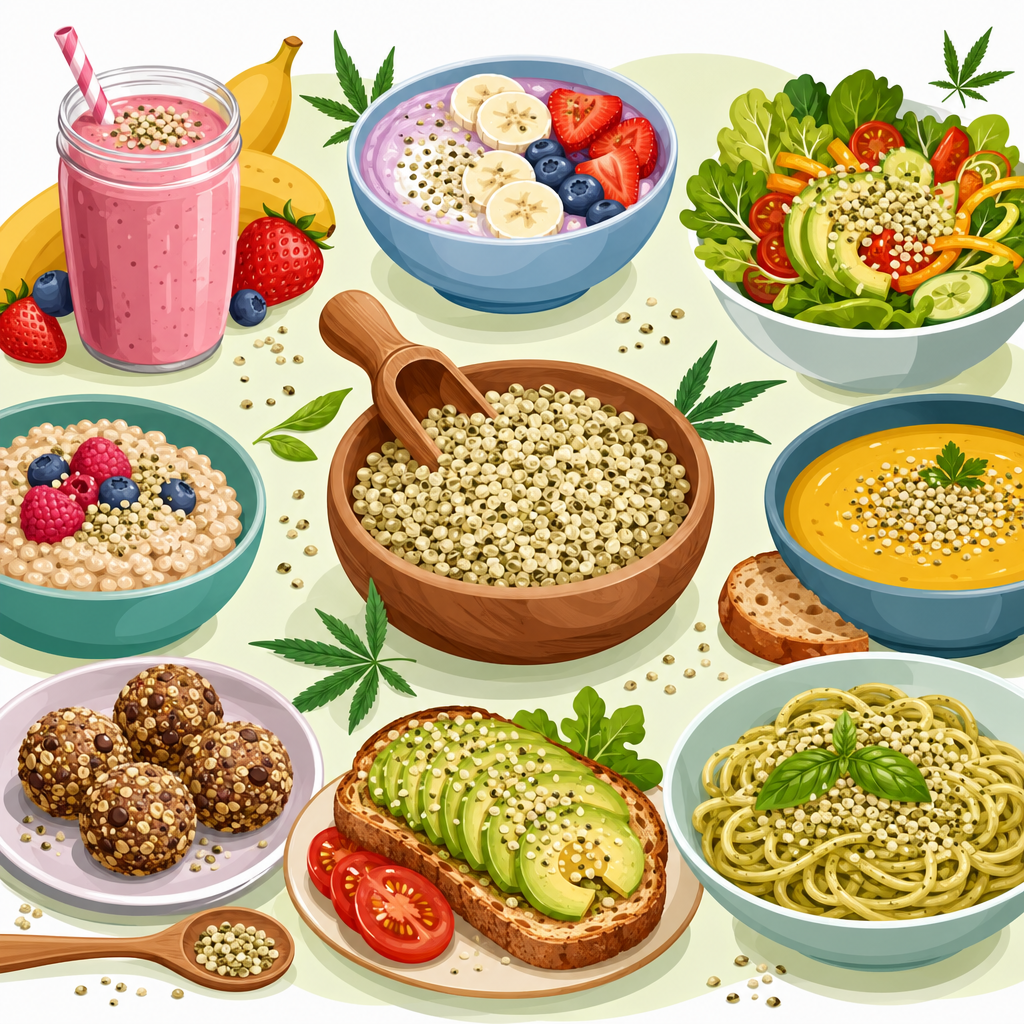
The easiest way to start is with hemp hearts because they require no prep. Add them to oatmeal, overnight oats, yogurt, smoothie bowls, cottage cheese, or avocado toast. They blend into sauces and dressings without the bitterness that some people notice in flax. In baking, they can be folded into muffins, pancakes, waffles, and quick breads. For savory cooking, I often mix hemp hearts with herbs, lemon juice, garlic, and olive oil to create a spoonable topping for roasted vegetables or grain bowls.
Hemp protein powder is best treated as an ingredient rather than a direct replacement for whey isolate. Because it is usually less refined, it performs better in recipes that benefit from body and earthiness. It works in smoothies, protein pancakes, homemade granola bars, chia-hemp puddings, and no-bake bites. If someone tries it once in water, dislikes the texture, and gives up, that is usually a formulation problem, not a hemp problem. Blend it with banana, berries, cocoa, nut butter, or yogurt alternatives to improve mouthfeel and flavor balance.
Hemp seed oil shines in cold applications. Use it in vinaigrettes, drizzled over cooked vegetables, whisked into hummus, or spooned over soups after heating. Because it is rich in delicate unsaturated fats, it is better as a finishing oil than a frying oil. Store it in a cool, dark place, and refrigerate after opening if the label recommends it. Like flax oil and some walnut oils, hemp seed oil can oxidize if mishandled, which affects both taste and quality.
If you are building a weekly routine, keep it simple: hemp hearts at breakfast, hemp protein two or three times a week in snacks or shakes, and hemp oil in dressings. Consistency matters more than large servings. Most people benefit from making hemp one recurring ingredient in a balanced diet rather than treating it as a short-term health fix.
What to Know Before Buying and Using Hemp Products
Choose products based on purpose. For general nutrition and convenience, buy hemp hearts. For boosting protein intake in recipes, choose hemp protein powder and check the grams of protein per serving. For dressings and finishing, choose cold-pressed hemp seed oil in opaque packaging. Freshness matters. Seeds and oils rich in unsaturated fats can go rancid, so examine expiration dates, packaging quality, and storage guidance. A paint-like or sharply bitter smell is a warning sign that an oil is past its prime.
Price and processing deserve attention too. Hemp foods can cost more than commodity seeds, but value depends on how well the product fits your needs. A minimally processed bag of hemp hearts may be more useful than an expensive blend with sweeteners and trendy additives. Organic certification may matter to some shoppers, while others prioritize third-party testing, regenerative farming practices, or country of origin. These are reasonable filters, but they should come after basic product integrity and nutrition.
There are also limitations to understand. Hemp seeds are calorie-dense, which is not a drawback unless portion awareness is ignored. Hemp protein is nutritious, but it is not as concentrated as some isolates, so athletes with very high protein targets may need larger servings or complementary proteins. People with specific medical conditions, digestive sensitivities, or highly individualized diets should consider professional guidance. In ordinary use, however, hemp foods are safe, flexible, and easy to integrate.
As a hub topic in consumer education, hemp food is best understood as a practical category: nutrient-rich seeds, useful protein products, and versatile oil that support balanced eating patterns. If you want one simple improvement, start with hemp hearts and use them daily for two weeks. That small habit is often enough to show why hemp belongs in your diet.
Frequently Asked Questions
What does it mean to include hemp in your diet?
Including hemp in your diet usually refers to eating foods made from the seeds of industrial hemp rather than using the plant for any intoxicating purpose. The most common options are hemp hearts, which are shelled hemp seeds; whole hemp seeds; hemp protein powder; and hemp seed oil. These ingredients are easy to work into everyday meals because they have a mild, nutty flavor and pair well with both sweet and savory foods. You can sprinkle hemp hearts over oatmeal, yogurt, salads, or roasted vegetables, blend hemp protein into smoothies, use whole seeds in baking, or drizzle hemp seed oil over finished dishes and dressings. In practical terms, adding hemp to your diet means using these seed-based foods as regular staples to boost nutritional quality without making your meals complicated.
Why is hemp considered a nutritious food?
Hemp is widely valued in nutrition because it delivers a strong combination of plant-based protein, beneficial fats, fiber, and important minerals in a relatively compact serving. Hemp seeds and hemp hearts contain complete protein, meaning they provide all nine essential amino acids that the body must get from food. They are also rich in unsaturated fats, especially omega-3 and omega-6 fatty acids, which support overall wellness and help balance modern eating patterns that often lean too heavily toward less favorable fats. Depending on the form you choose, hemp foods can also contribute magnesium, iron, zinc, phosphorus, and manganese, all of which play important roles in energy production, immune function, muscle activity, and normal metabolic health. Whole hemp seeds add extra fiber, while hemp protein powder offers a concentrated way to increase protein intake. Altogether, hemp stands out because it supports several key nutritional goals at once instead of offering just one headline benefit.
Will hemp foods make you feel high or show the same effects as marijuana?
No, hemp foods such as hemp hearts, hemp protein powder, hemp seed oil, and whole hemp seeds are not intended to produce a high. These products come from varieties of Cannabis sativa that are specifically bred for extremely low tetrahydrocannabinol, or THC, and are grown for food, fiber, and other industrial uses. That distinction matters because the seeds used in food products naturally contain negligible amounts associated with intoxicating effects. For most people, hemp foods function nutritionally much like other seeds and plant-based ingredients. They are chosen for their protein, healthy fats, and versatility in cooking, not for psychoactive properties. As always, consumers should buy from reputable brands that follow quality and testing standards, but in normal dietary use, hemp foods are widely recognized as food ingredients rather than intoxicants.
What are the easiest ways to add hemp foods to everyday meals?
One of hemp’s biggest advantages is how simple it is to use. Hemp hearts are probably the most convenient entry point because they require no grinding, soaking, or special preparation. You can add them to smoothies, cereal, overnight oats, soups, grain bowls, avocado toast, pasta, or homemade energy bites. Whole hemp seeds work well in granola, bread, crackers, and seed mixes, especially if you want more texture and fiber. Hemp protein powder is useful for people looking to increase protein intake in shakes, pancake batter, muffins, or post-workout snacks. Hemp seed oil is best used as a finishing oil rather than a high-heat cooking oil, so it fits nicely in salad dressings, dips, pesto, and drizzled over cooked vegetables or grains. Because the flavor is mild and pleasant, hemp can be incorporated into meals consistently without overpowering other ingredients, which makes it easier to build into long-term eating habits.
Is hemp also a sustainable food choice?
Many people consider hemp a smart addition to the diet not only for nutrition but also for sustainability. Hemp has a strong reputation as a resource-efficient crop, and that broader environmental profile adds to its appeal in modern food systems. It can produce multiple useful outputs, including seeds for food as well as fiber and other industrial materials, which makes the crop especially versatile from an agricultural standpoint. For consumers trying to align health goals with environmental values, hemp offers an appealing overlap: it is nutrient-dense, practical, and tied to a plant that is often discussed as part of more sustainable farming conversations. While sustainability can vary by region, farming practices, and supply chain standards, hemp’s overall reputation is one reason it continues to attract attention from nutrition experts, food brands, and environmentally conscious shoppers alike.