Hemp foods have become a practical staple in plant-based diets because they deliver complete protein, useful fats, minerals, and culinary flexibility in a form that fits vegan, vegetarian, gluten-free, and whole-food eating patterns. When I help readers compare plant proteins, hemp consistently stands out for one simple reason: it solves several common nutrition problems at once. It can raise protein intake without relying on highly processed powders, improve fatty acid balance with omega-3 and omega-6 fats, and add texture to everyday meals without changing the character of a dish.
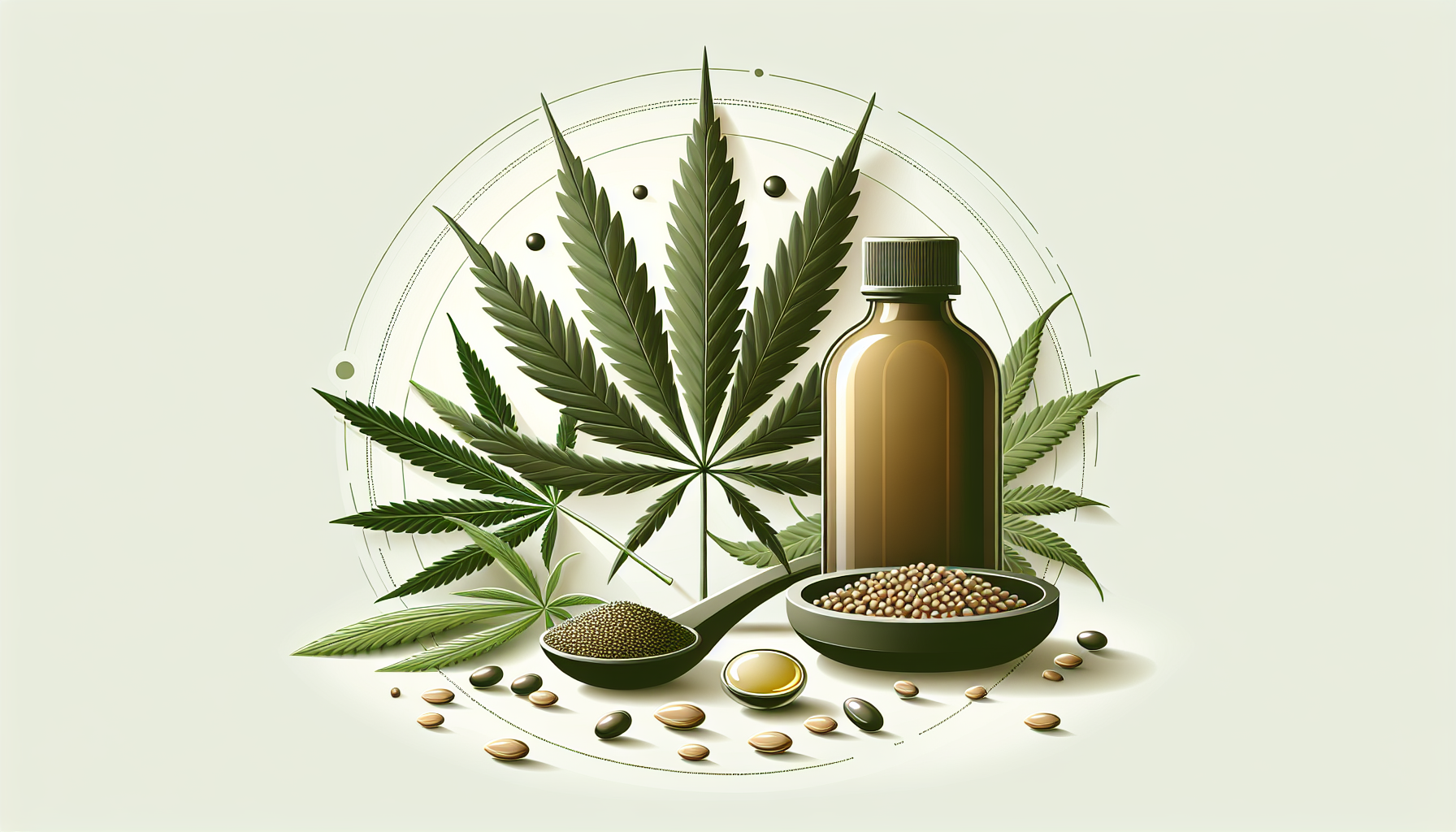
In food terms, hemp refers to edible products made from the seeds of the Cannabis sativa plant, including hemp hearts, hemp seeds, hemp protein powder, and hemp seed oil. These foods are non-intoxicating and are produced from cultivars bred for food and fiber, not for psychoactive use. That distinction matters because many consumers still confuse hemp food with marijuana. From a nutrition standpoint, the relevant issue is much simpler: hemp seeds are dense in protein, fat, fiber, magnesium, iron, zinc, and other micronutrients that plant-based eaters often monitor closely.
Plant-based diets vary widely. Some people eat fully vegan diets, some are vegetarian, and others follow flexitarian, Mediterranean, dairy-free, soy-free, or gluten-free patterns while still emphasizing plants. A good hub article on hemp food and specific diets needs to address that range. Hemp is useful across these styles because it is naturally free from gluten, generally low in carbohydrates, easy to add to meals, and available in forms that support different goals, from muscle recovery to satiety to convenience.
The topic matters because one of the biggest barriers to maintaining a plant-based diet is not ideology; it is meal construction. People need foods that help them meet protein targets, keep meals satisfying, and simplify shopping and cooking. Hemp does that unusually well. Three tablespoons of hemp hearts typically provide about 10 grams of protein, around 15 grams of fat, and meaningful amounts of magnesium and iron, with the exact values varying by brand. That combination makes hemp more than a trend ingredient. It is a foundational food for building balanced plant-based meals.
Why Hemp Works So Well in Plant-Based Nutrition
The central benefit of hemp in plant-based diets is nutrient density per serving. Hemp hearts contain all nine essential amino acids, which means they qualify as a complete protein. That does not make them nutritionally perfect or the only protein source anyone needs, but it does make meal planning easier. In practice, I find hemp especially useful for people who are tired of the usual rotation of beans, tofu, lentils, and pea protein. It adds diversity without forcing a major change in cooking habits.
Hemp also supplies fats that matter. The oil in hemp seeds contains mostly unsaturated fat, with a favorable balance of linoleic acid and alpha-linolenic acid. These are essential fatty acids the body cannot produce on its own. Plant-based eaters often ask where to get omega-3 fats if they do not eat fish. Hemp is not the only answer, and algae-based DHA and EPA may still be worth considering, but hemp is a useful everyday contributor. In a breakfast bowl, smoothie, or salad, it upgrades fat quality while also supporting satiety.
Minerals are another reason hemp fits well in plant-based eating. Magnesium supports muscle and nerve function. Iron helps oxygen transport. Zinc contributes to immune function and wound healing. Because some plant-based diets can fall short in these nutrients if they are built around refined grains and convenience foods, hemp offers a concentrated food-first way to improve dietary quality. It is not a replacement for an overall balanced diet, but it is one of the most efficient additions you can make.
Digestibility matters too. Compared with some legumes, hemp is often easier for sensitive eaters to tolerate, particularly when used as shelled hemp hearts. That does not mean everyone will tolerate it equally well, but the mild flavor and soft texture lower the barrier to regular use. People who do not enjoy the beany flavor of many high-protein plant foods often accept hemp immediately. That simple fact has real-world value because the best healthy food is the one people will actually keep eating.
Hemp Foods for Vegan, Vegetarian, and Flexitarian Diets
For vegans, hemp helps address two routine concerns: protein adequacy and meal satisfaction. A vegan breakfast built around oats, berries, and hemp hearts is more sustaining than oats and fruit alone because hemp contributes both protein and fat. A salad topped with hemp seeds becomes more nutritionally complete. Even blended into a dairy-free sauce, hemp can create creaminess without cashews, which is valuable for people managing tree nut intake or calorie density.
Vegetarians benefit in slightly different ways. Many vegetarians rely heavily on dairy and eggs for protein, but not all want every meal to depend on cheese, yogurt, or omelets. Hemp offers a plant-forward protein source that broadens variety. It can be stirred into yogurt, sprinkled over roasted vegetables, or used in homemade energy bites. That matters because dietary variety improves adherence. When people have more than two or three convenient protein options, they are more likely to maintain healthy eating patterns over time.
Flexitarian eaters often care less about strict dietary identity and more about reducing animal products without sacrificing ease. Hemp is ideal here because it works as an enhancer rather than a replacement. You do not need to build an entire meal around it. Add it to pasta sauce, grain bowls, pesto, or baked goods, and the nutritional profile improves immediately. In other words, hemp supports gradual change, which is how many sustainable diet shifts happen in the real world.
Parents and busy professionals also find hemp practical because it requires no soaking, no cooking, and no advanced preparation. In my experience, that convenience is one of hemp’s strongest but least discussed advantages. A food can be technically nutritious and still fail if it creates friction in the kitchen. Hemp succeeds because it integrates into familiar routines in under a minute.
How Hemp Fits Gluten-Free, Soy-Free, and Allergy-Conscious Eating
Hemp foods are naturally gluten-free, which makes them useful for people with celiac disease, non-celiac gluten sensitivity, or anyone avoiding wheat-based protein products. Many packaged vegetarian foods depend on seitan, wheat fillers, or breaded formats that are not suitable for gluten-free diets. Hemp provides a straightforward alternative. It can boost protein in gluten-free oatmeal, pancakes, muffins, and grain bowls without changing texture dramatically.
Soy-free eaters also benefit because soy is one of the most common default proteins in plant-based diets. Tofu, tempeh, soy yogurt, and soy milk are valuable foods, but some consumers avoid soy due to allergy, intolerance, thyroid concerns, taste preferences, or a desire for variety. Hemp offers a non-soy option that can fill part of that gap. Hemp protein powder, for example, can be blended into smoothies when soy-based protein powders are not an option.
Allergy-conscious meal planning often depends on versatile ingredients that can replace multiple things at once. Hemp can contribute protein, creaminess, and richness in recipes that would otherwise depend on dairy, soy, or nuts. A hemp-based dressing can replace a yogurt dressing. Hemp hearts blended with water and lemon can create a simple creamy sauce. These substitutions are not always identical to the originals, and recipe testing still matters, but they expand choices for households juggling different dietary restrictions.
| Diet pattern | How hemp helps | Practical example |
|---|---|---|
| Vegan | Provides complete protein and healthy fats | Add hemp hearts to oatmeal, smoothies, or grain bowls |
| Vegetarian | Reduces reliance on dairy and eggs | Stir into yogurt or sprinkle over roasted vegetables |
| Gluten-free | Boosts nutrition without wheat ingredients | Use in gluten-free muffins or breakfast bowls |
| Soy-free | Offers a non-soy plant protein alternative | Blend hemp protein into a smoothie |
| Low-carb | Adds protein and fat with relatively few carbs | Top salads or non-starchy vegetables with hemp hearts |
Using Hemp in High-Protein, Low-Carb, and Active Lifestyles
One reason hemp appears so often in conversations about specific diets is that it adapts well to macronutrient goals. People pursuing higher-protein plant-based eating often need foods that can increase protein intake without adding a large volume of starch. Hemp hearts and hemp protein powder both help. While hemp hearts are not as protein-dense as isolated powders, they provide a more balanced whole-food package that includes fats and minerals.
For lower-carbohydrate eaters, hemp is attractive because most of its calories come from fat and protein rather than sugars or starches. That makes it easy to use in salads, soups, vegetable dishes, and snack plates. It supports satiety in meals that might otherwise feel too light. This is especially relevant for people transitioning away from ultra-processed snacks and trying to build meals that keep them full for several hours.
Active individuals can also use hemp effectively, though expectations should be realistic. Hemp protein is useful for recovery, but it is not identical to whey in leucine content or muscle protein synthesis response. That does not make it inferior in every context; it simply means strategy matters. Athletes using hemp may need a larger serving or a more protein-diverse meal to hit optimal post-exercise targets. Pairing hemp with soy foods, legumes, or grains can help create a stronger overall amino acid profile across the day.
In practical terms, hemp works best when it is treated as part of a complete eating pattern. Add it to a smoothie with soy milk and berries, to a lentil bowl with quinoa, or to a post-workout breakfast with oats and fruit. Used this way, hemp supports performance, recovery, and consistency without forcing a rigid nutrition system.
Best Ways to Use Hemp Foods Every Day
Hemp hearts are the easiest entry point because they require no preparation and have a mild, nutty flavor. Sprinkle them on oatmeal, yogurt alternatives, soups, salads, grain bowls, avocado toast, or roasted vegetables. Blend them into smoothies for a creamier texture. Stir them into pancake batter or overnight oats. For many people, the most effective habit is simply keeping a bag visible in the kitchen and using one to three tablespoons at a time.
Hemp protein powder is best for people specifically trying to increase protein intake. It works in smoothies, homemade bars, and some baked goods, though its earthy flavor is stronger than that of hemp hearts. I usually recommend combining it with cocoa, banana, berries, cinnamon, or vanilla to improve taste. It is also important to compare labels, because products differ in protein concentration, fiber content, and texture.
Hemp seed oil is primarily a finishing oil, not a high-heat cooking oil. Its delicate fatty acids are better preserved in dressings, dips, and drizzles than in frying pans. Stored properly in a cool, dark place, often refrigerated after opening, it can add a subtle nutty flavor to salads and cooked vegetables. For consumers building a whole-food plant-based routine, this is an easy way to diversify fat sources.
The broader lesson is that hemp is not a niche superfood; it is a flexible ingredient category. Used consistently, it helps close common nutritional gaps in plant-based diets while keeping meals simple and enjoyable.
Hemp earns its place in plant-based diets because it combines complete protein, beneficial fats, mineral density, and everyday usability in one ingredient family. It works across vegan, vegetarian, flexitarian, gluten-free, soy-free, and lower-carbohydrate eating patterns, which is why it functions well as a hub topic for hemp food and specific diets. Rather than forcing consumers into a narrow meal plan, hemp supports the way people actually eat: quick breakfasts, portable lunches, simple dinners, and snacks that need to be both convenient and nourishing.
The most important takeaway is practical. If a plant-based diet feels hard to sustain, the issue is often not motivation but food selection. Hemp makes balanced meals easier to build. It can increase protein, improve satiety, broaden nutrient intake, and reduce dependence on more processed options. It also adapts well to mixed households where one person is vegan, another is gluten-free, and someone else just wants healthier meals without overthinking them.
Start with one form that matches your routine. Choose hemp hearts for versatility, hemp protein powder for higher protein needs, or hemp seed oil for dressings and finishing dishes. Then use it consistently for a week in meals you already make. That simple step is often enough to show why hemp has become one of the most useful foods in modern plant-based nutrition.
Frequently Asked Questions
1. Why is hemp considered especially beneficial in plant-based diets?
Hemp is especially valuable in plant-based diets because it addresses several common nutrition goals at the same time. First, hemp foods such as hemp hearts, hemp seeds, hemp protein, and hemp milk can help increase total protein intake in a practical, food-first way. Unlike many single-purpose ingredients, hemp does more than add protein. It also supplies beneficial fats, including omega-3 and omega-6 fatty acids, along with important minerals such as magnesium, iron, zinc, and phosphorus. That combination makes hemp useful for people who want nutrient density rather than just one standout feature.
Another major benefit is that hemp fits naturally into many eating patterns. It works well for vegan and vegetarian diets, and it is also suitable for many gluten-free and whole-food approaches. For people trying to eat more plants without depending heavily on ultra-processed substitutes, hemp can be an easy middle ground. You can sprinkle hemp hearts on oatmeal, blend them into smoothies, stir them into yogurt alternatives, add them to salads, or use hemp protein in baking and recovery meals. In other words, hemp is not just nutritious on paper; it is easy to use consistently, which is one of the biggest reasons it becomes a staple.
From a practical nutrition standpoint, hemp also helps solve the problem of variety. Many plant-based eaters rotate between beans, soy foods, nuts, seeds, and grains. Hemp expands that mix with a complete, versatile option that can support better balance across meals. That makes it easier to meet protein and fat needs without feeling limited or relying on the same ingredients every day.
2. Is hemp a complete protein, and why does that matter for vegans and vegetarians?
Yes, hemp is considered a complete protein because it provides all nine essential amino acids that the body must get from food. That matters because protein quality is not just about total grams; it is also about whether a food delivers the amino acids needed for tissue repair, muscle maintenance, enzyme production, and many other physiological functions. In plant-based diets, people often hear that they need to combine foods carefully at every meal to get adequate protein quality. In reality, a varied diet usually handles that over the course of the day, but foods like hemp make the process simpler because they already contribute a full amino acid profile.
For vegans and vegetarians, this is helpful in everyday meal planning. It means hemp can strengthen the protein quality of breakfasts, snacks, and lighter meals that might otherwise be lower in complete protein. For example, adding hemp hearts to toast with fruit, blending them into a smoothie, or mixing them into overnight oats can make those meals more nutritionally substantial. Hemp protein powder can also be useful for people who want a less processed-feeling alternative to some mainstream protein supplements, though whole hemp foods are often the easiest place to start.
That said, complete protein should be viewed as a benefit, not the only reason to eat hemp. Its value comes from the broader package: complete protein paired with fiber in some forms, healthy fats, and minerals. This is why hemp stands out among plant foods. It helps support protein adequacy while also improving overall nutrient intake, which is exactly what many plant-based eaters are trying to accomplish.
3. What healthy fats does hemp provide, and how do they support overall nutrition?
Hemp is well known for its useful fat profile, particularly its content of polyunsaturated fats, including omega-3 and omega-6 fatty acids. These fats play important roles in the body, supporting cell structure, normal inflammatory balance, cardiovascular health, and overall metabolic function. In many modern diets, omega-6 intake is relatively easy to get, while omega-3 intake can be harder to maintain consistently, especially for people who do not eat fish. Hemp helps close that gap by contributing plant-based omega-3s in a convenient, food-based form.
What makes hemp especially appealing is the balance it brings. Rather than being a source of fat in the abstract, it provides fats that are meaningful for long-term dietary quality. For plant-based eaters, this matters because simply lowering animal foods does not automatically create a well-balanced diet. Replacing foods without considering fatty acid quality can leave meals less satisfying or less nutritionally complete. Hemp can improve that by making salads, grain bowls, porridges, smoothies, and snacks more satiating while also raising the nutritional value of those meals.
It is also worth noting that hemp’s fat content can help with meal satisfaction and consistency. Foods that combine protein and healthy fats often keep people fuller for longer than foods built mostly around refined carbohydrates. That can be useful for anyone trying to maintain energy throughout the day on a plant-based diet. In practical terms, adding hemp hearts to breakfast or lunch may help meals feel more complete, which can make healthy eating easier to sustain.
4. What vitamins and minerals in hemp make it a good addition to a plant-based eating pattern?
Hemp contributes several minerals that are often important to monitor in plant-based diets, including magnesium, iron, zinc, and phosphorus. Magnesium supports muscle and nerve function, energy production, and many enzymatic processes throughout the body. Iron is essential for oxygen transport and energy levels, and it is one of the nutrients many vegetarians and vegans pay close attention to. Zinc plays a role in immune function, wound healing, and cellular health, while phosphorus supports bones, teeth, and energy metabolism. Having a food that contributes several of these nutrients at once is one reason hemp is so practical.
This matters because plant-based nutrition works best when it is based on cumulative intake, not single “superfoods.” Hemp is valuable because it can quietly improve nutrient density across many meals and snacks without requiring complicated planning. A few spoonfuls of hemp hearts added daily can complement legumes, whole grains, vegetables, nuts, and fruits, strengthening the overall nutritional pattern. It is not a substitute for a balanced diet, but it can make a balanced diet easier to build.
Another advantage is accessibility in meal design. Some nutrient-rich foods are healthy but hard to use regularly. Hemp is different. It has a mild, pleasant flavor that works in both sweet and savory recipes, so it can be added to foods people already eat. That convenience increases the likelihood of consistent intake, and consistency is where real nutritional benefits tend to show up over time.
5. What are the easiest ways to add hemp to everyday meals on a plant-based diet?
One of hemp’s biggest strengths is culinary flexibility. Hemp hearts are the easiest entry point for most people because they require no preparation and have a mild, slightly nutty taste. You can sprinkle them over oatmeal, smoothie bowls, cereal, avocado toast, soups, salads, roasted vegetables, pasta, or grain bowls. They also blend well into sauces, dips, and dressings, which makes them useful for increasing protein and healthy fats without dramatically changing flavor or texture.
Hemp protein is another option for people who want a more concentrated protein source. It can be blended into smoothies, mixed into pancake batter, stirred into overnight oats, or used in homemade energy bites. Compared with some highly refined powders, hemp protein often appeals to people looking for a simpler, more whole-food-oriented ingredient. Hemp milk can also fit into coffee, cereal, and smoothies, though nutrient levels vary by brand, so it helps to read labels if protein or fortification is a priority.
The simplest strategy is to treat hemp as a daily add-on rather than a specialty product. Keep hemp hearts in the kitchen and use them the same way you might use chia seeds, ground flax, or chopped nuts. Add them to one or two meals each day, and the nutritional benefits start to add up quickly. That approach works well because it is realistic. The best plant-based foods are usually the ones that combine strong nutrition with ease of use, and hemp does both exceptionally well.