Hemp foods have moved from niche health shelves into mainstream kitchens because they offer a practical way to support a balanced diet across many eating patterns. In this guide, “hemp” refers to food products made from the seeds of the Cannabis sativa plant, including hemp seeds, hemp hearts, hemp protein powder, and hemp seed oil. These foods do not have the intoxicating effects associated with marijuana because the edible seed ingredients are used for nutrition, not for psychoactive compounds. When people ask whether hemp fits into everyday eating, the answer is yes: it can contribute protein, healthy fats, fiber, and minerals in forms that are easy to add to meals.
A balanced diet means consistently eating a variety of foods that provide enough energy, essential amino acids, fatty acids, vitamins, minerals, and fiber while matching personal health needs. In practical nutrition work, I have found that hemp is most useful when it solves real food-planning problems. It can help a vegetarian increase protein at breakfast, give a gluten-free eater a nutrient-dense grain alternative, or offer someone on a lower-carb pattern a convenient way to add fats and satiety without relying only on dairy or processed snacks. That versatility is why hemp food and specific diets belong in the same conversation.
Hemp matters because many modern diets are restrictive by design. People reduce animal products, avoid allergens, manage blood sugar, train for endurance events, or simply look for whole-food ingredients that deliver more nutrition per serving. Hemp supports these goals without requiring complicated preparation. Shelled hemp hearts can be spooned onto yogurt or oats. Hemp protein can go into smoothies or baked goods. Hemp seed oil can dress vegetables or grain bowls. Whole hemp seeds can add texture to homemade crackers or granola. The ease of use makes long-term consistency more likely, which is one of the biggest predictors of dietary success.
Nutritionally, hemp foods stand out for their mix of plant protein and unsaturated fats. Hemp seeds provide all nine essential amino acids, although like many plant proteins they are best used as part of an overall varied diet rather than treated as a sole protein source. They also contain omega-6 and omega-3 fatty acids, including linoleic acid and alpha-linolenic acid, in a ratio often described as favorable for general nutrition. Depending on the product, hemp foods also provide magnesium, iron, zinc, phosphorus, and manganese. Whole seeds add more fiber because the hull remains intact, while hemp hearts trade some fiber for a softer texture.
As a hub article, this page explains how hemp food fits into major dietary patterns, where it works especially well, and where consumers should pay attention to limitations such as calorie density, processing differences, and allergy considerations. If you are comparing hemp for vegan, gluten-free, keto-style, Mediterranean, high-protein, or allergen-aware eating, the key point is simple: hemp is not a miracle food, but it is one of the most adaptable nutrient-dense ingredients available for building balanced meals.
What Hemp Adds to Everyday Nutrition
Before looking at specific diets, it helps to understand what hemp foods actually contribute. A typical serving of hemp hearts delivers meaningful protein and fat in a small volume, which is useful for people who need nutrient density. The protein is rich in edestin and albumin, two storage proteins commonly discussed in hemp nutrition research. In meal planning, that translates into a mild-tasting ingredient that supports satiety and helps round out meals that would otherwise be heavy in starch. I often recommend hemp hearts when someone’s breakfast is mostly fruit and toast, because sprinkling them on top improves staying power without changing flavor dramatically.
Hemp seed oil is different from hemp hearts or whole seeds because it contributes fat-soluble nutrition without fiber or protein. It is best used in cold applications such as salad dressings, pesto, or finishing drizzles rather than high-heat frying, because polyunsaturated fats are more delicate. Hemp protein powder is different again: it is more concentrated in protein and often retains some fiber depending on how it is processed. These distinctions matter. Consumers often assume all hemp foods are nutritionally interchangeable, but they are not. Choosing the right form depends on whether the priority is protein, fiber, texture, or culinary use.
Another practical advantage is digestibility in real meals. Hemp hearts blend smoothly into oatmeal, soups, sauces, and smoothies. Unlike some legumes, they do not require soaking or cooking. Unlike some nuts, they are less crunchy and easier to incorporate into soft foods for children or older adults. That convenience supports balanced eating because foods that are easy to use are far more likely to become staples. Nutrition advice fails when ingredients stay in the pantry unopened.
Hemp Food in Plant-Based and Vegetarian Diets
For vegan and vegetarian diets, hemp is most valuable as a complementary protein source and source of unsaturated fats. Plant-based eaters often rely heavily on soy, beans, lentils, peas, nuts, and seeds. Hemp fits naturally into that pattern while expanding variety, which matters both nutritionally and behaviorally. Variety reduces menu fatigue and helps cover nutrient gaps over time. Hemp hearts can top tofu scrambles, stir into lentil bowls, enrich dairy-free yogurt, or blend into cashew-free sauces. Hemp protein powder can support post-workout recovery when someone wants an option beyond soy isolate or pea protein.
Micronutrients are also part of the picture. Vegetarian and vegan diets can be lower in iron and zinc bioavailability because plant compounds such as phytates can reduce absorption. Hemp contains both minerals, so it can contribute, though it should not be framed as a complete solution. In practice, I advise pairing iron-containing plant foods with vitamin C-rich produce and using hemp as one component of a broader strategy that includes legumes, fortified foods, and, when appropriate, professional guidance on B12 and vitamin D. Balanced messaging builds trust. Hemp helps, but it does not replace the fundamentals of sound plant-based nutrition.
A common question is whether hemp is a complete protein. The direct answer is yes, hemp contains all essential amino acids. The more useful answer is that total daily intake still matters more than any one ingredient. A vegan smoothie with hemp protein, soy milk, berries, and oats is stronger nutritionally than hemp powder mixed with water alone. The best use of hemp in plant-based diets is as a convenient building block inside balanced meals.
How Hemp Fits Gluten-Free, Dairy-Free, and Allergen-Aware Eating
Hemp foods are naturally gluten-free, which makes them useful for people with celiac disease, non-celiac gluten sensitivity, or households simply reducing gluten. However, naturally gluten-free is not the same as certified gluten-free. Cross-contact can happen during farming, transport, or manufacturing, so anyone with celiac disease should look for third-party certification and review the label carefully. This is a good example of why diet advice must be precise. The ingredient itself may fit the diet, but the finished product still needs verification.
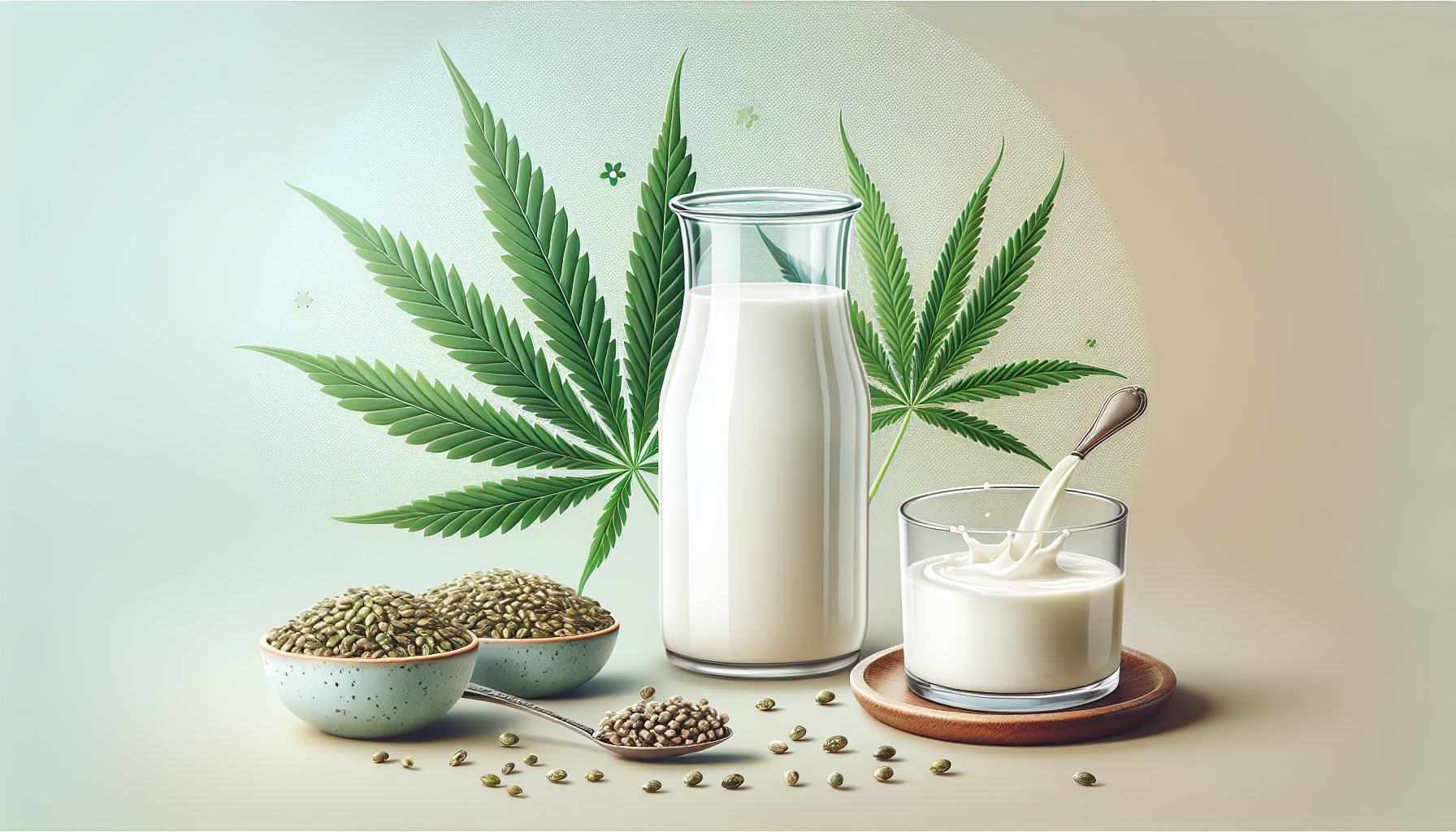
Dairy-free eaters can use hemp in several forms. Hemp milk, when fortified, can provide an alternative beverage for cereals and smoothies, though protein levels vary by brand and are often lower than soy milk. Hemp hearts can add creaminess to sauces and soups without dairy, and hemp seed oil can replace butter-based finishing fats in vegetable dishes. For nut-free households, hemp can be especially helpful because it offers some of the richness and nutrient density people often seek from almonds or cashews. That said, individuals with seed allergies or multiple food allergies should still introduce new foods cautiously and with clinician guidance when needed.
| Diet pattern | Best hemp foods | Main benefit | Key caution |
|---|---|---|---|
| Vegan or vegetarian | Hemp hearts, hemp protein | Protein, minerals, meal variety | Still plan for B12 and total protein |
| Gluten-free | Whole seeds, hearts, protein powder | Nutrient density without gluten grains | Look for certified gluten-free labeling |
| Dairy-free | Hemp hearts, hemp milk, hemp oil | Creaminess and healthy fats | Fortification and protein vary by product |
| Lower-carb | Hemp hearts, hemp oil | Low sugar, high satiety | Watch portions because calories add up |
| Mediterranean-style | Hemp hearts, hemp oil | Supports plant-forward fat profile | Use oil cold, not for high heat |
Hemp in Lower-Carb, Higher-Protein, and Weight-Management Plans
Hemp works well in lower-carb eating because it is naturally low in sugar and can increase fullness. Hemp hearts mixed into Greek yogurt, cottage cheese, or unsweetened plant yogurt create a meal or snack with protein and fat but minimal added carbohydrate. For people trying to manage appetite, this matters. Satiety is not just about calories; it is influenced by protein, fiber, food texture, and meal composition. Hemp can strengthen all of those except in the case of oil, which provides fat but no protein or fiber.
In higher-protein diets, hemp is useful but should be positioned honestly. It can support protein intake, especially when distributed across meals, yet it is usually not as protein-dense per scoop as highly refined whey isolate. That does not make it inferior; it makes it different. Some consumers prefer hemp because it is plant-based, less processed in feel, and often easier to integrate into whole-food recipes. In my experience, the strongest approach is to combine hemp with other protein foods rather than forcing one source to do everything. A smoothie made with hemp protein, kefir or soy milk, frozen berries, and oats is more balanced than chasing protein grams alone.
For weight management, portion awareness is important. Hemp foods are nutrient-dense, which is helpful, but nutrient-dense foods can also be calorie-dense. A few tablespoons can fit beautifully into a balanced plate; repeated “healthy” handfuls throughout the day can quietly push intake up. The solution is not avoidance. It is intentional use: measured toppings, planned snacks, and meals built around vegetables, fruits, legumes, whole grains, and adequate protein.
Hemp in Mediterranean-Style and Whole-Food Eating
Hemp aligns naturally with Mediterranean-style eating because that pattern emphasizes plant foods, unsaturated fats, legumes, seafood, whole grains, and minimally processed ingredients. Hemp is not traditional to Mediterranean cuisines in the same way as olive oil, chickpeas, or walnuts, but nutritionally it fits the same broad philosophy. Hemp hearts can top grain salads with tomatoes, cucumbers, herbs, and beans. Hemp oil can be whisked with lemon juice, garlic, and mustard for dressings. Used this way, hemp enhances a dietary pattern already linked in strong research literature with cardiovascular and metabolic benefits.
Whole-food eaters often appreciate hemp because it requires little transformation from field to kitchen. Seeds can be eaten close to their natural form, and even protein powders are often relatively simple compared with highly engineered snack products. Still, processing quality varies by brand. Freshness matters because the fats in hemp can become rancid over time if stored poorly. Consumers should buy from reputable manufacturers, note packaging dates when available, and store hemp products according to label directions, often in cool, dark conditions or refrigeration after opening.
This is also where taste matters. Hemp has a mild, nutty flavor that usually blends rather than dominates. That sensory flexibility is one reason it adapts so well across diet styles. A useful food is one people will keep eating, not one they purchase once for its nutrient label and then abandon.
Best Practices, Limitations, and Smart Use in Daily Meals
The most effective way to use hemp is to match the format to the meal. Choose hemp hearts for topping oatmeal, salads, soups, avocado toast, roasted vegetables, or yogurt. Choose whole seeds when fiber and crunch are the goal. Choose hemp protein for smoothies, energy bites, pancakes, or baking where extra plant protein is useful. Choose hemp seed oil for cold dressings and finishing. This practical framework prevents disappointment and helps consumers get the intended nutritional benefit.
There are also reasonable limitations to keep in mind. Hemp foods should be part of dietary diversity, not a substitute for it. People taking medication, managing chronic disease, or following clinician-directed diets should consider the full nutrition profile, especially calories, fats, and mineral interactions within their broader meal plan. Children, older adults, athletes, and pregnant individuals can all use hemp foods, but serving sizes and the surrounding diet should be tailored to total needs. Labels matter too: flavored hemp products may include added sugars, sodium, gums, or fillers that shift the nutrition profile significantly.
For consumers building a balanced diet, hemp offers a rare combination of flexibility, nutrient density, and ease. It can strengthen plant-based meals, support gluten-free and dairy-free patterns, fit lower-carb plans, and complement Mediterranean-style eating without requiring complicated recipes. The biggest benefit is not that hemp does everything. It is that hemp helps many diets work better in everyday life. Start with one simple habit, such as adding hemp hearts to breakfast or using hemp oil in a homemade dressing, and build from there.
Frequently Asked Questions
What makes hemp foods useful in a balanced diet?
Hemp foods are useful in a balanced diet because they deliver several important nutrients in a convenient, versatile form. Hemp seeds, hemp hearts, hemp protein powder, and hemp seed oil can help people add more protein, healthy fats, and key minerals to everyday meals without relying on heavily processed ingredients. In particular, hemp seeds and hemp hearts are valued for their combination of plant-based protein and unsaturated fats, which can support overall dietary balance when paired with fruits, vegetables, whole grains, legumes, and other nutrient-dense foods.
Another reason hemp fits well into balanced eating is flexibility. It can be added to breakfast bowls, smoothies, salads, yogurt, soups, baked goods, and savory dishes with very little preparation. That makes it easier for people to improve nutrient intake consistently, which is often more important than following a rigid eating plan. Hemp foods can work in vegetarian, vegan, Mediterranean-style, dairy-free, and general wellness-focused diets, so they are practical for a wide range of eating patterns.
It is also important to understand that hemp foods in this context come from the edible seeds of the Cannabis sativa plant. These ingredients are used for nutrition and do not have the intoxicating effects associated with marijuana. That distinction helps explain why hemp has become a mainstream pantry item: it offers nutritional value and culinary convenience, not psychoactive effects.
Are hemp seeds a good source of protein and healthy fats?
Yes, hemp seeds are widely recognized as a strong source of both plant-based protein and healthy fats, which is one of the main reasons they are often recommended as part of a balanced diet. The protein in hemp is especially appealing to people who want more variety in their protein sources, including vegetarians, vegans, and anyone trying to reduce dependence on animal products. Adding hemp hearts to meals can help improve satiety and support more balanced meal composition, especially when combined with fiber-rich foods such as oats, berries, vegetables, or whole grains.
On the fat side, hemp foods are known for containing predominantly unsaturated fats. These are the types of fats commonly emphasized in balanced eating patterns that prioritize heart-conscious choices. Hemp seed oil is especially concentrated in these fats, while whole seeds and hearts provide them alongside protein and other nutrients. Because fats also contribute to flavor and texture, hemp can make healthy meals more satisfying and enjoyable, which can support long-term consistency in eating habits.
That said, it helps to think of hemp as one valuable component of a varied diet rather than a stand-alone solution. Protein quality, fat intake, and overall nutrition are best supported by diversity across the day. Hemp pairs well with beans, lentils, nuts, seeds, eggs, fish, dairy foods, or soy foods depending on a person’s preferences. Used this way, hemp can make balanced eating easier and more practical.
How can hemp foods be added to everyday meals and snacks?
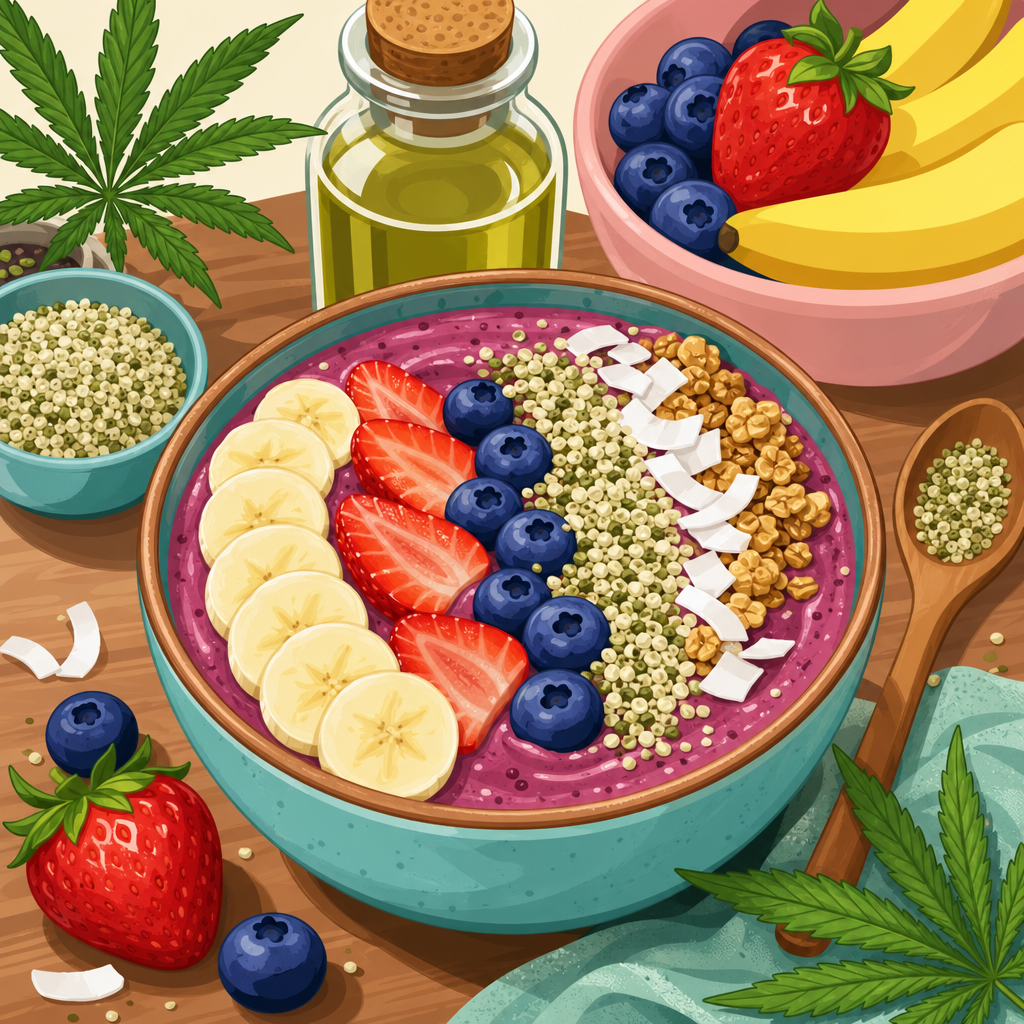
One of hemp’s biggest advantages is how easy it is to use in regular cooking and meal prep. Hemp hearts have a mild, nutty flavor and soft texture, so they blend well into both sweet and savory foods. Many people sprinkle them over oatmeal, yogurt, cereal, smoothie bowls, salads, roasted vegetables, avocado toast, pasta, or grain bowls. They can also be stirred into soups, blended into sauces, or mixed into homemade energy bites for an easy nutrient boost.
Hemp protein powder is a convenient option for smoothies, shakes, pancake batter, overnight oats, and baked goods. It can help increase protein intake without requiring major changes to a meal routine. Hemp seed oil is best used as a finishing oil in dressings, dips, or drizzled over prepared foods, since it is commonly appreciated for its flavor and delicate nutritional profile. Using different hemp products in different ways allows people to match the ingredient to the meal while keeping variety in the diet.
For the best results, hemp should be incorporated as part of a balanced plate rather than simply added on top of an otherwise unstructured eating pattern. For example, a smoothie with fruit, greens, hemp protein, and a calcium-rich ingredient can be more balanced than protein alone. A salad with vegetables, whole grains, beans, and a hemp-based dressing offers a wider range of nutrients than any single ingredient can provide by itself. This is where hemp is most helpful: not as a trend item, but as a practical tool for building meals that are more complete and satisfying.
Is hemp appropriate for vegetarian, vegan, and other specialized diets?
In many cases, yes. Hemp foods are especially popular in vegetarian and vegan diets because they offer plant-based protein and healthy fats in a simple, minimally complicated form. They can help round out meals that may otherwise be low in protein or rely too heavily on refined carbohydrates. Hemp hearts and hemp protein powder are common staples for people who want to support muscle maintenance, fullness, and meal balance while following a plant-forward eating style.
Hemp can also fit into a variety of other eating patterns, including dairy-free, gluten-free, and Mediterranean-inspired approaches, depending on the product and how it is prepared. As always, it is wise to read ingredient labels carefully, particularly for flavored protein powders or packaged blends, because added sweeteners, fillers, or allergens can vary by brand. For people with specific medical conditions, digestive concerns, or individualized nutrition goals, a registered dietitian or healthcare professional can provide more tailored guidance.
What makes hemp particularly useful across eating styles is that it is easy to combine with many staple foods. It works with legumes, vegetables, whole grains, nuts, seeds, fruits, and fortified plant-based foods, which makes it adaptable without being restrictive. That flexibility is a major benefit for anyone trying to maintain a balanced diet over time instead of following a short-term plan.
Do hemp foods have psychoactive effects or cause a “high”?
No. Hemp foods made from the edible seeds of the Cannabis sativa plant do not have the intoxicating effects associated with marijuana. In nutrition and food contexts, hemp refers to ingredients such as hemp seeds, hemp hearts, hemp protein powder, and hemp seed oil. These products are used because of their nutrient content, culinary versatility, and role in balanced eating, not because of psychoactive compounds.
This is an important point because some people avoid hemp foods simply due to confusion about the plant source. The edible seed ingredients found in food products are distinct from products developed for psychoactive use. Mainstream hemp foods are sold as nutrition products and are commonly used in home kitchens, wellness-focused recipes, and packaged foods for their protein, fats, and overall convenience.
Understanding this difference helps consumers make informed decisions. If someone is interested in using hemp to support a balanced diet, they can focus on reputable food-grade products such as shelled hemp hearts, whole hemp seeds, hemp protein powder, and hemp seed oil. These ingredients are intended for nourishment and can be incorporated into regular meals and snacks just like other seeds, oils, and plant-based protein sources.