
Hemp is one of the most practical foods to add to a gluten-free diet because it delivers complete protein, fiber, healthy fats, and micronutrients without relying on wheat, barley, or rye. In food use, hemp refers to hulled hemp seeds, hemp hearts, hemp protein powder, hemp seed oil, and foods made from these ingredients. A gluten-free diet excludes gluten, the storage proteins found in wheat, barley, and rye, and it is medically required for people with celiac disease while also helping some people with non-celiac gluten sensitivity. I have worked with gluten-free product formulations and consumer education around seed-based foods, and hemp stands out because it can improve both nutrition and texture in a diet that often leans too heavily on starches.
That matters because many packaged gluten-free foods are lower in protein and fiber than their conventional counterparts. Rice flour, tapioca starch, potato starch, and cornstarch solve texture problems, but they do not automatically create balanced meals. Hemp helps close that gap. Three tablespoons of hemp hearts typically provide about 10 grams of protein, around 12 to 15 grams of fat dominated by unsaturated fatty acids, and useful amounts of magnesium, iron, zinc, and manganese. Unlike many plant proteins, hemp contains all nine essential amino acids, though lysine is present in lower amounts than in soy or legumes. For people building a reliable gluten-free routine, those details are not trivial. They influence satiety, blood sugar response, and meal planning.
Hemp also fits the broader goal of making a gluten-free diet easier to maintain. People often ask whether hemp is naturally gluten-free. The answer is yes: pure hemp seed ingredients do not contain gluten. The practical concern is cross-contact during harvesting, transport, milling, and packaging if a product is processed in facilities that also handle wheat. That is why shoppers should read labels carefully, look for clear gluten-free claims when needed, and understand the difference between naturally gluten-free ingredients and certified gluten-free finished products. This article explains how to use hemp in a gluten-free diet, which hemp foods to choose, where they fit in daily meals, and what precautions matter most for safety and long-term nutrition.
Why hemp works so well in gluten-free eating
Hemp works in a gluten-free diet because it solves multiple problems at once. First, it raises nutrient density in meals that might otherwise be dominated by refined starch. Second, it adds flavor and texture without the bitterness some people dislike in flax or the strong gel-forming behavior of chia. Third, it is versatile enough for breakfast bowls, baking, snacks, sauces, and savory meals. In practice, that means one ingredient can support several gluten-free habits instead of sitting unused in the pantry.
From a nutritional standpoint, hemp is valuable because gluten-free eaters often underconsume fiber, iron, B vitamins, and protein, especially when they rely on packaged bread, crackers, and pastries. Hemp hearts can be sprinkled on oatmeal made from certified gluten-free oats, mixed into yogurt, folded into pancake batter, or blended into smoothies. Hemp protein powder can strengthen muffins, energy bites, and shakes. Hemp seed oil contributes polyunsaturated fats, including linoleic acid and alpha-linolenic acid, and it works best in cold applications such as dressings, dips, and finishing oil rather than high-heat frying.
Another reason hemp works is digestibility. Hulled hemp seeds are softer than many nuts and seeds, so they are easy to chew and blend. For people newly diagnosed with celiac disease who are relearning what they can eat, convenience matters. A simple rule I often recommend is to treat hemp as an upgrade ingredient: add it to foods you already make safely gluten-free rather than trying to build an entirely new menu overnight.
Types of hemp foods and the best uses for each
Not all hemp products behave the same way, so choosing the right format helps avoid disappointment. Hemp hearts are the most versatile option. They are the inner seed after the shell is removed, with a mild nutty taste and soft texture. They work well as a topping for smoothie bowls, salads, roasted vegetables, soups, and gluten-free toast. They can also be stirred into cooked quinoa or rice for a higher-protein side dish.
Hemp protein powder is more concentrated and more absorbent. It usually contains more fiber and less fat than hemp hearts because it is made after oil extraction from the seed cake. The flavor is earthier, and the texture is denser, so it is better in smoothies, homemade bars, pancakes, waffles, and blended batters than as a direct topping. I generally suggest replacing only part of a gluten-free flour blend with hemp protein powder, not all of it, because too much can make baked goods heavy.
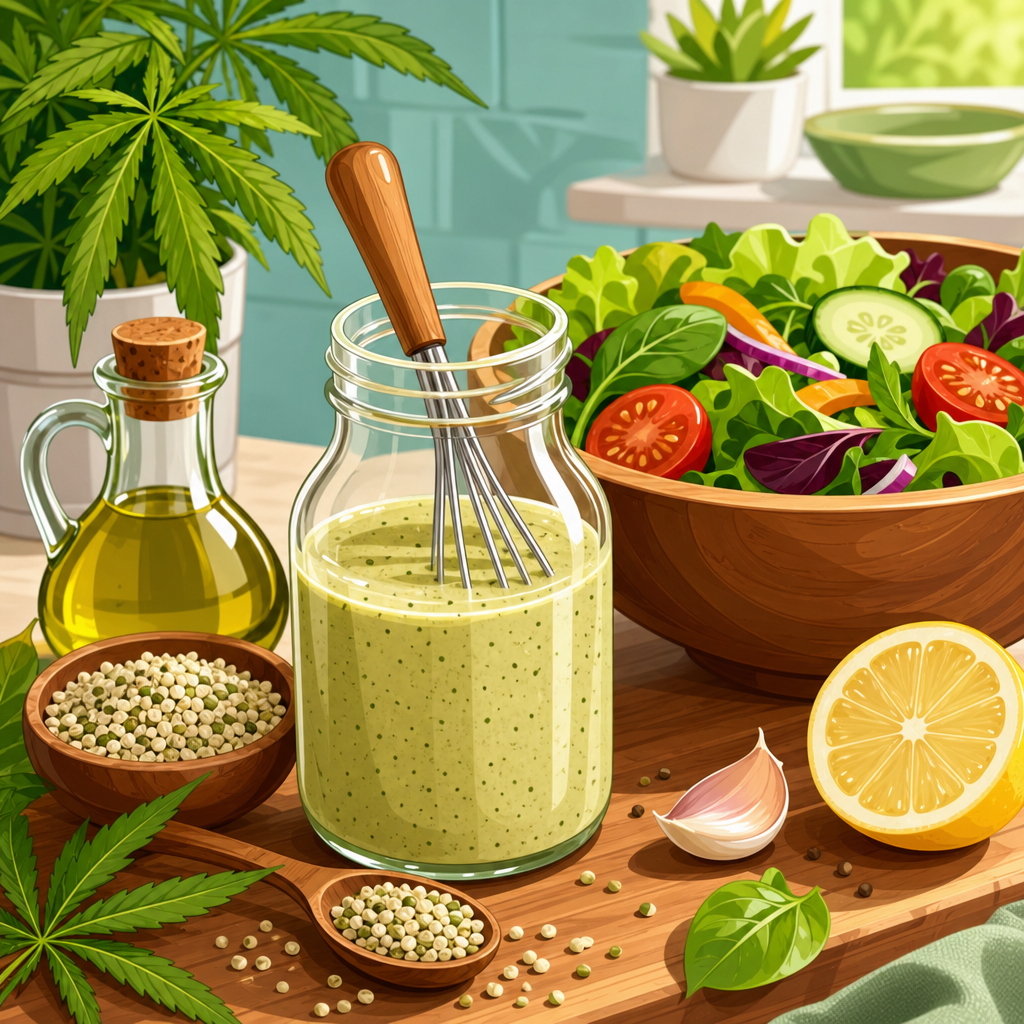
Hemp seed oil is best understood as a finishing ingredient. Its fatty acid profile is appealing, but it has a relatively low smoke point compared with refined high-heat oils. Use it in vinaigrettes, pesto, hummus, or drizzled over cooked vegetables. Hemp milk can be useful for people avoiding dairy and soy, though nutrition varies widely by brand. Some versions are lightly fortified with calcium and vitamin D; others are mostly water with small amounts of hemp and stabilizers. Read the nutrition panel rather than assuming all plant milks are equivalent.
| Hemp food | Best gluten-free uses | What to watch for |
|---|---|---|
| Hemp hearts | Oatmeal, yogurt, salads, smoothies, baking mix-ins | Check for gluten-free labeling if highly sensitive |
| Hemp protein powder | Smoothies, pancakes, muffins, energy bites | Can make texture dense if overused |
| Hemp seed oil | Dressings, dips, finishing cooked dishes | Not ideal for high-heat cooking |
| Hemp milk | Cereal, coffee, smoothies, baking | Fortification and protein vary by brand |
| Hemp flour | Partial flour replacement in baked goods | Usually needs blending with other gluten-free flours |
How to add hemp to everyday gluten-free meals
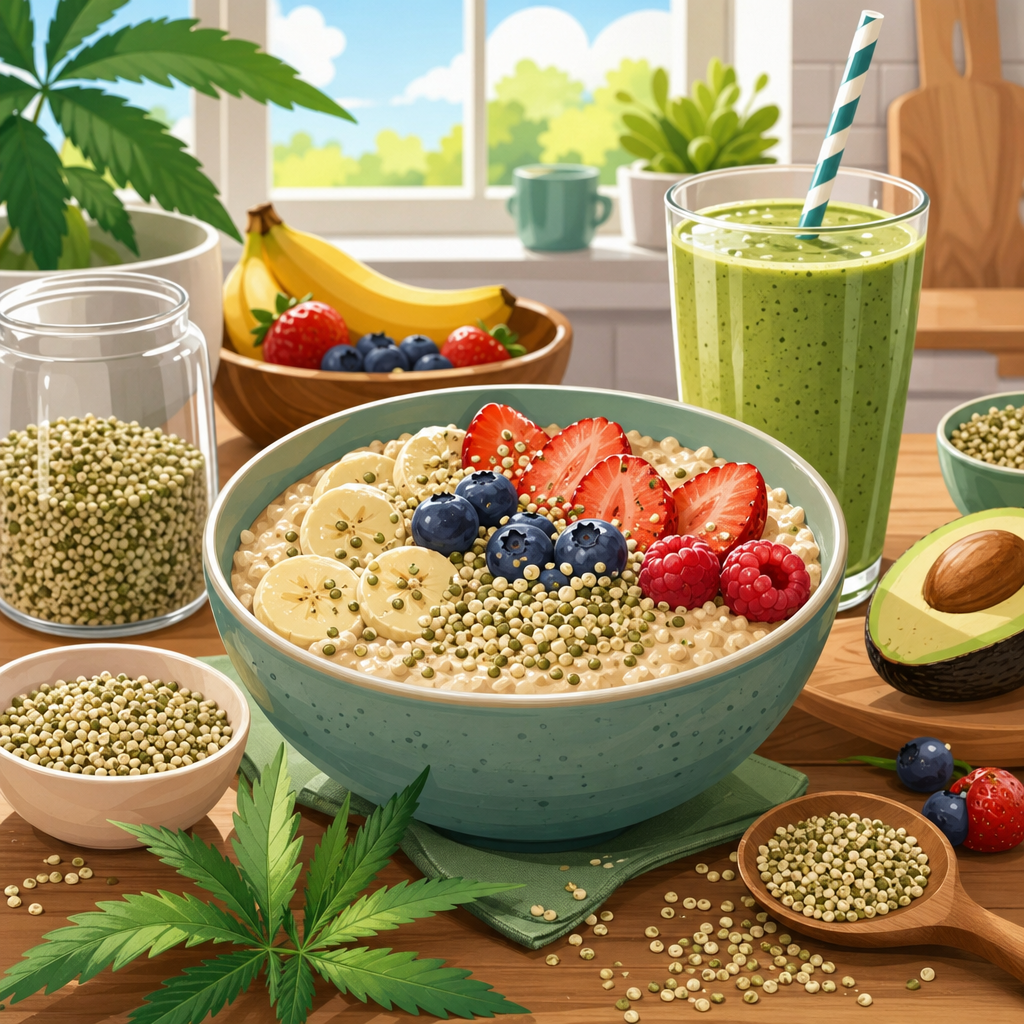
The easiest way to use hemp in a gluten-free diet is to add it to meals you already trust. At breakfast, stir hemp hearts into certified gluten-free oatmeal with berries and cinnamon, or blend them into a smoothie with banana, yogurt, and peanut butter. They also work in egg dishes. A tablespoon or two over scrambled eggs or a vegetable frittata adds texture and protein without changing the flavor much.
At lunch, hemp can make lighter meals more substantial. Add hemp hearts to salads, grain bowls made with quinoa or brown rice, or pureed soups. Mix them into tuna salad or chicken salad in place of part of the mayonnaise for a nuttier texture. For gluten-free wraps, they can be folded into fillings made with hummus, shredded vegetables, and leftover roasted chicken. If you bake at home, try adding a small amount of hemp protein powder to pancake or muffin batter, usually 10 to 20 percent of the flour mixture, then test for moisture. Hemp absorbs liquid, so a batter may need extra milk or eggs.
Dinner uses are often overlooked. Hemp seed oil makes an excellent finishing drizzle over roasted carrots, salmon, or gluten-free pasta tossed with vegetables. Hemp hearts can be stirred into meatballs made with certified gluten-free breadcrumbs, blended into pesto with basil and garlic, or used as part of a crust for baked fish. Snacks are even simpler: yogurt with hemp hearts, apple slices with hemp seed butter if available, or homemade energy bites made from dates, cocoa, and hemp protein. The guiding principle is consistency. Small daily additions do more for dietary quality than one occasional “superfood” recipe.
Safety, labeling, and cross-contact risks
If you have celiac disease, dermatitis herpetiformis, or a medically necessary gluten-free diet, safety starts with labels. Hemp itself is gluten-free, but finished products are only as safe as their supply chain. Cross-contact can happen in shared fields, transport systems, bulk bins, grinders, and packaging lines. In North America, a product labeled gluten-free should meet the regulatory threshold of less than 20 parts per million of gluten under U.S. Food and Drug Administration rules, with similar standards used in Canada for gluten-free claims. Certification by a recognized third party can add another layer of assurance, especially for highly sensitive consumers.
Read ingredient lists and allergen statements carefully. Flavored hemp products, granolas containing hemp, and snack bars made with hemp may include barley malt, wheat-based crisp ingredients, or oats that are not certified gluten-free. I have seen consumers assume a hemp-forward package design means the whole product is safe, then miss a conventional wheat ingredient on the side panel. The safest approach is straightforward: choose single-ingredient hemp products when possible, then build meals from other verified gluten-free ingredients.
Storage matters too. Hemp hearts and hemp oil contain unsaturated fats that can oxidize over time. Keep them sealed, away from heat and light, and follow refrigeration guidance on the package. Rancid oil is not a gluten issue, but it does affect flavor and quality. If a product smells paint-like or bitter, replace it. Good gluten-free eating is not only about avoiding a harmful protein; it is also about selecting foods that remain fresh, nutritious, and pleasant enough to eat regularly.
Nutrition gaps hemp can help address
A well-planned gluten-free diet can be completely nutritious, but common patterns create weak spots. Early after diagnosis, many people remove gluten successfully yet continue eating too few legumes, whole grains, seeds, and vegetables. That leaves them short on fiber, magnesium, iron, and sometimes protein. Hemp can help address these gaps, though it is not a complete solution by itself. Its strongest contribution is combining protein, fat, minerals, and culinary flexibility in one ingredient.
Magnesium is a useful example. It supports muscle and nerve function, glucose metabolism, and hundreds of enzymatic reactions, yet intake is often low. Hemp seeds provide meaningful magnesium per serving, along with manganese and zinc. Iron is another point of interest, especially for menstruating women and people recovering from nutrient depletion after undiagnosed celiac disease. Because hemp contains non-heme iron, pairing it with vitamin C rich foods such as berries, citrus, or bell peppers can improve absorption.
Hemp also helps with satiety. Many gluten-free snack products are based on starch and can leave people hungry again quickly. Adding hemp hearts to yogurt, fruit, or gluten-free cereal slows that cycle by contributing fat and protein. The limitation is that hemp is energy dense, so portion awareness still matters for people managing calorie intake. A practical target for most adults is one to three tablespoons at a time, adjusted to the meal and total dietary needs. Used this way, hemp supports a gluten-free diet that feels less restrictive and more nutritionally complete.
Common mistakes and smart buying tips
The most common mistake is assuming every hemp product is interchangeable. Hemp hearts, hemp flour, hemp protein powder, and hemp oil do different jobs, so buying one without a plan often leads to waste. Another mistake is adding too much hemp protein powder to baking. In test kitchens, I have repeatedly seen recipes turn dry and heavy when more than a modest portion of the flour blend is replaced. Start small, track the result, and adjust liquid and leavening if needed.
Price and freshness are also worth attention. Buy from brands that provide clear ingredient transparency, storage instructions, and lot information. Opaque packaging helps protect oils from light. For households that use hemp only occasionally, smaller packages are usually smarter than warehouse-size bags that sit open for months. If you are comparing plant proteins, note that hemp has a different amino acid balance and texture than pea or soy. It is not better in every application, but it is often more versatile for whole-food meals because hemp hearts need almost no preparation.
Finally, keep expectations realistic. Hemp can improve the quality of a gluten-free diet, but it does not replace the need for variety. Certified gluten-free oats, quinoa, buckwheat, beans, lentils, dairy or fortified alternatives, fruits, and vegetables all still matter. Use hemp as a dependable building block, not a cure-all. If you want to improve your gluten-free routine this week, start with one safe product, use it daily in familiar meals, and build from there.
Frequently Asked Questions
Is hemp naturally gluten-free, and is it safe for people with celiac disease?
Yes, hemp is naturally gluten-free. Pure hemp foods such as hulled hemp seeds, hemp hearts, hemp protein powder, and hemp seed oil do not contain the gluten proteins found in wheat, barley, or rye. That makes hemp a practical ingredient for people following a gluten-free diet, including those with celiac disease, as long as the product itself has not been contaminated during processing, packaging, or manufacturing.
That distinction matters. A food can be naturally gluten-free and still become unsafe if it is processed on shared equipment with gluten-containing grains. For that reason, it is important to read labels carefully and look for products that are specifically labeled gluten-free, especially if you are highly sensitive or have celiac disease. Reputable brands often test their products and provide allergen or facility information on the package or website. In short, hemp is a strong gluten-free choice, but product verification is still essential for strict medical gluten avoidance.
What types of hemp foods can I use in a gluten-free diet?
Hemp is unusually versatile, which is one reason it fits so well into gluten-free eating. The most common forms are hemp hearts, hulled hemp seeds, hemp protein powder, and hemp seed oil. Hemp hearts are soft, mild, and easy to sprinkle onto yogurt, oatmeal, smoothie bowls, salads, soups, and roasted vegetables. They can also be mixed into gluten-free granola, energy bites, and homemade snack bars for extra protein and texture.
Hemp protein powder is useful in smoothies, pancake batter, muffins, and gluten-free baking blends where you want to boost protein and fiber. Hemp seed oil is best used in cold applications or as a finishing oil in dressings, dips, sauces, and drizzles because its delicate fats are better preserved without high heat. You may also find prepared foods made with hemp ingredients, such as gluten-free cereals, crackers, non-dairy beverages, and nutrition bars. The key is to choose products with clear gluten-free labeling and ingredient lists that align with your dietary needs.
What are the nutritional benefits of adding hemp to a gluten-free diet?
Hemp helps solve several common nutritional challenges that can come with gluten-free eating. Many packaged gluten-free foods rely heavily on refined starches such as rice flour, tapioca starch, or potato starch, which may be lower in protein, fiber, and certain micronutrients. Hemp provides a more nutrient-dense option by contributing complete protein, meaning it contains all nine essential amino acids. That can be especially valuable for people who need more protein variety in their meals, including those who eat less meat or follow a more plant-forward diet.
In addition to protein, hemp supplies fiber, healthy unsaturated fats, and important minerals such as magnesium, iron, zinc, and phosphorus. These nutrients support fullness, energy metabolism, muscle and nerve function, and overall dietary balance. The healthy fats in hemp, including omega fatty acids, can also make gluten-free meals more satisfying. When used regularly, hemp can help move a gluten-free diet away from being centered on processed substitutes and toward a more whole-food pattern that supports better nutrition and meal quality.
How can I add hemp to everyday gluten-free meals without making major changes?
One of the easiest ways to use hemp is to treat it as an upgrade to foods you already eat. Add hemp hearts to gluten-free oatmeal, smoothies, eggs, yogurt, cottage cheese, or fruit bowls. Stir hemp protein powder into a smoothie with berries and a gluten-free milk, or blend it into overnight oats made with certified gluten-free oats if tolerated. You can also mix hemp hearts into gluten-free pancake batter, muffin recipes, or homemade bread made with gluten-free flour blends to improve texture and nutrition.
For lunch and dinner, hemp works well in salads, grain bowls made with quinoa or rice, soups, and vegetable dishes. Hemp hearts can be used like a garnish in place of croutons for added crunch and protein. Hemp seed oil can be whisked into salad dressings, spooned over roasted vegetables after cooking, or blended into sauces such as pesto. If you prefer simple meal prep, keep a container of hemp hearts on hand and add a few spoonfuls to meals throughout the day. That small habit can significantly raise the protein and nutrient content of a gluten-free diet without requiring complicated recipes.
What should I look for when buying hemp products for a gluten-free lifestyle?
Start with the ingredient list and the gluten-free claim. For people with celiac disease or anyone avoiding gluten strictly, the safest choice is a product that is clearly labeled gluten-free by a trustworthy manufacturer. This is especially important for hemp protein powder and flavored hemp products, since additional ingredients such as sweeteners, flavorings, thickeners, or blends may introduce gluten risk. If the label is unclear, check the manufacturer’s website or contact the company to ask about testing, sourcing, and shared equipment.
You should also match the product type to how you plan to use it. Choose hemp hearts for topping meals and snacks, hemp protein powder for boosting smoothies and baked goods, and hemp seed oil for dressings and cold dishes. Consider freshness as well, since hemp’s healthy fats can be delicate. Buy from brands with good packaging, store products according to label directions, and use them within a reasonable time after opening. A well-chosen hemp product can make gluten-free eating easier, more nutritious, and more satisfying, but careful label reading remains the best habit for long-term safety and success.